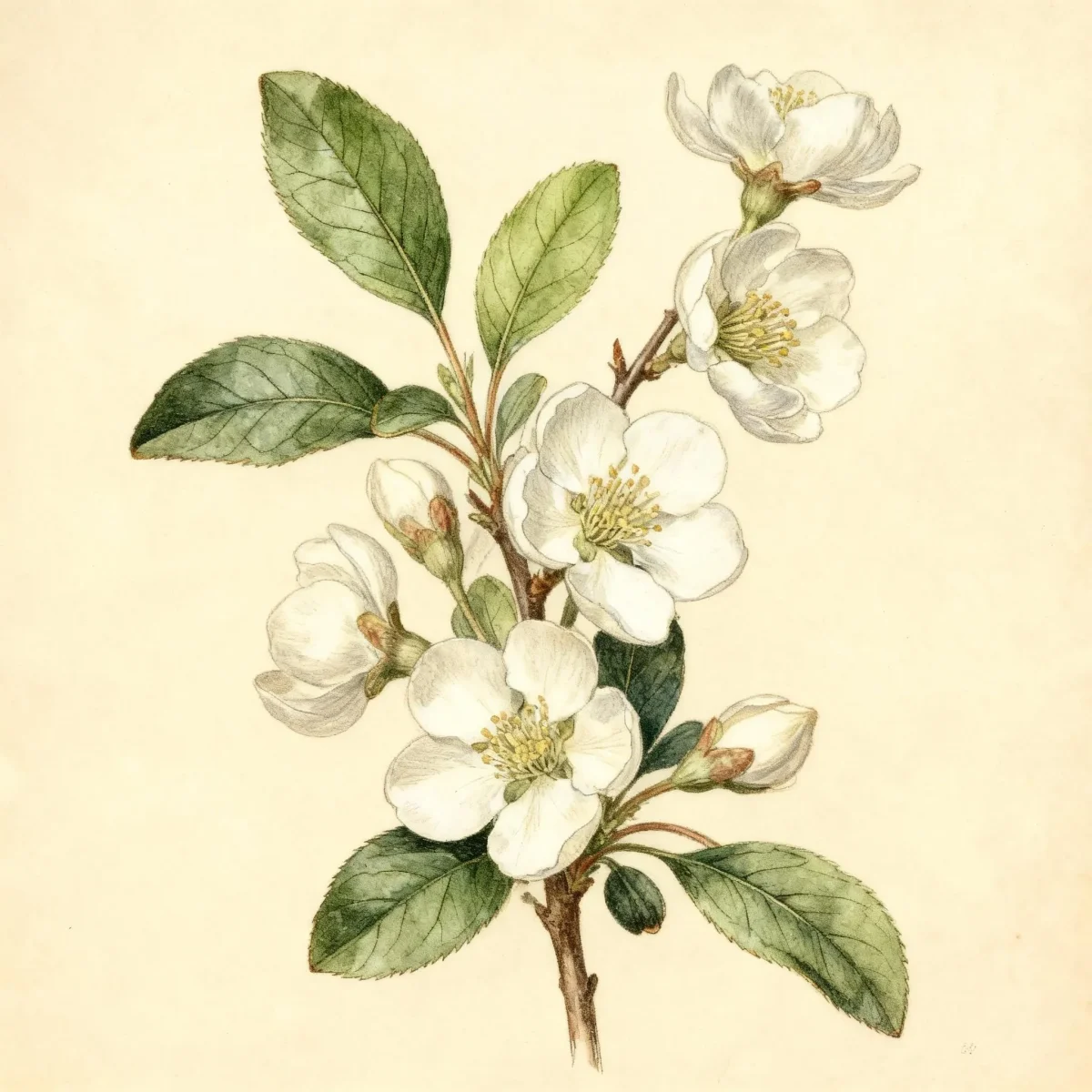
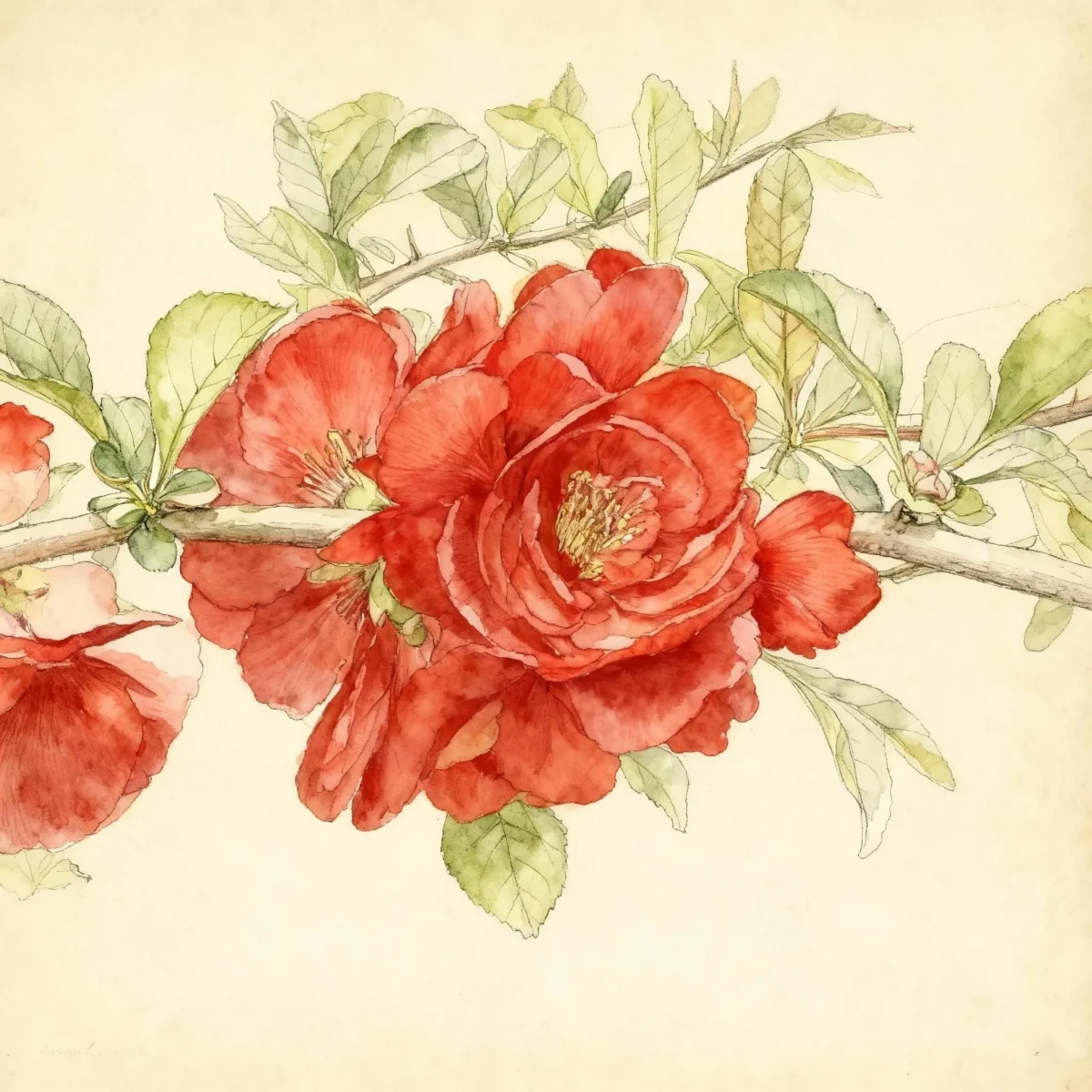
Chickasaw plum (Prunus angustifolia)
Discover the Chickasaw plum (Prunus angustifolia), a low-maintenance deciduous shrub native to the Southern US, prized for its early white blooms and edible fruit.
Scroll down to discover growing tips, care requirements, companion plants, and more
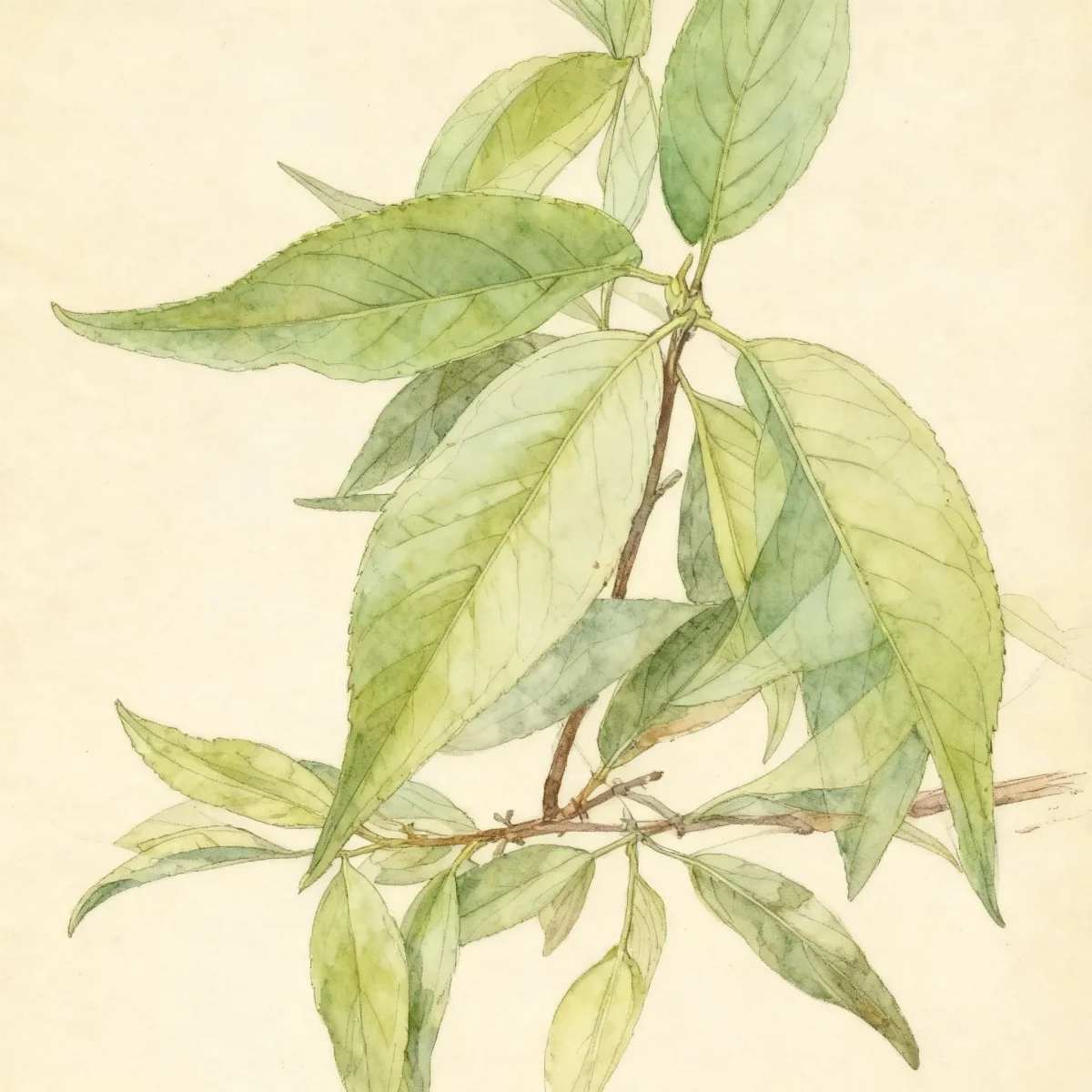
Complete Plant Information
Overview
The Chickasaw plum, scientifically known as Prunus angustifolia, is a highly valuable native shrub renowned for its robust nature and seasonal interest across the Southern United States. This deciduous plant quickly forms dense thickets, making it excellent for naturalizing in informal settings or stabilizing banks. Its versatility allows it to thrive in diverse locations, transitioning gracefully from a functional windbreak to an early spring ornamental.
One of the most appreciated aspects of Prunus angustifolia is its early flowering display, often preceding leaf-out, which provides crucial early-season nectar. Following the blossoms, small, edible plums emerge, offering interest and food for wildlife, although utilization by humans favors processing over raw consumption. The overall maintenance requirement for this species is low, making the Chickasaw plum an ideal choice for gardeners seeking high impact with minimal intervention.
In its native habitat, this species is often found colonizing disturbed areas, establishing large, multi-stemmed colonies through prolific root suckering. Whether utilized for its aesthetic appeal in a naturalized area or its practical stabilizing properties, Prunus angustifolia offers a hardy, visually appealing addition to the landscape.
Fast Facts
- Plant Family: Rosaceae
- Plant Type: Deciduous shrub
- Native Range: Southern United States
- Hardiness Zones: USDA Zones 5-9
- Size at Maturity:
- Height: 4-20 ft
- Spread: 4-20 ft
- Bloom Time: March
- Bloom Description: White
- Sun Exposure: Full sun to part shade
- Water Needs: Medium
- Maintenance Level: Low
How to Grow
Planting the Chickasaw plum is best accomplished during the dormant season—late fall through early spring—allowing the root system to establish before summer heat. This species is highly successful in average, medium, well-drained soils but is adaptable to a wide range of soil conditions. Ensure the location receives at least partial sunlight to encourage abundant flowering and fruiting.
Care for Prunus angustifolia is generally minimal. This shrub has medium water needs once established, tolerating short dry spells better than consistently soaked ground. Fertilization is rarely necessary unless the plant is struggling in particularly poor soil. The most hands-on maintenance involves managing its aggressive suckering habit; promptly remove unwanted root suckers if you wish to prevent the plant from spreading extensively into lawn areas or neighboring borders.
As a low-maintenance native, Prunus angustifolia requires little specialized seasonal care. In early spring, observe the handsome red-brown twigs before the foliage emerges to appreciate the early bloom. Since the plant generally suffers no serious disease or insect problems, routine spraying is usually unnecessary, contributing to its low maintenance profile.
Landscape Uses
The Chickasaw plum excels in informal landscape designs, particularly where colonization and natural spreading are desirable traits. It functions excellently as a robust hedgerow or informal screen, quickly creating dense barriers due to its root suckering. For gardeners looking to restore native habitat or manage slopes, planting Prunus angustifolia along stream banks is highly recommended for effective erosion control.
In less formal settings, use this plum to create naturalized thickets or woodland borders where its dense structure provides excellent wildlife cover. While it can be used in shrub borders, gardeners must account for its tendency to spread laterally. Companion planting should favor other hardy, sun-loving native shrubs that can handle similar soil conditions without being overwhelmed by the dense colonies formed by the Chickasaw plum.
For a screen or boundary planting, massing several specimens together maximizes the visual impact of the spring white flowers. Consider pairing Prunus angustifolia with later-blooming, less aggressive shrubs to ensure continuous seasonal interest in your native screening area.
Standout Features
Flower Qualities
- Showy
- Fragrant
Fruit Qualities
- Showy
- Edible
Noteworthy Characteristics
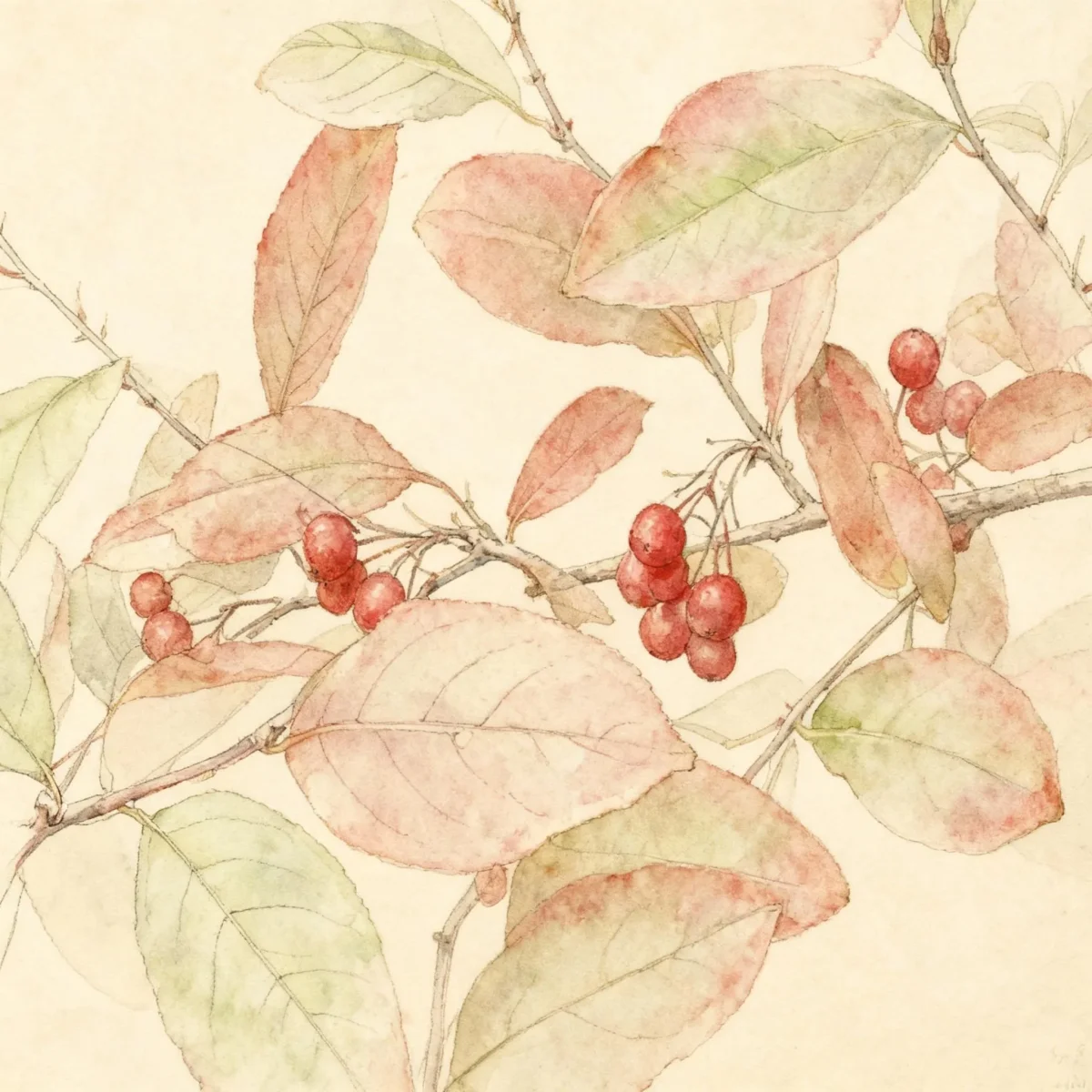
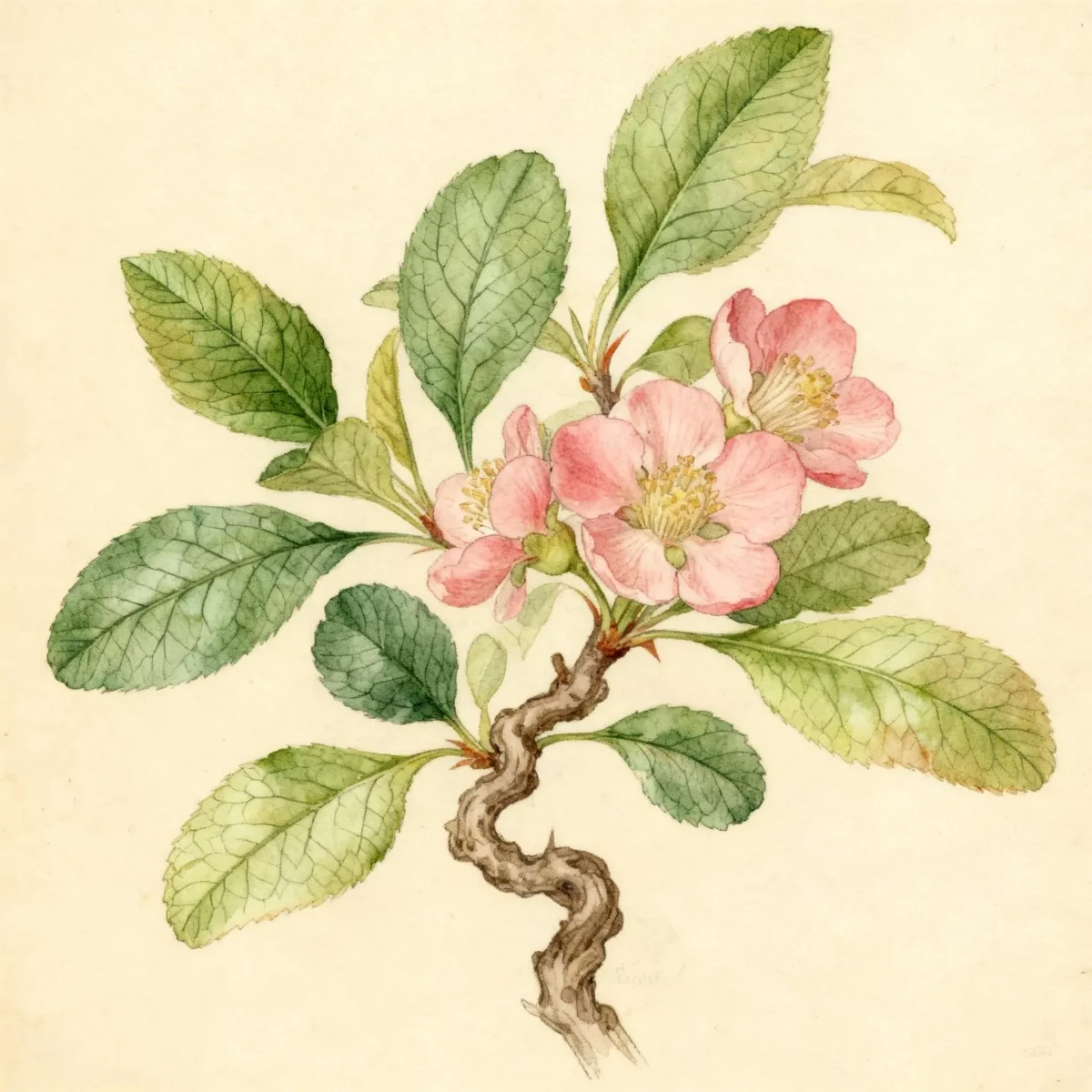
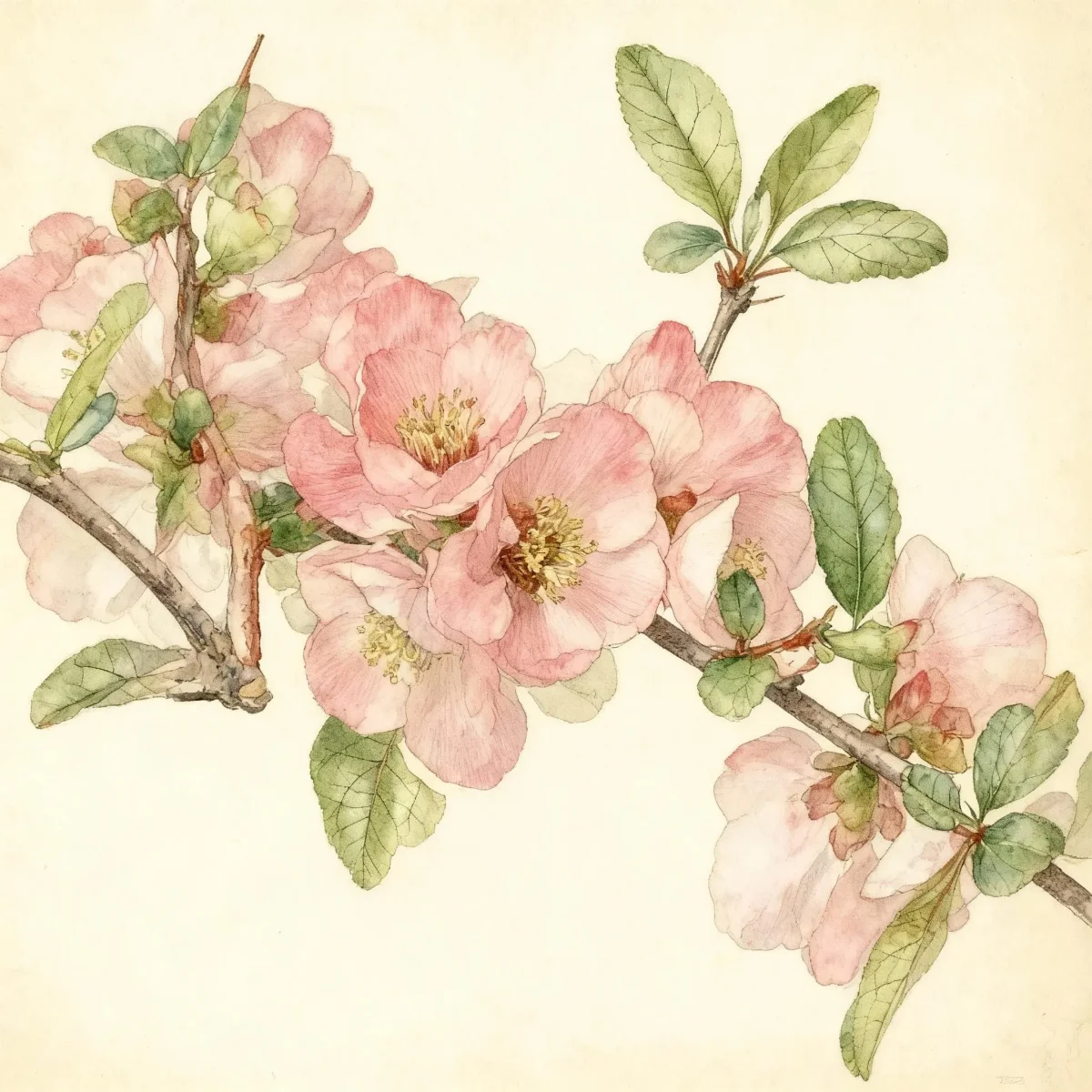
Prunus angustifolia, commonly called Chickasaw plum, is a deciduous Missouri native multi-stemmed shrub or small tree which occurs in thickets, pastures, fields, fencerows, stream banks and disturbed areas scattered primarily in central and southern Missouri south of the Missouri River. Most often seen in the wild as a 4-10’ tall, thicket-forming shrub which freely suckers to form large colonies. Flowers appear along the stems in March before the foliage emerges, followed by small, cherry-like, edible plums that ripen in early to mid-summer and are often best used for preserves. The branches and twigs feature an attractive reddish-brown color and sometimes possess thorny lateral branchlets, adding winter texture.
Tolerances
- Erosion
Potential Problems
The Chickasaw plum is generally resistant to serious insect or disease problems, contributing significantly to its low maintenance rating. However, when fruit production is heavy, you may encounter plum curculio or brown rot affecting the plums. Disease issues like leaf spot, canker, and black knot can occasionally appear.
For insects, be aware that aphids, scale insects, borers, and tent caterpillars may sometimes infest this species. Management efforts should focus on cultural practices first, ensuring good air circulation and proper site selection. If insect or disease pressure becomes notable, targeted application of appropriate treatments may be necessary, especially if heavy fruit production is anticipated.
Frequently Asked Questions
What hardiness zones is Chickasaw plum suitable for?
The Chickasaw plum (Prunus angustifolia) is hardy across USDA Zones 5 through 9.
How large does Prunus angustifolia grow?
This species typically reaches a height between 4 and 20 feet and spreads equally wide, often forming dense thickets that can reach 20 feet across.
What sun exposure does Chickasaw plum need?
Prunus angustifolia performs best when situated in full sun but tolerates conditions ranging into light to moderate part shade.
When does Chickasaw plum bloom?
The small, white blossoms of the Chickasaw plum appear early in the season, typically in March, before the plant develops its leaves.
Conclusion
The Prunus angustifolia, or Chickasaw plum, is a cornerstone plant for naturalized areas, offering early spring fragrance and low-effort fruit production. Its hardiness and tendency to form beneficial, self-sustaining thickets make it invaluable for habitat restoration and erosion control. Review your local hardiness zone compatibility and plan to plant this tough native shrub during the cooler months for the best establishment success.
Wildlife Benefits
The early appearance of the white flowers on the Chickasaw plum is a significant benefit for emerging native pollinators in early spring. These blossoms provide one of the first reliable nectar and pollen sources when many other landscape plants are still dormant. The fragrant quality further attracts beneficial insects to the garden early in the season.
Once the flowers give way to fruit, the small, cherry-like plums provide a valuable food source. While slightly tart for human consumption raw, the fruit is eagerly consumed by numerous species of birds and small mammals throughout early and mid-summer. Planting Prunus angustifolia directly contributes to local biodiversity by supporting wildlife populations.
Propagation Tips
While the most common way Prunus angustifolia establishes itself is via aggressive root suckering, propagation for targeted placement requires different techniques. For the most accurate and rapid results, hardwood cuttings taken during dormancy can be used, though success rates vary. For best results in maintaining variety integrity, grafting onto established plum or native rootstock is often employed by expert nurseries.
When attempting to establish new colonies, you can also try transplanting the rooted suckers that emerge away from the main clump during the spring when they are young and easily dug with minimal root disturbance. Ensure these transplants immediately receive deep watering to help them recover from the move, as they prefer medium soil moisture.