Cherry laurel (Prunus caroliniana)
Prunus caroliniana is a low-maintenance broadleaf evergreen, perfect for screens and hedges in USDA Zones 7-10.
Scroll down to discover growing tips, care requirements, companion plants, and more
Complete Plant Information
Overview
Cherry laurel (Prunus caroliniana) is a highly valuable broadleaf evergreen native to the Southern United States, prized for its dense, glossy foliage and excellent screening capabilities. This plant transitions easily between a large shrub and a small tree, offering year-round visual structure in the landscape. Its adaptability, combined with low maintenance requirements, makes Prunus caroliniana a staple for creating functional green barriers.
This evergreen provides delicate white blooms in late winter or early spring, adding interest before many other landscape plants awaken. Once established, the cherry laurel exhibits notable drought tolerance, reducing watering needs significantly during drier periods. Furthermore, the resultant black fruits are highly attractive to local bird populations, integrating natural beauty and wildlife support into its functional role.
Whether utilized as a formal screen or allowed to naturalize slightly, the reliability of Prunus caroliniana ensures consistent performance across USDA hardiness zones 7 through 10. Gardeners appreciate its rich green color and the minimal attention required to maintain its structure throughout the seasons.
Fast Facts
- Plant Family: Rosaceae
- Plant Type: Broadleaf evergreen
- Native Range: Southern United States
- Hardiness Zones: USDA Zones 7-10
- Size at Maturity:
- Height: 15-20 ft
- Spread: 10-15 ft
- Bloom Time: February to April
- Bloom Description: White
- Sun Exposure: Full sun to part shade
- Water Needs: Medium
- Maintenance Level: Low
How to Grow
For optimal establishment, plant the cherry laurel during the cooler months, preferably fall or early spring, allowing the root system time to anchor before summer heat arrives. Prunus caroliniana thrives best in moist but well-drained soils; avoid areas where water pools, as saturation can stress the roots. While establishing, maintain a consistent watering schedule, but once established, these plants demonstrate surprisingly good drought tolerance due to their robust nature.
Fertilization is generally unnecessary in rich soils, focusing instead on applying a layer of organic mulch to conserve moisture and regulate soil temperature. Maintenance is typically low; pruning can be performed immediately after flowering to refine shape or control size when used as a hedge. Heavy pruning should be avoided outside the optimal window to prevent stress.
A noteworthy aspect of propagation is that plants may self-seed in the landscape, meaning an initial planting could lead to natural spread over time. Established plants, while drought-tolerant, benefit from deep watering during extended dry spells, reinforcing their hardiness.
Landscape Uses
The versatility of cherry laurel makes it an outstanding choice for numerous landscape applications. Due to its dense, upright growth habit, it functions perfectly as a formal hedge or an effective, year-round windbreak, offering privacy screens where mature height reaches between 15 and 20 feet. For a more naturalistic approach, Prunus caroliniana can be planted in groups to naturalize in open thickets, echoing its native habitat description.
When allowed to develop into tree form, it serves excellently as a specimen plant, showcasing its glossy leaves and late winter bloom period. Consider pairing it with contrasting textures or colors in the understory, such as low-growing ferns that appreciate the partial shade cast by the mature canopy. Its evergreen nature ensures year-round visual appeal along property lines or as background plantings.
Standout Features
Flower Qualities
- Showy
Fruit Qualities
- Showy
Noteworthy Characteristics
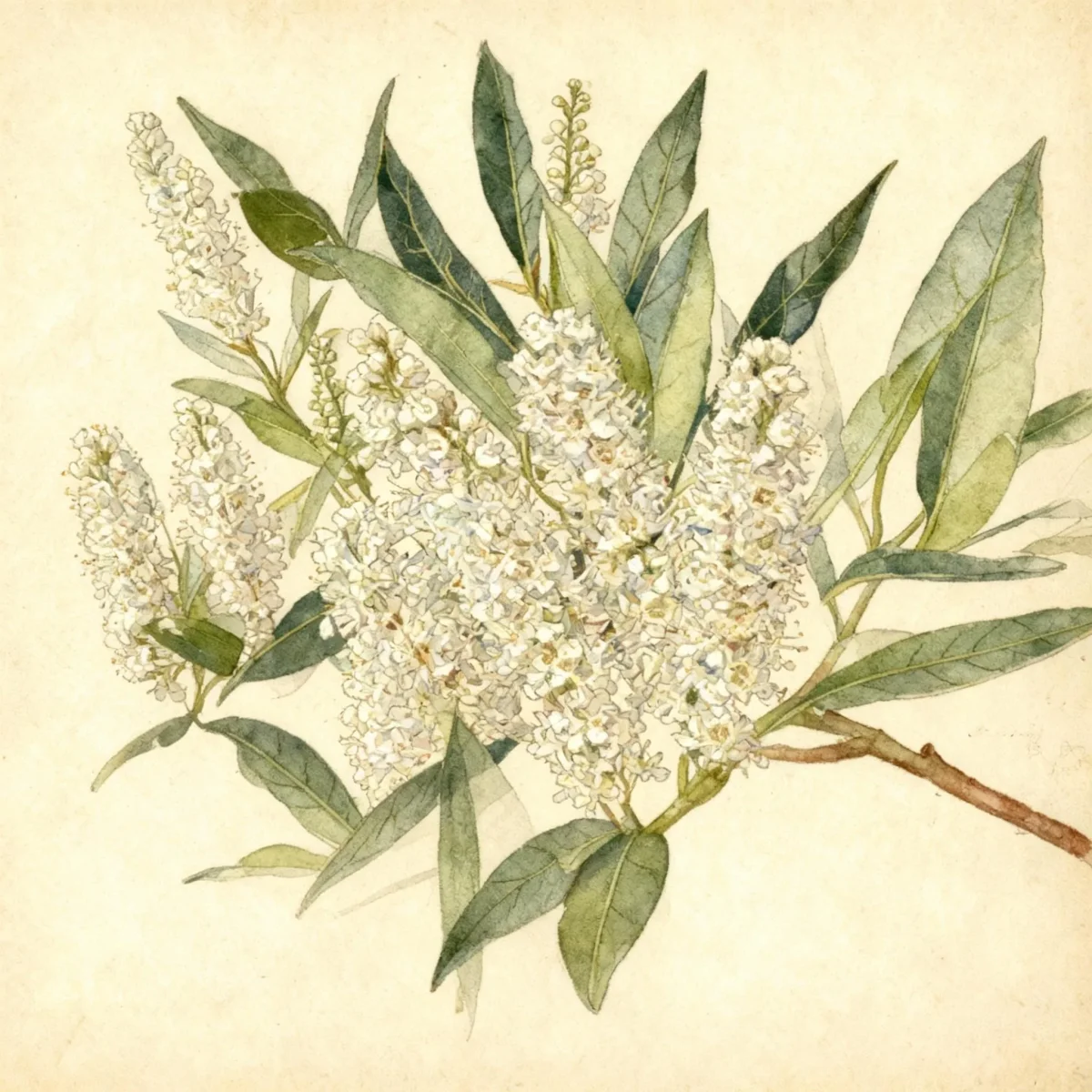
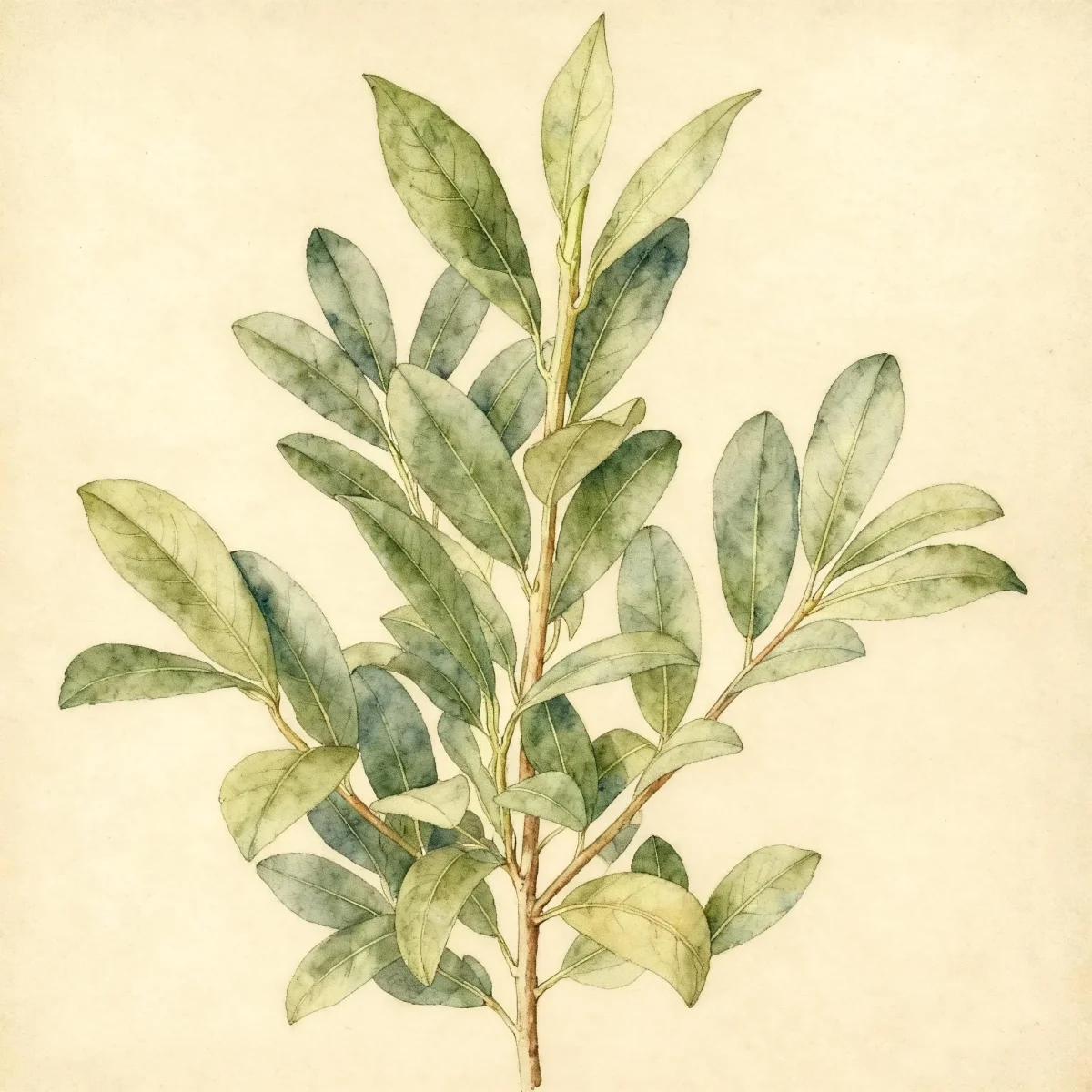
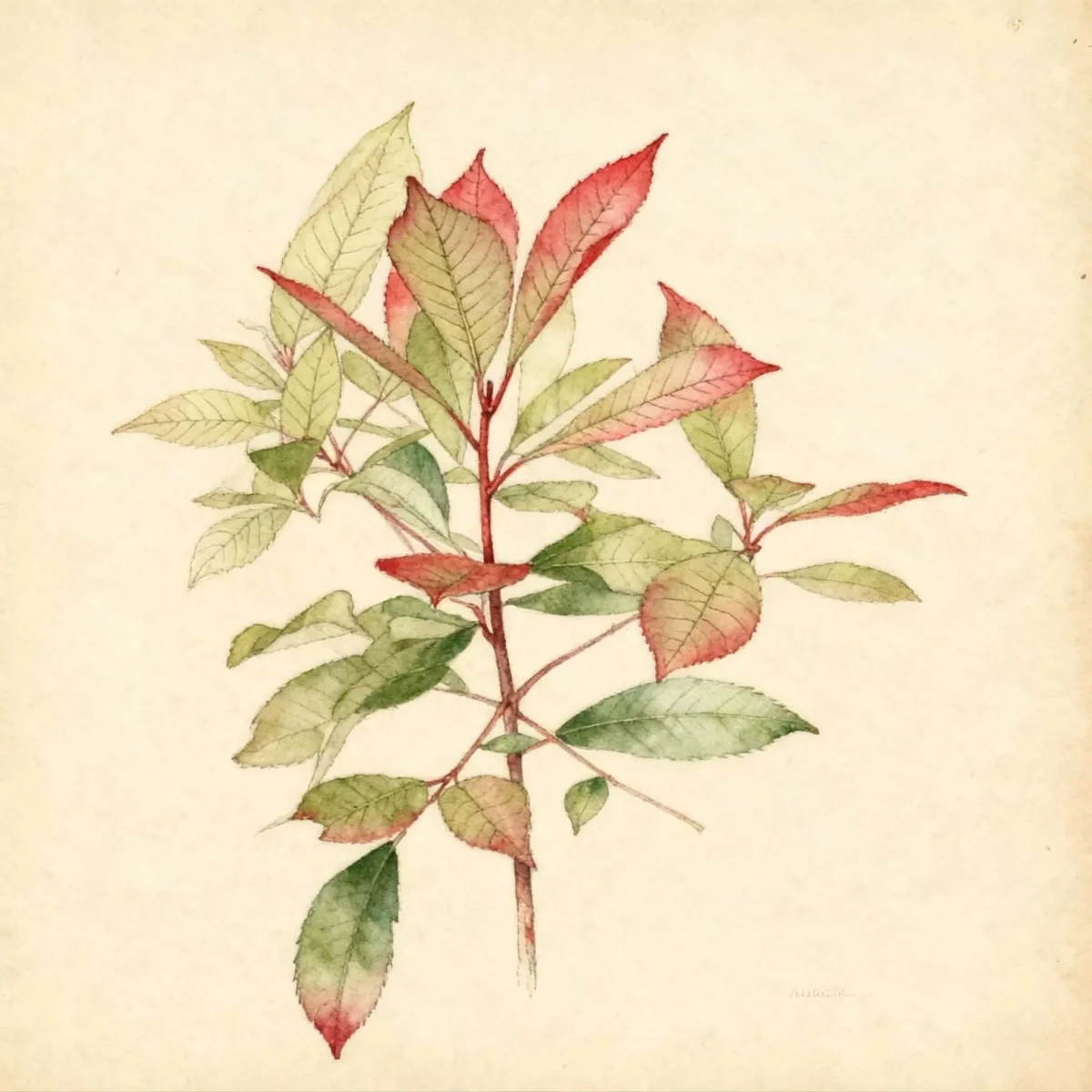
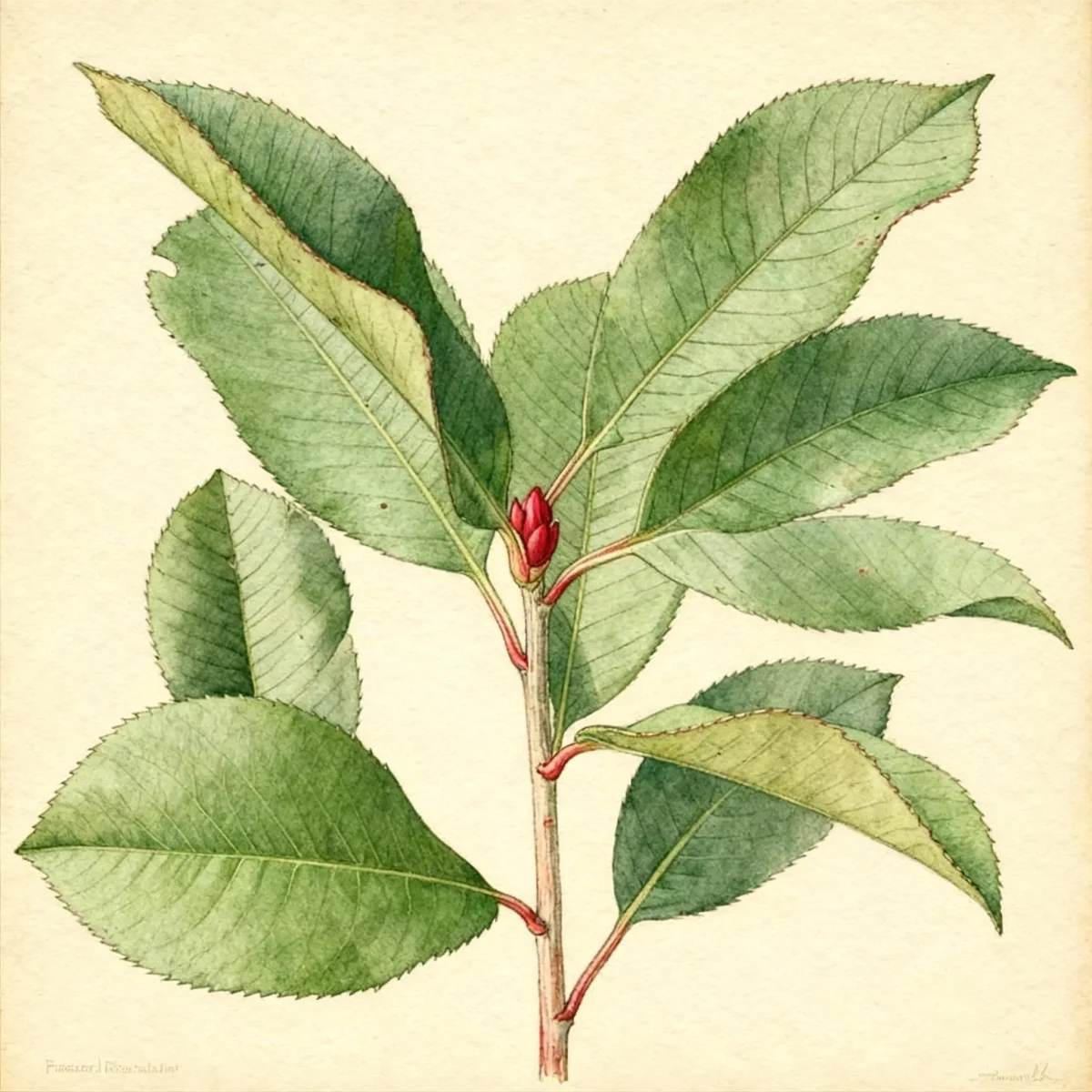
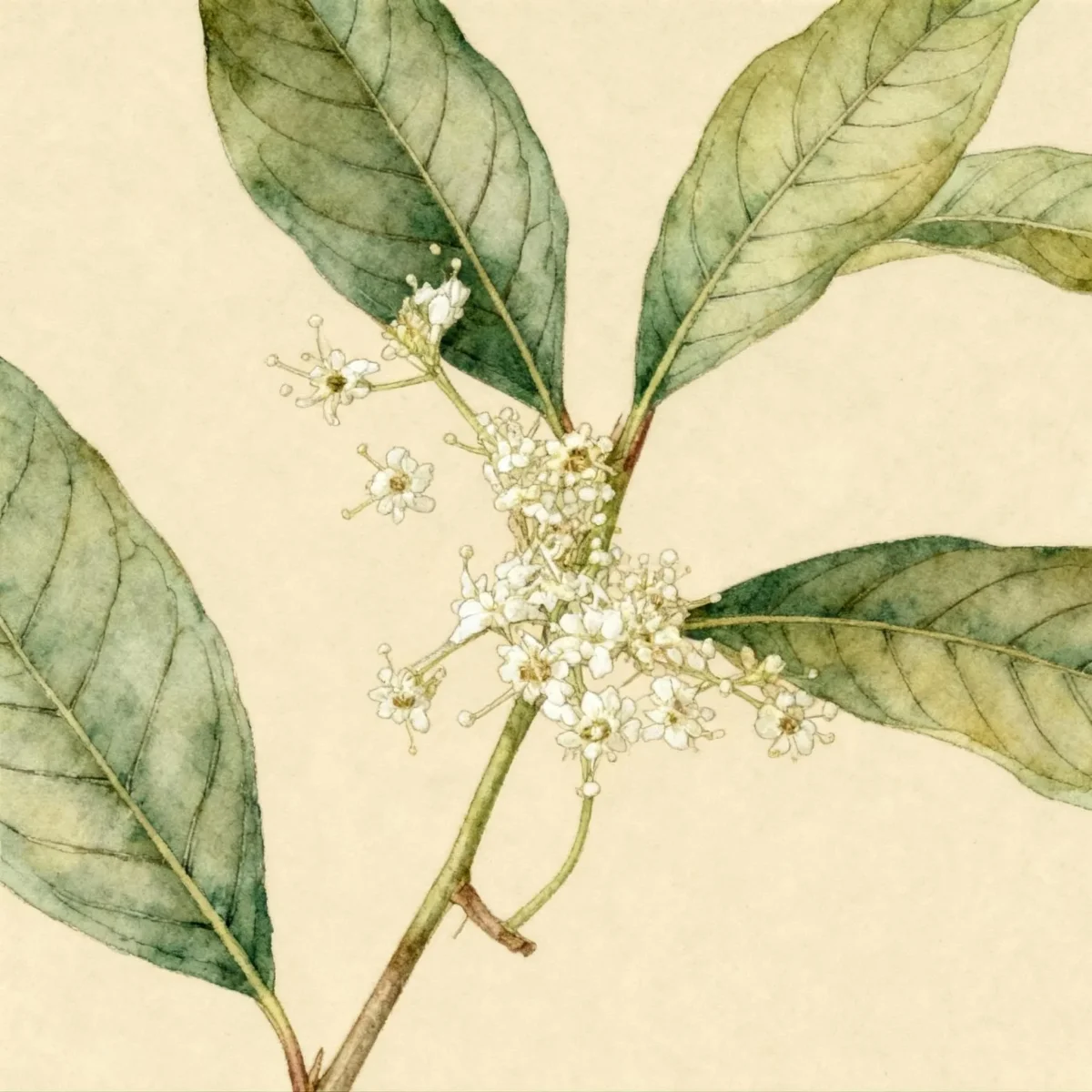
Prunus caroliniana, commonly called cherry laurel, is an evergreen tree or large shrub that is native to low woods, fields and thickets from southeastern North Carolina to Florida west to Arkansas, Louisiana and Texas. It is most often seen growing 15-20’ tall but may rise in tree form to as much as 40’ tall. Glossy, lanceolate-oblong dark green leaves (to 2-4” long) have pointed tips. Fragrant white flowers (each to 3/16” across) bloom in dense racemes (2-3” long) in late winter to early spring (February to April). Flowers (each to 5/16” long) are followed by green fruits which initially turn reddish purple before ripening in fall to shiny black. Birds love the fruit.Genus name from Latin means plum or cherry tree.Specific epithet means from North Carolina or South Carolina.
Tolerances
- Drought
Potential Problems
The cherry laurel generally exhibits excellent resilience, reporting no serious insect or disease problems when grown in appropriate conditions. The primary concern for gardeners relates strictly to toxicity; all parts of the leaves contain high quantities of prussic acid (cyanide) and must never be eaten by humans or pets. While borers can occasionally trouble trees that are stressed—perhaps due to over-watering or drought—vigorous plants usually fend them off. Regularly inspect the foliage for signs of mites, especially during hot, dry periods, which can be managed with horticultural oils if populations become high.
Frequently Asked Questions
What hardiness zones is Cherry laurel suitable for?
This resilient evergreen is reliably suitable for USDA Hardiness Zones 7 through 10.
How large does Cherry laurel grow?
At maturity, Prunus caroliniana typically develops a spread of 10-15 feet and stands between 15 and 20 feet tall.
When does Cherry laurel bloom?
The fragrant white flowers appear relatively early in the season, blooming between February and April.
What sun exposure does Cherry laurel need?
Prunus caroliniana performs best when situated in locations receiving full sun to partial shade.
Conclusion
The evergreen structure, attractive dark green foliage, and low maintenance needs cement the value of Prunus caroliniana for screening and background plantings across the Southeast. This reliable cherry laurel offers year-round dependability and seasonal beauty. Before planting, confirm your landscape falls within USDA Zones 7-10 and ensure the site provides the moist but well-drained soil it prefers.
Wildlife Benefits
The fleshy fruits produced by the cherry laurel after its spring bloom are a significant draw for numerous bird species, providing an important late-season food source as they ripen to shiny black in the fall. Planting Prunus caroliniana near windows or feeders can offer excellent opportunities for birdwatching. The dense canopy also provides superior nesting habitat and year-round shelter, especially critical during colder months across its native range.
Propagation Tips
Established cherry laurel plants offer several simple propagation methods for increasing your stock. The most effective field method involves collecting seeds from the ripe black fruit, though germination can be slow and variable. For cloning desirable traits, propagation by cuttings taken from semi-hardwood growth during the summer often yields success. Additionally, this species has a tendency to spread via root suckers, which can sometimes be carefully separated and transplanted to establish new, genetically identical specimens.