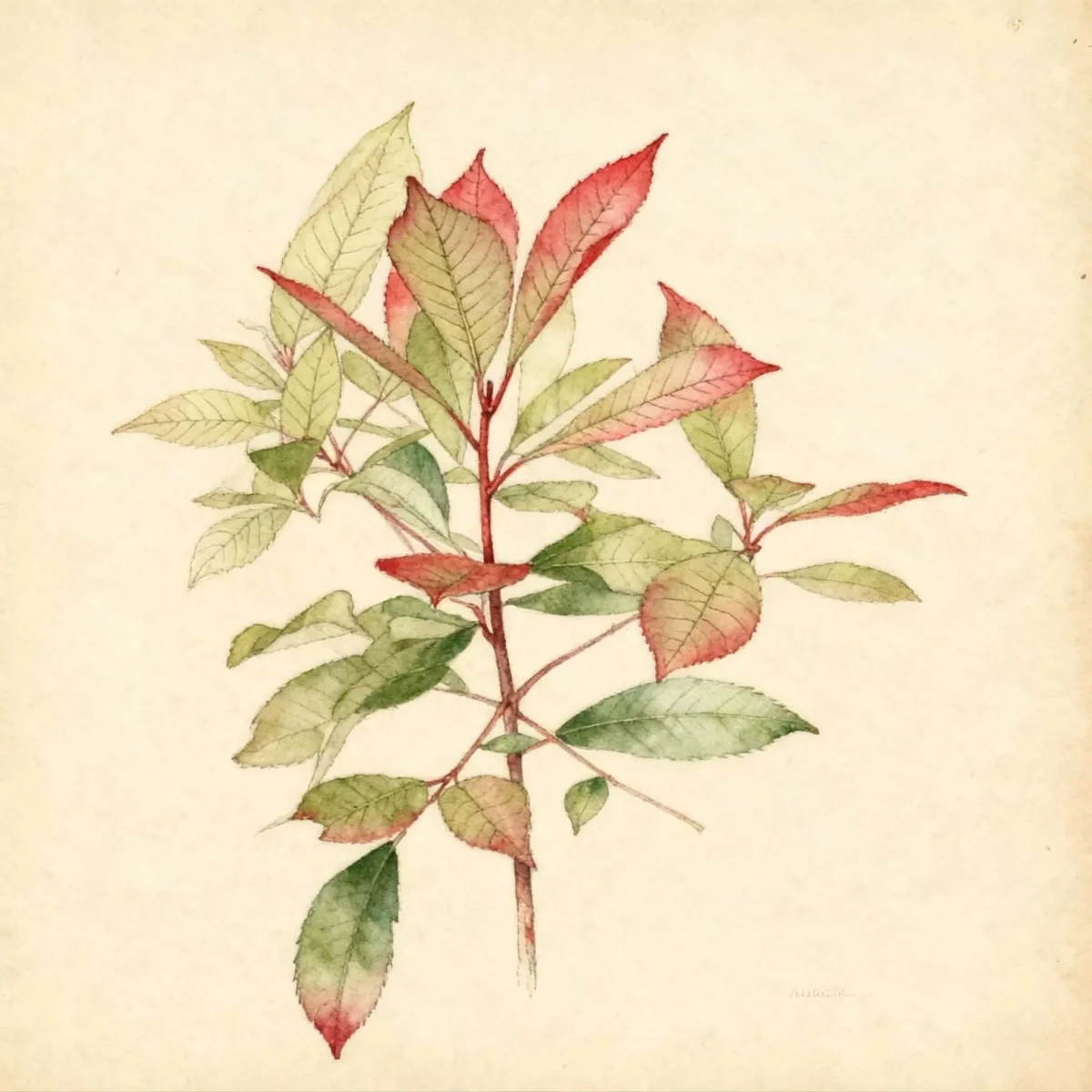
Cherry laurel (Prunus laurocerasus)
Prunus laurocerasus, the versatile Cherry laurel, offers dense evergreen foliage and fragrant April blooms. Low maintenance shrub for zones 6-8.
Scroll down to discover growing tips, care requirements, companion plants, and more
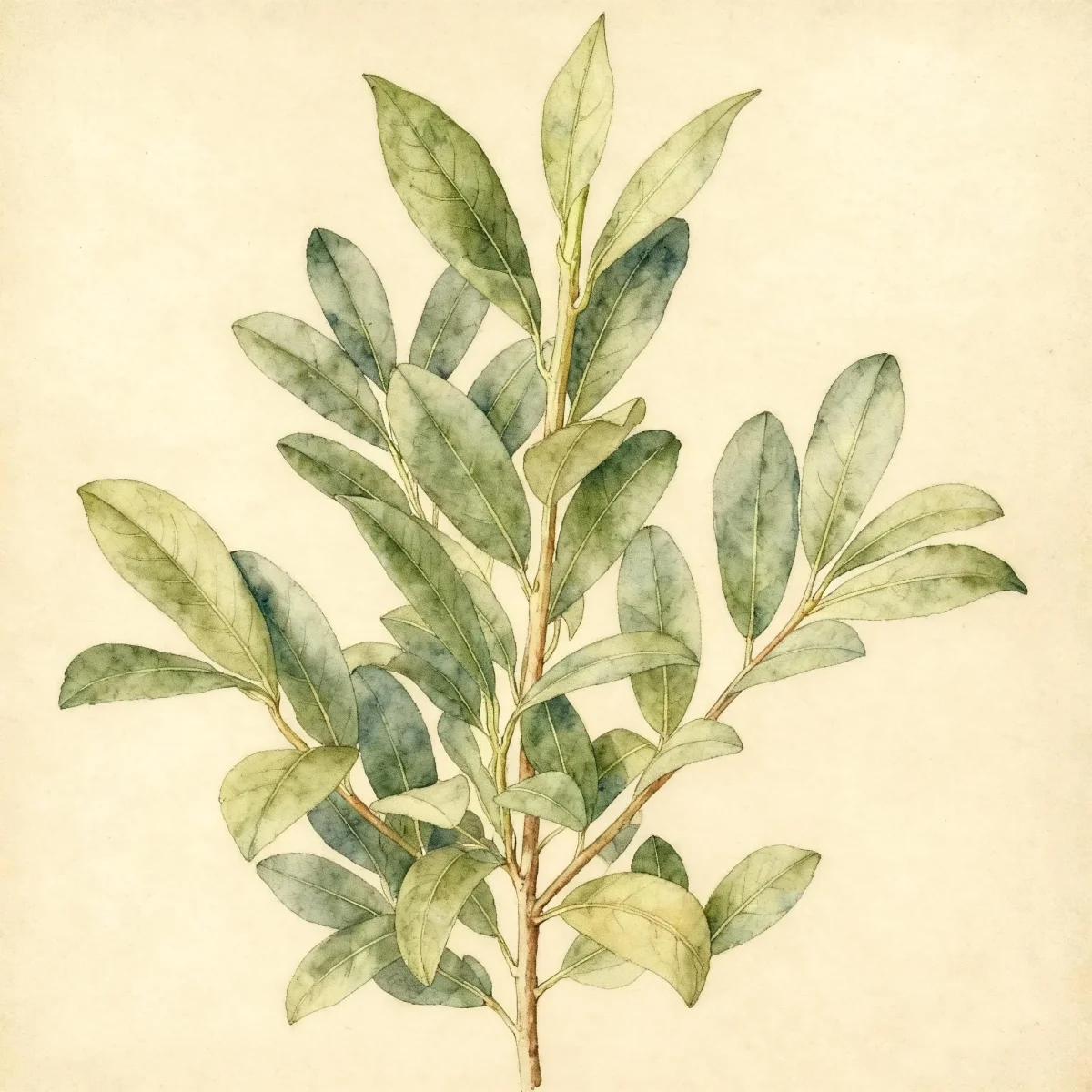
Complete Plant Information
Overview
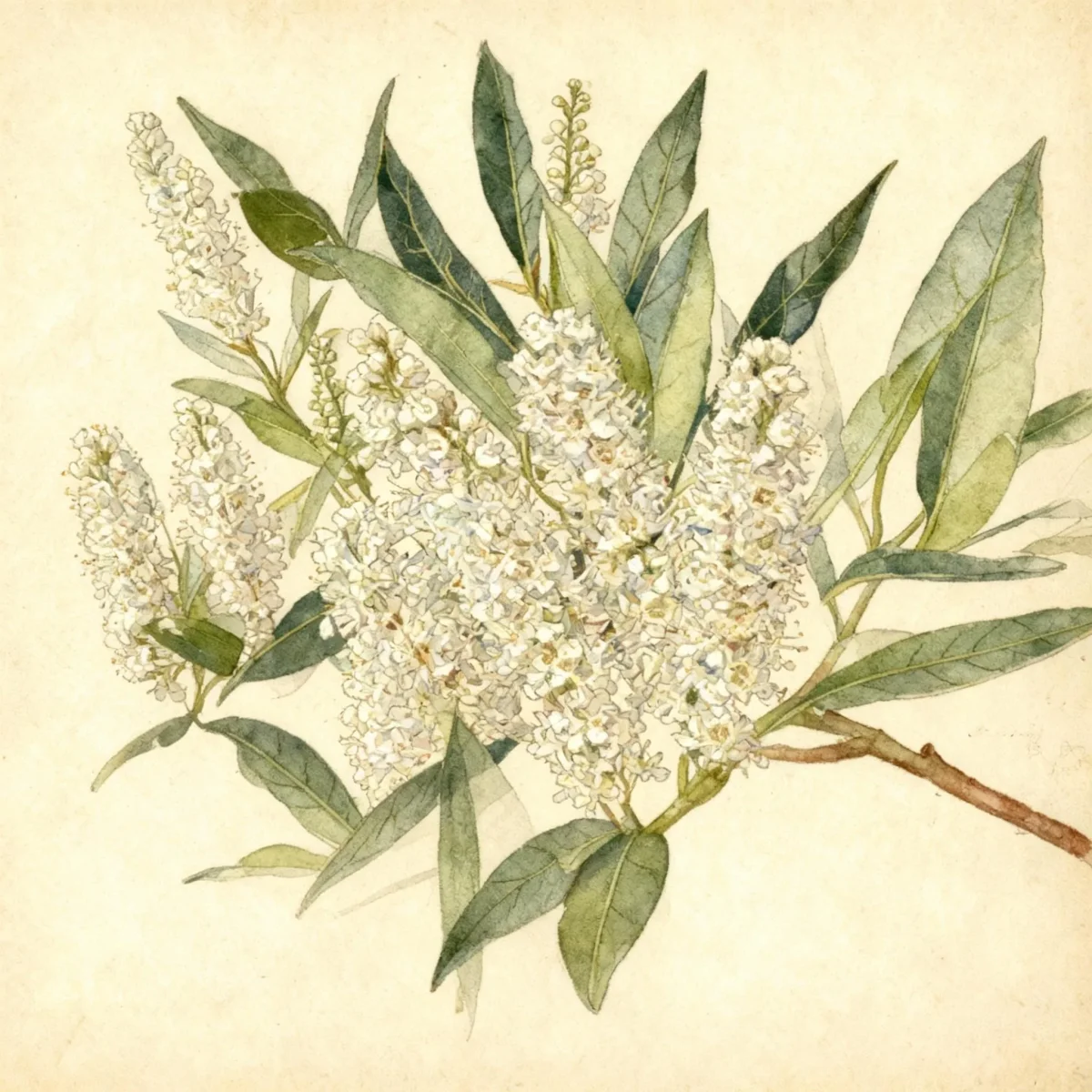
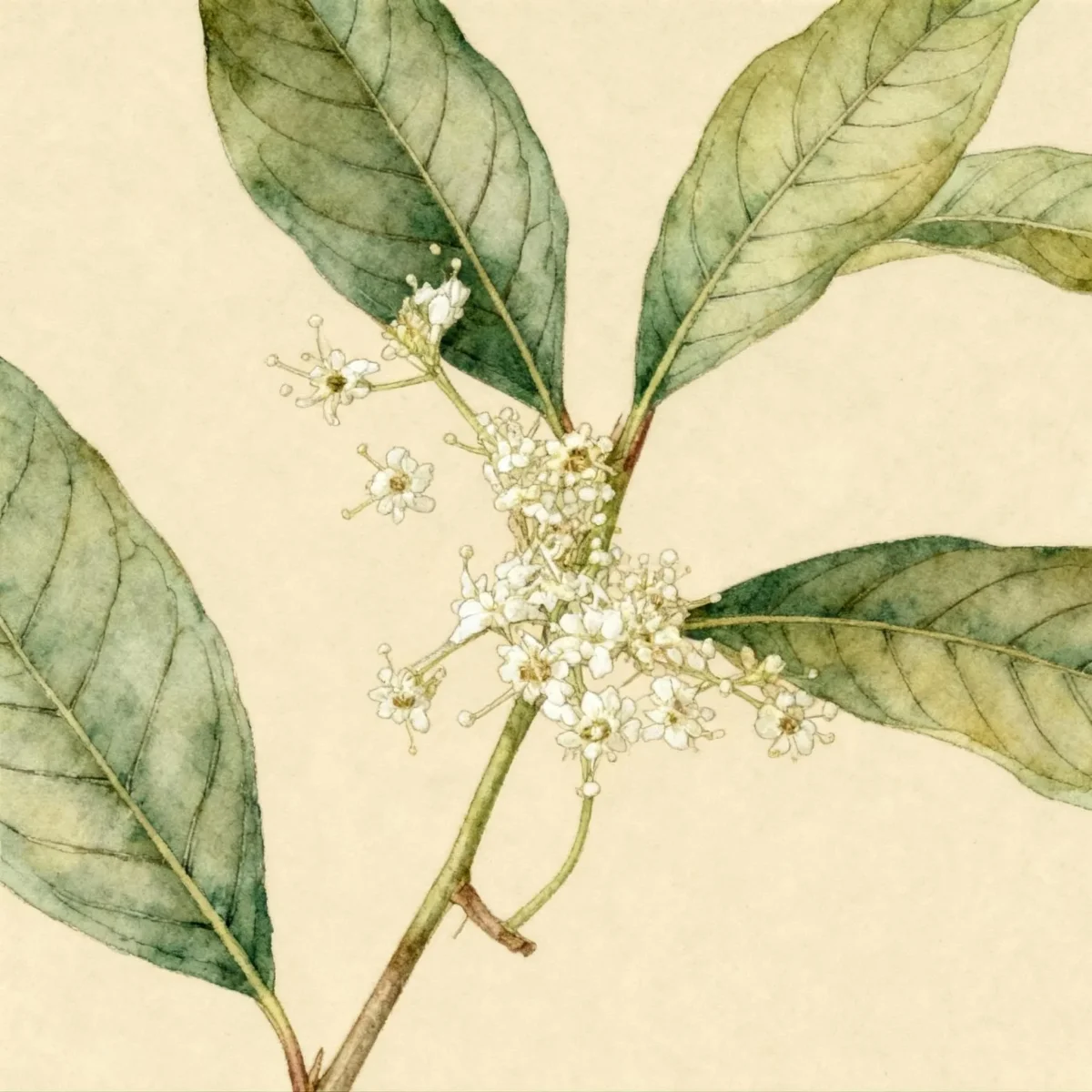
The Prunus laurocerasus, commonly known as Cherry laurel, is a highly valued broadleaf evergreen shrub celebrated for its dense, lustrous, dark green foliage that provides year-round screening. Native to Southern Europe and Southwestern Asia, this species establishes itself as a robust fixture in the landscape, maturing into a substantial screen or specimen plant. Its ornamental appeal is further enhanced by clusters of creamy white flowers in spring, adding noticeable fragrance to the early season garden.
Prunus laurocerasus requires relatively low maintenance once established, making it ideal for gardeners seeking substantial evergreen structure without intensive upkeep. It thrives in moist, well-drained soil and offers adaptability regarding light, performing best in full sun in cooler climates and light shade where summers are intense. The species generally matures between 10 to 18 feet tall with a wide spread, asserting itself as a significant landscape component.
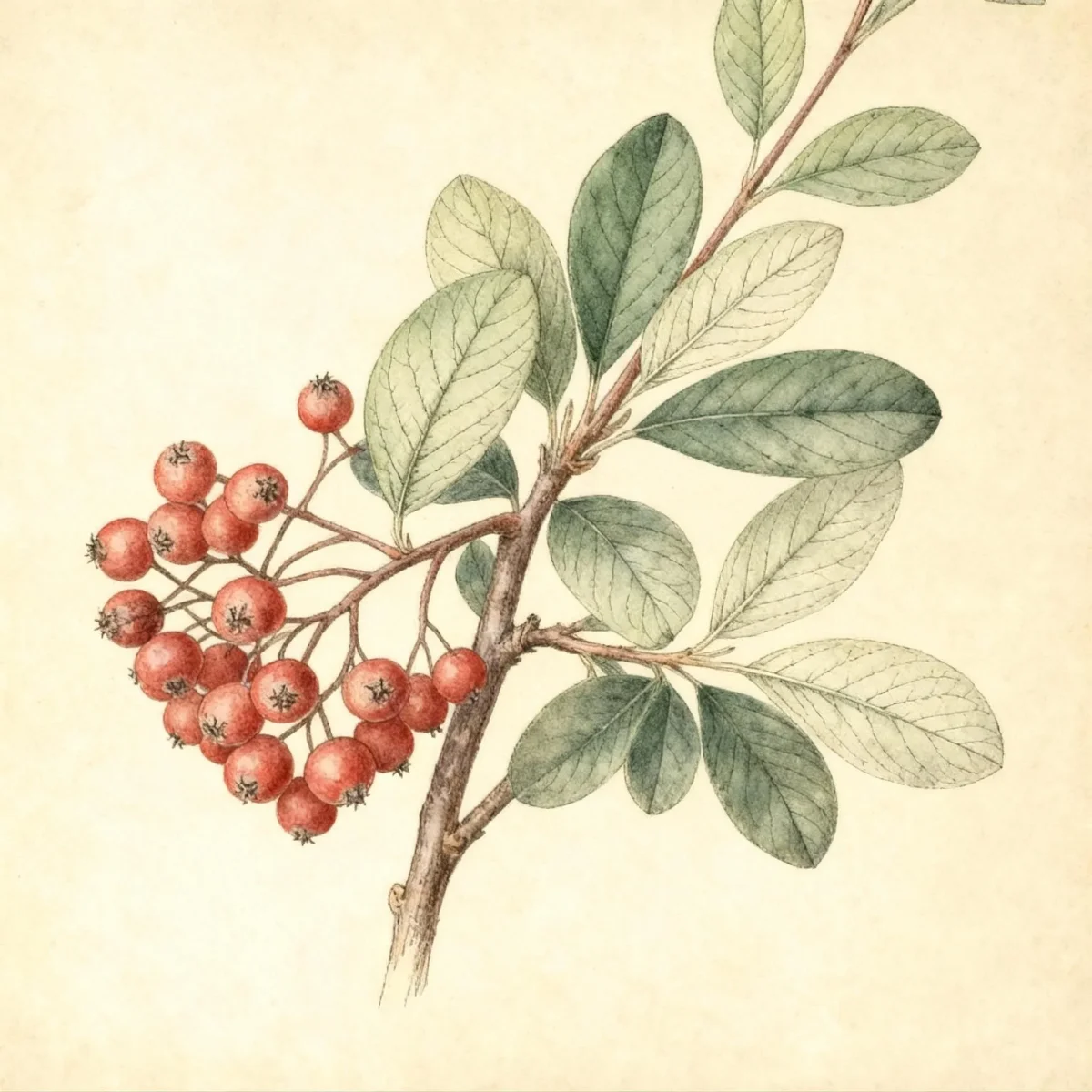
Functionally, the Cherry laurel excels as a privacy screen or hedge, quickly developing into an effective visual barrier. While its small black fruits are not recommended for human consumption, they provide a food source for local bird populations during mid-summer. Gardeners should appreciate the reliability and evergreen backdrop this plant offers throughout the colder months.
Fast Facts
- Plant Family: Rosaceae
- Plant Type: Broadleaf evergreen
- Native Range: Southern Europe, southwestern Asia
- Hardiness Zones: USDA Zones 6-8
- Size at Maturity:
- Height: 10-18 ft
- Spread: 20-25 ft
- Bloom Time: April to May
- Bloom Description: Creamy white
- Sun Exposure: Full sun to part shade
- Water Needs: Medium
- Maintenance Level: Low
How to Grow
Planting is best accomplished in the spring or fall when temperatures are moderate, allowing the Prunus laurocerasus roots to establish without the stress of extreme heat or cold. Ensure the location provides organically rich soil with excellent drainage, as standing water is detrimental to its health. While it tolerates shade, achieving optimal density and flowering is easier with at least partial sun exposure.
Care requirements are straightforward for this robust evergreen. Maintain medium soil moisture, especially during the first few growing seasons. Pruning should be performed immediately following the flowering period in late spring to shape the plant or manage its size, as unpruned specimens can become very large. Fertilizing is rarely necessary if the soil is adequately rich.
Site selection flexibility is a key feature; plants in cooler sections of the growing range (like Zone 6) benefit from full sun, while those in warmer areas (Zone 8) appreciate afternoon shade to prevent leaf scorch. Be aware that the species may experience inconsistent winter hardiness throughout transition zones. Good soil drainage remains the most critical cultural requirement for long-term success with Cherry laurel.
Landscape Uses
The substantial size and dense habit of Prunus laurocerasus make it irreplaceable for creating tall hedges or achieving immediate screening effects in larger properties. Its adaptability allows designers to use it as a bold specimen, anchoring corners or acting as a backdrop in mixed borders where its deep green foliage contrasts well with deciduous plantings. For those seeking a woodland effect, Cherry laurel performs reliably even in deep shade settings, assuming moisture and drainage are adequate.
When planning mass plantings, space the shrubs adequately to allow for their impressive 20 to 25-foot spread. While the species reaches significant size, be sure to investigate compact cultivars if container growing or smaller border applications are required, as these offer similar aesthetics in a more manageable form. This evergreen provides foundational structure and year-round interest, unifying the garden design.
Standout Features
Flower Qualities
- Showy
- Fragrant
Fruit Qualities
- Showy
Noteworthy Characteristics
Prunus laurocerasus commonly called cherry laurel or English laurel is a broad, dense, spreading, evergreen shrub that in cultivation typically matures over time to 10-18’ tall with a spread to 20-25’. Lustrous, oblong, dark green leaves remain evergreen, providing structure without fall color. Fragrant, creamy white flowers appear in upright clusters in spring, which later yield somewhat inconspicuous black drupes enjoyed by birds. The genus name refers to plums or cherries, while the specific epithet notes its resemblance to laurel leaves and cherry fruit.
Tolerances
- Heavy Shade
Potential Problems
The Cherry laurel generally exhibits better pest resistance compared to many other Prunus species, a definite advantage. However, gardeners must remain vigilant regarding specific fungal issues. Susceptibility to shot-hole disease, powdery mildew, and root rot are the primary concerns. Managing these issues involves ensuring excellent air circulation, avoiding overhead watering, and, crucially, confirming that soil drainage is sharp and never waterlogged to prevent deadly root rot.
Frequently Asked Questions
What hardiness zones is Cherry laurel suitable for?
Prunus laurocerasus is rated for USDA Hardiness Zones 6 through 8.
How large does Cherry laurel grow?
This species typically reaches a mature height between 10 and 18 feet, with a spread often ranging from 20 to 25 feet wide.
What sun exposure does Prunus laurocerasus need?
This plant is versatile, thriving in full sun to part shade conditions, though preference shifts based on climate extremes.
When does Prunus laurocerasus bloom?
The Cherry laurel produces its showy, fragrant, creamy white flowers primarily from April through May.
Conclusion
The Prunus laurocerasus stands out as a low-maintenance evergreen powerhouse, delivering essential year-round screening capacity alongside its beautiful spring floral display. Its adaptability to varying light conditions makes the Cherry laurel a reliable choice for many challenging spots in the landscape. Before planting, confirm your site falls within USDA Zones 6-8 and prioritize excellent soil drainage to ensure this magnificent shrub thrives.
Wildlife Benefits
For gardeners dedicated to supporting local fauna, the Cherry laurel provides notable benefits, particularly during the late summer season. After the spring flowers fade, the shrub produces black drupes. While these fruits are bitter and considered inedible for humans, they are readily consumed by numerous local bird species, offering a crucial late-season food source that encourages beneficial wildlife to frequent your garden.
Companion Planting
When integrating Prunus laurocerasus into a larger landscape design, focus on companion plants that appreciate similar soil and moisture conditions, particularly those that contrast well with its deep, glossy evergreen leaves. Shade-tolerant perennials like Hellebores (Lenten Rose) or Hostas (if the area is not too dry) perform beautifully beneath the canopy. For year-round structure near the base, consider low-growing evergreen groundcovers that do not require intensive pruning, mirroring the low-maintenance goals of growing Prunus laurocerasus itself.