Bird cherry (Prunus padus)
Prunus padus, the Bird cherry, is a fragrant, low-maintenance flowering tree hardy in Zones 3-6, ideal for early spring visual interest.
Scroll down to discover growing tips, care requirements, companion plants, and more
Complete Plant Information
Overview
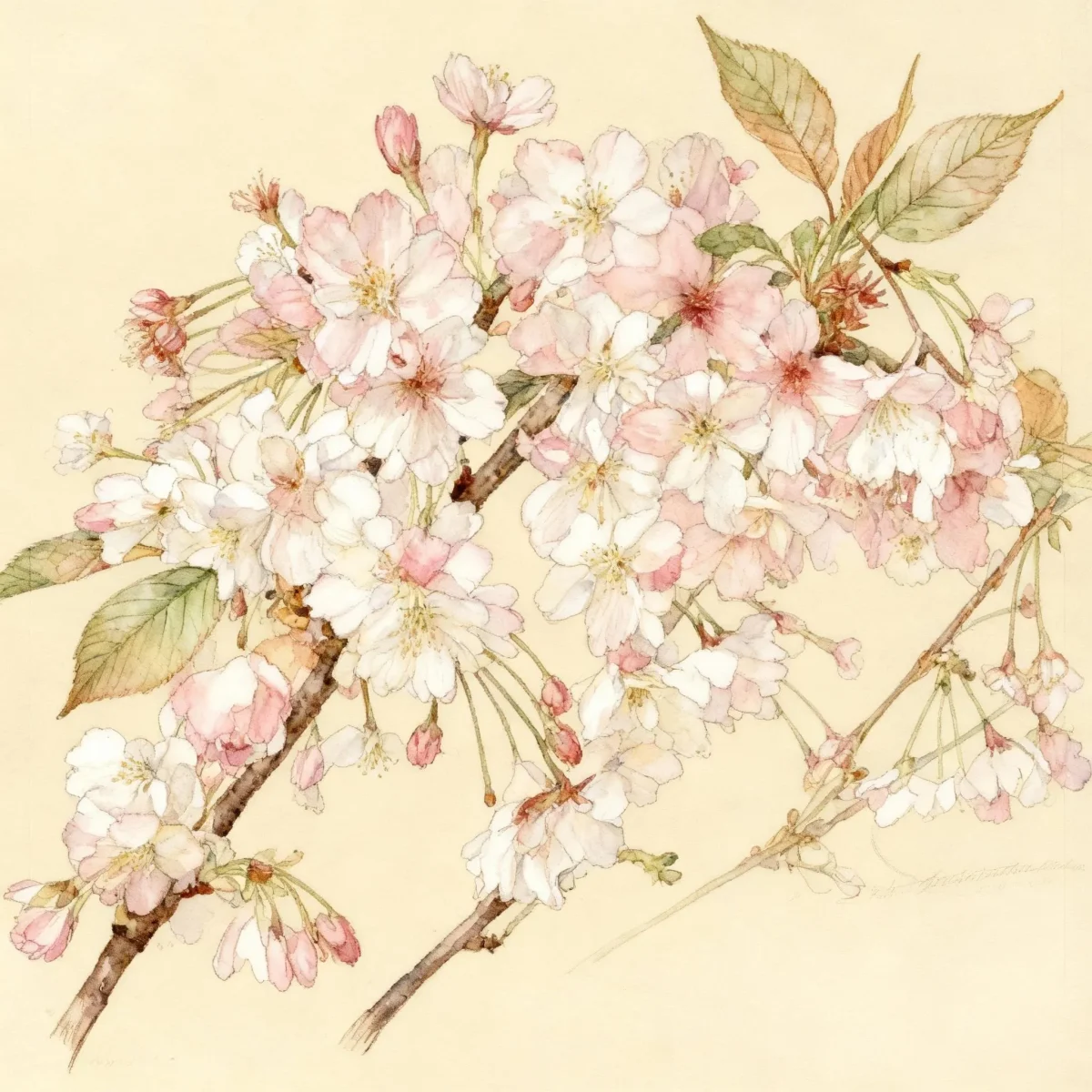
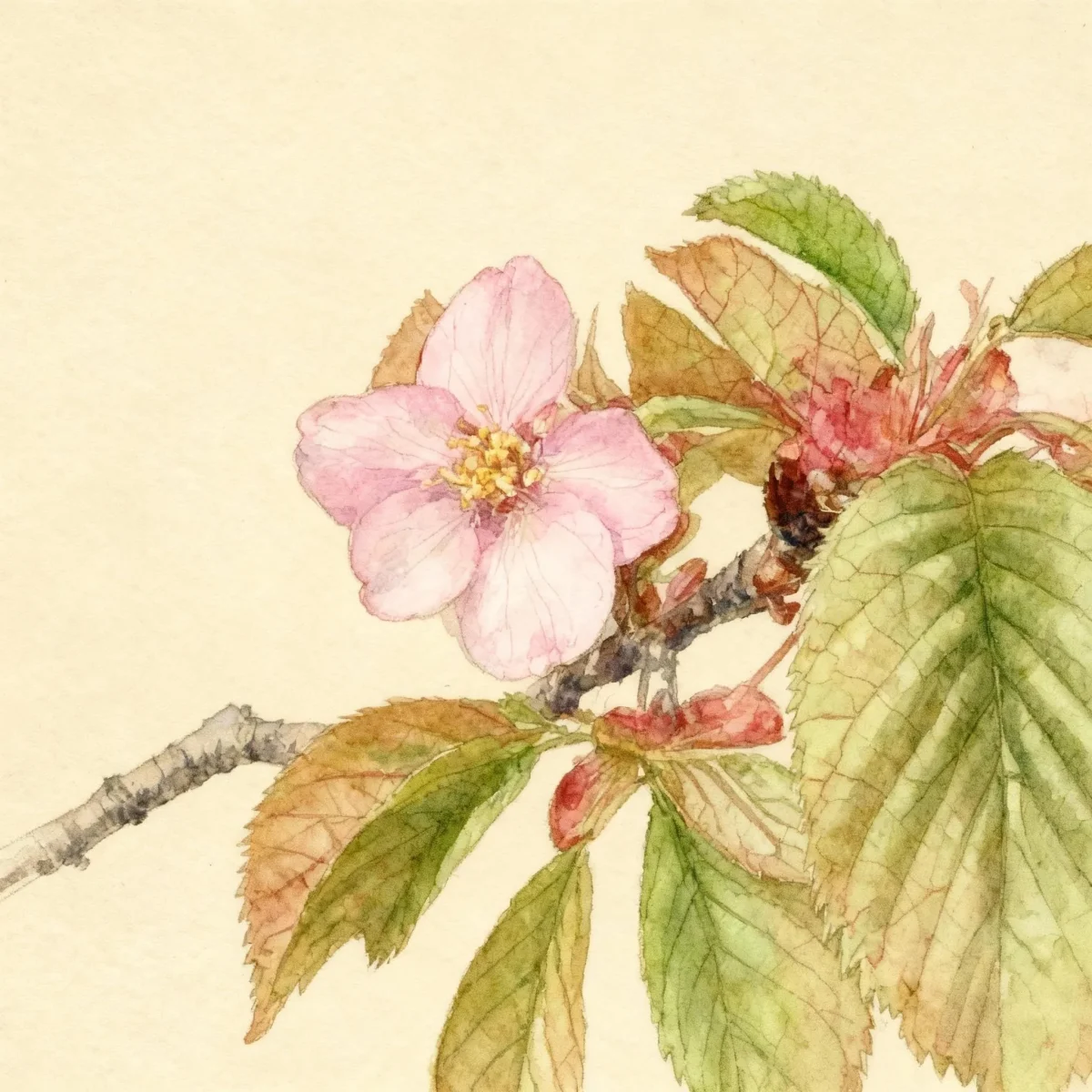
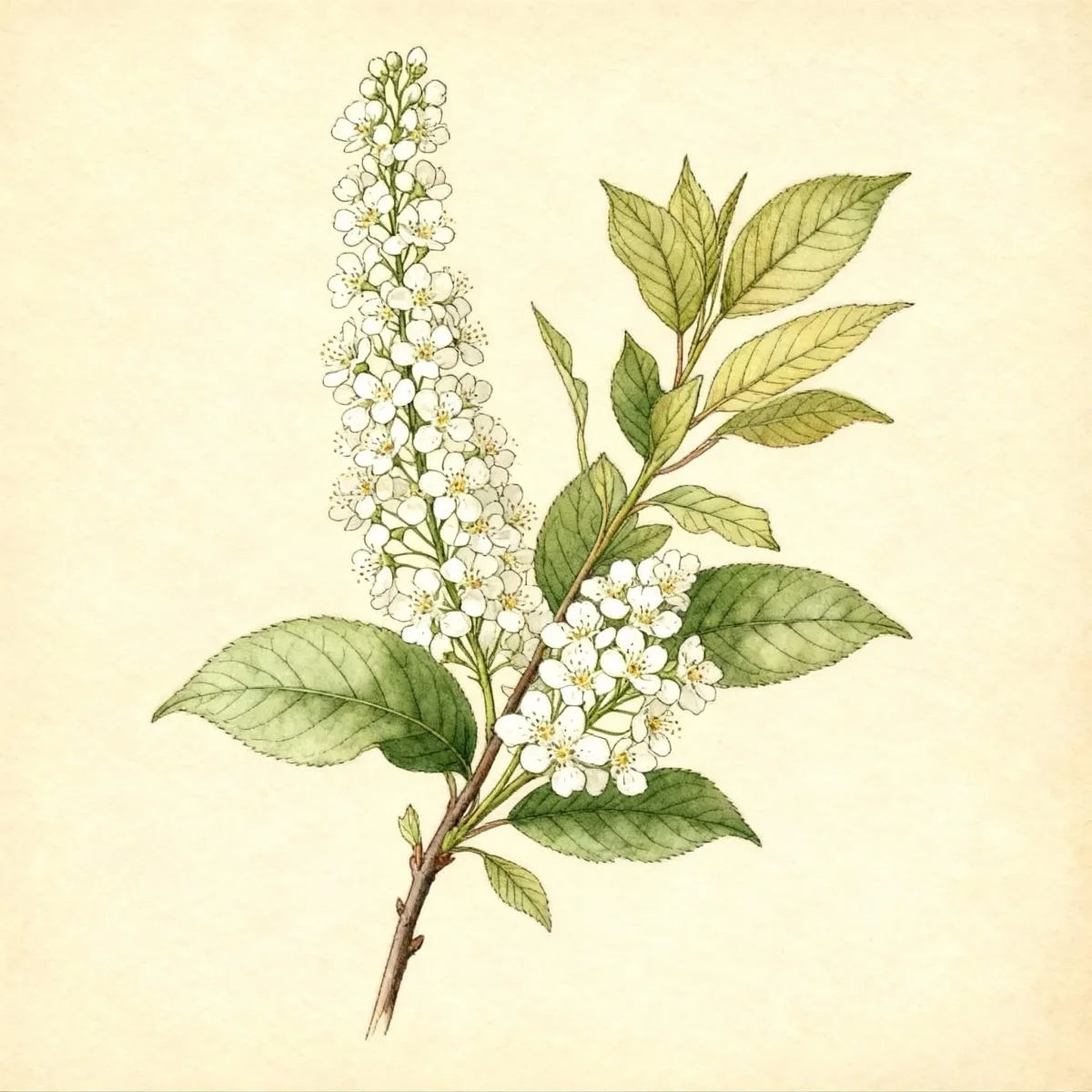
The Bird cherry (Prunus padus) is a highly valued deciduous ornamental tree, readily recognizable by its masses of fragrant white flowers that herald the transition into late spring. This species provides excellent structure, typically maturing into a rounded crown ideal for medium-sized landscape applications where scent and early bloom color are desired. As a member of the cherry family, its aesthetic appeal is high, though the subsequent blue-black fruit is noted for being astringent to humans.
Gardeners appreciate Prunus padus for its adaptability and relative ease of care, thriving across a long range of cooler climates. It offers visual interest from spring bloom through its summer foliage and modest fall color transition. Its low maintenance requirements make the Bird cherry an excellent choice for landscapes needing reliable size and seasonal impact without demanding constant attention.
Functionally, mature Prunus padus trees serve well as shade producers or attractive street trees in appropriate settings. While the fruit is bitter for people, it plays an important role in supporting local bird populations during mid-summer.
Fast Facts
- Plant Family: Rosaceae
- Plant Type: Tree
- Native Range: Temperate Asia, Europe
- Hardiness Zones: USDA Zones 3-6
- Size at Maturity:
- Height: 20-40 ft
- Spread: 20-40 ft
- Bloom Time: April to May
- Bloom Description: White
- Sun Exposure: Full sun to part shade
- Water Needs: Medium
- Maintenance Level: Low
How to Grow
Planting the Bird cherry is best achieved in spring or early fall, providing the root system ample time to establish before temperature extremes. Select a site that offers full sun exposure for the best flowering display, although the tree tolerates part shade well. This species is adaptable to a wide range of soils, rooting successfully in average, medium conditions, provided the site offers good drainage.
Once established, this tree requires only medium water input, often relying on natural rainfall. Fertilization is rarely necessary unless the tree is sited in extremely poor, nutrient-deficient soils. Maintenance is generally low; standard pruning should focus on removing dead, damaged, or crossing branches, typically done during the dormant season.
Because Prunus padus establishes easily, winter preparation is usually minimal, especially in the colder reaches of zones 3 through 6. Mulching around the root zone helps moderate soil temperatures and retain moisture, benefitting the tree during dry spells in summer. Always ensure new plantings receive consistent moisture during their first growing season.
Landscape Uses
The primary ornamental value of the Bird cherry lies in its early spring display of fragrant, white flowers. Its recommended uses center on providing attractive flowering accents in sunny landscape areas. Due to its upright, rounded crown and medium stature, it excels as a standalone specimen tree where its spring fragrance can be fully appreciated.
As an adaptable species, Prunus padus is suitable for use as a street tree in suburban environments or along avenues, provided adequate clearance from overhead wires is maintained. It can also anchor medium-sized border plantings or function as a shade provider for seating areas where low fuss is required.
To enhance the landscape impact, consider pairing the emerging white flowers of the Prunus padus with late-blooming spring bulbs or low-growing groundcovers that thrive in similar sun and soil conditions. Its structure provides excellent vertical contrast against lower, broader shrubs.
Standout Features
Flower Qualities
- Showy
- Fragrant
Fruit Qualities
- Showy
Noteworthy Characteristics
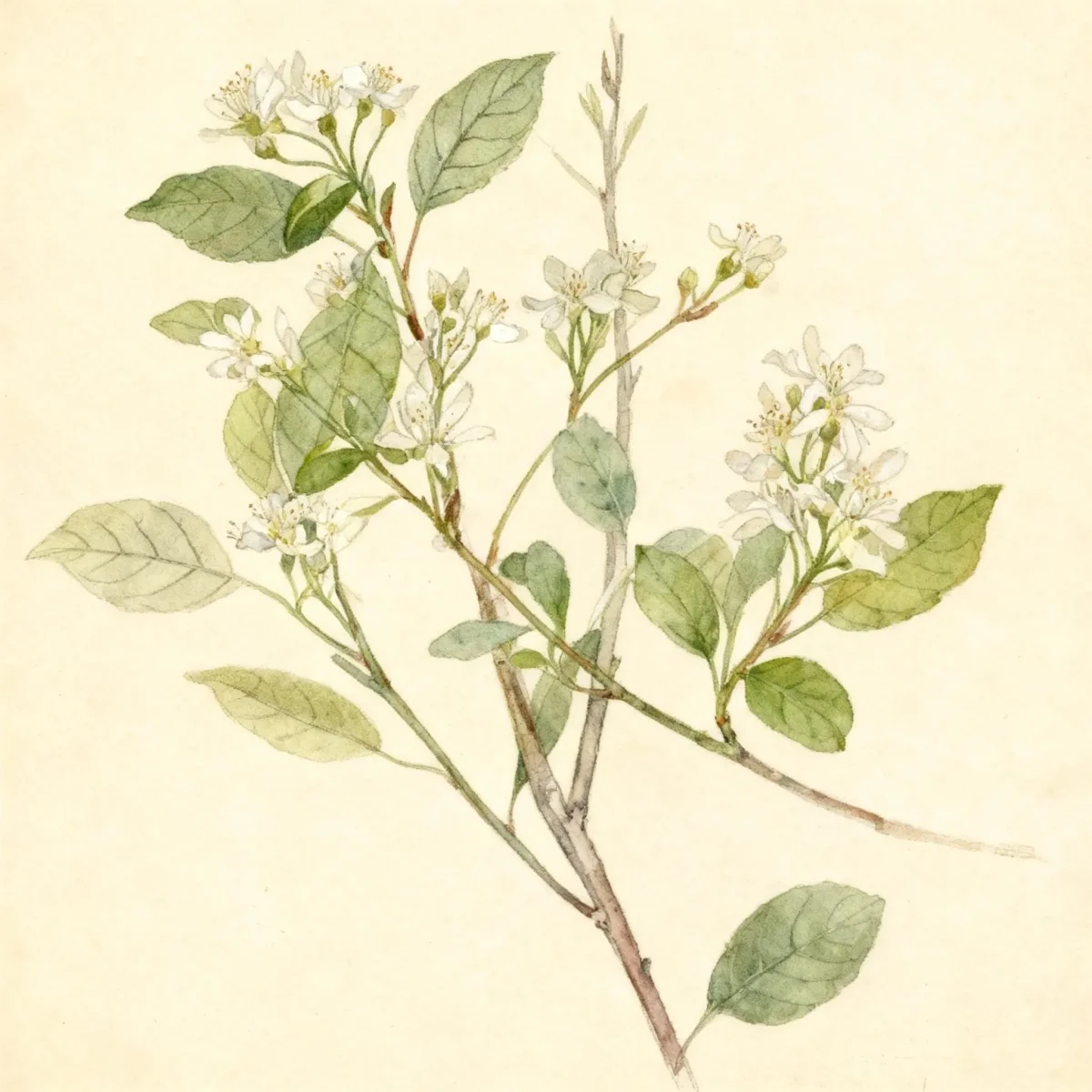
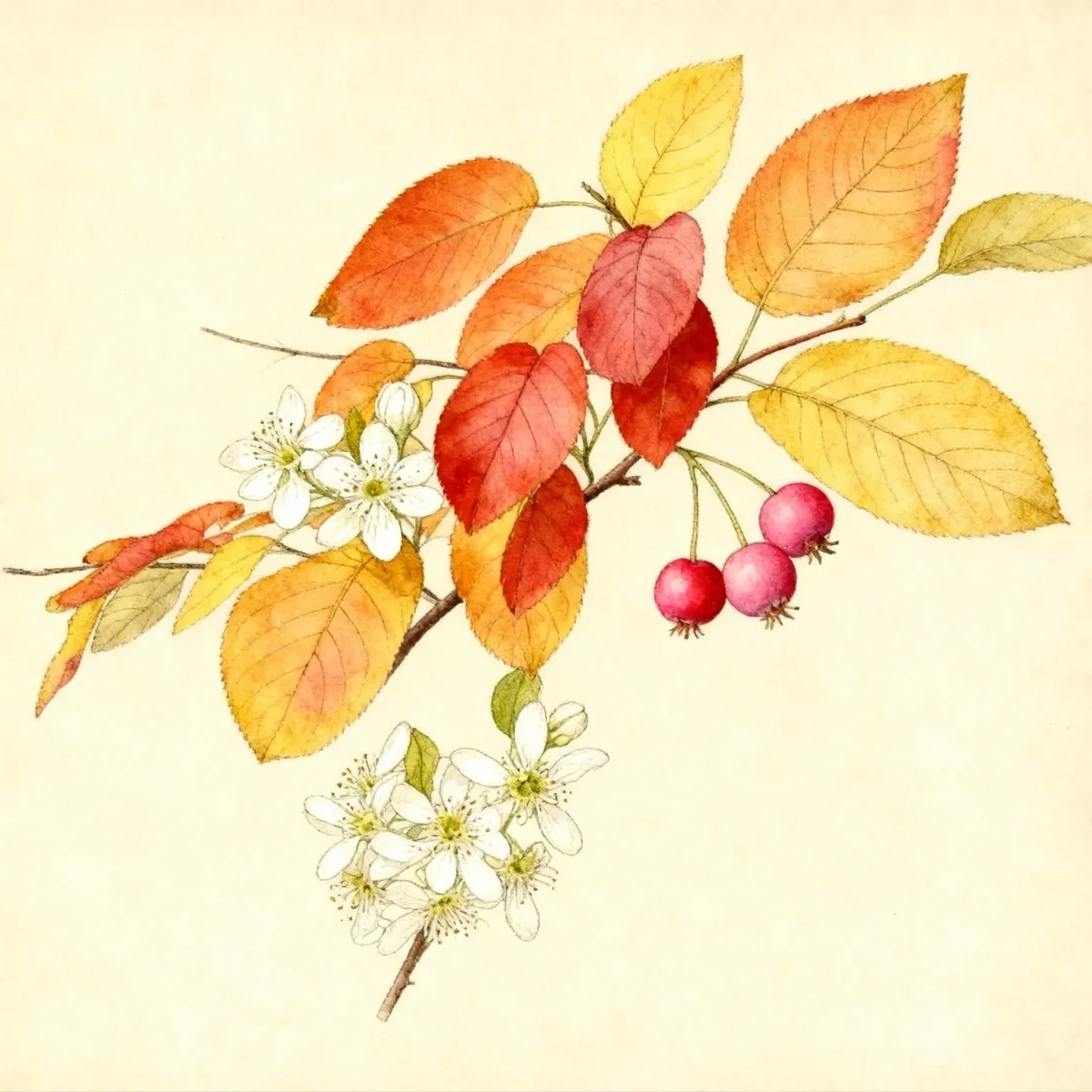
Prunus padus, commonly called European birdcherry, is a deciduous ornamental cherry tree that typically grows 20-40’ tall with a rounded crown. Fragrant white flowers in pendulous 3-6” long clusters (racemes) appear after the foliage emerges in spring. Flowers are followed by astringent, pea-sized, black cherries which ripen in mid-summer. As with the closely-related chokecherry (Prunus virginiana), the fruit is extremely bitter to humans but loved by birds. Serrate, dull dark green leaves (to 4” long) are elliptic to obovate. Foliage turns yellow in fall. Genus name from Latin means plum or cherry tree. Specific epithet is the Greek name of a wild cherry.
Tolerances
No specific tolerance data was provided for this entry.
Potential Problems
This species generally enjoys a low maintenance profile concerning pests and diseases, boasting no serious regular insect or disease problems. However, growers should remain vigilant for potential fungal issues such as leaf spot and canker, and the fungal infection black knot, which can affect cherry species.
Insects that may occasionally infest Prunus padus include common garden pests like aphids and scale insects. Borers can sometimes target stressed trees, and tent caterpillars may appear, though usually to a lesser degree than on some other Prunus relatives. Proper siting in well-drained soil typically reduces susceptibility to stress-related issues.
Management involves preventive cultural care; immediate removal of infected twigs helps control canker and black knot. Monitoring leaf surfaces during warm, damp periods aids in catching leaf spot early, allowing for timely fungicidal application if necessary.
Frequently Asked Questions
What hardiness zones is Bird cherry suitable for?
The Bird cherry is adaptable to cool climates, thriving in USDA Zones 3 through 6.
How large does Prunus padus grow?
Prunus padus typically achieves a height between 20 and 40 feet, with a similar spread of 20 to 40 feet at maturity.
What sun exposure does Bird cherry need?
For optimal performance, Prunus padus prefers full sun, though it successfully adapts to locations receiving part shade.
When does Prunus padus bloom?
This ornamental cherry blooms relatively early, producing masses of white flowers from April to May.
Conclusion
The Bird cherry offers gardeners a dependable, low-maintenance specimen tree celebrated for its intensely fragrant, showy spring flowers. Integrating Prunus padus into your property provides reliable structure and early-season color, though its fruit is decidedly bitter for human consumption. Before planting, confirm your location falls within USDA Zones 3–6 to ensure the successful establishment of this beautiful flowering tree.
Companion Planting
Selecting appropriate companions for Prunus padus helps maximize visual appeal throughout the season while maintaining similar cultural needs. Since the Bird cherry prefers medium water and well-drained soil, pairing it with shade-tolerant perennials or early spring bulbs that establish roots before the cherry’s canopy fully leafs out works exceptionally well. Consider planting spring ephemerals like Daffodils (Narcissus) or Squill (Scilla) beneath the future canopy.
As the canopy matures, plants that appreciate dappled sunlight during the summer months are ideal partners. Low-growing hostas or ferns work well at the base, provided they do not compete with the tree’s shallow roots for essential surface moisture. Avoid drought-tolerant species near the Bird cherry, as they may suffer if the tree requires consistent medium watering.
Wildlife Benefits
A significant feature of Prunus padus that warrants landscape consideration is its contribution to local ecology, particularly for avian species. Although the pea-sized black cherries are astringent and not palatable for most human tastes, birds actively feed on them as they ripen in mid-summer. This makes the tree an excellent choice if your goal is to increase backyard biodiversity.
Furthermore, the abundant, fragrant white flowers produced in April and May are highly attractive to early-emerging pollinators. The large clusters (racemes) offer a substantial nectar source when many other flowering trees may have already finished. Planting this cherry supports bees and other beneficial insects during this crucial early season period.