Jet bead (Rhodotypos scandens)
Rhodotypos scandens (Jet bead) is a tough, low-maintenance deciduous shrub featuring white spring flowers and glossy black winter berries.
Scroll down to discover growing tips, care requirements, companion plants, and more
Complete Plant Information
Overview
The Jet bead, scientifically known as Rhodotypos scandens, is a highly adaptable and often unsung hero in the landscape. This deciduous shrub offers four-season interest, beginning with attractive white flowers that transition into unique, glossy, jet-black ornamental berries that persist long after the leaves fall. It is valued by professional landscapers for its resilience and ease of cultivation in varied settings.
Rhodotypos scandens typically forms an open-branched, mounding shape, growing modestly between 3 to 6 feet tall and spreading up to 9 feet wide. Originating from Japan and China, this plant has naturalized well in many regions due to its robust constitution. It is an excellent choice for gardeners seeking reliable structure without demanding high levels of ongoing care.
One of the key benefits of incorporating Jet bead into garden designs is its tolerance for less-than-ideal conditions, including poor soils and moderate shade. While its flowers are noted as showy for their simplicity, the persistent black fruit provides lasting winter appeal, making Rhodotypos scandens a functional and subtly beautiful addition to mixed plantings.
Fast Facts
- Plant Family: Rosaceae
- Plant Type: Deciduous shrub
- Native Range: Japan, China
- Hardiness Zones: USDA Zones 4-8
- Size at Maturity:
- Height: 3-6 ft
- Spread: 4-9 ft
- Bloom Time: May to June
- Bloom Description: White
- Sun Exposure: Full sun to part shade
- Water Needs: Medium
- Maintenance Level: Low
How to Grow
Planting Rhodotypos scandens is straightforward, as it is highly forgiving concerning soil type. The best time to establish new Jet bead shrubs is during the cooler months of early spring or fall, allowing the root system time to settle before extreme summer heat or winter freezes. While it adapts to a wide range of conditions, ensure the location offers average moisture and at least partial sun for best flowering performance.
Ongoing care is minimal, which contributes to the low maintenance level of this shrub. Water deeply when planting and regularly during the first year to establish robust roots. Mature Jet bead established in average soil often only requires supplemental water during extended dry periods. Generally, fertilizer is unnecessary unless the plant is struggling in very poor urban soil, as it adapts well to difficult conditions.
Pruning is primarily needed for shaping or rejuvenation; otherwise, Rhodotypos scandens maintains a pleasing natural form. If renovation pruning is required, it can be heavily cut back in late winter or early spring before new growth emerges. This tough shrub handles urban conditions exceptionally well, making it a reliable backbone plant where other species might struggle.
Landscape Uses
The Jet bead is celebrated for its toughness and ability to thrive where other ornamentals might falter. Its adaptability to both sun and part shade, coupled with its tolerance for clay soils, makes it a versatile workhorse for foundational plantings or structuring mixed borders. Consider using Rhodotypos scandens in large groupings to create an informal screen or hedge that offers year-round visual interest.
Due to its relatively modest height (3-6 feet) and wide spread (4-9 feet), it fills mid-level gaps effectively in woodland gardens or along property lines. It functions exceptionally well in challenging shade areas where dense, durable foliage is required. While the plant is not noted for brilliant fall color, the persistent black fruit against bare branches in winter provides an excellent structural backdrop for evergreen companions.
For urban sites, the Jet bead is invaluable. It handles the environmental stresses associated with roadways and built environments better than many traditional shrubs. When designing with this resilient plant, pair it with species that appreciate similar moisture and light levels, such as broadleaf hydrangeas or native ferns, ensuring a cohesive, low-stress planting scheme.
Standout Features
Flower Qualities
- Showy
Fruit Qualities
- Showy
Noteworthy Characteristics
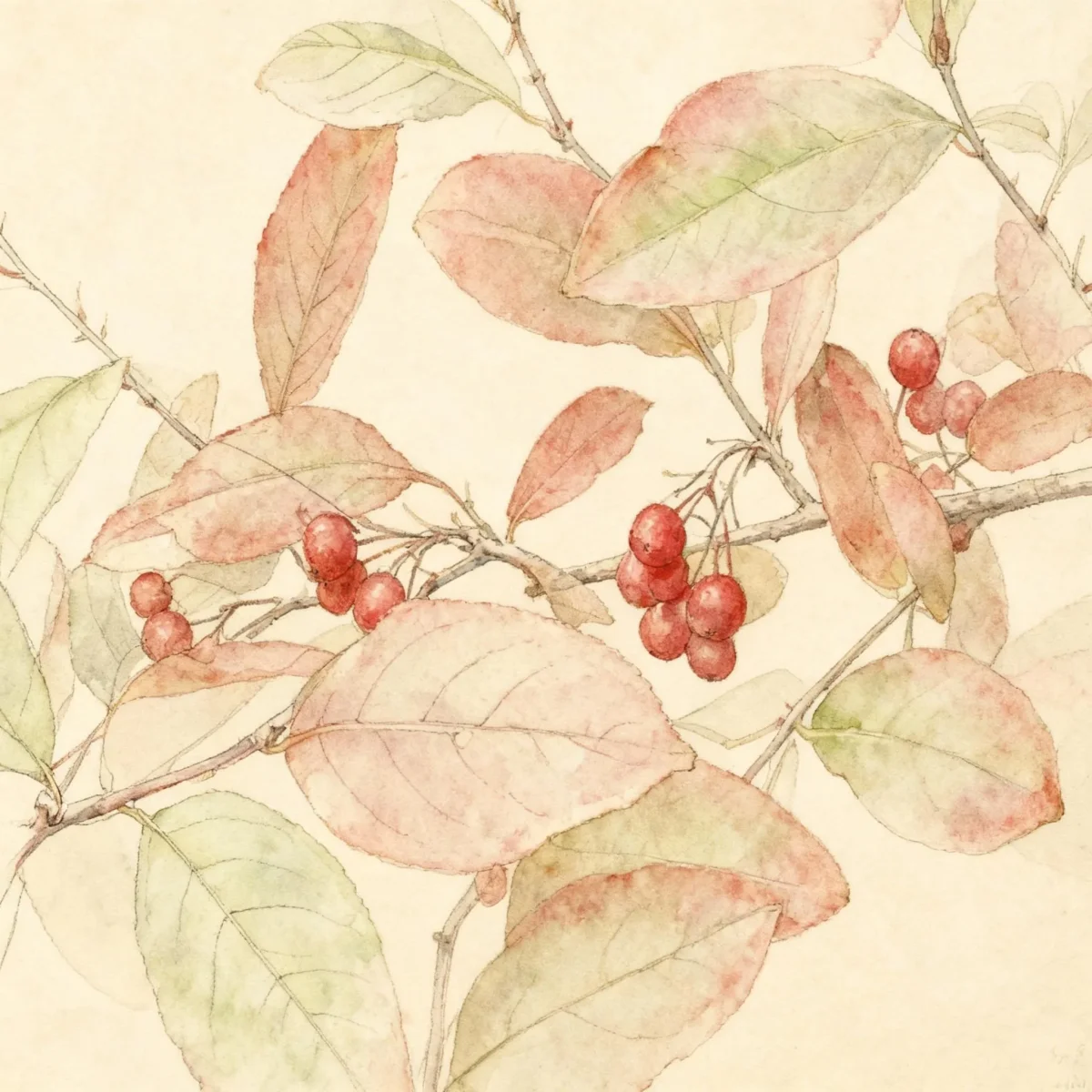
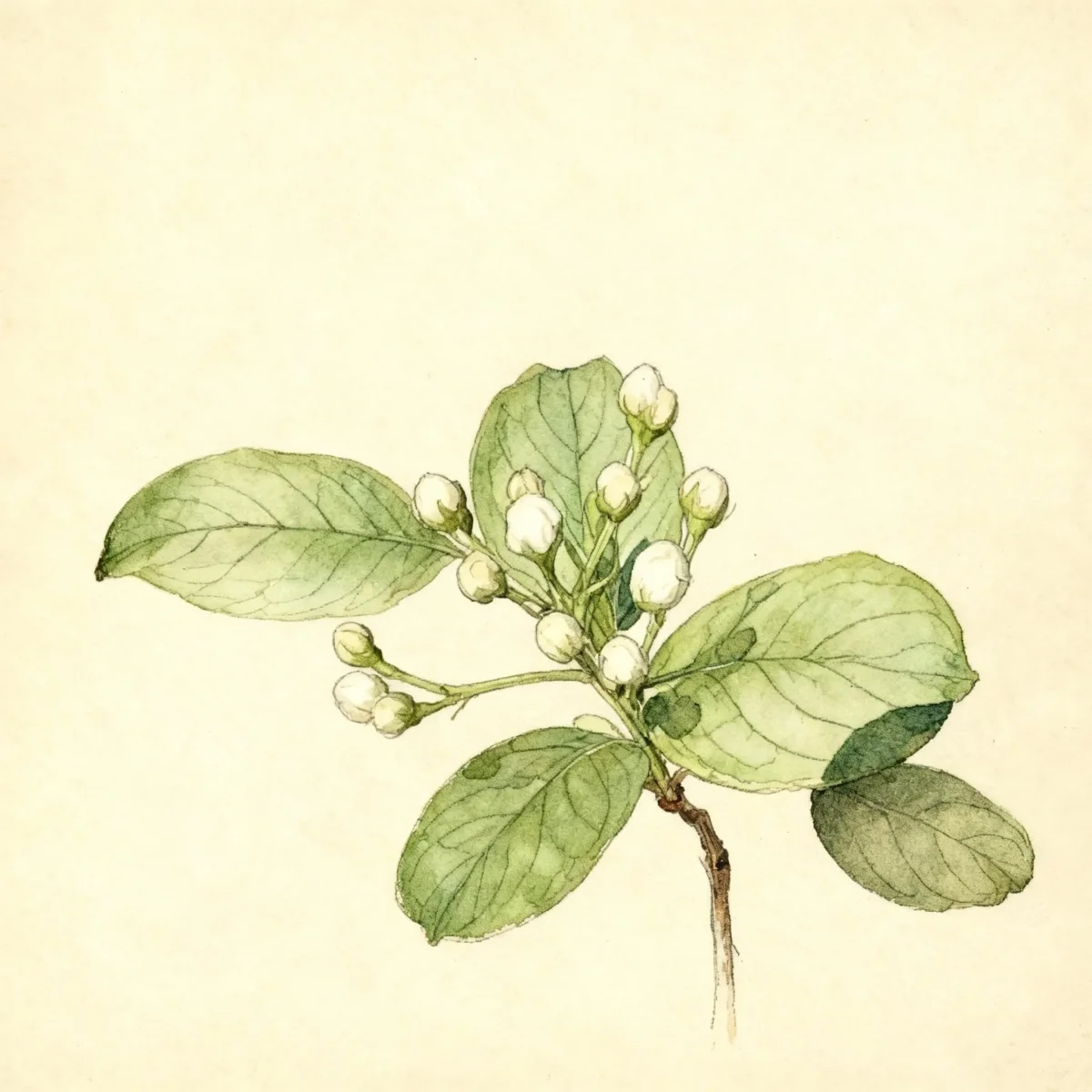
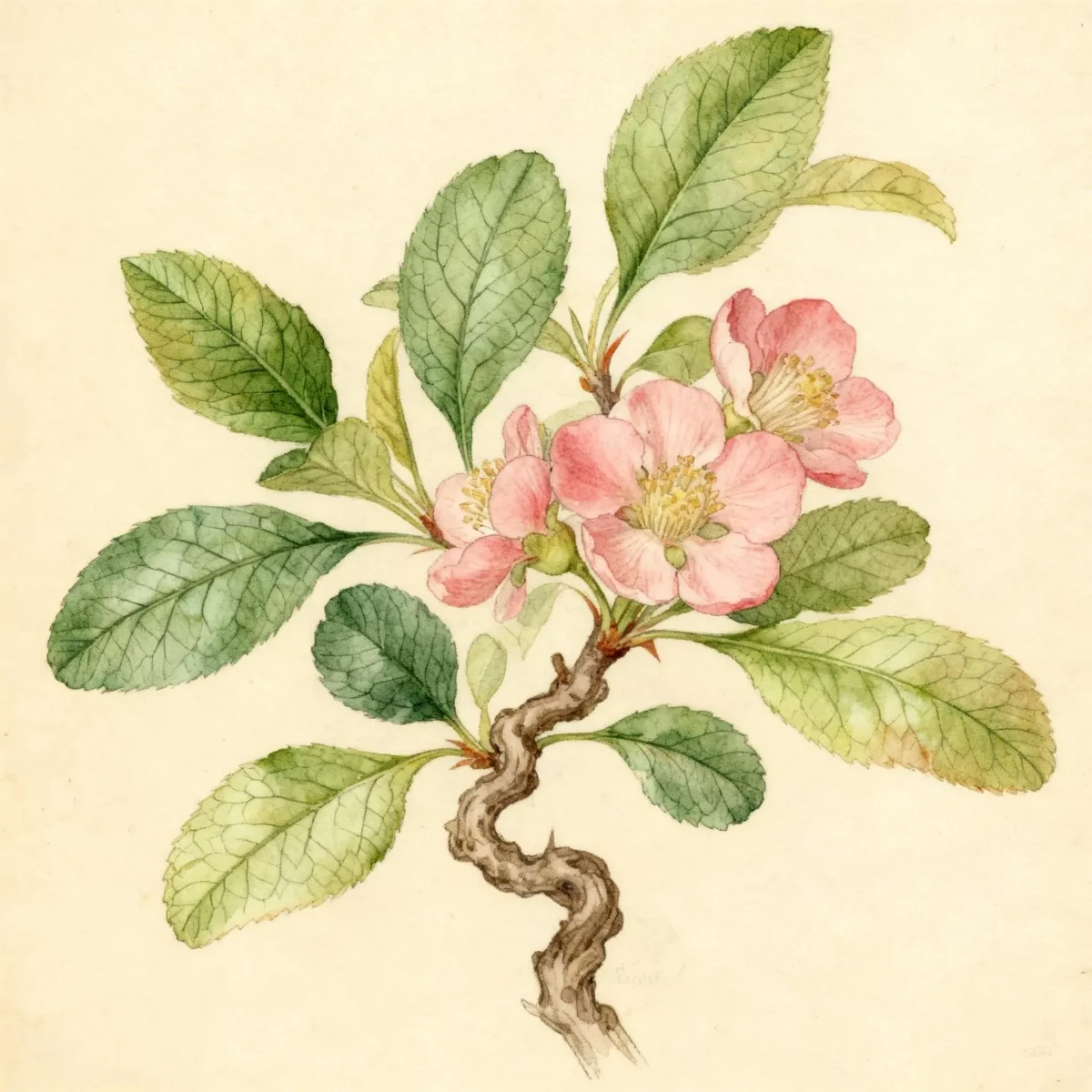
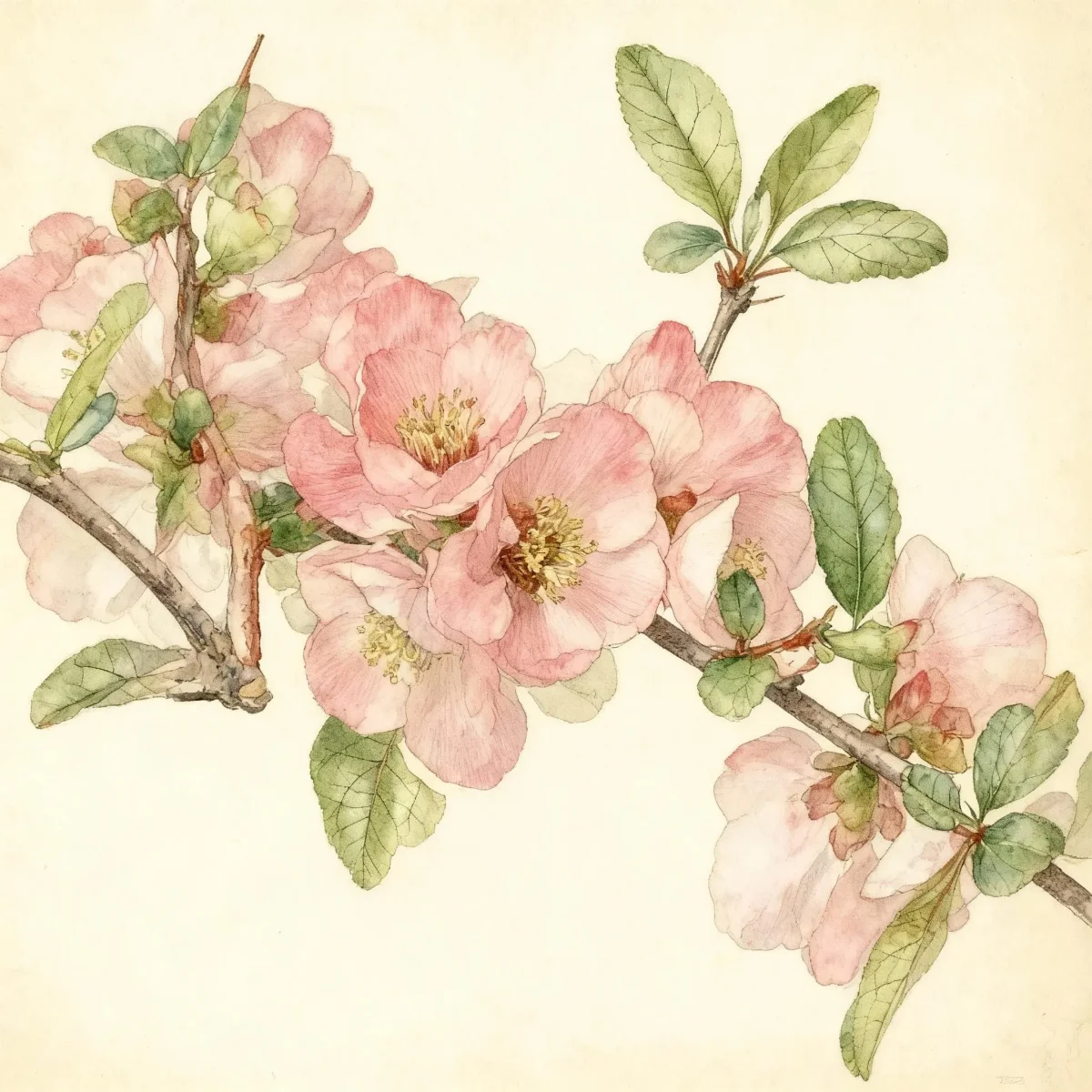
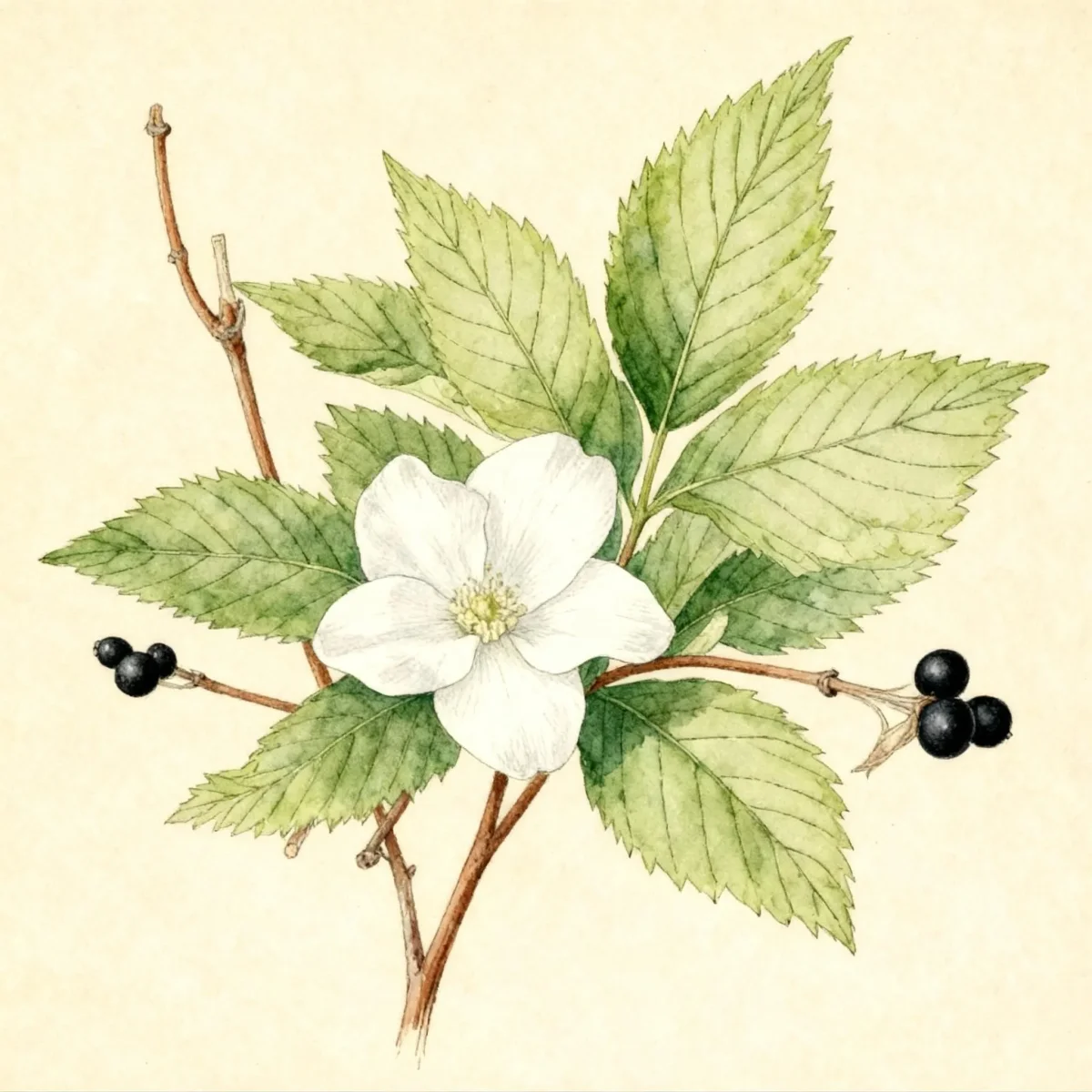
Rhodotypos scandens is an open-branched, mounding, deciduous shrub which typically grows 3-6’ tall. Features ovate, serrate, medium green leaves and white, 4-petaled, 2” diameter flowers that appear in late spring to early summer. These flowers give way to glossy, jet black, bead-like berries in groups of 3-4, which mature in the fall and persist throughout the winter, providing excellent seasonal texture.
Tolerances
- Clay Soil
Potential Problems
Gardeners will appreciate that Rhodotypos scandens rarely suffers from significant pest or disease issues. The plant is generally considered high resistance to common landscape maladies, contributing heavily to its low-maintenance profile. No serious insect or disease problems are typically noted, meaning preventative spraying or intensive monitoring is usually unnecessary. Focus your care efforts on ensuring adequate water during establishment, rather than fighting persistent pests.
Frequently Asked Questions
What hardiness zones is Jet bead suitable for?
Rhodotypos scandens is suitable for gardeners in USDA Hardiness Zones 4 through 8.
How large does Rhodotypos scandens grow?
This deciduous shrub typically achieves a mature height between 3 to 6 feet, with a spread ranging from 4 to 9 feet wide.
When does Jet bead bloom?
Jet bead produces its attractive white flowers in late spring to early summer, specifically during May to June.
What sun exposure does Rhodotypos scandens need?
This versatile shrub performs well in conditions ranging from full sun exposure to partial shade.
Conclusion
The Jet bead, Rhodotypos scandens, stands out as an exceptionally reliable and tough shrub, offering unique aesthetic value through its bright white flowers and persistent, glossy black fruit. Its ease of culture and tolerance for difficult urban settings make it an essential plant for low-maintenance landscapes. Check your local hardiness zone compatibility and plan to install this dependable shrub during the fall for optimal establishment.
Companion Planting
Selecting appropriate companions enhances the appeal of Rhodotypos scandens throughout the year. Because this shrub tolerates partial shade and average soil, look for plants that share these requirements rather than demanding constant dryness or rich amendments. Consider pairing the Jet bead with Hostas, which offer contrasting foliage texture and thrive in similar light niches while filling in the ground layer below its spreading canopy.
For areas receiving more sun, spring-flowering bulbs like Daffodils or Crocus provide early color before the Rhodotypos scandens reaches its peak bloom in May. In shadier spots, native woodland perennials such as Foamflower (Tiarella cordifolia) or various ferns create a lush, textural environment that complements the relatively coarse foliage of the Jet bead.
Seasonal Care Calendar
Early Spring (Before Budbreak): This is the ideal time for any corrective pruning needed for structure or size management on Rhodotypos scandens. Clean up any debris around the base left by persistent winter fruits.
Late Spring/Early Summer: Enjoy the white, four-petaled flowers as the shrub enters its primary blooming phase. Monitor new plantings for watering needs during the transition to warmer weather.
Summer: Water medium needs are usually met naturally, but ensure deep watering during prolonged summer droughts, especially for younger specimens. Minimal to no fertilization should be required.
Fall/Winter: The glossy, jet-black berries mature, offering significant visual interest against dormant surroundings. Resist the urge to clean up fallen leaves immediately if you are aiming for a more naturalistic woodland look, allowing the structure of Rhodotypos scandens to define the winter garden.