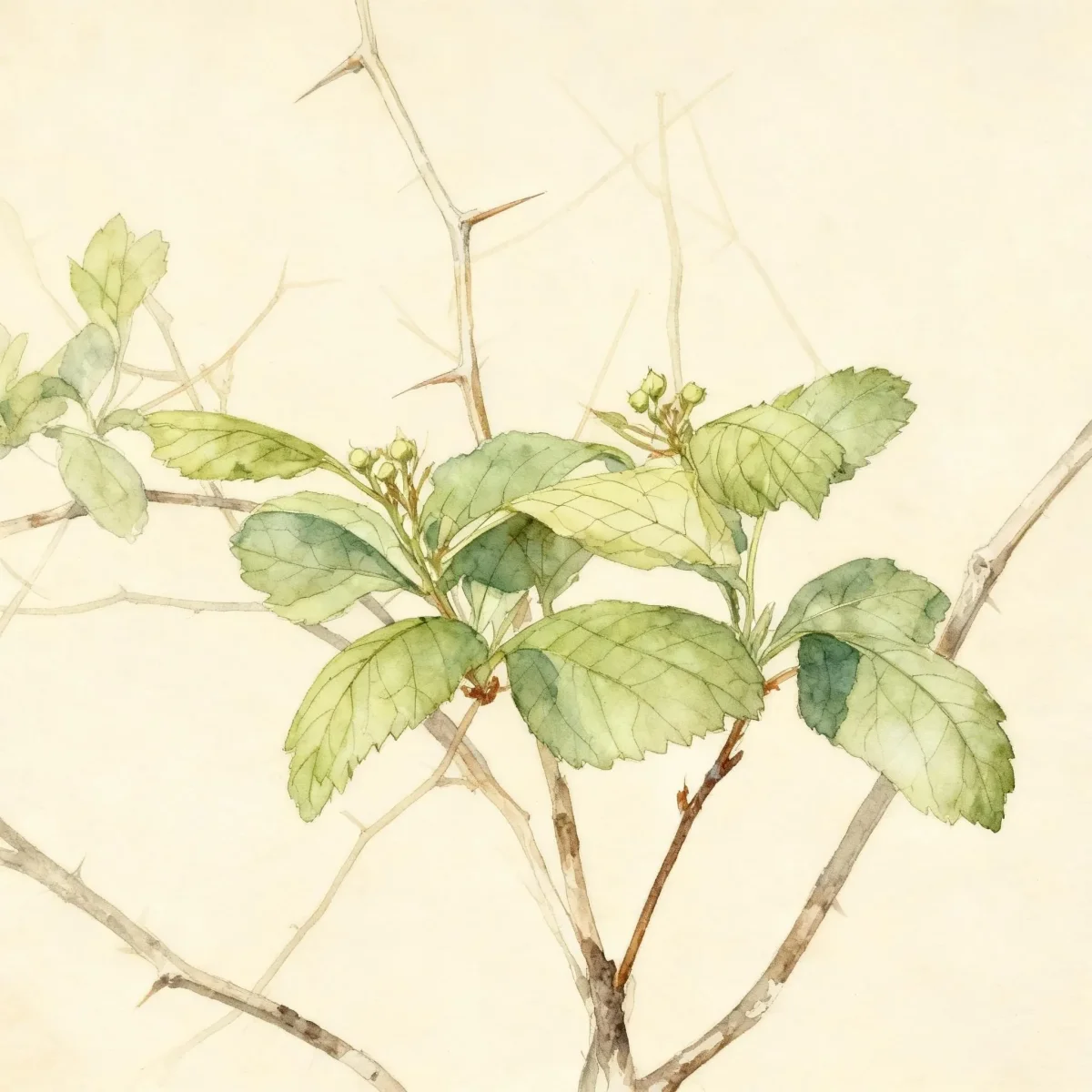
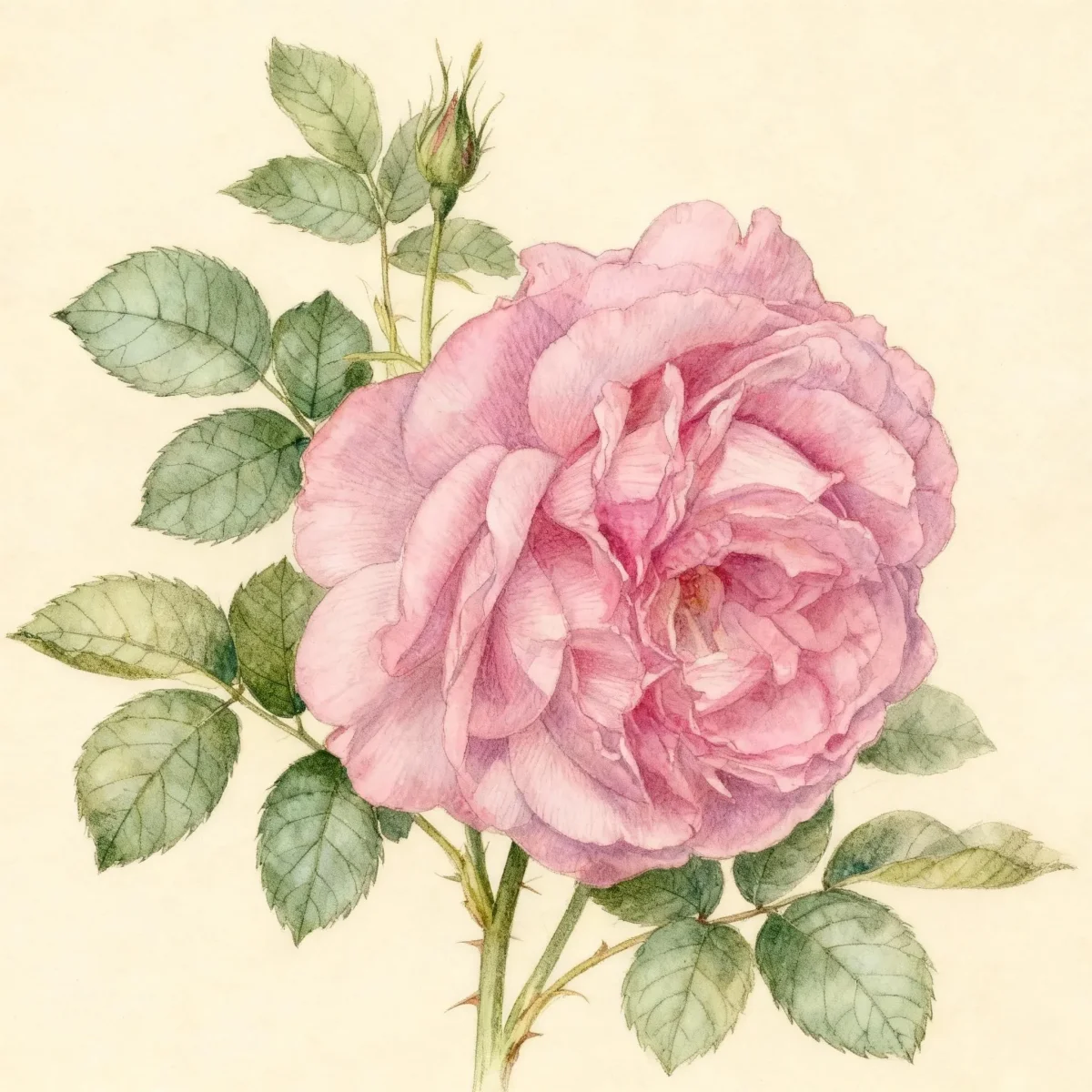
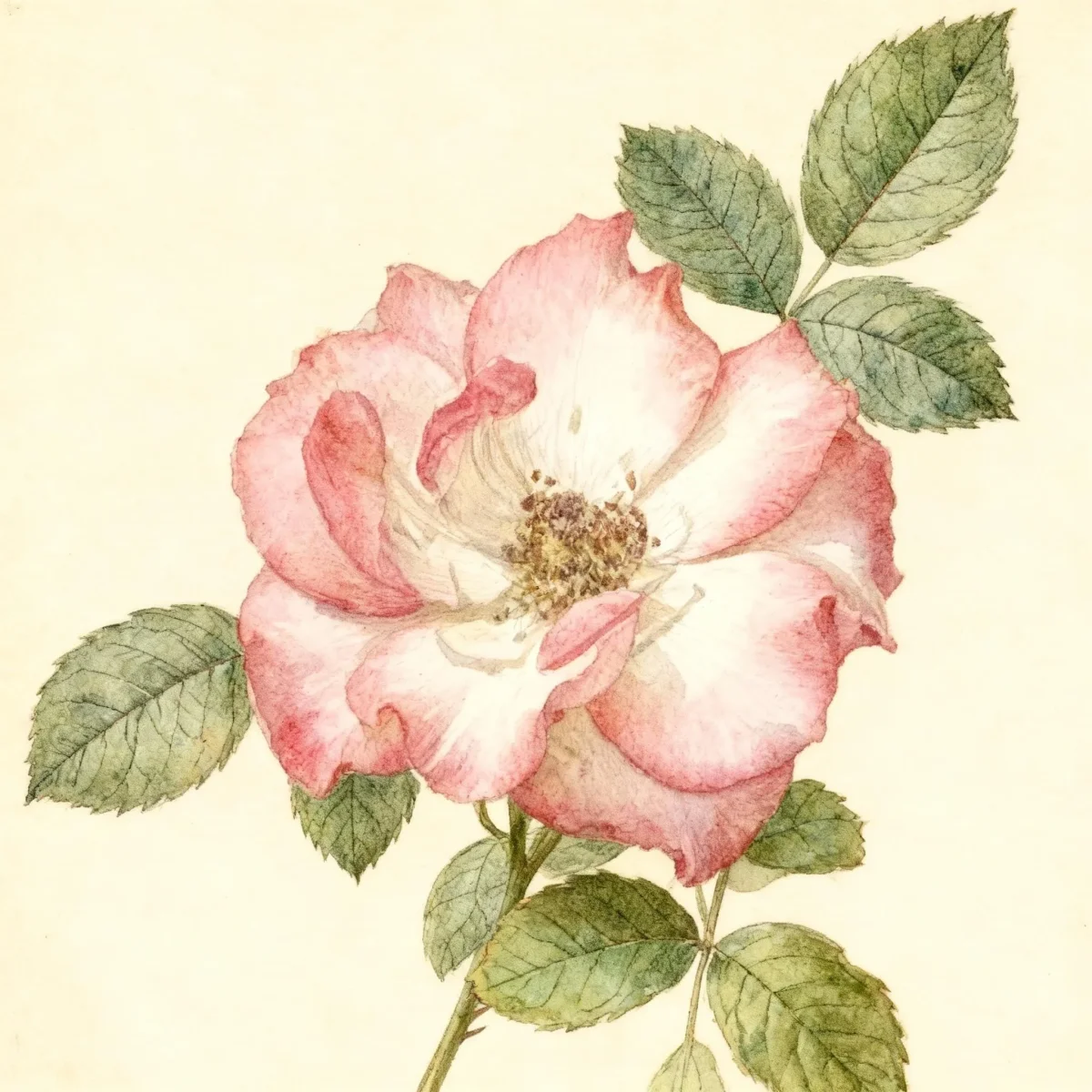
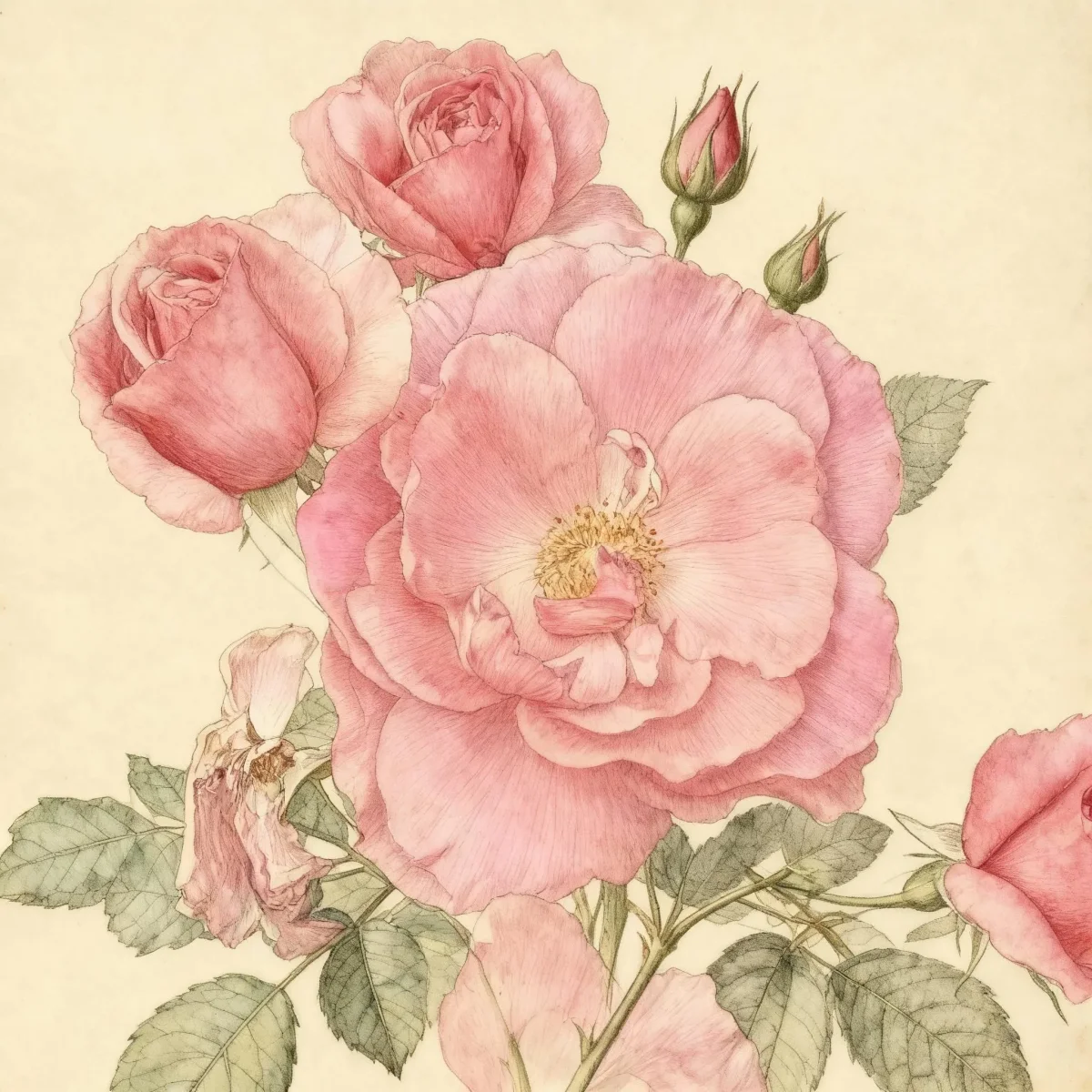
Carolina rose (Rosa carolina)
The Rosa carolina, or Carolina rose, is a hardy native shrub cherished for showy, fragrant pink flowers blooming in May throughout Eastern and central North America.
Scroll down to discover growing tips, care requirements, companion plants, and more
Complete Plant Information
Overview
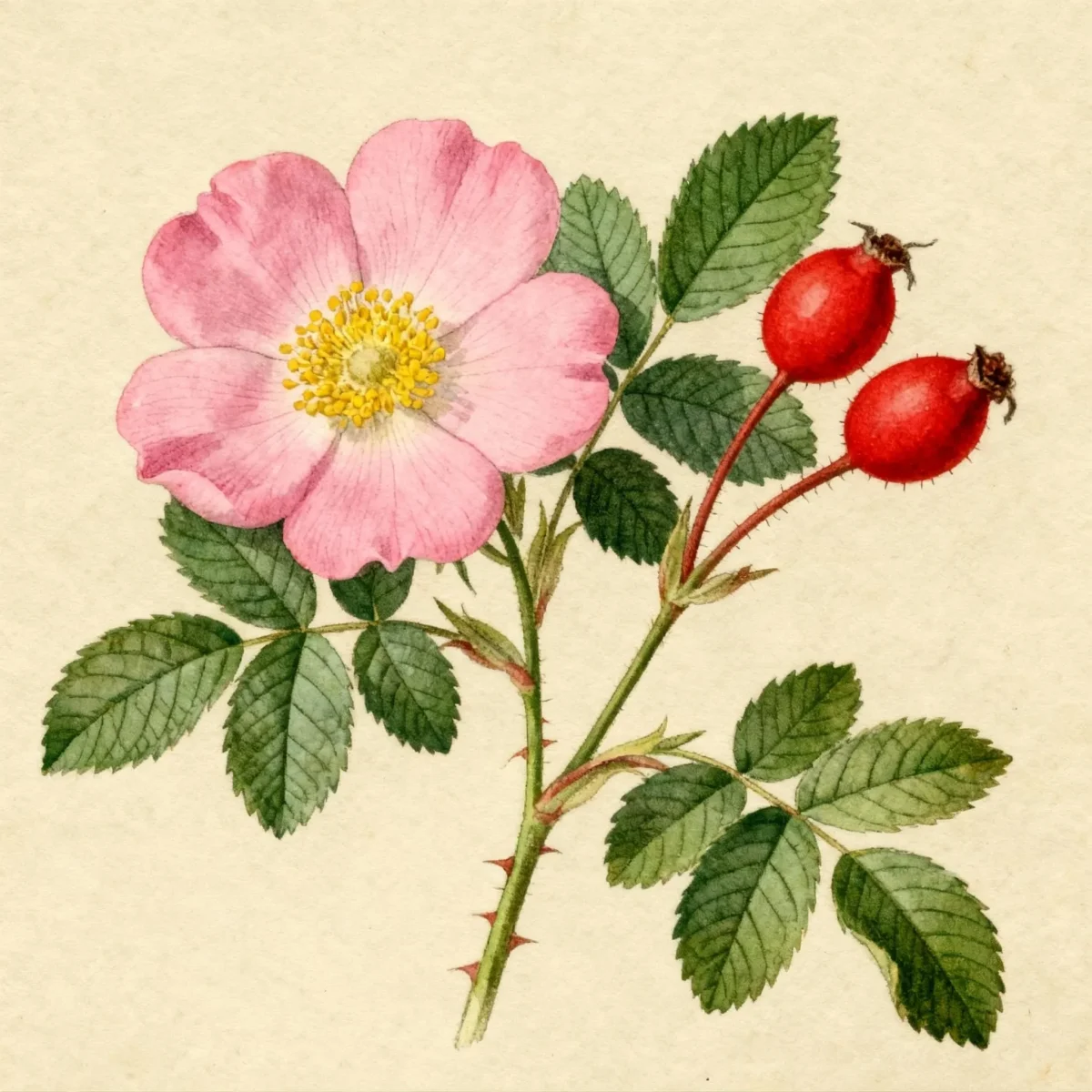
The Rosa carolina, often known by its common name, Carolina rose, or pasture rose, is a valuable addition to North American native landscapes. This deciduous shrub provides early summer color with its single, five-petaled pink flowers that are both showy and notably fragrant, making it a sensory highlight in the garden. As a species rose, the Rosa carolina generally exhibits better natural disease resistance than many hybrid cultivars, appealing to gardeners seeking lower chemical inputs.
This adaptable native thrives across Eastern and central North America, easily handling wet soils where other roses might fail. It forms colonies by suckering, quickly developing into dense thickets that offer excellent screening and functional hedging capabilities. Its resilience and contribution to local ecosystems cement its status as a beneficial and robust landscape plant.
Fast Facts
- Plant Family: Rosaceae
- Plant Type: Deciduous shrub
- Native Range: Eastern and central North America
- Hardiness Zones: USDA Zones 4-9
- Size at Maturity:
- Height: 3-6 ft
- Spread: 5-10 ft
- Bloom Time: May
- Bloom Description: Pink
- Sun Exposure: Full sun
- Water Needs: Medium to wet
- Maintenance Level: Medium
How to Grow
For optimal performance, plant the Rosa carolina where it receives full sun; this maximizes both flower production and resistance to common foliar diseases. The Carolina rose prefers average soil conditions but is quite tolerant, thriving even in medium to wet, well-drained locations. Spring or fall are ideal times for planting new specimens.
Consistent deep watering is crucial, especially during establishment, favoring morning moisture applications to allow foliage to dry before nightfall. Absolutely avoid overhead watering, as this encourages fungal issues. In hotter, drier spells, summer mulch will help retain necessary soil moisture and keep the roots cool.
Maintenance on this species rose is moderately involved. Good air circulation is paramount for vigorous health; site it where breezes can easily pass through. Pruning should be undertaken in late winter or very early spring to shape the shrub and remove crossing branches. Always clean up and destroy fallen leaves throughout the season, especially in winter, to mitigate overwintering disease spores.
Landscape Uses
The suggested use for the Carolina rose as a hedge is perfectly suited to its natural spreading habit. It creates an informal, dense barrier that provides screening and excellent habitat structure. Beyond formal hedging, this rose excels when massed in naturalized areas, meadows, or incorporated into native plant gardens where its suckering habit can be encouraged to create beautiful, sweeping colonies of pink bloom.
Consider planting the Rosa carolina alongside other moisture-tolerant landscape elements or prairie natives that share its preference for sun. Its wilder aesthetic makes it a superb anchor for an informal border, providing structure alongside taller perennials that bloom later in the summer after the initial flush of the Carolina rose has finished.
Standout Features
Flower Qualities
- Showy
- Fragrant
Fruit Qualities
- Showy
Noteworthy Characteristics
Rosa carolina, commonly called pasture rose, is a Missouri-native shrub which occurs in both dryish and wet soils throughout the State. Typically found in glades, open woods, prairies, along roads and railroads, and in wet soils along streams and swamps and low areas. It often spreads by suckers to form colonies, featuring single, pink flowers up to 2.5 inches across in May, followed by red hips in late summer.
Tolerances
Potential Problems
Roses are susceptible to numerous diseases, most notably black spot, powdery mildew, and rust. In humid climates, preventative fungicide applications throughout the growing season may be necessary, although this species rose boasts better natural resistance than many hybrids. Careful cultural practices, like avoiding overhead watering and ensuring good air movement, form your primary defense.
Potential insect pests include common threats such as aphids, scale, borers, and spider mites. Inspect plants regularly, particularly new growth, to catch infestations early so mechanical removal or targeted, minimal treatment can be effective. Thorough end-of-season cleanup is vital to reduce overwintering pest and disease pressure.
Frequently Asked Questions
What hardiness zones is Carolina rose suitable for?
The Rosa carolina is reliably hardy across USDA Zones 4 through 9.
How large does Carolina rose grow?
This deciduous shrub typically matures to a height between 3 and 6 feet, often spreading wider, reaching 5 to 10 feet across, especially when allowed to sucker naturally.
What sun exposure does Rosa carolina need?
For the best flowering and overall healthiest growth, the Carolina rose requires a location that receives full sun throughout the day.
When does Rosa carolina bloom?
The main flush of bloom for the Rosa carolina occurs in May, displaying lovely pink flowers.
Conclusion
The Rosa carolina offers gardeners a reliable, fragrant, and attractive native solution for challenging wet spots or open areas in full sun. Its natural hardiness and modest maintenance requirements make the Carolina rose an excellent investment for ecological landscaping. Before planting, confirm your site falls within USDA Zones 4-9 and prepare the soil for medium to wet conditions.
Companion Planting
When integrating Rosa carolina into native settings, choose companions that appreciate similar moisture levels and full sun exposure. Plants like native irises (Iris versicolor), Joe Pye W**eed (Eutrochium species), or various switchgrasses (Panicum virgatum) thrive alongside the moisture-loving Rosa carolina. This creates layered interest that sustains garden appeal long after the initial rose bloom fades.
Grouping the Carolina rose with grasses helps accentuate its shrub form while providing necessary airflow, indirectly supporting disease resistance. Ensure that any nearby neighbors do not demand overly dry conditions, as this will stress the rose and diminish its vigorous performance.
Wildlife Benefits
As a native species rose, the Rosa carolina serves as a valuable resource for early-season pollinators due to its fragrant May bloom. The single-petal structure of its flowers often makes the pollen and nectar more readily accessible to native bees than highly hybridized, multi-layered roses. Furthermore, while we prune for shape, leaving some spent canes unclipped can provide essential shelter for beneficial insects overwintering.
The hips produced later in the season offer crucial late-summer and early-fall sustenance for birds, especially those preparing for migration or overwintering. Planting the Carolina rose contributes biodiversity by providing both nectar early on and fruit later in the season within the landscape.