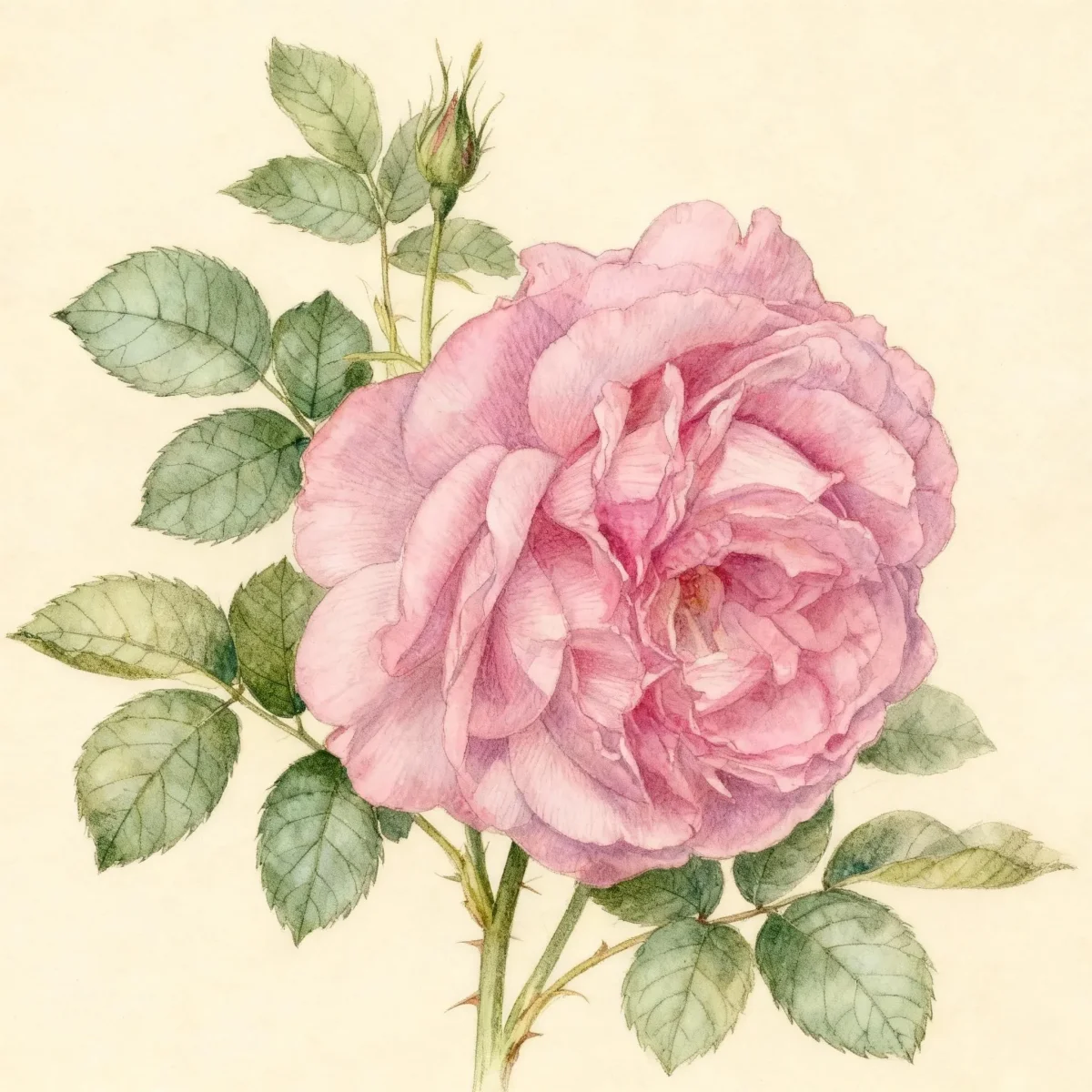
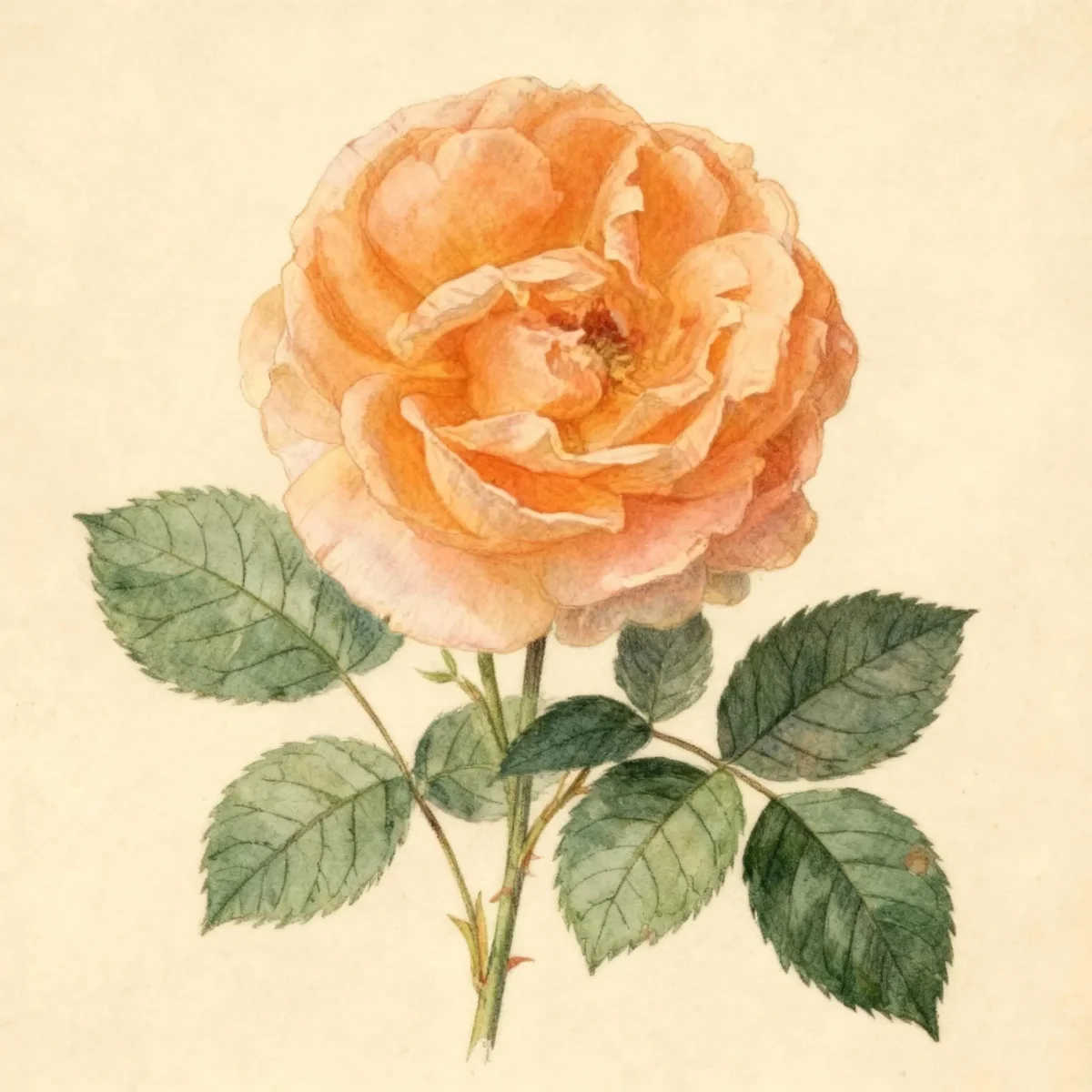
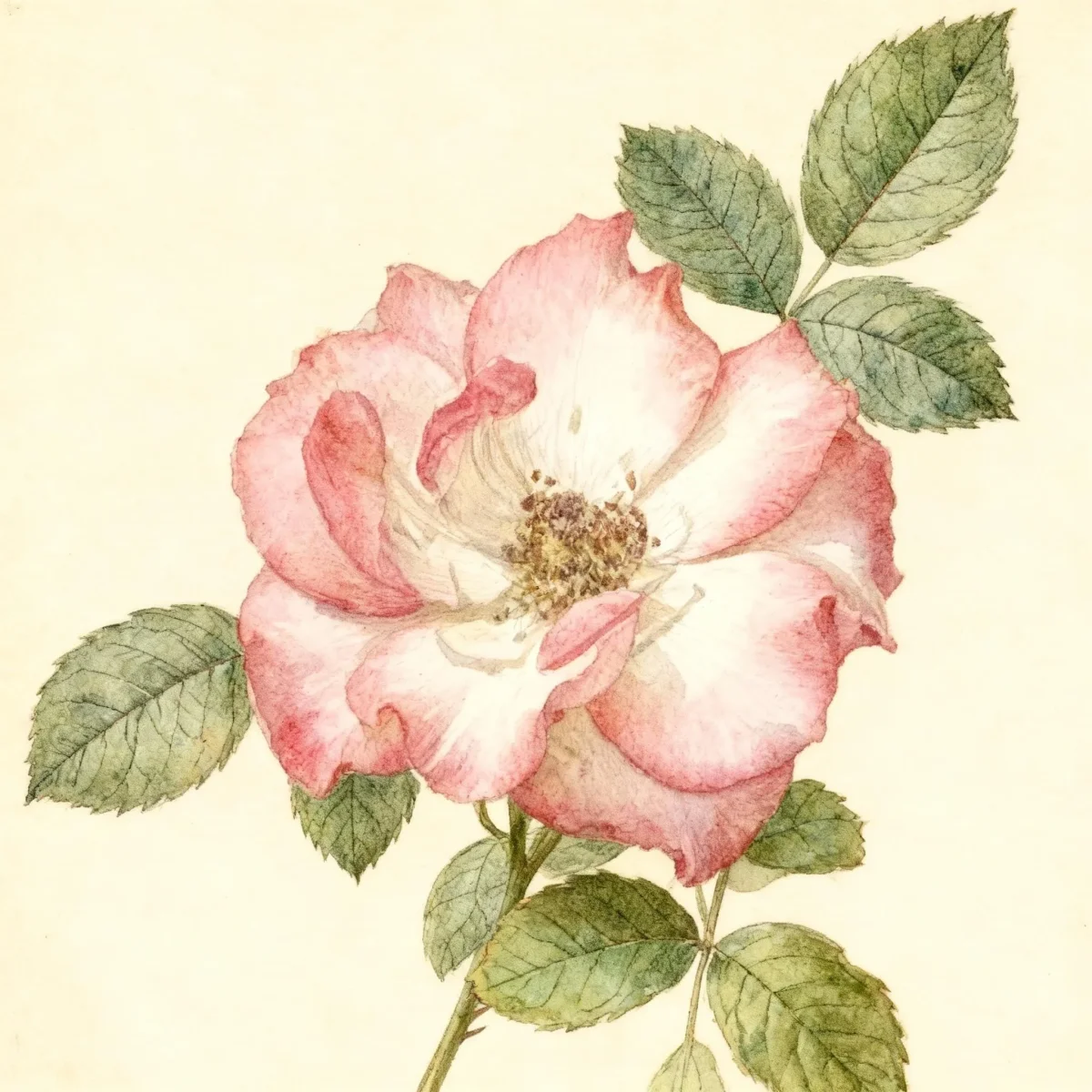
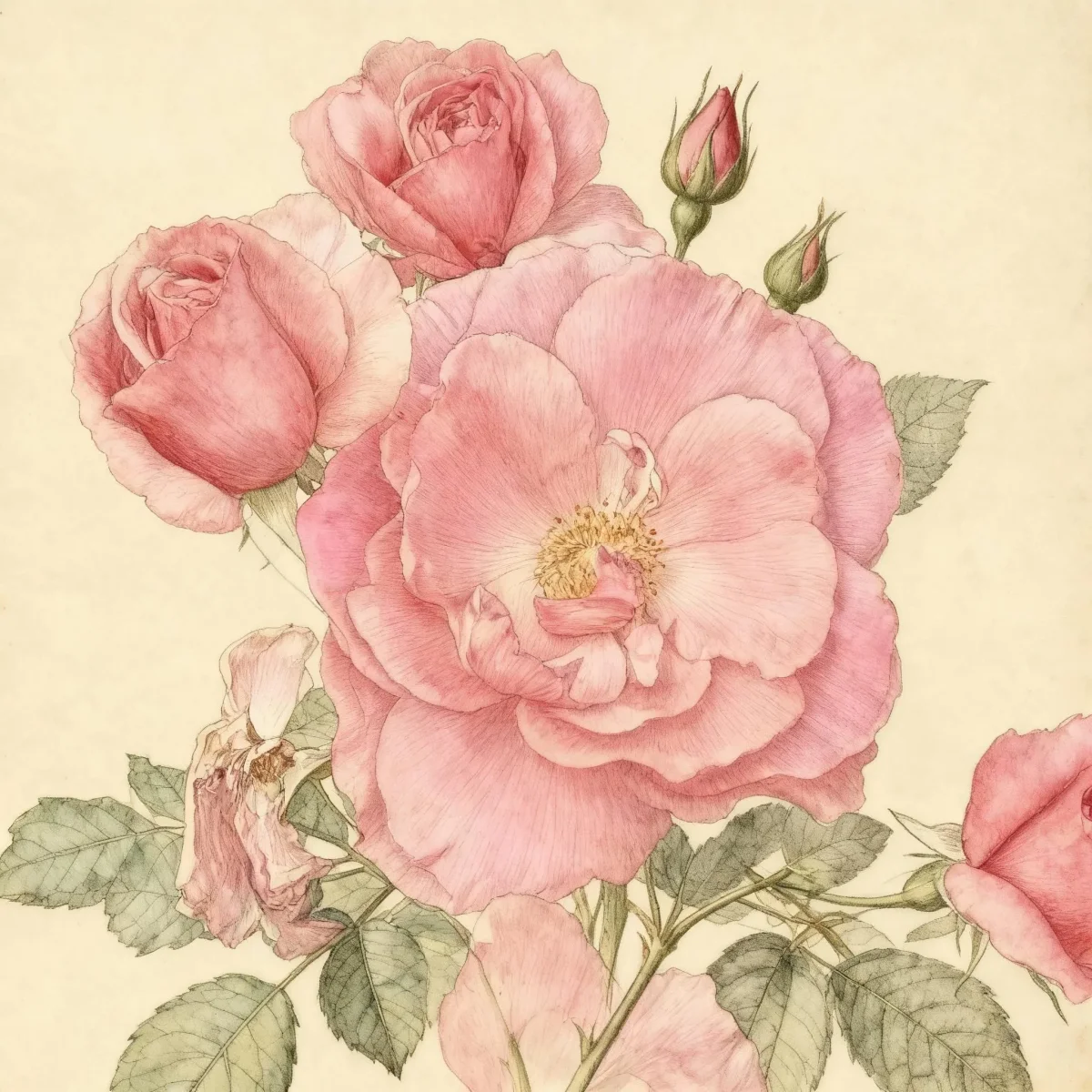
Swamp rose (Rosa palustris)
Discover the Swamp rose (Rosa palustris), an upright deciduous shrub perfect for wet soils with showy pink blooms in June and July.
Scroll down to discover growing tips, care requirements, companion plants, and more
Complete Plant Information
Overview
The Swamp rose, scientifically documented as Rosa palustris, is a valuable addition to landscapes requiring moisture tolerance and robust native structure. This upright deciduous shrub offers arching branches, reaching heights between 3 and 6 feet, bringing characteristic wild beauty to challenging wet sites. Its primary appeal lies in its adaptability to boggy conditions, combined with the production of fragrant, single pink roses that bloom reliably from early summer into mid-summer.
Native to the damp margins of Eastern North America, Rosa palustris thrives where many traditional garden roses struggle, making it an excellent choice for ecological gardening projects. Beyond its mid-summer floral display, the plant produces attractive red hips in the fall, offering continued visual interest and food for wildlife. Its ability to handle wet, poorly drained soils sets the Swamp rose apart within the genus.
Gardeners seeking naturalistic plantings or sustainable solutions for drainage areas will find the Rosa palustris invaluable. While it prefers full sun for optimal flowering and disease resistance, it possesses enough flexibility to tolerate light shade. This medium-maintenance native shrub provides excellent structure and seasonal interest across USDA Zones 4 through 9.
Fast Facts
- Plant Family: Rosaceae
- Plant Type: Deciduous shrub
- Native Range: Eastern North America
- Hardiness Zones: USDA Zones 4-9
- Size at Maturity:
- Height: 3-6 ft
- Spread: 3-6 ft
- Bloom Time: June to July
- Bloom Description: Pink
- Sun Exposure: Full sun
- Water Needs: Wet
- Maintenance Level: Medium
How to Grow
For best performance, plant the Swamp rose in sites with acidic, organically rich, boggy, or consistently wet soils. While Rosa palustris is highly tolerant of moisture, avoid areas where water permanently stands, as the plant prefers damp ground rather than true inundation, although it handles seasonal flooding well. The ideal planting time is generally spring or fall, ensuring the plant establishes a robust root system before extreme temperatures arrive.
Care for this shrub focuses on providing the necessary moisture and ensuring adequate air movement. Good air circulation is vital to promote vigorous growth and naturally reduce the risk of foliar diseases, even though this species is generally resistant compared to hybrid roses. Minimal fertility is usually needed if the native soil is organically rich.
Pruning should be managed lightly; perform necessary structural pruning in late winter before new growth begins. Since the plants slowly spread by suckers, monitor their location if you desire a contained, singular specimen or utilize this trait for naturalizing banks along a water feature.
Landscape Uses
The superior tolerance of Rosa palustris for wet conditions makes it an essential component for specialized landscape designs. It is highly recommended for use in rain gardens, where its roots can intercept and utilize excess surface water runoff effectively. Furthermore, the Swamp rose excels when used to naturalize boggy areas, stream banks, or the margins of water gardens, blending beauty with ecological function.
When used in mass plantings, this shrub creates a beautiful, loosely structured screen or informal hedge along wet borders. Its medium size allows it to function well in the middle layer of a moisture-loving planting bed, complementing taller wetland trees and shorter groundcovers. Consider pairing the Swamp rose with other water-tolerant natives like Blue Flag Iris or various wetland grasses that share similar sun and soil requirements.
Standout Features
Flower Qualities
- Showy
- Fragrant
Fruit Qualities
- Showy
Noteworthy Characteristics
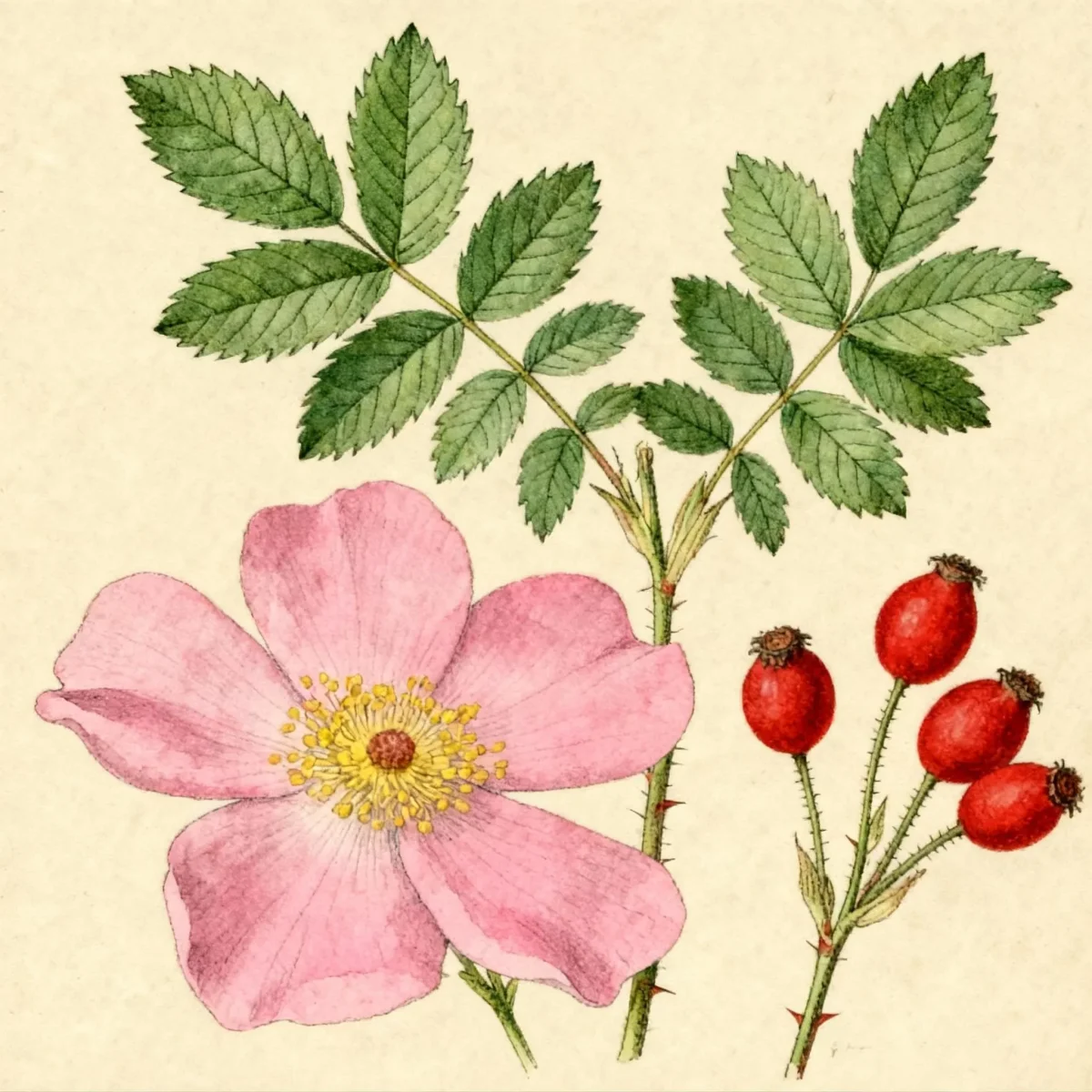
Rosa palustris, commonly called swamp rose, is an upright deciduous shrub with arching branches that typically grows to 3-6’ tall and as wide. It is native to wet ground (swamps, marshes, ditches, stream banks) from Nova Scotia to Ontario to Minnesota south to Florida and Louisiana. The fragrant, single pink roses bloom from late spring to early summer, followed by pea-sized red hips. The specific epithet refers directly to this rose’s preference for marshy growing conditions.
Tolerances
- Wet Soil
Potential Problems
This particular species rose generally exhibits high resistance to the common diseases and pests that plague cultivated hybrid roses. However, like many members of the Rosaceae family, it can occasionally be susceptible to general rose issues if conditions are unfavorable. Potential disease problems, though less likely, include black spot, powdery mildew, and rust.
For insect management, watch periodically for aphids, scale, or leafhoppers, especially during dry spells or periods of stress. Maintaining excellent air circulation, as noted in its culture requirements, is the best proactive defense against fungal issues. If pests appear, targeting treatments only where necessary, or encouraging beneficial insects, should keep the Swamp rose healthy.
Frequently Asked Questions
What hardiness zones is Swamp rose suitable for?
The Swamp rose (Rosa palustris) is hardy across USDA Zones 4 through 9, providing a wide range of usability across the Eastern US.
How large does Rosa palustris grow?
This deciduous shrub typically matures to a height between 3 and 6 feet, with an equal spread of 3 to 6 feet.
What sun exposure does Swamp rose need?
Rosa palustris requires full sun for the very best flowering and disease resistance, though it can tolerate light shade.
When does Rosa palustris bloom?
The fragrant pink flowers of the Swamp rose typically appear from June through July.
Conclusion
The Swamp rose (Rosa palustris) offers gardeners a uniquely adaptable native option, bringing beautiful pink flowers and wildlife value to challenging wet areas. Its medium maintenance requirement and strong tolerance for moist soil confirm its standing as a premier choice for rain gardens and naturalized sites. Before planting, ensure your location meets the full sun requirement and check that your USDA zone falls comfortably within the 4 to 9 range for guaranteed success with this wetland beauty.
Companion Planting
When selecting neighbors for your Rosa palustris, focus on other plants that share a requirement for wet soil and full sun exposure. Placing plants with similar moisture needs simplifies your watering schedule and maximizes plant health for the entire grouping. Excellent companions include Cardinal Flower (Lobelia cardinalis), which echoes the red coloring later in the season, and various native sedges that offer textural contrast near the base of the shrub.
Consider using these companions to create a layered effect in a rain garden design. Shorter, sprawling groundcovers that tolerate damp feet can help suppress weeds around the base of the spreading shrub. By grouping plants with similar cultural preferences, you ensure the area remains cohesive and ecologically balanced, showcasing the best attributes of the native Swamp rose.
Wildlife Benefits
Rosa palustris serves an important ecological role, particularly for pollinators and birds utilizing wet habitats. The fragrant, single pink flowers, displaying distinct yellow centers, are attractive to various native bees as a dependable early-season nectar source. The open structure of the bloom makes the pollen easily accessible to a wide range of beneficial insects.
The pea-sized red hips that follow the bloom are equally crucial, persisting into the colder months and providing essential late-season forage for overwintering birds. Planting the Swamp rose contributes directly to local biodiversity initiatives by offering reliable food resources throughout the growing season and beyond in wet environments where other shrubs may fail.