American mountain ash (Sorbus americana)
Sorbus americana, the native American mountain ash, offers white spring flowers and showy orange-red fruit, ideal for cooler zones.
Scroll down to discover growing tips, care requirements, companion plants, and more
Complete Plant Information
Overview
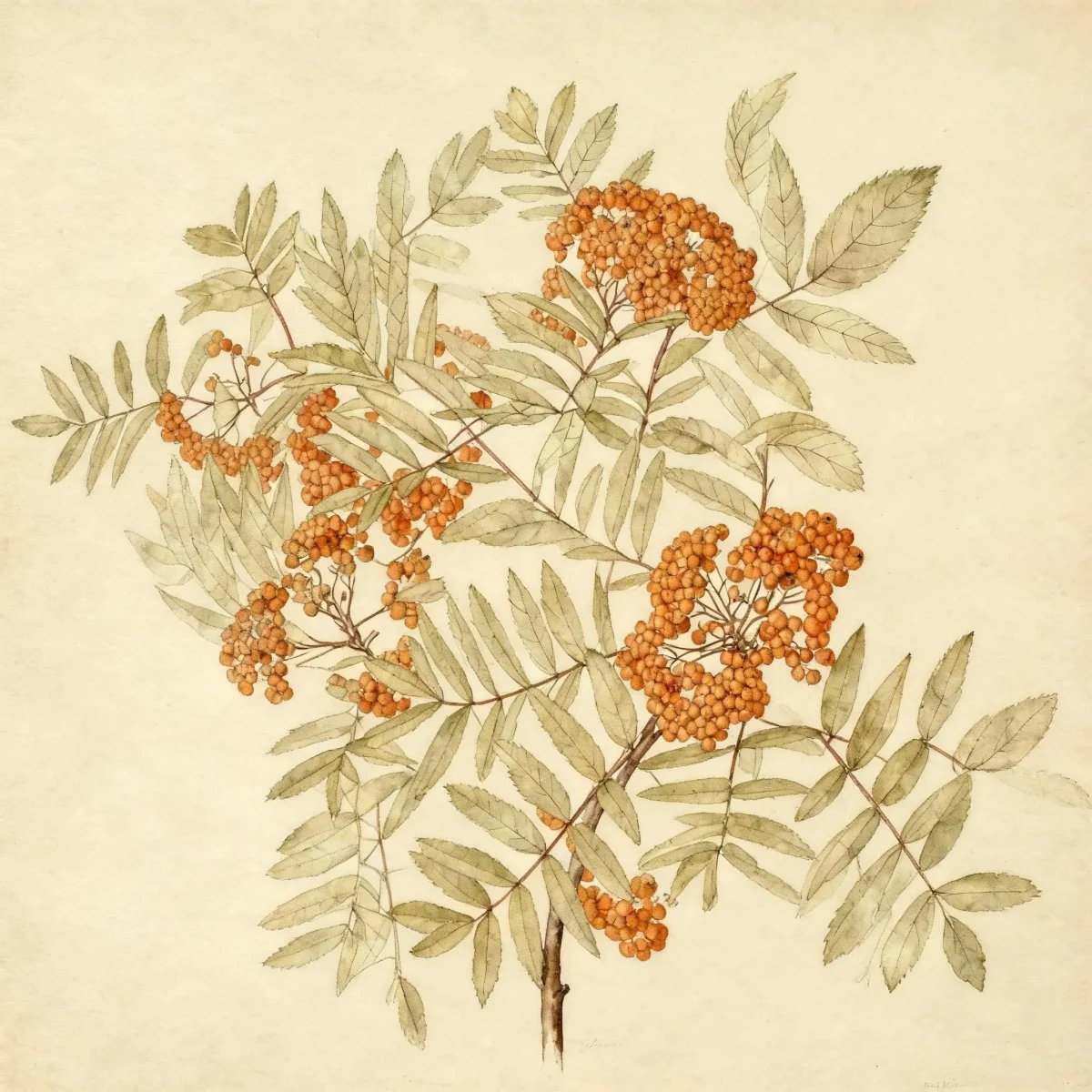
The Sorbus americana, commonly known as the American mountain ash, is a captivating small deciduous tree or large shrub native to the cool climates of northeastern North America. Forest gardeners value it for its attractive four-season interest, highlighted by bright white spring blooms and persistent, vividly colored fruit clusters. Its compound pinnate foliage provides a delicate texture that turns shades of yellow come autumn.
This species thrives best in cooler environments, making it a superb choice for northern landscapes seeking natural beauty framed by deep green summer leaves and striking fruit. While it is architecturally pleasing, gardeners must note its sensitivity to heat and humidity when planning its location. The Sorbus americana offers significant wildlife value, attracting birds with its late-season berries.
Although sometimes referred to as Dogberry, this tree is structurally distinct from true ashes, belonging instead to the Rose family (Rosaceae). Successful cultivation of the American mountain ash hinges on providing consistent moisture and well-drained, acidic soil characteristic of its mountain habitats.
Fast Facts
- Plant Family: Rosaceae
- Plant Type: Deciduous shrub
- Native Range: Eastern North America
- Hardiness Zones: USDA Zones 3-6
- Size at Maturity:
- Height: 15-30 ft
- Spread: 15-25 ft
- Bloom Time: May
- Bloom Description: White
- Sun Exposure: Full sun
- Water Needs: Medium
- Maintenance Level: Medium
How to Grow
Planting Sorbus americana should ideally occur in the spring or fall, allowing the roots to establish before facing the stresses of summer heat. Select a location that offers full sun exposure, which promotes the best flowering and fruiting. The most critical cultural requirement is soil quality: the American mountain ash demands moist, acidic, humus-rich, and exceptionally well-drained ground.
Water management is key to the health of this species, as it dislikes dry soils, particularly during hot spells. While described as medium water needs, ensure regular moisture, mimicking its cool, humid native habitat. Fertilizing is usually unnecessary if the soil is naturally rich in organic matter; excessive nitrogen can promote weak, lush growth susceptible to pests.
Maintenance is generally low, requiring little pruning. If necessary, perform aesthetic shaping or remove crossing branches during the late fall or early spring dormant season. Avoid summer pruning, which can stress the tree. Be aware that the American mountain ash is somewhat intolerant of urban pollution, so choose a site away from heavily trafficked or heavily salted areas where possible.
Landscape Uses
As a flowering tree recommended for its aesthetic appeal, the American mountain ash functions beautifully as a specimen planting where its seasonal transition can be fully appreciated. Its size—reaching up to 30 feet tall—makes it suitable as a small shade tree or a focal point on a lawn in cooler northern climates. It is less ideal for tight urban streetscapes due to its intolerance for pollution and heat, and it is specifically not recommended for regions like St. Louis.
Its open, rounded crown lends itself well to informal cottage gardens or naturalistic plantings where it can mingle with other native woodland edge species. The bright, persistent orange-red berries provide excellent contrast against darker evergreen backdrop plantings, extending visual interest deep into winter.
Standout Features
Flower Qualities
- Showy
Fruit Qualities
- Showy
- Edible
Noteworthy Characteristics
Sorbus americana, called American mountain ash, is a small, deciduous, understory tree (sometimes a shrub) that is native to northeastern North America from Newfoundland to Manitoba south to northern Illinois, northern Michigan and New Jersey plus further south in the Appalachians to Georgia. It typically grows to 15-30’ tall with an open rounded crown. It is noted for its attractive form, white spring flowers, serrate compound-pinnate leaves and bright orange-red fall fruit.
Tolerances
Potential Problems
Bacterial fireblight poses a significant threat, manifesting as scorched leaves at branch tips that mimic burn damage. To mitigate this, prune out infected wood immediately when detected, cutting well below the visible damage into healthy tissue. Scab is another common issue that leads to unsightly leaf drop mid-season.
Insects such as borers, aphids, scale, and sawflies may colonize the American mountain ash, especially if the tree is stressed by drought or poor soil conditions. Maintaining optimal growing conditions—moist, cool, and well-drained soil—is the best preventative measure against cankers and borer attacks. Regular inspection can catch early infestations.
Frequently Asked Questions
What hardiness zones is American mountain ash suitable for?
The American mountain ash is hardy within USDA Zones 3 through 6, making it best suited for cooler northern regions.
How large does American mountain ash grow?
When mature, this species typically reaches a height of 15 to 30 feet, with a spread between 15 and 25 feet, forming an open rounded crown.
When does Sorbus americana bloom?
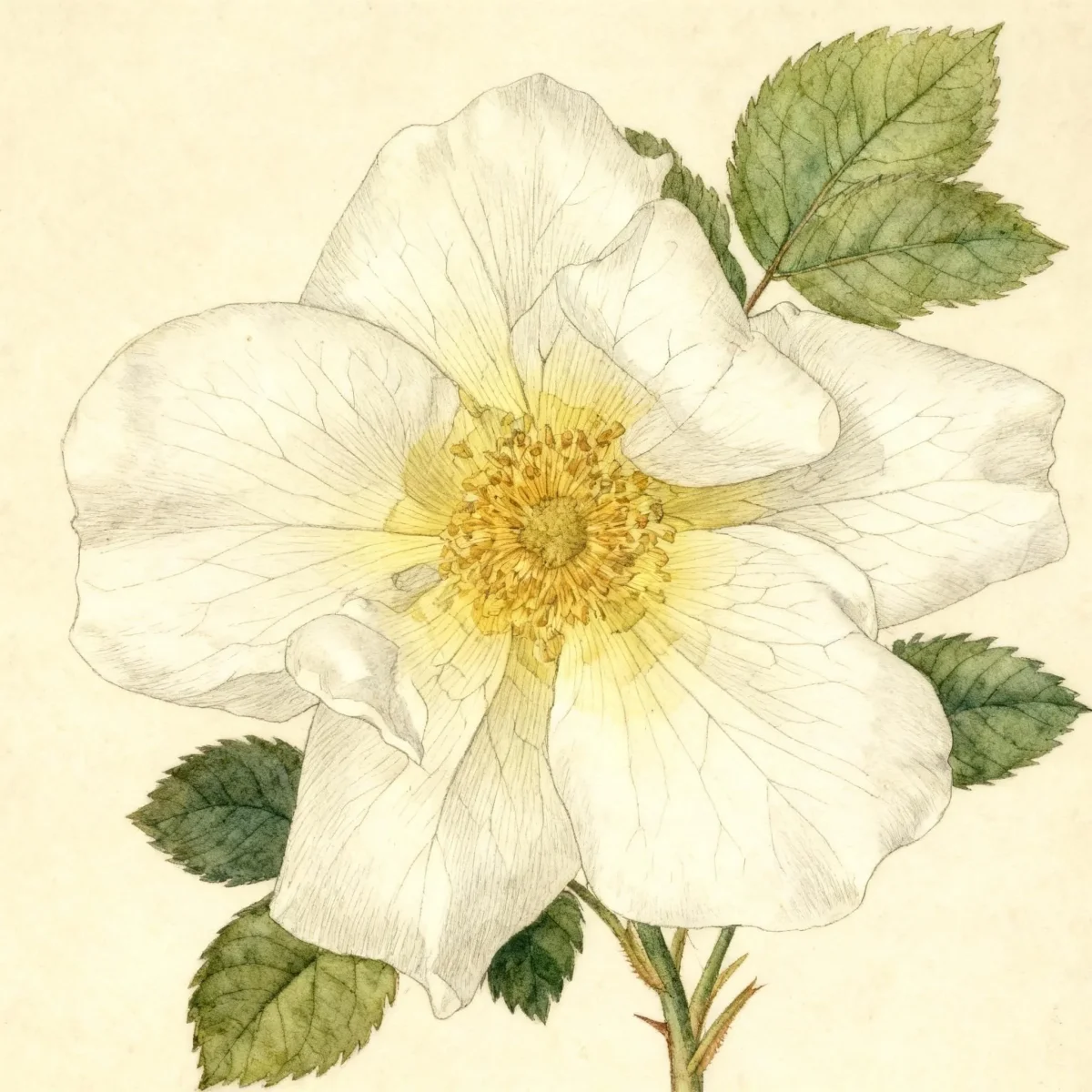
Sorbus americana generally blooms in May, producing dense, flattened clusters of small, very fragrant white flowers.
What sun exposure does Sorbus americana need?
This plant requires full sun exposure to perform optimally throughout the growing season.
Conclusion
The Sorbus americana delivers exceptional multi-season interest through its delicate white flowers and vibrant, bird-attracting fruit, highly valued in cool northern garden settings. Successfully integrating the native American mountain ash into your landscape relies heavily on respecting its need for moist, acidic soil and reluctance to handle hot, humid summers. Before planting, confirm that your hardiness zone falls within 3 to 6 and plan for well-drained conditions.
Wildlife Benefits
The persistent orange-red berries of the American mountain ash are a crucial late-season and winter food source for numerous bird species when other fruits have disappeared. While humans may find the fruit too acidic for fresh eating, birds readily consume them, aiding natural seed dispersal across suitable habitats. Planting this species near woodland edges or properties bordering natural areas can significantly boost local avian activity.
Designing with Foliage
Beyond the flowers and fruit, the compound pinnate leaves of Sorbus americana offer fine texture unmatched by many other small trees. Each leaf carries between 9 and 17 sharply serrated leaflets, creating an airy canopy that filters sunlight beautifully. Pair this texture with broad-leaved evergreens or large hostas in shaded understory plantings to create striking textural contrast in the landscape.