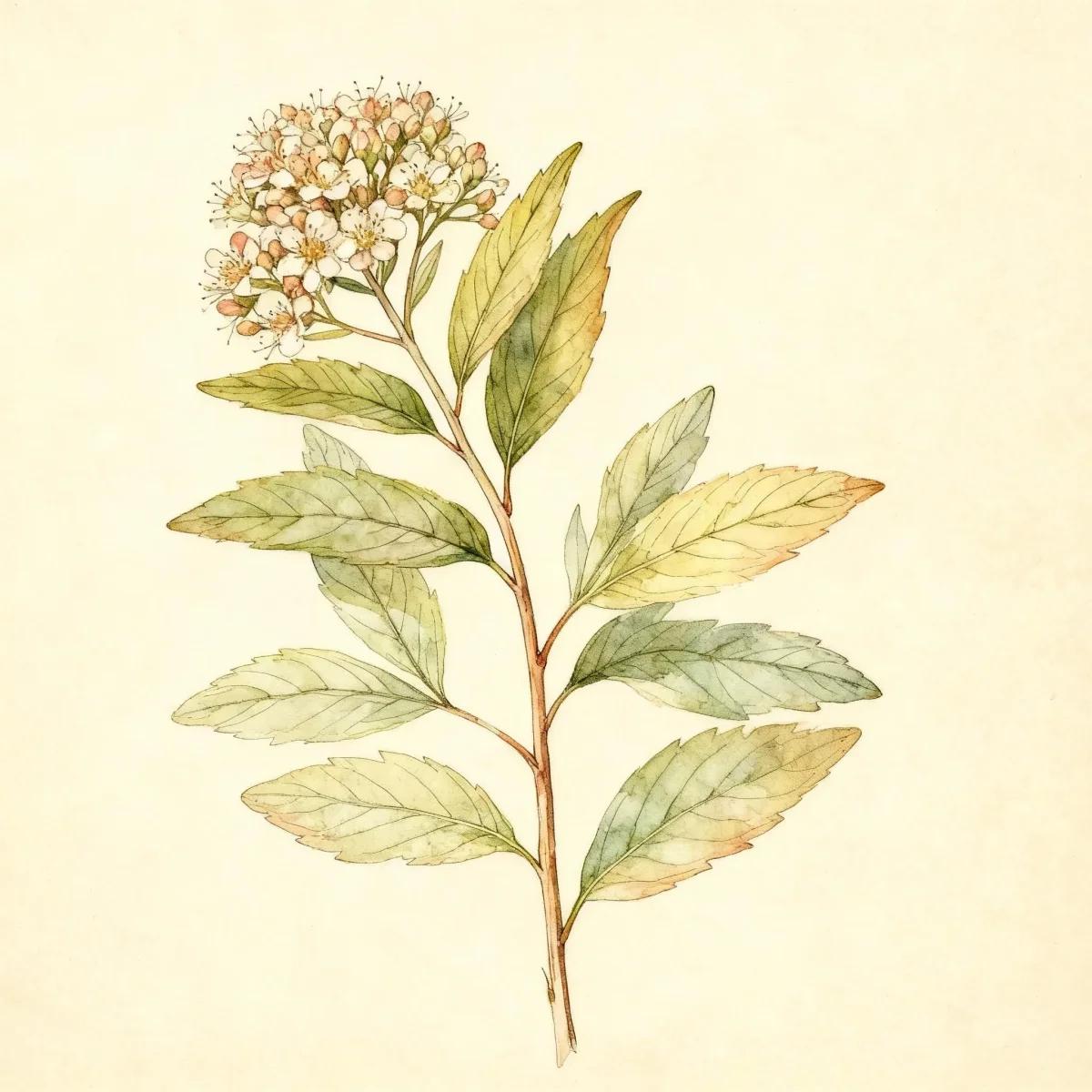
White meadowsweet (Spiraea betulifolia)
Spiraea betulifolia, or White meadowsweet, is a low-maintenance, compact shrub offering showy white summer blooms and excellent fall color.
Scroll down to discover growing tips, care requirements, companion plants, and more
Complete Plant Information
Overview
The White meadowsweet, scientifically known as Spiraea betulifolia, is a highly attractive, low-growing deciduous shrub perfect for adding texture and resilient summer color to the garden. This species is valued for its tidy, dense, rounded form which reaches about three feet tall and wide naturally, minimizing the need for extensive shaping. Its aesthetic appeal is rounded out by birch-like foliage that provides dependable orange, red, and purple tones as the season progresses.
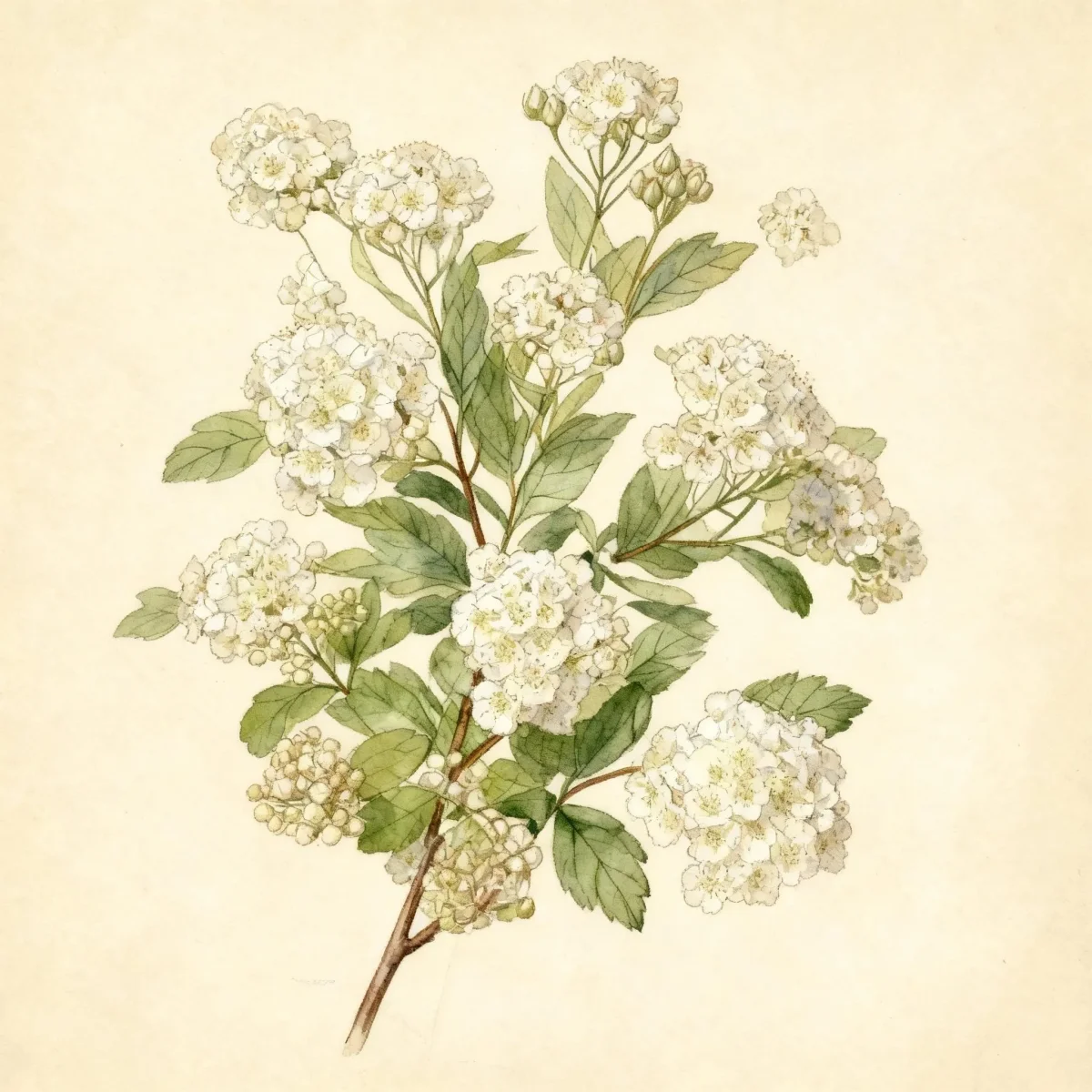
Native across eastern Asia, including Japan and Siberia, Spiraea betulifolia is renowned for being robust and adaptable, thriving in locations exposed to full sun. Gardeners appreciate its low maintenance requirements and its reliable bloom display of white, fragrant flower clusters appearing from mid-summer through early July. This makes the White meadowsweet an excellent structural element in mixed borders or rock gardens.
Beyond its ornamental value, the clusters of white flowers are notably attractive to local butterfly populations, providing beneficial wildlife support in the landscape. Whether used as a repeating accent or massed for effect, Spiraea betulifolia offers four-season interest with minimal effort, solidifying its place as a staple in modern landscaping.
Fast Facts
- Plant Family: Rosaceae
- Plant Type: Deciduous shrub
- Native Range: South Korea, Siberia, Russian Far East, Japan
- Hardiness Zones: USDA Zones 5-8
- Size at Maturity:
- Height: 2-3 ft
- Spread: 2-3 ft
- Bloom Time: May to July
- Bloom Description: White
- Sun Exposure: Full sun
- Water Needs: Medium
- Maintenance Level: Low
How to Grow
Spiraea betulifolia adapts well to average conditions, preferring to be planted in areas receiving full sun for the best flowering and foliage color. While adaptable to various soil compositions, ensure the location provides well-drained soil, as this helps prevent root issues. The best time for planting is typically during the early spring or fall dormancy periods.
Once established, this shrub requires medium water, meaning it needs consistent moisture, especially during extended dry spells in the summer. Fertilization is rarely necessary if the soil is reasonably fertile. For maintenance, the culture notes recommend light shearing to encourage a secondary bloom flush by removing faded flower clusters as they appear.
Pruning of Spiraea betulifolia should be thoughtful, as it flowers on new wood. If significant shaping is required, perform this task in late winter or early spring before new growth begins. Avoid heavy annual pruning, focusing instead on removing any dead or crossing branches and lightly shearing spent blooms throughout the growing season.
Landscape Uses
The compact, mounding habit of White meadowsweet makes it exceptionally versatile in landscape design. It functions perfectly as a low, neat hedge lining paths, walkways, or defining the lower edge of foundation plantings where taller shrubs might overcrowd windows. These plants look stunning when massed in shrub borders, creating a unified sea of white in mid-summer.
For specialty gardens, Spiraea betulifolia is ideal for rock gardens due to its manageable size and rugged nature. Furthermore, its strong appeal to pollinators makes the White meadowsweet an excellent inclusion near seating areas or within dedicated butterfly gardens where continuous wildlife activity is desired. This species pairs well with late-season bloomers that compensate for its early summer finish.
Standout Features
Flower Qualities
- Showy
- Fragrant
Noteworthy Characteristics
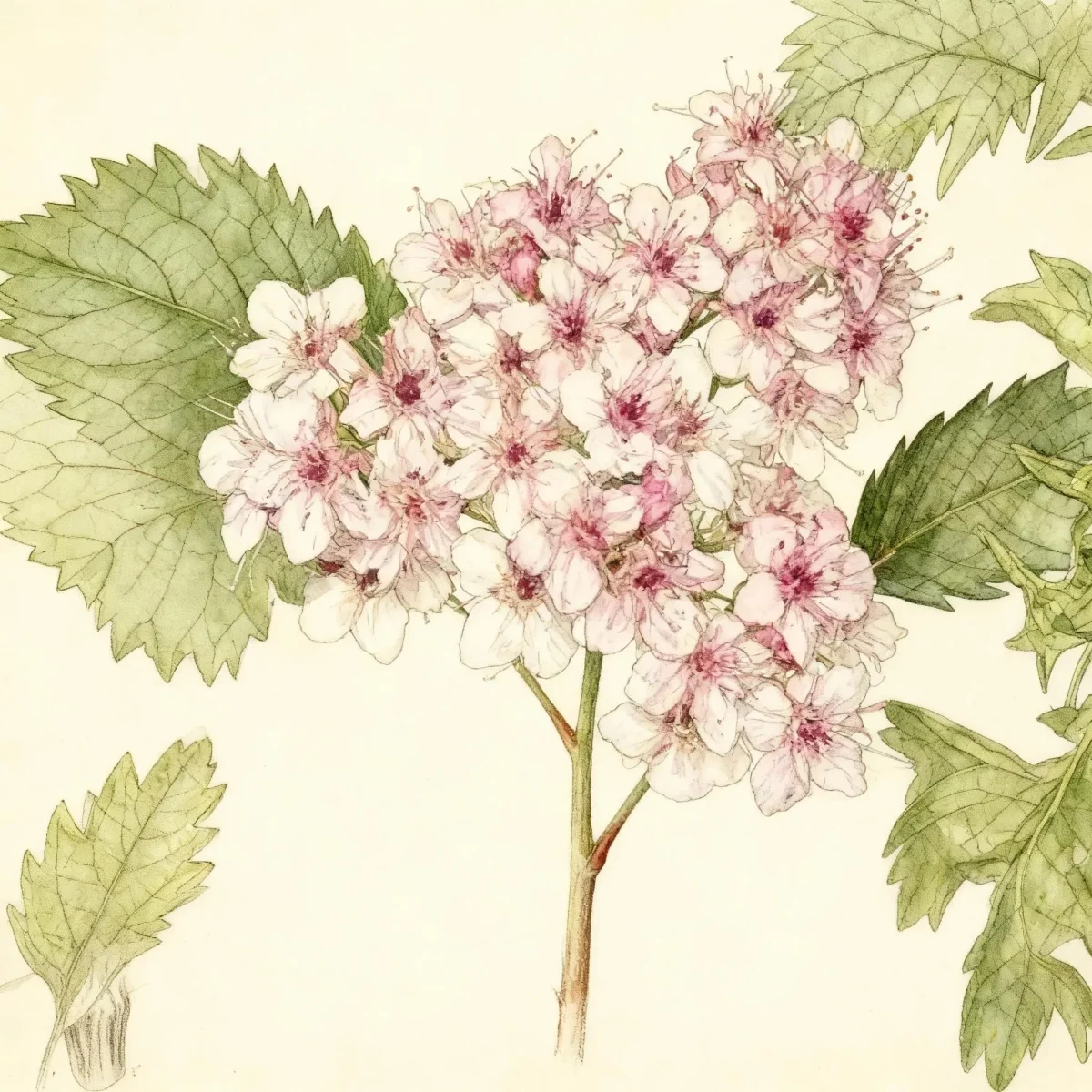
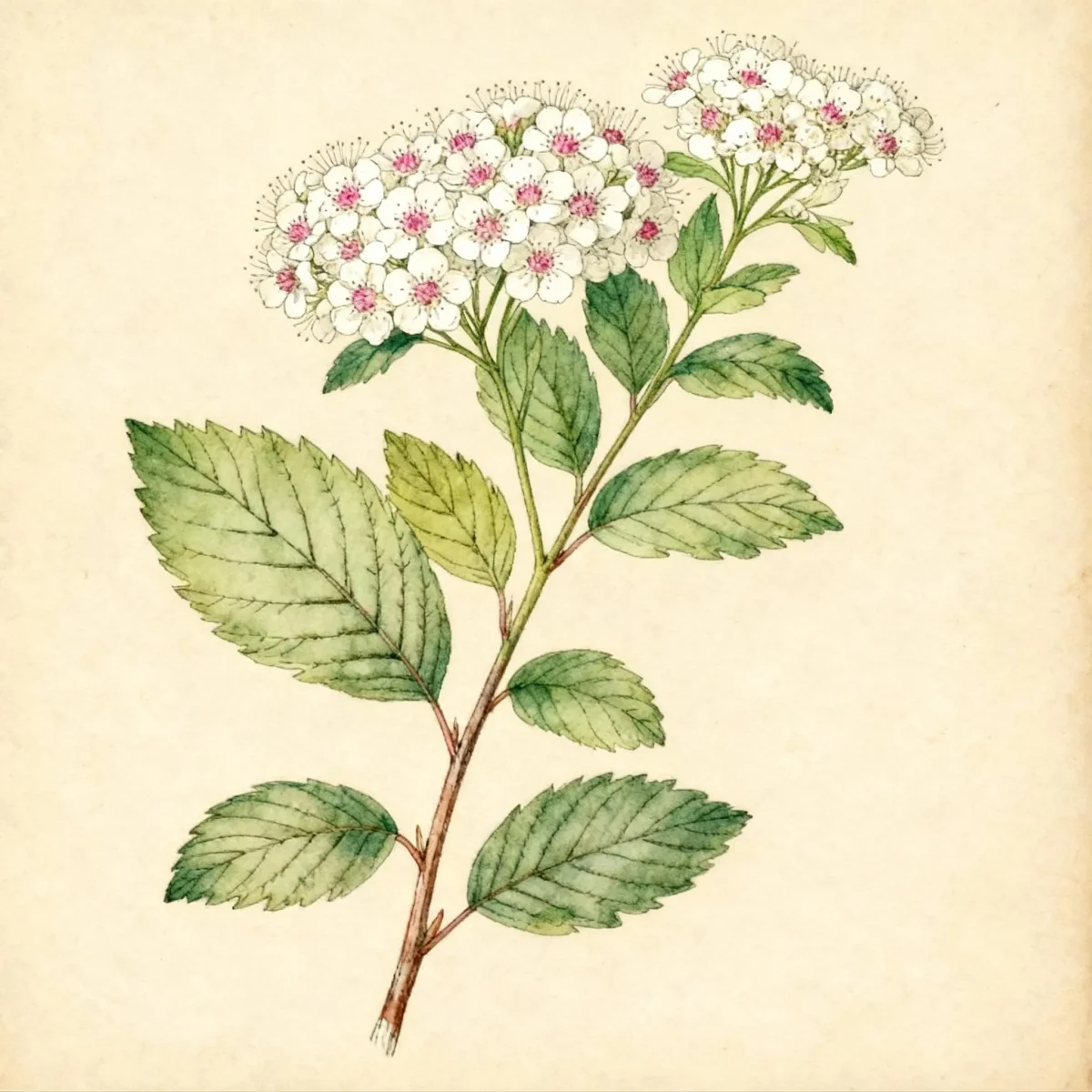
Spiraea betulifolia, commonly called birchleaf spirea, is native to Japan and eastern Asia. It is a dwarf shrub that typically matures as a dense rounded mound of foliage to 3’ tall and as wide. Birch-like, round to egg-shaped leaves (to 2” long) have toothed margins, and the white flowers in clusters cover the foliage in mid-summer. Specific epithet betulifolia comes from the birch genus (Betula) and leaf (folia) in obvious reference to the leaf shape.
Tolerances
(No data provided)
Potential Problems
Generally, Spiraea betulifolia is tough and resistant to serious pest or disease issues. However, being a member of the rose family (Rosaceae), it can occasionally face common woes that affect its relatives. These may include fungal issues like leaf spot, powdery mildew, or, in overly wet conditions, root rot. Insect pressure might include minor infestations of aphids or scale.
Prevention is the best strategy; ensure excellent air circulation through proper spacing to deter fungal diseases, and maintain good drainage within your soil profile to prevent root rot. Inspect plants routinely for early signs of pests and treat minor outbreaks quickly with horticultural oils or careful pruning rather than heavy chemical intervention.
Frequently Asked Questions
What hardiness zones is White meadowsweet suitable for?
White meadowsweet is reliably hardy across USDA Zones 5 through 8.
How large does Spiraea betulifolia grow?
This compact shrub typically matures to a rounded mound measuring between 2 to 3 feet in height and a similar spread of 2 to 3 feet wide.
When does White meadowsweet bloom?
Spiraea betulifolia produces its clusters of white flowers primarily from May through July, providing mid-summer interest.
What sun exposure does Spiraea betulifolia need?
For optimal flowering and dense growth, Spiraea betulifolia requires full sun exposure.
Conclusion
The White meadowsweet (Spiraea betulifolia) stands out as a premier low-maintenance shrub, offering fragrant white summer flowers, excellent foliage texture, and dependable fall color. Due to its adaptability and compact size, this plant provides tremendous value for structure in almost any garden setting. Before planting, confirm that your location falls within USDA Zones 5-8 and offers full sun exposure to ensure the best performance from your new shrub.
Wildlife Benefits
The mid-summer display of white flowers on Spiraea betulifolia offers an excellent source of nectar and pollen when many earlier bloomers have finished. These clusters are known to be highly attractive to local butterfly populations, making this shrub an easy addition to any pollinator-focused planting scheme. Planting several White meadowsweet shrubs together can create a significant visual and ecological magnet in your garden space.
Seasonal Care Calendar
For optimal health, follow seasonal guidelines tailored to Spiraea betulifolia. In late winter or very early spring (before buds swell), prune out any crossing or damaged wood, or perform light overall shaping if needed, knowing that pruning now won’t significantly impact summer bloom. During the active growing season, monitor moisture levels, especially during hot, dry periods, ensuring medium water needs are met without oversaturation. Deadheading spent blooms throughout May and June, though optional, will help promote quicker rebloom.