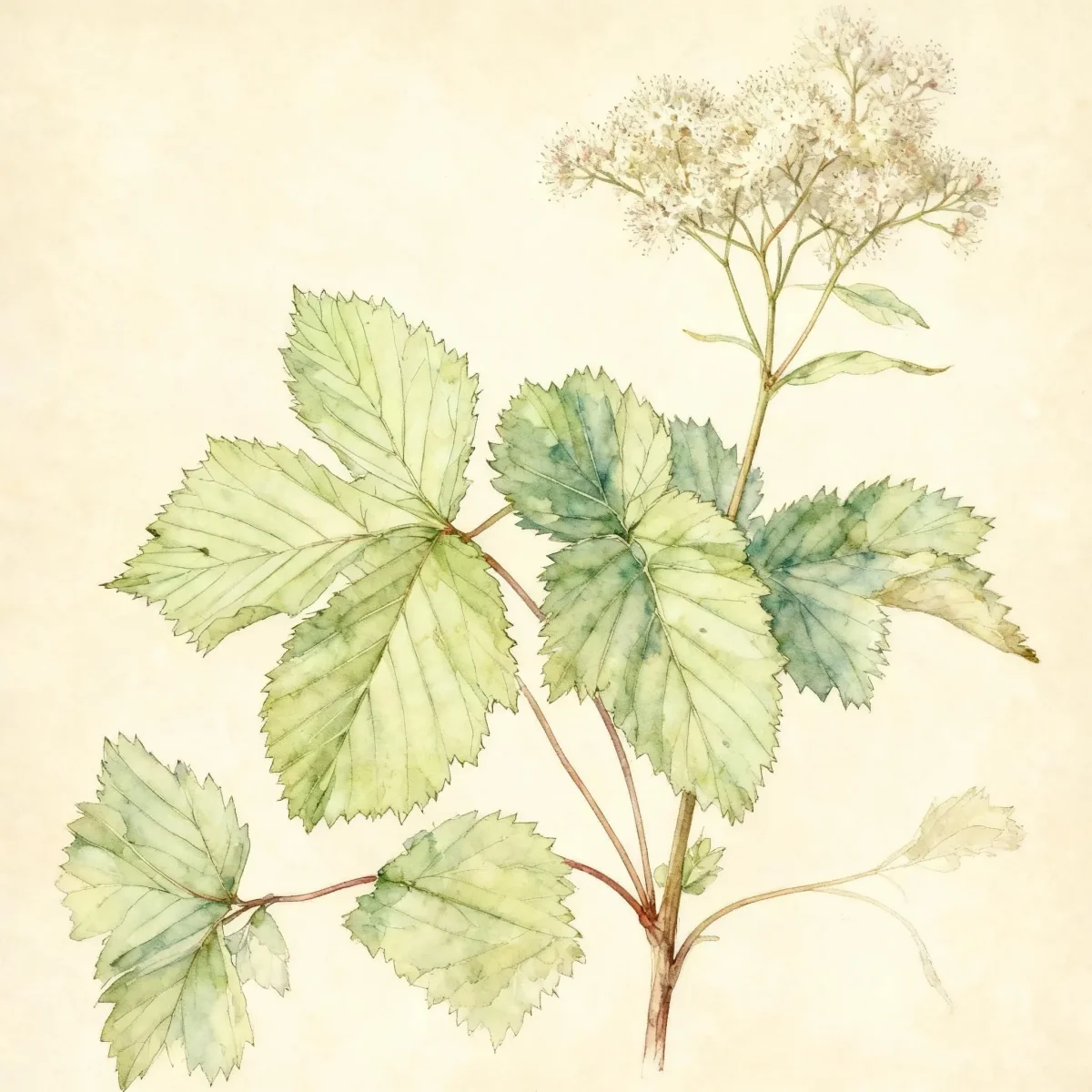
Rose spirea (Spiraea douglasii)
Rose spirea (Spiraea douglasii) is a low-maintenance deciduous shrub thriving in wet soils, offering showy pink summer blooms.
Scroll down to discover growing tips, care requirements, companion plants, and more
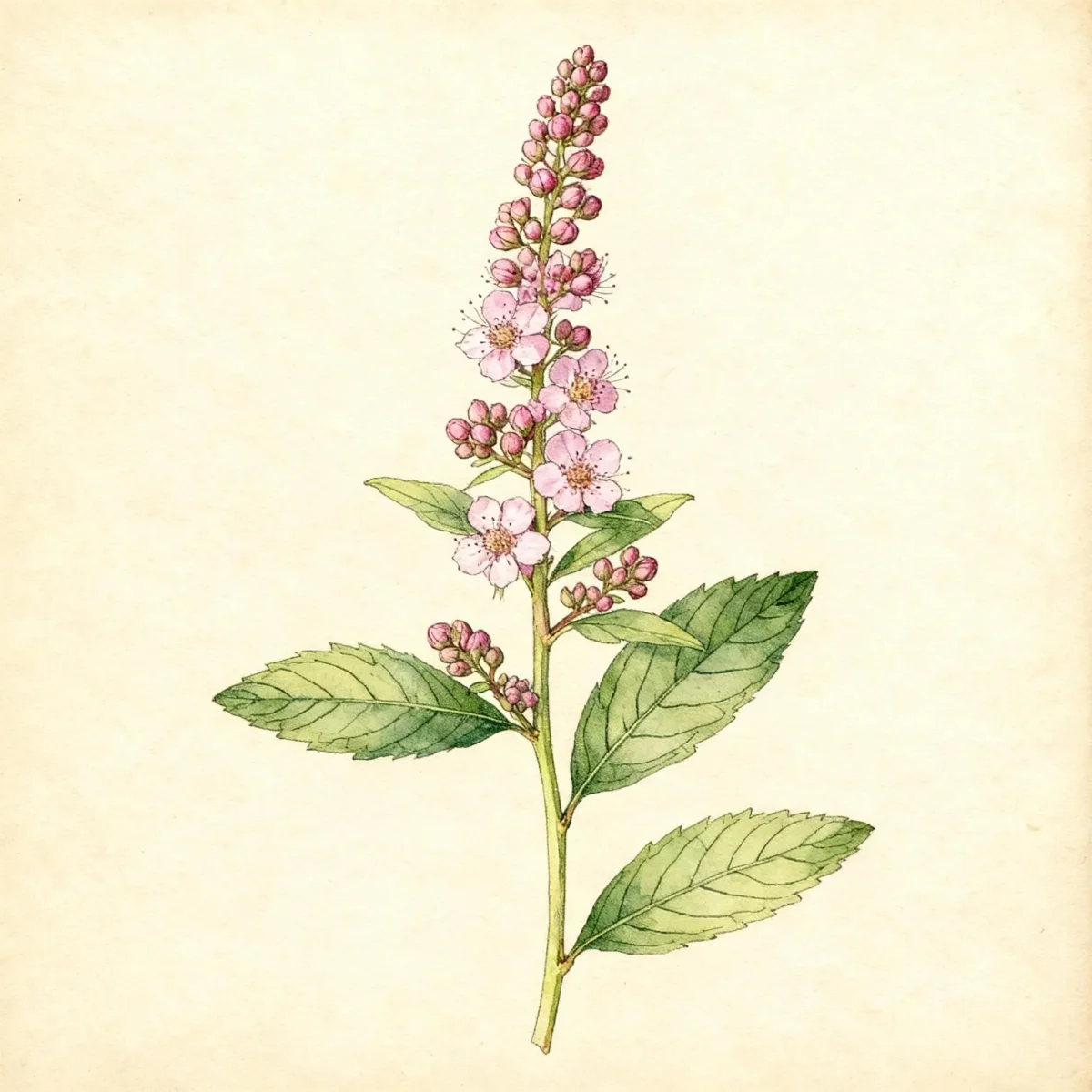
Complete Plant Information
Overview
Rose spirea, scientifically known as Spiraea douglasii, is a highly valuable native shrub for gardeners focused on water-loving or riparian landscapes. This deciduous shrub forms attractive clumps and is known for its vibrant, late-season flower display, making it a standout addition to the garden from mid-summer into early fall. Providing consistent color and texture, Spiraea douglasii offers low maintenance once established in the right conditions.
Native to moist soils across Western North America, this species readily spreads via suckers, creating dense colonies over time. While this spreading can be beneficial for stabilization and filling large areas, it requires management in formal settings. The dense clusters of rose-pink flowers on the sturdy stems of Rose spirea attract attention throughout the warmest months.
Its tolerance for wet conditions and reliable growth habit make Spiraea douglasii a pragmatic choice for difficult, damp areas of the property. Gardeners utilizing native plants will appreciate this species for its robustness and natural ecosystem support. Plan your placement carefully to allow this vigorous shrub the space it needs to develop its full stature of 4 to 6 feet tall.
Fast Facts
- Plant Family: Rosaceae
- Plant Type: Deciduous shrub
- Native Range: Western North America
- Hardiness Zones: USDA Zones 5-8
- Size at Maturity:
- Height: 4-6 ft
- Spread: 3-6 ft
- Bloom Time: June to August
- Bloom Description: Rose-pink
- Sun Exposure: Full sun to part shade
- Water Needs: Medium to wet
- Maintenance Level: Low
How to Grow
The best time to plant Rose spirea is during spring or fall when the soil is moist and temperatures are moderate. Locate Spiraea douglasii in sites receiving full sun to partial shade, ensuring the soil profile is consistently moist, preferably acidic, and well-drained, even if wet. This shrub thrives where many others struggle due to excessive moisture; remember, soils should not be allowed to dry out.
Ongoing care for this hardy plant is minimal. Consistent moisture is key; supplementary watering may be needed during extended dry spells, especially for newly planted specimens. Fertilization is rarely required, as heavy feeding can reduce flowering. Pruning goals usually involve managing its size and shape, as well as removing spent flower heads if desired, though nature will often take care of this as flowers fade to brown.
A key cultural note for Spiraea douglasii is managing its spreading nature. If you wish to keep the plant in a defined area or limit colony formation, remove suckers promptly as they emerge. For a more naturalized look, allow the suckers to spread, which creates excellent groundcover in damp meadows or stream banks. Winter preparation is easy; simply clean up any dead foliage in early spring before new growth begins.
Landscape Uses
Spiraea douglasii excels in locations where consistent moisture is present, proving invaluable for creating vibrant rain gardens situated in low spots on site. Its medium stature makes it an excellent choice for informal hedge rows, particularly along property lines or bordering naturalized areas where a dense, colorful screen is desired. The robust root system is also effective for stabilizing stream banks or the edges of ponds.
Because it spreads via suckers, this Rose spirea is best suited for naturalistic plantings, wild areas, or borders where movement and colonization are welcome features. While beautiful, it is generally too aggressive for tight, formal parterres or very small foundation plantings. Consider pairing it with other moisture-loving perennials or shrubs that share its preference for acidic soil and afternoon shade.
This excellent landscape shrub is highly effective when mass-planted to draw the eye with its summer blooms. For a cohesive, natural look, plant it alongside rushes, sedges, or moisture-loving ferns that complement its height range. Its tolerance for deer browsing also makes it a practical choice in landscapes where wildlife pressure is a consideration.
Standout Features
Flower Qualities
- Showy
Noteworthy Characteristics
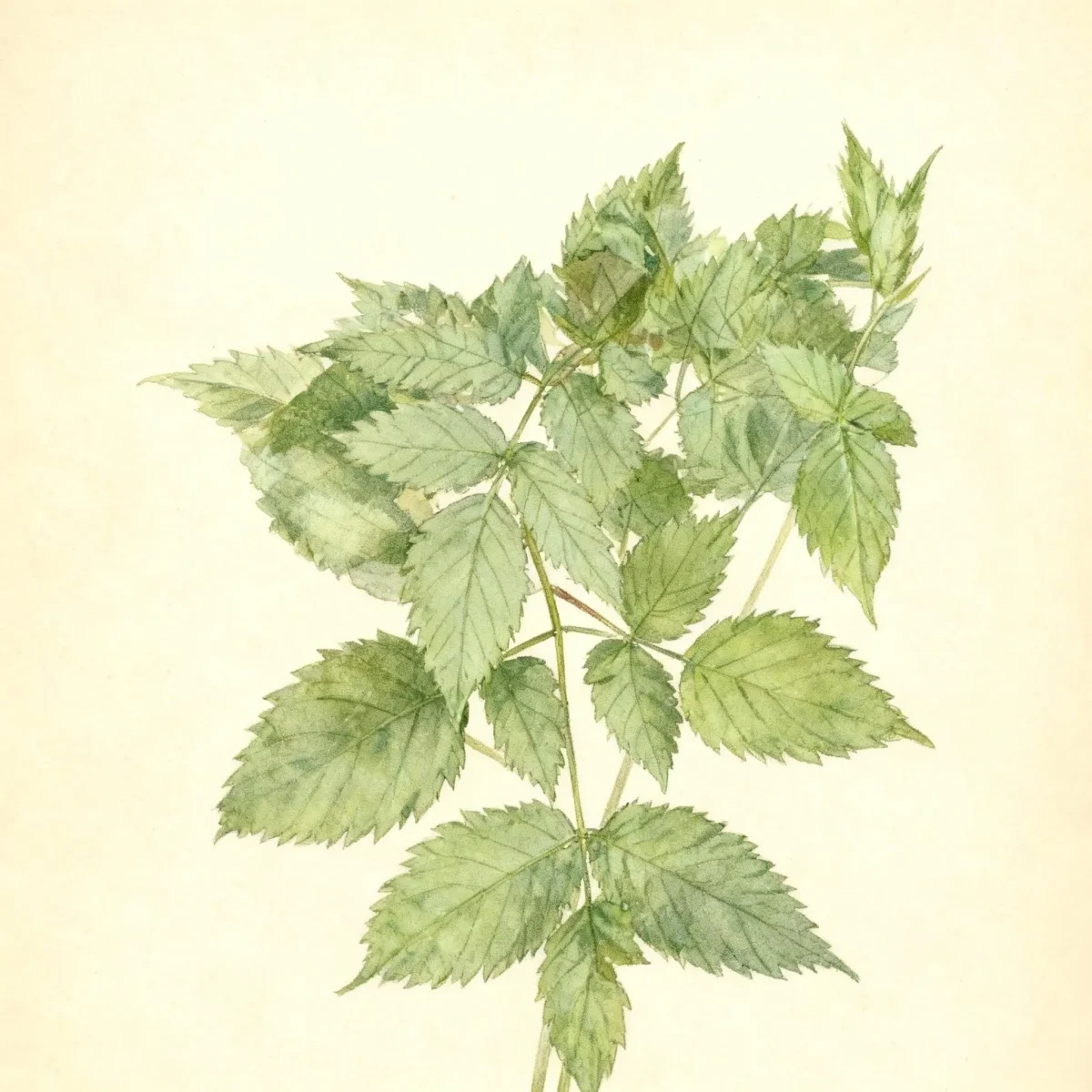
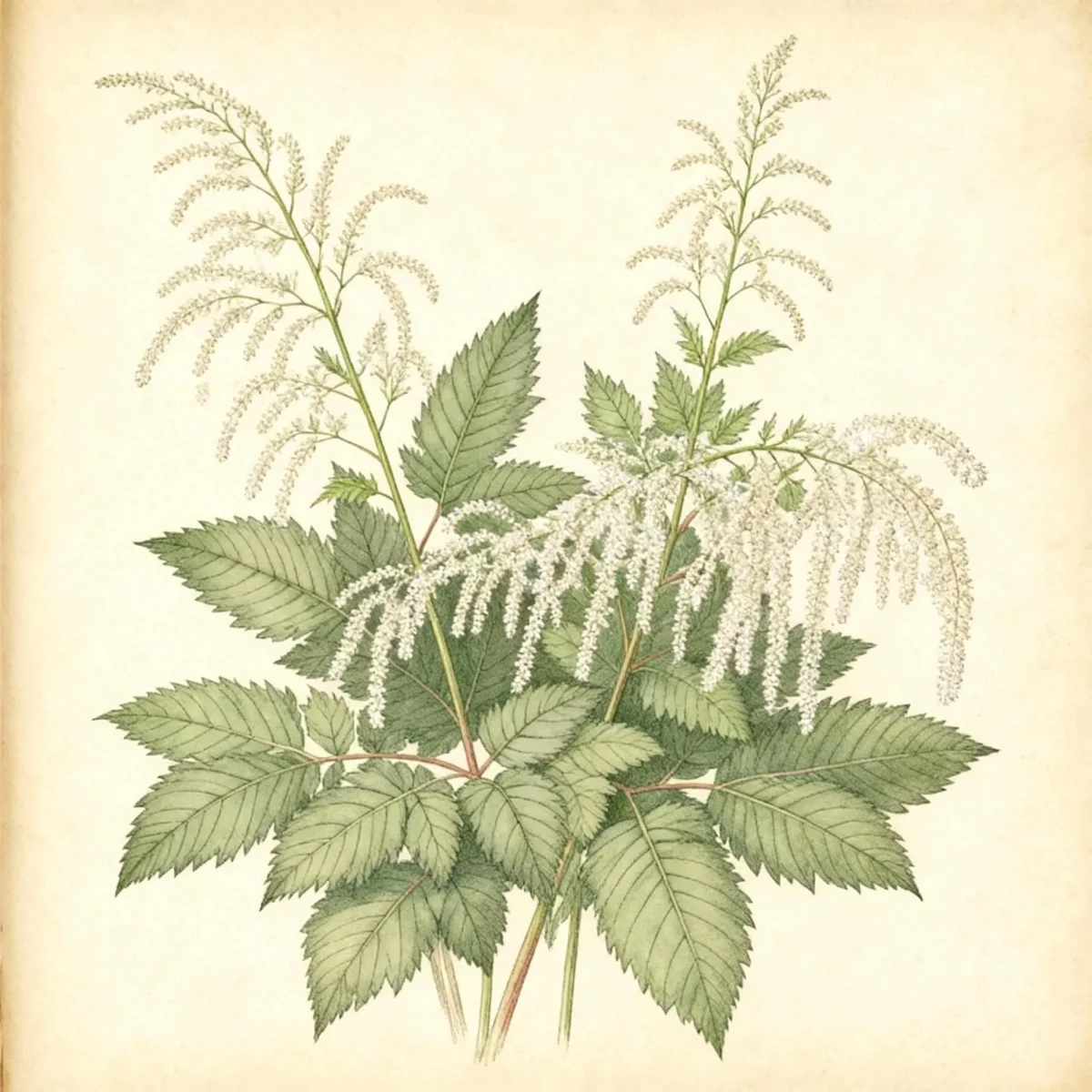
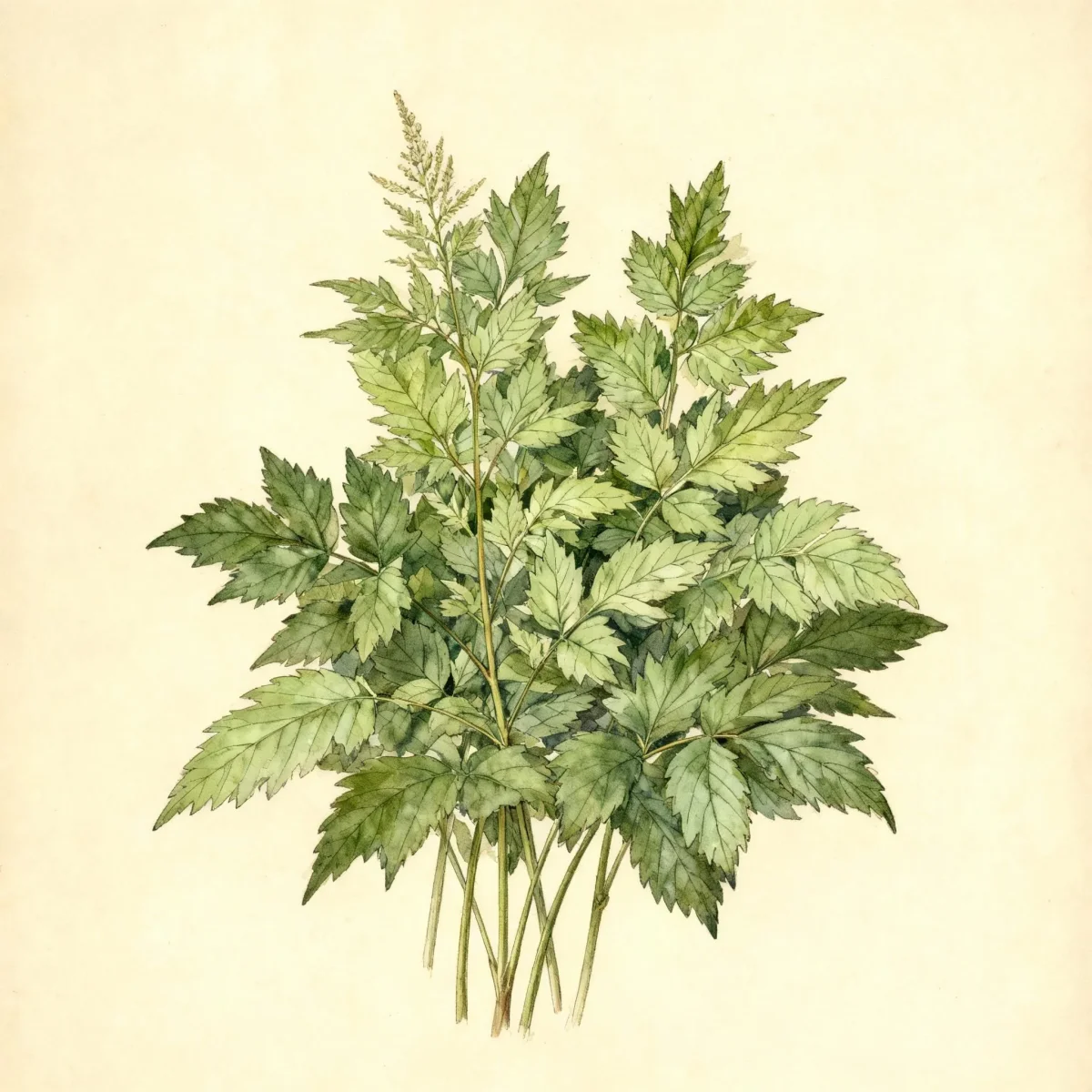
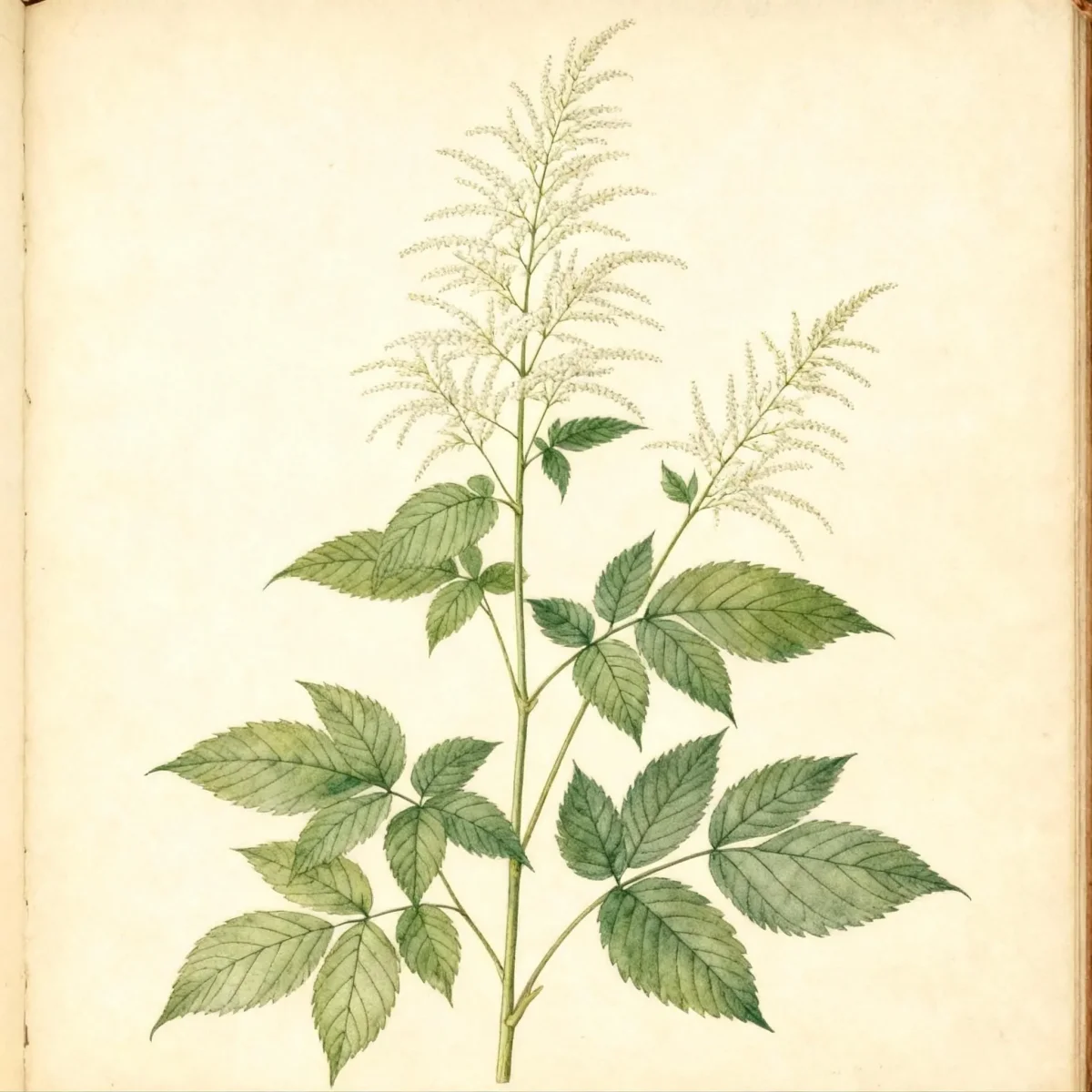
Spiraea douglasii, commonly called western spirea, steeple bush or hardhack, is a deciduous, clump-forming shrub that will spread by suckers to form colonies over time. Oval green leaves are fuzzy white beneath, contrasting nicely with the terminal clusters of rose-pink flowers that appear between June and August. The genus name references the Greek word for wreath, reflecting these beautiful flower heads.
Tolerances
- Deer
- Wet Soil
Potential Problems
Spiraea douglasii is remarkably resilient, generally suffering from no serious insect or disease problems under optimal conditions. However, if air circulation is poor or the plant is stressed, it can become susceptible to common fungal issues like leaf spot and powdery mildew, as well as the serious bacterial disease fireblight and general die back. Minor pest issues may include scale or aphids. Maintaining consistent moisture without waterlogging and ensuring adequate sunlight help mitigate most cultural problems.
Frequently Asked Questions
What hardiness zones is Rose spirea suitable for?
Spiraea douglasii is suitable for gardeners located within USDA Zones 5 through 8.
How large does Rose spirea grow?
This shrub typically reaches a mature height between 4 to 6 feet tall and spreads 3 to 6 feet wide.
When does Rose spirea bloom?
Rose spirea puts on its display from June through August, featuring attractive rose-pink flowers.
What sun exposure does Spiraea douglasii need?
Spiraea douglasii performs best when sited in full morning sun or partial shade throughout the day.
Conclusion
The Rose spirea (Spiraea douglasii) offers gardeners a robust, low-maintenance solution for adding brilliant summer color to damp areas of the landscape. Its vigorous, spreading habit makes it ideal for naturalizing or mass planting sites where consistent moisture is guaranteed. Before planting, ensure your site falls within USDA Zones 5–8 and that you can meet its need for medium to wet soil conditions.
Companion Planting
When selecting neighbors for Spiraea douglasii, focus on other moisture-loving natives that share its preference for acidic soil. Consider planting it alongside various moisture-tolerant ornamental grasses like Switchgrass cultivars (Panicum virgatum), which offer good textural contrast, especially in late fall when the spirea blooms fade. For color harmony, companion species like Blue Flag Iris (Iris versicolor) or Swamp Milkweed (Asclepias incarnata) bloom around the same time and thrive in similar saturated conditions.
Wildlife Benefits
The dense clusters of flowers produced by Spiraea douglasii from June to August are significant attractants for a variety of beneficial insects. While not specifically noted for birds, the dense, suckering growth habit of this shrub offers excellent cover and nesting material potential for ground-dwelling wildlife thriving near moist habitats. Planting this native species directly supports the local insect populations that rely on Western North American flora.