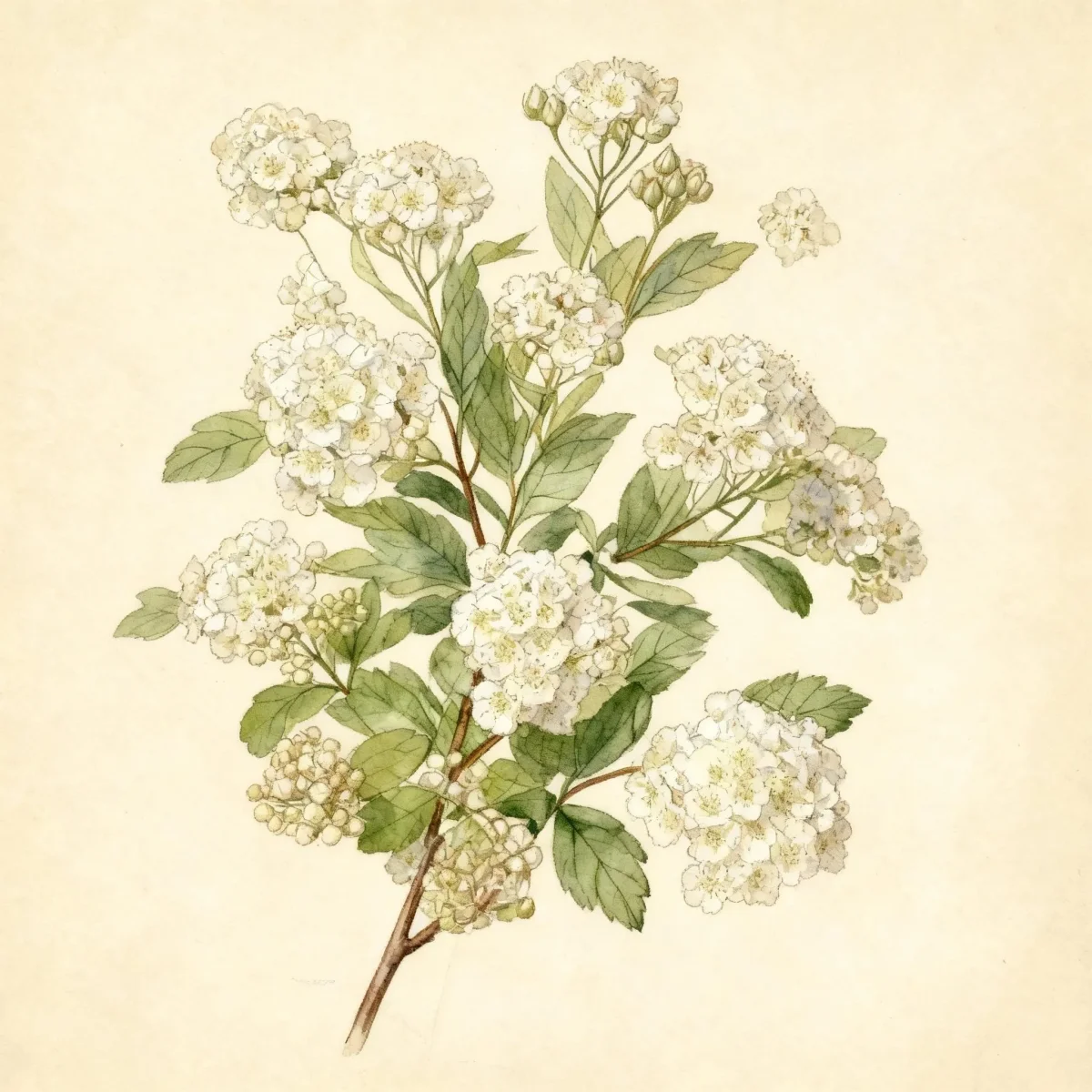
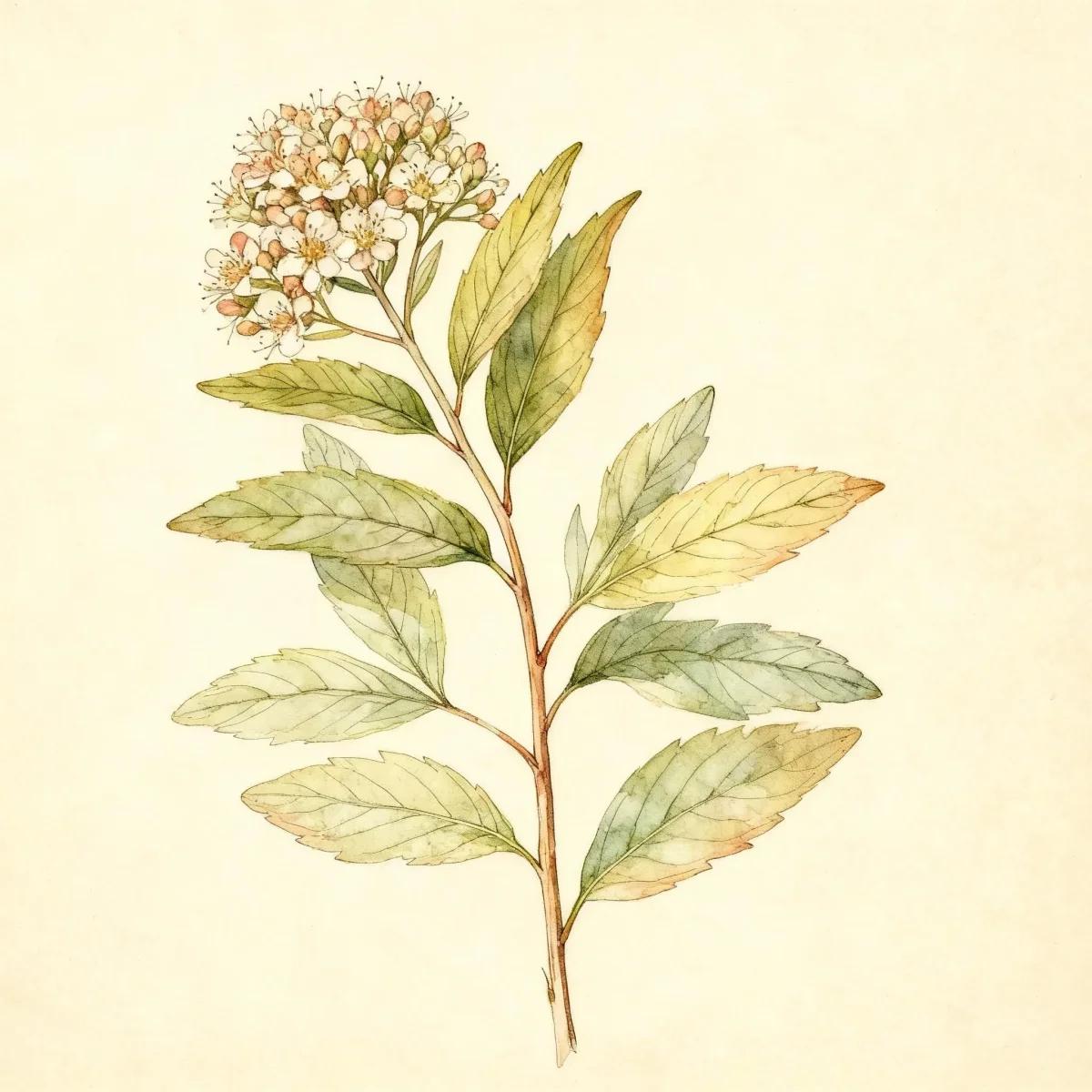
Japanese meadowsweet (Spiraea japonica)
The Japanese meadowsweet (Spiraea japonica) is a versatile, tough deciduous shrub offering summer-long pink blooms and requiring low maintenance.
Scroll down to discover growing tips, care requirements, companion plants, and more
Complete Plant Information
Overview
The Spiraea japonica, commonly known as Japanese meadowsweet, is a celebrated deciduous shrub valued for its adaptability and reliable summer color display. Its dense, upright, mounded form provides excellent structure in mixed borders throughout the growing season. Gardeners appreciate this species for its low maintenance requirements coupled with its attractive foliage and masses of tiny pink blooms.
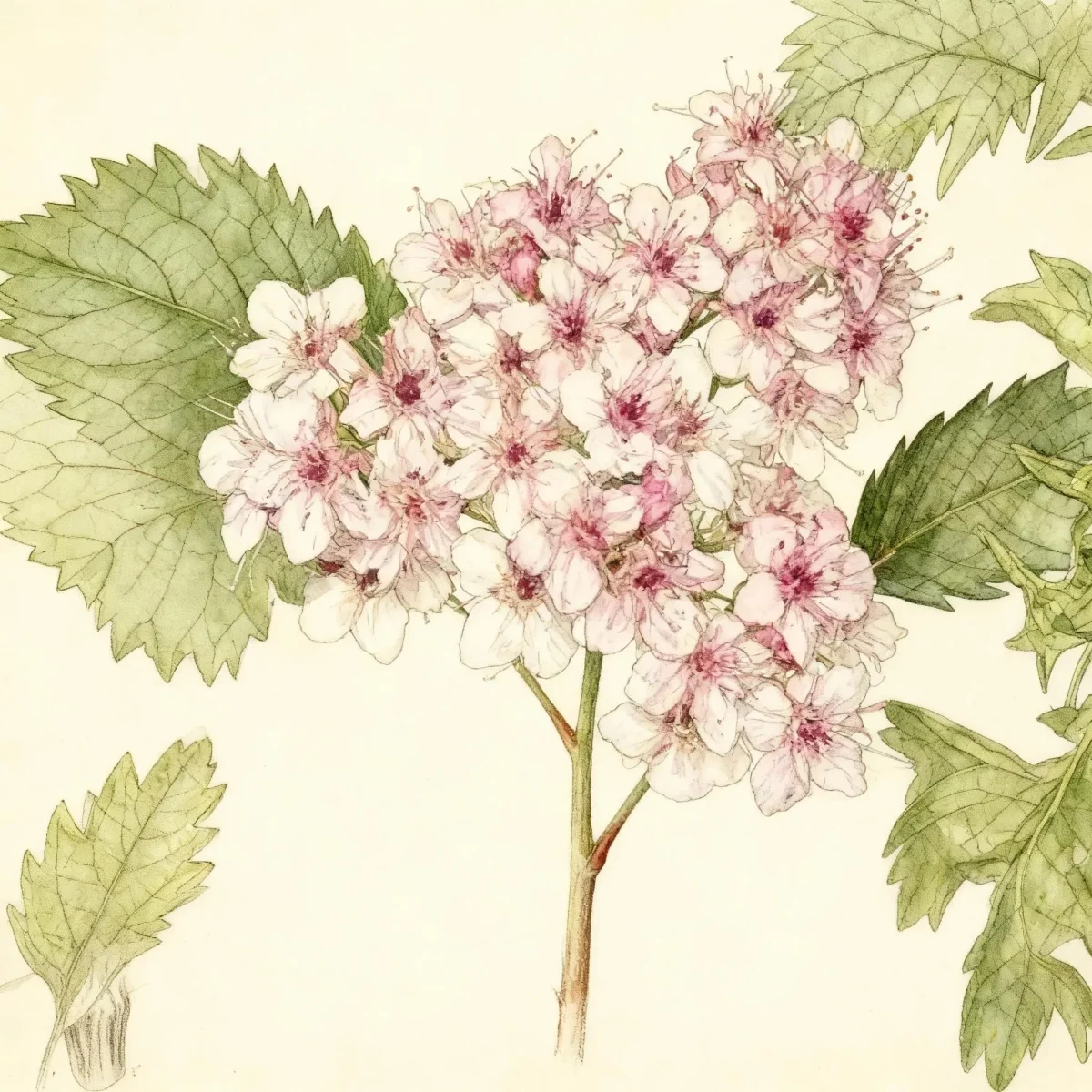
Native to Japan and China, Spiraea japonica thrives across a broad climatic range, making it a dependable choice for many landscapes. The flowers are flat-topped clusters that cover the shrub from late spring into mid-summer, often sporadically repeating bloom afterward. Furthermore, the flowers are known to attract butterflies, enhancing the ecological value of your space.
While the species itself is robust, nursery availability often favors its numerous hybrid cultivars, which frequently grow smaller than the standard 4 to 6-foot height described here. Whether used as a specimen or massed for screening, the Japanese meadowsweet offers seasonal interest with minimal fuss, provided its basic light and moisture needs are met.
Fast Facts
- Plant Family: Rosaceae
- Plant Type: Deciduous shrub
- Native Range: Japan, China
- Hardiness Zones: USDA Zones 3-8
- Size at Maturity:
- Height: 4-6 ft
- Spread: 5-7 ft
- Bloom Time: June to July
- Bloom Description: Pink
- Sun Exposure: Full sun
- Water Needs: Medium
- Maintenance Level: Low
How to Grow
Optimal placement for Spiraea japonica involves selecting a site that receives full sun, although it tolerates light shade well. This shrub is remarkably forgiving regarding soil type; it establishes successfully in average, medium moisture, well-drained soils, and even tolerates clay soil. For the best performance, however, aim for rich, moist loams.
Routine care for Japanese meadowsweet centers on shaping and encouraging bloom. Since flowers appear on new wood, pruning should occur in late winter or early spring before new growth starts. Light shearing after the main flush of bloom can encourage sporadic repeat flowering throughout the summer. Watering should be kept consistent, ensuring medium moisture levels, especially for young plants establishing themselves.
Be mindful that Spiraea japonica can become an aggressive self-seeder in certain environments, having naturalized in parts of the eastern U.S. Additionally, plants may spread slightly within the garden via suckering roots. While its low maintenance profile is appealing, managing its spread through diligent cultural practices or selecting non-seeding cultivars is recommended for contained garden settings.
Landscape Uses
Spiraea japonica is an exceedingly versatile shrub, excelling in numerous landscape roles due to its manageable size and dense habit. It works beautifully when massed or grouped within a traditional shrub border, providing reliable texture and color when many spring bloomers have faded. Consider utilizing it as a low, informal hedge along paths and walkways where its summer flowers can be easily appreciated.
For foundation plantings, the Japanese meadowsweet offers an excellent mid-layer element, softening hard architectural lines without overwhelming them. It also performs well as a specimen plant, particularly in rock gardens, where its mounding shape contrasts nicely with upright or spiky companions. Pair these shrubs with plants that appreciate similar sun and moisture needs, such as ornamental grasses or other resilient flowering shrubs like potentilla.
Standout Features
Flower Qualities
- Showy
Noteworthy Characteristics
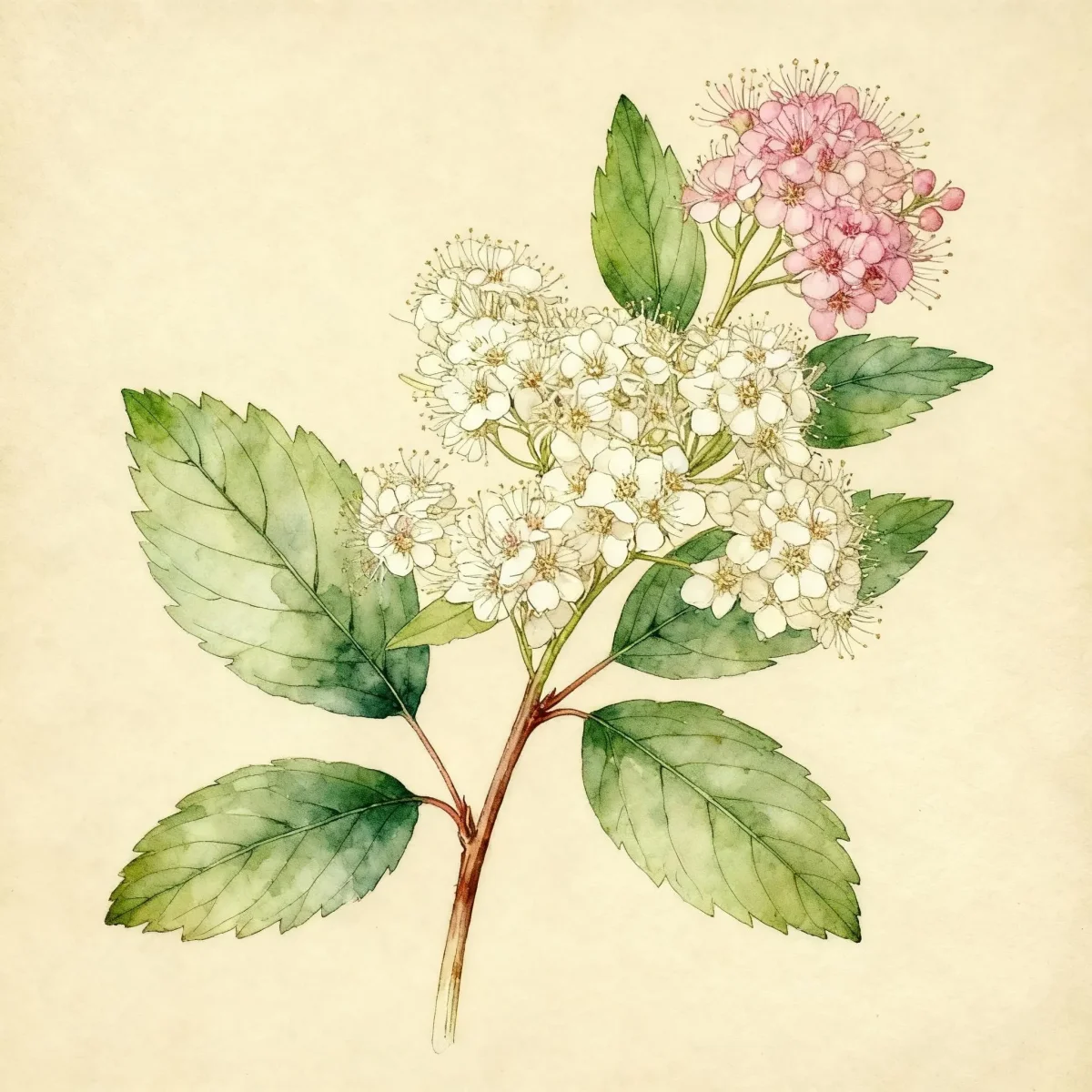
Spiraea japonica, commonly called Japanese spirea, is a dense, upright, mounded, deciduous shrub that typically grows 4-6’ tall with a slightly larger spread. Leaves (to 3” long) are oval and sharply-toothed. Tiny pink flowers in flat-topped clusters (corymbs) cover the foliage from late spring to mid-summer, with sparse and intermittent repeat bloom sometimes occurring. Flowers are attractive to butterflies. Genus name comes from the Greek word speira meaning wreath in reference to the showy flower clusters seen on most shrubs in the genus.
Tolerances
- Deer
- Erosion
- Clay Soil
- Air Pollution
Potential Problems
While generally hardy, Spiraea japonica can be susceptible to issues common to the broader rose family (Rosaceae). Gardeners should monitor for common cosmetic problems like leaf spot and powdery mildew, which often signal poor air circulation or overhead watering habits. In warmer, humid areas, fire blight poses a slightly more serious threat that requires promptly removing infected wood.
In periods of stress, such as extreme drought or prolonged wet spells, these shrubs may attract common pests like aphids or scale, or suffer from root rot if drainage is poor. Ensuring proper placement according to the medium water needs and pruning correctly in late winter helps maintain vigor, making the plant less susceptible to these secondary issues. Prompt removal of any diseased material is key to management.
Frequently Asked Questions
What hardiness zones is Japanese meadowsweet suitable for?
The Spiraea japonica is highly adaptable and suitable for USDA Hardiness Zones 3 through 8.
How large does Japanese meadowsweet grow?
This deciduous shrub typically reaches a mature height between 4 and 6 feet, with a spread often ranging from 5 to 7 feet.
What sun exposure does Spiraea japonica need?
For optimal flowering and dense structure, Spiraea japonica requires full sun exposure, though it will manage in partial or light shade.
When does Japanese meadowsweet bloom?
The primary bloom time for Japanese meadowsweet is from early to mid-summer, specifically noted as June to July, producing clusters of pink flowers.
Conclusion
The Japanese meadowsweet (Spiraea japonica) stands out as an extremely reliable workhorse in the landscape, offering dependable pink summer blooms and high tolerance for various soil conditions, including clay. Its low maintenance needs make it perfect for busy gardeners or large-scale plantings. Before installing your Spiraea japonica, confirm that your location falls within USDA Zones 3–8 and that you can provide at least part-day sun exposure.
Companion Planting
Selecting neighbors that share the need for full sun and medium water will ensure your Spiraea japonica thrives without specialized care routines. Consider pairing it with perennials that thrive in well-drained, average soil, such as Russian Sage (Perovskia atriplicifolia) for contrasting spire-like blue purple flowers that bloom later in the season. Another excellent combination is with ornamental grasses; their fine texture softens the mounded shape of the Japanese meadowsweet beautifully.
For foundational plantings, low-growing Sedums or creeping Junipers can be placed in front, keeping the base of the shrub tidy while providing ground cover benefits. Since this shrub is tolerant of air pollution, it’s also a great choice for planting near urban walkways or along the perimeter of a commercial property where tough plants are essential.
Design Ideas for Mass Planting
Mass planting the Spiraea japonica creates striking waves of continuous pink color throughout the early summer months. This technique is highly effective when using the shrub as screening or creating a large, textural backdrop in a mixed border. For formal designs, consistently shearing the plants after initial bloom encourages a tight, uniform shape suitable for low hedging along sight lines.
When designing a wildlife garden, remember that the flowers of Spiraea japonica attract butterflies. Grouping them near seating areas or along primary viewing corridors maximizes enjoyment of this seasonal activity. Avoid overcrowding, as good air circulation is essential to minimize the slight risk of powdery mildew, allowing the inherent hardiness of this species to truly shine.