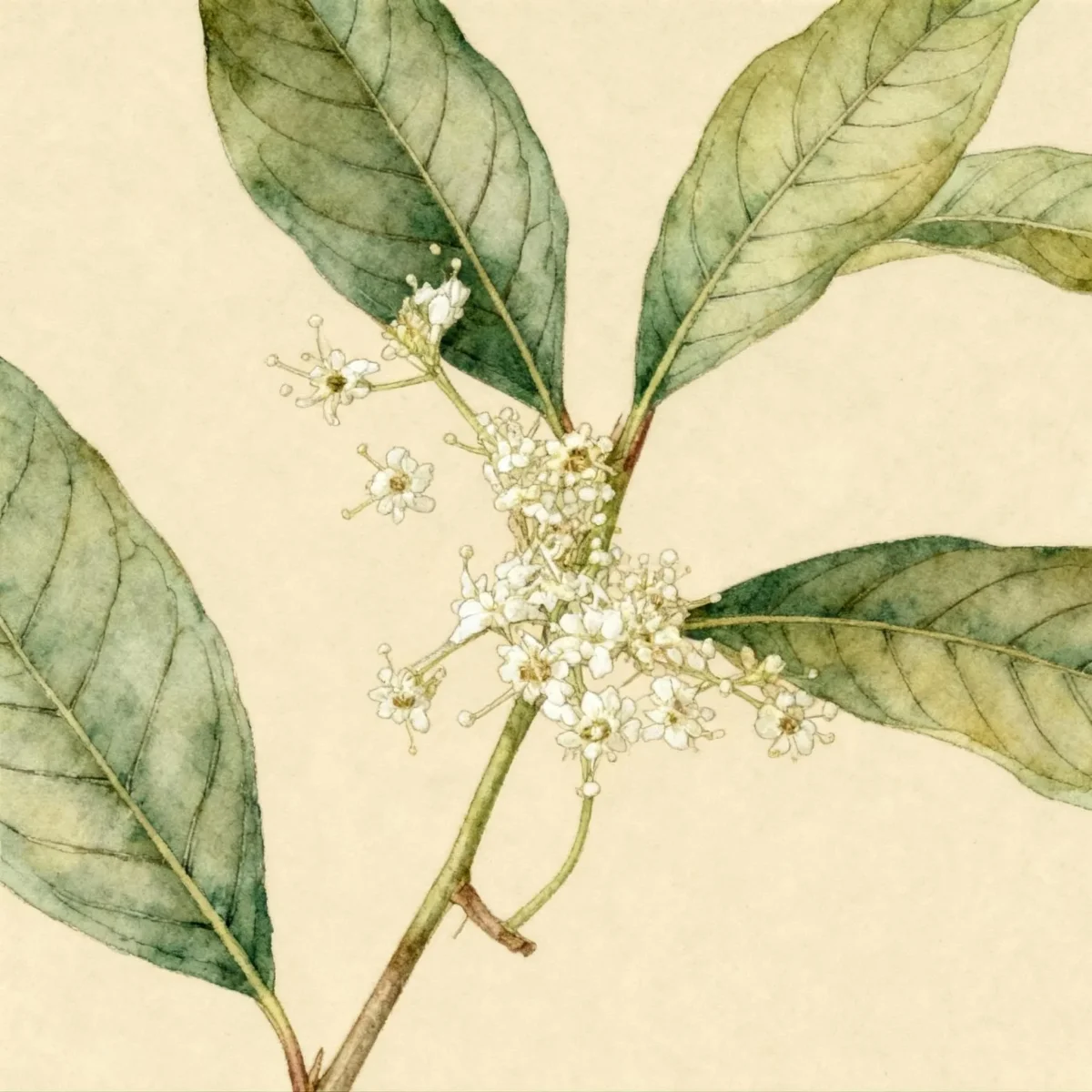
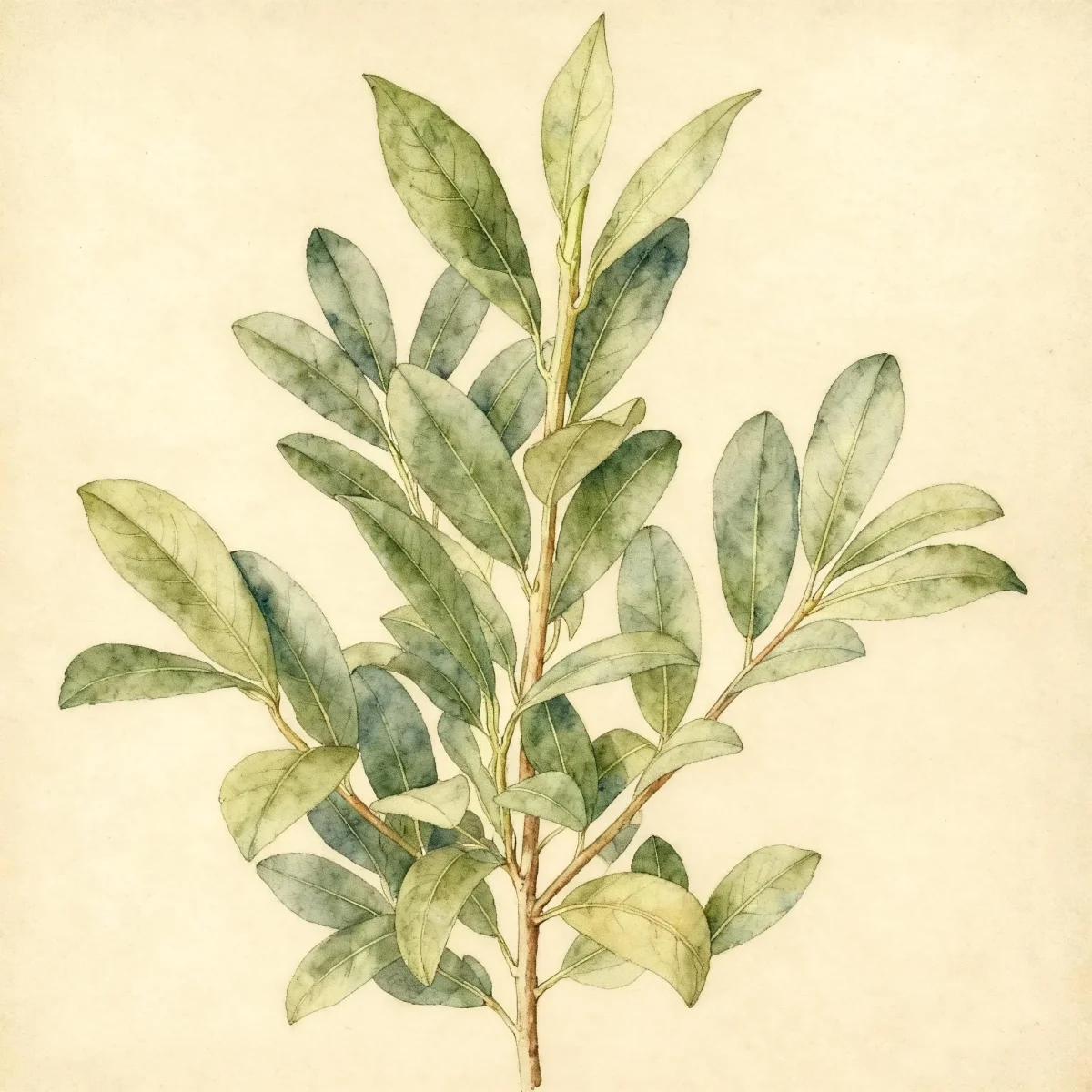
Piedmont barren strawberry (Waldsteinia lobata)
Discover Piedmont barren strawberry (Waldsteinia lobata), a low-growing, mat-forming perennial perfect for ground cover in zones 7-9.
Scroll down to discover growing tips, care requirements, companion plants, and more

Complete Plant Information
Overview
The Piedmont barren strawberry, Waldsteinia lobata, offers an attractive, low-maintenance solution for ground cover in shaded or partially exposed regions of the Southeast. This semi-evergreen perennial forms dense mats via short rhizomes, providing texture and seasonal color when fewer plants are active. Gardeners value Waldsteinia lobata because it mimics wild strawberry foliage, offering an unassuming yet effective textural element that spreads slowly to suppress weeds.
Native to the humid, shady environments of the Piedmont and Blue Ridge Mountains, this species provides small, cheerful yellow blooms in mid-to-late spring. While similar in appearance to true strawberries, the fruits of Waldsteinia lobata are inedible nutlets. Its resilience in moist, rich soils makes the Piedmont barren strawberry an excellent choice for naturalizing areas where turfgrass struggles.
Fast Facts
- Plant Family: Rosaceae
- Plant Type: Herbaceous perennial
- Native Range: Southeastern United States
- Hardiness Zones: USDA Zones 7-9
- Size at Maturity:
- Height: 0.5-0.75 ft
- Spread: 1-1.5 ft
- Bloom Time: April to May
- Bloom Description: Yellow
- Sun Exposure: Full sun to part shade
- Water Needs: Medium
- Maintenance Level: Low
How to Grow
Planting Waldsteinia lobata is best done in spring or fall, aiming for locations providing moist, rich, well-drained soils. While it prefers part shade, this plant tolerates full sun provided that soil moisture levels are consistently maintained throughout the growing season, especially beneficial in cooler summer climates. This species spreads slowly using small underground rhizomes, creating colonies rather than aggressive patches, unlike some relatives.
Care for the Piedmont barren strawberry is generally minimal once established. Ensure a medium water schedule, particularly during dry spells or when growing in exposed sunny locations. Fertilization is rarely necessary if the native rich soil conditions are replicated. Pruning consists mainly of removing any dead foliage in early spring before new basal rosettes emerge.
Seasonal care focuses on managing leaf retention; the leaves are evergreen to semi-evergreen, offering burgundy tones in winter before turning green again. Because Waldsteinia lobata lacks aggressive runners, it proves more manageable than other Waldsteinia species in a landscape setting.
Landscape Uses
Waldsteinia lobata excels as a dependable ground cover for moist, partially shaded areas throughout the garden. Its low habit makes it ideal for fronting borders or softening the edges of woodland plantings where creeping ground covers are needed. Use the Piedmont barren strawberry on slopes, as it effectively covers ground without requiring deep or excessive soil modification.
This species naturally integrates well into native plant groupings, often cohabiting areas near rhododendrons and mountain laurel in its native range. Consider planting Waldsteinia lobata near stream or pond banks where consistent moisture is available, using its spreading habit to stabilize soil gently. It also performs well in rock gardens, peeking out between stones with its three-lobed foliage.
Standout Features
Flower Qualities
- Showy
Fruit Qualities
- Showy
Noteworthy Characteristics
Waldsteinia lobata, commonly called waldsteinia or lobed barren-strawberry, is a low-growing, evergreen to semi-evergreen, strawberry-like, mat-forming perennial of the rose family that typically grows in a clump of basal leaves to 6-8” tall, but will slowly spread over time by short rhizomes to form a dense ground cover. Its flattened, saucer-shaped yellow flowers appear in spring, followed by small, dry, inedible nutlets in early summer. The genus name honors botanist Count Franz Adam von Waldstein-Wartenberg.
Tolerances
- Deer
- Shallow-Rocky Soil
Potential Problems
Waldsteinia lobata generally exhibits few serious issues regarding pests or diseases, contributing to its low-maintenance appeal. Gardeners should remain observant for slugs or snails, which may occasionally chew on the foliage, especially in very damp conditions. Management typically involves simple monitoring or the use of targeted, low-impact baits if significant feeding damage occurs.
Frequently Asked Questions
What hardiness zones is Piedmont barren strawberry suitable for?
This herbaceous perennial is best suited for USDA Hardiness Zones 7 through 9.
How large does Waldsteinia lobata grow?
Waldsteinia lobata typically reaches a low height between 0.5 and 0.75 feet and spreads to a width of 1 to 1.5 feet.
When does Waldsteinia lobata bloom?
You can expect the cheerful yellow flowers of the Piedmont barren strawberry to appear from April into May.
What sun exposure does Waldsteinia lobata need?
This plant thrives in conditions ranging from full sun, provided moisture is maintained, to partial shade environments.
Conclusion
The Waldsteinia lobata, or Piedmont barren strawberry, offers unique value as a low-growing, semi-evergreen plant perfect for stabilizing slopes and covering ground in moist, rich soils. Its low maintenance profile and tolerance for deer make it a reliable feature for ecologically-minded gardeners maintaining shades of green in Zones 7-9. Evaluate your site’s moisture levels and light exposure to successfully integrate Waldsteinia lobata into your landscape design.
Companion Planting
Companion planting with Waldsteinia lobata should focus on species that share its preference for moist soils and partial shade, though it can handle more sun if watered adequately. Excellent companions for textural contrast and complementary bloom times include various woodland ephemerals like Trillium species, or low-growing ferns such as Christmas Fern (Polystichum acrostichoides). For year-round structure beneath taller shrubs like Rhododendron, plant Hellebores nearby; their bloom times overlap in early spring and they share similar cultural needs.
Propagation Tips
Propagation of Waldsteinia lobata is straightforward due to its slow rhizomatous spread, though division remains the easiest method for gardeners. To divide, carefully lift clumps in early spring before active growth starts or in early fall after flowering concludes. Separate the mats into smaller pieces, ensuring each division has a healthy crown and some attached root structure. Plant the divisions immediately into prepared garden soil and water thoroughly to encourage establishment in their new spot.