Cotoneaster (Cotoneaster franchetii)
Cotoneaster franchetii is a tough, low-maintenance shrub offering gray-green foliage and showy red-orange berries for fall interest.
Scroll down to discover growing tips, care requirements, companion plants, and more
Complete Plant Information
Overview
The Cotoneaster franchetii, often known simply as Cotoneaster, is a highly adaptable and resilient shrub native to the mountains of Southern China and Thailand. Gardeners value this species for its textured, gray-green foliage and its prolific display of decorative red-orange berries that persist well into winter, providing essential late-season color. As a Cotoneaster, it offers excellent screening qualities without demanding excessive attention.
This species is recognized for being tough, easily handling less-than-ideal growing conditions, making it a practical choice for large landscape areas where low maintenance is key. While listed as deciduous in the coldest parts of its range, it remains semi-evergreen, offering year-round structure to the garden. Its informal, arching growth habit lends itself to naturalizing while still functioning well as a formal hedge.
Whether providing background texture or serving as a robust screen, Cotoneaster franchetii provides multi-season interest through its modest flowers and brilliant fruit display. Gardeners should note its naturalization potential in warmer, wetter regions when selecting its final placement.
Fast Facts
- Plant Family: Rosaceae
- Plant Type: Deciduous shrub
- Native Range: Southern China, Thailand
- Hardiness Zones: USDA Zones 6-9
- Size at Maturity:
- Height: 6-10 ft
- Spread: 4-8 ft
- Bloom Time: July
- Bloom Description: Pink and white
- Sun Exposure: Full sun to part shade
- Water Needs: Medium
- Maintenance Level: Low
How to Grow
The Cotoneaster franchetii thrives when planted in moist, moderately fertile, well-drained loams. While it appreciates good moisture, ensuring excellent soil drainage is critical to its long-term health; avoid excessively wet or poorly-drained areas. This shrub establishes well across its full range of sun exposure, from full sun to partial shade, though berries are usually most abundant when given ample light.
Once established, the Cotoneaster variety exhibits impressive drought tolerance, making subsequent watering needs quite manageable. Apply water deeply during periods of prolonged dryness, but generally, a medium supplemental watering schedule suffices. Pruning should focus on removing dead or crossing canes to improve air circulation, which is particularly important given the potential issues arising from dense foliage.
This plant is exceptionally tough and tolerates poor soil conditions, including rocky substrates. Propagation can be achieved via stem cuttings or seed, though plants have naturalized in parts of the US Pacific Northwest through avian and water dispersal. In colder zones (Zone 6), it may drop most of its foliage, requiring monitoring for winter injury related to moisture loss.
Landscape Uses
The adaptability of Cotoneaster franchetii makes it a versatile landscape component. Its robust, arching structure is ideal when used for informal hedging, providing a dense screen that softens boundaries, or for planting in small groups to create visual impact. It blends well in woodland garden settings where its semi-evergreen nature can break up winter monotony.
For a cottage or informal garden design, consider pairing Cotoneaster with later-blooming shrubs that share similar low-maintenance requirements. Its eventual size, reaching up to 10 feet, means it works well as a mid-layer plant in layered borders, allowing smaller perennials or groundcovers to occupy the foreground beneath its canopy.
Gardeners must exercise caution: Cotoneaster franchetii has demonstrated invasive tendencies in certain mild, wet climates like those found in Washington and Oregon. Always choose planting sites carefully, avoiding natural areas where escape and spread are concerns. If using it as a hedge, regular shearing can keep it tighter and minimize seed dispersal.
Standout Features
Flower Qualities
- Showy
Fruit Qualities
- Showy
Noteworthy Characteristics
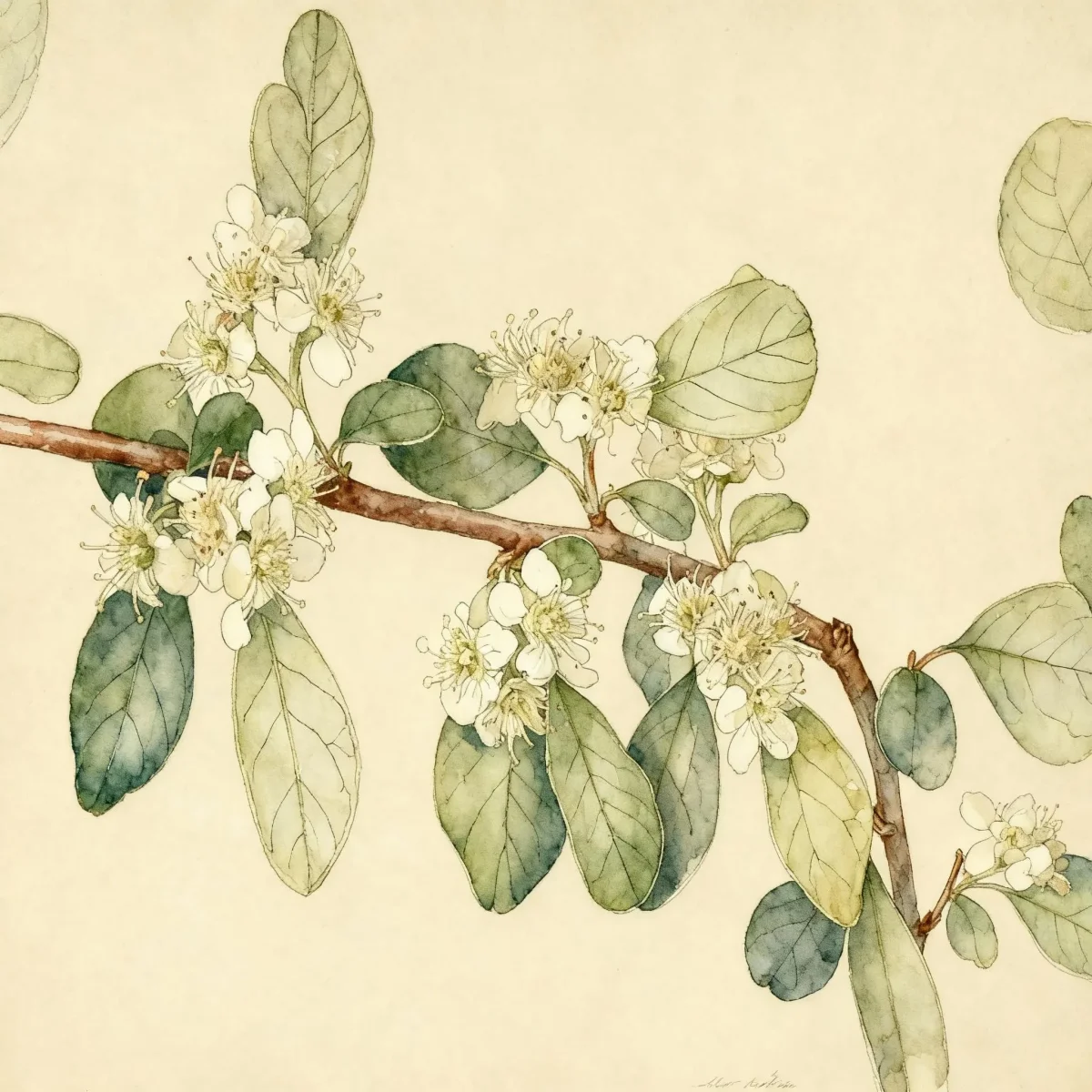
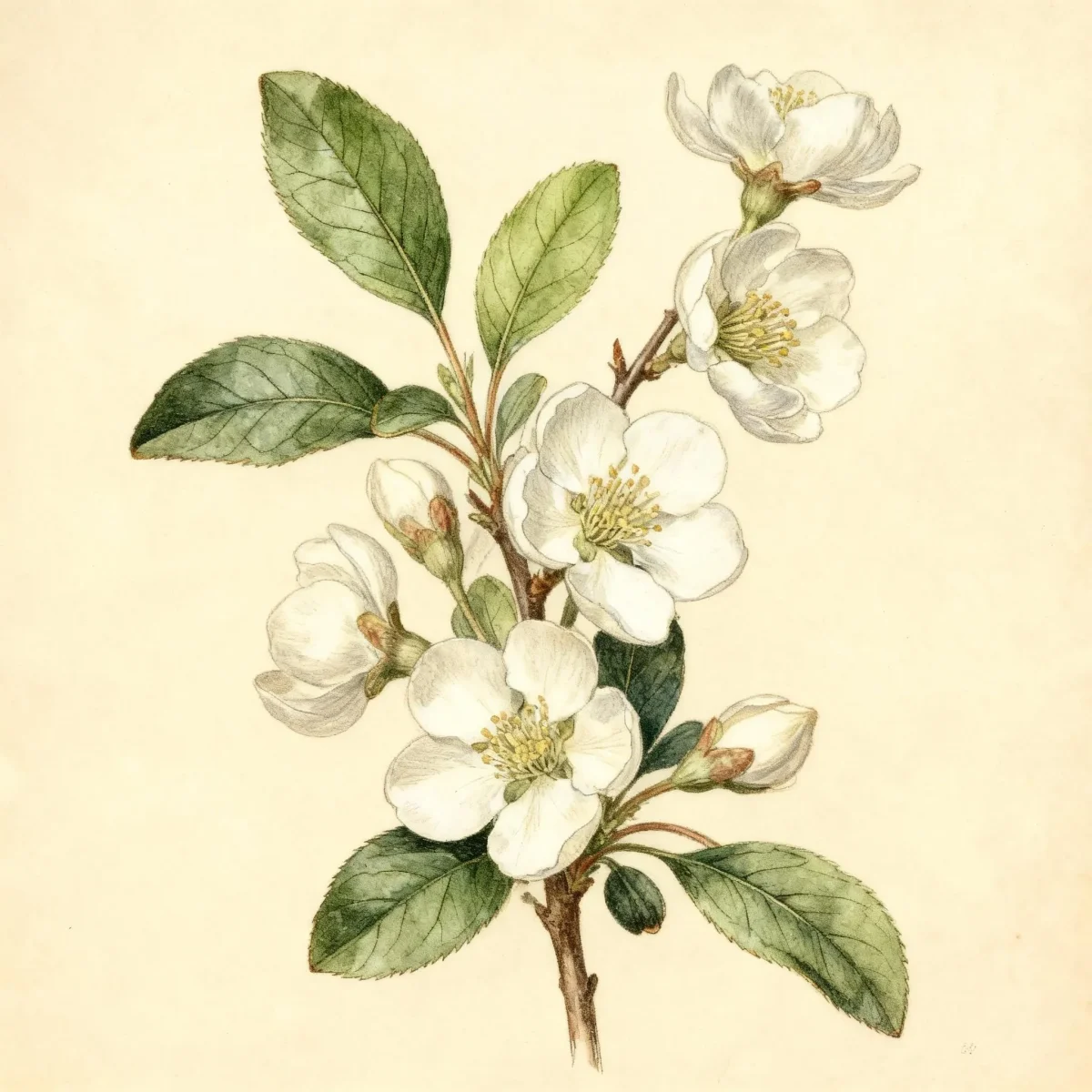
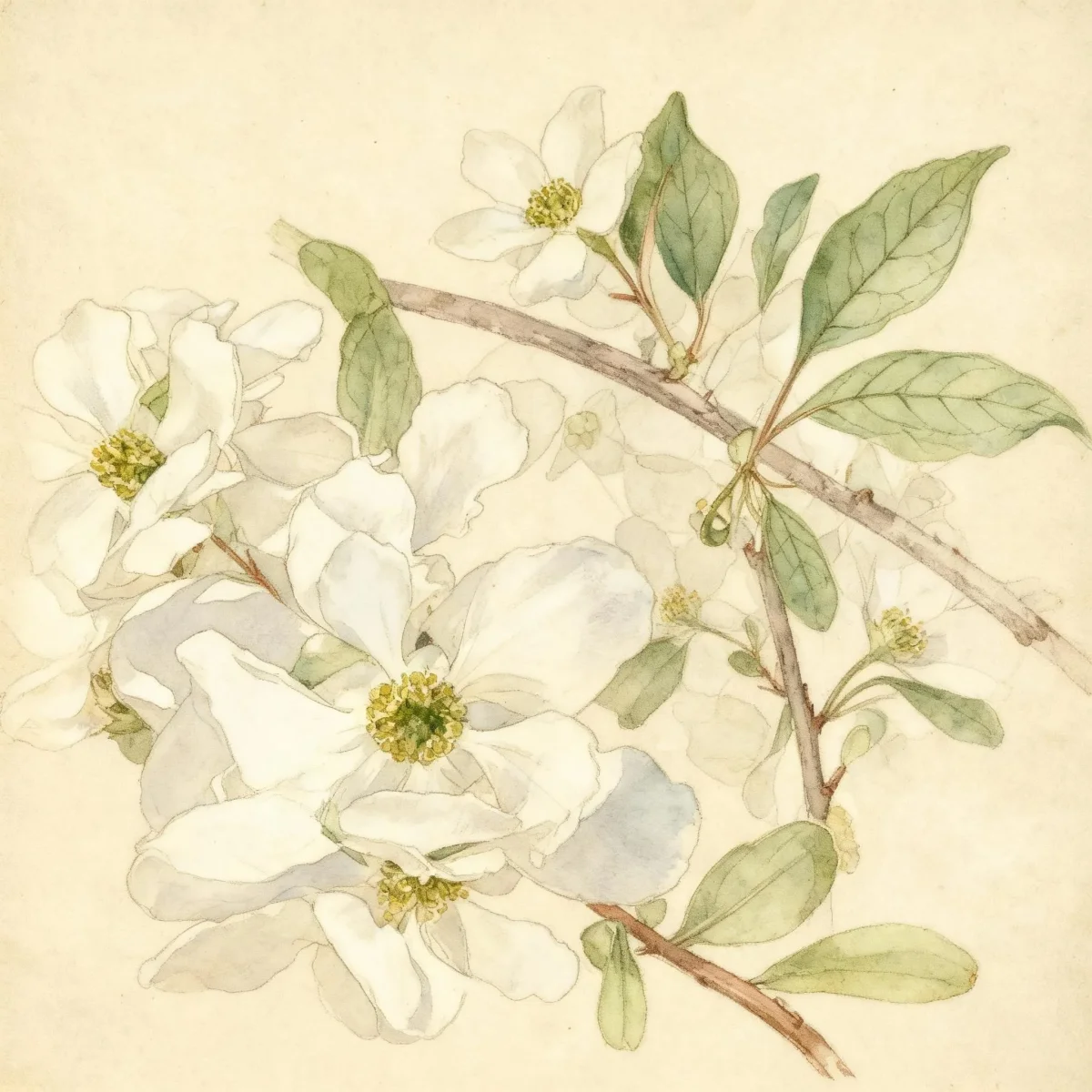
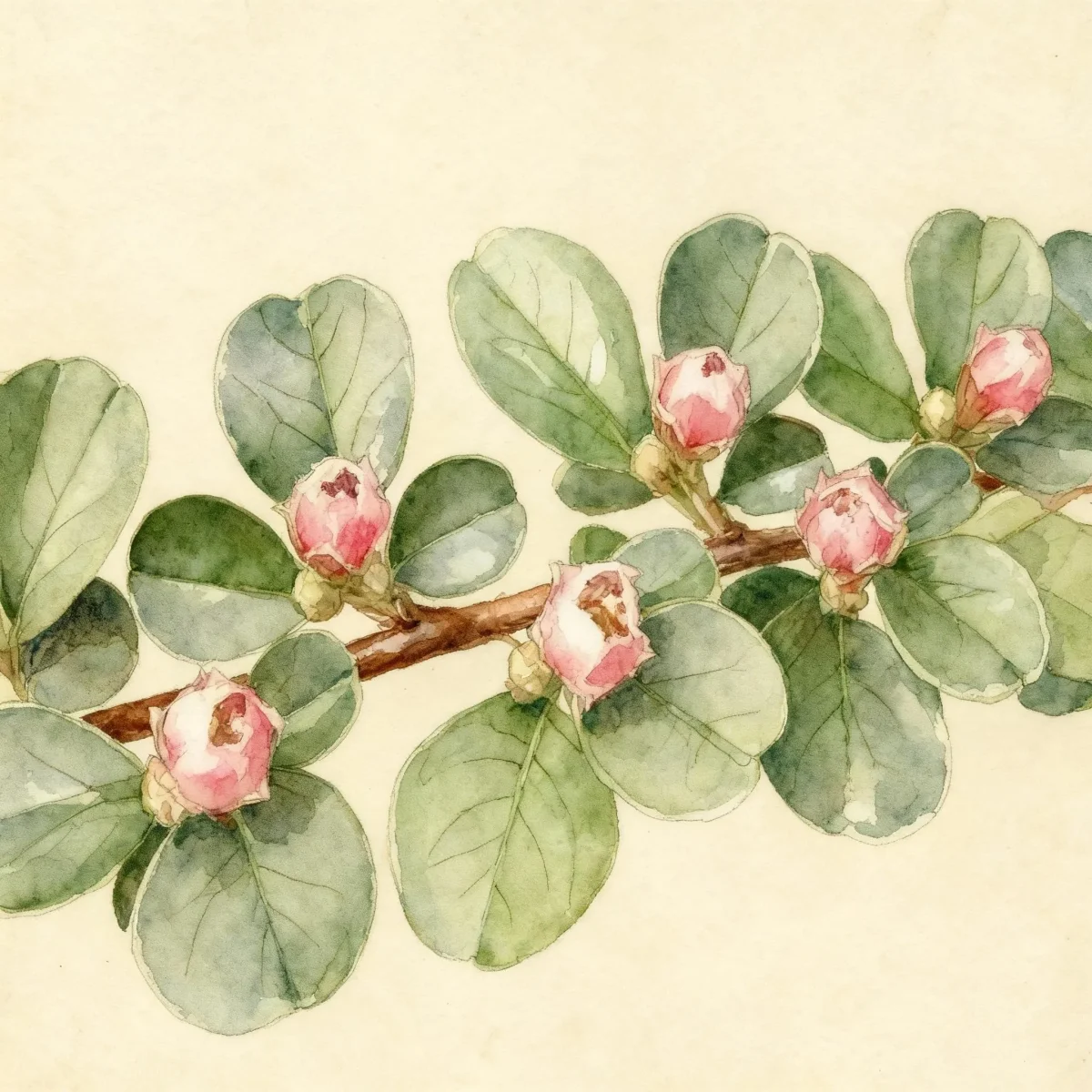
Cotoneaster franchetii, commonly called gray cotoneaster or orange cotoneaster, is an evergreen to semi-evergreen shrub that typically grows to 10’ tall with cane-like upright-arching branches. Tiny pink and white 5-petaled flowers bloom in early summer (July) along the branches, giving way to rounded, long-lasting, red-orange berries (1/4” pomes) which ripen in fall. The genus name combination refers to its similarity to quince, and the specific epithet honors French botanist Adrien Rene Franchet.
Tolerances
- Drought
- Clay Soil
Potential Problems
The dense foliage of Cotoneaster franchetii can sometimes trap moisture and debris, increasing the risk of fungal issues like leaf spots and canker. Furthermore, it is susceptible to fireblight, a serious bacterial disease, especially prevalent in warmer southern climates. Gardeners should regularly inspect the interior growth for problems.
To manage insect pests, watch for mites during hot, dry spells, and be aware of potential infestations by cotoneaster webworm and lacebug. Good maintenance practices, such as thinning out dense interior branches during dormancy, greatly improve airflow, reducing the incidence of disease and making insect inspection easier.
Frequently Asked Questions
What hardiness zones is Cotoneaster suitable for?
The Cotoneaster franchetii is reliably hardy in USDA Zones 6 through 9.
How large does Cotoneaster grow?
This deciduous shrub typically reaches a mature height between 6 to 10 feet tall, with a spread of 4 to 8 feet wide.
When does Cotoneaster bloom?
Its bloom time is in July, producing clusters of small, attractive pink and white flowers.
What sun exposure does Cotoneaster need?
This adaptable shrub performs well in a range from full sun to partial shade conditions.
Conclusion
The Cotoneaster franchetii stands out as a low-maintenance workhorse in the landscape, rewarding gardeners with attractive foliage and persistently showy autumn and winter berries. Its tolerance for drought and clay soil ensures success where other shrubs might struggle, making it an excellent choice for screening or mass planting. Before planting large quantities, always confirm local landscape conditions to avoid unintended ecological spread, and plan your placement with its full mature size in mind.
Propagation Tips
Propagating Cotoneaster franchetii can be achieved through two primary methods: seed or semi-hardwood stem cuttings. If propagating by seed, stratification is often required to break dormancy, though naturalized spread indicates birds and mammals play a significant role in dispersal.
For direct gardening use, stem cuttings offer a more predictable outcome. Take cuttings from healthy, actively growing wood during the summer months. Treating the base of the cutting with rooting hormone and placing it in a well-draining medium under humid conditions will encourage root development necessary for establishing new Cotoneaster specimens.
Companion Planting
When planning gardens surrounding your Cotoneaster, consider plants that appreciate similar soil drainage and sun exposure but offer contrasting textures. Plants that thrive in full sun to partial shade and tolerate dry spells, such as Sedum varieties or ornamental grasses like Calamagrostis, pair well.
For areas where you want to maintain a more formal look bordering the Cotoneaster franchetii hedge, consider planting low-growing, drought-tolerant perennials like Lavender (Lavandula) or Russian Sage (Perovskia atriplicifolia). These companions will complement the shrub’s upright-arching form without competing heavily when established.