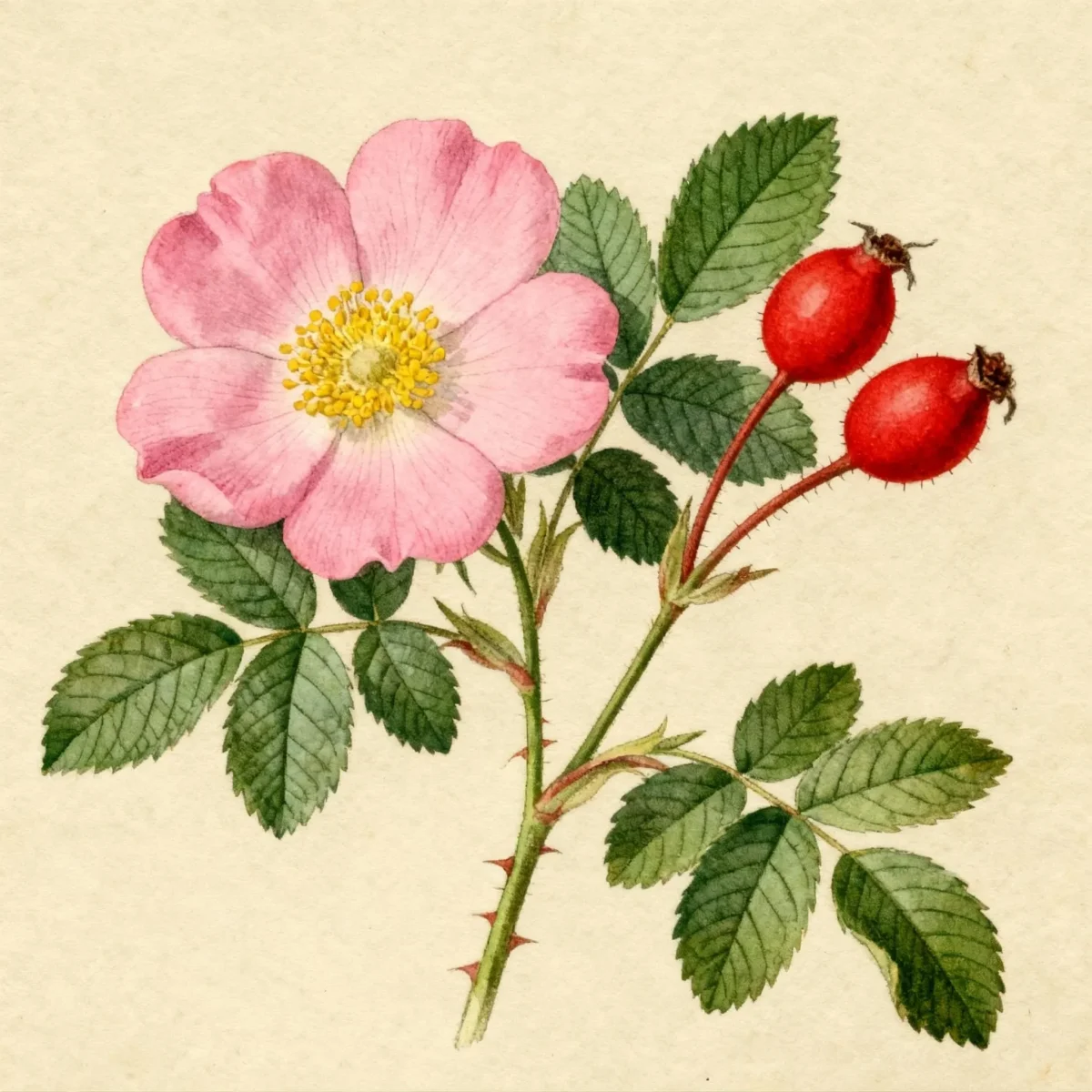
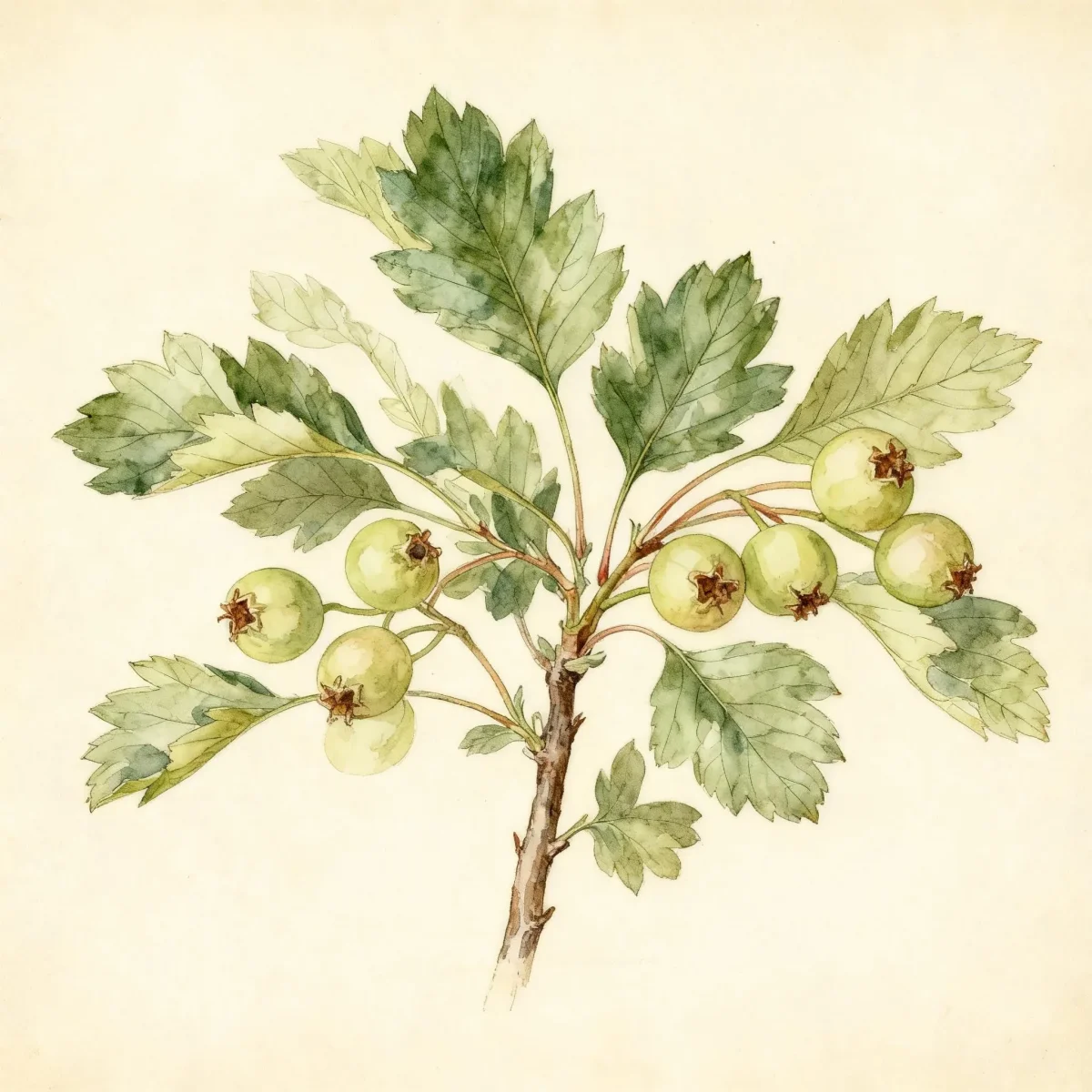
Black hawthorn (Crataegus douglasii)
Discover Black hawthorn (Crataegus douglasii), a hardy small tree or shrub with showy white flowers and edible black fruit.
Scroll down to discover growing tips, care requirements, companion plants, and more
Complete Plant Information
Overview
The Black hawthorn (Crataegus douglasii) is a highly adaptable native species valued for its multi-season interest, ranging from spring blooms to late summer fruit. This plant often presents as a small, upright tree, though it can form dense, thicket-like shrub masses, making it versatile for various landscape roles. Gardeners appreciate its ability to thrive in wetter conditions while still tolerating some dryness once established.
Crataegus douglasii provides significant ecological value alongside its aesthetic appeal. Its distinct white flowers attract pollinators, preceding the development of dark, edible berries. Native to areas spanning from Alaska south through the Pacific Northwest, this hawthorn is a dependable choice for regional landscaping projects where hardiness and functional screening are required.
Whether utilized as a specimen tree or pruned closely for screening, Black hawthorn offers structure and seasonal texture. The presence of thorns adds an element of natural defense, contributing to its excellent use as a wildlife habitat or effective hedgerow component.
Fast Facts
- Plant Family: Rosaceae
- Plant Type: Tree
- Native Range: United States of America
- Hardiness Zones: USDA Zones 3-9
- Size at Maturity:
- Height: 10-25 ft
- Spread: 10-25 ft
- Bloom Time: May to June
- Bloom Description: White
- Sun Exposure: Full sun
- Water Needs: Medium to wet
- Maintenance Level: Medium
How to Grow
Plant Crataegus douglasii in the spring or fall, ensuring the location receives full sun, as this maximizes fruit production. While native to moist areas, this species adapts well; ensure the soil is well-draining but kept consistently moist, especially during the establishment phase. It performs best in medium to wet soil compositions.
Watering needs are medium to wet. While it tolerates drier upland settings, consistent moisture, particularly during dry spells, will support the best growth and flowering display for your Black hawthorn. Fertilization is rarely necessary for established plants located in their native range soils.
Maintenance is considered medium. Pruning, if required for shaping or size control, should be performed in late winter while the plant is dormant. Be aware that Crataegus douglasii has a tendency to sucker, sending up new shoots from the base or roots, which should be removed promptly if a single-trunk tree form is desired.
Landscape Uses
The adaptability of Black hawthorn makes it an excellent structural element in the landscape. It excels when used to create native plant areas or utilized as a screen due to its dense growth habit. This Crataegus species is particularly effective when planted formally to establish a hedge or an informal, thorn-protected hedgerow.
As a small flowering landscape tree, it provides visual structure without overwhelming smaller yards or garden spaces. Place specimens strategically to highlight the transition from white spring blooms to the dark, showy fruit in late summer. It pairs well with other robust native shrubs that tolerate similar moisture regimes.
For erosion control planting, mass plantings of Black hawthorn stabilize slopes effectively. Its root system, combined with its ability to sucker and self-thicken, creates a tight, enduring matrix ideal for stream banks or disturbed areas.
Standout Features
Flower Qualities
- Showy
- Fragrant
Fruit Qualities
- Showy
- Edible
Noteworthy Characteristics
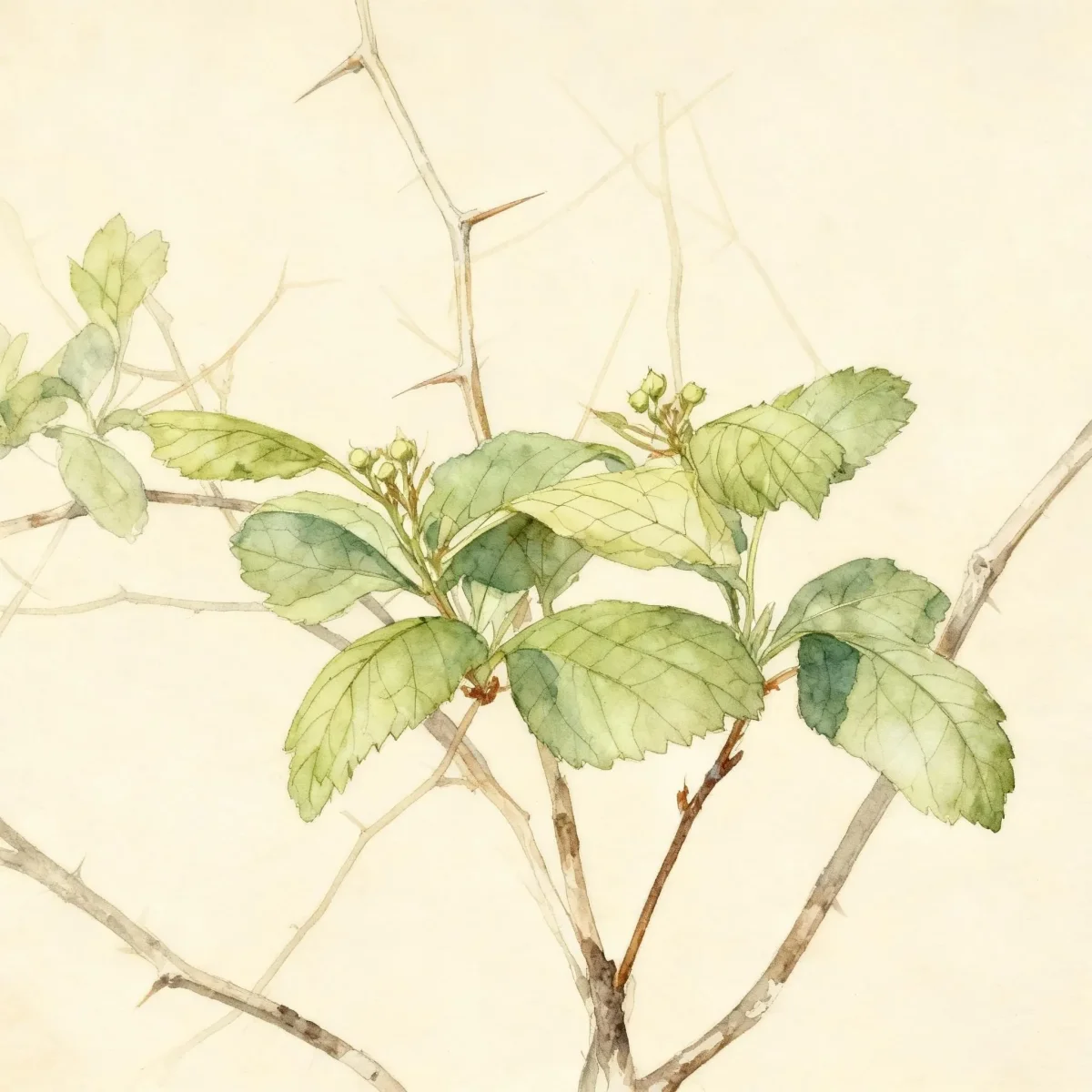
Crataegus douglasii, commonly known as black hawthorn, typically matures over time as a small upright tree to 20-30’ tall featuring dense clusters of white flowers in spring, edible fruits that mature to black in late summer and a spreading rounded crown of branches (young twigs red) clad with attractive green leaves and sharp thorns. It also sometimes grows as a much shorter bushy thicket-forming shrub. It is native to wetlands, open moist places, bluffs and slopes, meadows, ditches and along streams in a large geographic territory extending from Alaska to Quebec south to Michigan, South Dakota, Nevada and California, but within such territory is most commonly found in the Pacific Northwest. Fragrant, five-petaled, white flowers (to 1/2” diameter) with cup-shaped bases bloom in flat-topped clusters (10-12 flowered corymbs) rising from the leaf axils and branch ends in mid to late spring (May-early June). Flowers have an unpleasant fragrance which tends to attract pollinators such as midges and butterflies. Flowers are followed by abundant, globular, red fruits (to 1/2” diameter) which ripen to black in late summer. Fruits are edible and commonly called haws. Fruits usually drop to the ground in late fall, but may persist on the tree in a shriveled raisin-like form. Shiny, sometimes mildly lobed, leathery, ovate to obovate leaves (to 3-5” long) with saw-toothed margins (primarily above the leaf midpoint) are dark green above and pale green underneath. Fall color is usually insignificant, but sometimes surprises with showy tones of red, orange and yellow. Branches are armed with stout spines to 1” long. Rough scaly gray bark develops on older trees.Genus name comes from the Greek name for the tree. From kratos meaning strength for its strong, hard wood.Specific epithet is in reference to Scottish botanist David Douglas (1798-1834) who discovered this plant in his North American explorations (Douglas fir is also named after him).The name hawthorn comes from an Anglo-Saxon word haguthorn which means fence with thorns. Crataegus is a large genus containing over 200 species.
Tolerances
- Drought
- Erosion
- Air Pollution
Potential Problems
This plant can occasionally be affected by fungal issues, including cedar-hawthorn rust, cedar-quince rust, fungal leaf spots, powdery mildew, and cankers, as well as the bacterial disease fireblight. Apple scab is another common concern during wet springs. For insect management, monitor for borers, lacebugs, leafminers, and scale.
Management involves proactive monitoring, especially during damp weather, to catch fungal infections early. Pruning in late winter for good air circulation can mitigate some disease risks. While the fruit is edible, be aware that fallen black fruits can create slippery conditions or cause staining under the Black hawthorn tree in autumn.
Frequently Asked Questions
What hardiness zones is Black hawthorn suitable for?
Crataegus douglasii is highly resilient, thriving across USDA Zones 3 through 9.
How large does Crataegus douglasii grow?
This plant typically reaches a mature height and spread between 10 to 25 feet, often maturing into a small tree form.
What sun exposure does Black hawthorn need?
For optimal performance, especially for prolific flowering and fruit set, Crataegus douglasii requires full sun exposure.
When does Black hawthorn bloom?
It blooms during the late spring months, generally from May to June, with clusters of small white flowers.
Conclusion
The Black hawthorn offers unmatched durability and beauty for native landscapes, providing essential structure, attractive seasonal displays, and wildlife sustenance. Ensuring adequate moisture during establishment is key to successfully growing Crataegus douglasii. Check your local USDA Hardiness Zone compatibility and plan your planting during the cooler seasons for best results.
Wildlife Benefits
The dense branching structure and thorns of the Black hawthorn provide excellent protective cover for nesting birds throughout the year. Its thicket-forming habit, especially when allowed to grow naturally, creates nearly impenetrable cover from predators. This protective feature makes Crataegus douglasii a superior choice when designing functional wildlife corridors or screens.
The edible fruits, known as haws, are a crucial late-season food source for many bird species, including robins and cedar waxwings, often persisting well into winter. Furthermore, the spring flowers, though possessing a polarizing scent, successfully attract numerous beneficial insects and primary pollinators necessary for local ecosystem health.
Companion Planting
Since Black hawthorn prefers medium to wet soils and full sun, select companion plants with similar needs for a thriving mixed border. Good companions include moisture-loving natives such as various dogwood species (Cornus spp.) which can tolerate wet feet, or robust wetland grasses that benefit from the protection offered by the hawthorn’s thorny structure.
When designing a hedgerow, interplant Crataegus douglasii with other native shrubs that offer staggered bloom times to maximize pollinator support across the season. Avoid planting delicate, drought-sensitive perennials immediately beneath it, as the hawthorn’s moisture requirements may prevent them from thriving during dryer spells.