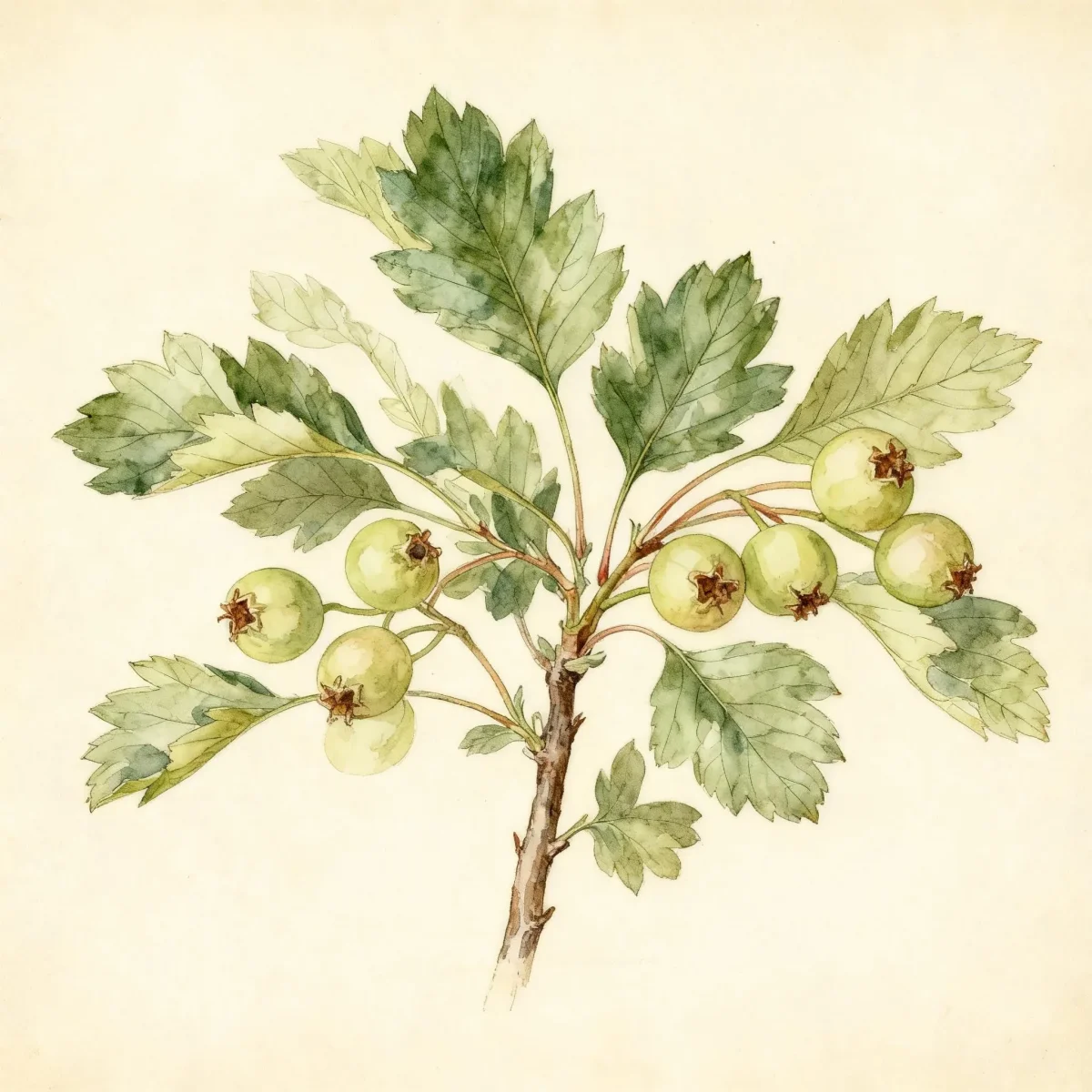
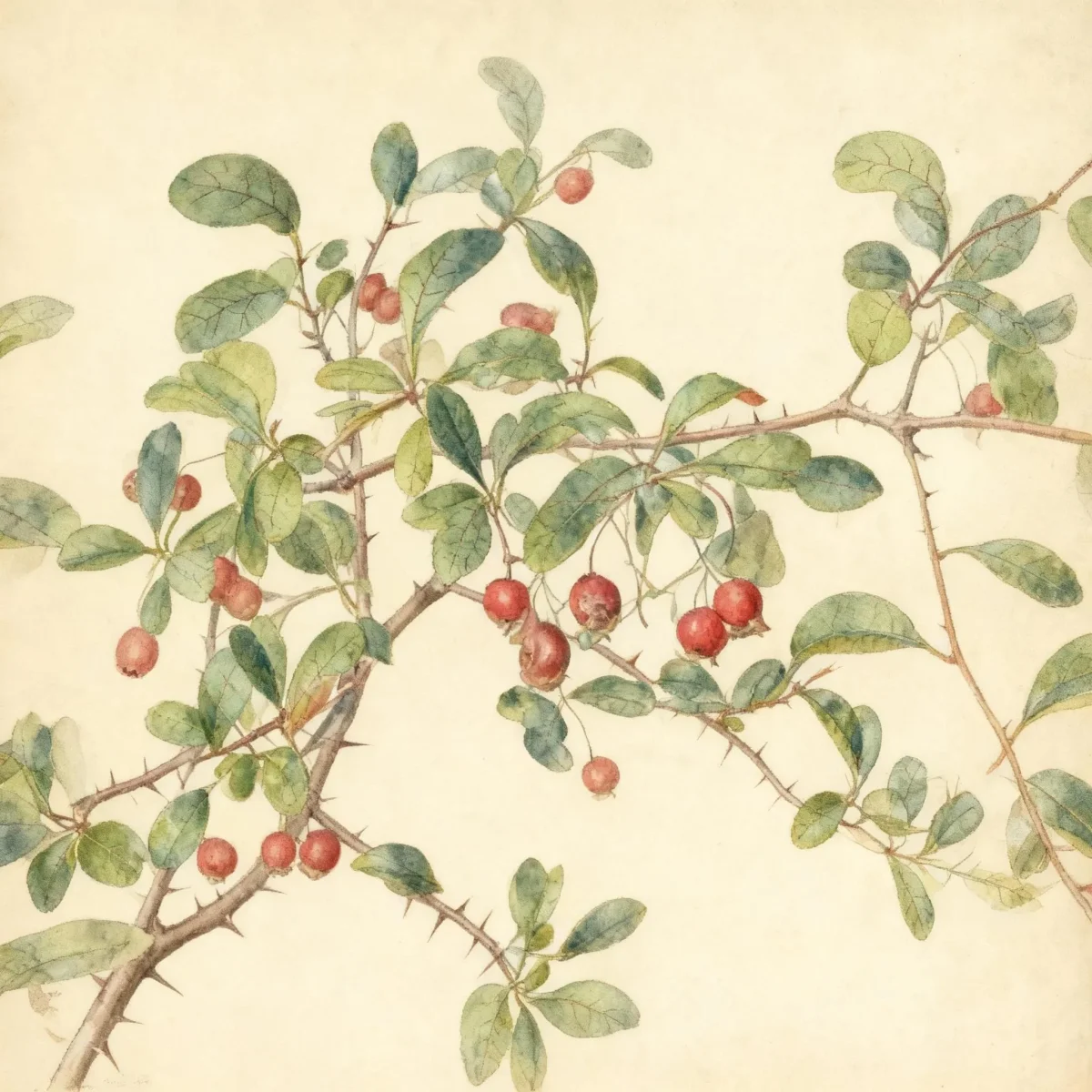
Washington hawthorn (Crataegus phaenopyrum)
Discover the Washington hawthorn (Crataegus phaenopyrum), a resilient, small deciduous tree noted for fragrant white flowers and persistent red fruit.
Scroll down to discover growing tips, care requirements, companion plants, and more
Complete Plant Information
Overview
The Washington hawthorn (Crataegus phaenopyrum) is a stunning addition to various landscape settings, cherished for its multi-season interest. This resilient specimen, native to the Southeastern United States, offers more than just shade, providing brilliant displays of fragrant blooms in late spring followed by persistent, eye-catching fruit. Gardeners value the Washington hawthorn for its hardiness and adaptability across a wide range of climates.
This small to medium-sized deciduous tree typically reaches heights between 25 and 30 feet, maintaining a rounded, appealing crown shape. Its foliage develops attractive orange and red hues in autumn, extending its ornamental appeal beyond the summer months. The combination of glossy dark green leaves, thorny branches, and persistent fruit makes Crataegus phaenopyrum an excellent architectural plant.
Functionally, the Washington hawthorn is highly prized for urban settings where it serves well as a street tree or screen, resisting common environmental stresses. Its beautiful white flowers attract beneficial insects, and the bright red pomes (haws) provide crucial late-season food for winter birds. Plan to incorporate this versatile, low-branching tree into your next landscape design.
Fast Facts
- Plant Family: Rosaceae
- Plant Type: Tree
- Native Range: Southeastern United States
- Hardiness Zones: USDA Zones 3-8
- Size at Maturity:
- Height: 25-30 ft
- Spread: 25-30 ft
- Bloom Time: June
- Bloom Description: White
- Sun Exposure: Full sun
- Water Needs: Medium
- Maintenance Level: Medium
How to Grow
For optimal establishment, plant Washington hawthorn during the dormant season—early spring or late fall—to minimize transplant shock. This species thrives best in full sun exposure, which promotes the densest flowering and strongest structure, although it tolerates light shade. Ensure planting occurs in moist but well-drained soils; soggy conditions must be avoided to prevent root issues.
Watering should be consistent, particularly during the first few growing seasons while the root system is developing. After establishment, Crataegus phaenopyrum requires only medium water inputs, making it relatively drought-tolerant once mature. Fertilization requirements are generally low; focus soil amendments only if growth appears stunted or soil quality is poor.
Pruning is often necessary to train the tree, especially when intended for use as a screen or formal hedge, as implied by the common name ‘hawthorn.’ During late winter or early spring before bud break, remove crossing or dead limbs. Be mindful of the thorns when performing maintenance tasks on your Washington hawthorn.
Landscape Uses
The versatility of the Washington hawthorn makes it a premier choice for specific functional and aesthetic roles in the landscape. Its moderate size and attractive shape lend themselves perfectly to being used as a small flowering specimen tree near patios or accent points in a lawn area. Where screening is needed, hedges or small groups of Crataegus phaenopyrum create dense, thorny barriers that offer security and year-round structural interest.
Due to its tolerance for air pollution, this species excels as a dependable street tree where many ornamental choices fail. When used in street plantings, designers often select specific cultivars or prune young specimens to encourage higher branching, keeping lower limbs clear of pedestrian traffic. It combines well visually with smaller, non-competing understory shrubs that appreciate similar sun and soil conditions.
Furthermore, the fruit display in autumn and winter ensures that this tree contributes valuable color when many other landscape features have faded. Consider planting it near windows where the winter fruit display can be easily observed from indoors. This tree fulfills roles ranging from specimen planting to creating formal screens or hedgerows.
Standout Features
Flower Qualities
- Showy
- Fragrant
Fruit Qualities
- Showy
- Edible
Noteworthy Characteristics
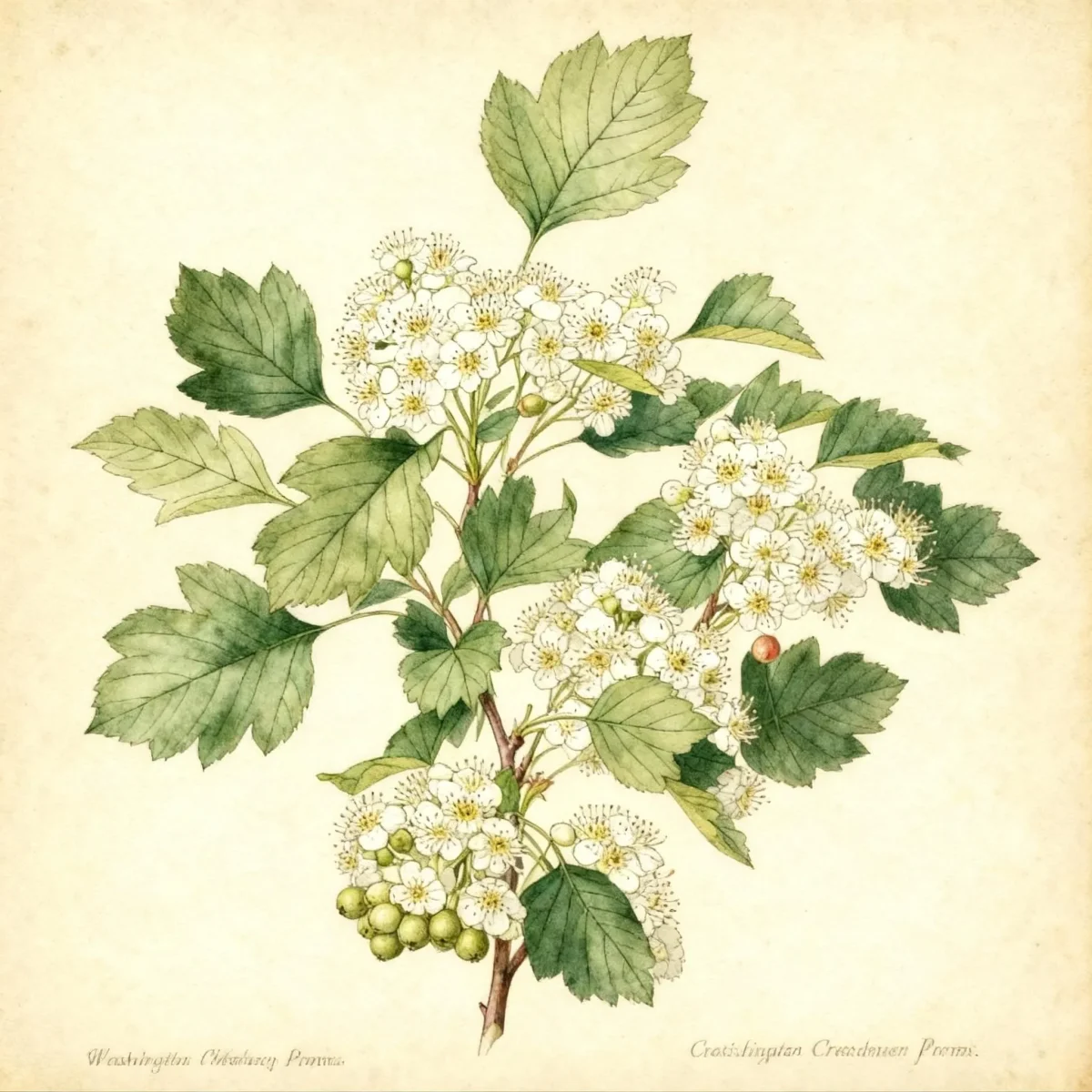
Crataegus phaenopyrum, commonly called Washington hawthorn, is native to Missouri where it is primarily found in open ground, thickets and wood margins in the Ozark region of the state (Steyermark). It is noted for its attractive flowers and foliage, bright red fruits and fall color. This deciduous tree typically grows 25-30’ tall with a rounded crown and thorny stems clad with glossy dark green leaves that turn attractive shades of orange and red in the fall.
Tolerances
- Air Pollution
Potential Problems
While the Washington hawthorn shows good resistance to cedar-apple rust, gardeners should remain vigilant for other potential issues. Fire blight, fungal leaf spots, powdery mildew, cankers, and apple scab are occasional problems that may require preventative or reactive fungicide treatments. Insect pests such as borers, caterpillars, lacebugs, leafminers, and scale can defoliate or damage branches if infestations become severe.
Management often starts with cultural controls; ensuring good air circulation through proper pruning helps mitigate fungal leaf spots and mildew. Inspect the tree regularly during the growing season. Promptly remove any branches showing signs of cankers or fire blight infection to prevent spread throughout the Crataegus phaenopyrum structure.
Frequently Asked Questions
What hardiness zones is Washington hawthorn suitable for?
The Washington hawthorn (Crataegus phaenopyrum) is quite cold-hardy and is suitable for USDA Zones 3 through 8.
How large does Washington hawthorn grow?
This tree typically achieves a mature height between 25 and 30 feet, with a comparable spread of 25 to 30 feet, resulting in a moderately sized, rounded canopy.
What sun exposure does Crataegus phaenopyrum need?
Crataegus phaenopyrum performs best when grown in full sun, although it possesses the resilience to tolerate light shade conditions.
When does Washington hawthorn bloom?
The Washington hawthorn produces its fragrant, white flowers in clusters during the month of June.
Conclusion
The Washington hawthorn (Crataegus phaenopyrum) remains a superior choice for landscapes requiring reliable seasonal interest, durability, and excellent fall color. Its tolerance for urban conditions, combined with its showy flowers and persistent red fruit, secures its place among versatile American natives. Check your local USDA zone compatibility and plan to plant this beautiful specimen tree during its ideal cool-season window.
Wildlife Benefits
The persistent red fruits (pomes) of the Washington hawthorn are highly valuable ecological assets, particularly as winter approaches. These fruits remain on the branches well into the colder months, offering a critical late-season food source for various songbirds when insects and soft fruits are scarce. Planting Crataegus phaenopyrum near bird feeders or viewing areas can significantly enhance winter backyard biodiversity.
The thorny nature of the stems provides excellent physical defense for nesting and roosting birds. Small cavity-nesting birds and wrens often utilize the dense branching structure of the hawthorn for protection against predators. While the flowers are attractive to general pollinators in the spring, the winter sustenance provided by the haws is arguably its most important contribution to local fauna.
Design Ideas
The structural qualities of Crataegus phaenopyrum make it an excellent choice for formal mass plantings or as a specimen tree to anchor smaller garden rooms. When planted in rows, they readily form a visually appealing, thorny screen that doubles as a property boundary marker, provided they are maintained as a hedge. This density also makes them suitable for breaking up overly expansive lawn areas.
When selecting companions, choose plants that do not share susceptibility to common hawthorn diseases, such as cedar-apple rust. Lower-growing, later-season flowering shrubs that prefer well-drained soil, such as certain Viburnum species or low-spreading conifers, can complement the height and texture of the Washington hawthorn without heavy competition. The bright winter fruit of the hawthorn contrasts beautifully with evergreen backgrounds.