Quince (Cydonia oblonga)
Grow Quince (Cydonia oblonga) for its beautiful blooms and edible autumn fruit. Hardy in Zones 5-8, this manageable tree requires medium care.
Scroll down to discover growing tips, care requirements, companion plants, and more
Complete Plant Information
Overview
The Quince, scientifically known as Cydonia oblonga, is a highly valued deciduous fruit tree appreciated for its historical significance and dual ornamental and culinary appeal. While commercial cultivation is limited in many regions, home gardeners prize this species for its attractive spring blossoms and unique, fragrant fruit. Cydonia oblonga typically forms a small, somewhat crooked tree or large shrub, making it adaptable for various garden sizes.
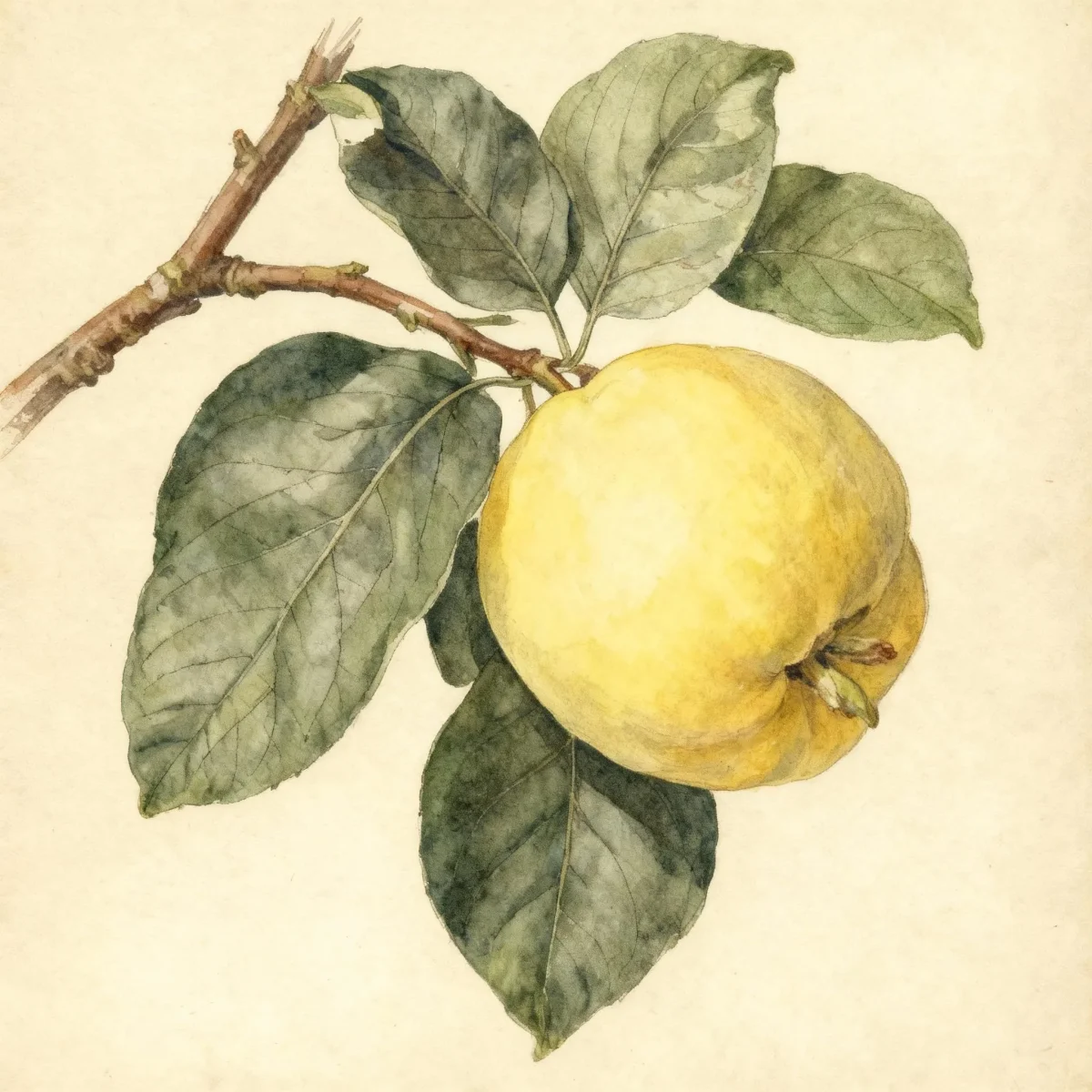
This species thrives when given adequate sun, producing abundant pale pink to white flowers in late spring before setting its distinctive yellow fruits later in the fall. Although the fruit is usually cooked rather than eaten fresh due to astringency, Quince is essential for making high-quality jellies and preserves. Understanding the specific needs of Cydonia oblonga ensures a healthy plant capable of rewarding you with both beauty and bounty.
Fast Facts
- Plant Family: Rosaceae
- Plant Type: Fruit
- Native Range: Caucasus, Iran, Iraq, Tadzhikistan, Uzebekistan
- Hardiness Zones: USDA Zones 5-8
- Size at Maturity:
- Height: 12-15 ft
- Spread: 9-12 ft
- Bloom Time: April to May
- Bloom Description: Pale pink to white
- Sun Exposure: Full sun to part shade
- Water Needs: Medium
- Maintenance Level: Medium
How to Grow
Planting should occur in spring or fall, ensuring the site provides full sun for the best flowering and fruiting performance, although part shade is tolerable. Cydonia oblonga adapts well to various soil types but mandates soils that are fertile, acidic, medium in moisture, and, critically, well-drained. Established plants show some drought tolerance, but consistent moisture is key during establishment and fruit development.
Water needs are rated as medium; provide regular watering, especially during dry spells, but avoid soggy conditions which harm root health. Pruning is typically executed in winter to shape the developing structure and encourage good air circulation. A significant management task involves controlling suckers, as Quince easily spreads from the base; promptly remove these root suckers to maintain its intended tree form rather than letting it form a thicket.
Long, hot summers are beneficial for fully ripening the fruit on the tree. If you are in an area prone to harsh winters where temperatures drop below 5 degrees F., consider fan-training your Quince against a protected wall for added insulation and better fruit set. Always pick the fruit before the first fall frost to ensure the best harvest quality.
Landscape Uses
The Quince lends itself admirably to several landscape roles due to its distinctive habit and seasonal interest. Small Cydonia oblonga specimens make excellent focal points, showcasing their attractive branching structure, especially when bare in winter, and their profusion of spring blooms. When allowed to grow more shrub-like, they function effectively as dense screens or informal hedges.
For optimal flowering and fruit production, site your Quince where it receives unimpeded light. While they are handsome standalone features, they pair well visually with later-blooming shrubs that provide summer structure, or groundcovers that suppress weeds around the base without competing heavily for water. Consider placing them where the mature yellow fruit can be easily spotted and harvested for autumnal cooking projects.
Standout Features
Flower Qualities
- Showy
Fruit Qualities
- Showy
- Edible
Noteworthy Characteristics
Cydonia oblonga, commonly known as common quince, is a deciduous, multi-stemmed small tree or large shrub that features crooked branches clad with broad-ovate to broad-elliptic pale green leaves (to 4” long) that are gray-hairy below. It is primarily grown today sometimes for fruit production or even as a dwarfing pear rootstock and is native to rocky slopes in the Trans-Caucasus region. The oblong, sometimes pear-shaped fruits mature to a bright yellow and are usually cooked for use in jellies and preserves, as they are often astringent when picked raw.
Tolerances
No specific tolerances were listed beyond cultural preference for well-drained soils.
Potential Problems
The primary concerns facing Cydonia oblonga involve fungal and bacterial diseases common in the Rosaceae family. Watch closely for Fireblight, which can rapidly destroy shoots and branches, requiring immediate pruning back to healthy wood. Leaf and fruit spots, along with powdery mildew and rust, can also cause aesthetic damage and reduce fruit quality.
Management focuses on correct cultural practices: ensuring excellent air circulation through proper winter pruning reduces humidity favorable to fungal growth. Always clean tools between cuts, especially when managing signs of Fireblight, to prevent spreading pathogens throughout your Quince plant.
Frequently Asked Questions
What hardiness zones is Quince suitable for?
Quince (Cydonia oblonga) is reliably grown in USDA Hardiness Zones 5 through 8.
How large does Quince grow?
Mature Quince trees typically reach a height of 12 to 15 feet, with a spread between 9 and 12 feet.
When does Quince bloom?
This fruit tree produces its lovely blooms from April to May, featuring solitary flowers that are pale pink to white in color.
What sun exposure does Quince need?
Cydonia oblonga prefers full sun for the best flowering and fruit development, though it can tolerate part shade.
Conclusion
The Quince remains a wonderfully rewarding addition to the home landscape, offering early season blossoms and unique, aromatic fruit suitable for preserves that few other trees provide. Successfully growing Cydonia oblonga relies on ensuring excellent drainage and managing potential diseases through diligent pruning. Before planting, confirm your location falls within Zones 5-8 and prepare your soil to be fertile and well-drained to encourage strong establishment.
Companion Planting
When integrating Quince into your garden design, consider companions that share similar soil and water needs, preferring well-drained, even acidic loams. Planting early-flowering bulbs like snowdrops or crocus at the base of Cydonia oblonga can utilize springtime ground space before the tree’s canopy fully leafs out, adding complementary color early in the season. Avoid planting shallow-rooted, high-demand vegetables immediately adjacent, as they will compete vigorously with the tree’s feeder roots for water and nutrients.
Propagation Tips
Cydonia oblonga is relatively straightforward to propagate for gardeners looking to increase their stock or create pear rootstock. The easiest methods involve taking cuttings when the plant is dormant or actively growing. Hardwood cuttings should be taken in late fall or winter from healthy one-year-old wood and placed under semi-controlled conditions for rooting. Alternatively, softwood cuttings, taken during the summer growing season, can also be effective; success often improves when cuttings are treated with a rooting hormone before being set into a sandy, moist medium until established.