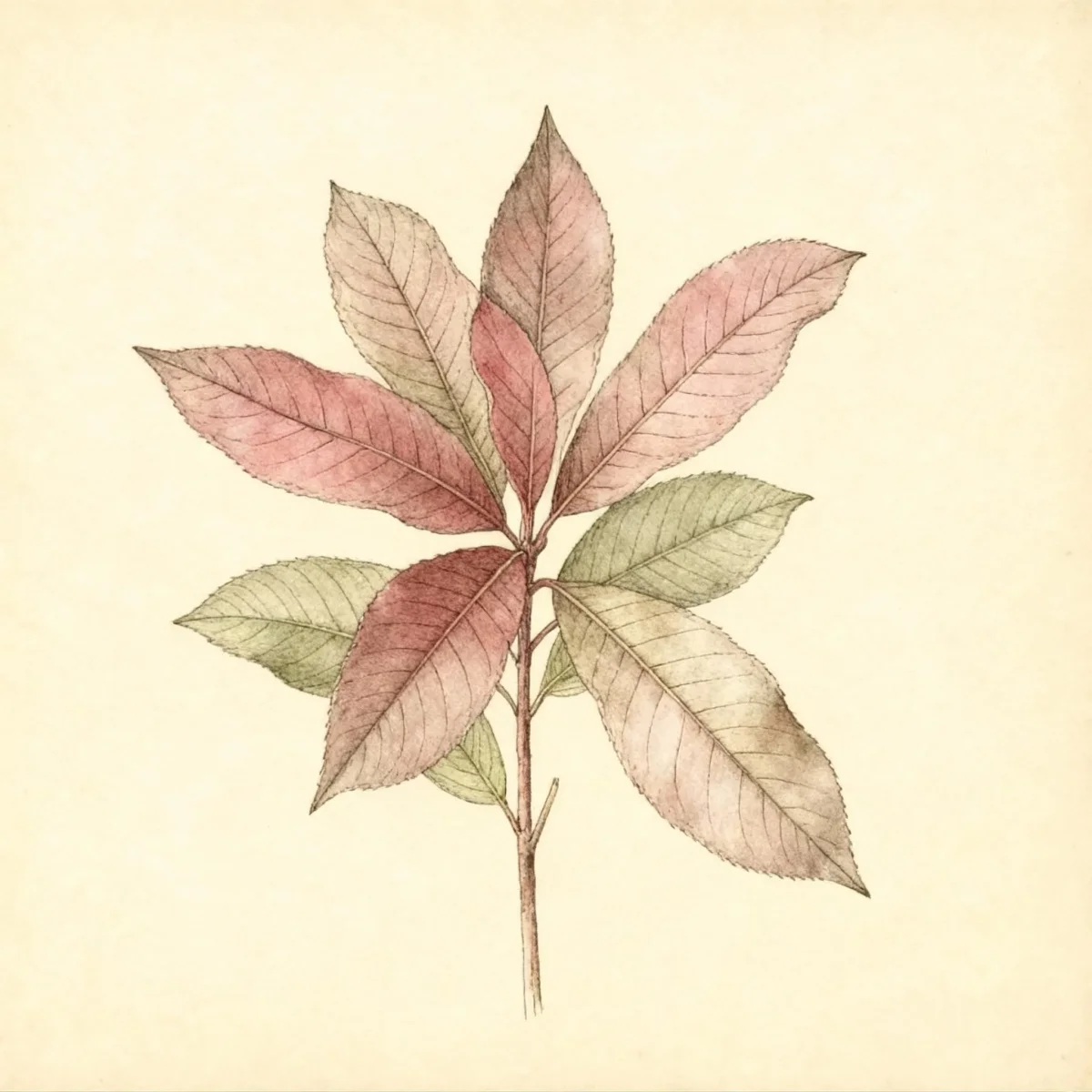
Loquat (Eriobotrya japonica)
Discover the Loquat (Eriobotrya japonica): a broadleaf evergreen appreciated for fragrant flowers and edible fruit.
Scroll down to discover growing tips, care requirements, companion plants, and more
Complete Plant Information
Overview
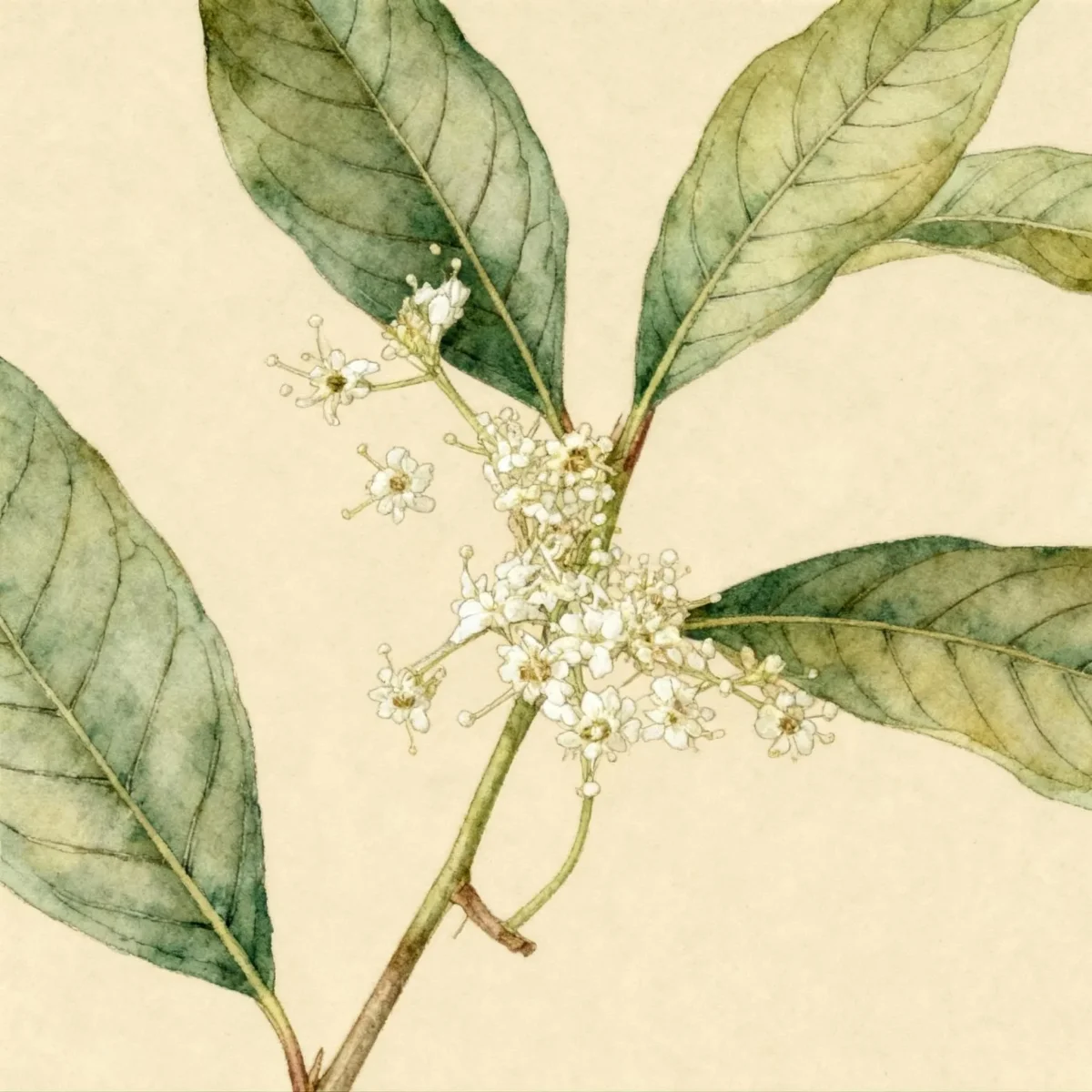
The Loquat, scientifically known as Eriobotrya japonica, is a distinctive broadleaf evergreen tree highly valued across warmer climates for both its ornamental appeal and its late-season fruit. Its compact, upward-branching structure, combined with large, attractive foliage, makes it an excellent choice for year-round structure in the garden, whether utilized as a specimen or a screen. This species is relatively low maintenance once established, rewarding the gardener with sweetly fragrant white flowers in late fall through early winter.
Native to China and perhaps Japan, Eriobotrya japonica serves multiple roles, transforming from a fragrant bloomer to a producer of edible, yellow-to-orange summer fruit. Gardeners prize it for bringing structure and winter interest when many other plants are dormant. While it exhibits some drought tolerance once mature, consistent moisture yields the best results, establishing a healthy backdrop for its exotic appearance.
For those in cooler regions, the Loquat serves as an effective, though sometimes challenging, container plant that can be overwintered indoors near bright windows. Whether grown in the ground in frost-free zones or managed as a patio specimen, the Eriobotrya japonica offers significant visual interest throughout the year.
Fast Facts
- Plant Family: Rosaceae
- Plant Type: Broadleaf evergreen
- Native Range: China, Japan
- Hardiness Zones: USDA Zones 8-10
- Size at Maturity:
- Height: 10-25 ft
- Spread: 10-25 ft
- Bloom Time: November to December
- Bloom Description: White
- Sun Exposure: Full sun to part shade
- Water Needs: Medium
- Maintenance Level: Low
How to Grow
The best time to establish Eriobotrya japonica is usually in the spring, allowing the roots time to settle before experiencing the stress of summer heat or winter cold. Plant Loquat in fertile, evenly moist, well-drained loams. While it prefers full sun exposure, it tolerates part shade beautifully, which can be beneficial in the hottest afternoon locations.
Established plants are quite resilient and will tolerate short periods of drought, though consistent moisture supports better flowering and fruit production. Fertilization is minimal; focus on amending the soil well at planting time rather than heavy feeding later. Pruning should be primarily corrective, shaping the tree or removing damaged wood, as the tree naturally develops an attractive, round form.
In marginal zones (closer to Zone 8), be aware that while the tree itself may survive dips down to 10-15°F, the prized winter-blooming flowers and subsequent fruit will often be damaged if temperatures drop below 28°F. When grown as a houseplant container, site the Loquat in a sunny window, keeping temperatures moderate (50-70°F) and remember to significantly reduce watering during the winter months.
Landscape Uses
In climates where winter temperatures remain mild (USDA Zones 8-10), Eriobotrya japonica performs exceptionally well when situated near outdoor living areas like decks or patios. This placement maximizes enjoyment of its fragrant winter blooms and provides shade during the summer, often accompanying fruit production. Its dense evergreen nature also makes it a fine choice for screening or as a specimen accent tree.
For urban settings experiencing occasional dips in temperature but manageable winters, the Loquat can function effectively as a street tree, provided fruit drop will not cause maintenance issues. In colder hardiness zones, embracing its container role allows gardeners to showcase the dramatic foliage and future fruit indoors during winter before moving the plant outdoors during the warmer summer period.
When selecting companions, choose other drought-tolerant or Mediterranean-style plants that appreciate similar sun exposure. Avoid planting near surfaces where mature fruit drop could stain patios or walkways, keeping the aesthetic appeal of the Eriobotrya japonica high.
Standout Features
Flower Qualities
- Showy
- Fragrant
Fruit Qualities
- Showy
- Edible
Noteworthy Characteristics
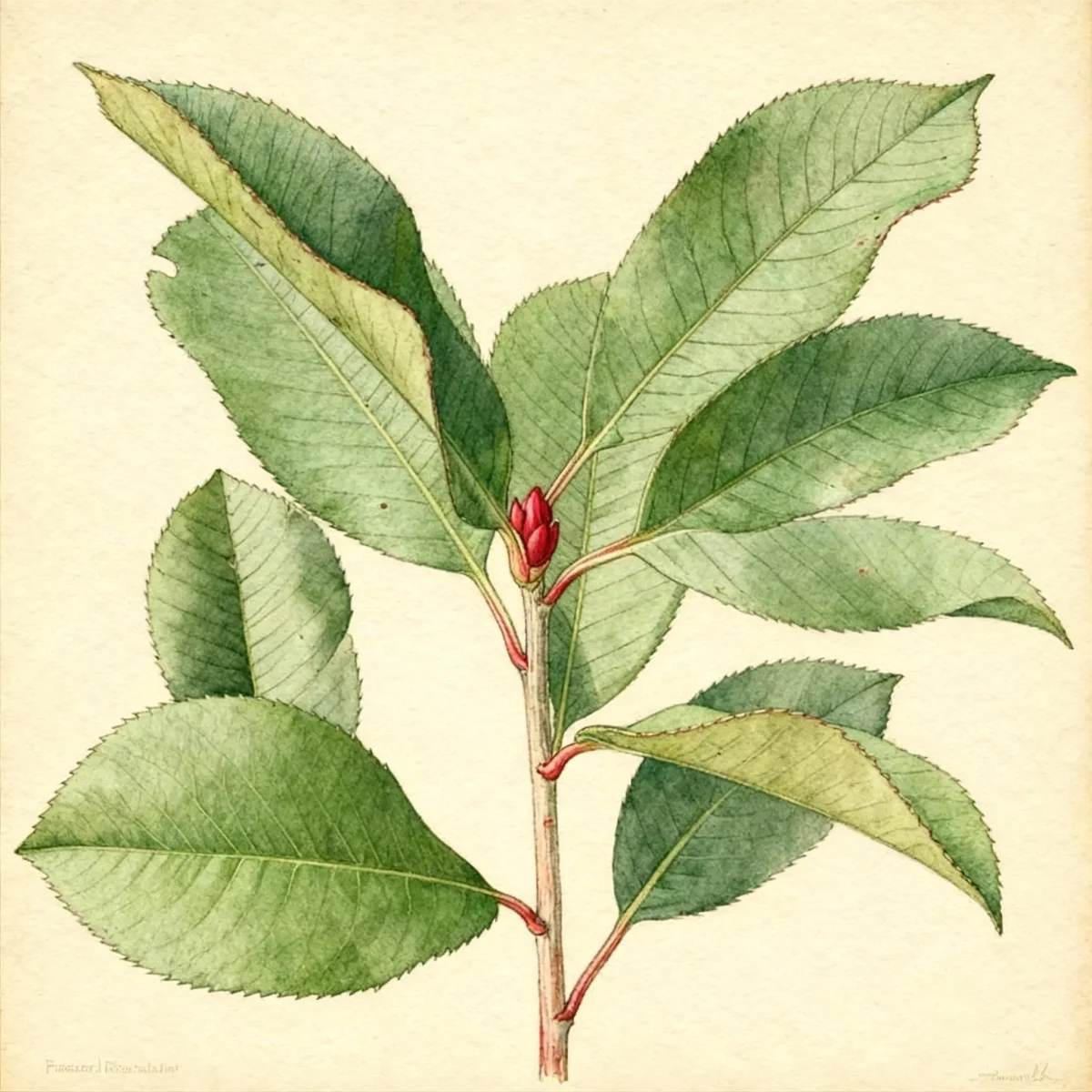
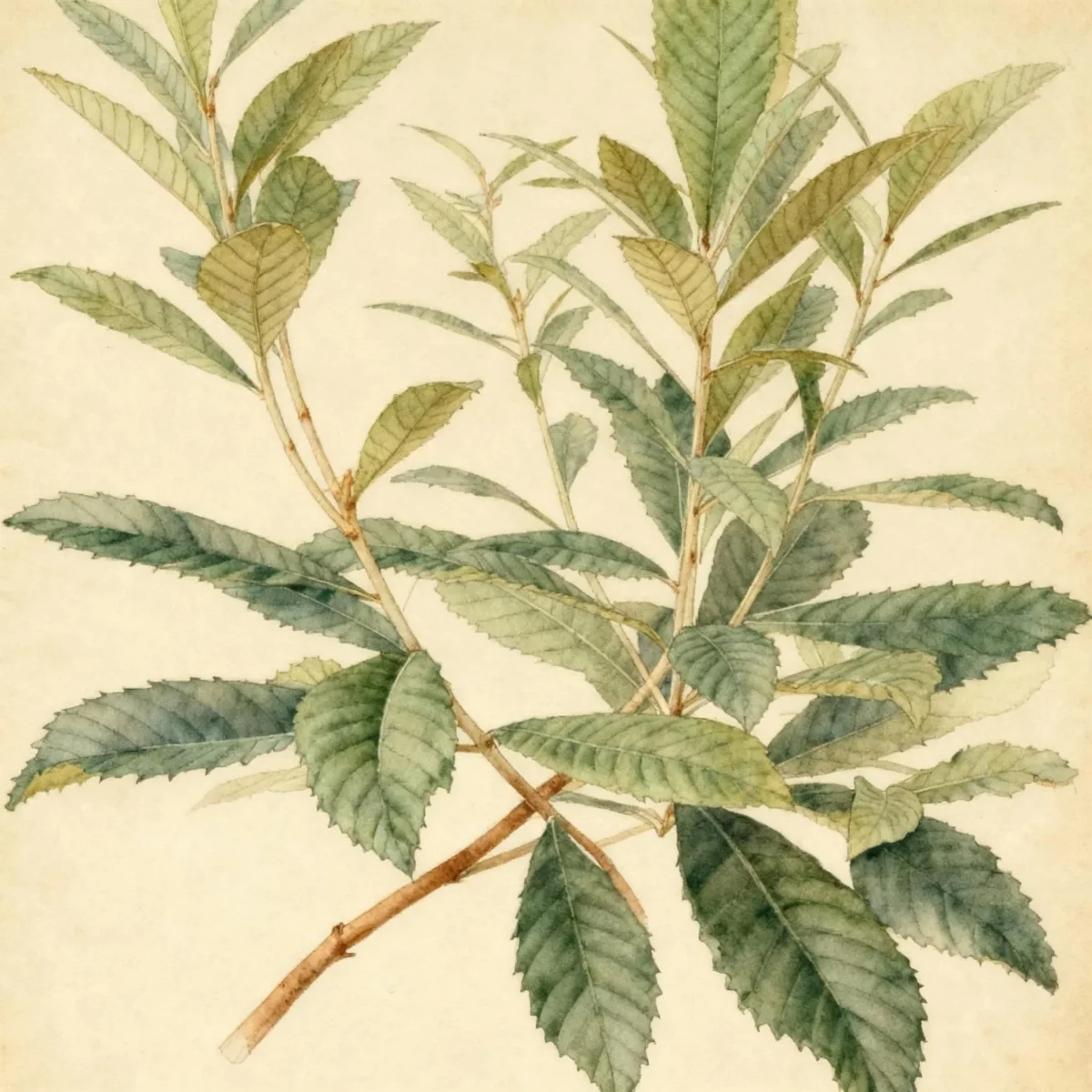
Eriobotrya japonica, commonly called loquat, Japanese medlar or Japanese plum, is a small, short-trunked, upward-branching, broadleaf evergreen tree that typically grows to 10-25’ tall with a round form. Its wrinkled, leathery leaves are dark green above and feature rusty down underneath, creating excellent year-round texture. The tree is notable for its sweet fragrance emitted by the white flower clusters blooming in late fall/early winter, which precede the arrival of the edible fruit.
Tolerances
Potential Problems
The Loquat (Eriobotrya japonica) generally exhibits good resistance to serious pest and disease issues, which contributes to its low maintenance profile. However, as a member of the Rosaceae family, it remains susceptible to fire blight, a serious bacterial infection that can cause sudden browning and death of new shoots. Watch also for scale insects, aphids, fruit flies, and caterpillars, especially concerning if aiming for high-quality fruit harvest.
Potential fungal issues include cankers, scab, and leaf spot, which can usually be managed by ensuring excellent air circulation through proper pruning and avoiding overhead watering late in the day. A crucial consideration: the seeds and fresh young leaves of the plant are mildly poisonous if ingested, so care should be taken if pets or small children frequently access the tree. In areas where successful fruit set occurs, the resulting fallen fruit should be promptly cleaned up to avoid creating litter issues.
Frequently Asked Questions
What hardiness zones is Loquat suitable for?
The Loquat (Eriobotrya japonica) is considered winter hardy in USDA Zones 8 through 10.
How large does Loquat grow?
This tree typically reaches a mature height between 10 and 25 feet, with a similar spread of 10 to 25 feet.
What sun exposure does Loquat need?
Eriobotrya japonica performs best when sited in full sun, though it tolerates partial shade well.
When does Loquat bloom?
The fragrant white flowers of the Loquat typically appear late in the year, blooming from November through December.
Conclusion
The Eriobotrya japonica stands out as a versatile, low-maintenance broadleaf evergreen that provides year-round structural appeal, fragrant winter blossoms, and the bonus of edible spring fruit. Whether you are seeking an attractive specimen tree or a container plant for a sunny spot, the Loquat offers substantial rewards. Before planting, ensure your location falls within USDA Zones 8-10 to maximize hardiness and fruit production success.
Companion Planting
When planning the immediate area around your Loquat, consider companions that share its preference for fertile, well-drained soil and medium water needs. Plants that thrive in subtropical or mild temperate understories, such as specific varieties of ferns or salvias, can benefit from the dappled shade provided by the mature canopy of Eriobotrya japonica during the hottest parts of the afternoon. Avoid groundcovers that require extremely dry conditions, as the Loquat benefits from consistently moist soil, especially during its growth phase.
In edible landscape designs, companion planting citrus or other early-fruiting stone fruits nearby can create a continuous harvest sequence throughout the season. Ensure adequate spacing between the Loquat and its neighbors to promote good air circulation, a key cultural practice cited in reducing the risk of fungal diseases like scab which can affect this wonderful fruit tree.
Seasonal Care Calendar
Spring is the best time for any necessary structural pruning after the risk of hard frost has completely passed, ensuring any dieback from winter cold is removed before active growth resumes. During the summer months, maintain that medium water requirement, especially if you are cultivating the Loquat for optimal fruit size and sweetness; consistent moisture is non-negotiable during fruiting time.
Late autumn is when the distinctive bloom time occurs for Eriobotrya japonica; take time to enjoy the fragrant white flowers as they appear against the backdrop of the evergreen foliage. If you live near the edge of Zone 8, monitor evening temperatures closely near flower buds, as frost protection may be necessary to save the coming spring fruit crop. Winter care for containerized specimens involves reducing watering frequency dramatically while keeping the pot in the brightest, coolest spot available indoors.