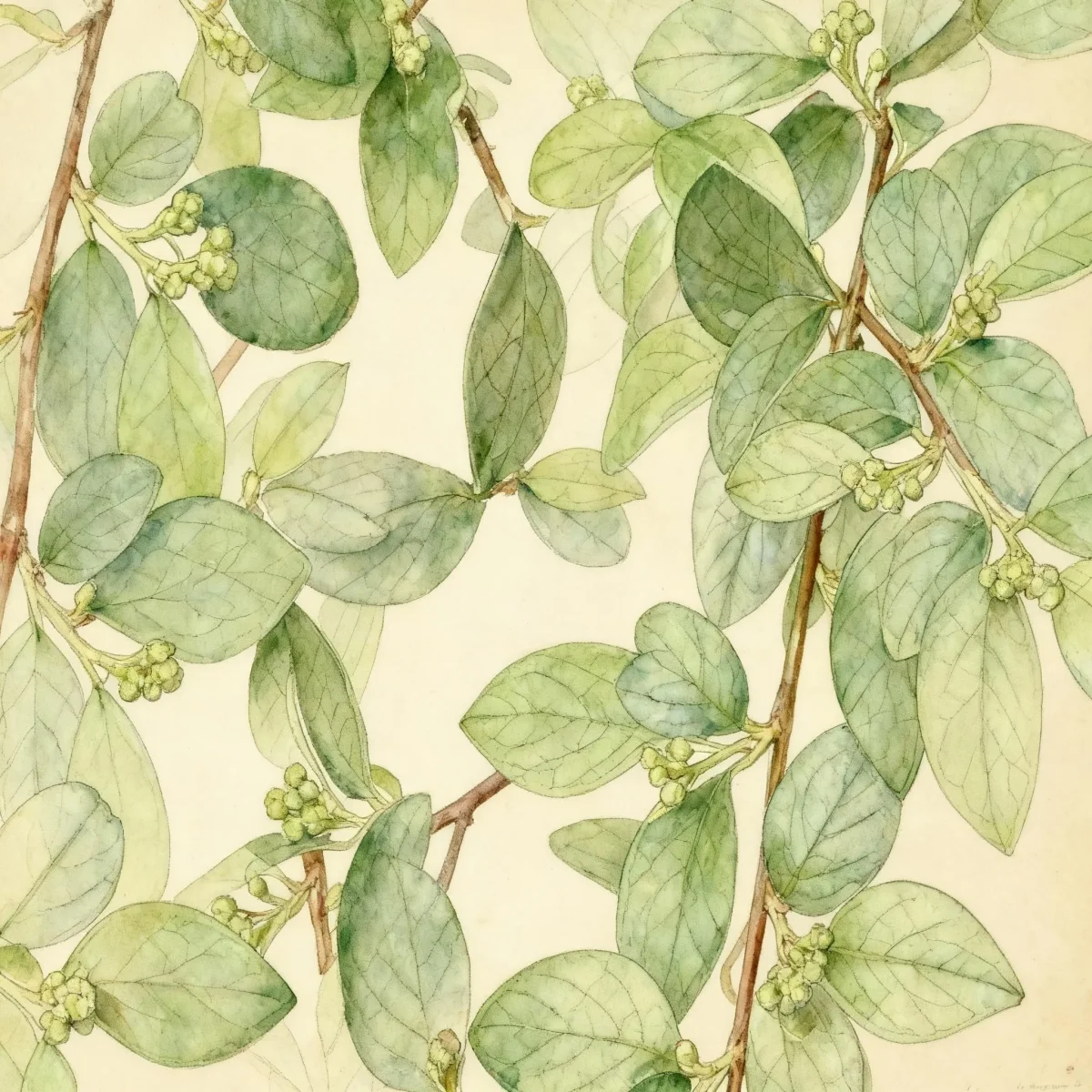
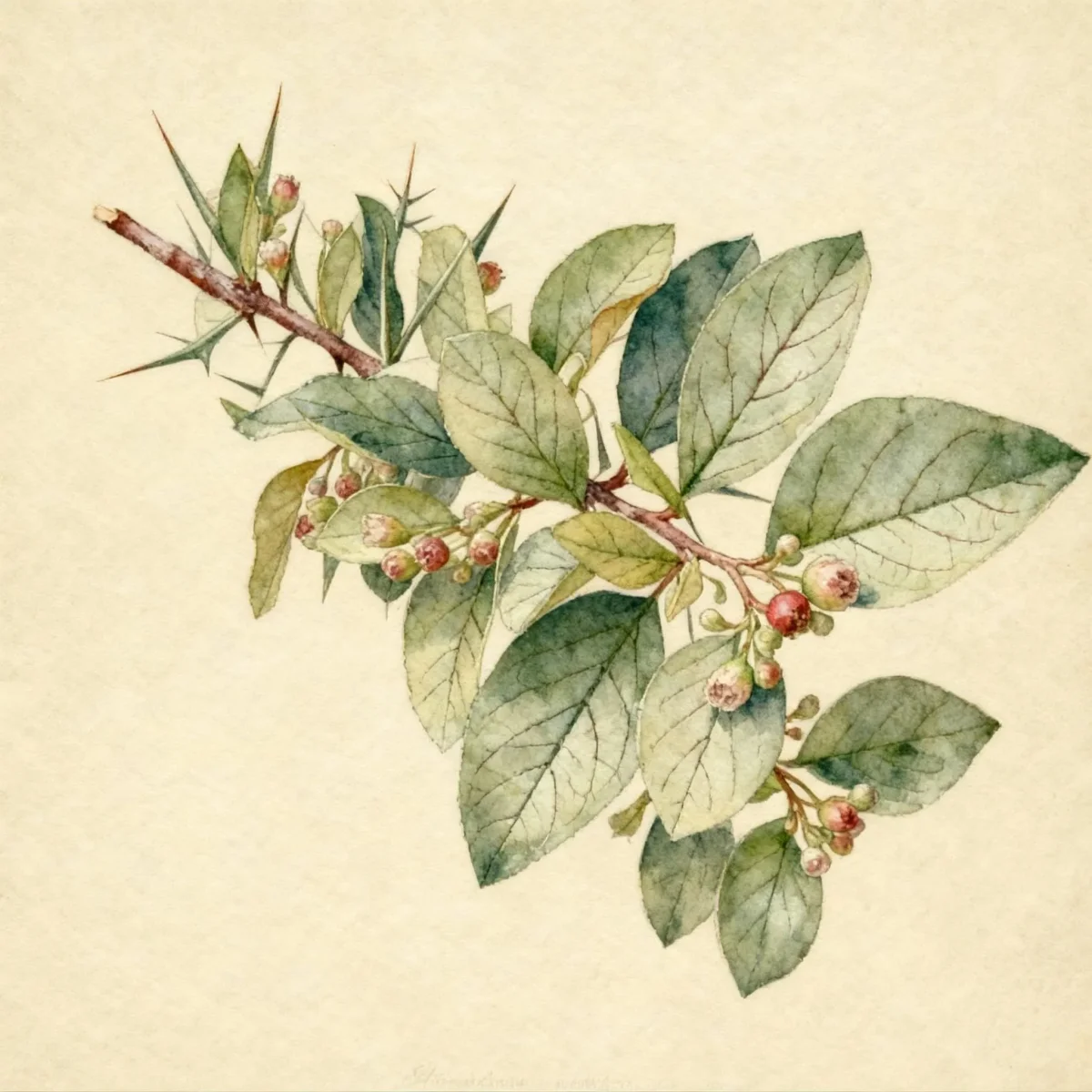
Cotoneaster (Cotoneaster cochleatus)
Cotoneaster cochleatus is a low, creeping evergreen groundcover ideal for sun or part shade. Valued for its low maintenance and attractive red fruit.
Scroll down to discover growing tips, care requirements, companion plants, and more

Complete Plant Information
Overview
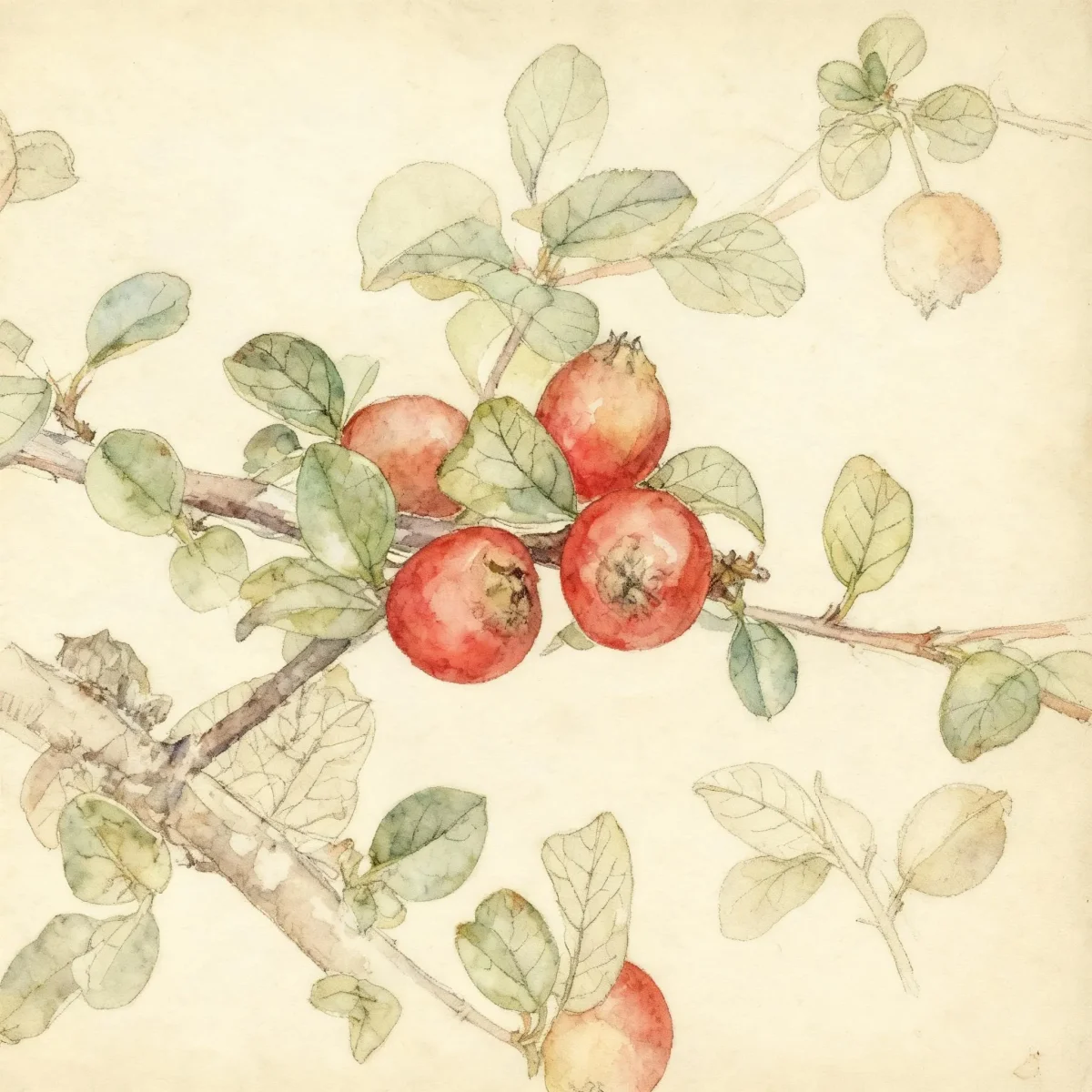
Cotoneaster cochleatus is a versatile, creeping evergreen shrub highly favored for establishing dense, low ground cover in sunny garden spaces. This species of Cotoneaster provides year-round visual interest through its dark green foliage and a spectacular display of bright red fruits in the autumn. It is an exceptionally tough and adaptable plant, making it a practical choice for challenging locations.
As a low-growing form of Cotoneaster, this plant spreads horizontally, rooting where its branches touch the soil, effectively suppressing weeds once established. Its diminutive white flowers in late spring precede the showy harvest of berries in the fall. Gardeners appreciate the low maintenance requirements of Cotoneaster cochleatus when sited correctly.
Native to the rocky slopes of China and Tibet, this shrub embodies resilience. It performs best as a woody ground cover, softening hard lines in rock gardens or cascading gracefully over retaining walls. For exceptional texture and reliable coverage, few plants rival the performance of Cotoneaster cochleatus.
Fast Facts
- Plant Family: Rosaceae
- Plant Type: Broadleaf evergreen
- Native Range: China, Tibet
- Hardiness Zones: USDA Zones 5-7
- Size at Maturity:
- Height: 0.5-1 ft
- Spread: 1-6 ft
- Bloom Time: May to June
- Bloom Description: White
- Sun Exposure: Full sun to part shade
- Water Needs: Medium
- Maintenance Level: Low
How to Grow
The best success with Cotoneaster cochleatus comes when planting occurs in spring or fall, placing it in well-drained, loamy, moderately fertile soils. Good drainage is paramount; this plant strongly dislikes wet, poorly-drained conditions, though it is known to tolerate poorer, even rocky soils once established. Site the plant where it receives full sun or partial shade for optimal flowering and fruiting.
Water needs are best described as medium. Newly planted specimens require consistent moisture to develop a robust root system. However, established plants demonstrate good drought tolerance, minimizing extra watering during the summer months. Fertilization is rarely required, fitting its low-maintenance profile.
Pruning should be minimal if the plant is sited properly and allowed to spread naturally as a ground cover. If shaping is necessary, light pruning can be performed after flowering. Be aware that Cotoneaster cochleatus often struggles in the intense heat and humidity of USDA Zones 8 and higher, particularly in the deep South. Propagation is easily achieved through stem cuttings.
Landscape Uses
The sprawling habit of this Cotoneaster makes it an invaluable woody ground cover for large, sunny areas where low stature is required. Group or mass plantings are highly effective, allowing the branches to intertwine and offer seamless coverage across slopes or open spaces. Use the persistent red fruit display to add seasonal interest to the autumn landscape.
Cotoneaster cochleatus excels in naturalistic designs or rock gardens, where its trailing branches can spill delightfully over stone arrangements and along the edges of low stone walls. It performs well in sunny foundation plantings where a spreading outline is preferred over upright forms. While primarily a ground cover, its unique structure also lends itself to bonsai training for those interested in specialized horticulture.
Standout Features
Flower Qualities
- Showy
Fruit Qualities
- Showy
Noteworthy Characteristics
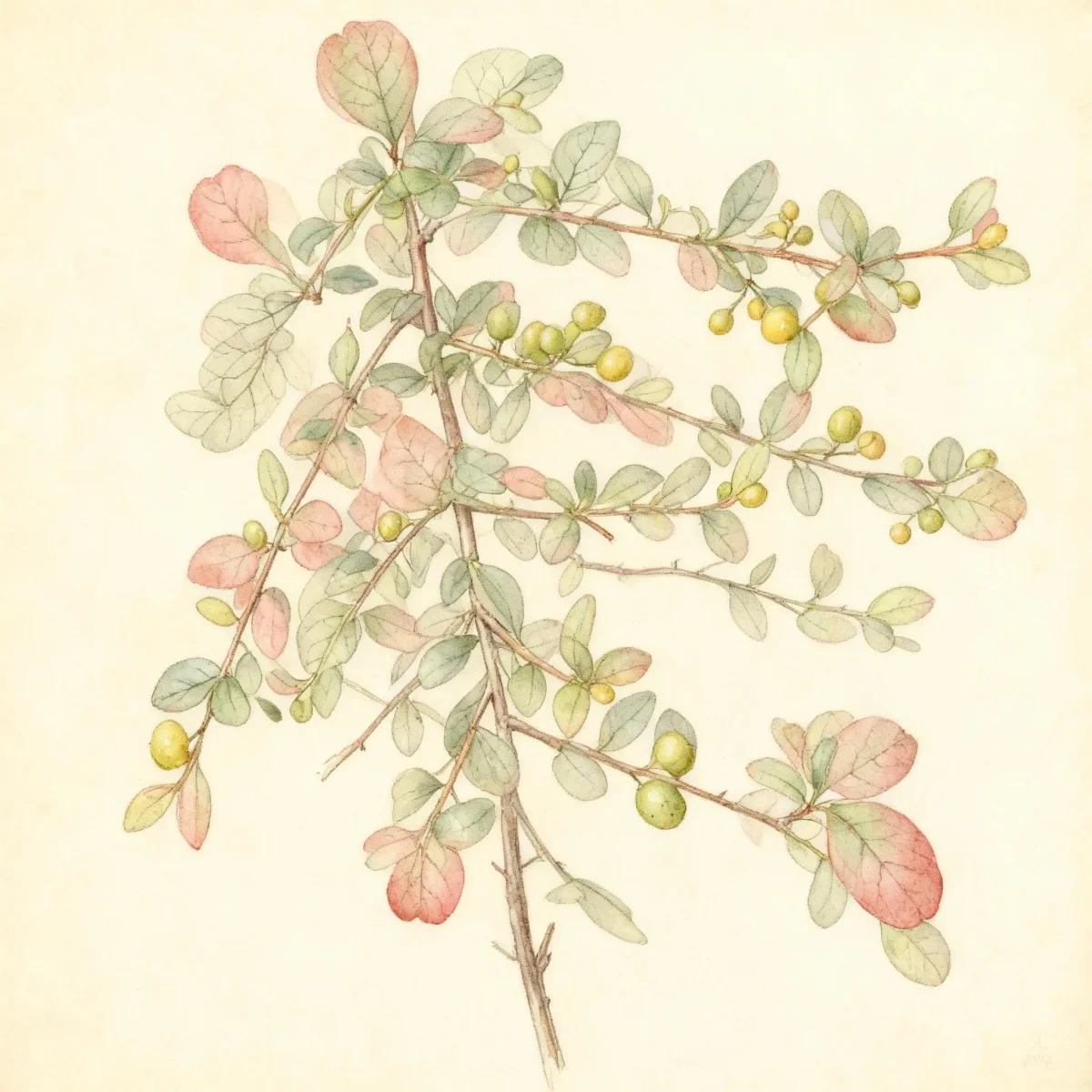
Cotoneaster cochleatus, commonly called cotoneaster, is a creeping evergreen shrub that typically grows as a dense, low, bushy ground cover rising to 12” tall but spreading over time to 6’ wide. It is native to slopes and rocky areas in China (Yunnan and Sichuan) and Tibet. Branches are clad with simple, opposite, elliptic, dark green leaves, bearing tiny, five-petaled, rose-like, pale pink to white flowers in late spring to early summer. Flowers mature into showy red fruits (1/4” long) ripening from September through November.
Tolerances
- Drought
Potential Problems
This species of Cotoneaster can be susceptible to fireblight, which becomes especially problematic in hotter southern climates; preventative care and prompt removal of infected wood are crucial. Fungal issues, such as leaf spots and canker, can develop, often favored by heavy overhead watering or poor air circulation. Gardeners should also vigilantly monitor for common pests like the cotoneaster webworm and lacebug, as well as spider mites thriving in hot, dry spells. The dense foliage structure, while aesthetically pleasing, can impede maintenance, making it difficult to clean out accumulated dead leaves or debris from the interior of established clumps.
Frequently Asked Questions
What hardiness zones is Cotoneaster suitable for?
This beautiful cotoneaster thrives best within USDA Zones 5 through 7.
How large does Cotoneaster grow?
Mature height generally ranges from 0.5 to 1 foot tall, while its spread allows it to cover an area between 1 and 6 feet wide.
When does Cotoneaster bloom?
You can expect the small, white flowers of Cotoneaster cochleatus to appear from late spring into early summer, specifically May to June.
What sun exposure does Cotoneaster need?
This plant is adaptable and performs well either in full sun or in locations that receive part shade throughout the day.
Conclusion
The Cotoneaster cochleatus offers excellent utility as a low-maintenance, drought-tolerant evergreen ground cover, valued for its seasonal transitions from pale spring flowers to vibrant red fall fruit. Its sprawling nature helps secure slopes and defines borders beautifully across USDA Zones 5-7. Before planting, always confirm your soil drainage is adequate to ensure the long-term success of your new Cotoneaster planting.
Companion Planting
When selecting companions for Cotoneaster cochleatus, focus on plants that share its love for full sun to part shade and, crucially, demand excellent drainage. Low-growing rock garden perennials like Creeping Thyme (Thymus serpyllum) or various Sedums are ideal partners, as they thrive in similar lean, well-drained soil conditions. Avoid moisture-loving plants, as keeping the soil too wet will compromise the health of the cotoneaster.
Consider architectural plants that offer contrasting textures or upright habits to break up the low, spreading mass of the ground cover. Dwarf conifers, particularly upright junipers or small ornamental grasses that look good against stone, pair well visually with the fine texture of the Cotoneaster foliage. This interplay creates a dynamic, low-water landscape design.
Propagation Tips
Propagating Cotoneaster cochleatus is relatively straightforward for gardeners looking to expand their coverage or share the plant. The method of choice involves taking stem cuttings, usually semi-hardwood cuttings taken in mid-summer. Ensure the cuttings include several nodes and are taken near a joint.
Dip the base of the cutting in rooting hormone to encourage faster root development, then plant them into a well-draining, sterile medium, such as a mix of peat and perlite. Keep the cuttings consistently moist, ideally in a humidity dome or plastic-covered environment, and place them in bright, indirect light until roots form completely, typically preparing them for planting out the following spring.