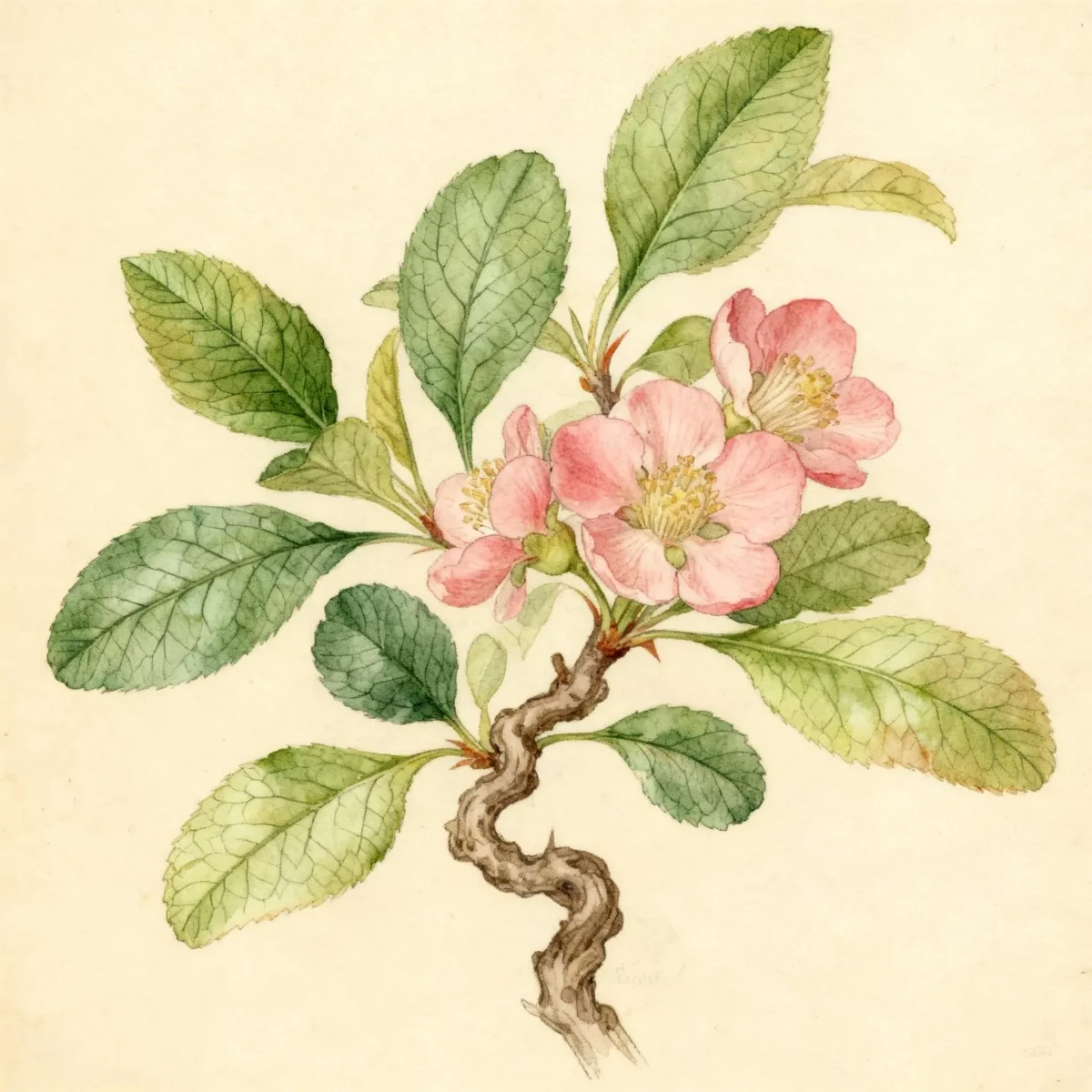
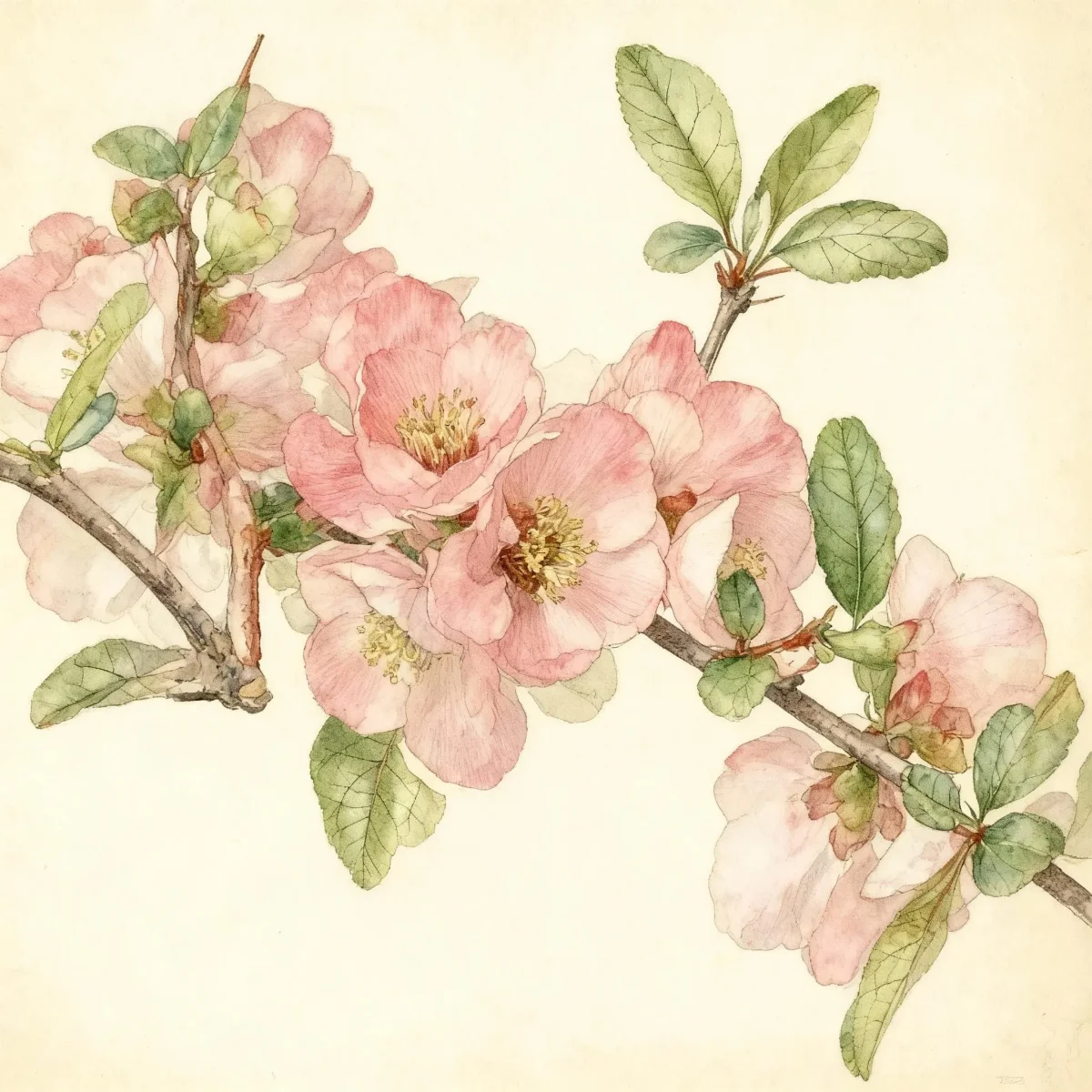
Rock cotoneaster (Cotoneaster horizontalis)
Rock cotoneaster, Cotoneaster horizontalis, is a tough, low-maintenance shrub known for its distinctive fishbone branching and bright fall fruit.
Scroll down to discover growing tips, care requirements, companion plants, and more
Complete Plant Information
Overview
The Rock cotoneaster, scientifically known as Cotoneaster horizontalis, is a highly valued landscape shrub celebrated for its unique, stiff, flattened branching pattern resembling a fishbone. While deciduous in colder climates, this tough plant offers year-round interest through its glossy green foliage and striking scarlet fruits in autumn. It is an adaptable specimen prized for grounding large areas and controlling slopes.
This slow-growing shrub achieves a somewhat prostrate habit, spreading significantly wider than it is tall, making it excellent for groundcover applications in sunny sites. Both the flowers and the subsequent fruit display earn high marks, adding texture and color contrast to the landscape. Its resilience against poor soils and drought establishes Cotoneaster horizontalis as a reliable, low-maintenance choice.
Gardeners often select Rock cotoneaster for its ability to thrive where other plants might struggle, including areas needing erosion control or mild air pollution tolerance. Its dense structure provides a strong architectural element that looks equally attractive spilling over retaining walls or trained flat against structures.
Fast Facts
- Plant Family: Rosaceae
- Plant Type: Deciduous shrub
- Native Range: Western China
- Hardiness Zones: USDA Zones 5-7
- Size at Maturity: Height: 2-3 ft; Spread: 6-8 ft
- Bloom Time: May to June
- Bloom Description: Pink
- Sun Exposure: Full sun to part shade
- Water Needs: Medium
- Maintenance Level: Low
How to Grow
Cotoneaster horizontalis thrives when sited in moist, loamy, well-drained soils. While it is very tough and can handle considerable poor soil conditions once established, good drainage remains critical to its long-term success. Ideally, plant in a location receiving full sun to achieve the best flowering and fruiting display, though it tolerates light afternoon shade.
Water needs are generally medium. Newly planted Rock cotoneaster require consistent moisture to establish a strong root system. Established plants exhibit excellent drought tolerance, though supplemental watering during extreme heat is advisable. Generally, this plant requires little pruning if sited correctly, reducing overall maintenance demands.
Be aware that these shrubs dislike intensely hot summer conditions, often struggling noticeably south of USDA Zone 7. When spacing container-grown specimens for mass planting, aim for 4 to 5 feet apart. Propagation is easiest achieved via stem cuttings taken at the appropriate time of year.
Landscape Uses
Rock cotoneaster is exceptionally versatile, lending strong visual lines to sunny areas of the garden. Its wide, spreading habit makes it a superb woody ground cover, particularly effective on banks and slopes where its root structure aids significantly in erosion control. The horizontal branching allows it to gracefully sprawl over rocks or soften the line of stone walls, providing a classic rock garden texture.
Use the distinctive ‘fishbone’ branching to your advantage by training the shrub flat against a sunny wall in an espalier fashion for a formal look. When used as a mass planting, the density of Cotoneaster horizontalis effectively suppresses weeds. Consider pairing it with upright evergreens or fine-textured perennials that contrast with its coarse structure.
This plant integrates well into mixed borders where its low stature won’t obscure mid-height highlights. Its ability to tolerate some environmental stress means it performs reliably along pathways or in challenging, exposed locations where hardiness and coverage are required.
Standout Features
Flower Qualities
- Showy
Fruit Qualities
- Showy
Noteworthy Characteristics
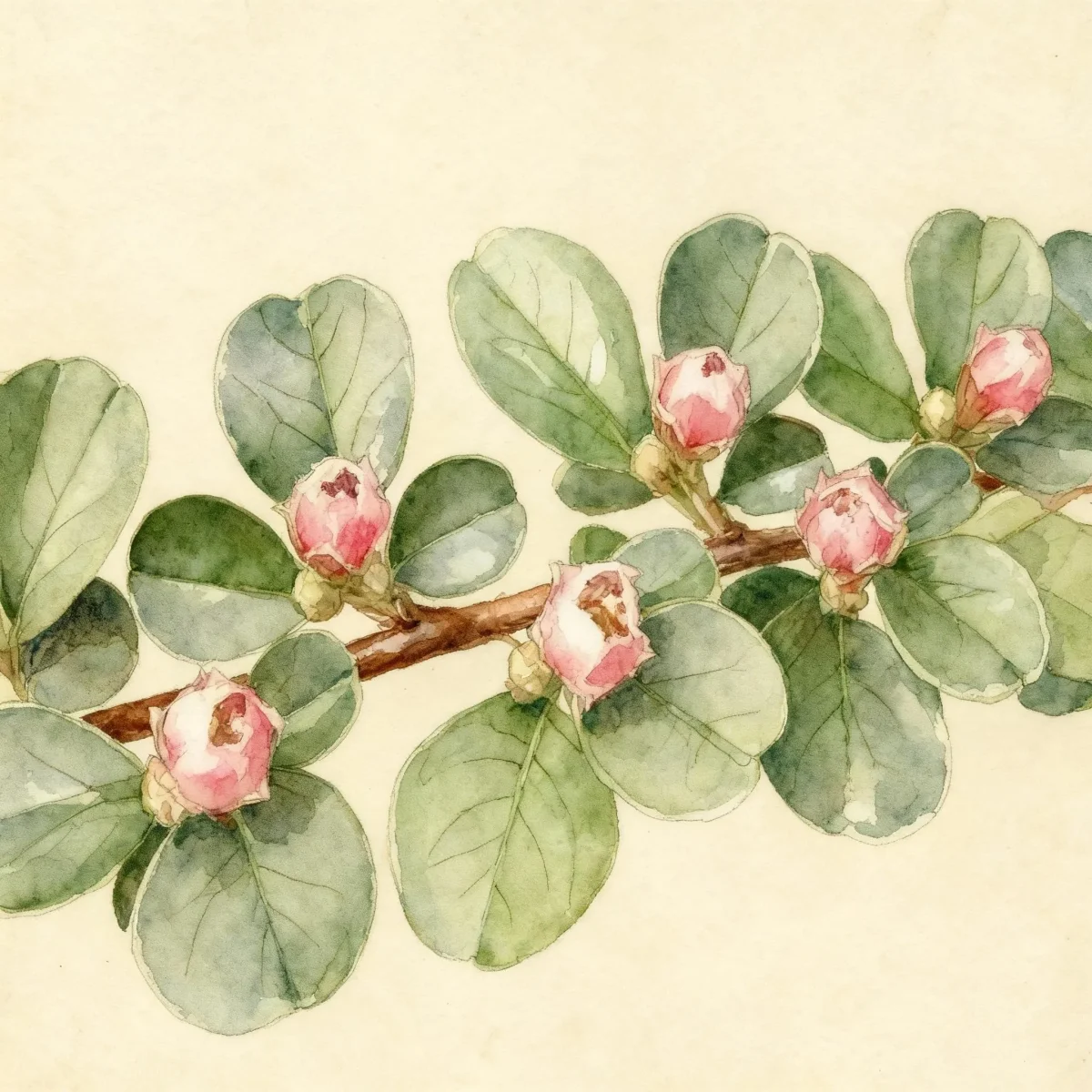
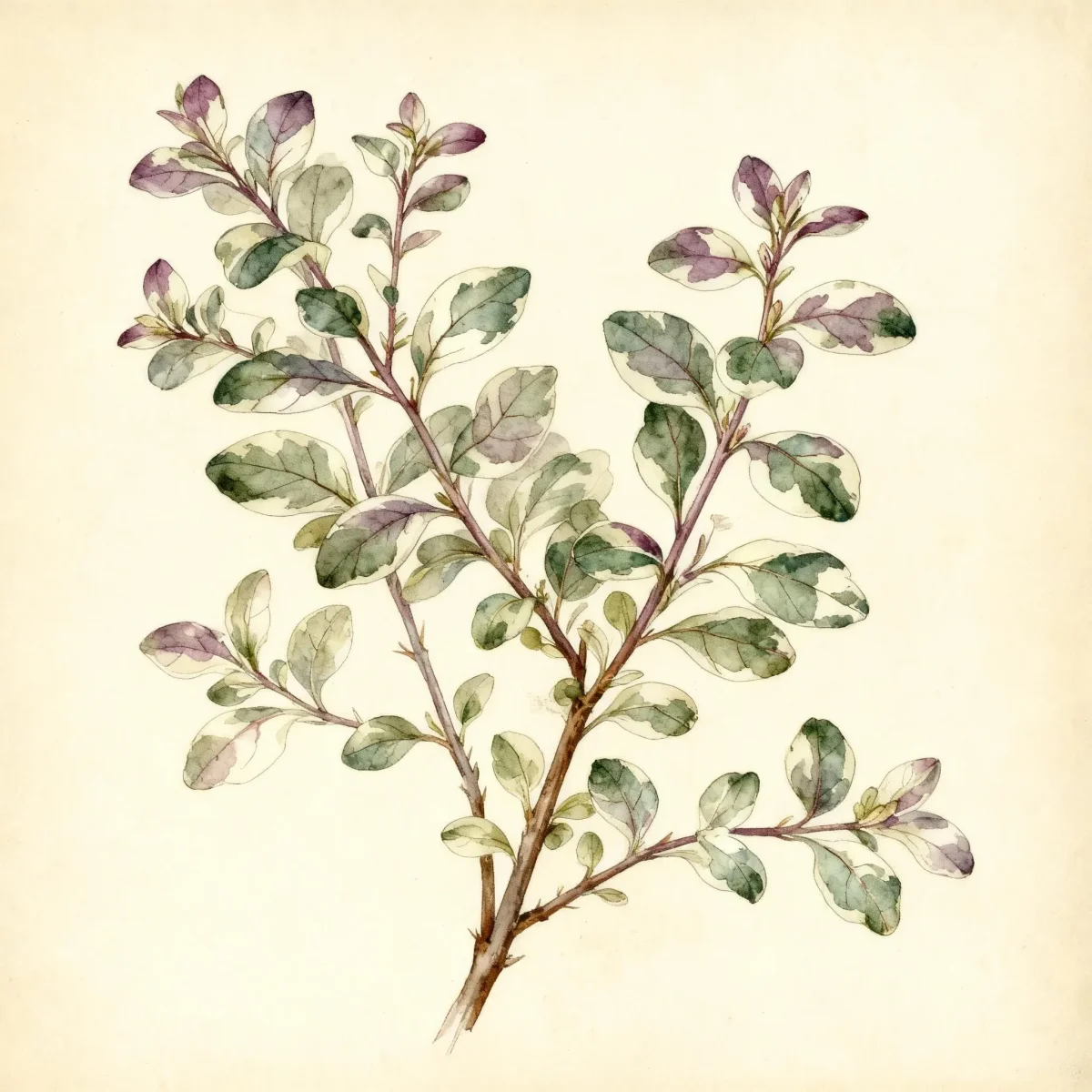
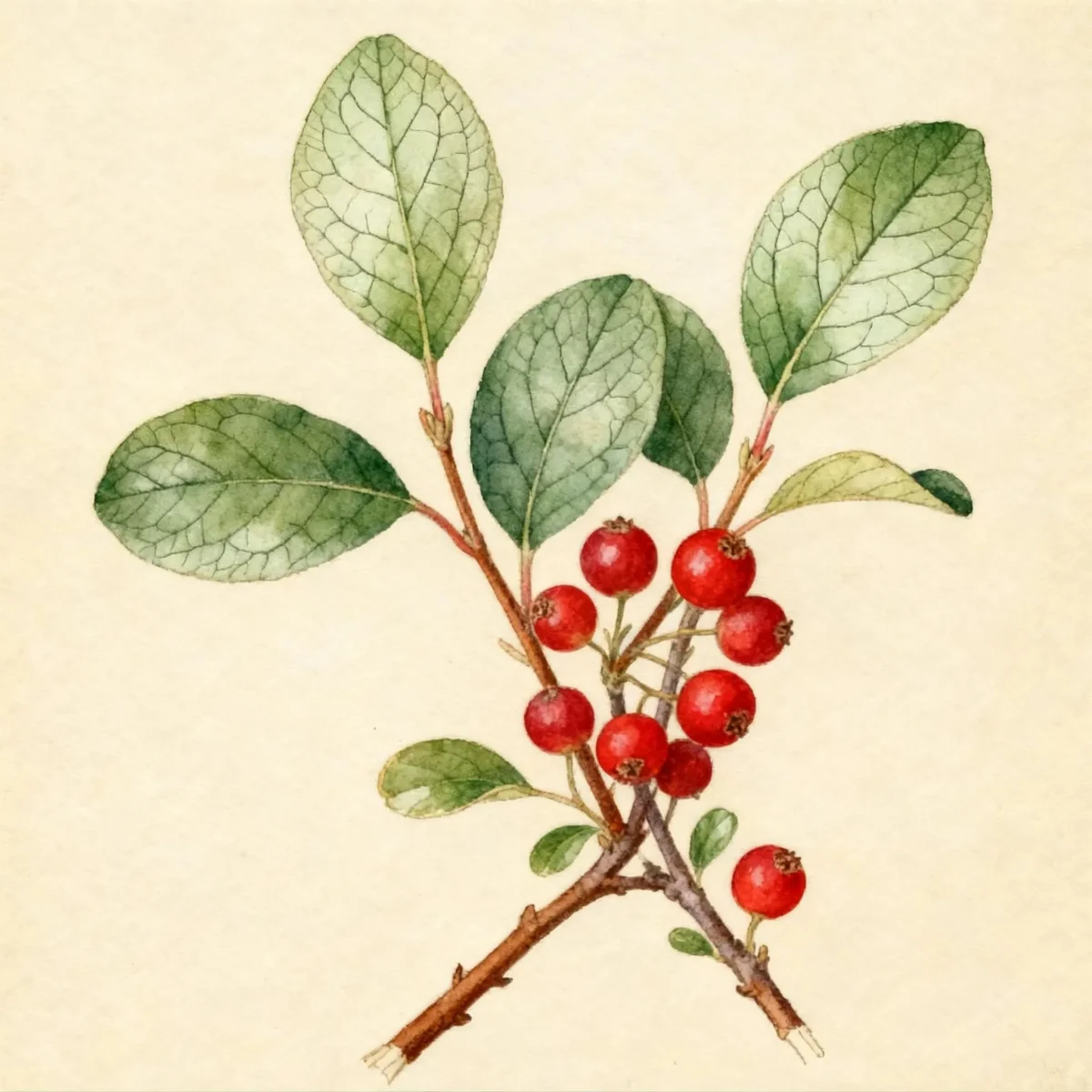
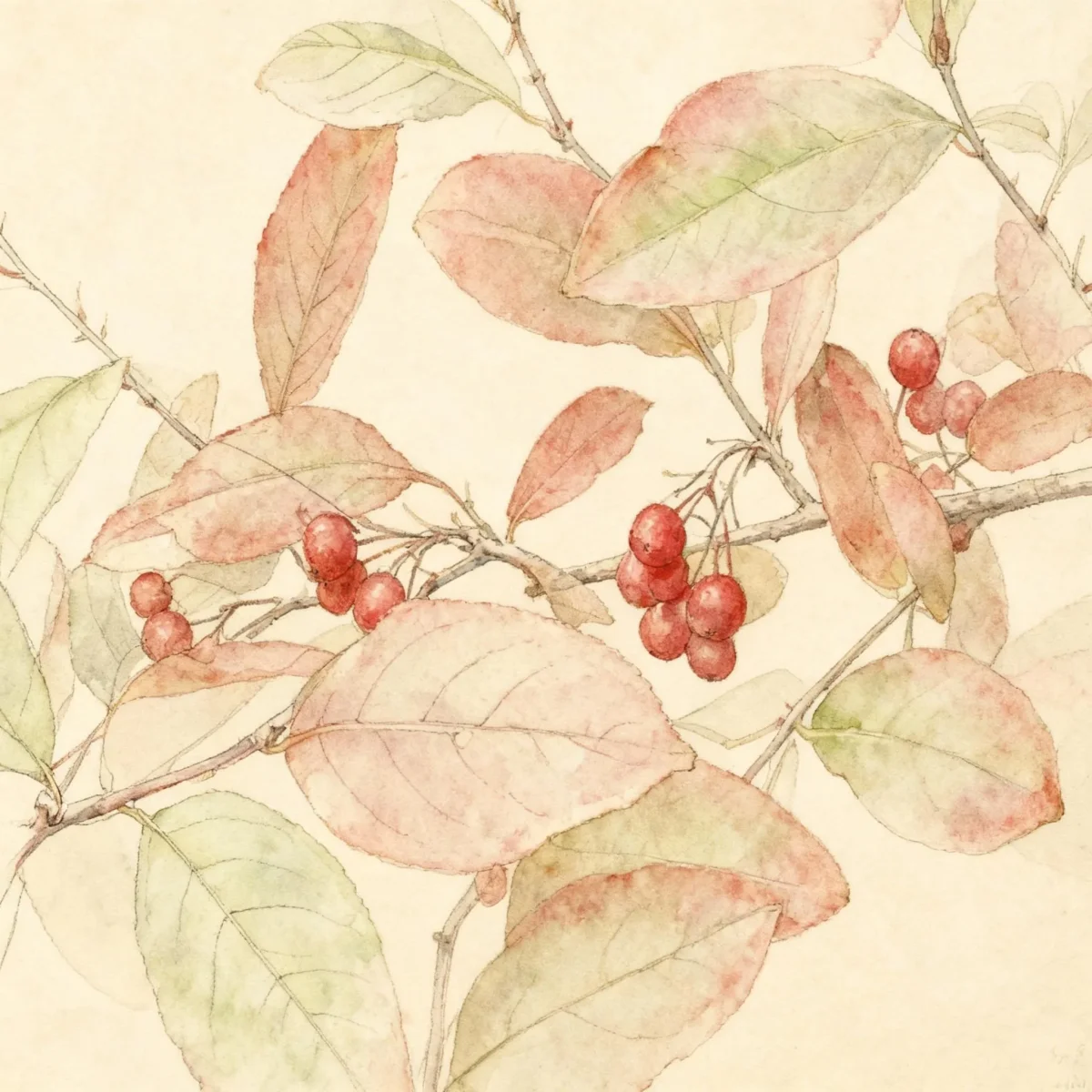
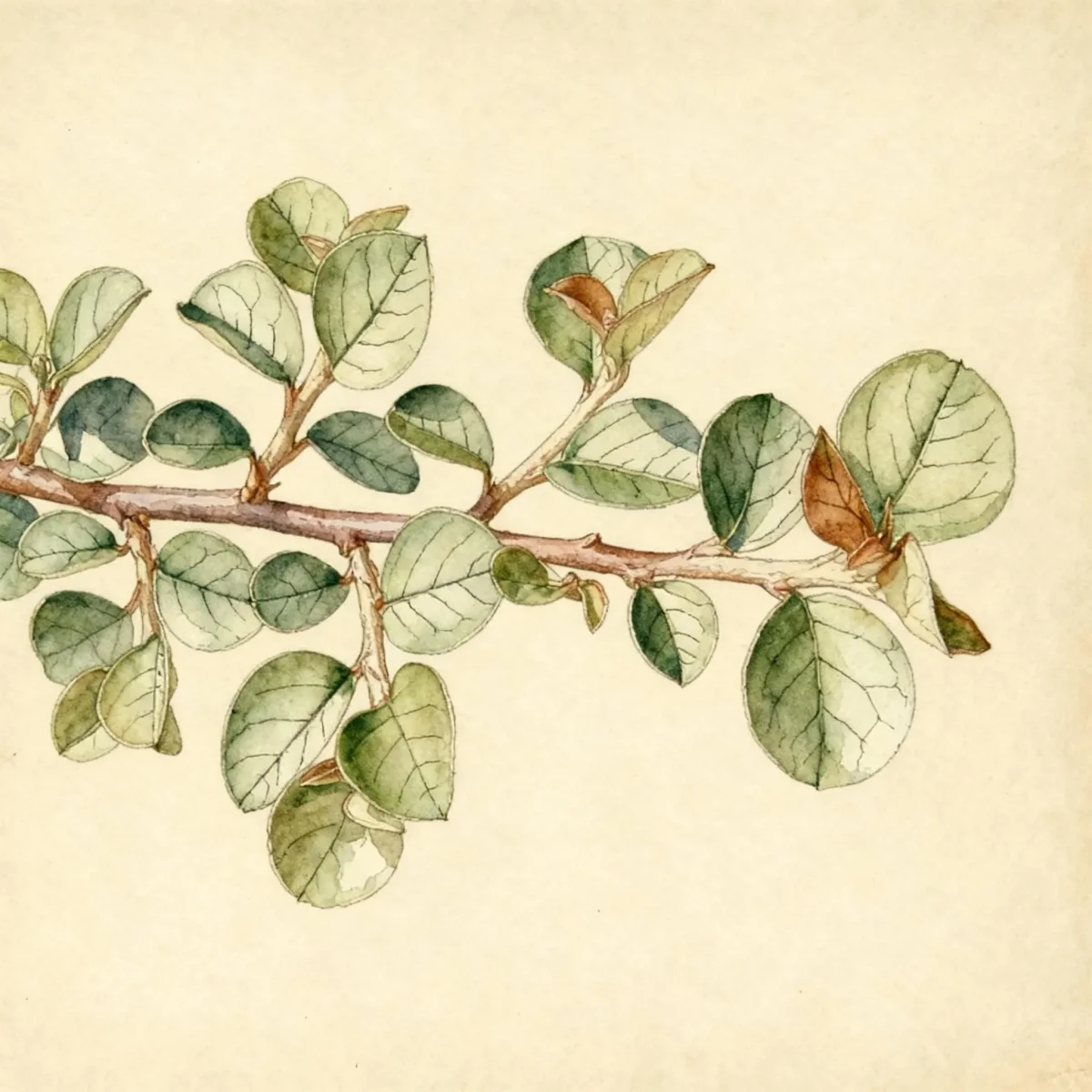
Cotoneaster horizontalis, commonly called rockspray cotoneaster, is a coarse, dense, slow-growing, semi-prostrate shrub that grows to 2-3’ tall and spreads to 6-8’ wide on stiff, flattened, horizontal branching arranged in fishbone patterns. Round to elliptic, glossy dark green leaves are attractive all season, often turning reddish-purple in fall on deciduous forms. Small pink flowers appear in late spring, followed by abundant, bright scarlet fruits that mature from late summer into fall, providing excellent autumn and winter color.
Tolerances
- Rabbit
- Drought
- Erosion
- Air Pollution
Potential Problems
Susceptibility to pests and diseases requires attentiveness, although maintenance is generally low. Common issues include fireblight, various leaf spots, and canker. Pests such as the cotoneaster webworm and lacebug can infest the dense foliage, requiring targeted treatment. Mites may also appear, especially when the plant experiences stress from hot, dry periods. The very dense nature of the foliage can create a maintenance hurdle, making it difficult to clean out dead leaves and debris from the interior of the shrub over time.
Frequently Asked Questions
What hardiness zones is Rock cotoneaster suitable for?
Rock cotoneaster, Cotoneaster horizontalis, is reliably hardy in USDA Zones 5 through 7.
How large does Cotoneaster horizontalis grow?
This shrub typically reaches a height of 2 to 3 feet but spreads out significantly, achieving a width between 6 and 8 feet at maturity.
What sun exposure does Rock cotoneaster need?
It performs best when placed in full sun, although it can tolerate partial shade conditions.
When does Cotoneaster horizontalis bloom?
The plant produces its small, pink flowers singly or in pairs, generally appearing between May and June.
Conclusion
The architectural form and reliable performance of Cotoneaster horizontalis make it an indispensable choice for groundcover, slope stabilization, and textural interest in the low-maintenance garden. This Rock cotoneaster delivers consistent seasonal beauty through its foliage, flowers, and brilliant fall fruit display. Before planting, ensure your site falls within USDA Zones 5-7 and has excellent drainage to guarantee thriving results.
Propagation Tips
Since Cotoneaster horizontalis is most easily propagated via stem cuttings, gardeners can easily increase their stock for mass plantings or to replace older shrubs. Take semi-hardwood cuttings in mid-summer, dipping the base into rooting hormone before placing them in a well-drained soil mix or perlite/peat mixture. Keep the cuttings consistently moist and protected from harsh elements until roots develop. Established plants may also root where branches touch the ground, a natural form of layering.
Companion Planting
Due to the low, spreading habit and preference for full sun, Cotoneaster horizontalis pairs well with taller, finer-textured shrubs or structural evergreens that provide vertical contrast. Consider pairing the Rock cotoneaster with ornamental grasses like Feather Reed Grass (Calamagrostis) or upright Junipers to emphasize its horizontal spread. In rock gardens, dwarf conifers or low-growing Sedums that share similar drought and sun requirements make excellent partners.