Waldsteinia (Waldsteinia ternata)
Waldsteinia ternata is a low-maintenance, spreading perennial ground cover featuring bright yellow spring flowers and strawberry-like foliage.
Scroll down to discover growing tips, care requirements, companion plants, and more
Complete Plant Information
Overview
Waldsteinia ternata, frequently known by its common name Waldsteinia or Siberian waldsteinia, excels as a robust, spreading ground cover for challenging areas. Gardeners value this compact perennial for its dense mat of persistent, trifoliate foliage, which resists weeds once established. It provides excellent textural contrast against larger shrubs and perennials in the landscape.
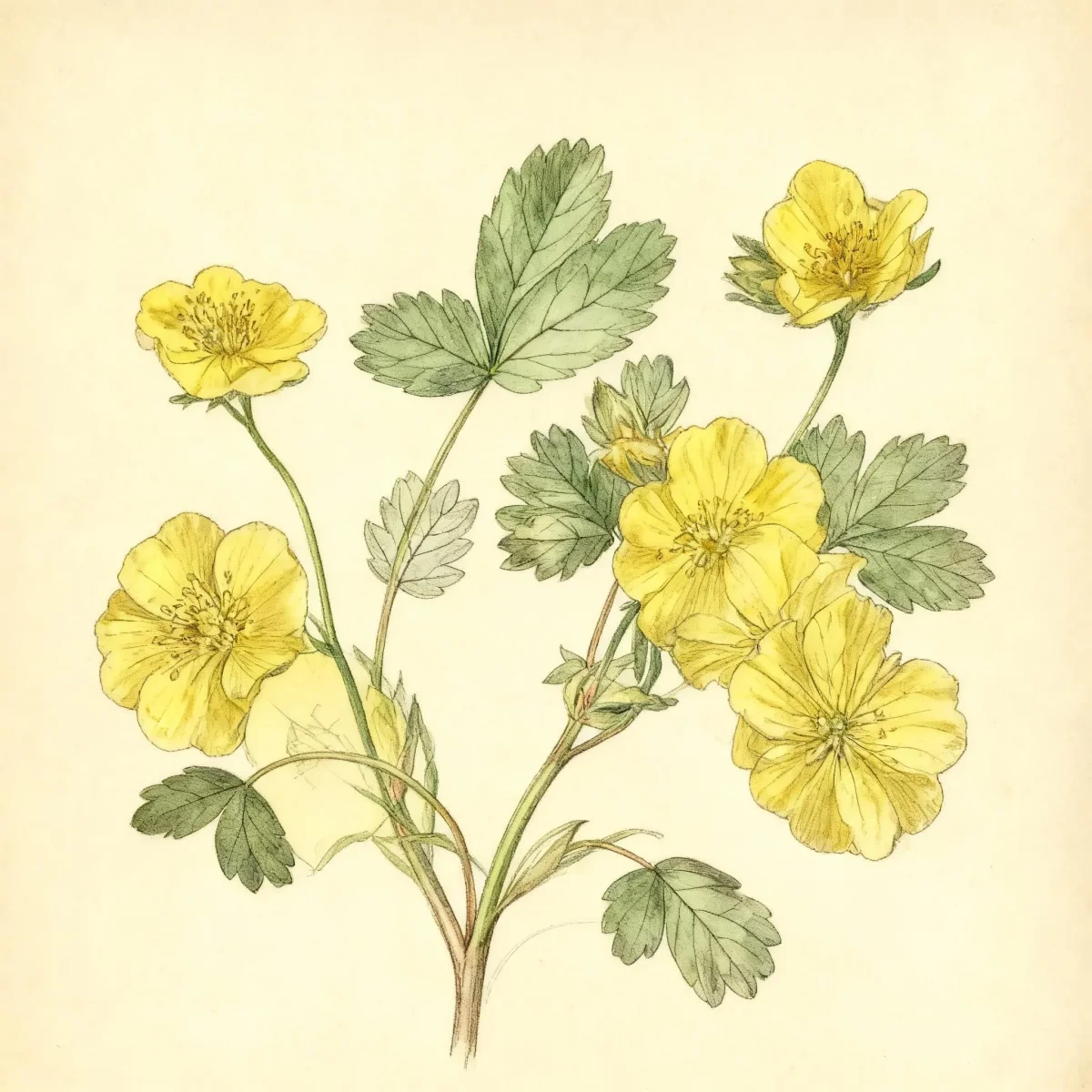
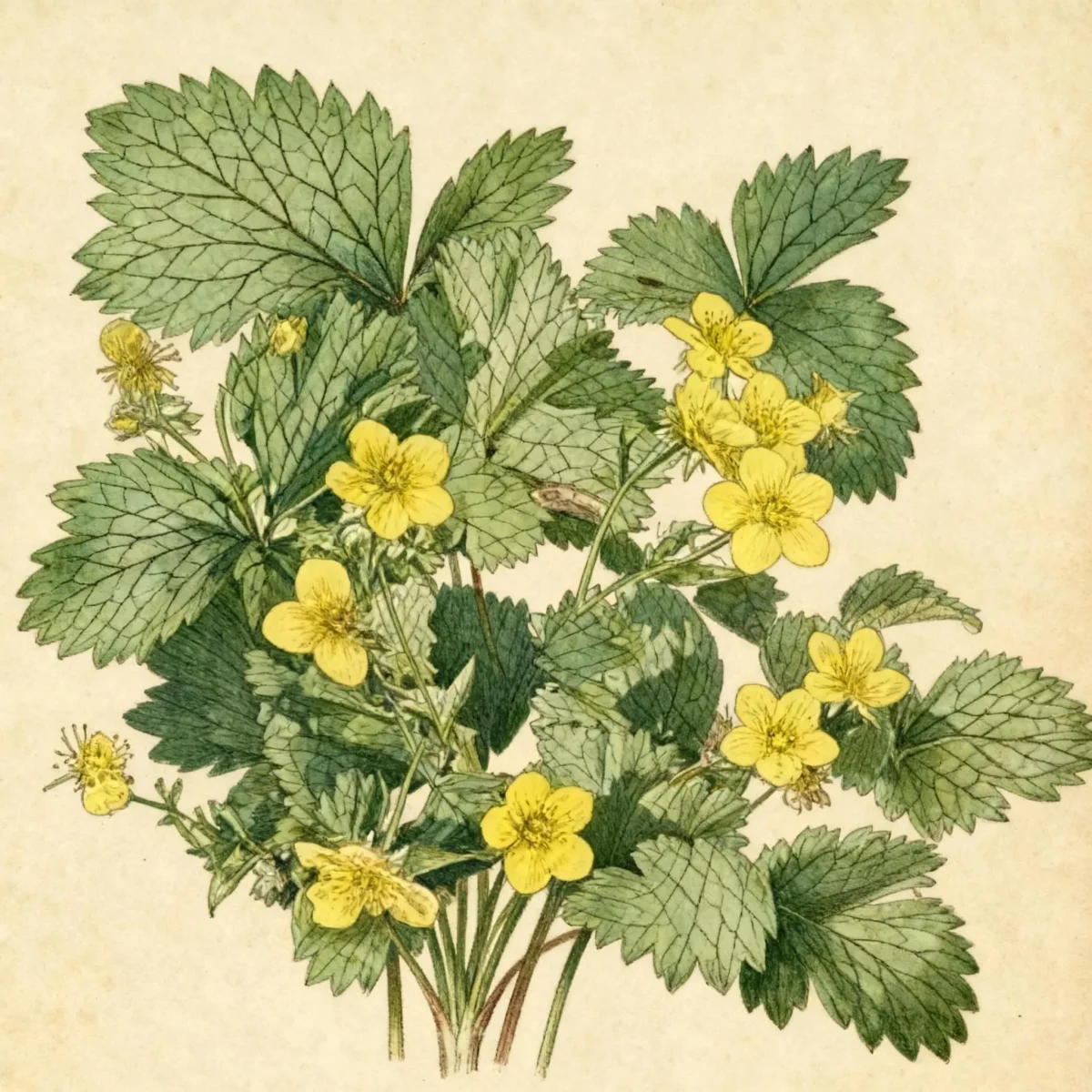
The plant produces cheerful, five-petaled yellow flowers resembling wild strawberries from April through June, adding a welcome early-season burst of color. Waldsteinia ternata spreads steadily via rhizomes and short stolons, making it an excellent, low-effort choice for covering banks or filling in gaps beneath trees.
This species is remarkably adaptable, thriving in average soils across a wide range of conditions. Its low maintenance requirements and strong performance cement Waldsteinia as a reliable workhorse for gardeners seeking dependable evergreen coverage with minimal fuss.
Fast Facts
- Plant Family: Rosaceae
- Plant Type: Herbaceous perennial
- Native Range: Europe, Japan, China
- Hardiness Zones: USDA Zones 4-8
- Size at Maturity:
- Height: 0.25-0.5 ft
- Spread: 0.5-1 ft
- Bloom Time: April to June
- Bloom Description: Yellow
- Sun Exposure: Full sun to part shade
- Water Needs: Medium
- Maintenance Level: Low
How to Grow
Plant Waldsteinia ternata in spring or fall once the danger of hard frost has passed. Location requirements are flexible; this plant is easily grown in average, medium, well-drained soil, although it happily tolerates a wide range of soil compositions. Ensure the planting site receives either full sun or part shade for optimal flowering, though it tolerates deeper shade well, usually resulting in slightly reduced bloom density.
Once established, watering needs are medium; supplemental water during prolonged dry spells will keep the foliage looking freshest, especially in full sun conditions. Fertilization is rarely necessary due to its adaptability and low-maintenance nature. Pruning is generally unnecessary, but you can lightly shear the mat in early spring before new growth emerges if winter cleanup is desired or if the growth appears too leggy.
Waldsteinia ternata is adaptable to various soil conditions. Its tolerance for different soil types makes site preparation straightforward, provided drainage is adequate. For best results, maintain consistent moisture during the first growing season to encourage the rhizomes to spread effectively, creating that dense carpet ground cover.
Landscape Uses
The primary appeal of Waldsteinia is its function as an effective ground cover. It creates an attractive, low-growing, weed-suppressing mat perfect for sloping banks or large naturalized areas where foot traffic is minimal. The spreads of Waldsteinia are somewhat slow initially, and its short surface runners make it an effective, neat edger along pathways where a more aggressive spreader might cause issues.
Consider using Waldsteinia ternata to underplant sparse shade trees or large shrubs, capitalizing on its ability to handle shade while providing textural interest when spring bulbs fade. Because it spreads reliably, it forms beautiful, continuous swathes, ideal for softening hardscape edges or filling in large, irregular planting beds.
For a cottage garden look, Waldsteinia pairs wonderfully with spring-blooming bulbs like daffodils and tulips, covering the fading bulb foliage with its uniform green carpet. Its consistent presence ensures year-round structural color, especially in milder climates where it maintains good leaf retention.
Standout Features
Flower Qualities
- Showy
Noteworthy Characteristics
Waldsteinia ternata, commonly known as barren strawberry, is a compact plant grown primarily as a ground cover. It features strawberry-like, trifoliate leaves arranged in rosettes, accompanied by 5-petaled, strawberry-like, yellow flowers and inedible fruit (berries). Typically growing only 4-6” tall, this species spreads by stolons and rhizomes to form a thick, durable carpet of foliage.
Tolerances
- Deer
Potential Problems
Gardeners will appreciate that Waldsteinia ternata has virtually no serious insect or disease problems, contributing significantly to its low maintenance rating. This resilience makes it an excellent choice for organic gardening where chemical controls are avoided. Monitoring is generally not required, but ensure excellent drainage to prevent any root rot issues, which can occur in poorly draining, heavy clay soils.
Frequently Asked Questions
What hardiness zones is Waldsteinia suitable for?
Waldsteinia ternata is hardy and adaptable across USDA Zones 4 through 8.
How large does Waldsteinia grow?
This ground cover typically reaches a modest height between 0.25 and 0.5 feet tall, spreading horizontally from 0.5 to 1 foot wide.
What sun exposure does Waldsteinia need?
Waldsteinia prefers full sun to part shade conditions for the best performance and heaviest bloom output.
When does Waldsteinia ternata bloom?
You can expect the striking yellow blooms of Waldsteinia ternata to appear reliably during the late spring months, specifically from April into June.
Conclusion
The exceptional durability, attractive evergreen foliage, and reliable spring bloom make Waldsteinia ternata a staple for designers and home gardeners alike. Investing in this low-maintenance ground cover means securing dependable texture and color with very little ongoing effort. Before planting, confirm your USDA zone compatibility and prepare an average, medium-drained site to ensure the best spread of your new Waldsteinia carpet.
Companion Planting
Selecting companions for Waldsteinia involves choosing plants that share its tolerance for part shade and medium moisture while offering varied textures. Consider pairing it with shade-tolerant, clumping perennials like Hosta varieties that have strong variegation to contrast the uniform green of the Waldsteinia foliage. Hostas remain upright while the Waldsteinia spreads below, creating effective layering near pathways.
For sunny areas, low-growing Sedums or creeping Ajuga can be excellent companions, provided the soil drains well. These choices mirror the Waldsteinia’s desire to cover ground but introduce different flower colors—blues or purples—which contrast beautifully with the bright yellow flowers of Siberian waldsteinia in the spring. Ensure that companions do not aggressively outcompete the shallow rhizomes of the Waldsteinia early in the season.
Propagation Tips
Propagation of Waldsteinia ternata is easily achieved through simple division or encouraging its natural spreading habit. Because it forms runners (stolons) just beneath the soil line, you can encourage faster coverage in targeted areas by gently burying sections of healthy runners while they are still attached to the mother plant; this method, called layering, establishes new independent plants quickly.
For divisions, wait until early spring or early fall, when growth is vigorous but temperatures are moderate. Dig up sections of established Waldsteinia, ensuring each section retains several healthy roots and a crown of foliage. Replant these divisions immediately into their new locations and water well to minimize transplant shock. This fibrous perennial withstands division very well, making it simple to expand your coverage area year over year.