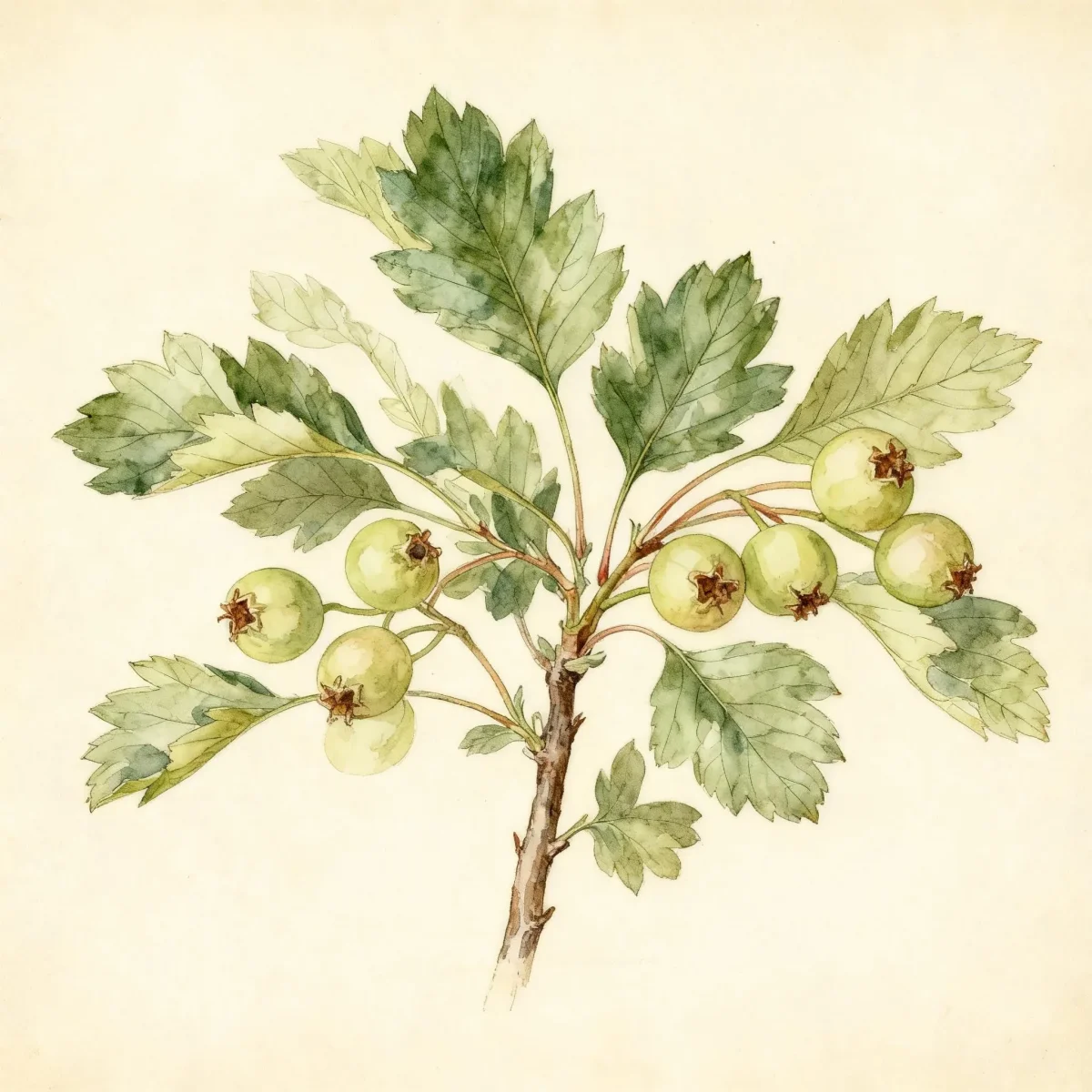
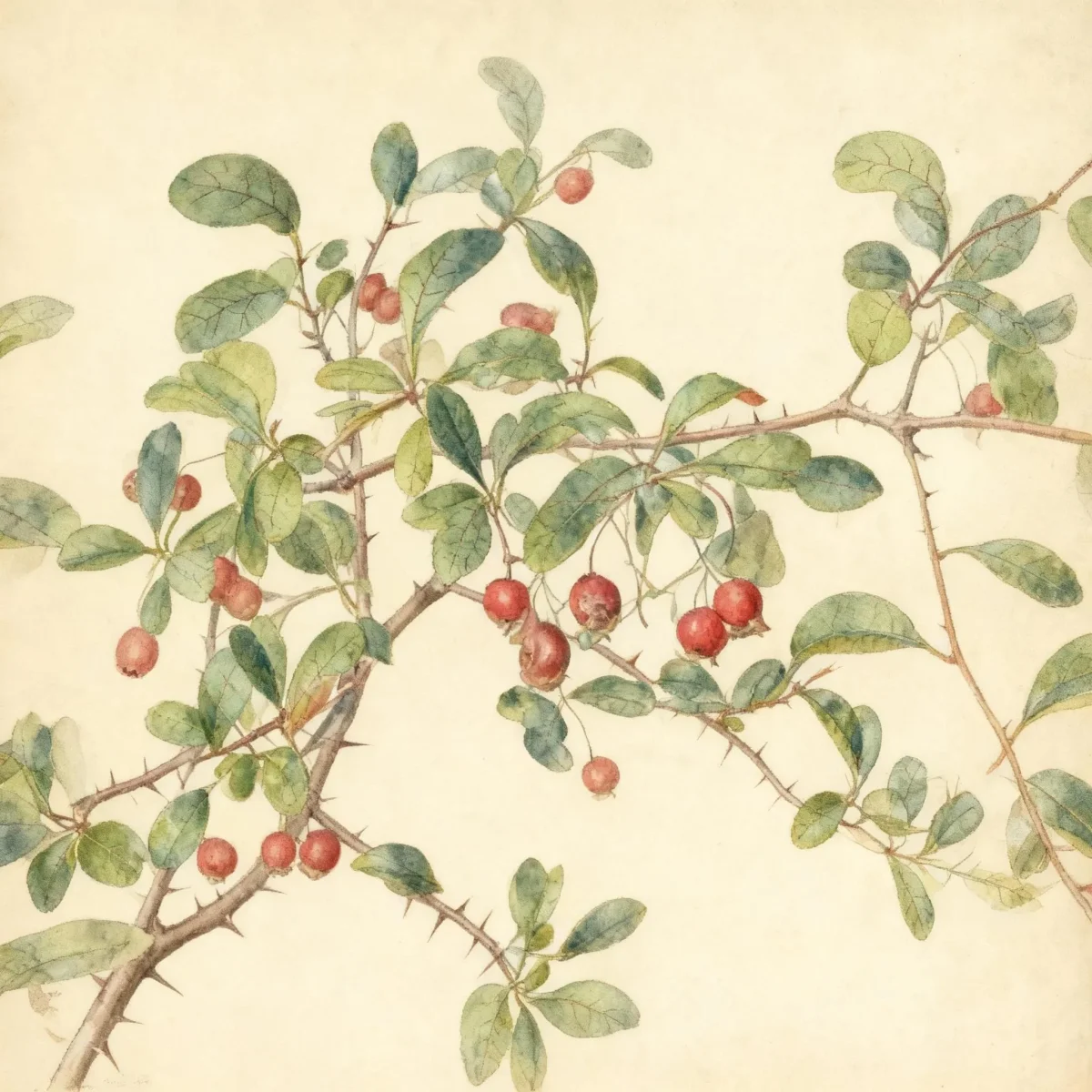
Japanese crabapple (Malus floribunda)
The Japanese crabapple (Malus floribunda) offers a spectacular mid-spring floral display with fragrant, pale pink flowers and medium maintenance needs.
Scroll down to discover growing tips, care requirements, companion plants, and more
Complete Plant Information
Overview
The Japanese crabapple, scientifically known as Malus floribunda, is cherished by gardeners for producing one of the most spectacular flowering displays among all crabapples in mid-spring. This dense, broad-spreading deciduous tree transforms the landscape when its deep red buds burst open into fragrant, pale pink blossoms that mature to white. Gardeners seeking reliable, seasonal color will find Malus floribunda an excellent specimen choice.
This species typically matures into a manageable size, reaching heights between 15 and 20 feet with a relatively wide spread of 20 to 30 feet. While its cultural needs are moderate, providing full sun and well-drained soil ensures a healthy return on investment in spring aesthetics. Following the bloom, this tree produces small crabapples attractive to local bird populations, adding further seasonal interest.
As an established favorite, the Malus floribunda is valued both for its robust structure and its significant aesthetic contribution early in the gardening season. Its adaptability, combined with its stunning presentation, secures its place as a top choice for lawns and expansive landscapes across appropriate hardiness zones.
Fast Facts
- Plant Family: Rosaceae
- Plant Type: Tree
- Native Range: Japan
- Hardiness Zones: USDA Zones 4-8
- Size at Maturity:
- Height: 15-20 ft
- Spread: 20-30 ft
- Bloom Time: April
- Bloom Description: Red buds open to pale pink flowers which mature white
- Sun Exposure: Full sun
- Water Needs: Medium
- Maintenance Level: Medium
How to Grow
The Japanese crabapple establishes best when planted during the dormant season—late fall or early spring—ensuring adequate time to settle roots before summer heat. This tree performs optimally in full sun exposures and requires well-drained, acidic loams, though it adapts surprisingly well to various soil compositions. Proper spacing is essential, given its mature spread, to allow air circulation and full canopy development.
Maintain a medium watering schedule, particularly for newly established trees, though established Malus floribunda individuals develop notable drought tolerance. Fertilization is rarely needed if the soil is adequate, but always soil-test first. Pruning should be reserved as needed for shaping, performed strictly in late winter while the tree is dormant.
Avoid any pruning operations in the spring. Pruning when new growth is emerging leaves fresh, open cuts highly susceptible to infection by the fireblight bacterium. Monitoring for common apple diseases, such as scab, is part of the medium maintenance requirements for this beautiful tree.
Landscape Uses
The primary role of the Japanese crabapple is as a highly effective flowering accent tree. Because of its impressive spread, it absolutely requires ample space, making it an excellent choice for large lawns, open parks, or as a centerpiece in a generous grouping. It functions beautifully as a flowering lawn tree, providing canopy shade as it matures, or as a striking street tree where overhead clearance is sufficient.
When planning its placement, avoid positioning it too close to structures or narrow pathways where the wide canopy might interfere or drop fruit onto hardscaping. Its spring performance pairs well visually with early-blooming bulbs beneath it, such as daffodils or tulips, which tolerate the dappled shade cast after the main bloom period passes. Using the Malus floribunda as a distinct specimen ensures maximum viewing impact during its short but brilliant flowering window.
Standout Features
Flower Qualities
- Showy
- Fragrant
Fruit Qualities
- Showy
Noteworthy Characteristics
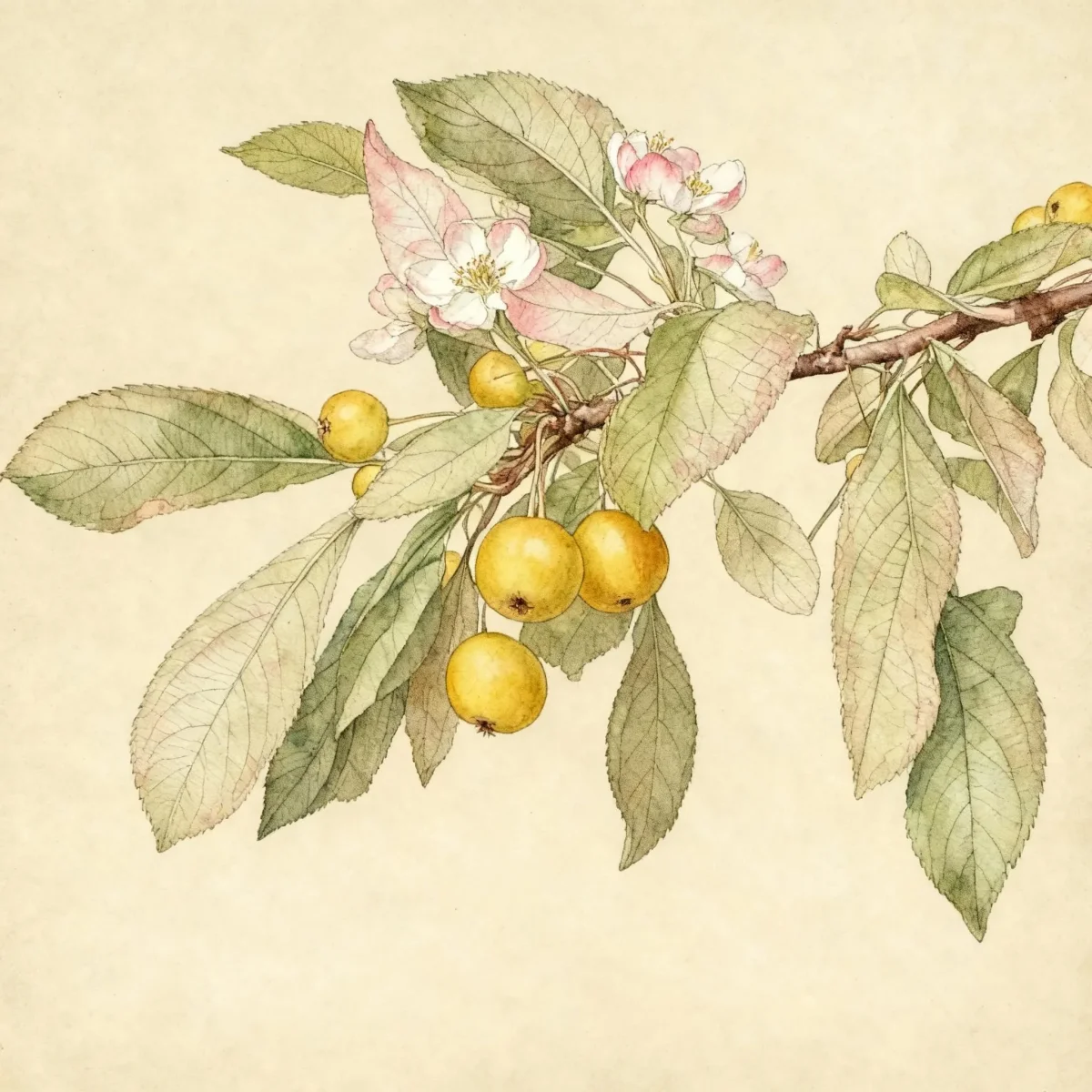
Malus floribunda, commonly called Japanese crabapple, is an old favorite which produces one of the best flowering displays in mid-spring of any of the crabapples. This dense, broad-spreading, deciduous tree develops fragrant, pale pink flowers that mature to white, followed by small, yellowish crabapples blushed with red that are attractive to birds. Its ovate, serrated leaves complete the profile of this essential spring ornamental.
Tolerances
- Air Pollution
Potential Problems
The Japanese crabapple exhibits moderate resistance to many common issues but remains susceptible to several significant threats that require vigilance. Key concerns include fungal diseases like apple scab, leaf spot, and powdery mildew. Fire blight is also a considerable risk, especially if pruning is performed incorrectly during the growing season.
Insect pests are generally of lesser concern compared to diseases but can include borers, scale, aphids, and Japanese beetles. Proactive management involves ensuring good air circulation through proper pruning and utilizing horticultural oils or targeted sprays only when infestations become severe to protect beneficial insects. Always choose a site with excellent drainage to mitigate root stress which weakens overall tree defense.
Frequently Asked Questions
What hardiness zones is Japanese crabapple suitable for?
The Malus floribunda is well-suited for cultivation in USDA Hardiness Zones 4 through 8.
How large does Japanese crabapple grow?
This deciduous tree typically reaches a mature height between 15 and 20 feet, spreading out to cover 20 to 30 feet wide.
When does Japanese crabapple bloom?
The stunning display occurs in April, featuring red buds that open to pale pink flowers which gradually mature to white.
What sun exposure does Malus floribunda need?
For the best flowering performance, Malus floribunda requires full sun exposure throughout the day.
Conclusion
The Malus floribunda, or Japanese crabapple, offers unparalleled springtime beauty combined with the low-to-moderate care required of a dependable landscape tree. Its fragrant, showy flowers make it a must-have for seasonal interest, provided you respect its need for full sun and correct pruning timing. Before planting, confirm that your site fits within USDA Zones 4 to 8 and that you have the space for its considerable spread.
Wildlife Benefits
The fruit produced by the Malus floribunda, though small and often not persistent past early winter, provides a vital late-season food source for numerous bird species. Providing this readily available browse helps support local avian populations as they prepare for migration or overwintering. Planting the Japanese crabapple contributes actively to local biodiversity.
Furthermore, the dense canopy structure of this tree offers excellent nesting and shelter opportunities throughout the year. Songbirds rely on the sturdy limbs of established crabapples for protection from predators and harsh weather events. Its role extends beyond simple aesthetics to functional ecosystem support.
Companion Planting
When designing a garden around the distinctive springtime bloom of Malus floribunda, select understory plants that share similar cultural needs, specifically full sun and medium water requirements, while providing contrasting textures or complementary bloom times. Early spring bulbs like Crocus, Scilla, and Iris planted beneath the canopy create a vibrant ground layer that blooms just before or concurrently with the tree.
For summer visual interest after the crabapples fade, consider pairing them with reliably drought-tolerant perennials that thrive in full sun and can handle the competition for moisture once established. Low-growing varieties of ornamental grasses or summer-flowering Sedums that don’t aggressively compete for root space make excellent textural companions near the dripline. Remember to avoid planting anything that requires heavy shade or consistently moist soil directly beneath the Japanese crabapple.