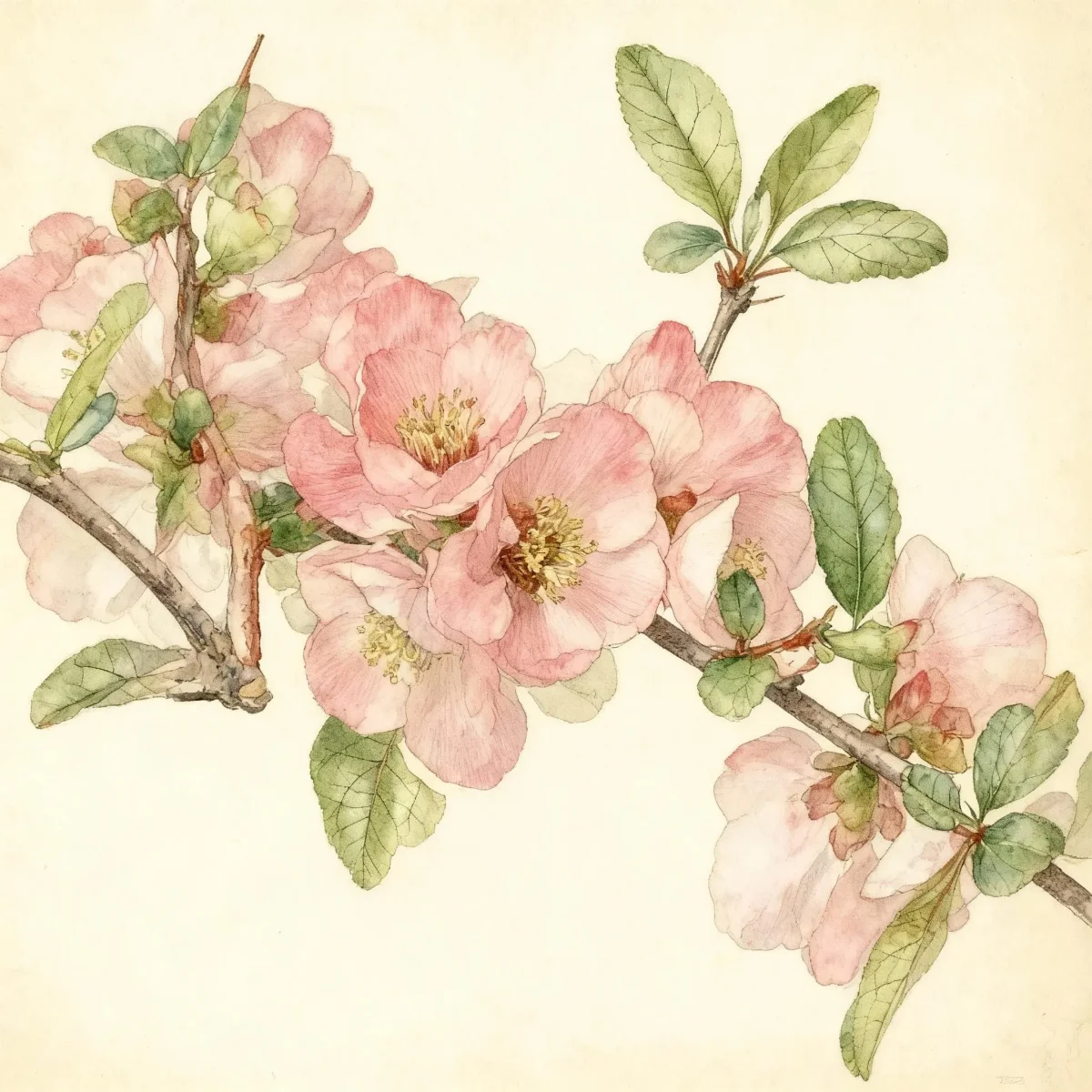
Dwarf serviceberry (Amelanchier alnifolia var. pumila)
Grow the compact Amelanchier alnifolia var. pumila, a Dwarf serviceberry ideal for borders. It offers spring white blooms and edible fruit in USDA Zones 3-8.
Scroll down to discover growing tips, care requirements, companion plants, and more
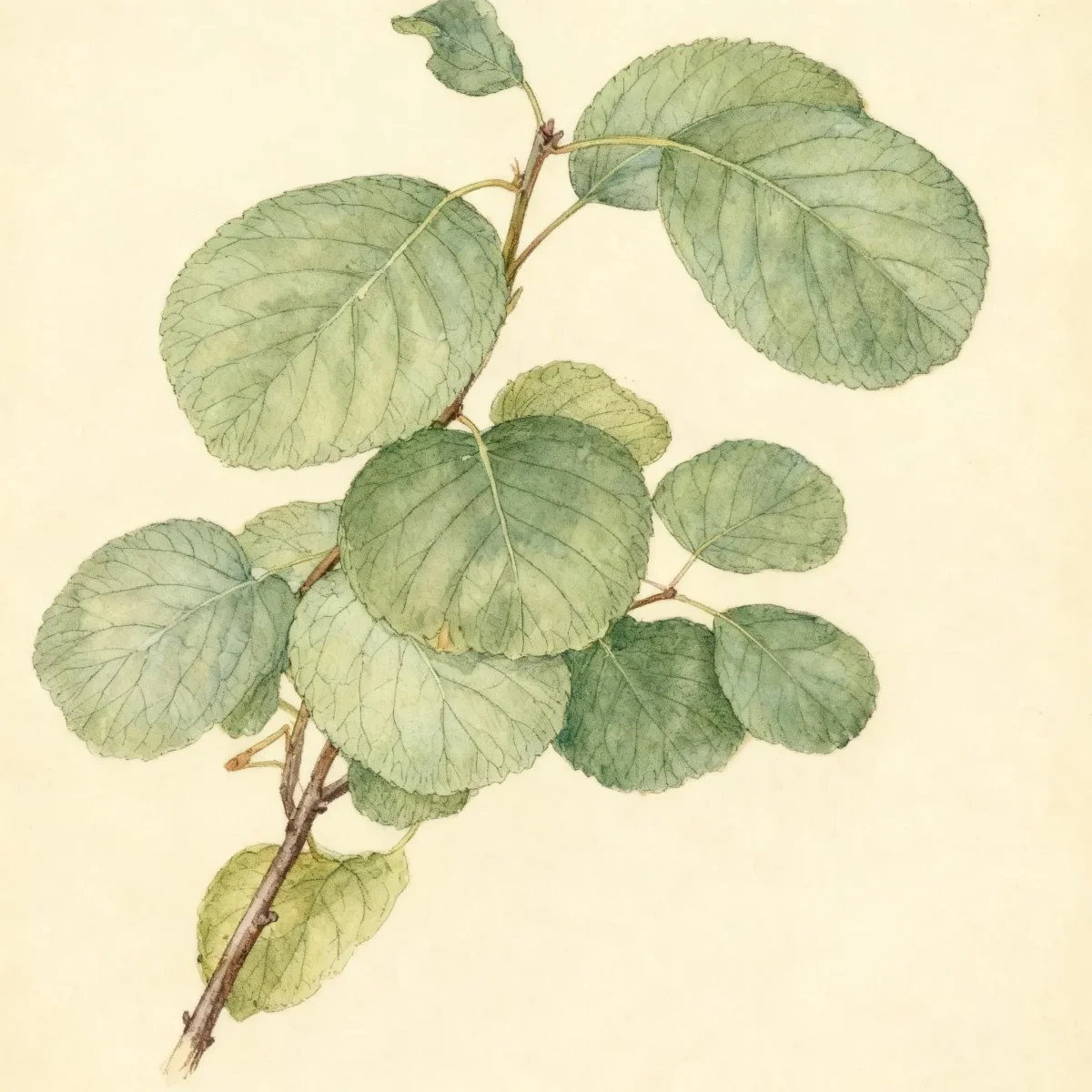
Complete Plant Information
Overview
The Dwarf serviceberry, scientifically known as Amelanchier alnifolia var. pumila, is a highly valuable addition to many gardens due to its manageable, naturally dwarfed habit. This selection maintains the striking spring flowers and palatable fruit of its larger relatives but remains perfectly suited for smaller spaces. Gardeners prize this compact cultivar for its ornamental four-season interest and extremely low input requirements.
As a naturally occurring dwarf alpine variety, Amelanchier alnifolia var. pumila typically forms a dense, rounded shape in cultivation, reaching only 3 to 5 feet tall and wide. It offers early spring, showy white flowers followed by small, blueberry-like fruits eagerly consumed by birds and humans alike. Its adaptability across USDA zones 3 through 8 makes the Dwarf serviceberry a robust choice for cold regions.
Cultivating this shrub provides seasonal rewards, from delicate blooms to edible harvest and attractive fall color, making Amelanchier alnifolia var. Pumila much more dynamic than typical hedging material. Its low maintenance level ensures that this beauty fits well into busy gardening schedules, whether used formally or informally in the landscape.
Fast Facts
- Plant Family: Rosaceae
- Plant Type: Deciduous shrub
- Native Range: Western North America
- Hardiness Zones: USDA Zones 3-8
- Size at Maturity:
- Height: 3-5 ft
- Spread: 3-5 ft
- Bloom Time: April
- Bloom Description: White
- Sun Exposure: Full sun to part shade
- Water Needs: Medium
- Maintenance Level: Low
How to Grow
Planting Dwarf serviceberry is best done in the spring or fall to allow the roots to establish before temperature extremes. Select a location that offers full sun to partial shade, respecting the plant’s cultural needs to thrive. While easily grown in average soil, this variety performs best in moist, well-drained loams, though it shows tolerance across a wider range of soil types than some other shrubs.
Maintenance for Amelanchier alnifolia var. pumila is commendably low. Water regularly once established, especially during dry spells, to maintain that medium moisture level it prefers. Fertilization is rarely necessary unless the soil is severely depleted; excessive feeding can sometimes encourage weak, leggy growth rather than the desired compact habit.
Pruning should be minimal, mainly focused on removing any dead or crossing branches immediately after flowering. Because this shrub is appreciated for its dense, multi-stemmed structure, heavy shearing is usually discouraged. In winter, ensure the plant is adequately protected if planted near the northern limits of its hardiness range, though its Zone 3 tolerance suggests excellent cold resilience.
Landscape Uses
The compact stature of the Dwarf serviceberry makes it exceptionally versatile. It is perfect for dense, formal or informal hedging where taller species would overwhelm the space. Additionally, its attractive, rounded form shines when utilized as a specimen planting in shrub borders or massed in rock gardens to soften hard lines.
This plant excels in naturalized settings, fitting seamlessly into open woodland gardens, particularly when paired with native ferns or small flowering perennials. For gardeners focused on sustainability, the Amelanchier alnifolia var. pumila is highly recommended for bird gardens, as the edible summer berries attract a wealth of avian visitors.
Consider using Dwarf serviceberry along pathways where its early spring flowers can be easily admired before the main garden season begins. Its tolerance for various soils allows it to integrate well with many other low-maintenance, sun-loving border plants.
Standout Features
Flower Qualities
- Showy
Fruit Qualities
- Showy
- Edible
Noteworthy Characteristics
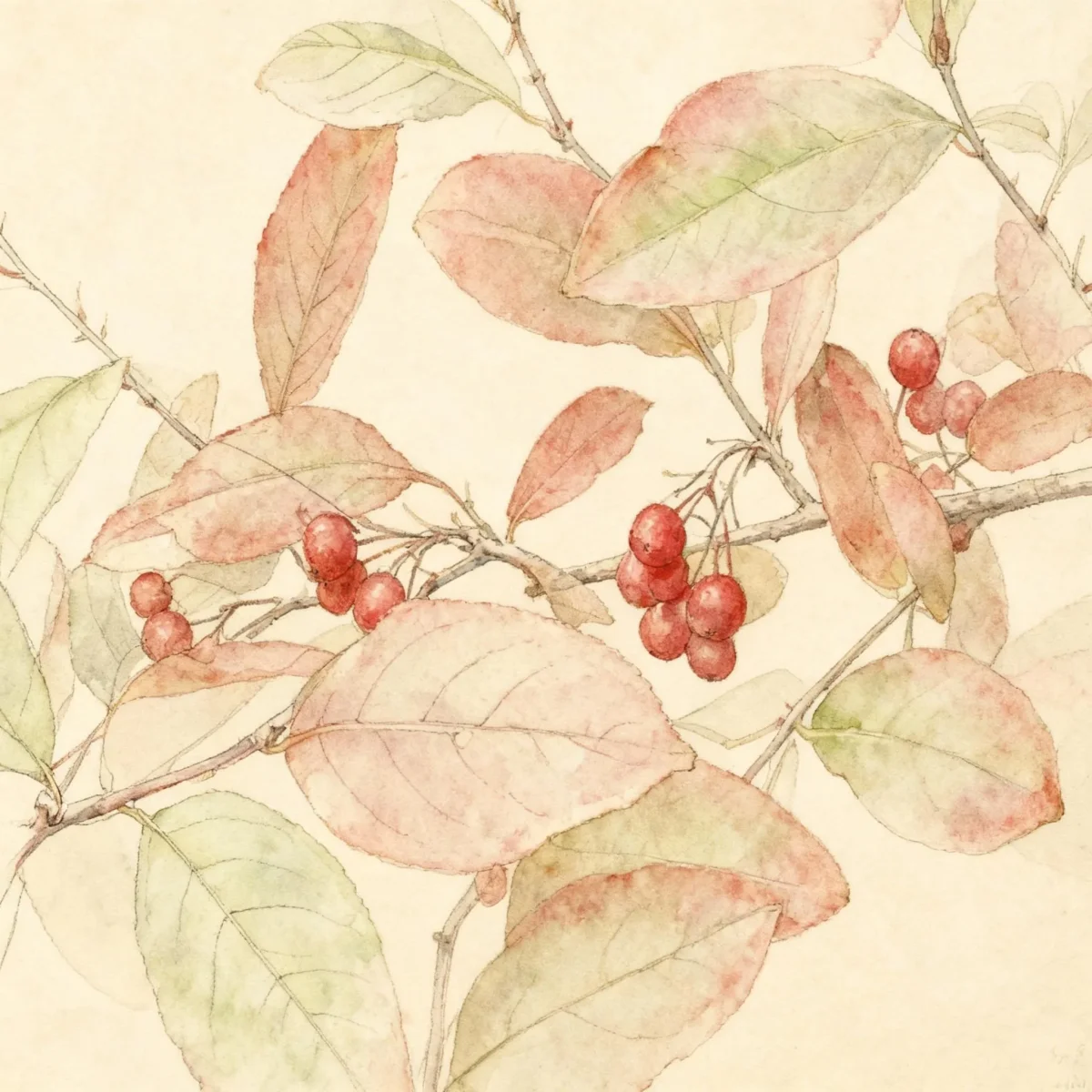
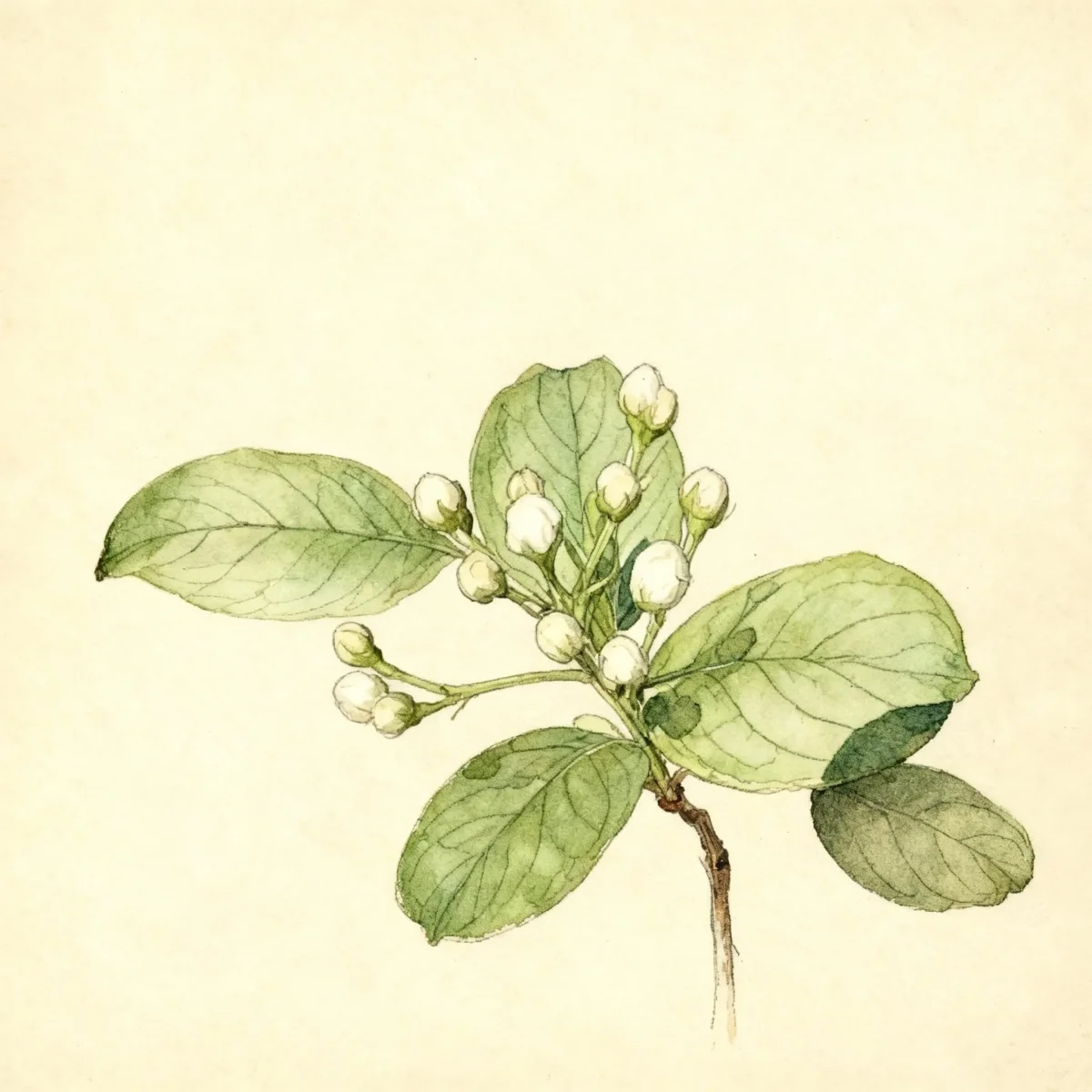
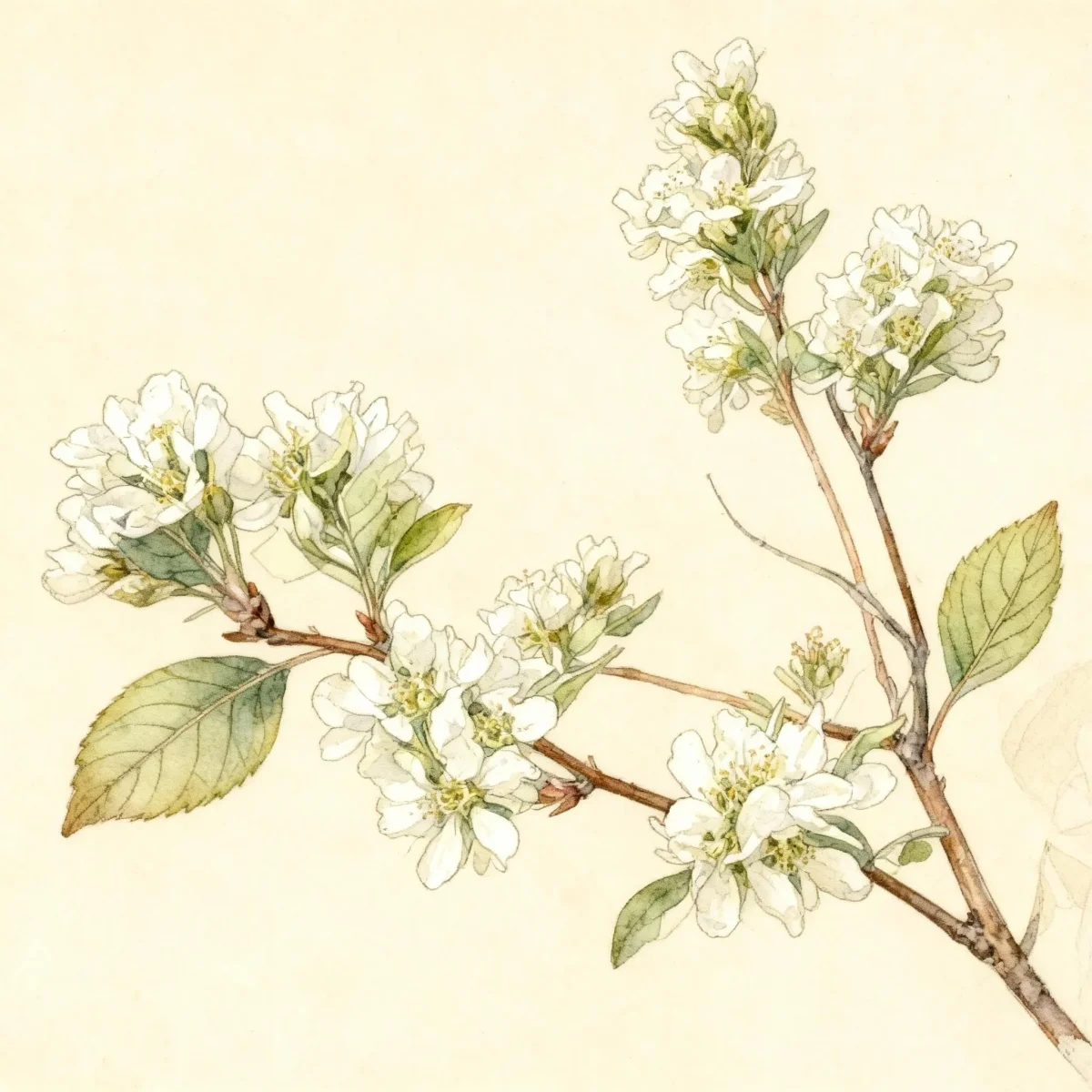
Amelanchier alnifolia is a multi-stemmed shrub or small tree which may grow to 18’ tall, but the var. Pumila is specifically a dwarf alpine variety rarely exceeding 5 feet in cultivation, presenting a 3’ by 3’ rounded shape over five years. It produces showy clusters of white flowers in April before the leaves emerge, followed by small, purplish-black edible berries in June that taste much like blueberries. The foliage offers subtle interest, turning shades of yellow in autumn, complementing its strong structural form achieved without heavy pruning.
Tolerances
- No serious insect or disease problems.
Potential Problems
Generally, this plant boasts excellent disease resistance, avoiding the serious pest and pathogen issues common to some other landscape shrubs. However, gardeners should remain aware of occasional fungal troubles. Rust, leaf spot, powdery mildew, and the bacterial issue known as fire blight are possibilities, especially in humid or overcrowded conditions.
Management focuses heavily on proper cultural practices. Ensure excellent air circulation around the Amelanchier alnifolia var. pumila by giving it adequate space, adhering to the recommended medium watering needs, and planting in well-drained soil. Promptly remove and destroy any infected foliage to minimize spore spread and prevent canker development.
Frequently Asked Questions
What hardiness zones is Dwarf serviceberry suitable for?
Amelanchier alnifolia var. pumila is highly cold-hardy, succeeding across USDA Zones 3 through 8.
How large does Dwarf serviceberry grow?
When mature, this shrub typically reaches a height of 3 to 5 feet with an equal spread of 3 to 5 feet, maintaining a manageable, dwarf-rounded shape.
What sun exposure does Dwarf serviceberry need?
This species performs best when situated where it receives full sun to partial shade exposure.
When does Dwarf serviceberry bloom?
The attractive white flowers of the Amelanchier alnifolia var. Pumila appear reliably in April.
Conclusion
The Dwarf serviceberry, or Amelanchier alnifolia var. pumila, is an exceptional choice for gardeners seeking low-maintenance beauty combined with edible bounty. Its compact size, resilient nature in cold climates, and attractive seasonal displays solidify its position as a garden favorite. Before planting, confirm that your site falls within USDA Zones 3-8 and plan for a spring or fall installation to maximize establishment success.
Companion Planting
Selecting companions for Dwarf serviceberry involves looking for plants that share its preference for medium moisture and well-drained soils. Because Amelanchier alnifolia var. pumila is somewhat adaptable, it pairs beautifully with other low-growing woodland-edge natives. Consider groundcovers like wild ginger (Asarum canadense) or low-growing ornamental grasses that thrive in similar sun conditions.
For structure in a mixed border, incorporate plants that offer contrasting foliage textures or bloom times. Small native ferns or hostas that tolerate partial shade work well beneath the canopy, benefiting from the dappled light created by the serviceberry. Planting bulbs like spring ephemerals nearby ensures continuous interest before the shrub fully leafs out.
Wildlife Benefits
The wildlife value of the Dwarf serviceberry extends beyond its ornamental appeal, centered primarily on its fruit production. The dark purplish-black berries ripen in June, providing a crucial early summer food source for migratory and resident birds. Planting a cluster of Amelanchier alnifolia var. Pumila helps support local ecology effectively.
While the flowers are showy and attract early pollinators emerging from winter dormancy, the berries are the main draw. Planting this species ensures you are contributing to the local food web; remember that the birds will likely claim many of the harvestable fruits, so consider the garden ecosystem when planning your own consumption.