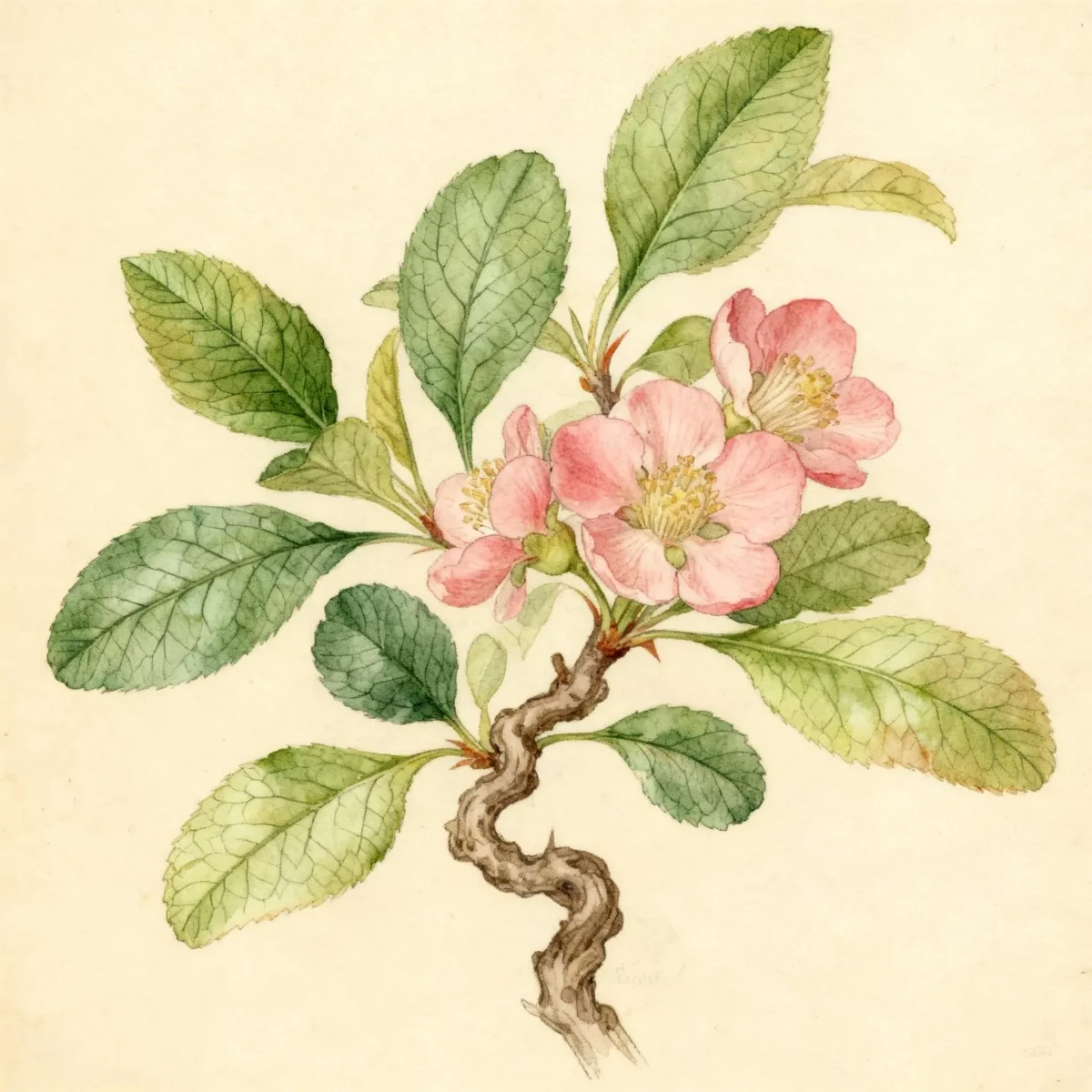
Cotoneaster (Cotoneaster acutifolius)
Tough, low-maintenance Cotoneaster acutifolius excels as a hedge, offering fall color and persistent black fruit in zones 4-7.
Scroll down to discover growing tips, care requirements, companion plants, and more
Complete Plant Information
Overview
The Peking cotoneaster, scientifically known as Cotoneaster acutifolius, is a highly durable, upright deciduous shrub prized for its adaptability and structural presence in the landscape. This variety of Cotoneaster establishes rapidly, forming a densely branched specimen perfect for robust screening. Gardeners value this plant for its reliability, offering modest spring flowers followed by persistent black fruits that intrigue winter interest.
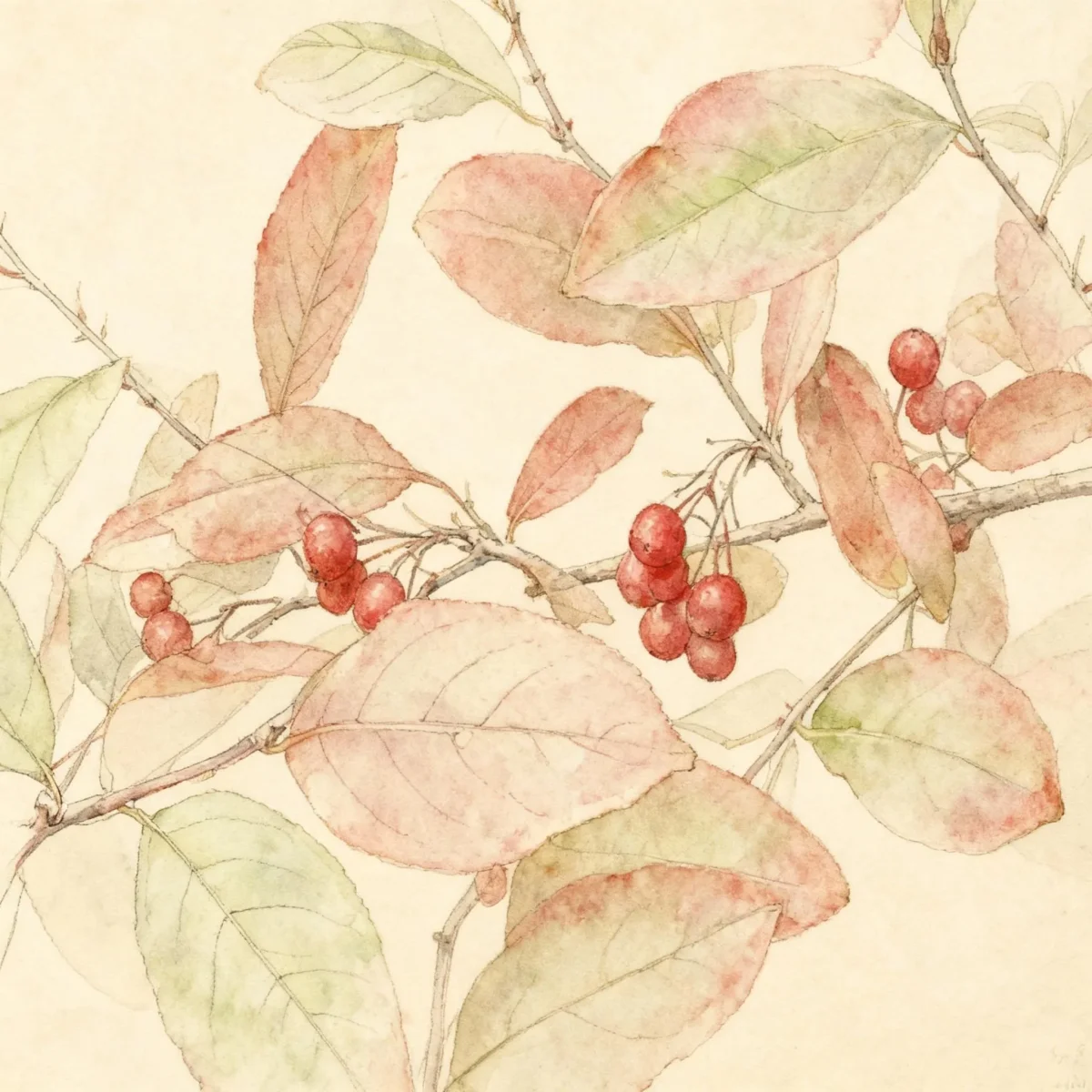
Cotoneaster acutifolius typically matures between 6 to 10 feet high and wide, contributing significant textural mass to larger plantings or informal hedges. Its leaves, which possess a subtle pubescence early in the season, transition to attractive orange and red hues before leaf drop, providing excellent autumnal contrast. Its low maintenance needs and resistance to common urban stresses make the Cotoneaster an essential workhorse shrub.
This tough shrub can withstand various challenging conditions, making it an excellent choice for areas where less resilient plants struggle. Whether utilized for mass plantings on slopes or shaped into a functional screen, Cotoneaster acutifolius delivers reliable performance with minimal gardener intervention.
Fast Facts
- Plant Family: Rosaceae
- Plant Type: Deciduous shrub
- Native Range: Siberia to China
- Hardiness Zones: USDA Zones 4-7
- Size at Maturity:
- Height: 6-10 ft
- Spread: 6-10 ft
- Bloom Time: May to June
- Bloom Description: White with pink tinge
- Sun Exposure: Full sun to part shade
- Water Needs: Medium
- Maintenance Level: Low
How to Grow
Plant Cotoneaster acutifolius during the dormant season—early spring or late fall—in a location that receives at least partial sunlight. The most critical soil requirement for this shrub is excellent drainage; it thrives in moist, loamy conditions but will tolerate poorer soils as long as water does not pool around the roots. Ensure the site allows for its mature size, spreading up to 10 feet wide.
Once established, this Cotoneaster shows good drought tolerance, requiring supplemental watering primarily during extended dry spells. Fertilizing is generally unnecessary due to its adaptability, but a light application of compost in the spring benefits overall vigor. Pruning should be kept minimal; only remove dead wood or selectively thin branches if needed to maintain shape or improve air circulation within the dense foliage.
To manage weeds and retain soil moisture, apply a layer of mulch around the base, taking care not to pile it directly against the main stems. Propagation of this tough Cotoneaster is achievable through stem cuttings taken during the growing season or by sowing seeds harvested from the persistent fruits.
Landscape Uses
The primary suggested use for Cotoneaster acutifolius is as an informal hedge or screening plant due to its dense, upright habit and moderate size. It is tough enough to serve as an excellent backdrop in shrub borders where its fall color and persistent black fruit can be appreciated against evergreen neighbors. This versatile Cotoneaster also performs well when grouped on slopes or banks, helping stabilize soil with its root system.
While not considered the most highly ornamental shrub, this plant’s ability to provide structure year-round is invaluable in foundational plantings. Consider pairing the green foliage of the Cotoneaster acutifolius with plants that offer contrasting flower or leaf color during the summer months before its own attractive autumn display commences. Its tolerance for pollution makes it a sound choice for street plantings or near commercial areas.
For specimen use, plant it where its sturdy form can be appreciated, though it naturally leans toward mass planting rather than isolated display. Grouping several shrubs creates a significantly more impactful screen than a single specimen.
Standout Features
Flower Qualities
- Showy
Fruit Qualities
- Showy
Noteworthy Characteristics
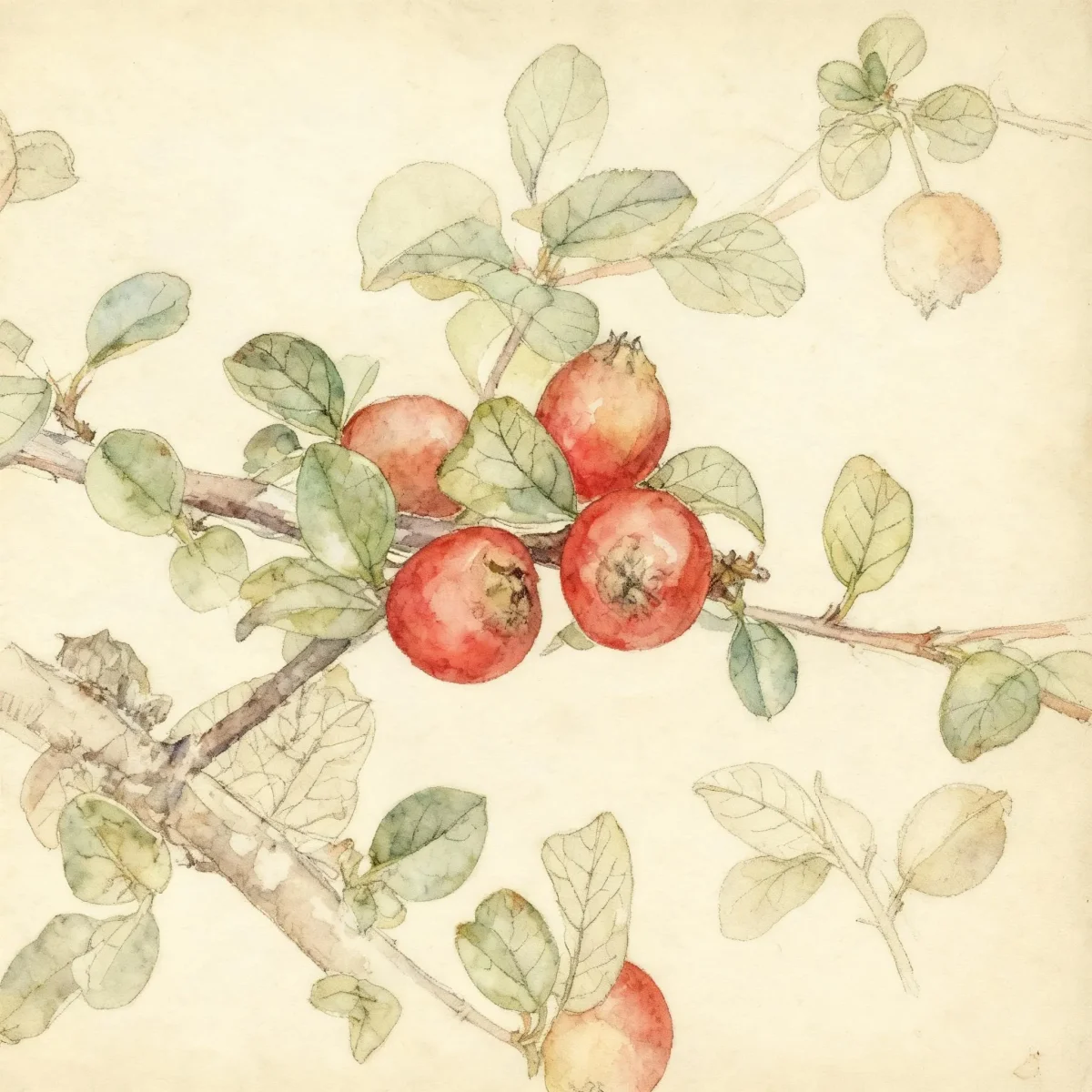
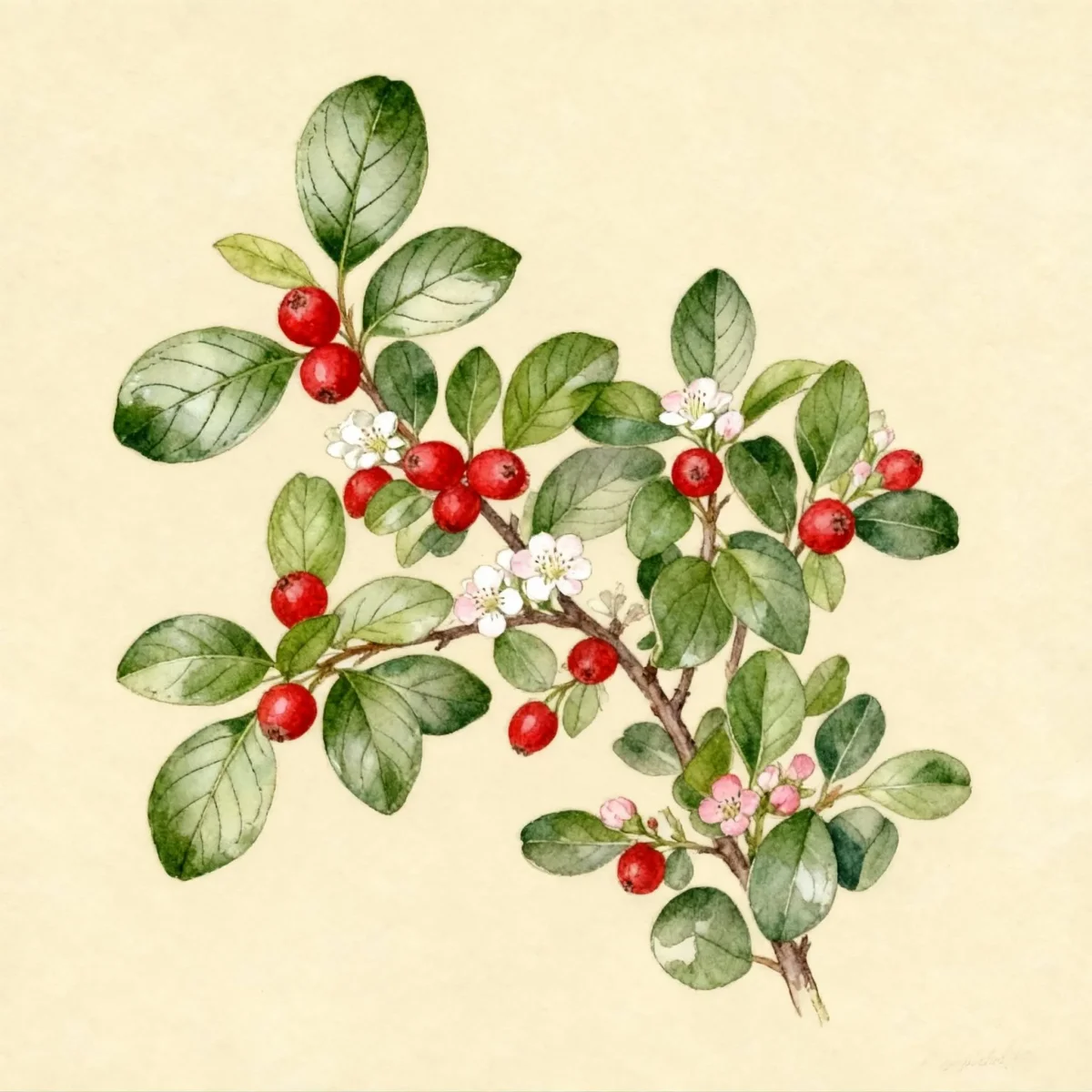
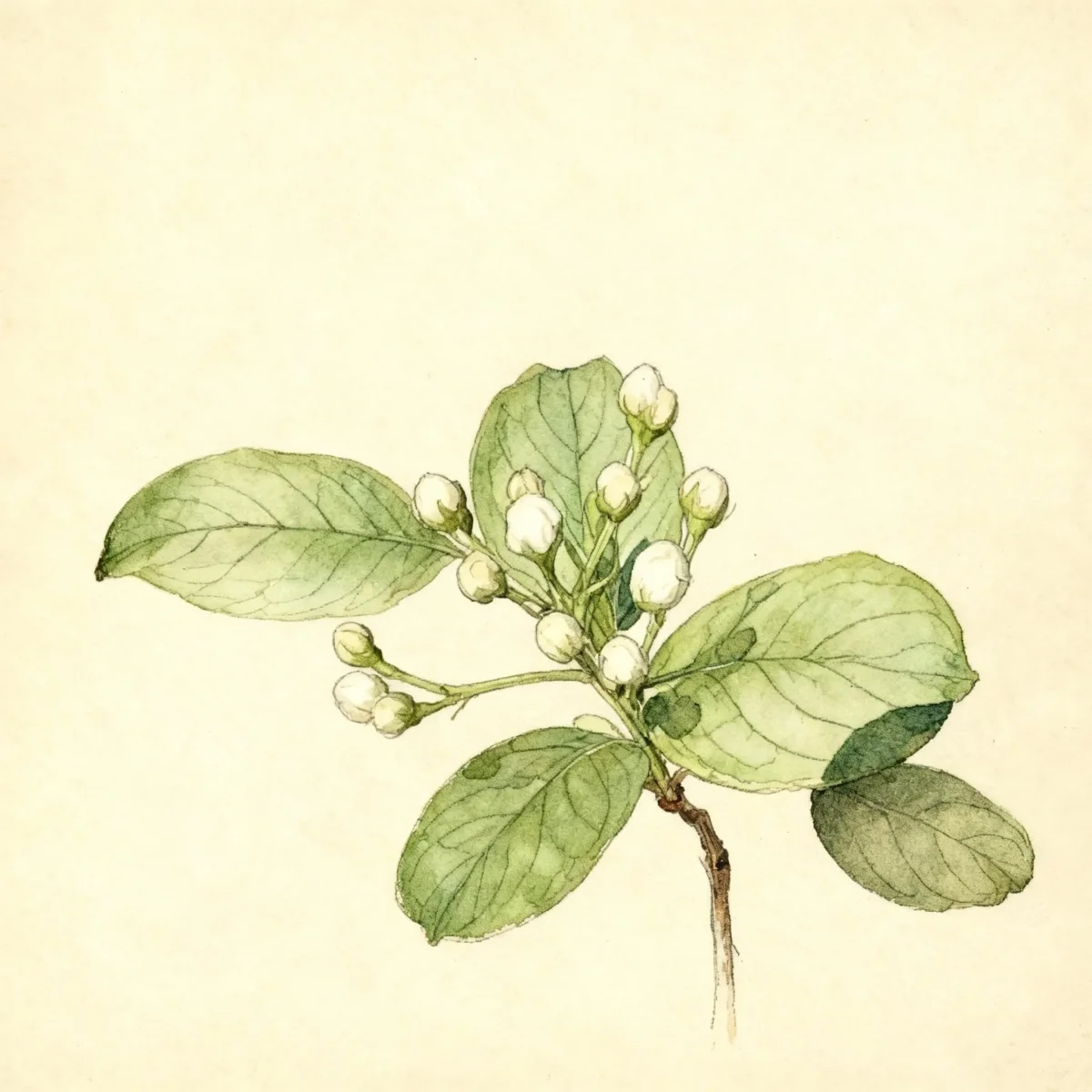
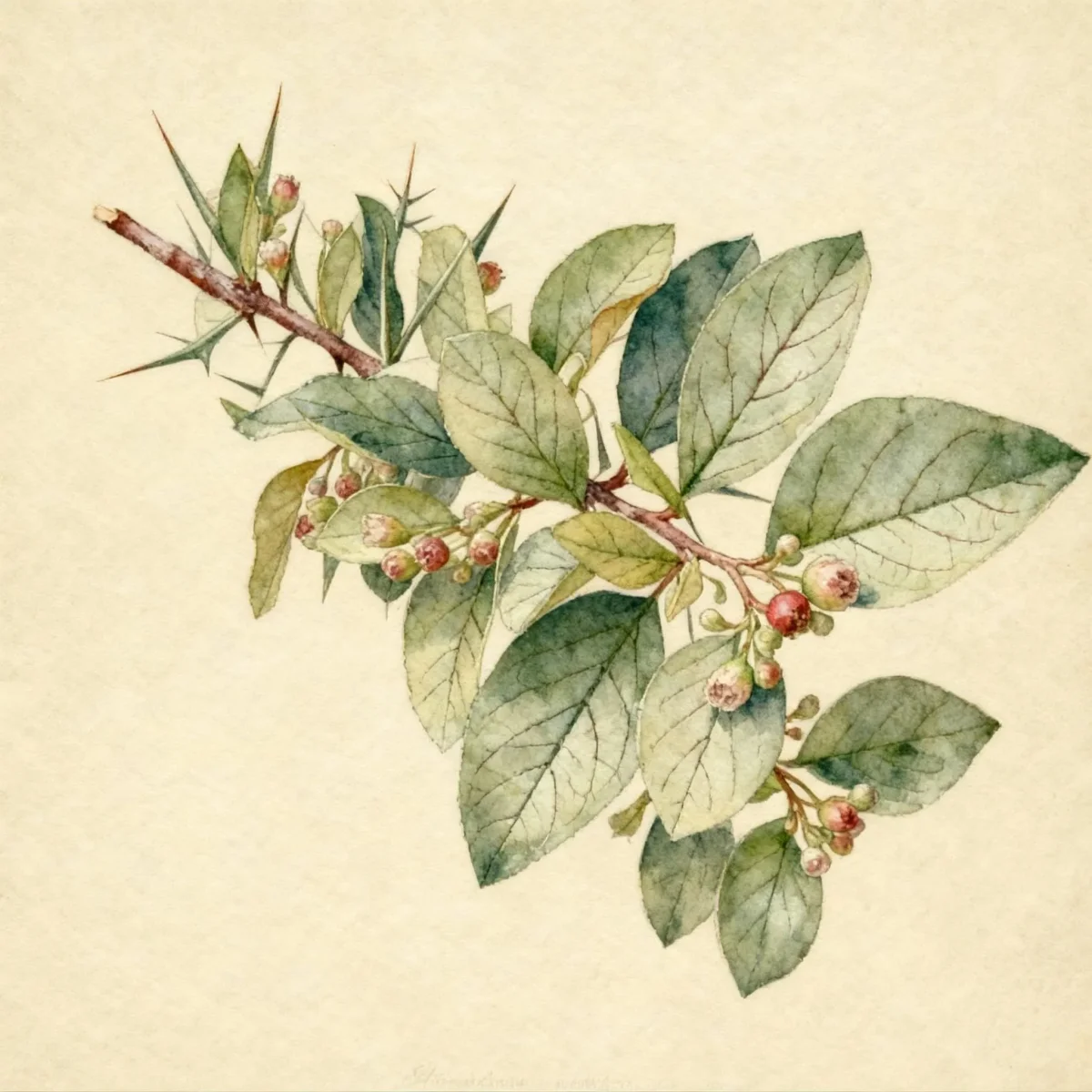
Cotoneaster acutifolius, known as Peking cotoneaster, is recognized for its upright, rounded form reaching 6 to 10 feet tall and wide. It features small, 5-petaled white flowers tinged with pink in late spring, followed by elliptic black fruits that persist into winter. The glossy green leaves develop striking orange and red fall coloration, contrasting with its pubescent twigs early in the season.
Tolerances
- Rabbit
- Drought
- Air Pollution
Potential Problems
This shrub remains relatively pest and disease-free when properly sited, but susceptibility exists to certain issues. Be vigilant for fireblight, leaf spot, and canker, which are favored by high humidity or poor air circulation. Mites can colonize the plant, especially during periods of intense heat or drought stress, requiring monitoring. Management often involves proper pruning to open up the dense interior canopy, allowing dead leaves and debris to be cleared, thus preventing fungal issues and providing less habitat for pests like the cotoneaster webworm and lace bug.
The dense structure of this shrub, while great for screening, also presents a unique maintenance challenge: cleaning out accumulated dead leaves and trash from the interior branches can be difficult. Regularly inspecting the lower structure of established plantings can help mitigate potential issues before they spread throughout the entire specimen.
Frequently Asked Questions
What hardiness zones is Cotoneaster suitable for?
The Cotoneaster acutifolius is reliably hardy in USDA Zones 4 through 7, making it adaptable to a wide range of continental climates.
How large does Cotoneaster grow?
Maturing specimens of this Cotoneaster will generally reach heights between 6 to 10 feet, with an equally wide spread of 6 to 10 feet if left unpruned.
What sun exposure does Cotoneaster need?
This versatile shrub performs best when situated in full sun but readily accepts partial shade conditions, offering flexibility in landscape planning.
When does Cotoneaster bloom?
The blooming period for Cotoneaster acutifolius occurs from May through June, producing small white flowers that carry a hint of pink.
Conclusion
The Cotoneaster acutifolius is undeniably a resilient and valuable landscape asset, offering reliable screening, pleasing fall color, and persistent fruit with minimal required effort. For gardeners needing a tough, adaptable, low-maintenance shrub, this Cotoneaster variety provides substantial structure. Assess your site compatibility regarding hardiness zones and drainage before adding this dependable Cotoneaster to your planting scheme this season.
Companion Planting
When selecting companions for Cotoneaster acutifolius, focus on plants that also tolerate full sun to part shade and possess good drainage requirements. Consider using deciduous magnolias or early-blooming viburnums near the base, as these provide earlier spring interest before the Cotoneaster blooms. For textural contrast against the dense green foliage, consider silvery-leaved groundcovers or low-growing spirea cultivars that do not compete aggressively with the established root system of the shrub.
Furthermore, placing structural evergreens like upright junipers or dense yews near the back line enhances the winter garden, as these plants will visually support the bare structure of the Cotoneaster once its leaves drop. Successful companion planting maximizes seasonal interest while respecting the medium water needs of this tough shrub.
Propagation Tips
Successfully increasing your stock of Cotoneaster acutifolius can be achieved through two main methods, both suitable for low-maintenance propagation. The easiest method for home gardeners is often using stem cuttings; take semi-hardwood cuttings in mid-to-late summer, treat them with rooting hormone, and place them under mist or consistently moist, protected soil conditions until roots develop.
Alternatively, seeds harvested from the mature black fruits can be used, although stratification is typically required to break dormancy. Clean the seeds thoroughly of fruit residue before sowing them in a well-drained propagation mix, or expose them to a cold period (winter-like conditions) for several weeks before attempting to germinate them indoors or outdoors in the spring. Both propagation methods leverage the hardiness of the parent Cotoneaster.