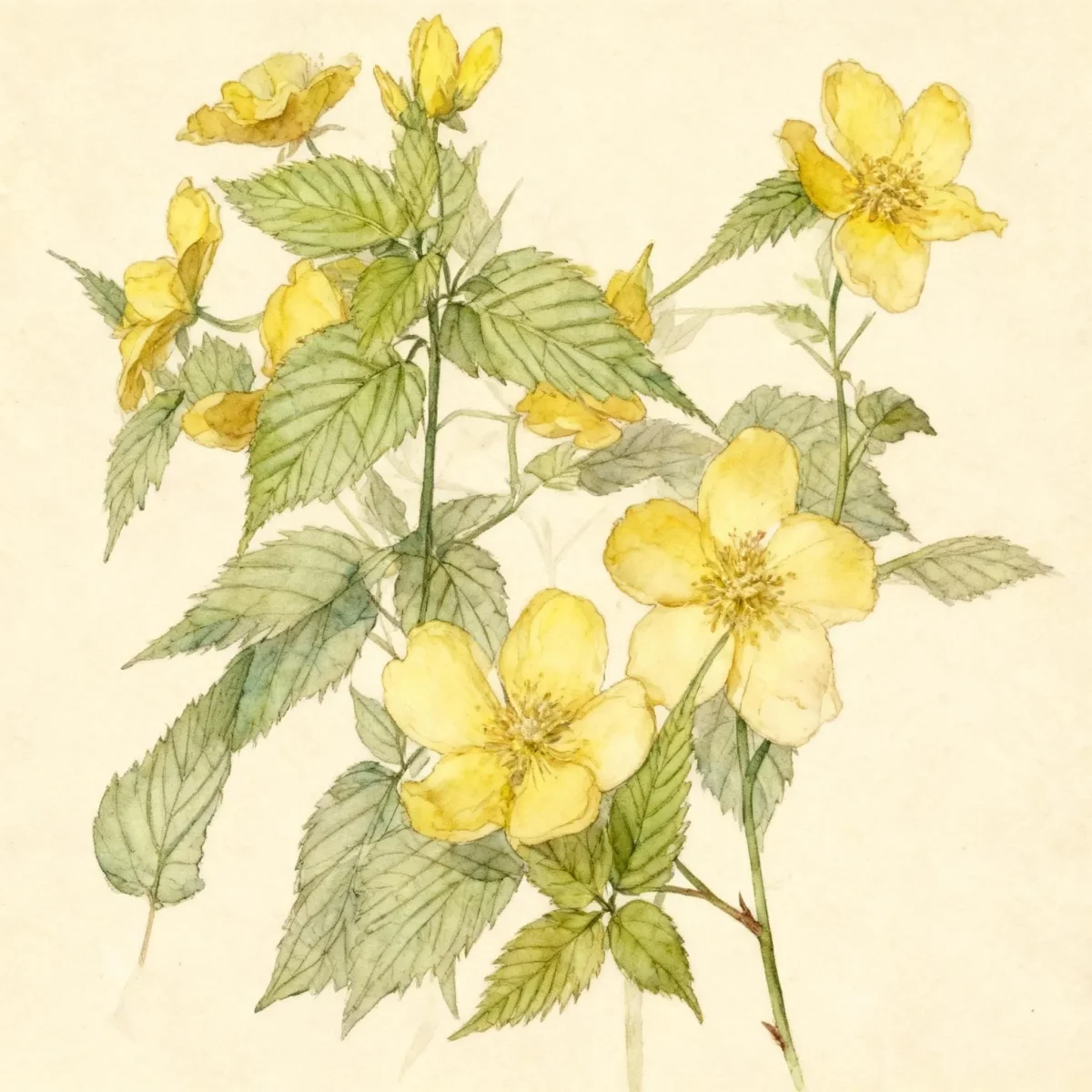
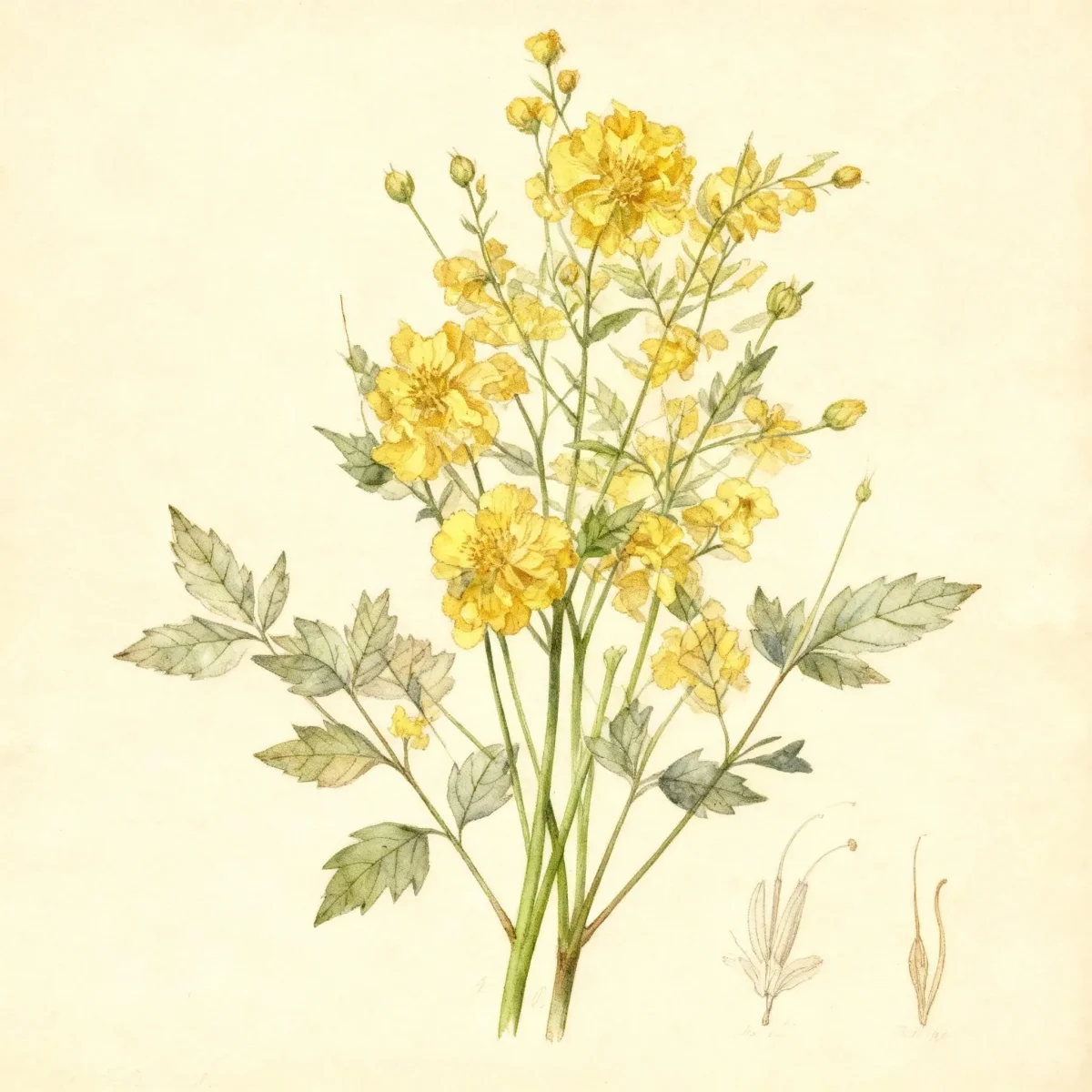
Indian physic (Gillenia trifoliata)
Discover Indian physic (Gillenia trifoliata), a low-maintenance perennial for part shade, featuring airy white flowers and attractive red fall foliage.
Scroll down to discover growing tips, care requirements, companion plants, and more
Complete Plant Information
Overview
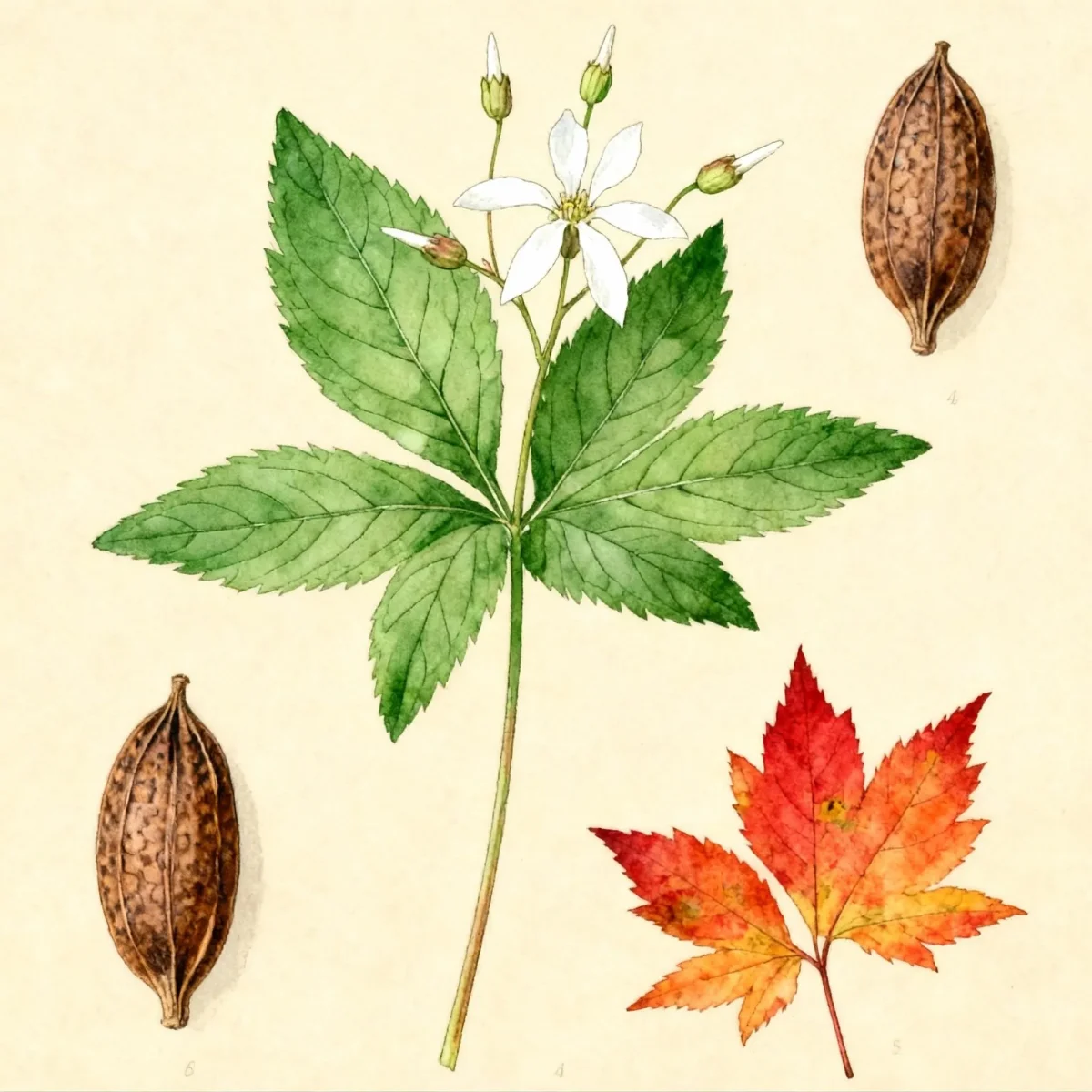
Indian physic, scientifically known as Gillenia trifoliata, is a strikingly graceful herbaceous perennial native to Eastern North America, valued for its delicate texture and subtle beauty in the garden. Gardeners appreciate Gillenia trifoliata for its airy display of star-like white flowers held aloft on wiry, often reddish stems, providing vertical interest without heavy bulk. This species is relatively low maintenance once established, thriving best when provided rich, consistent moisture while integrating well into native plant designs.
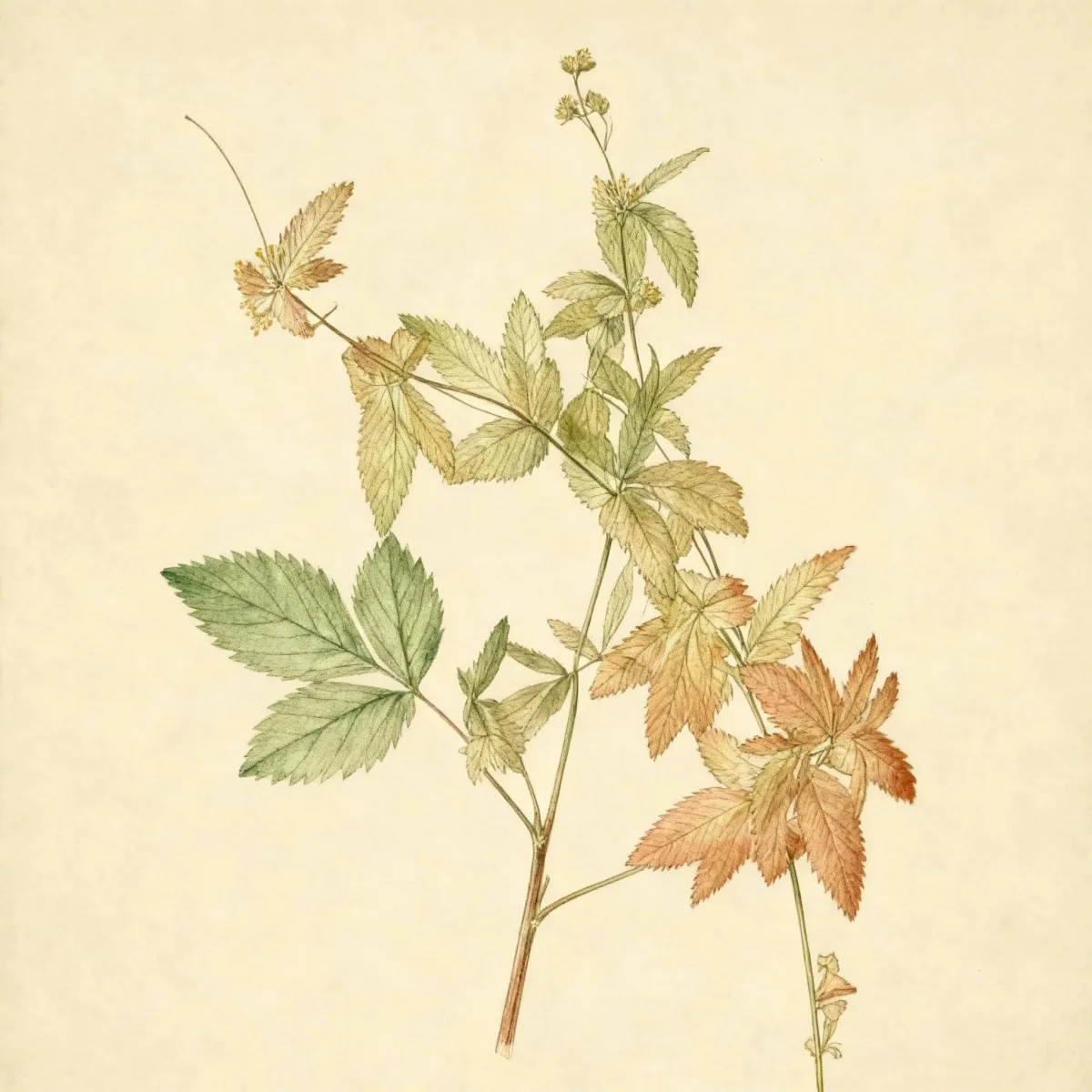
This unique perennial is perfect for adding an elegant, woodland feel to shaded borders. The trifoliate leaves offer modest green texture during the summer before turning a compelling shade of red in the autumn, extending the visual season of interest beyond the ephemeral bloom. Recognizing the value of native flora, planting Indian physic supports local ecology while providing unique structural elements.
Though it can be slow to establish initially, the rewards are worth the patience, as this plant offers a sophisticated contrast to robust foliage plants. Whether used singly for accent or massed for an immersive, cloud-like effect, the inclusion of Gillenia trifoliata elevates any shade garden design.
Fast Facts
- Plant Family: Rosaceae
- Plant Type: Herbaceous perennial
- Native Range: Eastern North America
- Hardiness Zones: USDA Zones 4-8
- Size at Maturity:
- Height: 2-4 ft
- Spread: 1.5-3 ft
- Bloom Time: May to July
- Bloom Description: White
- Sun Exposure: Part shade
- Water Needs: Medium
- Maintenance Level: Low
How to Grow
For optimal establishment, plant Gillenia trifoliata in the spring or fall, avoiding the heat of mid-summer. The ideal site features evenly moist, humusy, acidic, well-draining soils. While it prefers these rich conditions, this species is highly adaptable, tolerating average garden soils, neutral pH, and even full shade or full sun—provided adequate soil moisture is maintained, especially in brighter exposures.
Water needs are best described as medium; aim for consistent moisture, particularly during the first growing season as the plant settles in, as Indian physic can be slow to establish its root system. Once mature, it demonstrates noted tolerance to occasional drought. Fertilization is generally unnecessary if the soil is naturally rich in organic matter.
Maintenance for Gillenia trifoliata is minimal. Deadheading flowers is not required, although the attractive red calyces persist nicely after the petals drop. Pruning is usually limited to cutting back the stalks in late winter or early spring before new growth emerges, maintaining a tidy appearance.
Landscape Uses
Gillenia trifoliata serves as an interesting and textural plant for the native plant garden or woodland edge. Its airy, cloud-like white blooms make it an excellent choice for borders where you want movement and light rather than solid blocks of color. Massing several clumps together is recommended to fully exploit the ethereal effect of the swaying flowers in a gentle breeze.
This perennial pairs beautifully with other shade-loving natives that appreciate similar moisture levels, such as ferns, hostas, or woodland phlox. Consider placing it where the emerging reddish stems can contrast with deep green foliage early in the season. Its late-season autumn leaf color adds another layer of appeal, making it a fantastic structural element when other perennials begin to fade.
Standout Features
Flower Qualities
- Showy
Noteworthy Characteristics
Porteranthus trifoliata, commonly called Indian physic or Bowman’s root, is an upright, clump-forming, somewhat bushy perennial which typically grows 2-3’ tall. It features masses of slender, 5-petaled, star-like, white flowers held in loose corymbs on distinctively red, wiry stems in late spring to early summer. The trifoliate leaves provide neat texture, turning red in the fall, offering year-round interest.
Tolerances
- Drought
Potential Problems
This plant generally exhibits excellent pest and disease resistance, boasting no serious insect or disease problems under normal cultivation. This robust nature contributes significantly to its low-maintenance appeal. Gardeners should focus primarily on providing suitable soil moisture and light conditions rather than worrying about persistent pest infestations or common fungal issues typical of many garden perennials.
Frequently Asked Questions
What hardiness zones is Indian physic suitable for?
Indian physic (Gillenia trifoliata) is highly adaptable across USDA Zones 4 through 8.
How large does Gillenia trifoliata grow?
This perennial generally reaches a height between 2 to 4 feet tall with a spread ranging from 1.5 to 3 feet wide.
What sun exposure does Indian physic need?
The preferred and best location for Gillenia trifoliata is part shade, though it can tolerate both deeper shade and full sun if diligent watering is maintained.
When does Gillenia trifoliata bloom?
Indian physic produces its airy display of white flowers beginning in late spring and continuing through early summer, typically from May to July.
Conclusion
Gillenia trifoliata is a superior choice for naturalistic gardens, offering delicate white blooms, attractive red fall color, and very low maintenance requirements. Adding Indian physic to your landscape is simple, but remember that initial establishment benefits from consistent moisture. Check your local hardiness zone compatibility and plan your planting in spring or fall to enjoy this native gem for years to come.
Companion Planting
When selecting companions for Gilleria trifoliata, prioritize plants that thrive in similar part-shade to shade conditions and appreciate consistent moisture. Think about plants that offer contrasting textures. Consider pairing it with Japanese painted ferns (Athyrium niponicum) to contrast their silvery fronds against the wiry stems of Indian physic.
Woodland geraniums (Geranium macrorrhizum) are excellent groundcover choices that can help suppress weeds and retain soil moisture around the base of Gillenia trifoliata. For a complementary native grouping, consider adding Columbine (Aquilegia canadensis) for slightly earlier color, ensuring you maintain the humus-rich, well-draining soil this trio prefers.
Seasonal Care Calendar
Spring is the most active time for this plant, focusing on cleanup and ensuring hydration. Cut back old, dried stems once new growth begins to emerge from the base, which signals health and vigor for the season ahead. Ensure the soil is enriched with a thin layer of compost to replace nutrients used the previous year.
Summer care centers almost entirely on irrigation, especially if grown in areas receiving intense afternoon sun. While tolerant of drought, supplementing midday watering during dry spells will keep the foliage looking its best and support robust flowering. Deadheading is unnecessary, allowing the seed heads or persistent red calyces to provide visual interest.
Fall care is minimal for Indian physic. Enjoy the subtle transition as the trifoliate leaves turn an attractive shade of red before senescing. In colder zones, a light layer of mulch applied after the ground freezes can help insulate the slow-to-establish roots through winter.