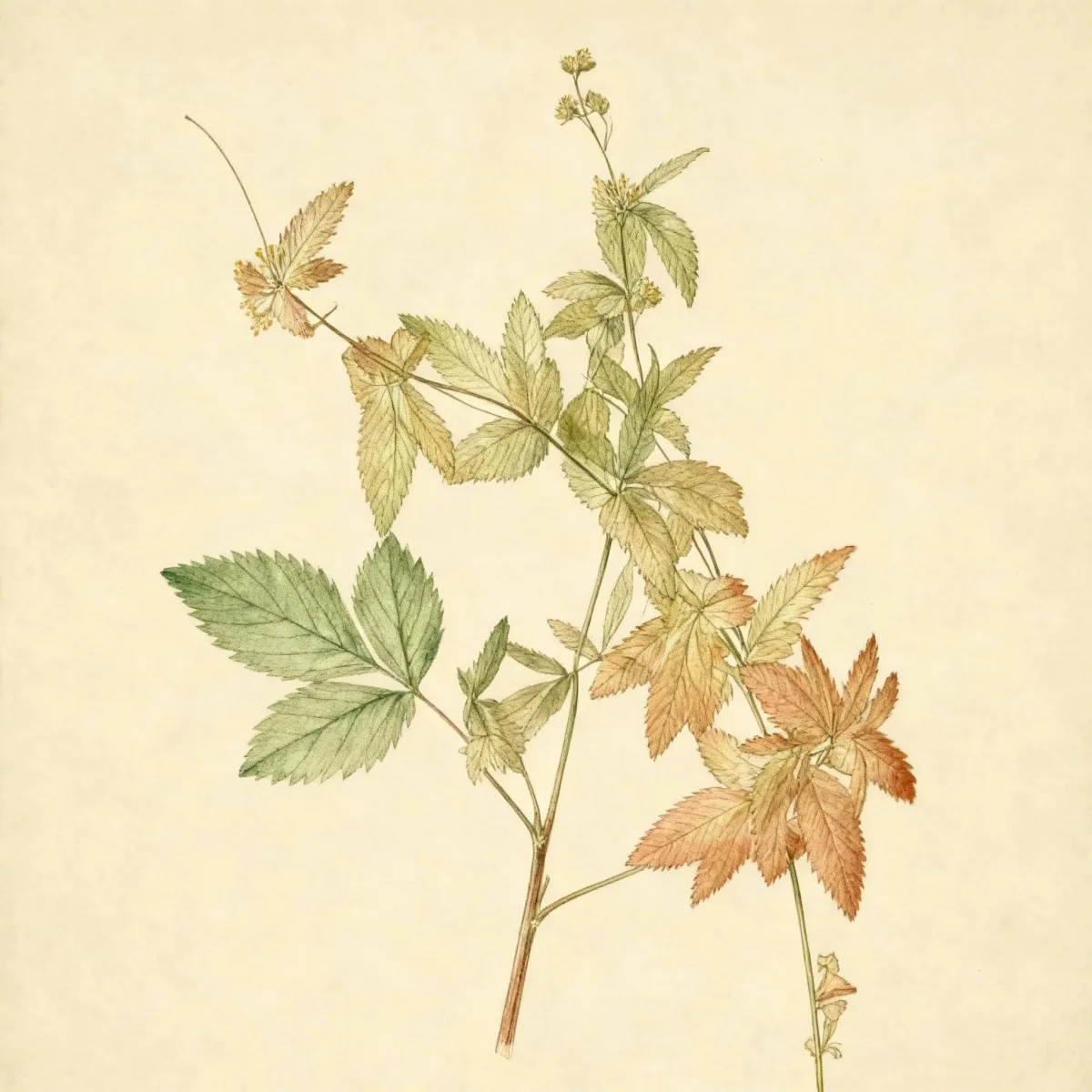
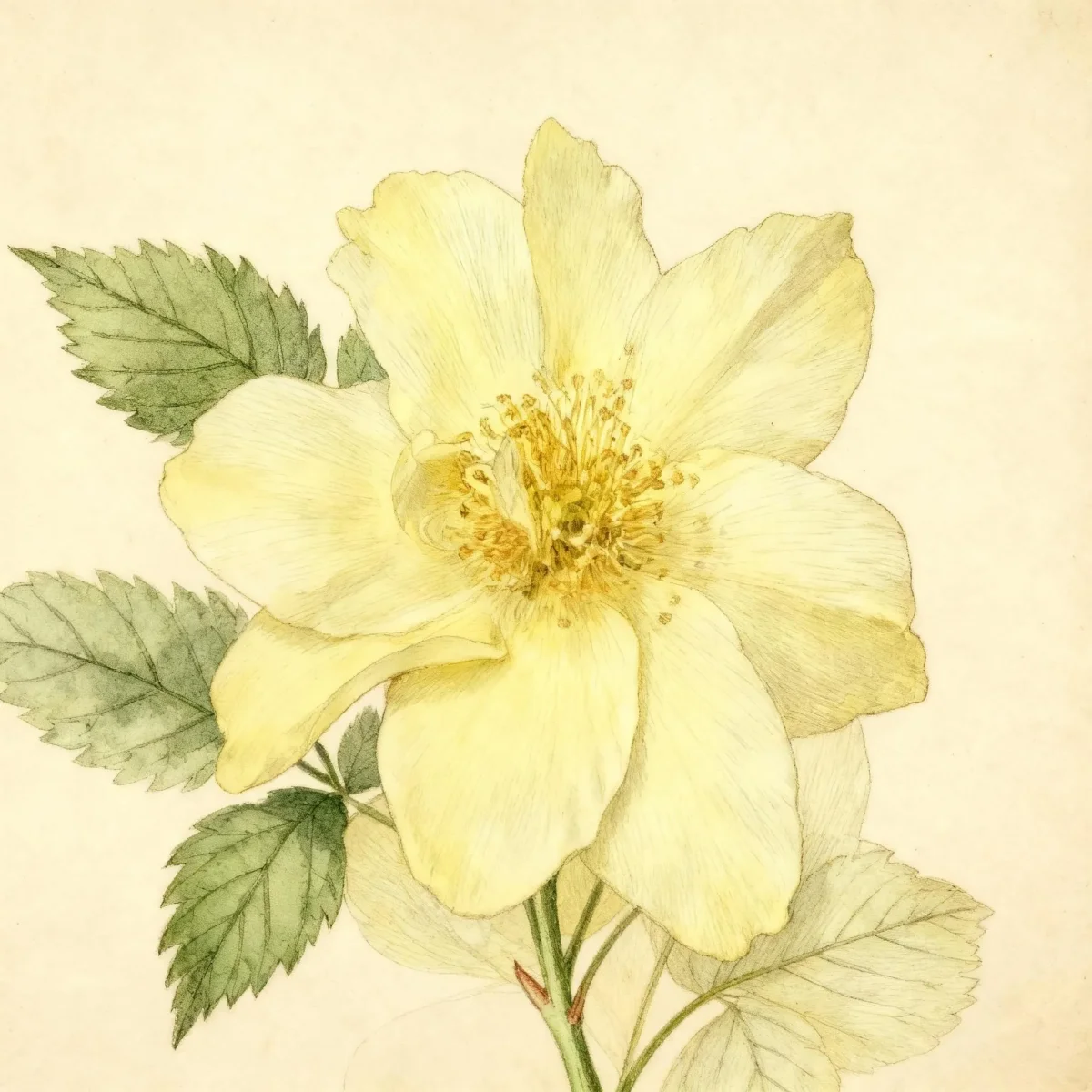
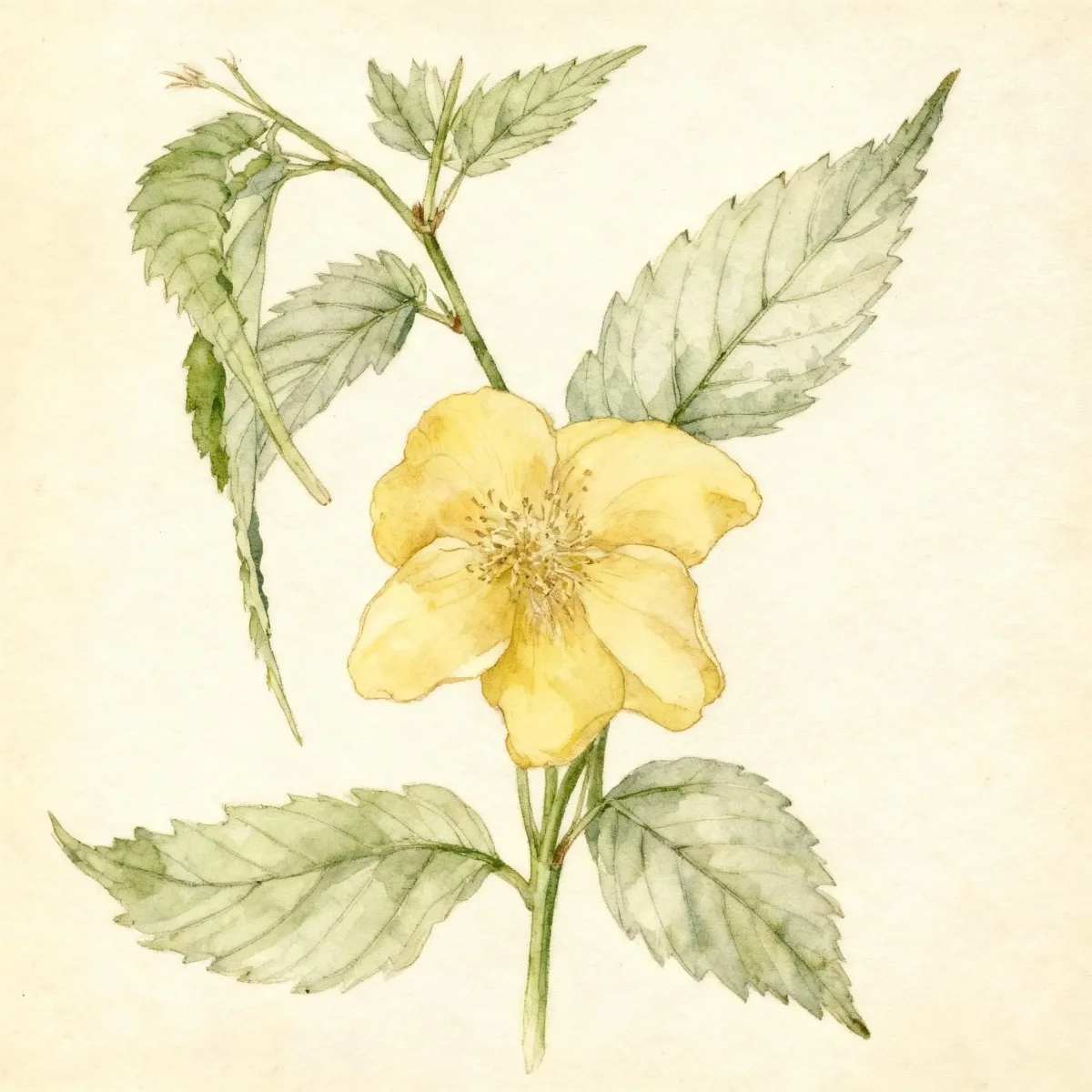
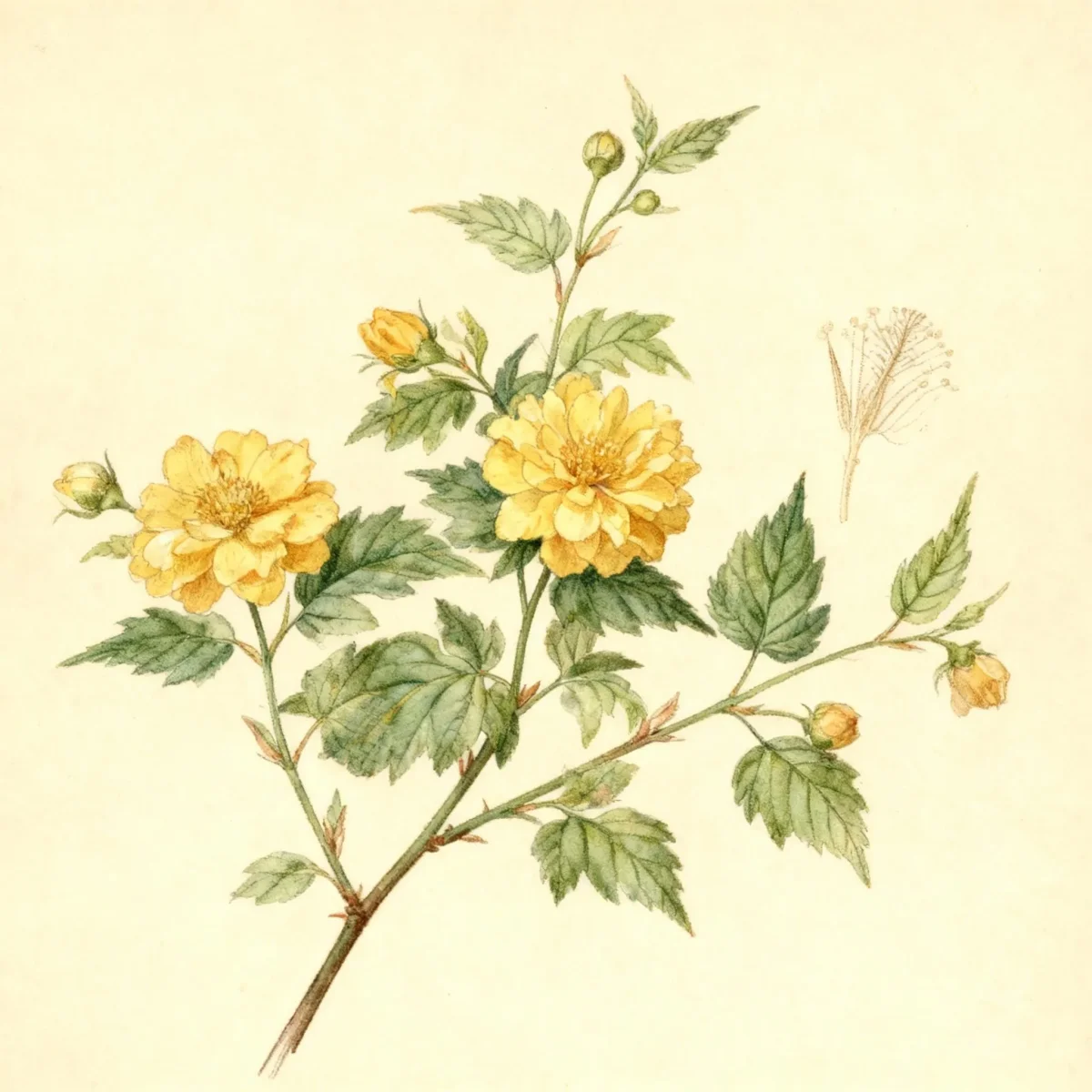
American ipecac (Gillenia stipulata)
Explore Gillenia stipulata, the American ipecac, a low-maintenance woodland perennial offering delicate white flowers in early summer.
Scroll down to discover growing tips, care requirements, companion plants, and more
Complete Plant Information
Overview
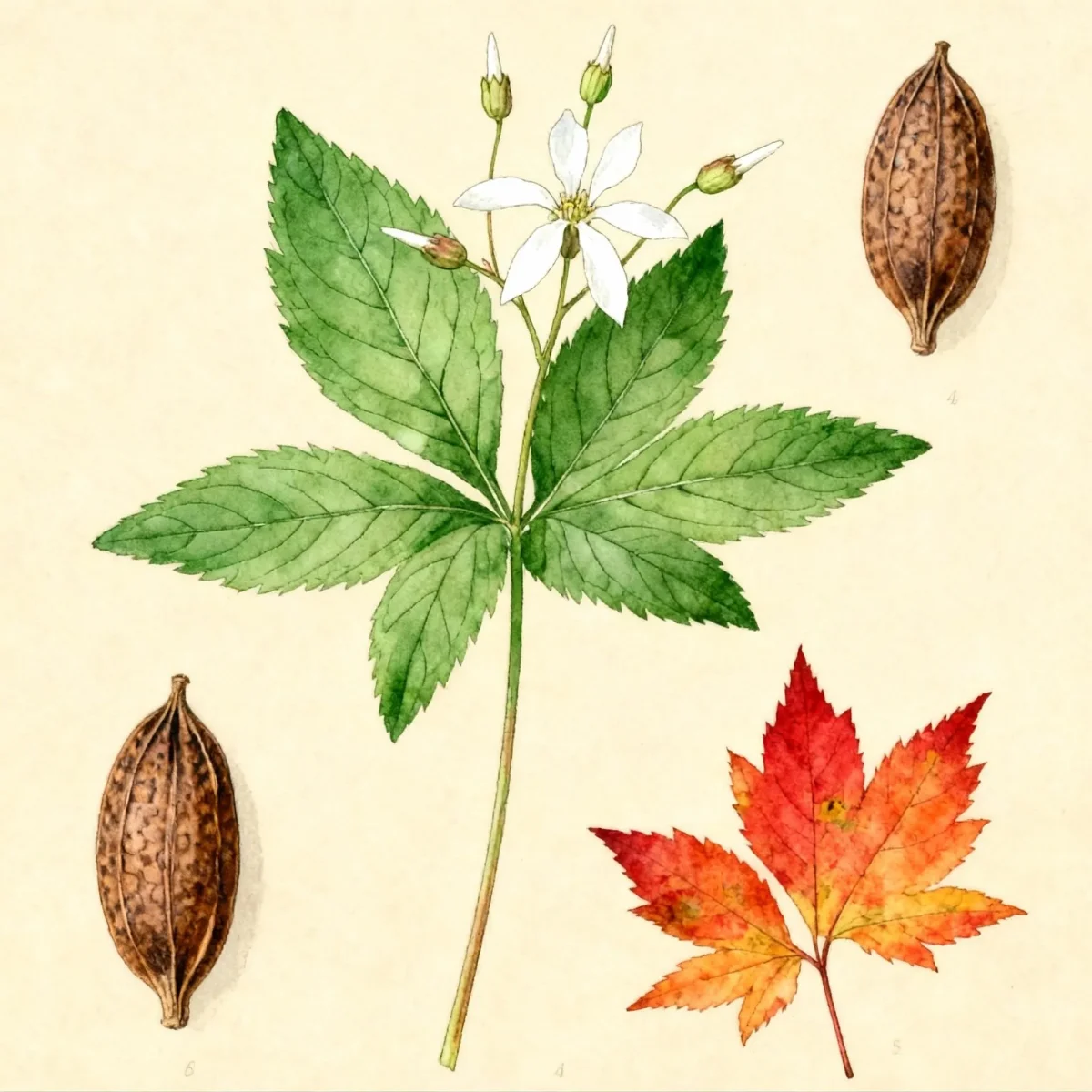
Gillenia stipulata, frequently known by its common name American ipecac, is a charming and structurally interesting herbaceous perennial well-suited for naturalistic plantings. This rhizomatous woodland native offers delicate, star-like white to light pink flowers that bloom reliably in late spring to early summer above structured mounds of deeply cut foliage. Its unique appearance, particularly the prominent leaf-like stipules, distinguishes it among shade-loving perennials.
Native to the Southeastern United States, American ipecac thrives in woodland settings, requiring conditions that mimic its native habitat of open woods and rocky slopes. It is valued by native plant enthusiasts for its low maintenance requirements and its ability to establish natural colonies once happy in the right location. The foliage often displays attractive bronze-red coloration as autumn approaches, providing added seasonal interest.
Successful cultivation of Gillenia stipulata relies on providing consistent moisture in humus-rich soil while ensuring excellent drainage. This plant offers significant aesthetic value without demanding constant attention, making it an excellent choice for gardeners looking to integrate native species into dappled shade areas or along woodland borders.
Fast Facts
- Plant Family: Rosaceae
- Plant Type: Herbaceous perennial
- Native Range: Southeastern United States
- Hardiness Zones: USDA Zones 4-8
- Size at Maturity:
- Height: 2.5-3 ft
- Spread: 1.5-2 ft
- Bloom Time: May to June
- Bloom Description: White or light pink
- Sun Exposure: Part shade
- Water Needs: Medium
- Maintenance Level: Low
How to Grow
Planting American ipecac is best achieved in spring or fall when conditions are cooler, allowing the roots to establish before summer heat arrives. Choose a location receiving part shade, which protects the foliage from harsh afternoon sun, especially in hot climates. The ideal substrate is organically rich and peaty, though Gillenia stipulata shows versatility by happily establishing itself even in dry, rocky soils—essential knowledge for rocky woodland gardening.
Watering should be consistent, meeting its medium water needs, particularly during the establishment phase. While established plants exhibit respectable drought tolerance, regular watering during dry spells ensures vigorous growth. Fertilizing is rarely required; the natural decomposition of leaf litter in a woodland setting typically provides sufficient nutrients for this low-maintenance perennial.
Maintenance for Gillenia stipulata is generally low. Minimal clean-up is required in the spring, focusing only on removing any winter debris. Deadheading is not necessary for flower production, allowing the plant to self-seed if desired. Appreciating dappled shade is key; ensure plants located in hotter spots receive afternoon relief to prevent stress.
Landscape Uses
The graceful form and native status of American ipecac make it an excellent component for woodland gardens and native plant areas where a layered effect among taller trees is desired. Due to its moderate height and airy structure, Gillenia stipulata works beautifully as a textured middle layer, bridging groundcovers and taller shrubs. It fills spaces best suited for dappled shade areas of the landscape without becoming overcrowded.
Consider using this species for naturalized drifts along shady slopes or borders where its rhizomatous growth can slowly spread to form colonies, typical of its habit in the wild Ozarks. Its delicate white flowers contrast nicely with the deeper greens and purples often found in shade plantings, pairing well with ferns, hostas, or native woodland phlox. The overall effect is soft yet structured, perfect for informal or naturalistic designs.
Standout Features
Flower Qualities
- Showy
Noteworthy Characteristics
Gillenia stipulta, commonly called American ipecac or Indian physic, is a rhizomatous woodland perennial or sub-shrub of the rose family that typically grows to 2-3’ tall. It is native to open woods, thickets and rocky slopes from New York to southern Michigan to Kansas south to Georgia and Texas. This plant features 1” wide, white (infrequently tinged pink) star-like flowers, each with 5 narrow, pointed, slightly reflexed petals, rising above deeply cut, trifoliate foliage accented by unusually large, leaf-like stipules at the base of each leaf. The species name refers to these prominent stipules, which create the visual effect of five leaflets rather than three on each leaf.
Tolerances
- Dry rocky soils
Potential Problems
No serious insect or disease problems are typically associated with Gillenia stipulata. Gardeners should remain vigilant for common woodland pests such as slugs, which may feed on the developing foliage, especially during damp periods. Implementing basic cultural practices, such as ensuring good air circulation and avoiding overly wet conditions, minimizes general disease susceptibility. If slugs become an issue, hand-picking or applying organic baits around the base of the plant offers effective control.
Frequently Asked Questions
What hardiness zones is American ipecac suitable for?
American ipecac (Gillenia stipulata) is reliably hardy across USDA Zones 4 through 8.
How large does Gillenia stipulata grow?
This perennial typically reaches a height between 2.5 to 3 feet tall, spreading moderately between 1.5 to 2 feet wide.
What sun exposure does American ipecac need?
Gillenia stipulata performs best when positioned in part shade, appreciating protection from intense midday and afternoon sun exposure.
When does Gillenia stipulata bloom?
You can expect the delicate, white or light pink flowers of Gillenia stipulata to appear during the bloom time spanning from May into June.
Conclusion
Gillenia stipulata, or American ipecac, offers gardeners a resilient, low-maintenance native perennial perfect for adding texture and light flowers to shady borders and woodlands. Its unique foliage structure and adaptable culture in rich or rocky soils make it a standout choice for naturalized landscapes. Assess your site conditions, ensuring part shade and medium moisture, before planting this beautiful woodland native this season.
Companion Planting
When integrating American ipecac into a native woodland garden, look for companions that share similar requirements for dappled sunlight and consistently moist, well-drained soil. Good companions include native ferns, such as Ostrich Fern (Matteuccia struthiopteris), or spring ephemerals that bloom before Gillenia stipulata comes fully into its own. Columbine (Aquilegia species) or spring beauty (Claytonia virginica) provide complementary texture while they are actively growing alongside the perennial foliage of Gillenia stipulata.
Propagation Tips
The primary method for propagating Gillenia stipulata is through the division of its thick, creeping rhizomes. Division should ideally be performed in early spring just as new growth begins to emerge, or in the fall after the foliage has died back. Carefully lift the clump and gently separate sections, ensuring that each division retains several healthy roots and buds. These divisions should immediately be replanted into prepared rich soil in their intended location to minimize transplant shock.