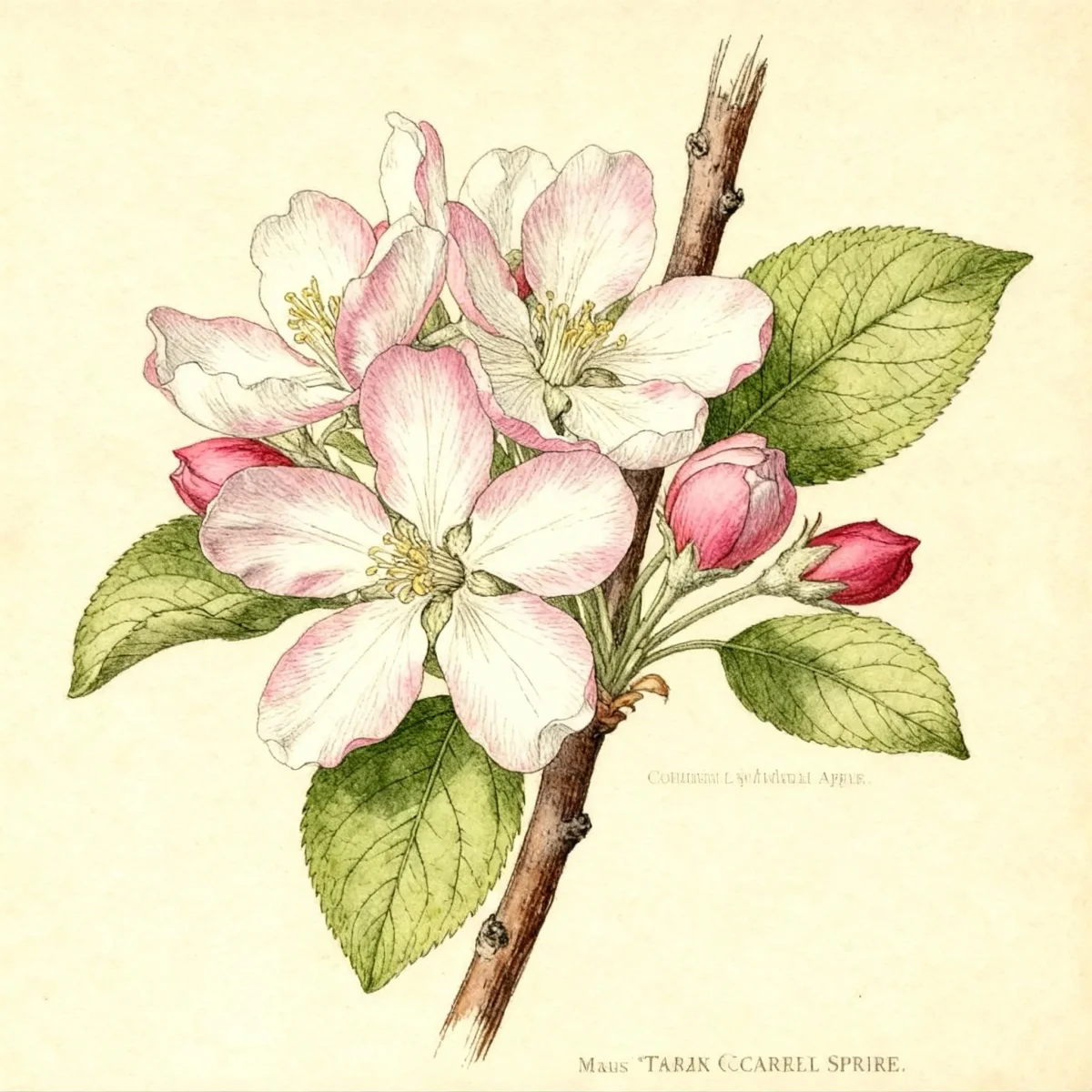
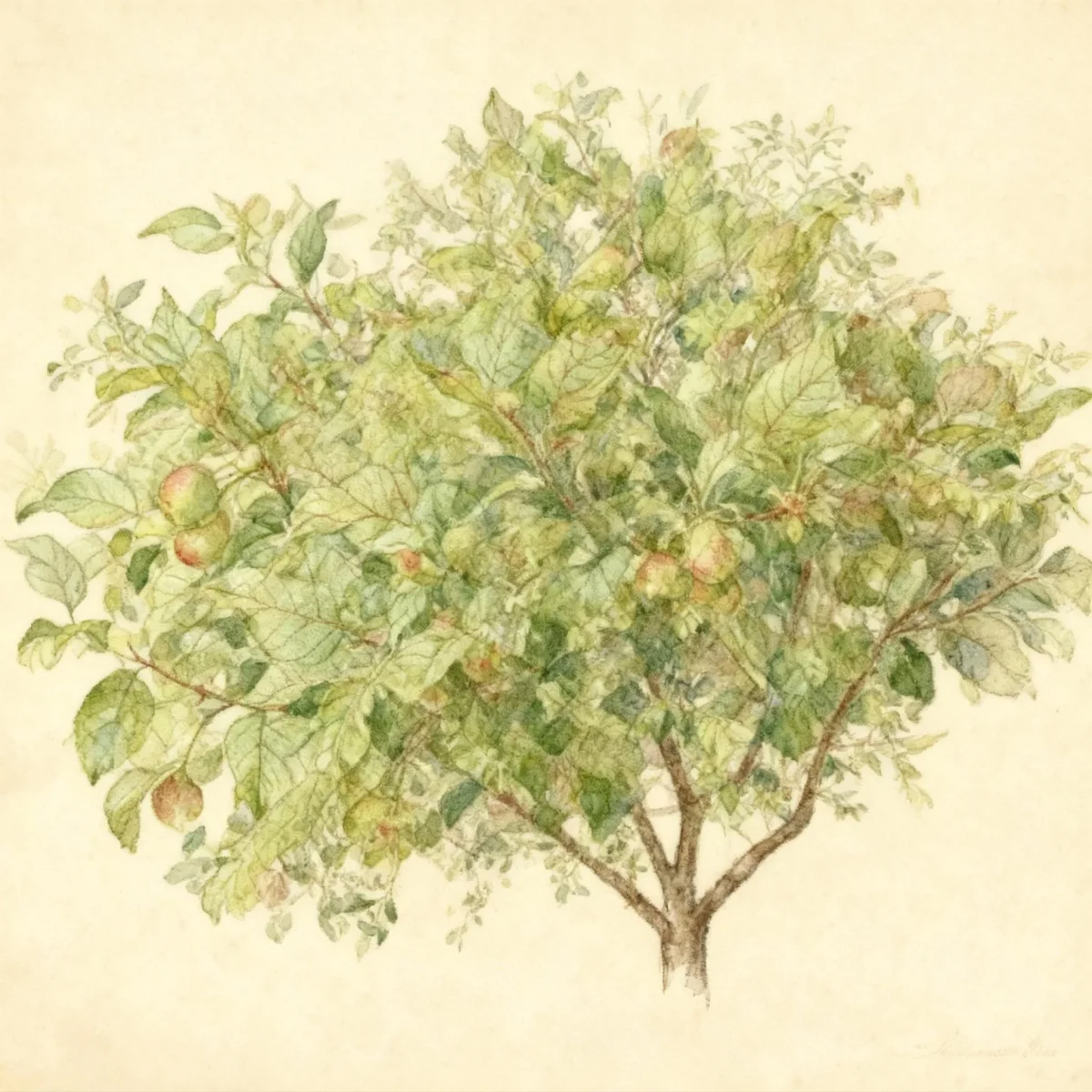
David's peach (Prunus davidiana)
Prunus davidiana, the David's peach, is a highly cold-hardy flowering tree known for early spring white blooms.
Scroll down to discover growing tips, care requirements, companion plants, and more
Complete Plant Information
Overview
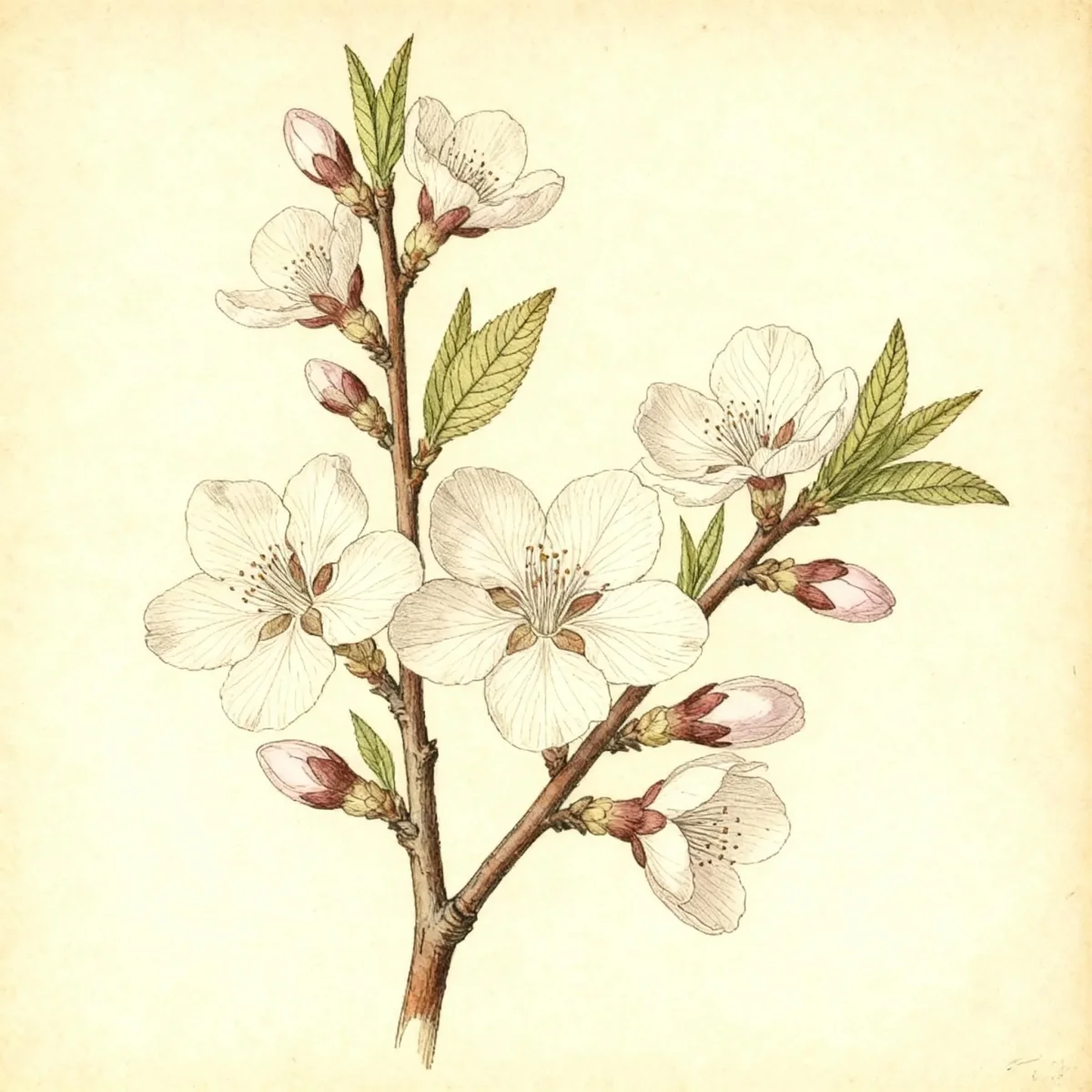
Prunus davidiana, commonly known as David’s peach, introduces early season interest to the landscape with its striking display of whitish flowers appearing before the foliage emerges. This deciduous tree is highly valued for its exceptional winter hardiness, making it a reliable ornamental feature even in colder climates. While its fruits are present, they are generally considered inedible and somewhat messy, meaning its primary value lies in its springtime floral display.
The David’s peach typically matures into a moderate-sized tree, achieving heights and spreads between 20 and 30 feet, providing a rounded habit suitable for open settings. It offers a robust option for gardeners seeking early spring color, though it requires diligent attention concerning siting and pruning, classifying it as a high-maintenance specimen. Proper placement maximizes the visual impact of the early flowers.
As a significant relative in the stone fruit family, Prunus davidiana also holds functional value, as it is sometimes employed successfully as a rootstock for other commercial or personal edible peaches (Prunus persica). Understanding its cultural needs ensures this specimen delivers its unique ornamental contribution year after year.
Fast Facts
- Plant Family: Rosaceae
- Plant Type: Tree
- Native Range: China
- Hardiness Zones: USDA Zones 4-8
- Size at Maturity:
- Height: 20-30 ft
- Spread: 20-30 ft
- Bloom Time: March to April
- Bloom Description: Whitish
- Sun Exposure: Full sun
- Water Needs: Medium
- Maintenance Level: High
How to Grow
When establishing your Prunus davidiana, select a location that drains exceptionally well; this tree strongly dislikes heavy, waterlogged clay soils. Ideally, plant in average, medium-moisture, well-drained, acidic loams. While full sun promotes the best flowering, the foliage of David’s peach benefits from some protection against the most intense afternoon sun, especially in the hottest summers of the deep South.
Watering needs are categorized as medium, so aim for consistent soil moisture during the growing season but avoid saturation. Because of its high maintenance ranking, careful observation is key. Pruning should be managed judiciously, performed only if necessary, and must be completed immediately after the flowering period concludes to avoid removing next year’s bloom potential.
The primary concern for this early bloomer is its vulnerability to unexpected late frosts, which can severely damage the nascent flowers or buds. Gardeners in the northern limits of its range should watch forecasts closely as bloom time approaches. Conversely, in southern zones, the tree may flower more robustly than in northern areas.
Landscape Uses
The primary role for David’s peach in the landscape is as an ornamental flowering tree intended to signal the end of winter. Due to its early bloom time, it should be sited in areas where its flowers are highly visible, perhaps near an entryway, patio, or primary view corridor. Because its visual appeal diminishes significantly after the blossoms fade, it should be integrated with reliable summer and fall interest plants to maintain landscape structure.
While Prunus davidiana is sometimes not commonly available in commerce, seeking it out allows for unique springtime moments. Consider massing several specimens if you have ample space to create a dramatic early spring display. Companion planting should prioritize robust, later-blooming specimens that thrive in similar sun and water conditions.
Standout Features
Flower Qualities
- Showy
Noteworthy Characteristics
Prunus davidiana, commonly called David’s peach, is a deciduous flowering tree that typically grows to 20-30’ tall with a rounded habit. It is sometimes ornamentally grown for its showy bloom of single, five-petaled, whitish flowers (to 1” diameter). Flowers appear before the leaves in late winter to early spring (March in St. Louis but often earlier in climates with milder winters). The tree has excellent winter hardiness and is sometimes used as a rootstock for edible peaches (Prunus persica).
Tolerances
This section is empty based on provided data.
Potential Problems
The most common threat to the ornamental value of David’s peach involves temperature fluctuations, as flowers appearing in late winter or early spring are frequently damaged by subsequent cold snaps. Planting in slightly warmer microclimates or the southern portion of its range can mitigate this. If mature fruits develop, they can cause a minor clean-up issue beneath the canopy; removing any potential fruit set early can prevent this mess.
Pest management requires vigilance; common insect threats include the Japanese beetle, peach tree borer, and aphids, which should be managed using targeted applications. Furthermore, several fungal and bacterial diseases can affect foliage and structure, namely leaf curl, brown rot, peach scab, bacterial canker, and powdery mildew, requiring preventative fungicide treatments, especially in humid environments.
Frequently Asked Questions
What hardiness zones is David’s peach suitable for?
Prunus davidiana is suitable for USDA Hardiness Zones 4 through 8, indicating excellent cold tolerance.
How large does David’s peach grow?
This tree typically grows to a mature height and spread ranging between 20 and 30 feet.
When does David’s peach bloom?
The bloom time for Prunus davidiana is generally from March to April, featuring showy, whitish flowers.
What sun exposure does David’s peach need?
This species requires full sun for optimal flowering performance in the landscape.
Conclusion
The significant winter hardiness and early, showy bloom make Prunus davidiana a valuable, albeit demanding, addition for professional landscapers and dedicated gardeners. Successful cultivation of David’s peach relies heavily on providing excellent drainage and monitoring late-season frosts. Ensure you check your local USDA zone compatibility before planning your site selection for this unique flowering tree.
Companion Planting
Selecting companions that share the need for medium moisture and acidic soil while tolerating full sun will result in a balanced planting area. Consider underplanting with early spring bulbs, which will provide color after the Prunus davidiana has finished blooming but before its summer foliage fully develops. Later-season interest, perhaps provided by resilient shrubs like certain dogwoods or viburnums, will visually absorb the landscape once this peach tree enters its less conspicuous summer phase.
Seasonal Care Calendar
Spring care centers entirely around monitoring the bloom; protect emerging flowers from sudden freezes if possible, and perform necessary pruning immediately following flower drop. During the summer, maintain consistent medium watering, especially during dry spells, and scout regularly for common peach pests and diseases. Autumn is relatively calm, focusing on cleanup of leaf litter to reduce overwintering fungal spores, which helps minimize disease pressure, like peach scab, next spring.