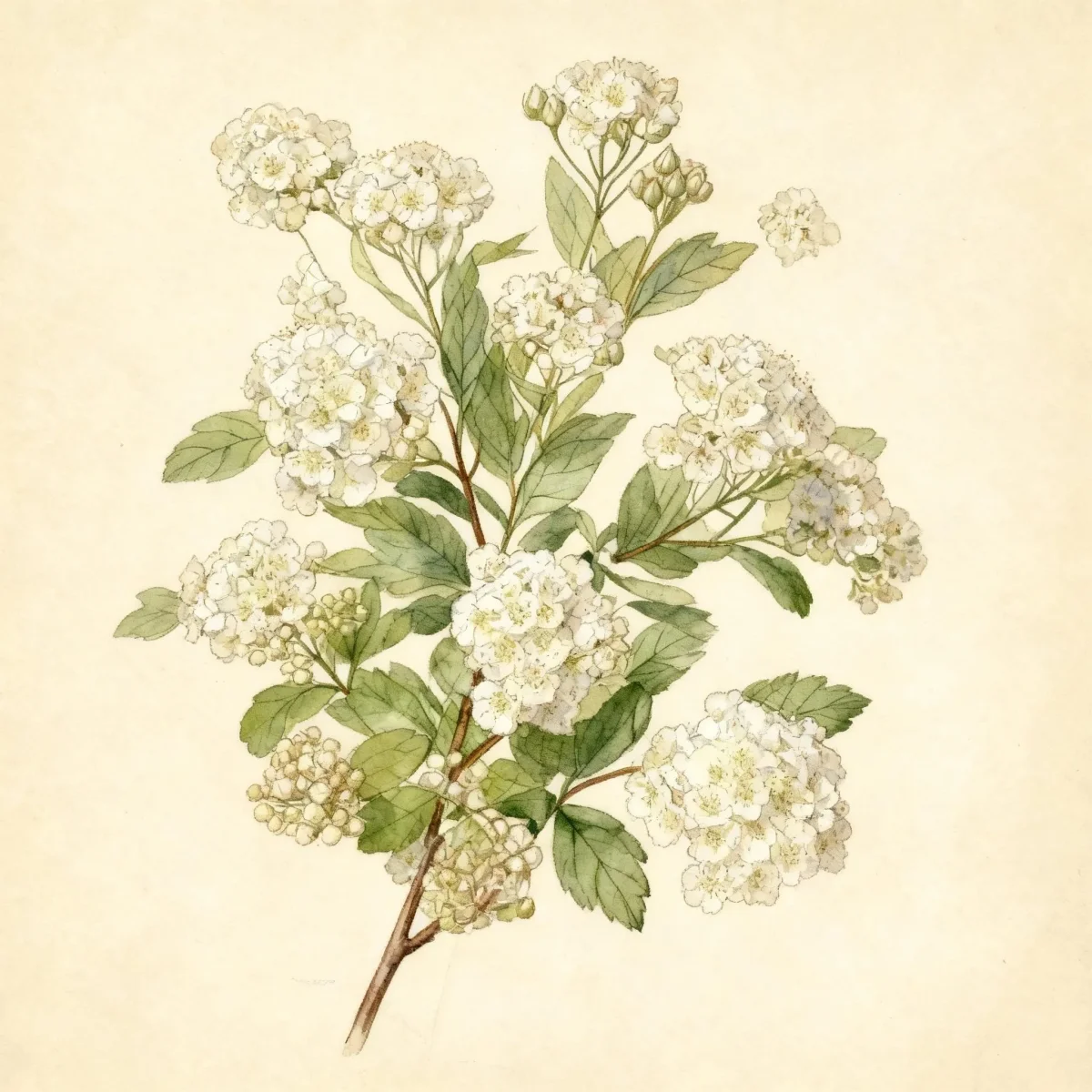
Sargent crabapple (Malus sargentii)
The Sargent crabapple (Malus sargentii) is a low-maintenance, spreading deciduous shrub offering abundant white spring blooms and attractive red fruit.
Scroll down to discover growing tips, care requirements, companion plants, and more
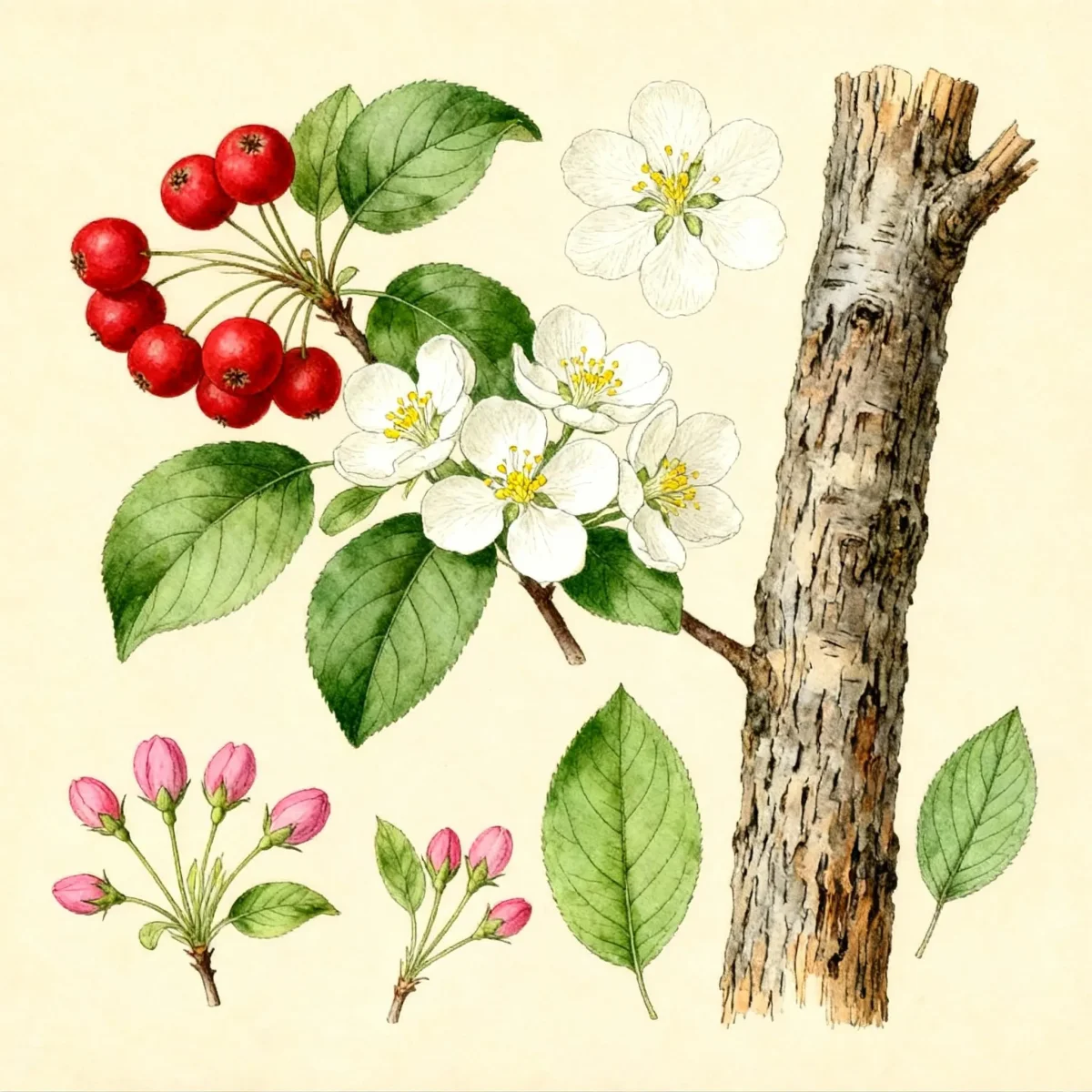
Complete Plant Information
Overview
The Sargent crabapple (Malus sargentii) is prized by horticulturalists for its dense, spreading, and horizontally-branched growth habit, often taking the form of a multi-stemmed shrub rather than a traditional upright tree. This unique structure provides excellent texture in the winter landscape, complementing its stunning spring performance. Gardeners particularly value Malus sargentii for its low maintenance requirements and adaptability.
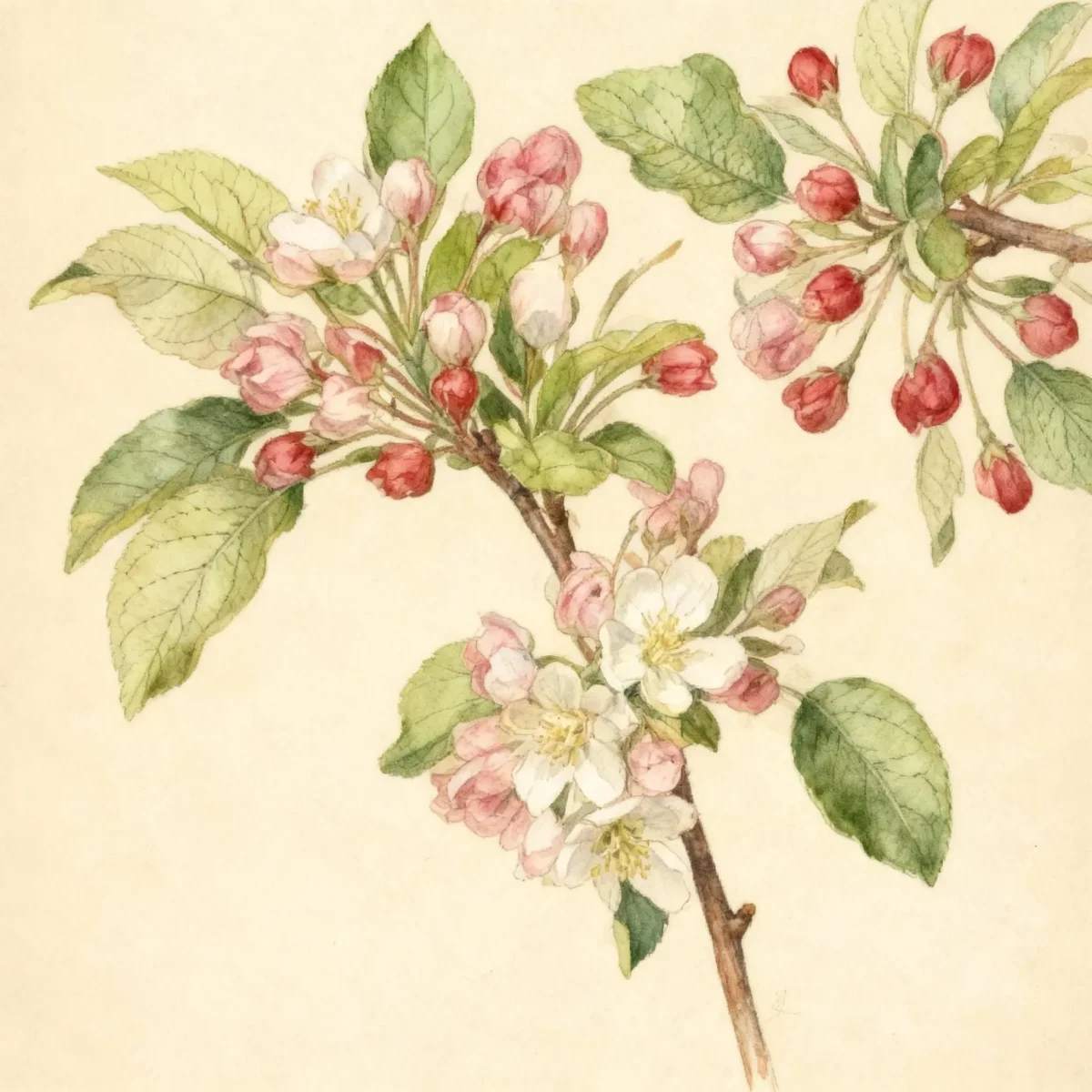
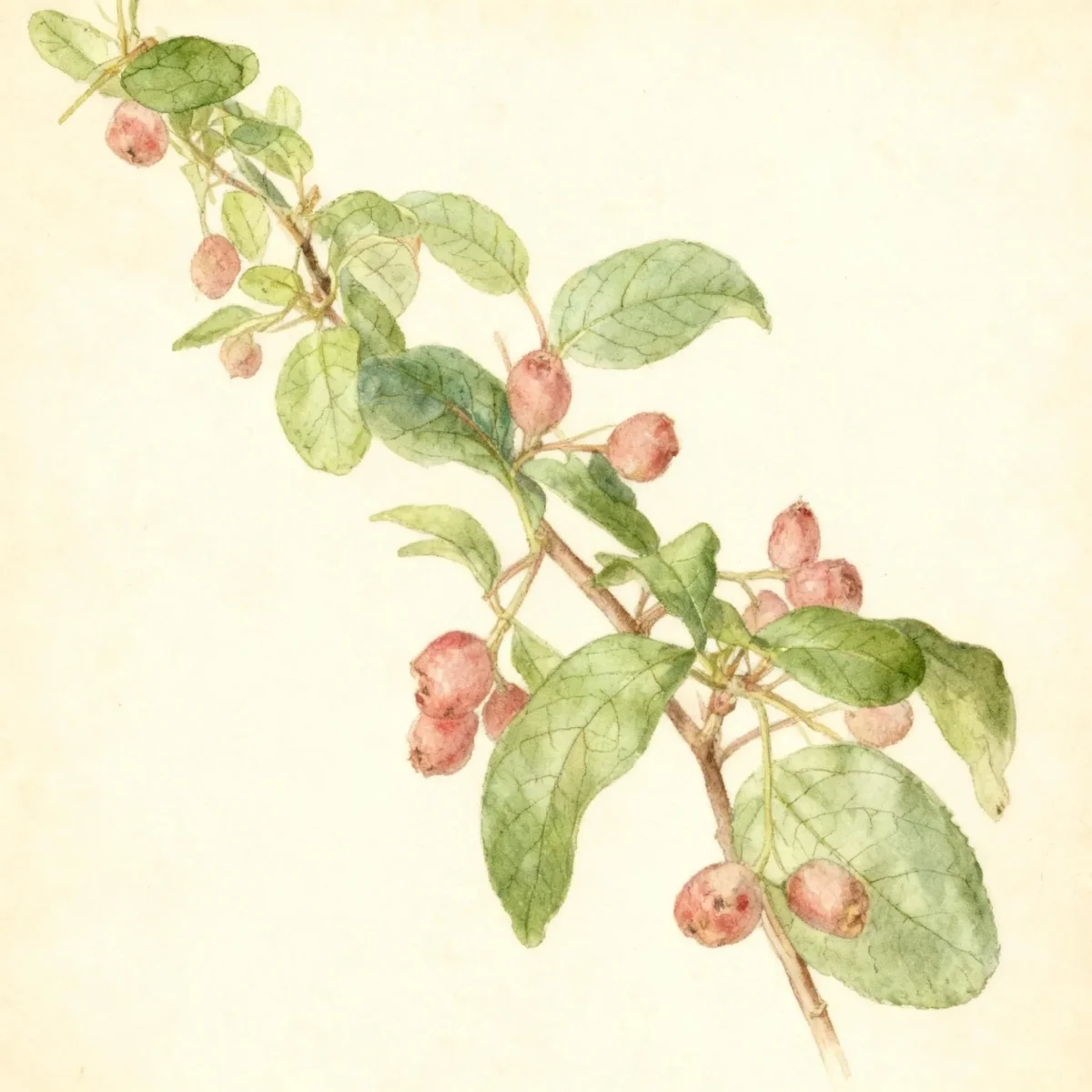
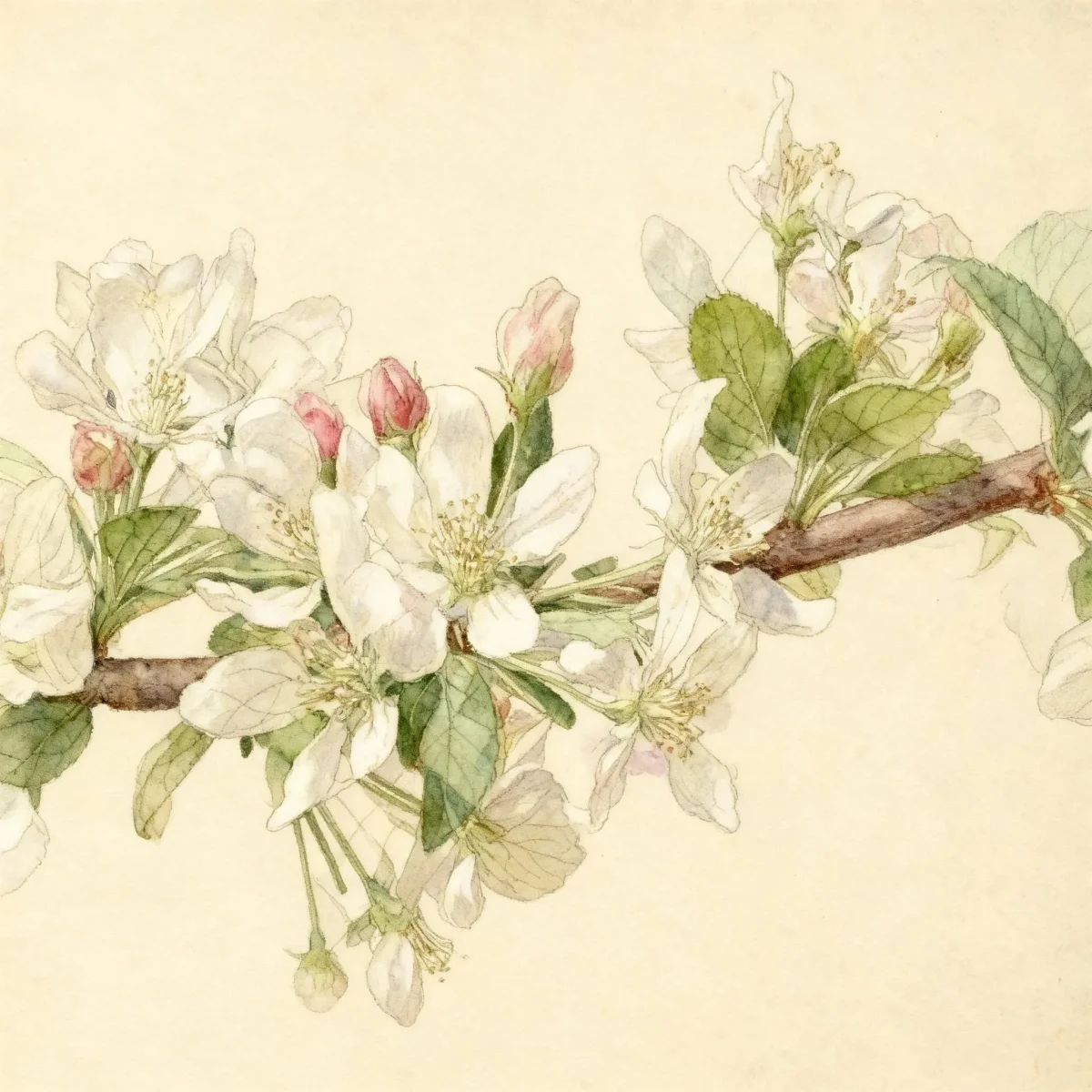
Spring brings a beautiful display as pale pink buds erupt into a profusion of fragrant, pure white flowers, making it an excellent choice near walkways or entryways. Following this brief but spectacular bloom, small, persistent red crabapples develop, providing late-season interest and food for birds. While the bloom can be abundant, gardeners should note that the heavy flowering of Malus sargentii often occurs only in alternate years.
Native to Japan, this deciduous shrub establishes resilience quickly, tolerating various soil conditions once established, including some drought. Its manageable size—rarely exceeding 8 feet tall with a wide spread—makes the Sargent crabapple a functional and beautiful addition to screens, hedges, or specimen plantings.
Fast Facts
- Plant Family: Rosaceae
- Plant Type: Deciduous shrub
- Native Range: Japan
- Hardiness Zones: USDA Zones 4-7
- Size at Maturity:
- Height: 6-8 ft
- Spread: 9-15 ft
- Bloom Time: April
- Bloom Description: Pale pink buds; white flowers
- Sun Exposure: Full sun
- Water Needs: Medium
- Maintenance Level: Low
How to Grow
Malus sargentii thrives when planted in the medium moisture, well-drained, slightly acidic loams that mimic its native conditions, though it is remarkably adaptable to diverse soil types. Ensure ample space for its wide, spreading habit during planting preparation. Locating the Sargent crabapple in a site receiving full sun is crucial to encourage the best flowering and structural density.
Established plants demonstrate reasonable drought tolerance, simplifying irrigation needs; however, consistent medium watering is necessary, particularly during the first few growing seasons until the root system is fully developed. Fertilizing is usually unnecessary unless the soil is extremely poor. The most critical aspect of care is pruning.
Prune Malus sargentii only as needed to shape the shrub or remove dead wood, performing this work in late winter while the plant is fully dormant. Avoid any pruning activity in the spring, as fresh, open wounds created then serve as entry points for the dangerous fireblight bacterium. This timing helps ensure the spectacular spring display remains undamaged.
Landscape Uses
The dwarf nature and dense form of the Sargent crabapple lend themselves perfectly to structured landscape roles. It functions excellently as an informal screen or low hedge due to its significant 9-foot minimum spread, offering seasonal interest through blooms and fruit. Plant Malus sargentii in groups near fences or along property lines for a natural, textural barrier.
When used as a small specimen, its horizontally-branched habit draws the eye, especially when underplanted with shade-tolerant groundcovers or spring bulbs that contrast with its white flowers. While the fruit is technically edible, its primary aesthetic use is ornamental, where the persistent red globes contrast beautifully with the yellow autumn foliage. Be aware that due to its pattern of alternate-year blooming, it may not be suitable for small areas requiring consistent annual flowering impact.
Standout Features
Flower Qualities
- Showy
- Fragrant
- Good Cut
Fruit Qualities
- Showy
- Edible
Noteworthy Characteristics
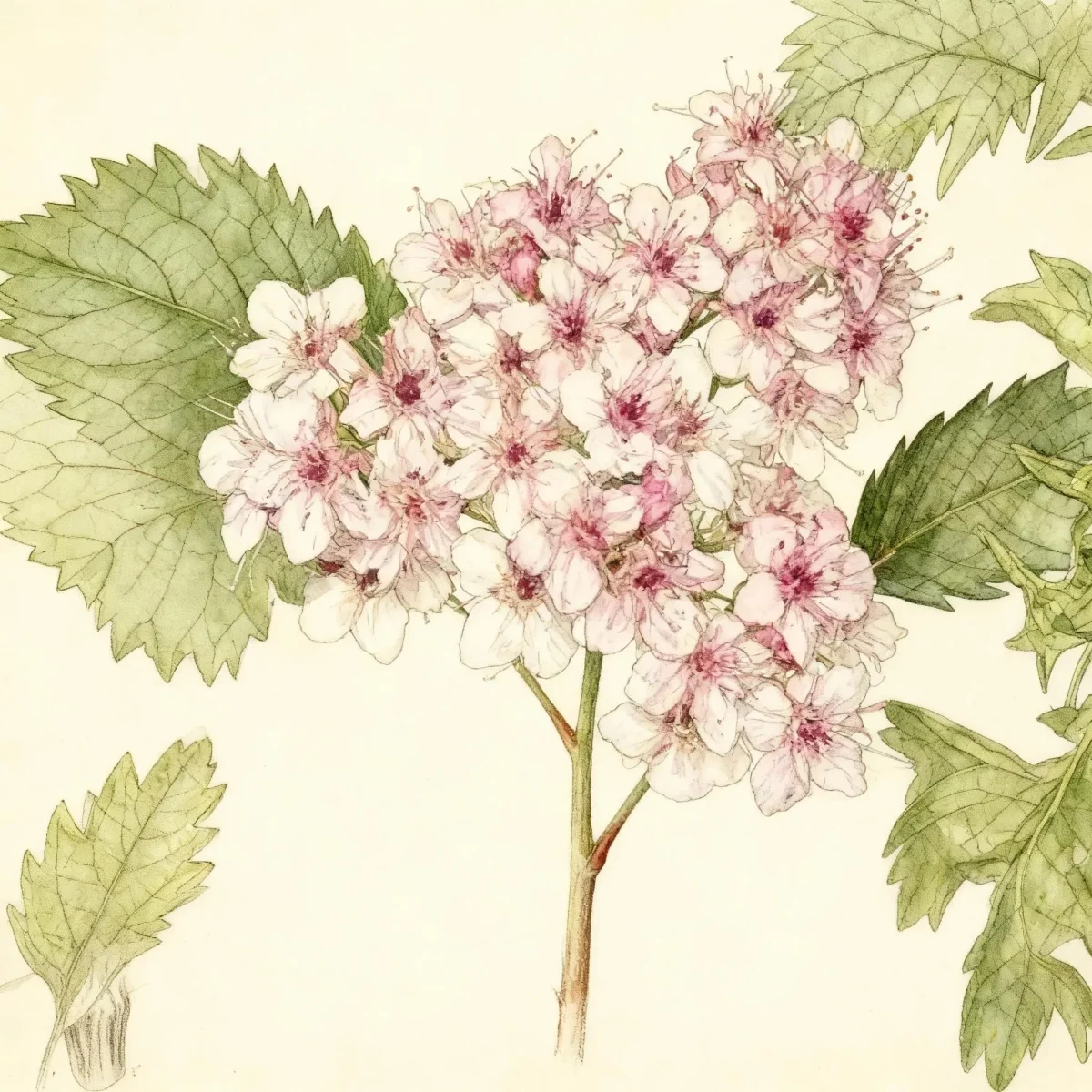
Malus sargentii, commonly known as Sargent crabapple, forms a dense, spreading, horizontally-branched, deciduous, multi-stemmed shrub possibly grown as a dwarf tree, typically reaching 6-8’ tall and spreading to 15’ wide. Pink buds precede a profuse, though brief, spring bloom of fragrant, white flowers, followed by small, attractive red crabapples (1/4” diameter) that persist into the fall. The foliage offers excellent late-season contrast as the lobed, dark green leaves turn bright yellow.
Tolerances
- Clay Soil
- Air Pollution
Potential Problems
Sargent crabapple generally exhibits good disease resistance, distinguishing it within the genus. Primary disease concerns are minor susceptibility to apple scab and leaf spot, with occasional fire blight risk if pruning rules are ignored. Insect pests are usually of lesser concern but can include scale, borers, aphids, and tent caterpillars during certain seasons. Maintaining good airflow through proper pruning in late winter helps mitigate fungal issues.
Frequently Asked Questions
What hardiness zones is Sargent crabapple suitable for?
Malus sargentii is reliably hardy in USDA Zones 4 through 7.
How large does Sargent crabapple grow?
This shrub typically matures to a height between 6 and 8 feet, but it achieves a much wider spread, usually ranging from 9 to 15 feet across.
When does Sargent crabapple bloom?
The bloom time for Malus sargentii is April, featuring pale pink buds opening to white flowers.
What sun exposure does Sargent crabapple need?
For the best performance, ensure full sun exposure when planting your Sargent crabapple.
Conclusion
The Sargent crabapple (Malus sargentii) offers low-maintenance, high-impact dual season interest through its fragrant white spring flowers and persistent red fruit. Its spreading, dense habit makes it a versatile choice for hedges and screens across USDA Zones 4-7. Evaluate your garden space for its full spread potential and plan your pruning for late winter to maximize the beauty of this superb specimen.
Wildlife Benefits
The small, red crabapples produced by Malus sargentii are an excellent resource for local wildlife, particularly songbirds, throughout the late fall and into winter, especially when other food sources become scarce. The persistent nature of the fruit means it stays on the branches, offering a reliable late-season beacon. While the pea-sized fruits are sweet like rose hips, they are not commonly utilized by humans in cooking, leaving them primarily for avian consumption.
Companion Planting
Given that Malus sargentii prefers full sun and medium, well-drained soil, companion plants should share similar cultural needs to ensure overall landscape harmony. Consider underplanting the lower branches with low-growing, shade-tolerant perennials that can handle partial sun exposure near the shrub’s base. Plants like Hosta varieties that tolerate brighter conditions, or hardy Geraniums, can provide textural contrast near ground level without competing heavily for surface water resources.