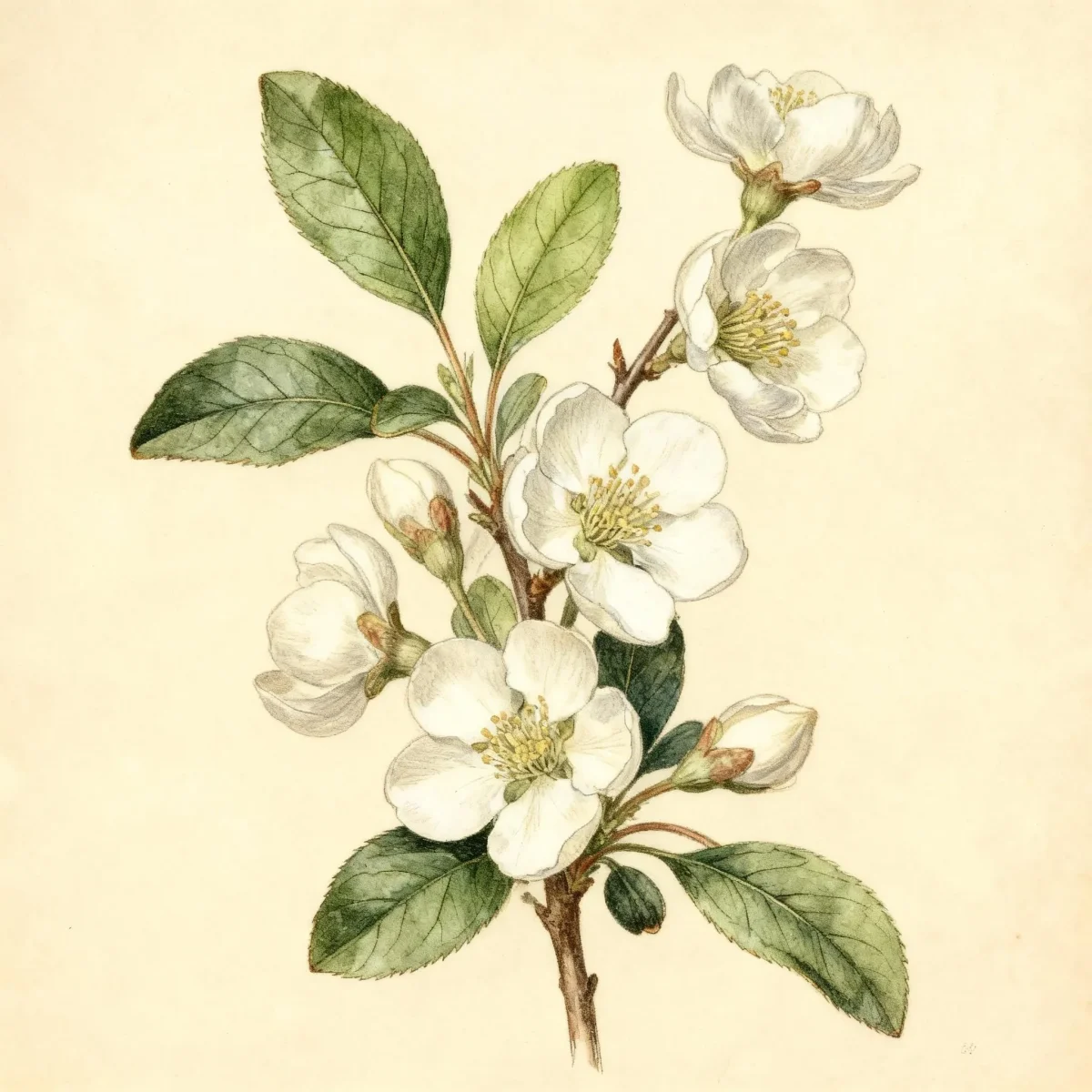
Japanese quince (Chaenomeles japonica)
Chaenomeles japonica, the Japanese quince, is a low-maintenance shrub offering showy orange-scarlet flowers in spring.
Scroll down to discover growing tips, care requirements, companion plants, and more
Complete Plant Information
Overview
The Japanese quince (Chaenomeles japonica) is prized for its vibrant, early spring bloom, often appearing before the foliage unfolds. This densely-branched shrub provides excellent structure in the landscape even when not in flower, thanks to its spiny twigs and compact habit. Cultivating Chaenomeles japonica is straightforward, as it thrives in average conditions and requires minimal attention once established.
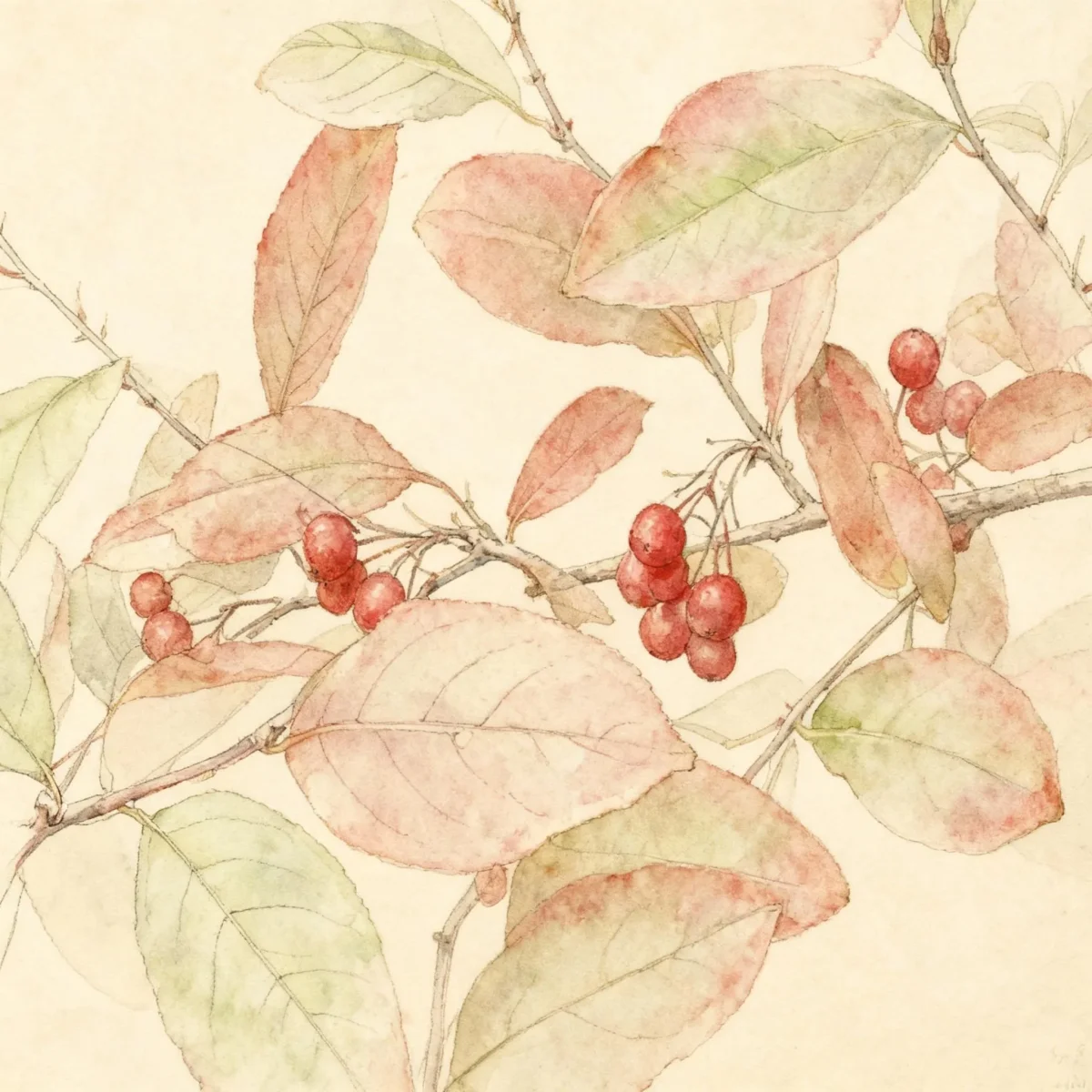
Offering an often showy display of orange-scarlet flowers, this deciduous shrub is a fantastic addition to cottage gardens or transitional spaces. Beyond aesthetics, the shrub produces hard, greenish-yellow fruits, commonly called quinces, which offer secondary interest and are valuable for making preserves, adding practical dimension to this beautiful species.
As a low-growing specimen, the Japanese quince is remarkably adaptable. It resists drought and handles erosion control well, making it a utilitarian choice for challenging slopes or mixed borders where structure and toughness are required. Few shrubs offer such a rewarding burst of color so early in the season.
Fast Facts
- Plant Family: Rosaceae
- Plant Type: Deciduous shrub
- Native Range: Japan, South Korea
- Hardiness Zones: USDA Zones 5-9
- Size at Maturity:
- Height: 2-3 ft
- Spread: 3-6 ft
- Bloom Time: April
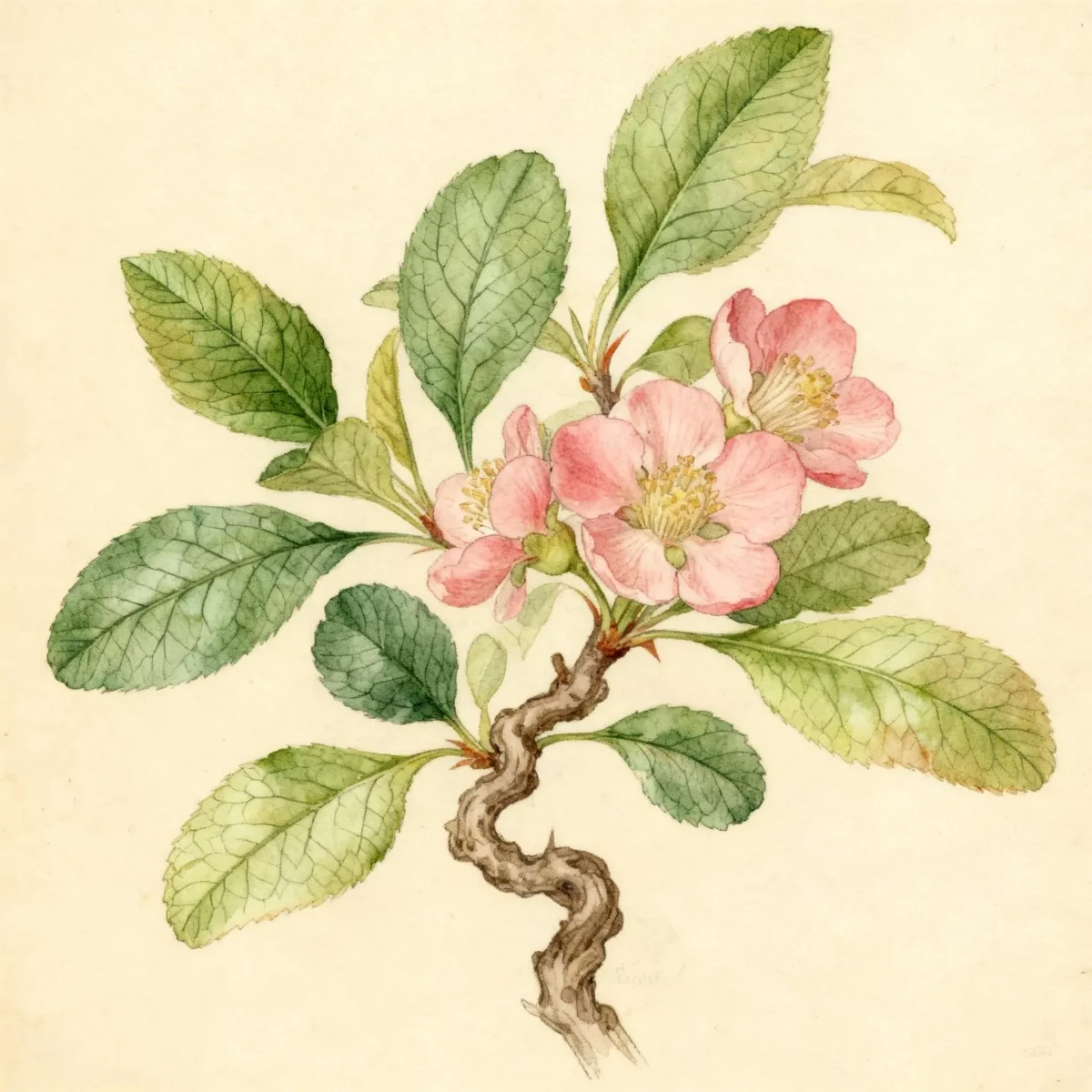
- Bloom Description: Orange-scarlet
- Sun Exposure: Full sun to part shade
- Water Needs: Medium
- Maintenance Level: Low
How to Grow
Chaenomeles japonica performs best when planted in average, medium-moisture, well-drained soil. While it tolerates a wide range of conditions, including clay soils, ensure drainage is adequate to prevent root issues. For the most spectacular floral display from your Japanese quince, site it where it receives full sun, though it will still perform adequately in partial shade.
Establishment requires medium watering, but once mature, the shrub tolerates some dry soils, making it drought-tolerant. Avoid heavy pruning, as Chaenomeles japonica blooms primarily on old wood. If shaping is necessary, prune lightly in the spring immediately following the bloom period to encourage the development of flowering spurs for the subsequent year, though this reduces current fruit yield.
Be diligent about removing root suckers promptly, as these can spread the shrub aggressively if left unchecked. While Chaenomeles japonica is hardy, remember that its early flower buds are vulnerable to significant damage from late spring frosts that can wipe out the intended spring color.
Landscape Uses
The low, spreading habit of Chaenomeles japonica makes it an outstanding choice for formal or informal low hedges where a dense, slightly prickly barrier is desired. It also serves beautifully as a specimen plant in a shrub border, providing structure and that electrifying early spring color contrast against later-blooming plants.
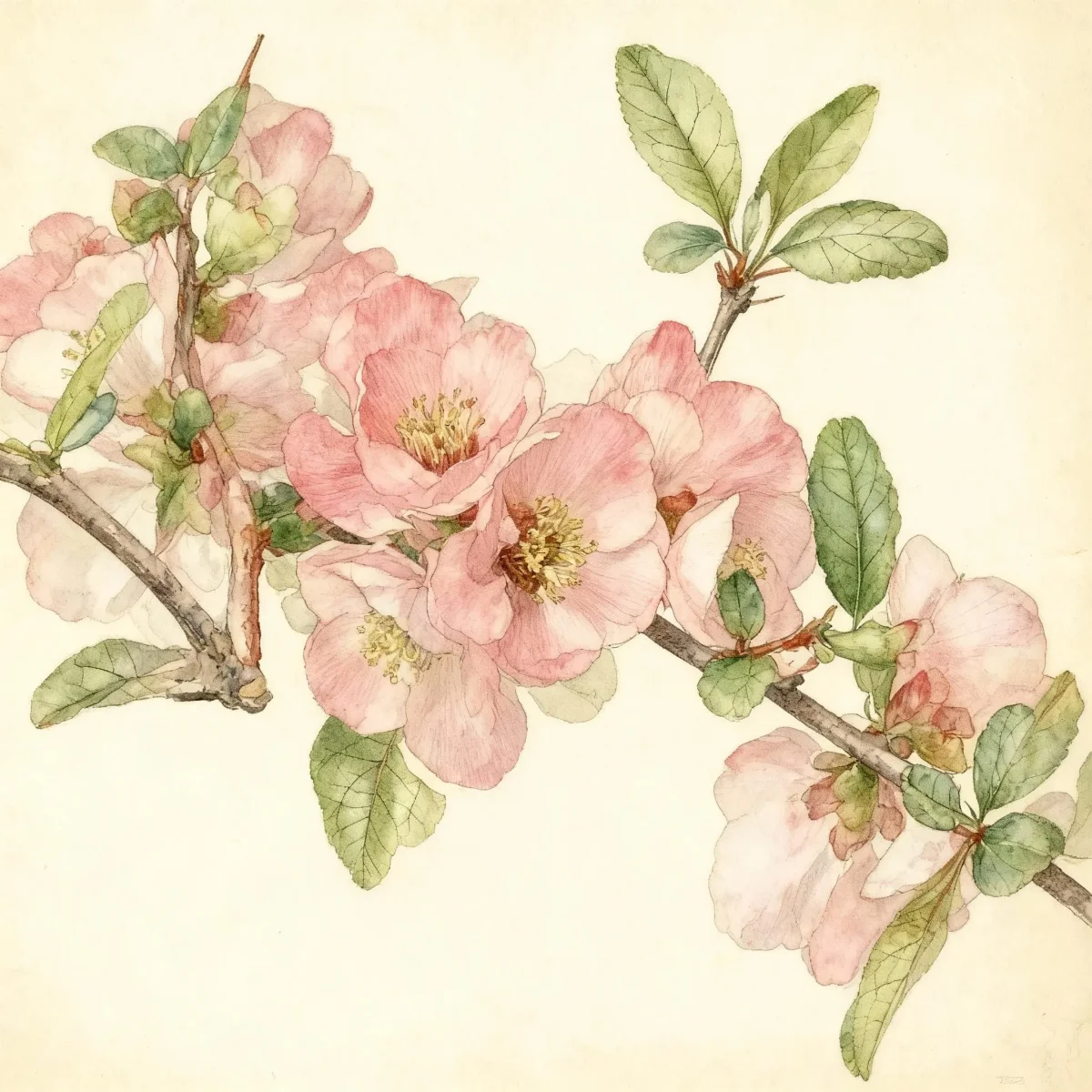
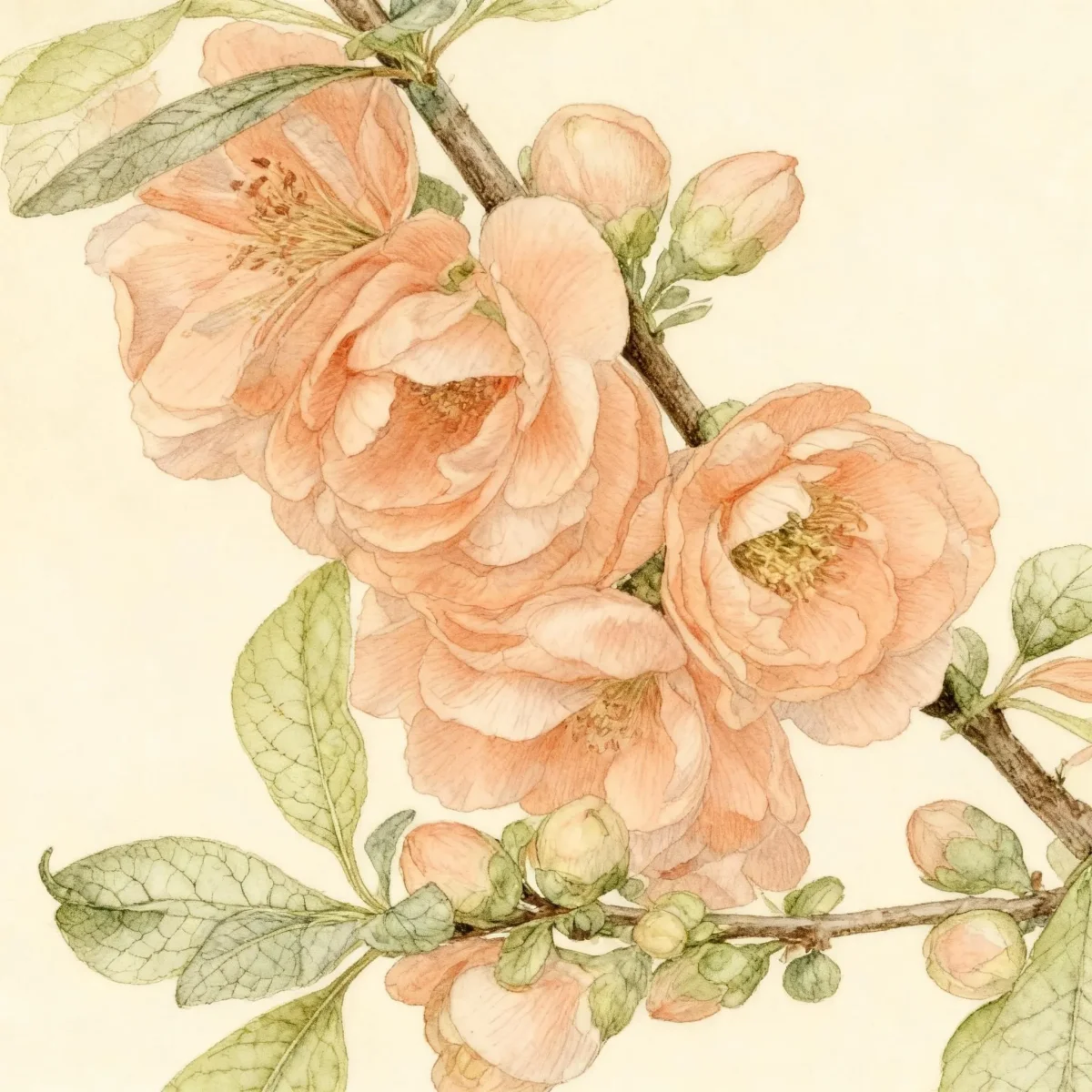
This shrub blends seamlessly into cottage garden designs, juxtaposing its bold flowers with softer perennials. Furthermore, due to its sturdy structure, the Japanese quince can be trained against a sunny wall, creating an almost espaliered effect that maximizes heat and flower production. Branches of Chaenomeles japonica are sometimes clipped and forced indoors for winter bloom displays, bringing early spring color inside.
Standout Features
Flower Qualities
- Showy
Fruit Qualities
- Showy
- Edible
Noteworthy Characteristics
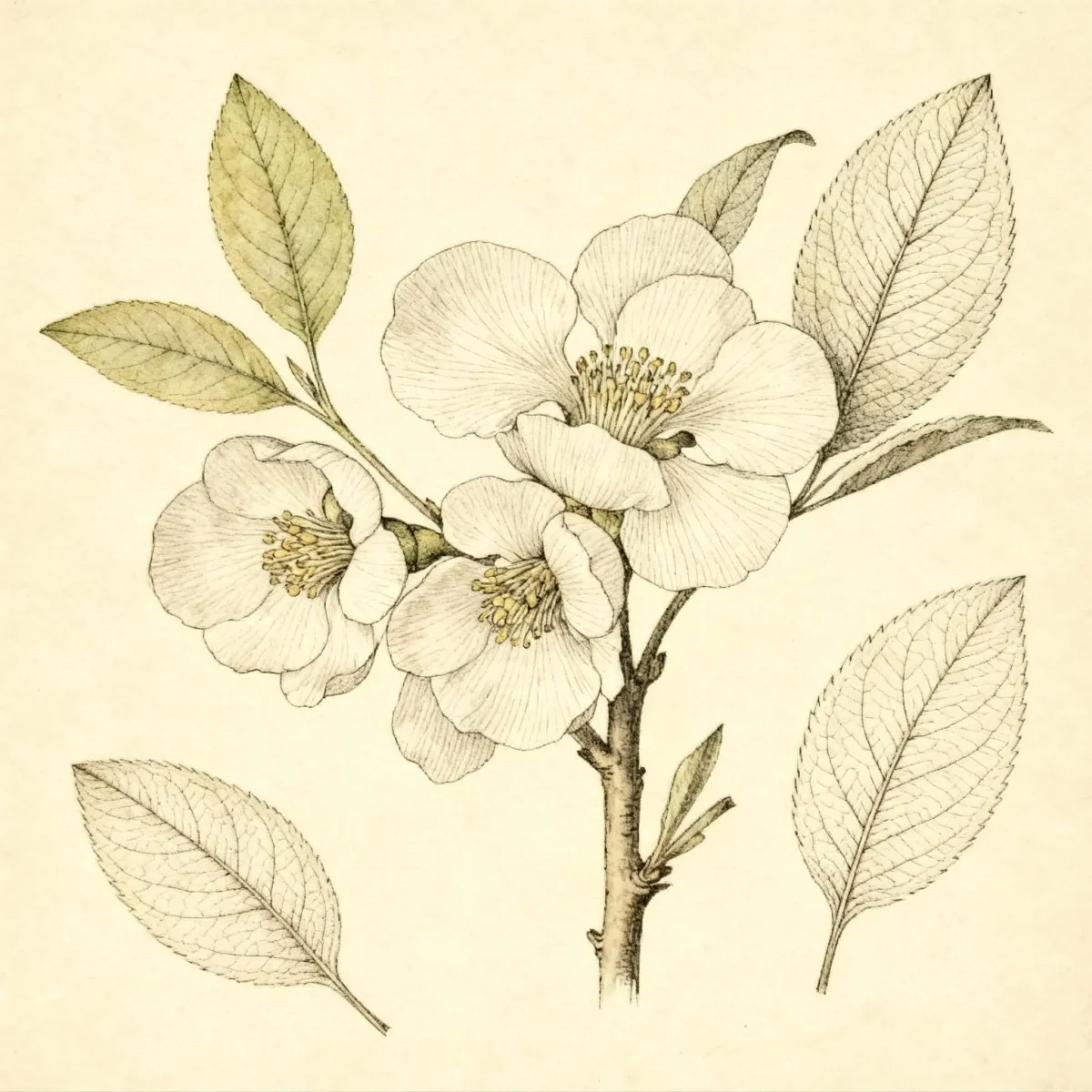
Chaenomeles japonica, commonly called Japanese quince, is a low-growing, densely-branched, deciduous shrub featuring spiny, often-tangled, gray-brown twigs. It typically reaches 3 feet high and spreads up to 6 feet wide, producing five-petaled, orange-scarlet flowers up to 1.5 inches across before the leaves open. These flowers are followed by hard, greenish-yellow fruits which are edible but typically quite bitter, generally reserved for use in jellies or preserves.
Tolerances
- Drought
- Erosion
- Clay Soil
Potential Problems
The greatest challenge for Chaenomeles japonica is susceptibility to fungal leaf spot, especially during rainy springs, which can cause substantial defoliation. Fireblight and scab are also potential diseases in certain regions that require monitoring. Keep an eye out for aphids attacking new growth; scale and mites pose lesser threats. If the foliage yellows (chlorosis), it often indicates the soil pH is too high, requiring potential amendments to manage alkalinity.
Frequently Asked Questions
What hardiness zones is Japanese quince suitable for?
The Japanese quince (Chaenomeles japonica) is suitable for USDA hardiness zones 5 through 9.
How large does Japanese quince grow?
Mature Japanese quince typically reaches a height of 2 to 3 feet, spreading to a width of 3 to 6 feet, creating a low, broad mound.
When does Japanese quince bloom?
This shrub puts on its display in April, featuring striking orange-scarlet flowers.
What sun exposure does Japanese quince need?
For optimal performance and the best flowering, plant Chaenomeles japonica in full sun, though it will tolerate partial shade.
Conclusion
The Japanese quince offers exceptional value to the low-maintenance garden, delivering a spectacular, early flush of orange-scarlet flowers when little else is blooming. Combining hardiness, tolerance for difficult soils, and attractive features, Chaenomeles japonica is a vital textural and seasonal element. Check your specific USDA zone compatibility and plan for a sunny spot to ensure a vibrant return of color next spring.
Companion Planting
When selecting companions for the Japanese quince, consider plants that either bloom later to provide sequential color or that share its preference for well-drained soil and sun exposure. Spring bulbs like daffodils or early tulips make excellent foreground plantings, fading just as the quince finishes blooming. For summer interest near the shrub border, consider pairing Chaenomeles japonica with hardy geraniums or hardy salvias, which thrive in similar sun conditions without competing heavily with the shrub’s root system.
Seasonal Care Calendar
Mid-winter is a good time for light structural pruning on Chaenomeles japonica if necessary, though most shaping should wait. Early spring preparation involves clearing debris around the base so the emerging flowers are visible. The most critical pruning window is immediately after flowering ends in late spring; use this time to thin out crossing branches or remove suckers and shape the hedge. Summer care is minimal, focusing only on supplemental watering during severe drought, as established plants are fairly dry-tolerant. Avoid fertilizing; most soils suffice for this tough shrub.