Lady's mantle (Alchemilla mollis)
Discover Alchemilla mollis, the water-beading Lady's mantle prized for chartreuse blooms and soft, scalloped foliage.
Scroll down to discover growing tips, care requirements, companion plants, and more
Complete Plant Information
Overview
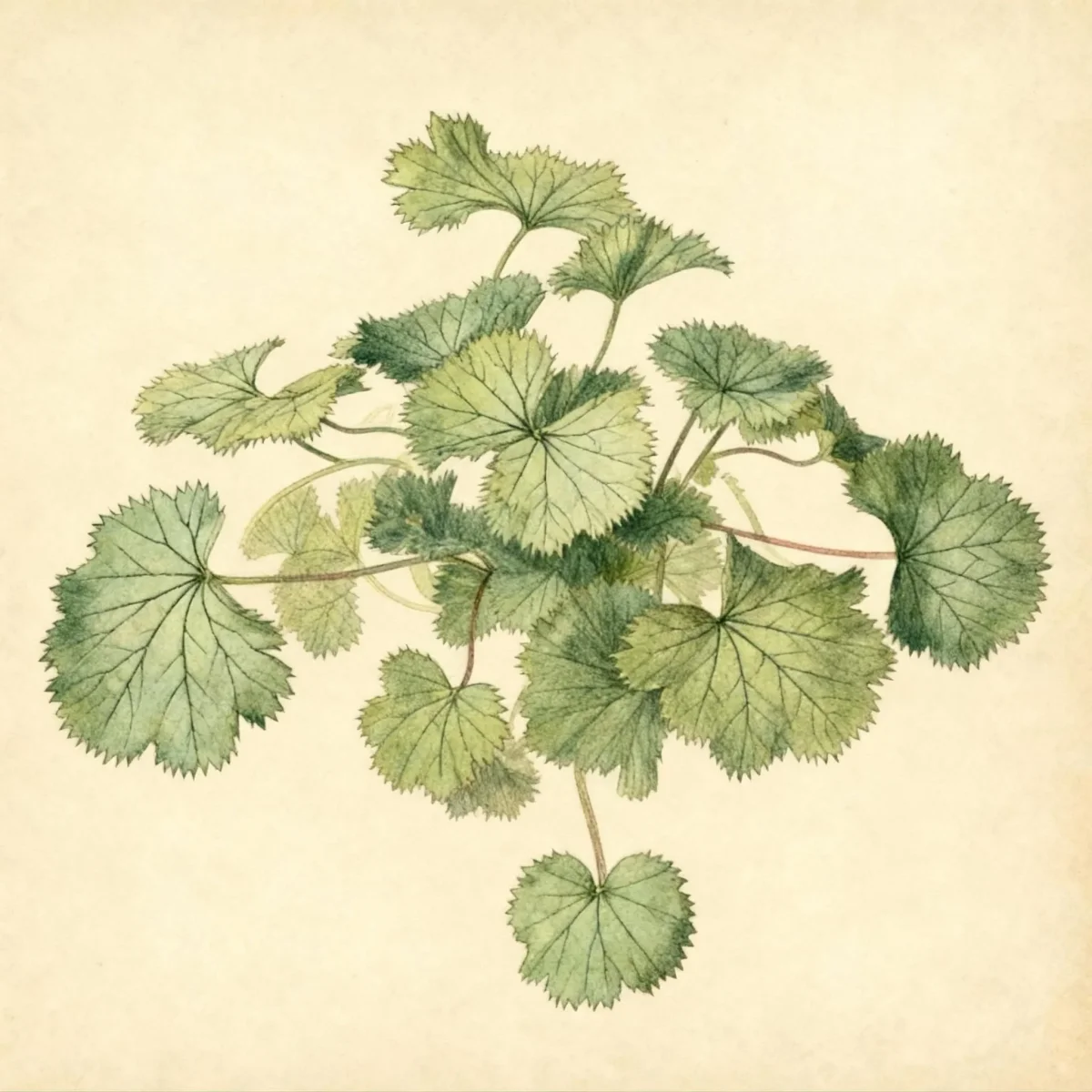
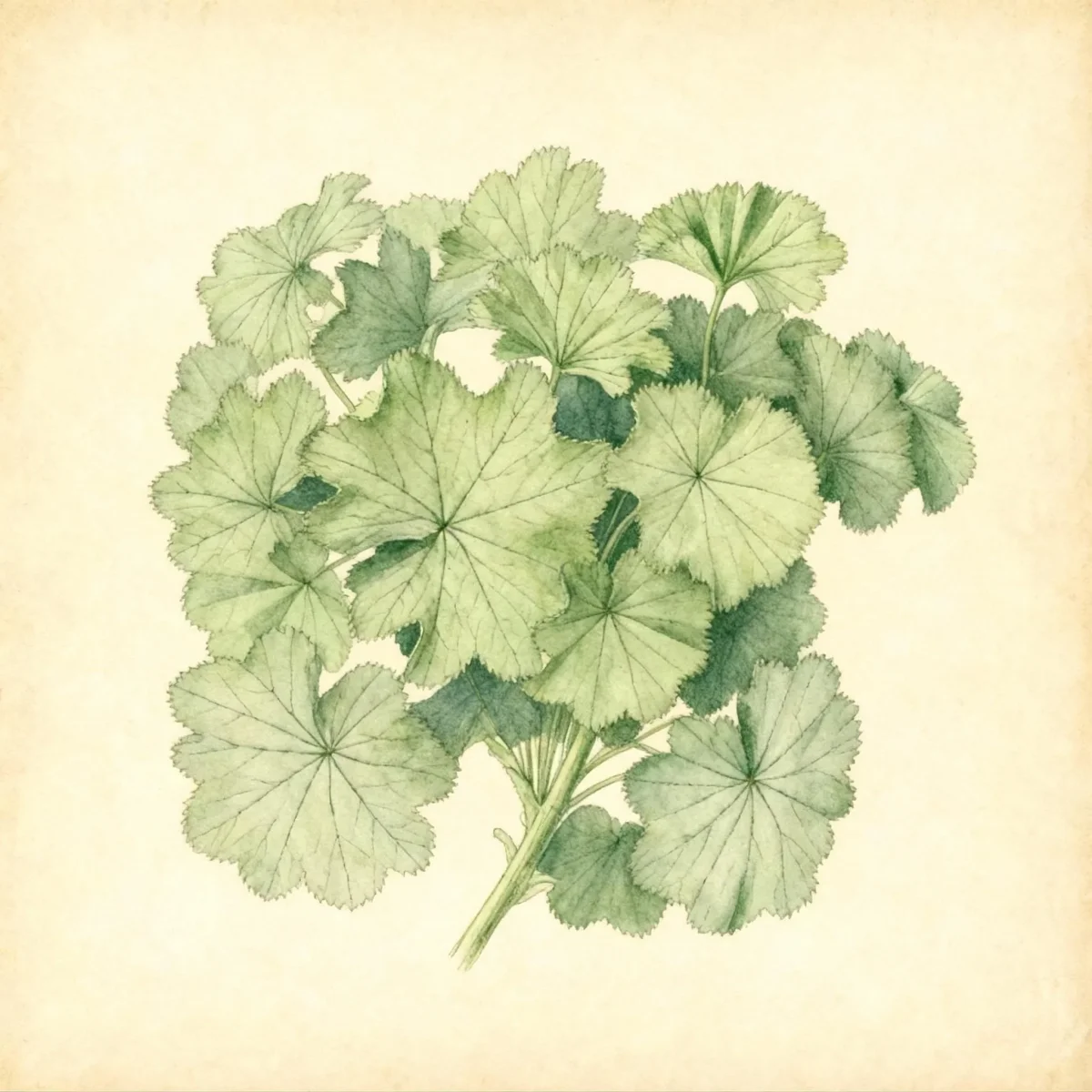
Alchemilla mollis, famously known as Lady’s mantle, is a garden staple appreciated for its distinct, scalloped foliage that catches and holds morning dew or raindrops, creating an irresistible ornamental effect. This clumping perennial forms a tidy basal mound, providing excellent texture even when not in bloom. The chartreuse flowers, appearing in loose sprays in early summer, harmonize beautifully with almost any color palette found in the perennial border.
Native to mountainous regions of Europe, Lady’s mantle thrives across USDA zones 3 through 8, establishing itself reliably in average garden conditions. While it prefers full sun to maintain dense habits, Alchemilla mollis notably tolerates partial shade, making it highly adaptable. Gardeners value this plant for its longevity, resistance to most pests, and its ability to serve as soft edging or ground cover.
The primary consideration when growing Alchemilla mollis is its vigorous self-seeding habit, which can lead to aggressive naturalization in ideal, moist spots. Managing this growth through timely deadheading ensures the plant remains a valued element rather than an unwanted takeover artist in the landscape.
Fast Facts
- Plant Family: Rosaceae
- Plant Type: Herbaceous perennial
- Native Range: Western Asia, Europe
- Hardiness Zones: USDA Zones 3-8
- Size at Maturity:
- Height: 1-1.5 ft
- Spread: 1.5-2.5 ft
- Bloom Time: June
- Bloom Description: Chartreuse
- Sun Exposure: Full sun to part shade
- Water Needs: Medium
- Maintenance Level: Medium
How to Grow
Plant Lady’s mantle in average, medium-moisture, well-drained soils. While it adapts well to sun, ensure it receives part afternoon shade if situated in very hot summer climates to prevent leaf scorch. It performs particularly well in garden areas that retain consistent moisture.
Established plants require medium watering, particularly during dry spells. Fertilization is rarely necessary; healthy garden soil usually suffices. The key care routine involves prompt removal of spent flower stems immediately after blooming finishes. This action prevents aggressive self-seeding and may sometimes encourage a sparse, secondary bloom later in the season.
For propagation, Alchemilla mollis can be grown from seed started indoors approximately 6 to 8 weeks before the last spring frost date. Established clumps benefit from division as needed to maintain vigor and control spread. Focus spring cleanup on removing old winter debris before new growth emerges.
Landscape Uses
Lady’s mantle excels as a versatile structural plant within mixed borders. Its mounding green foliage acts as a perfect foil, softening the edges of taller specimens. Use it effectively along the border fronts, where its texture frames the view into the garden bed.
Because Alchemilla mollis performs well massed as a ground cover or used for edging paths, it provides consistent, low-maintenance greenery year-round. It integrates seamlessly into cottage gardens where its soft habit complements traditional plantings. Furthermore, the unique chartreuse flowers make it excellent for cutting; blooms can be successfully harvested at their peak and hung to dry for use in dried arrangements.
Standout Features
Flower Qualities
- Showy
- Good Cut
- Good Dried
Noteworthy Characteristics
Alchemilla mollis, commonly known as lady’s mantle, is a clumping perennial which typically forms a basal foliage mound (6-12” tall ) of long-stalked, circular, scallop-edged, toothed, pleated, soft-hairy, light green leaves (to 6” across) each with 9-11 shallow rounded lobes. Tiny, apetalous, star-shaped, chartreuse flowers appear in loose, spreading clusters atop stems rising above the foliage to 12-18” in late spring to early summer. The tendency of plant leaves to retain moisture beads after a rain is considered to be a unique and attractive ornamental feature.
Tolerances
- Rabbit
- Deer
Potential Problems
This perennial boasts very few serious pest or disease issues, which adds significantly to its appeal. The main challenge gardeners face with Lady’s mantle is its tendency to be an aggressive self-seeder. If unwanted seedlings appear throughout the garden, be diligent about cutting down flower heads before they drop seed. In hotter climates, ensure sufficient moisture because thirsty plants or those exposed to intense midday sun may suffer leaf scorch.
Frequently Asked Questions
What hardiness zones is Lady’s mantle suitable for?
Alchemilla mollis is adaptable and hardy across USDA Zones 3 through 8.
How large does Lady’s mantle grow?
This perennial typically reaches heights between 1 and 1.5 feet, spreading to a width of 1.5 to 2.5 feet at maturity.
When does Lady’s mantle bloom?
It produces its unique chartreuse flowers primarily in June.
What sun exposure does Alchemilla mollis need?
This plant thrives in conditions ranging from full sun to partial shade, tolerating lower light levels, particularly where summers are hot.
Conclusion
Lady’s mantle is an invaluable, relatively low-maintenance perennial due to its stunning foliage texture and charming chartreuse summer display. The unique dew-catching leaves ensure Alchemilla mollis remains a focal point across seasons. Check your local zone compatibility and plan for timely deadheading to best manage this beautiful garden classic.
Companion Planting
When designing arrangements around Lady’s mantle, consider pairing it with plants that contrast its mounding habit or appreciate similar moisture levels. Its foliage works beautifully against fine-textured grasses or plants with strong vertical forms, such as Salvia or tall Alliums (though Alliums will die back earlier). Because it handles part shade well, it makes an excellent mid-border companion for Hostas or hardy Geraniums which share its medium water needs.
Seasonal Care Calendar
Spring is the ideal time for pruning back any remaining old winter foliage to make way for the new basal growth of the Alchemilla mollis. As June approaches, monitor blooms; deadheading immediately helps control reseeding pressure. In mid-to-late summer, if you notice the foliage looking weary or scorched due to heat, giving the clump a hard shearing (cutting all leaves back near the base) can encourage a flush of fresh, green leaves for the remainder of the season.