Cotoneaster (Cotoneaster suavis)
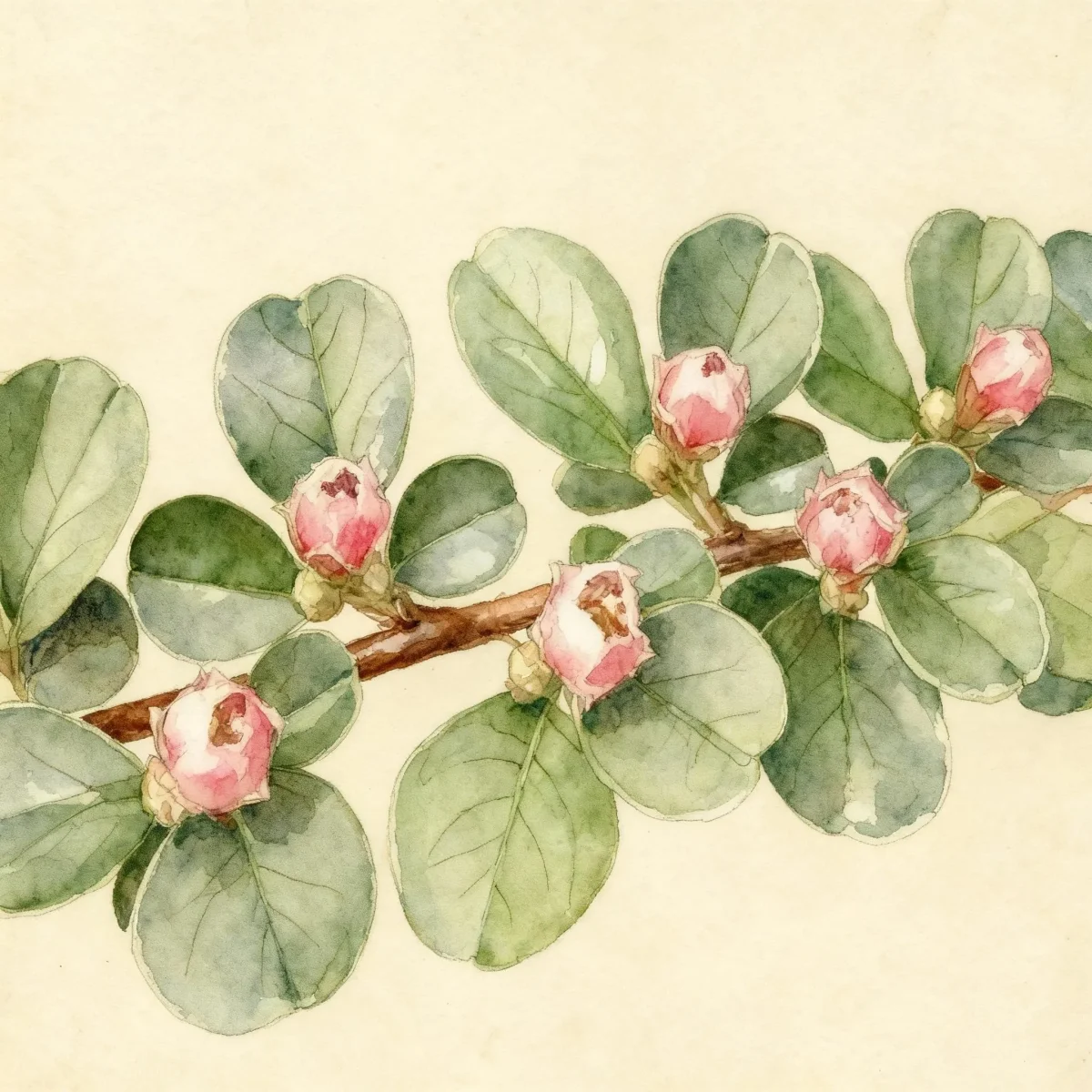
The adaptable Cotoneaster suavis is a low-maintenance deciduous shrub offering handsome foliage, white spring blooms, and showy red fruit.
Scroll down to discover growing tips, care requirements, companion plants, and more
Complete Plant Information
Overview
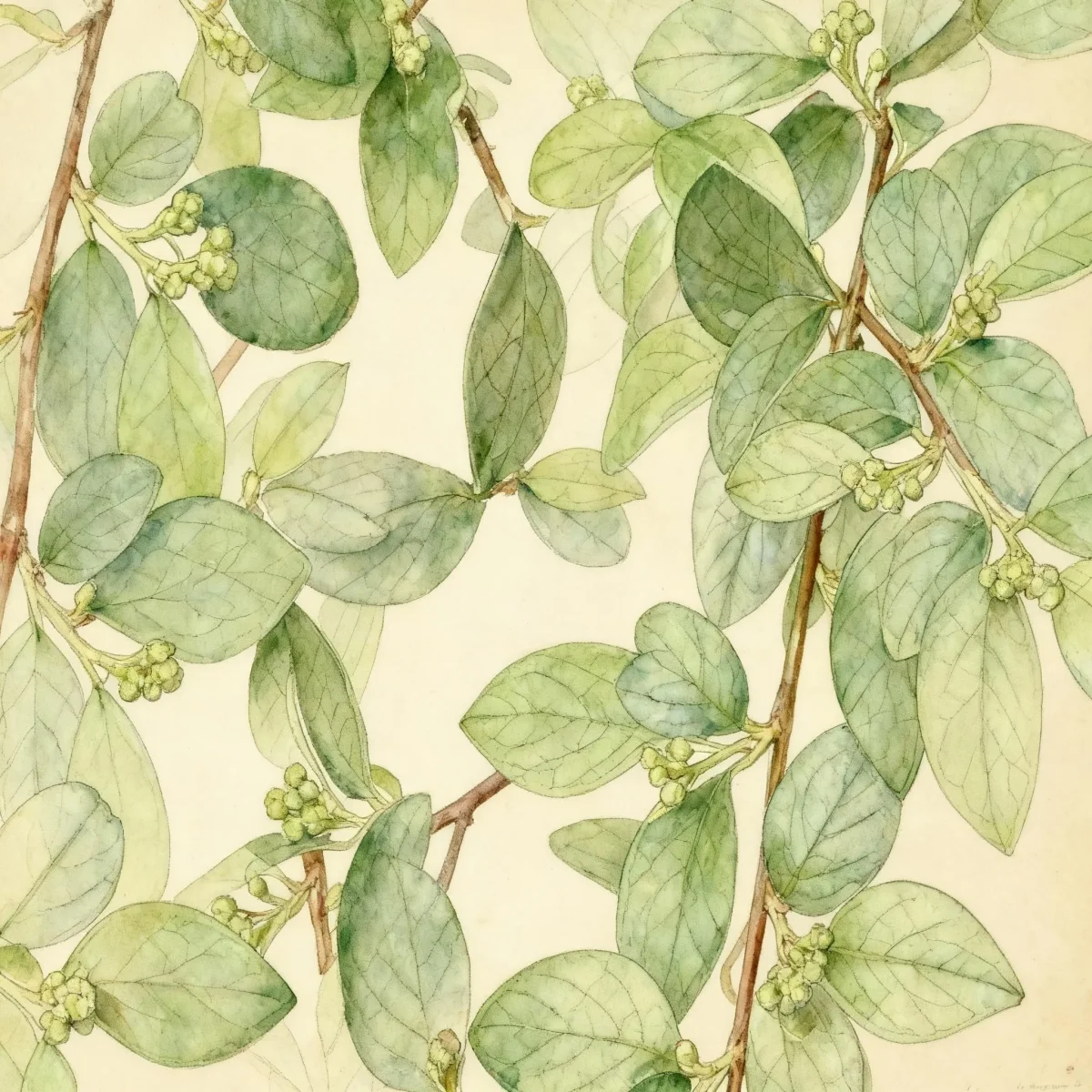
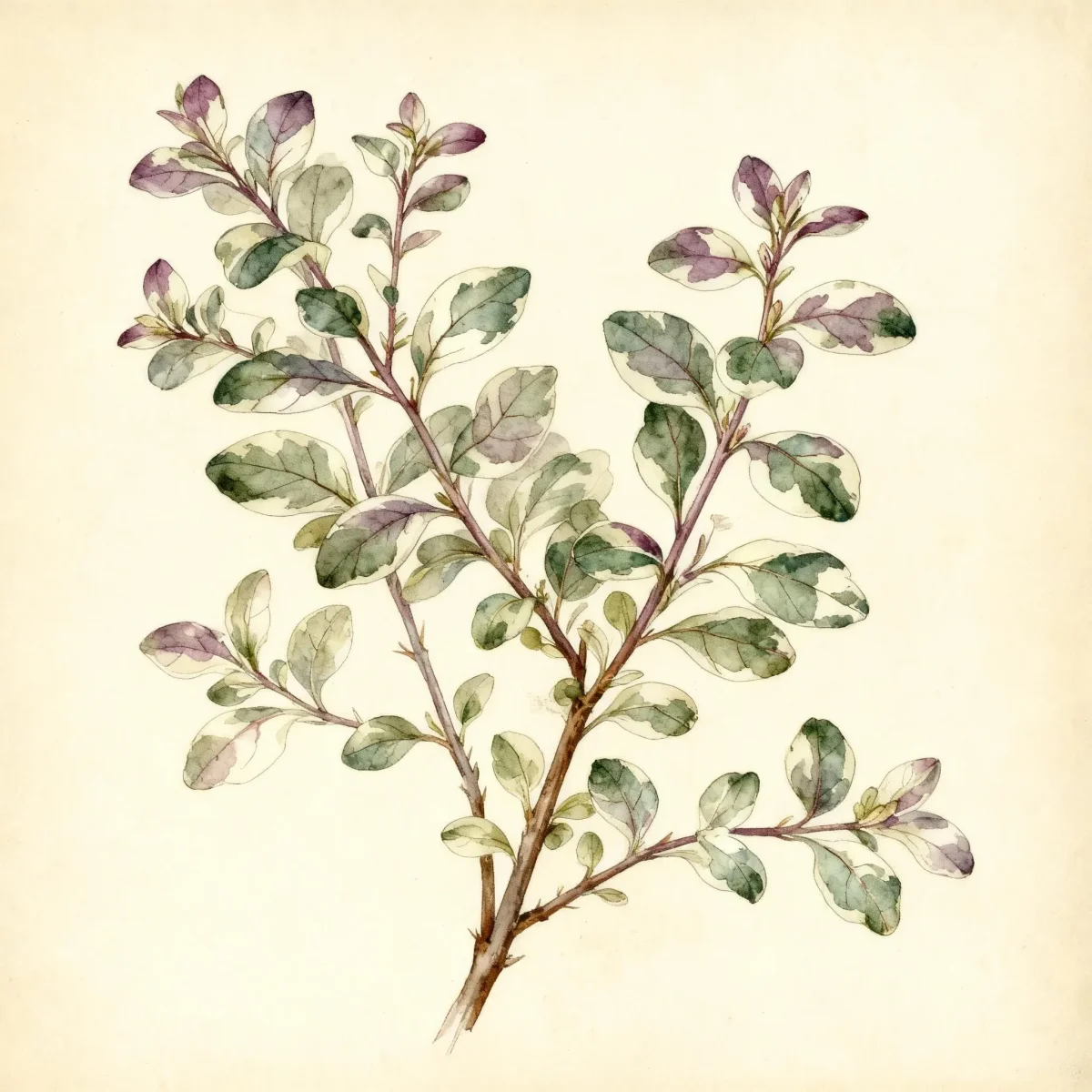
The Cotoneaster suavis, a sturdy deciduous shrub from the Rosaceae family, provides excellent structure and seasonal interest in the landscape. Known for its upright-spreading habit, this Cotoneaster delivers handsome gray-green foliage throughout the season, complemented by masses of tiny white flowers in late spring. Gardeners value this species for its low maintenance requirements and resilience across various soil types.
This tough plant is native to the Caucasus region and matures into an adaptable specimen reaching 4 to 9 feet tall and 6 to 12 feet wide. Beyond its visual appeal, the Cotoneaster suavis offers practical benefits, including tolerance for drought and air pollution, making it a reliable choice for challenging locations. Its dense form and attractive red fruit ripening in autumn ensure that the Cotoneaster remains an interesting focal point well into the year.
Fast Facts
- Plant Family: Rosaceae
- Plant Type: Deciduous shrub
- Native Range: Caucasus region
- Hardiness Zones: USDA Zones 6-9
- Size at Maturity:
- Height: 4-9 ft
- Spread: 6-12 ft
- Bloom Time: May to June
- Bloom Description: White
- Sun Exposure: Full sun to part shade
- Water Needs: Medium
- Maintenance Level: Low
How to Grow
For optimal establishment, plant this Cotoneaster during the spring or fall when temperatures are moderate. Site Cotoneaster suavis where it receives full sun to partial shade. The most critical environmental factor is excellent soil drainage; the plant vastly prefers moist, moderately fertile loams but is highly adaptable, even handling rocky spots. Avoid locations with consistently wet or poorly-drained conditions.
Once established, the watering schedule can transition to medium levels, supplemented naturally by rainfall, especially since Cotoneaster suavis exhibits good drought tolerance. Fertilization is rarely necessary due to its adaptability. Pruning should primarily be corrective, removing dead or crossing branches, though it readily responds if shaping for a hedge is desired.
This tough shrub is generally low maintenance. As it originates from a cooler native range, observe plants near the northern edge of Zone 6 for potential early defoliation, though it is largely hardy there. Propagation can be achieved through stem cuttings or by sowing seeds harvested from the autumn fruit.
Landscape Uses
The robust nature of this cotoneaster makes it an excellent candidate for functional plantings, most notably as a hedge. Its dense habit and ease of care ensure a reliable green barrier or screen when sited properly. Although noted as being slightly difficult to find in commerce, the visual reward—handsome foliage, subtle flowers, and showy red fruit—is significant.
Consider utilizing Cotoneaster suavis for erosion control on slopes where its root system can stabilize soil, benefiting from its known tolerance in this area. It also works well in woodland garden settings where it can handle dappled light, or planted in small groups to create a mass display of seasonal color. Pair it with later-blooming shrubs that offer contrasting flower or foliage colors.
Standout Features
Flower Qualities
- Showy
Fruit Qualities
- Showy
Noteworthy Characteristics
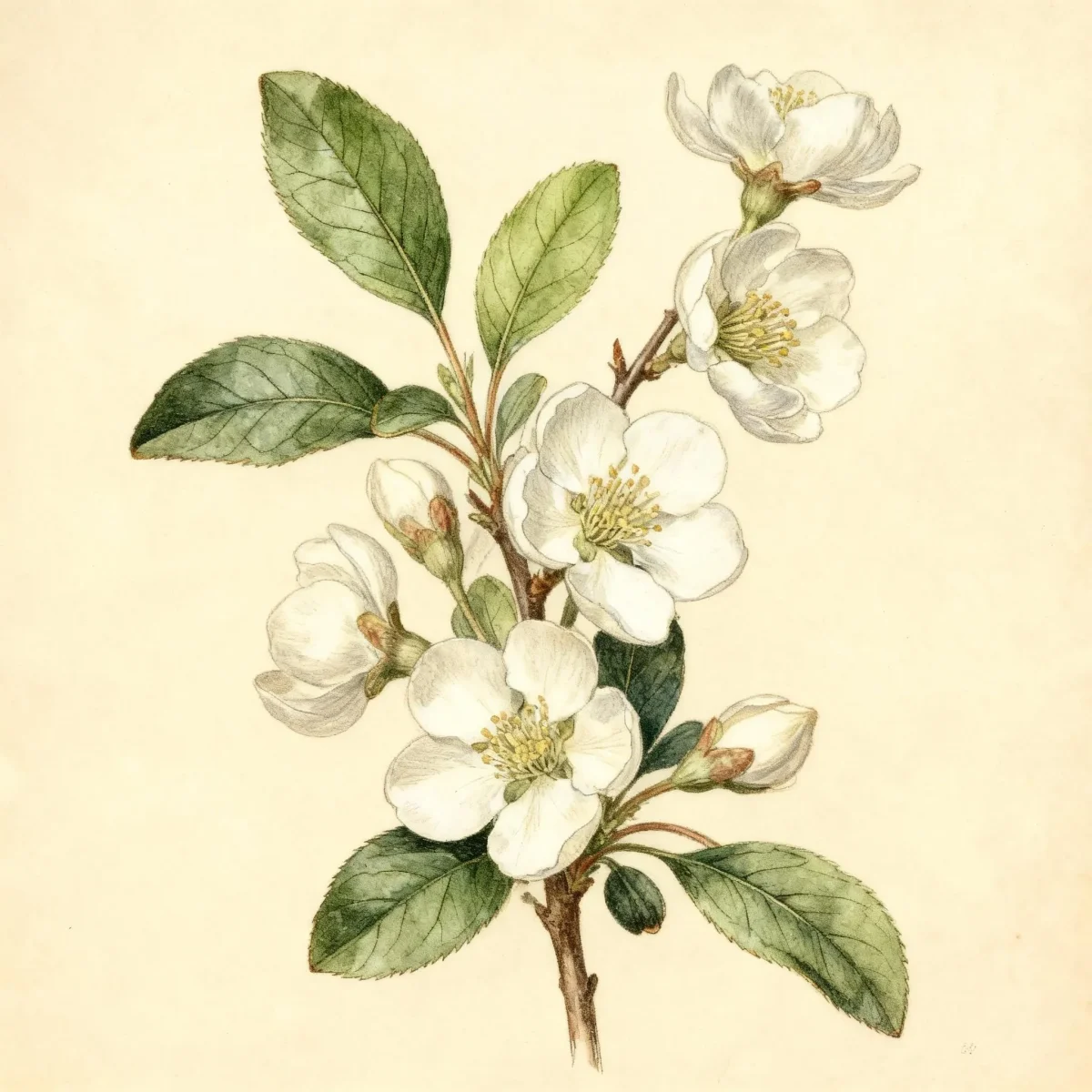
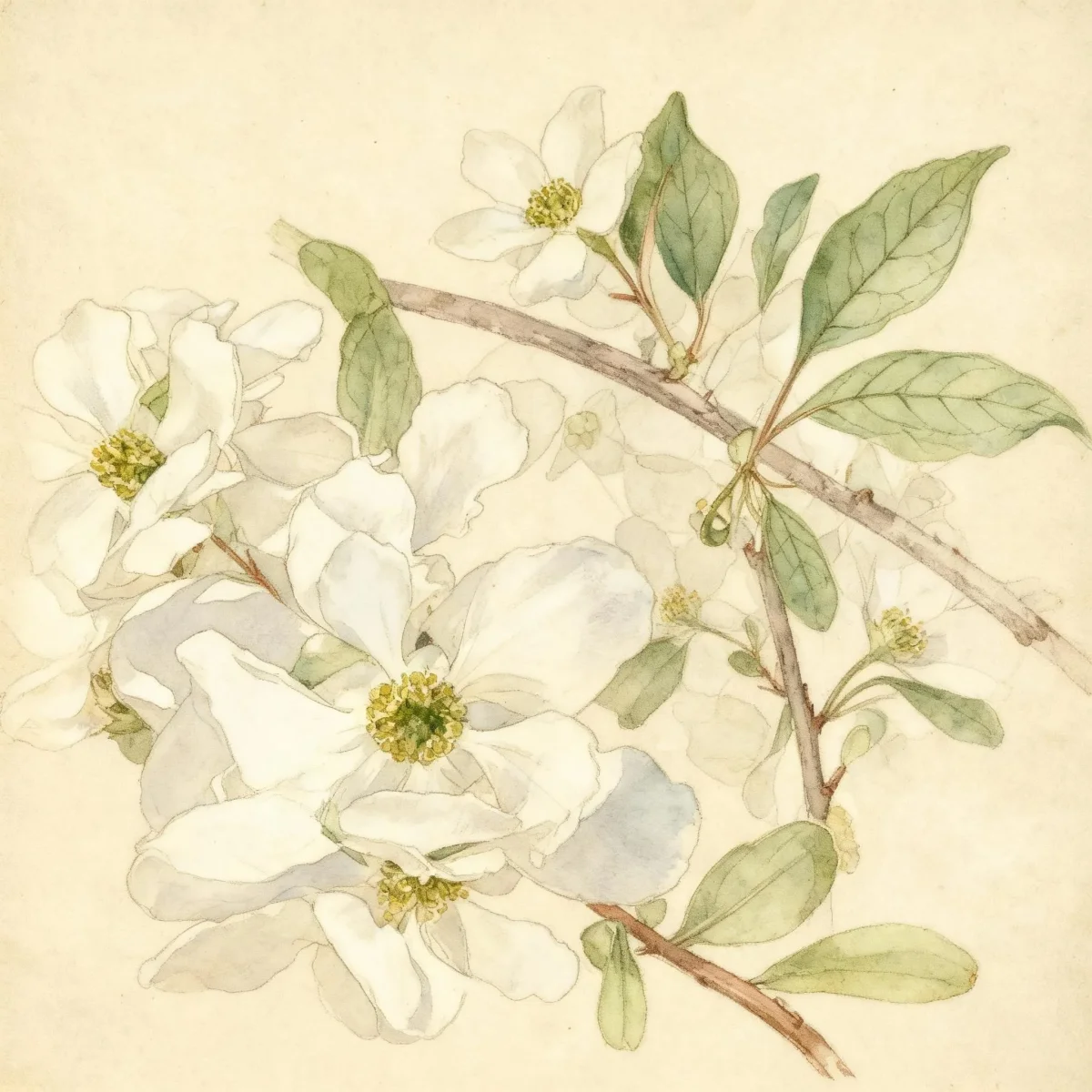
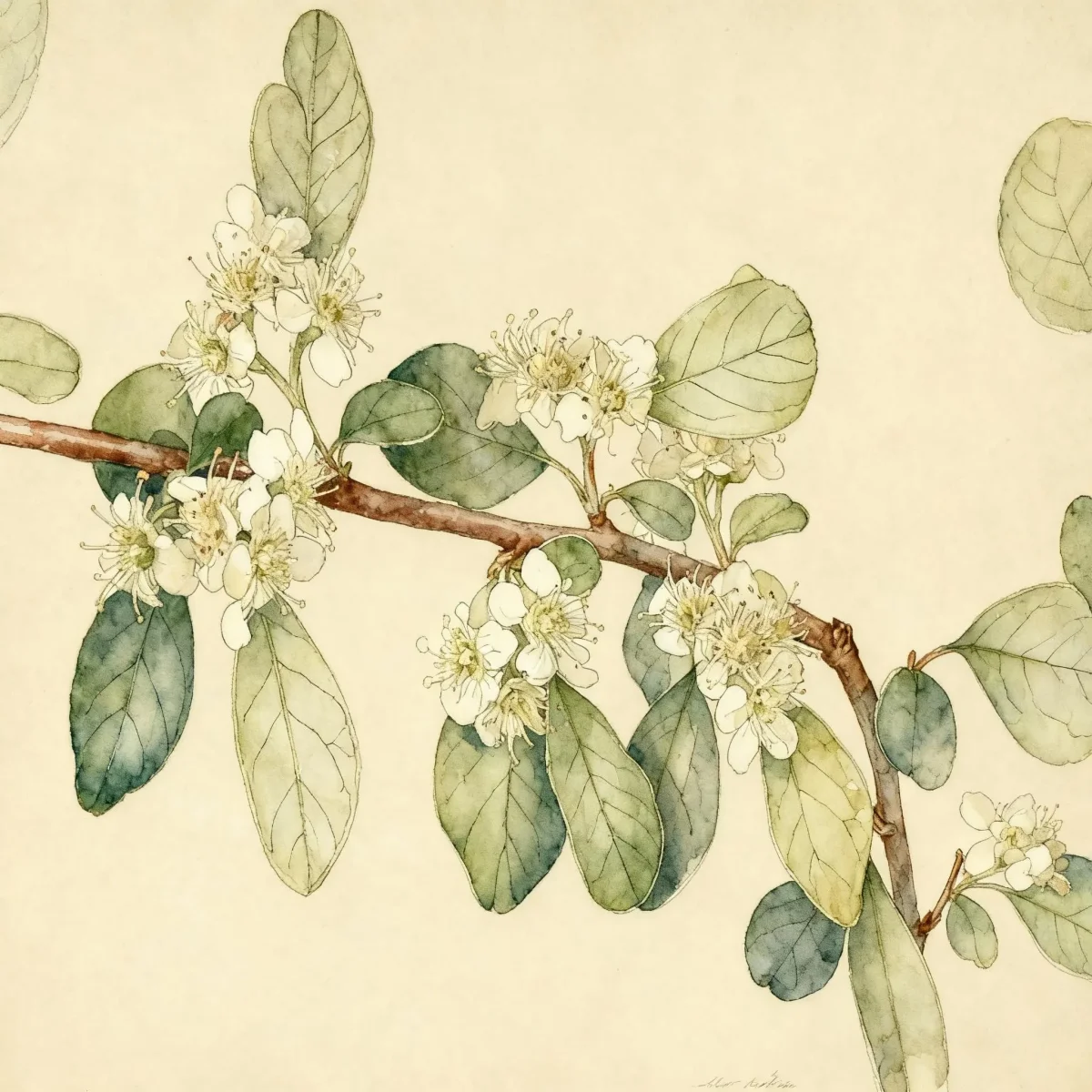
Cotoneaster suavis, commonly called cotoneaster, is a deciduous shrub in the rose family that typically grows to 4-9’ tall with upright-spreading branches. It is noted for its handsome foliage, white flowers in late spring and red fruit which typically ripens in early autumn. Tiny white 5-petaled flowers bloom along the branches in May and June, giving way to red oval fruits (pomes) which mature in late summer to early fall.
Tolerances
- Rabbit
- Drought
- Erosion
- Air Pollution
Potential Problems
While generally robust, gardeners should watch for specific disease and pest issues in the Cotoneaster suavis. Susceptibility to fireblight is a concern, particularly when growing in hotter, more humid southern climates, requiring proactive monitoring and sanitation. Other potential afflictions include common leaf spot diseases and canker.
Insect pressures can include infestations of the cotoneaster webworm and lacebug, which can disfigure the handsome foliage. Furthermore, mites may become active, especially during periods of high heat and dry weather, warranting close inspection during summer maintenance routines. Regular inspection allows for early treatment to maintain the health of your Cotoneaster.
Frequently Asked Questions
What hardiness zones is Cotoneaster suavis suitable for?
This adaptable shrub thrives across USDA Hardiness Zones 6 through 9.
How large does Cotoneaster grow?
The mature size typically ranges from 4 to 9 feet in height and spreads between 6 to 12 feet wide, creating a moderately large screening plant.
When does Cotoneaster bloom?
The Cotoneaster suavis produces its small, white flowers along the branches, typically blooming from May into June.
What sun exposure does Cotoneaster suavis need?
It performs best when situated in locations receiving full sun to part shade, offering flexibility in landscape placement.
Conclusion
The tough and adaptable Cotoneaster suavis offers tremendous value to the landscape gardener through its resilience and year-round visual appeal, highlighted by its handsome foliage and showy red fruit. Ensuring proper drainage is the key to success when incorporating this Cotoneaster into your garden designs. Before planting, verify that your site falls within USDA Zones 6-9 and prepare well-draining soil for lasting beauty.
Companion Planting
For synergistic planting schemes, pair Cotoneaster suavis with plants that share similar low-maintenance and sun exposure requirements. Consider grounding it with low-growing Junipers or creeping Phlox, which offer textural contrast while appreciating full sun. In slightly shadier areas, hostas or ferns can complement the Cotoneaster foliage without competing for overhead light, relying on medium water availability.
Propagation Tips
Propagating Cotoneaster suavis can usually be achieved through two primary methods: stem cuttings or seed. Taking semi-hardwood cuttings in mid-summer often yields good results, requiring the use of rooting hormone and placement in a protected, moist environment over winter. Alternatively, seeds harvested from the red fruits can be sown, although germination may be erratic and requires patience, typical for many members of the Rosaceae family.