Willowleaf pear (Pyrus salicifolia)
The Willowleaf pear (Pyrus salicifolia) offers striking, narrow, silver-gray foliage and attractive spring flowers. Ideal for zones 4-7.
Scroll down to discover growing tips, care requirements, companion plants, and more
Complete Plant Information
Overview
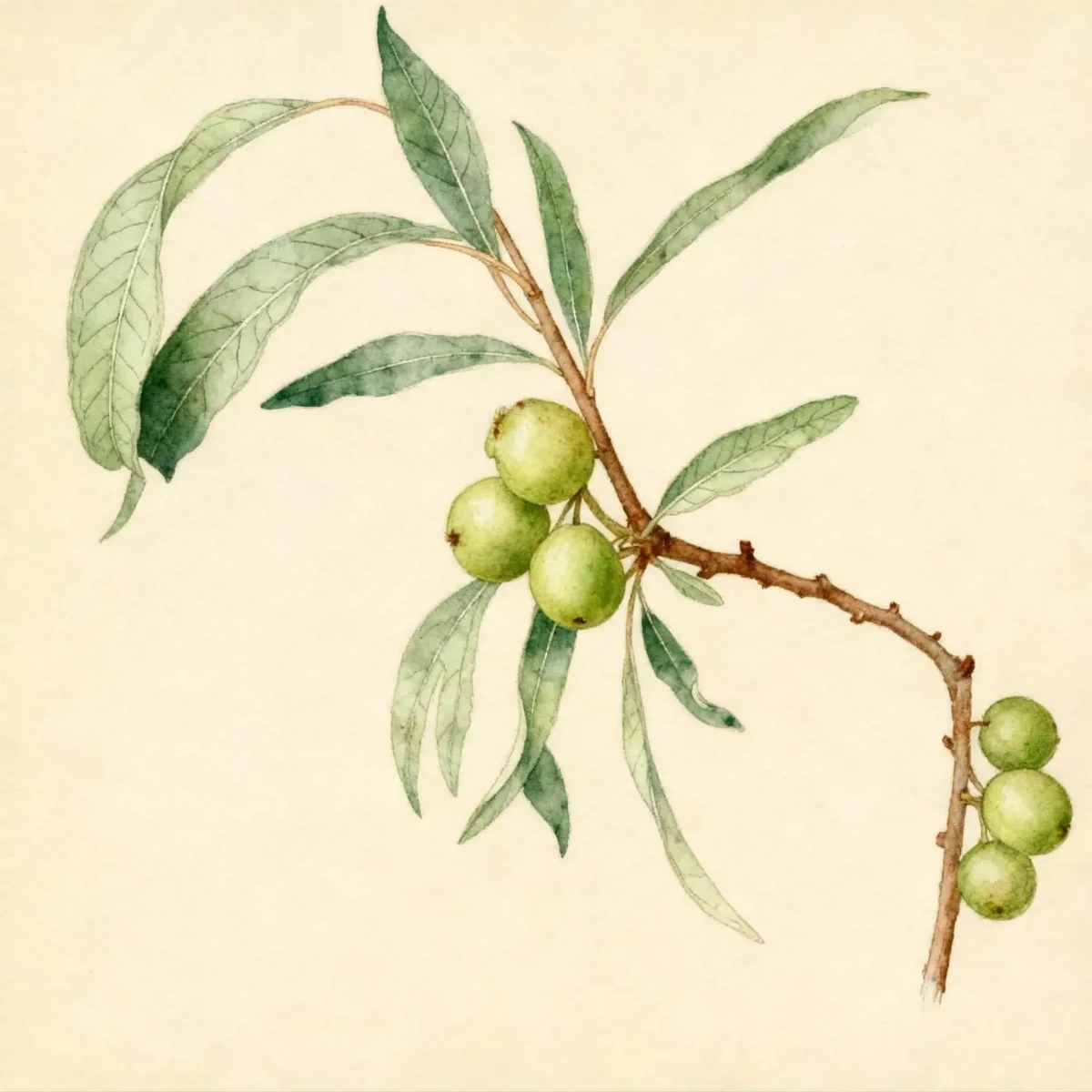
The Willowleaf pear, scientifically known as Pyrus salicifolia, is a gracefully deciduous small tree prized primarily for its distinctive foliage. It features narrow, willow-like leaves that exhibit a striking silver-gray hue, providing textural and color contrast in the garden landscape where it is often called the weeping silver pear. This aesthetic appeal, combined with an oval-rounded habit and sometimes thorny twigs, makes Pyrus salicifolia a unique specimen choice.
Native to the rocky plains and woodlands of Turkey, this pear tree offers dependable performance across a moderate range of climates. In spring, it produces appealing clusters of cream to greenish-white flowers before the leaves fully mature, adding seasonal interest. While it does produce small, brown, pear-shaped fruits, they are rarely ornamental and generally inedible, meaning the tree remains valued almost entirely for its year-round structure and silvery canopy.
Gardeners should select a location where the Pyrus salicifolia can fully develop its characteristic drooping branch pattern. It performs best in cooler summers and requires dedication to maintenance, particularly due to susceptibility to common pear diseases. When sited correctly, the Willowleaf pear serves as an excellent focal point or naturalized planting.
Fast Facts
- Plant Family: Rosaceae
- Plant Type: Tree
- Native Range: Turkey
- Hardiness Zones: USDA Zones 4-7
- Size at Maturity:
- Height: 15-25 ft
- Spread: 12-20 ft
- Bloom Time: April to May
- Bloom Description: Cream to greenish-white
- Sun Exposure: Full sun
- Water Needs: Medium
- Maintenance Level: Medium
How to Grow
For successful establishment, plant the Pyrus salicifolia during the fall or early spring when conditions are cool. The most crucial factor for this tree is soil drainage; ensure it is planted in average, moderately fertile, well-drained soils. While it is adaptable to heavy clay, superior drainage is always preferable. Position the Willowleaf pear where it can receive full sun, although it tolerates a bit of light shade.
Once established, the tree exhibits medium water needs and can tolerate some drought periods, which is beneficial during dry spells. Fertilization is rarely required if the soil is moderately fertile. Pruning, if necessary, should focus on removing dead or crossing branches. Twigs can sometimes be thorny, so approach pruning with caution.
A critical consideration for this species is climate suitability. The Willowleaf pear prefers cool summer climates and generally performs poorly when planted extensively south of USDA Zone 7, where high heat and humidity exacerbate common pests and diseases. Monitor closely for signs of distress, especially in warmer fringes of its range.
Landscape Uses
The combination of early spring flowers early in the season, followed by the enduring silvery foliage and attractive weeping form, makes the Pyrus salicifolia ideal for specimen planting. Use the Willowleaf pear where its unique texture can draw attention, such as near entryways or in front of darker green evergreens that enhance its silvery glow. It functions excellently as a standalone feature tree.
Because it is recommended for naturalizing, consider grouping several specimens on slopes or in large open areas where their form can create a drift of silver under the full sun. While it is a medium-sized tree, avoid placing it too close to structures, ensuring its 12 to 20-foot spread has adequate room to develop its signature silhouette. Its early blooms also make it an excellent structure for attracting early season pollinators.
Standout Features
Flower Qualities
- Showy
Fruit Qualities
- Showy
Noteworthy Characteristics
Pyrus salicifolia is distinct due to its narrow, silver-gray leaves, which give rise to its common name, the willowleaf pear. Growing to about 15-25’ tall, it features an oval-rounded shape punctuated by attractive drooping branches, and its twigs are occasionally thorny. The cream to greenish-white flowers appear in spring, followed by small, somewhat insignificant pear-shaped fruits that ripen to brown.
Tolerances
- Tolerates some light shade
- Adaptable to a wide range of soil conditions including heavy clay
- Established trees tolerate some drought
Potential Problems
The primary concern when cultivating the Pyrus salicifolia is susceptibility to fireblight, a serious bacterial disease common in the Pyrus genus. This threat is significantly amplified in southern regions experiencing warm and humid summers. Alongside fireblight, gardeners must watch for common pear diseases like anthracnose, canker, scab, and powdery mildew. Effective management of insect pests, including aphids, blister mites, caterpillars, and scale, requires regular scouting. Proper pruning and cultural care focus on maximizing air circulation and avoiding high-stress conditions that invite disease.
Frequently Asked Questions
What hardiness zones is Willowleaf pear suitable for?
The Pyrus salicifolia is reliably hardy across USDA Zones 4 through 7.
How large does Pyrus salicifolia grow?
This tree typically matures to a height of 15 to 25 feet, with a spread ranging from 12 to 20 feet wide.
What sun exposure does Pyrus salicifolia need?
For the best performance and darkest silver foliage, the Willowleaf pear requires full sun exposure.
When does Willowleaf pear bloom?
Flowering occurs between April and May, presenting clusters of cream to greenish-white blooms.
Conclusion
The Willowleaf pear offers unique year-round structure, largely due to its memorable silvery, narrow foliage and distinct weeping habit. Its low-maintenance needs regarding drought once established, combined with striking spring flowers, affirm the value of Pyrus salicifolia in structured landscapes. Always confirm your location falls within USDA Zones 4-7 and prioritize well-drained soil placement before adding this textural beauty to your garden plan.
Companion Planting
When designing a bed around your Pyrus salicifolia, focus on plants that contrast well with its silver coloration while sharing similar cultural needs. Consider pairing it with deep green or dark purple foliage plants; Japanese maples (Acer palmatum) or dark-leafed Ninebarks (Physocarpus opulifolius) provide excellent color anchors. Since both the pear and many suitable companions prefer medium moisture and well-drained soil, simple irrigation management suffices. Avoid grouping it with species highly susceptible to the same soil-borne pathogens that might affect Pyrus.
Seasonal Care Calendar
Spring is the critical season for the Willowleaf pear, requiring proactive disease monitoring as soon as new growth emerges. Inspect branches weekly for signs of fireblight infection and prune immediately if detected, sterilizing tools between cuts. As summer progresses, maintain consistent medium watering, especially during dry spells, though avoid overwatering, which can encourage fungal issues. In the fall, remove leaf litter to reduce overwintering disease spores, and ensure the area around the trunk remains clear before winter dormancy sets in.