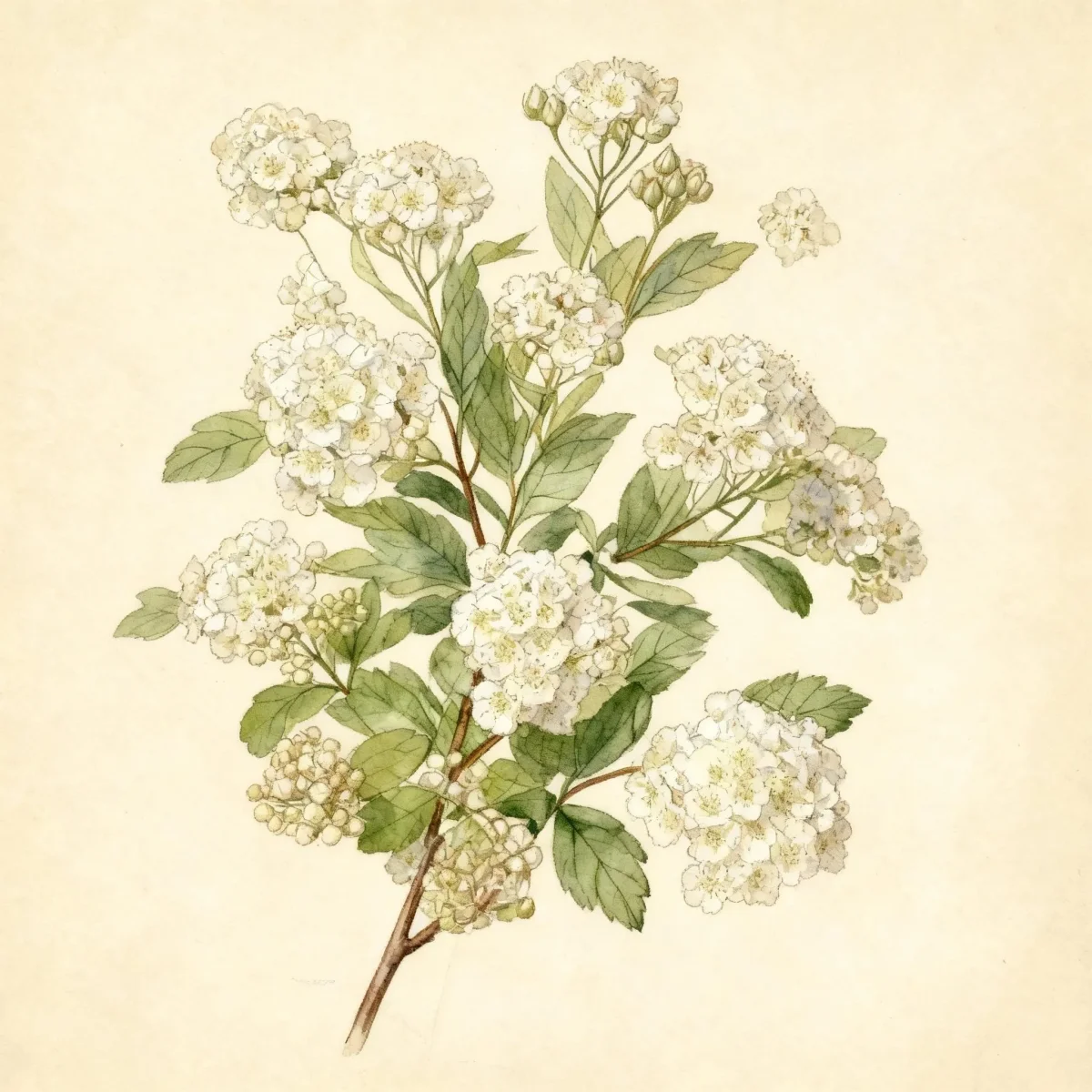
Scalloped spirea (Spiraea crenata)
Discover Spiraea crenata, the Scalloped spirea, a low-maintenance shrub with early white blooms. Perfect for borders.
Scroll down to discover growing tips, care requirements, companion plants, and more
Complete Plant Information
Overview
The Scalloped spirea, scientifically known as Spiraea crenata, offers gardeners a dense, compact deciduous shrub valued for its early spring display. This small-leaved shrub is recognized by its upright, spreading reddish-brown branches that develop intricate white blooms before many other landscape plants begin to stir. Its graceful form and reliable performance make it a standout choice for structured garden designs.
Native to stony slopes across Southeastern Europe and extending into Siberia, Spiraea crenata thrives under relatively easy cultural conditions. It matures into a shrub typically ranging between two and four feet tall and wide, providing excellent texture in mixed borders or as a refined low hedge. Gardeners appreciate this plant for its resilience and the delicate, showy flower clusters that attract early-season butterflies.
This species is highly favored for its low maintenance commitment. Once established, the Scalloped spirea tolerates less-than-ideal soil conditions and requires minimal intervention. The abundant white flowers give rise to its common name, Bridal wreath, signaling an accessible, attractive addition to nearly any temperate or cooler climate landscape.
Fast Facts
- Plant Family: Rosaceae
- Plant Type: Deciduous shrub
- Native Range: Southeastern Europe to Caucasus and Altai Mountains
- Hardiness Zones: USDA Zones 4-8
- Size at Maturity:
- Height: 2-4 ft
- Spread: 2-4 ft
- Bloom Time: April to May
- Bloom Description: White
- Sun Exposure: Full sun
- Water Needs: Medium
- Maintenance Level: Low
How to Grow
Plant the Scalloped spirea during the dormant season—early spring or late fall—to allow it to establish roots before intense summer heat. It thrives best when situated in full sun, which ensures the densest habit and most prolific flowering, although it will tolerate light shade. Spiraea crenata adapts well to a wide array of soils, preferring locations that are moist, fertile, and well-drained. Good drainage is key to preventing root issues.
Watering should be consistent, meeting its medium water needs, especially during the first year after planting. Fertilization is generally unnecessary if the plant is sited in fertile soil; overly rich conditions can sometimes encourage weak, floppy growth. Its low maintenance requirement is a significant benefit for busy gardeners.
Pruning must be timed correctly to avoid removing next year’s flower buds. Since flowers appear on old wood, any necessary shaping or removal of faded clusters should be performed immediately after the bloom period ends in late spring. Light shearing can be utilized to encourage a fresh flush of leaves and maintain a tight shape for hedging, but heavy annual pruning is discouraged.
Landscape Uses
The compact nature of the Scalloped spirea makes it exceptionally versatile in landscape design. Due to its reliable moderate size, it excels when massed or grouped within shrub borders, providing a unified sweep of spring white color. Consider using Spiraea crenata as a low hedge bordering formal paths and walkways, where its neat form offers excellent structure without becoming overgrown.
This species also integrates seamlessly into foundation plantings, softening the hard lines where the house meets the landscape. For ecological benefits, incorporating Spiraea crenata into butterfly gardens is highly recommended, as its early flowers provide essential nectar for emerging pollinators. It pairs well aesthetically with later-blooming shrubs that require similar sun and soil profiles.
Standout Features
Flower Qualities
- Showy
Noteworthy Characteristics
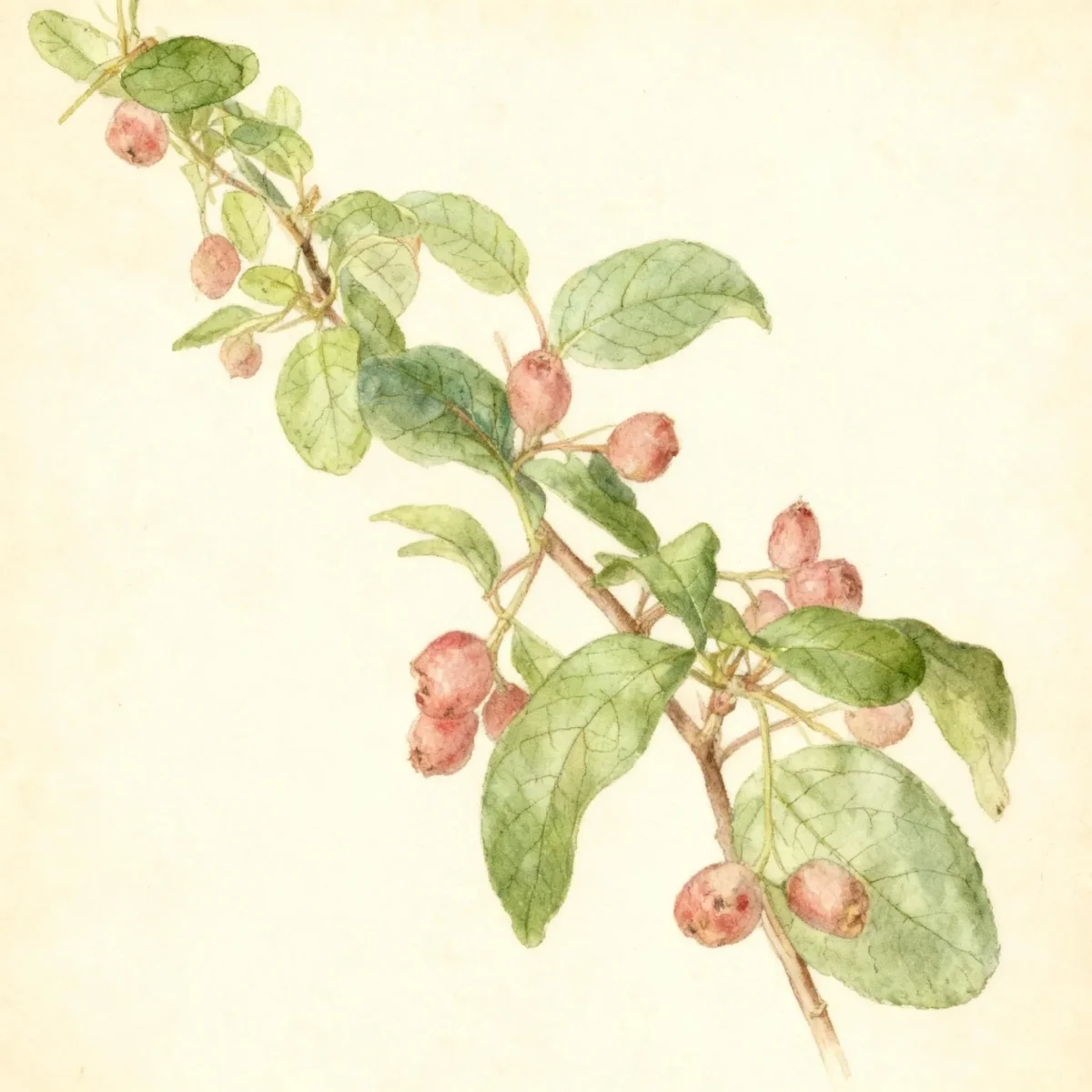
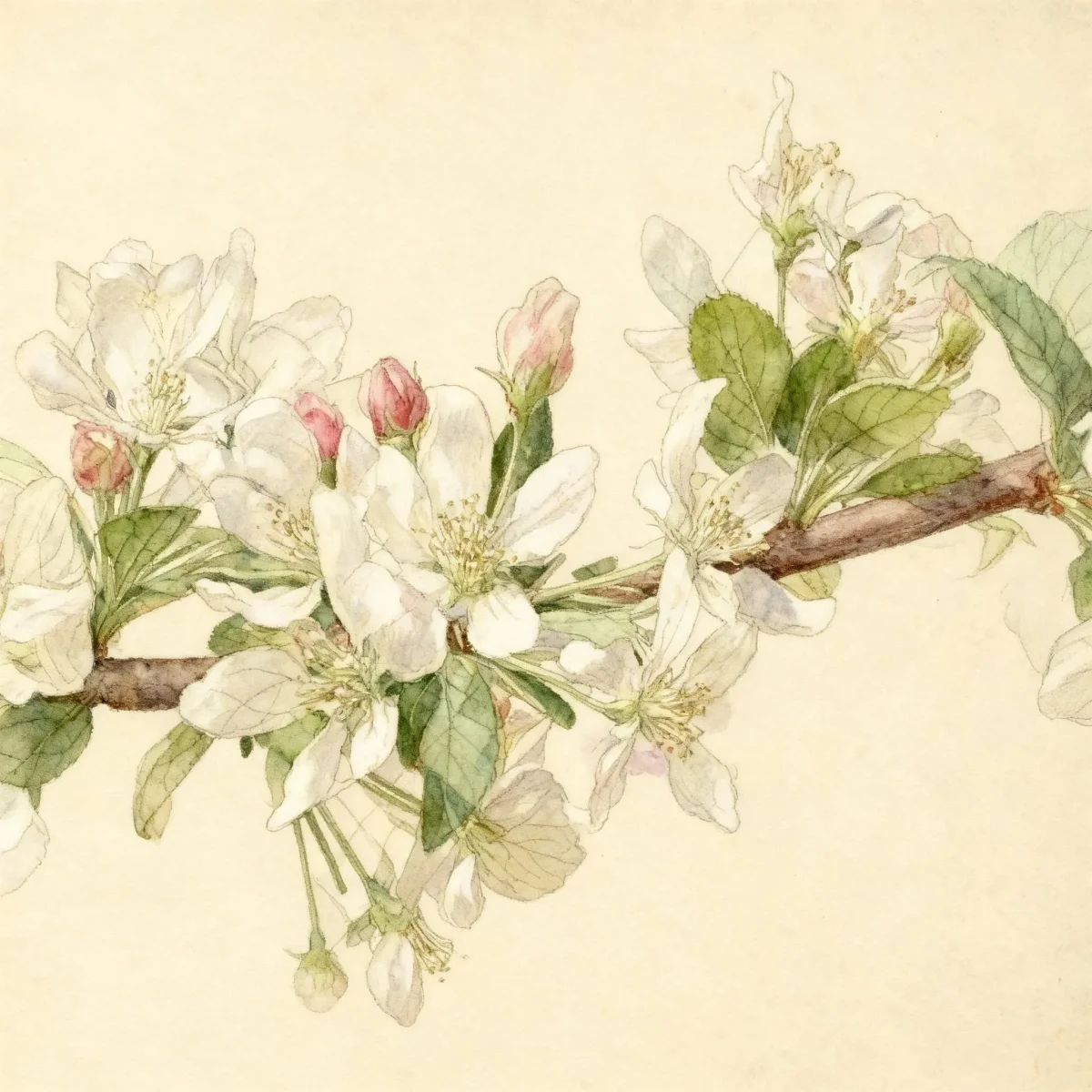
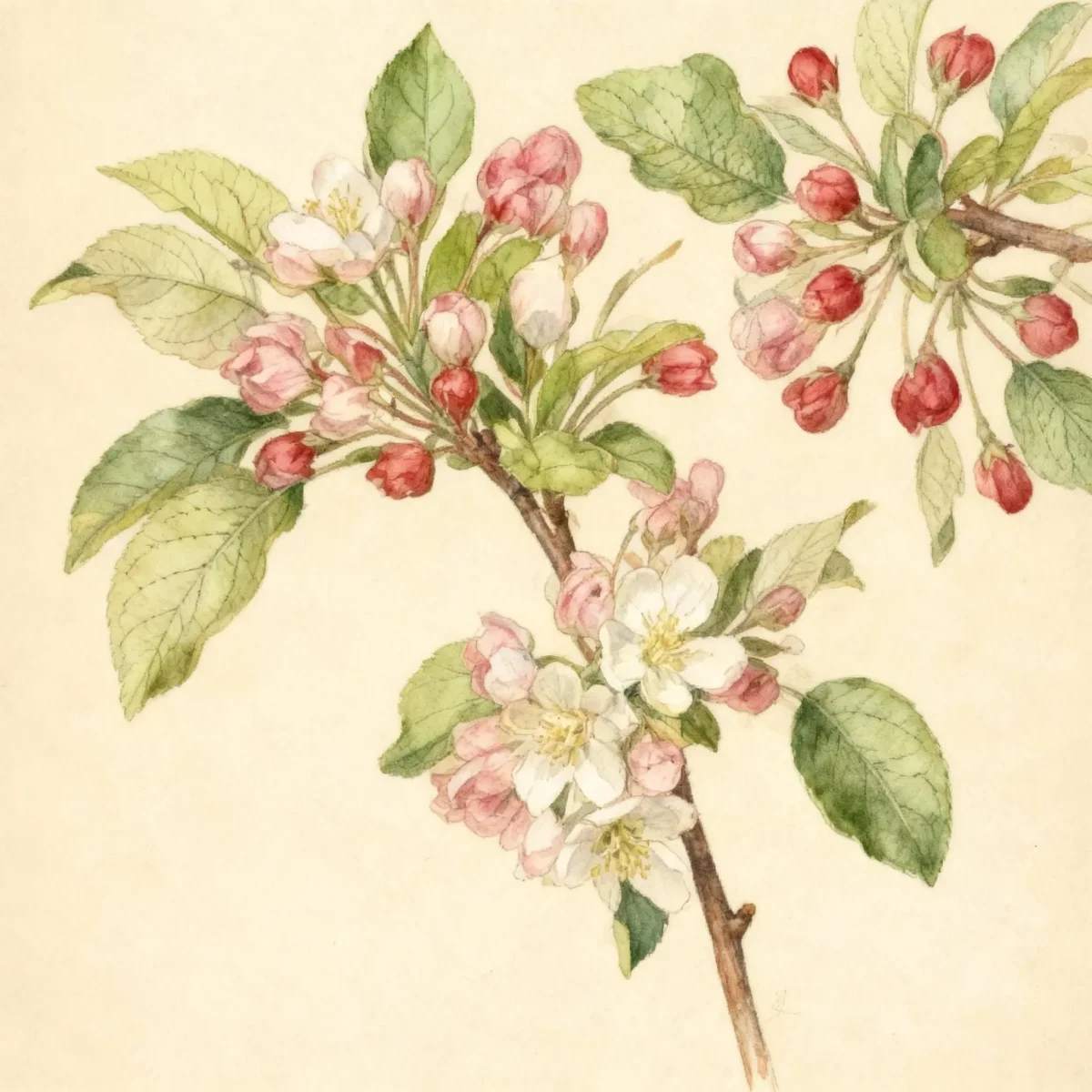
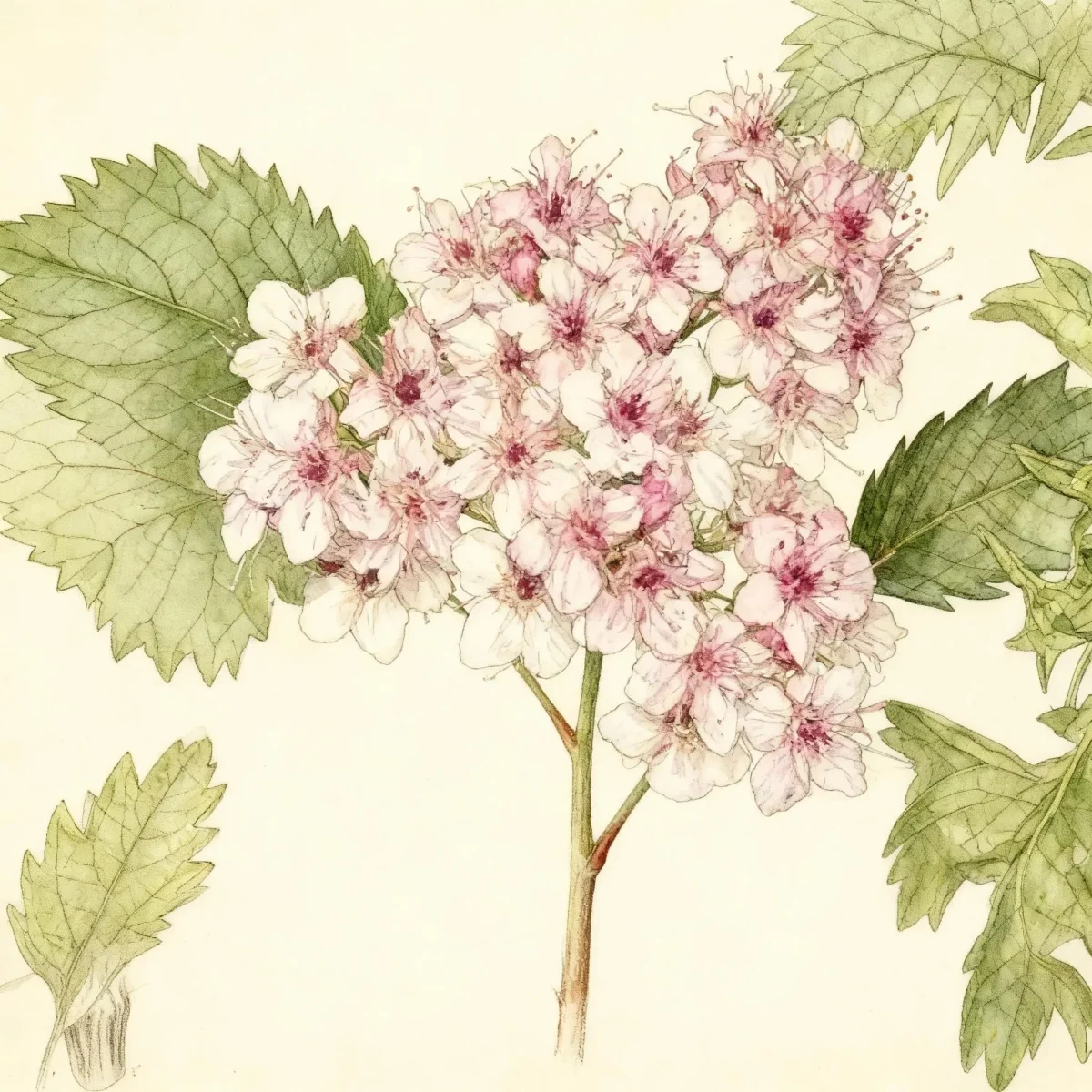
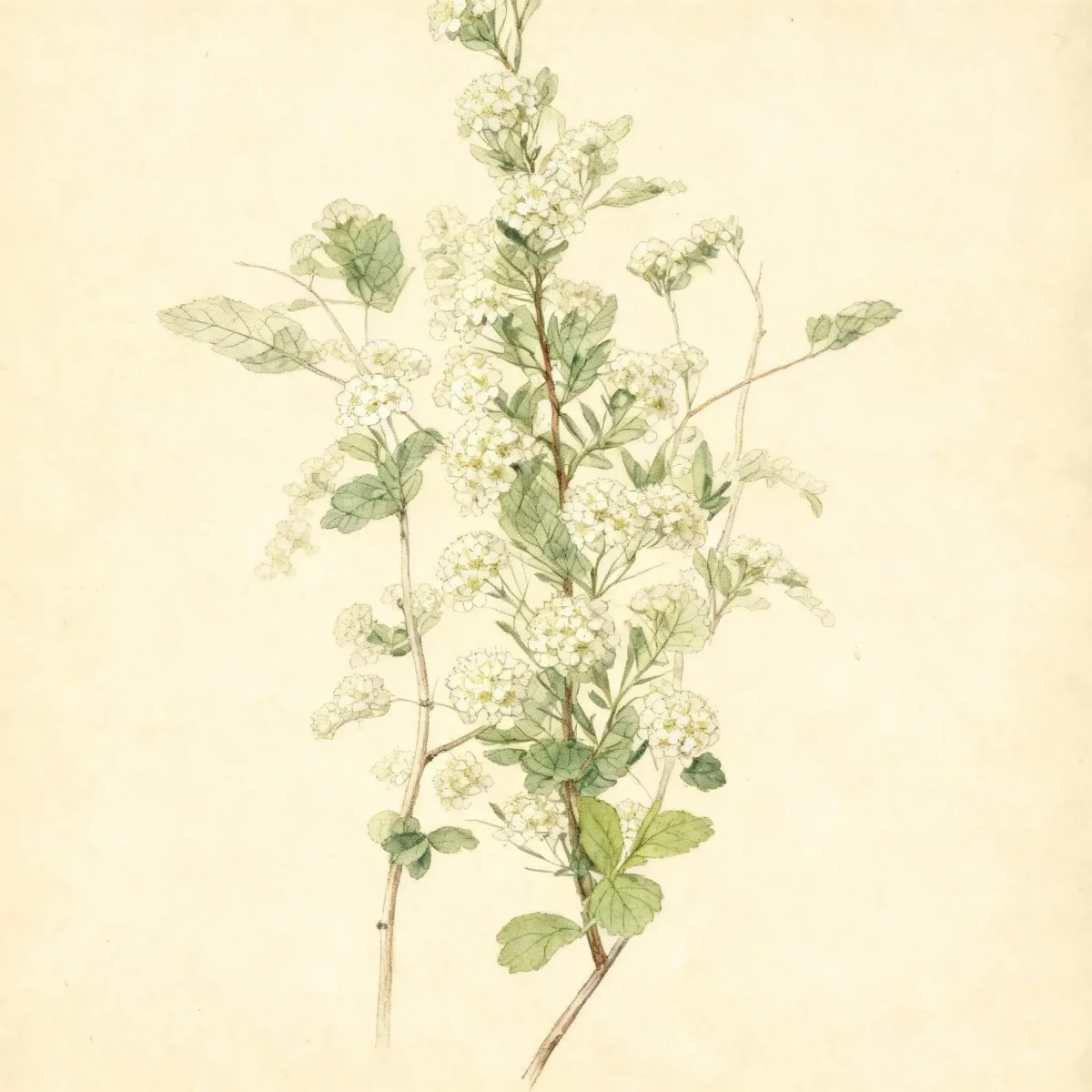
Spiraea crenata, commonly called scalloped spirea, is a compact, small-leaved, multi-stemmed, deciduous, flowering shrub of the rose family featuring upright, spreading, reddish brown branches which typically grow to 2-4’ tall. It is native to stony, calcareous slopes and scrubs in eastern to northeastern Europe, the Balkan Peninsula, the Caucasus and northwestern Siberia. Lanceolate to obovate, acute, 3-veined, grayish-green leaves grow to 1 1/2” long on non-flowering branches, but smaller (narrower and shorter) on flowering branches. Leaves are typically entire, but sometimes finely toothed or scalloped. Leaves sometimes show attractive orange to red color in fall. Five-peraled white flowers (each to 1/4” across) bloom in April-May in dense, pubescent, almost stalkless, 10-20 flowered, domed umbels borne at the ends of small shoots. Flowers are attractive to butterflies. Flowers give way to follicles.Genus name comes from the Greek word speira meaning wreath in reference to the showy flower clusters seen on most shrubs in the genus.Specific epithet comes from the Greek word crenatus meaning scalloped in reference to leaf margins.
Tolerances
- Drought
Potential Problems
The Scalloped spirea is generally known for being robust, exhibiting no serious insect or disease problems under ideal conditions. However, because it belongs to the Rosaceae family, it shares susceptibility to common issues that afflict roses and related plants. These potential concerns include leaf spot, fireblight, and powdery mildew, particularly in humid environments or when air circulation is poor.
Pest-wise, it can occasionally attract aphids, leaf rollers, or scale insects. If problems arise, cultural adjustments often provide the first line of defense. Ensure proper spacing is maintained to improve airflow, reducing fungal disease pressure. Any necessary chemical treatments should target the specific pest or pathogen identified.
Frequently Asked Questions
What hardiness zones is Scalloped spirea suitable for?
Spiraea crenata is highly adaptable, thriving across USDA Hardiness Zones 4 through 8. Ensure your local climate falls within this range for best results.
How large does Scalloped spirea grow?
This shrub typically reaches a mature height between 2 and 4 feet, with a similar spread of 2 to 4 feet, maintaining a naturally compact structure.
What sun exposure does Scalloped spirea need?
For optimal performance, Spiraea crenata requires full sun exposure, which promotes dense foliage and heavy spring blooming.
When does Scalloped spirea bloom?
The showy flowers of this shrub appear relatively early in the season, blooming from April into May, presenting clusters of small white flowers.
Conclusion
The Spiraea crenata is an invaluable, low-maintenance offering for structured or informal gardens, providing celebrated early-season white flowers and attractive foliage that takes on fall color. This low-growing, resilient deciduous shrub establishes easily, making the Scalloped spirea a perfect choice for borders or low hedging. Before planting, confirm your site offers full sun and check that your USDA zone is compatible with its 4-8 range.
Companion Planting
When selecting neighbors for your Scalloped spirea, focus on plants that thrive in full sun and prefer medium water, mirroring its cultural needs. Plants that bloom later in the season can extend the garden’s interest following the April to May bloom of the Spiraea crenata. Consider pairing it with early spring bulbs like daffodils or tulips, which share similar dormant-season needs and finish flowering before the shrub leafs out fully.
Dwarf irises or low-growing perennials like Geraniums or creeping Phlox also serve as excellent groundcovers beneath the shrub, offering textural contrast to the dense, fine-leaved structure of the Spiraea crenata. In terms of structure, shorter ornamental grasses or other low-growing shrubs that benefit from drought tolerance once established will blend well alongside this fine specimen.
Seasonal Care Calendar
Spring preparation involves observing the plant immediately after flowering concludes in May. This is your narrow window to prune, removing any faded clusters or lightly shearing for shape. Avoid pruning later in summer, as this risks removing developing flower buds for the following year, which are set on old wood by Spiraea crenata.
Summer care centers primarily around monitoring moisture levels, as it prefers medium water needs. While drought-tolerant once mature, the first season requires attentive watering, especially in hot climates. Minimal fertilization is needed; focus instead on keeping the area around the base clear of competing weeds that might steal moisture or nutrients from the shallow root system.