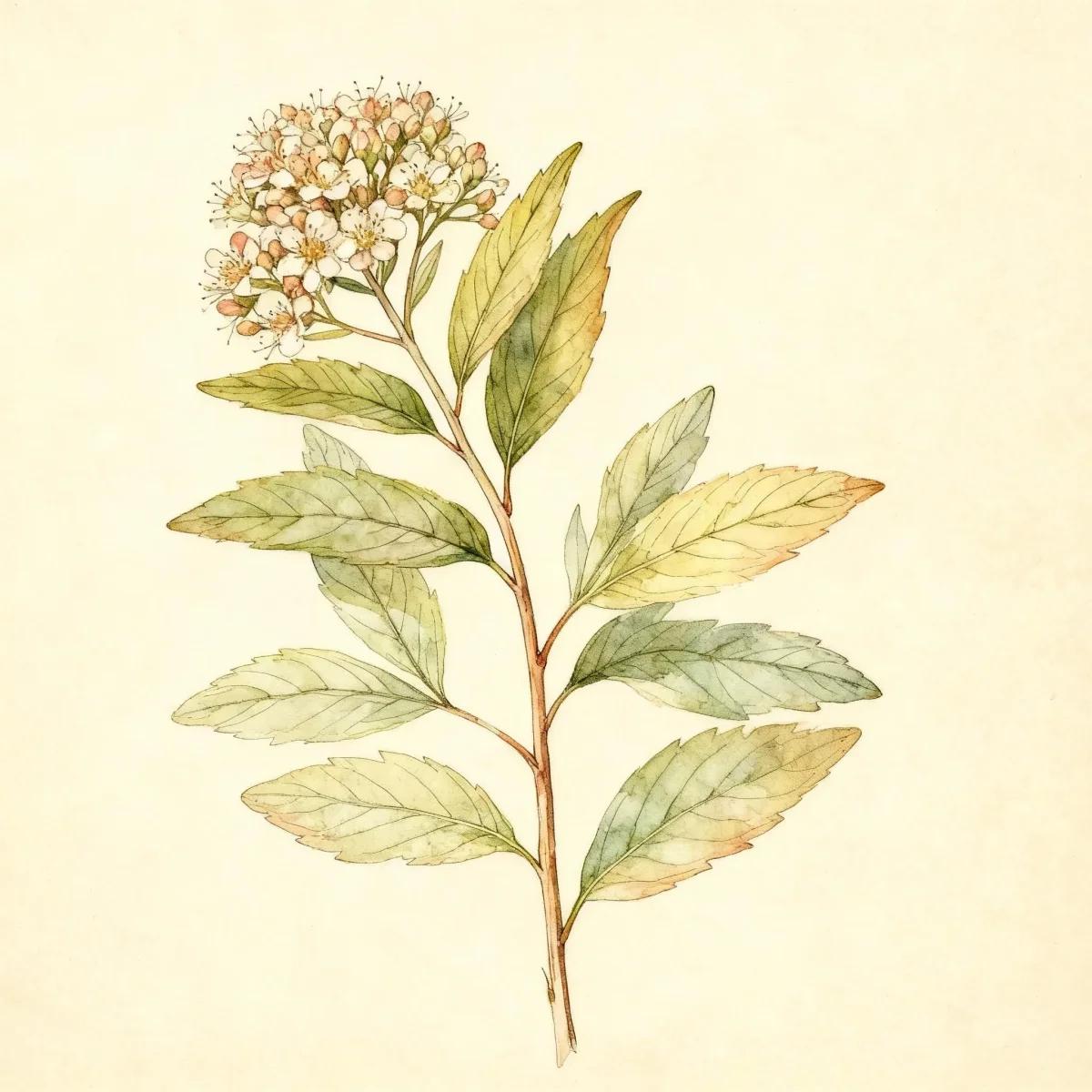
Iberian spirea (Spiraea hypericifolia)
Iberian spirea (Spiraea hypericifolia) is a tough, low-maintenance deciduous shrub offering white spring blooms and excellent adaptability.
Scroll down to discover growing tips, care requirements, companion plants, and more

Complete Plant Information
Overview
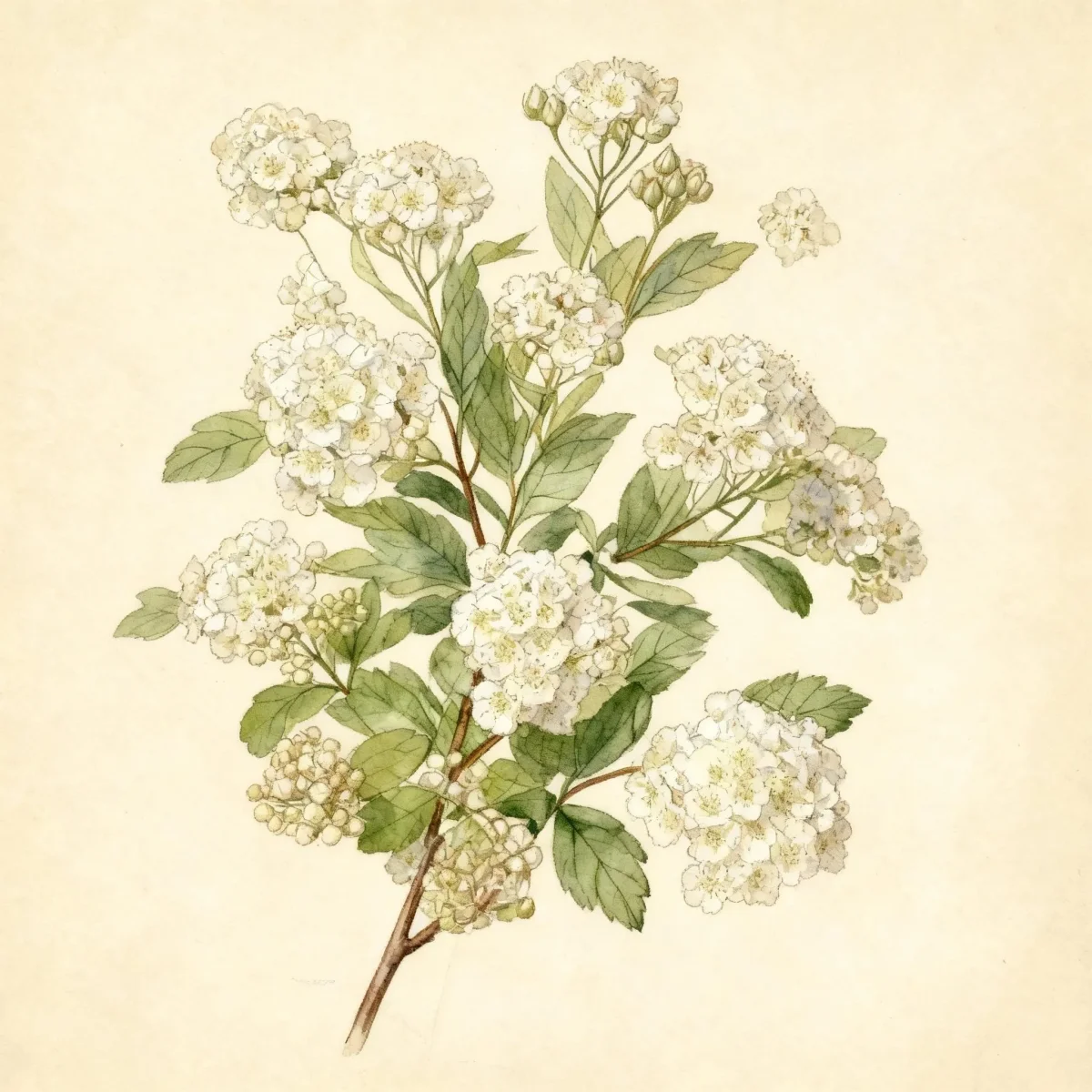
The Iberian spirea, scientifically known as Spiraea hypericifolia, presents gardeners with a refined yet highly adaptable deciduous shrub ideal for structured landscapes. This species is valued for its compact form and profuse display of small, white flowers that blanket the foliage in late spring, offering significant curb appeal. As a low-maintenance choice, the Iberian spirea thrives when given full sun exposure, making it a reliable performer across USDA Zones 5 through 8.
This shrub features upright, spreading branches and small, neat leaves, ensuring it remains attractive even outside of bloom time. Its durability against common garden pressures, including drought once established, further cements its status as a workhorse shrub. Gardeners often select Spiraea hypericifolia for creating neat, informal hedging or as a robust background element in mixed borders.
Native to regions spanning southeastern Europe to Central Asia, the Iberian spirea brings a touch of Old World hardiness to modern landscapes. Its versatility in handling various soil types, combined with its minimal pruning needs, allows it to function effectively in foundation plantings or informal mass plantings, attracting butterflies in the process.
Fast Facts
- Plant Family: Rosaceae
- Plant Type: Deciduous shrub
- Native Range: Central and western Asia, Europe, Nepal, Pakistan, Siberia, West Himalaya
- Hardiness Zones: USDA Zones 5-8
- Size at Maturity:
- Height: 3-5 ft
- Spread: 3-5 ft
- Bloom Time: May to June
- Bloom Description: White
- Sun Exposure: Full sun
- Water Needs: Medium
- Maintenance Level: Low
How to Grow
To ensure optimal performance, plant Spiraea hypericifolia during the spring or fall, allowing the roots time to establish before temperature extremes hit. Select a location that receives full sun, as adequate light is crucial for dense flowering and prevents legginess. This shrub is highly tolerant, thriving in average, medium-moisture, well-drained soils, though it adapts to a wide soil range.
Routine care for the Iberian spirea is minimal. Maintain a steady medium watering schedule, especially through the first season after planting, ensuring the soil remains consistently moist but never waterlogged. Fertilization is rarely required unless the soil is severely lacking in nutrients. For shape maintenance, light shearing is an option to tidy the outline.
The pruning requirements for Spiraea hypericifolia are specific: flowers bloom on old wood. Therefore, if you choose to deadhead the faded flower clusters, do so sparingly immediately after the May to June bloom period ends. Avoid heavy pruning in late summer or fall, as this risks removing next year’s flower buds.
Landscape Uses
The tough nature of the Iberian spirea makes it an excellent choice where low maintenance is paramount. It serves exceptionally well as a low hedge lining paths and walkways, providing a consistent, textural screen throughout the growing season. For larger garden scopes, mass plantings or groups in shrub borders create a beautiful, uniform backdrop where the white blooms can really stand out.
Due to its manageable 3-5 foot spread, Spiraea hypericifolia integrates seamlessly into foundation plantings without overwhelming architectural features. Consider pairing this adaptable shrub with later-blooming perennials or roses to extend the visual interest in the garden space. Its low profile also makes it a suitable addition to early-season butterfly gardens, providing nectar when many summer bloomers have yet to start.
Standout Features
Flower Qualities
- Showy
Noteworthy Characteristics
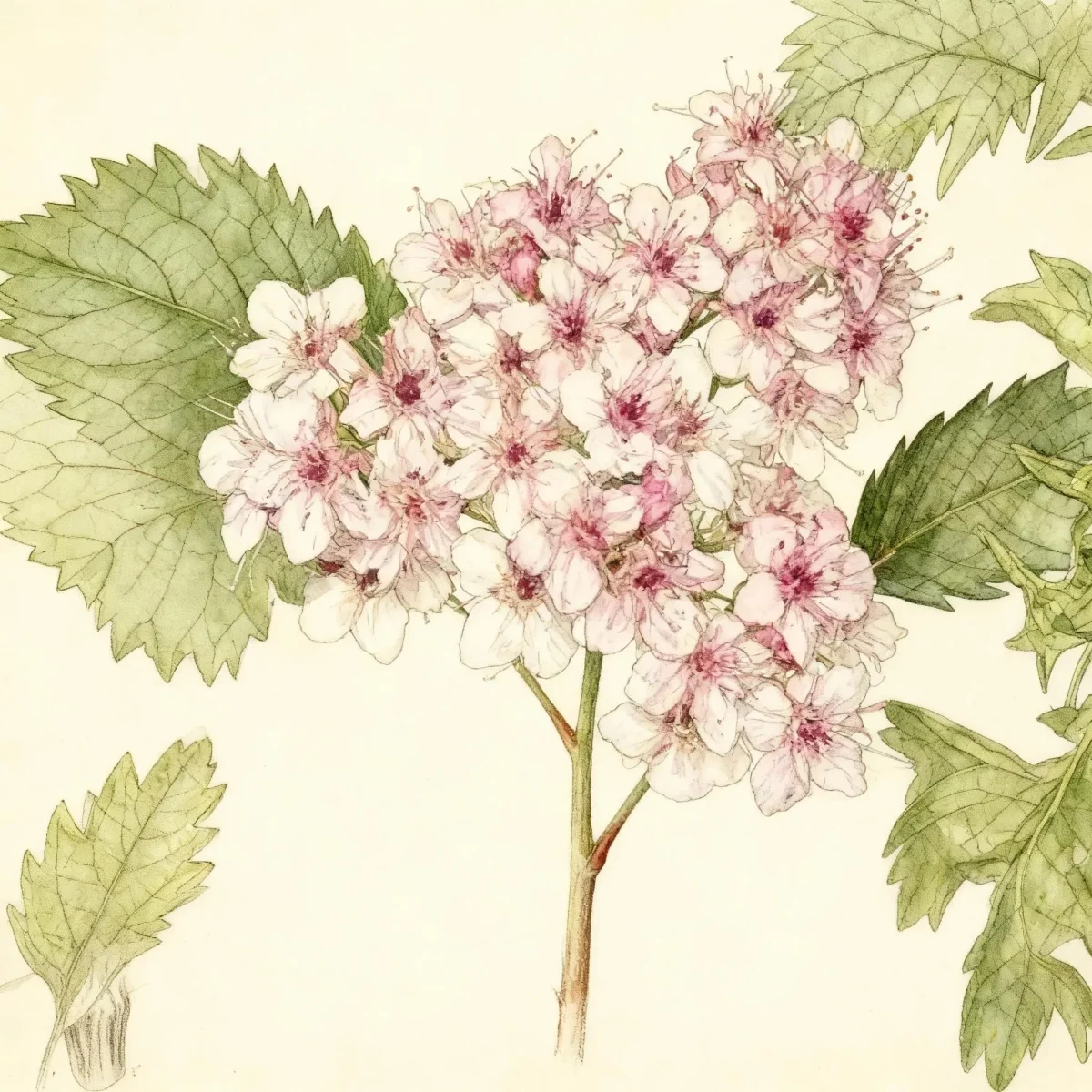
Spiraea hypericifolia, commonly called Iberian spirea, is a compact, small-leaved, deciduous shrub with upright spreading branches that typically grows to 3-5’ tall. It is native to open forests, thickets, dry sunny slopes in southeastern Europe (area formerly known as Iberia), central and southwesten Asia, China, Mongolia and Russia (Siberia). Small, 5-stellate, white flowers in dense clusters cover the foliage in late spring (May-June), attracting butterflies. The genus name refers to the showy flower clusters typical of most shrubs in the Spiraea genus.
Tolerances
- Rabbit
- Deer
- Drought
- Erosion
Potential Problems
Spiraea hypericifolia generally exhibits strong resistance to serious insect or disease issues, contributing to its low-maintenance designation. However, as a member of the rose family (Rosaceae), it can occasionally be susceptible to common related ailments. These might include sporadic leaf spot or powdery mildew, particularly in areas with poor air circulation or high humidity.
Pest pressure is usually light, but watch for common sap-suckers like aphids or occasional infestations of scale or leaf rollers. If disease like fire blight (a serious bacterial infection) is common in your region and affects nearby roses or apples, sanitation is key. Pruning out affected material immediately and ensuring good soil drainage minimizes these risks for your Iberian spirea.
Frequently Asked Questions
What hardiness zones is Iberian spirea suitable for?
The Iberian spirea (Spiraea hypericifolia) is best suited for USDA Hardiness Zones 5 through 8.
How large does Iberian spirea grow?
This deciduous shrub typically achieves a mature height range of 3 to 5 feet, with a similar spread of 3 to 5 feet.
What sun exposure does Spiraea hypericifolia need?
Spiraea hypericifolia requires full sun exposure to achieve its best growth habit and most prolific flowering.
When does Iberian spirea bloom?
The stunning white flowers of the Iberian spirea generally appear from May into June.
Conclusion
The Spiraea hypericifolia, or Iberian spirea, offers exceptional value as a resilient, compact shrub celebrated for its clean white spring blossoms and drought tolerance. Its low maintenance requirements and adaptability to various soil conditions make it an indispensable component for hedges and mixed borders. Before planting, confirm your USDA zone falls within the suitable range of 5 to 8, and plan your light pruning schedule for immediately after flowering to maximize next year’s display of this charming shrub.
Companion Planting
When designing borders featuring Spiraea hypericifolia, consider pairing it with plants that offer contrasting foliage texture or bloom late in the season, helping to bridge the gap after the spirea finishes flowering in June. Plants with fine, upright textures, like Russian Sage (Perovskia atriplicifolia) once established, or taller ornamental grasses, create a nice foil for the fine-textured leaves of the Iberian spirea. For color contrast during the midsummer slump, consider robust perennials such as Daylilies (Hemerocallis) or Coneflowers (Echinacea), as they share the full sun requirement and medium water needs of the spirea.
Design Ideas for Practical Hedges
The consistent shape and manageable size of Spiraea hypericifolia lend themselves perfectly to functional landscape design elements. Use them to create low, uniform front-of-border hedges that define walkways or line retaining walls where taller shrubs would appear overwhelming. Because this plant handles erosion well, massing several Iberian spireas along a gentle slope provides both aesthetic softening and soil stabilization. Their inherent deer and rabbit resistance also makes them a sensible choice for perimeter plantings in areas where wildlife browsing is a concern.