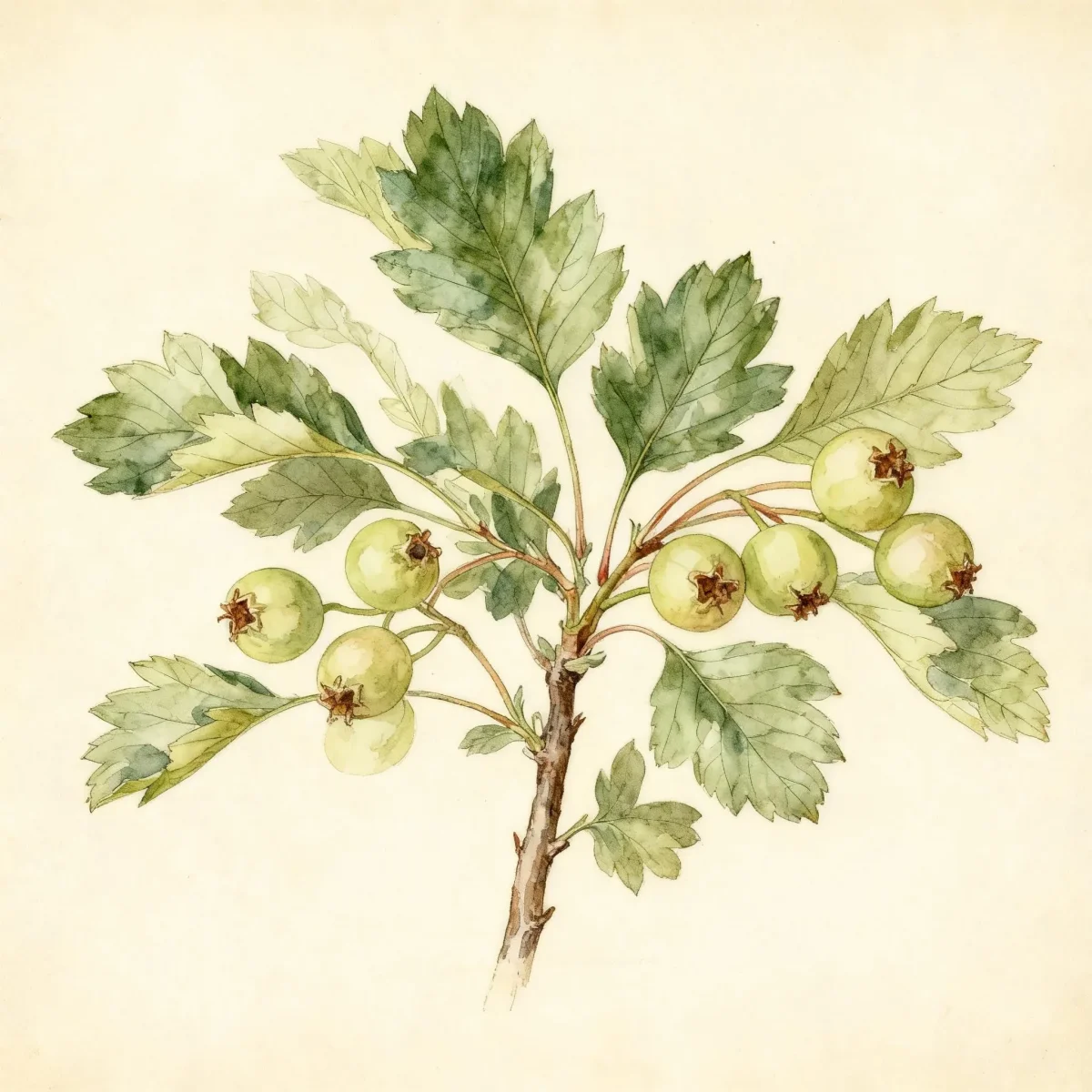
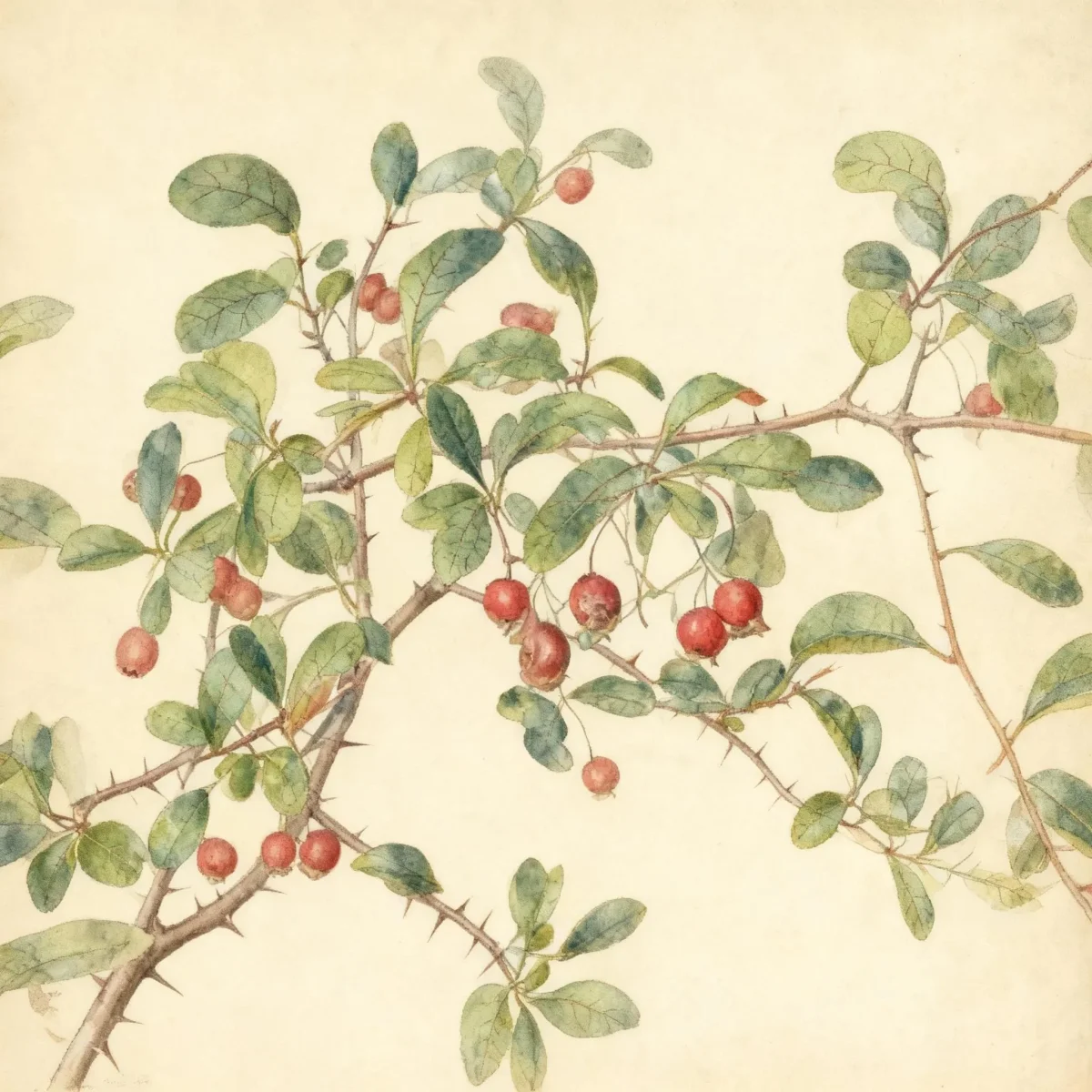
Manchurian apricot (Prunus mandshurica)
The Manchurian apricot (Prunus mandshurica) offers superb early pink blooms and Zone 3 hardiness, making it a tough, ornamental flowering tree.
Scroll down to discover growing tips, care requirements, companion plants, and more
Complete Plant Information
Overview
The Prunus mandshurica, widely recognized as the Manchurian apricot, stands out in the landscape due to its exceptional cold tolerance, thriving down to USDA Zone 3. While it produces small, edible fruit, many gardeners prize this species primarily for its ornamental value, especially its prolific early spring bloom display. This small, upright tree develops a pleasing rounded crown, offering significant visual impact before many other deciduous species awaken.
Native to the mixed forests of China and Korea, Prunus mandshurica offers superb winter hardiness, making it a reliable choice for colder climates where typical apricots struggle. Its early flowers often appear a delicate shell pink, contrasting beautifully against the still dormant backdrop of early spring. Though the fruit is edible, its quality is generally inferior to orchard varieties, yet it attracts interest for hybridizing efforts aimed at improving frost resistance.
For gardeners seeking a beautiful, tough specimen tree that signals the start of spring, the Manchurian apricot is an excellent selection. Its manageable size (typically 15 to 20 feet tall and wide) and stunning floral show ensure that Prunus mandshurica remains a distinctive and valuable addition, even if fruit production is secondary.
Fast Facts
- Plant Family: Rosaceae
- Plant Type: Tree
- Native Range: China, Korea
- Hardiness Zones: USDA Zones 3-7
- Size at Maturity:
- Height: 15-20 ft
- Spread: 15-20 ft
- Bloom Time: March to April
- Bloom Description: Pink
- Sun Exposure: Full sun
- Water Needs: Medium
- Maintenance Level: Medium
How to Grow
When planting the Manchurian apricot, select a location that receives full sun consistently throughout the day to maximize blooming and fruiting potential. It thrives in average soils, provided they are well-drained, though it prefers moisture-retentive ground. Critically, avoid planting this species in low-lying areas that might collect cold air, as late spring frosts pose a significant threat to the early flowers, potentially wiping out the fruit crop for the season.
Care for established Prunus mandshurica involves providing medium water, especially during dry spells, ensuring the soil remains consistently moist but never waterlogged. While the tree is adaptable, it benefits greatly from being sited in a naturally sheltered spot, such as on a south-facing slope near a building, which can offer slight protection from fierce winter winds and some spring frost delay.
Although the species is self-pollinating, gardeners should aim to plant at least two trees for significantly better overall fruit yield. If fruit harvest is the primary goal, active management against common stone fruit pests and diseases will be necessary, as the Manchurian apricot is not immune to common issues like plum curculio or brown rot. Sanitation practices are essential year-round.
Landscape Uses
The Manchurian apricot is highly recommended as a specimen or flowering tree due to its spectacular early spring display. Use its medium height (15-20 feet) near property lines or as a focal point in a smaller yard where its intense pink blooms can be easily observed. Because the dropped summer fruit can be messy, avoid planting directly over patios or walkways unless fruit production is not a concern.
For aesthetic success, pair the Prunus mandshurica with later-blooming spring shrubs and perennials that can take over the display once the apricot finishes. Consider planting it along a border backed by evergreen material, as the dark foliage provides an excellent contrast to its delicate pink flowers. Hybridizing efforts have centered on improving fruit quality, but ornamentally, its main draw is reliable beauty in harsh, cold winters.
Standout Features
Flower Qualities
- Showy
Fruit Qualities
- Showy
- Edible
Noteworthy Characteristics
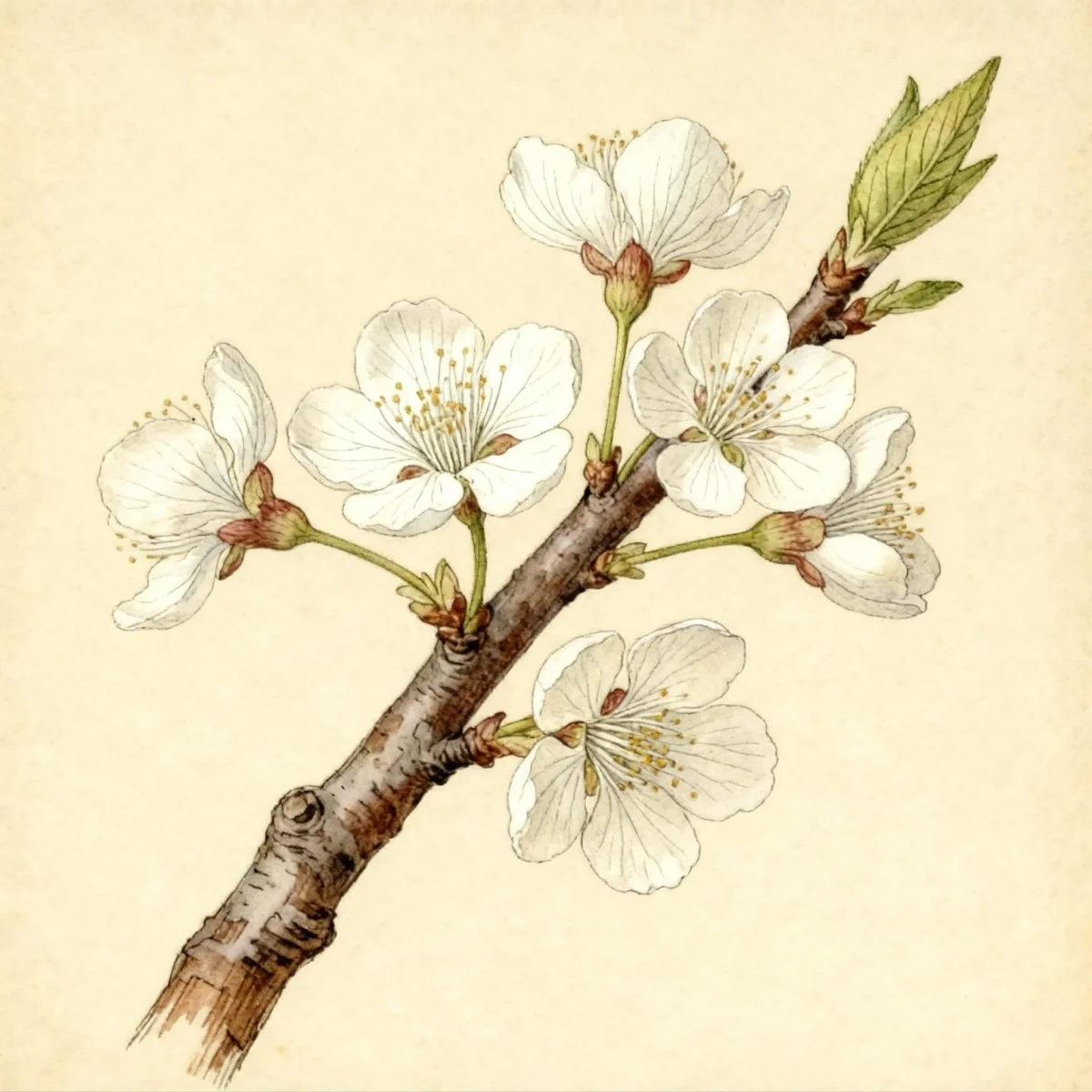
Prunus mandshurica, commonly known as Manchurian apricot, is easily distinguished by its glossy green leaves with serrated margins and attractive reddish-brown bark. It flowers profusely in early spring with shell pink blossoms, followed by small, golf-ball sized apricots that mature mid-to-late summer. This species garners significant attention because its excellent Zone 3 hardiness makes it a foundational genetic source for breeding hardier edible apricot varieties.
Tolerances
Potential Problems
Apricots, including the Manchurian apricot, can present growing challenges, particularly in marginally suitable climates like Missouri, mainly due to their tendency to bloom before peaches, which exposes the flowers to potential frost damage. Gardeners intending to harvest fruit must be prepared for maintenance, as controlling pests and diseases is often required. Potential diseases threatening Prunus mandshurica include root rot and the serious brown rot fungus. Insect pests such as borers and plum curculio necessitate diligent monitoring. Furthermore, this variety is reportedly highly susceptible to plum pox potyvirus (sharka), demanding vigilance regarding plant sourcing and sanitation.
Cultural practices such as proper site selection—avoiding frost pockets and ensuring excellent drainage—are the first line of defense against these issues. For pest control where fruit is desired, adherence to good sanitation and possibly chemical treatments will be unavoidable to secure a harvest.
Frequently Asked Questions
What hardiness zones is Manchurian apricot suitable for?
The Manchurian apricot (Prunus mandurica) is an exceptionally cold-hardy specimen, suitable for USDA Zones 3 through 7.
How large does Prunus mandshurica grow?
This tree typically matures to a height and spread between 15 and 20 feet, forming a somewhat rounded, spreading crown.
What sun exposure does Prunus mandshurica need?
For optimal flowering and overall health, the Manchurian apricot requires full sun exposure in the landscape.
When does Prunus mandshurica bloom?
The striking bloom time for this tree is early spring, typically occurring from March to April, featuring beautiful pink flowers.
Conclusion
The foremost appeal of the Manchurian apricot lies in its superior winter resilience combined with its stunning display of early, showy pink flowers. By utilizing this tough specimen, gardeners in colder regions can enjoy the beauty of the apricot family where other cultivars fail. Before planting, confirm your location falls within USDA Zones 3-7 and plan a sunny spot sheltered from severe frost pockets to ensure the best ornamental results from your Prunus mandshurica.
Companion Planting
Selecting appropriate companions for Prunus mandshurica should focus on plants that share similar cultural needs—specifically drought tolerance once established and a requirement for full sun. Because the Manchurian apricot flowers very early, it is best paired with later-blooming spring bulbs or early perennials that will emerge once the spectacular pink blooms fade. Try pairing it with spring ephemerals that establish roots early and welcome deep shade later in the season when the tree’s foliage fully develops.
Since the tree prefers well-drained, medium moisture soil, avoid boggy companions or those requiring constant, heavy watering. Good companions that help anchor the landscape aesthetically include early-flowering small magnolias (if hardiness permits) or groundcovers like creeping phlox, which provide color at ground level while the Prunus mandshurica anchors the vertical interest overhead.
Seasonal Care Calendar
Managing the Manchurian apricot through the year revolves around protecting its early flowers and managing potential pests when fruit is present. In late winter, conduct structural pruning only when dormant, favoring open branching to allow better light penetration, which discourages some fungal issues common to stone fruits. Because blooms are so early (March/April), be constantly vigilant for late frosts; if hard freezes are predicted after buds swell, light watering near the base might offer marginal protection by slightly raising ambient temperatures.
Mid-season care in late spring and summer focuses on watering consistently to maintain medium soil moisture, avoiding deep, infrequent soaking. If you aim for edible fruit, this is the crucial time for pest management, applying treatments specifically targeted at common stone fruit insects before fruit set. As summer transitions into fall, the tree provides orange-yellow foliage color before dropping leaves, signaling it is time to rake any fallen fruit promptly to reduce overwintering sites for pests and disease spores.