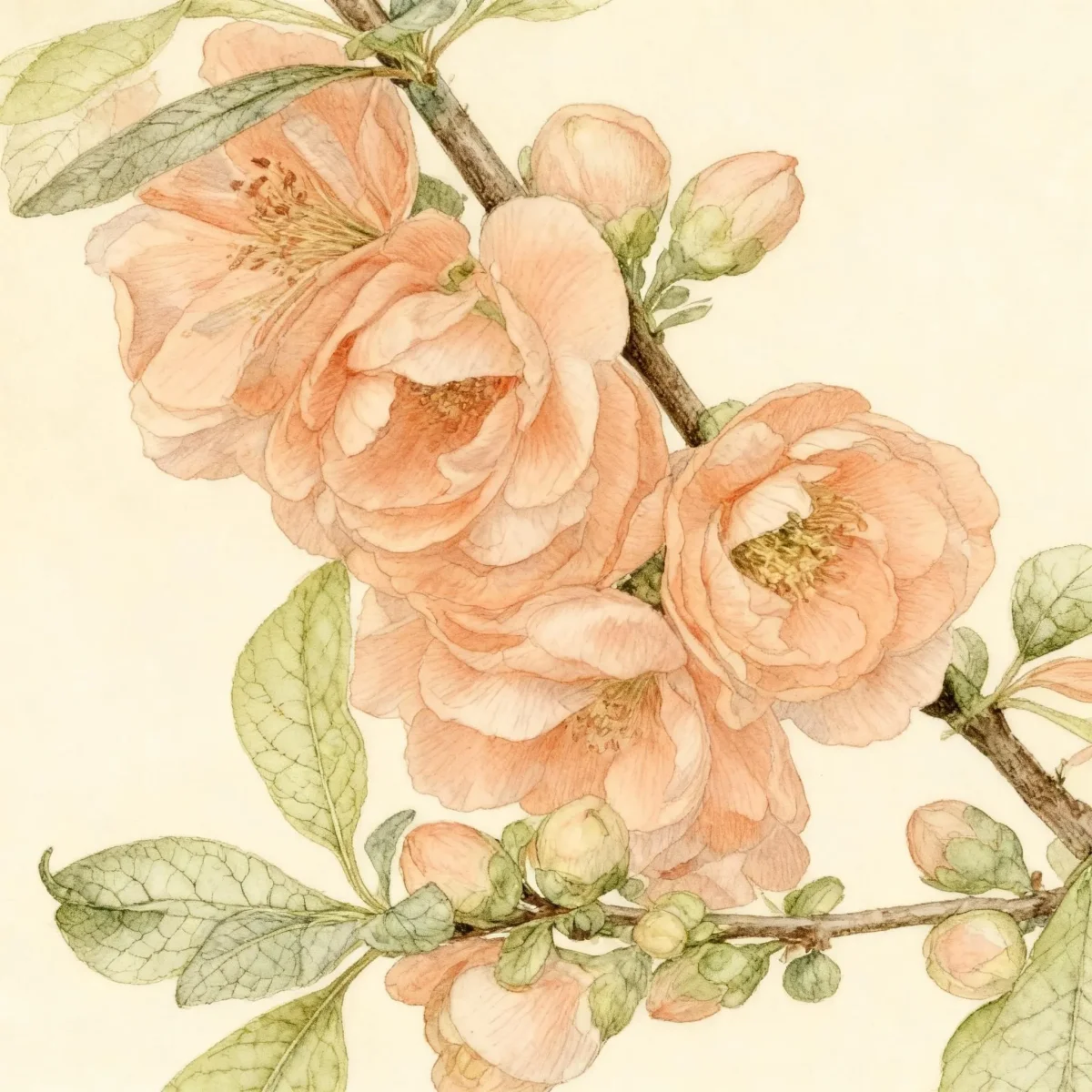
Chinese plum (Prunus glandulosa)
Prunus glandulosa, or Chinese plum, is a low-maintenance deciduous shrub featuring showy pink to white spring blooms and small red fruit.
Scroll down to discover growing tips, care requirements, companion plants, and more
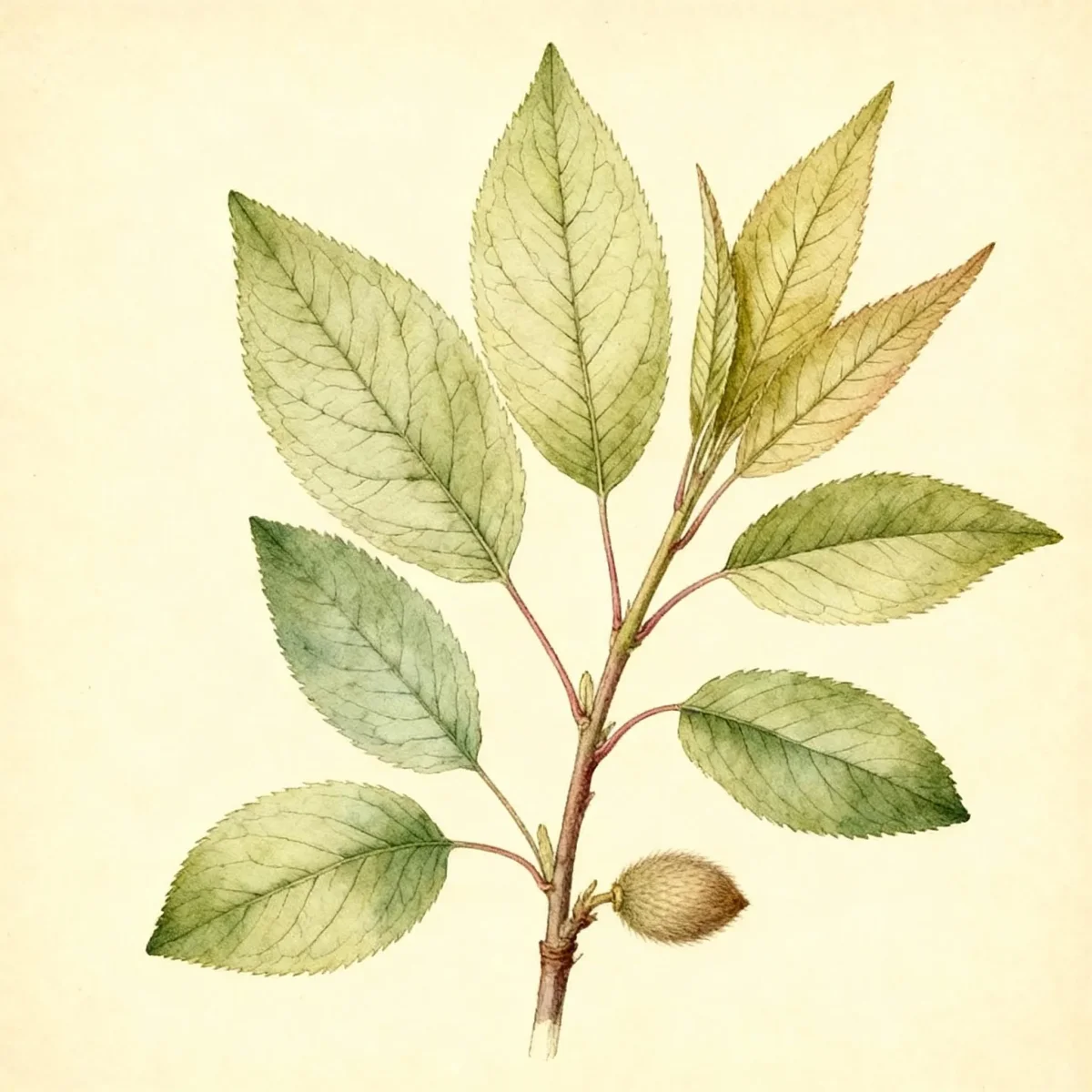
Complete Plant Information
Overview
The Chinese plum, scientifically known as Prunus glandulosa, offers gardeners a delightful burst of color in early spring. This small, multi-stemmed shrub is valued for its abundant cherry-like flowers that appear before many other landscape plants awaken. Its dense habit and prolific blooming make it a standout addition to foundation plantings or mixed borders.
Despite its beauty, Prunus glandulosa is known for having a relatively short lifespan, often requiring replacement every decade or so. Gardeners must provide proper care, especially regarding soil drainage, to maximize its tenure. This shrub adapts well, tolerating both full sun locations and slightly shaded areas.
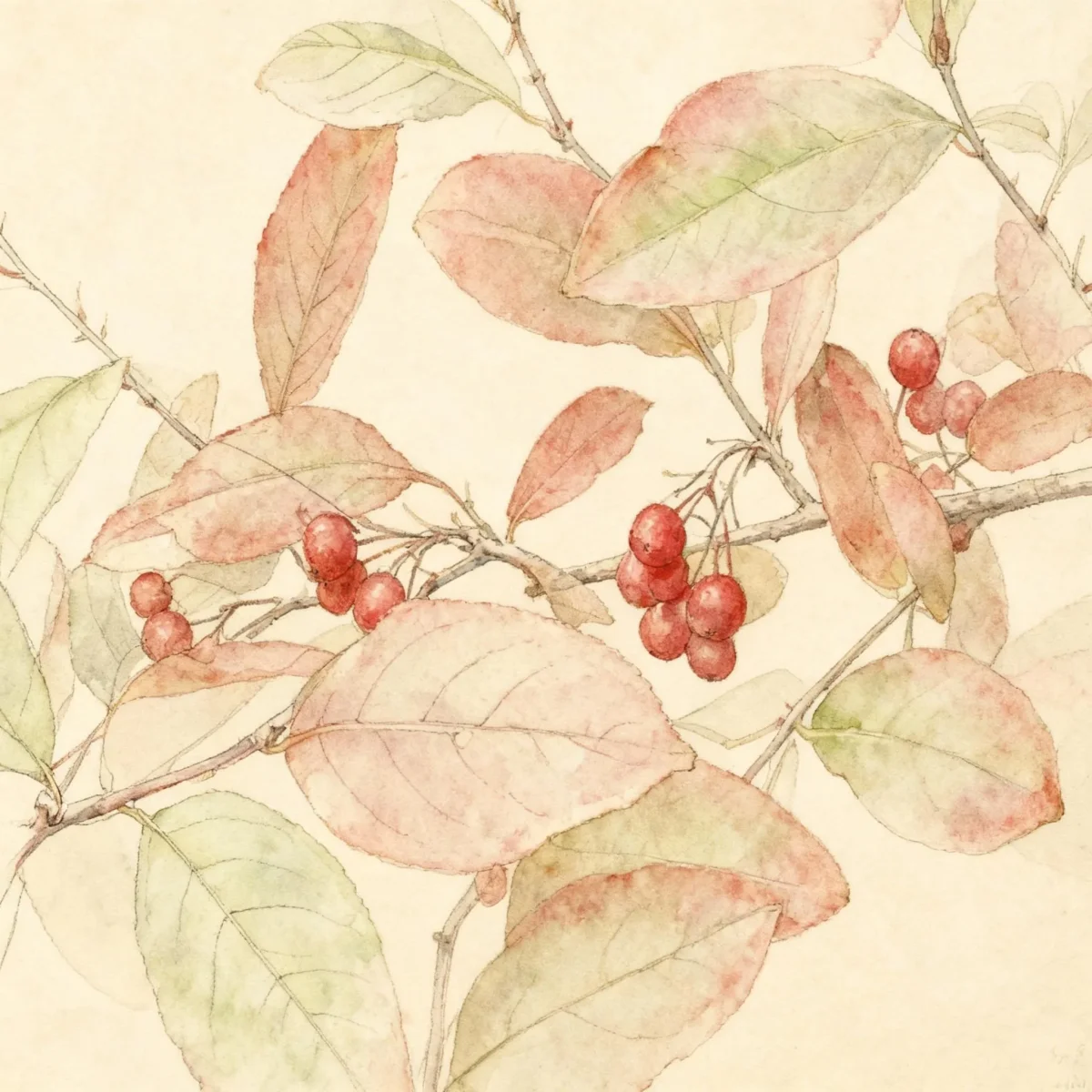
A key feature for ornamental interest is that the flowers are followed by small, dark red fruits, adding secondary visual appeal after the primary bloom period. Though maintenance is generally low, timely pruning helps manage its somewhat irregular form and ensures robust flowering for the following season, making the Chinese plum a rewarding, albeit ephemeral, spring display plant.
Fast Facts
- Plant Family: Rosaceae
- Plant Type: Deciduous shrub
- Native Range: Northern and central China, Japan
- Hardiness Zones: USDA Zones 4-8
- Size at Maturity:
- Height: 4-5 ft
- Spread: 3-4 ft
- Bloom Time: April
- Bloom Description: Pink to white
- Sun Exposure: Full sun to part shade
- Water Needs: Medium
- Maintenance Level: Low
How to Grow
The best time to establish Prunus glandulosa is in the spring or fall while the plant is dormant, allowing time for root establishment before stressful summer heat. This shrub thrives in moist, organically rich soils, provided drainage is excellent. Good soil drainage is essential; this plant will not tolerate consistently soggy conditions, which can lead to root rot.
Watering needs are medium; ensure consistent moisture, especially during its first few growing seasons. Once established, this shrub displays some drought tolerance. Avoid heavy fertilization, as excessive feeding can promote weak, lush growth highly susceptible to pests and disease.
Pruning is extremely important for maintaining aesthetics and encouraging flowering. An annual pruning immediately after flowering will encourage the growth of new, bloom-producing stems for the following year. Always prune immediately post-bloom, as pruning later in the season removes next year’s flower buds. Promptly remove root suckers unless naturalization across a wide area is desired.
Landscape Uses
Prunus glandulosa is incredibly versatile given its modest stature, making it a fantastic choice for shrub borders where it can provide early-season structure and color. It works well planted against evergreen backdrops, allowing its light pink to white spring blossoms to truly pop. Its relatively small size also makes it suitable for softening the edges of woodland margins where light filters through the canopy.
This plant can also be integrated into naturalized areas, provided the soil is not overly competitive with surrounding growth. While it is a focal point in spring, it pairs nicely with summer-blooming perennials that emerge later, ensuring continuous interest in the garden space. Consider grouping several Chinese plums together for a more impactful mass planting display.
Standout Features
Flower Qualities
- Showy
Fruit Qualities
- Showy
Noteworthy Characteristics
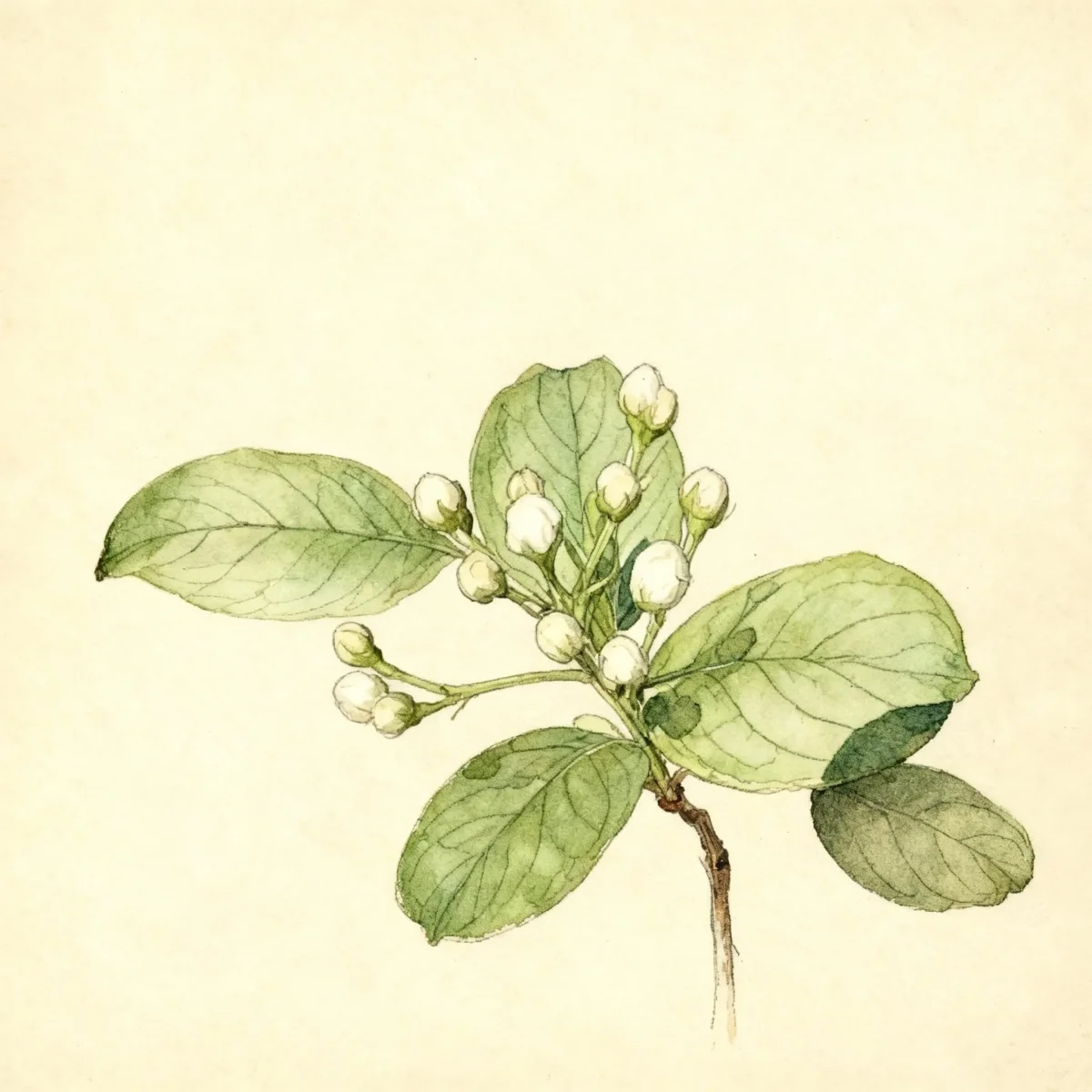
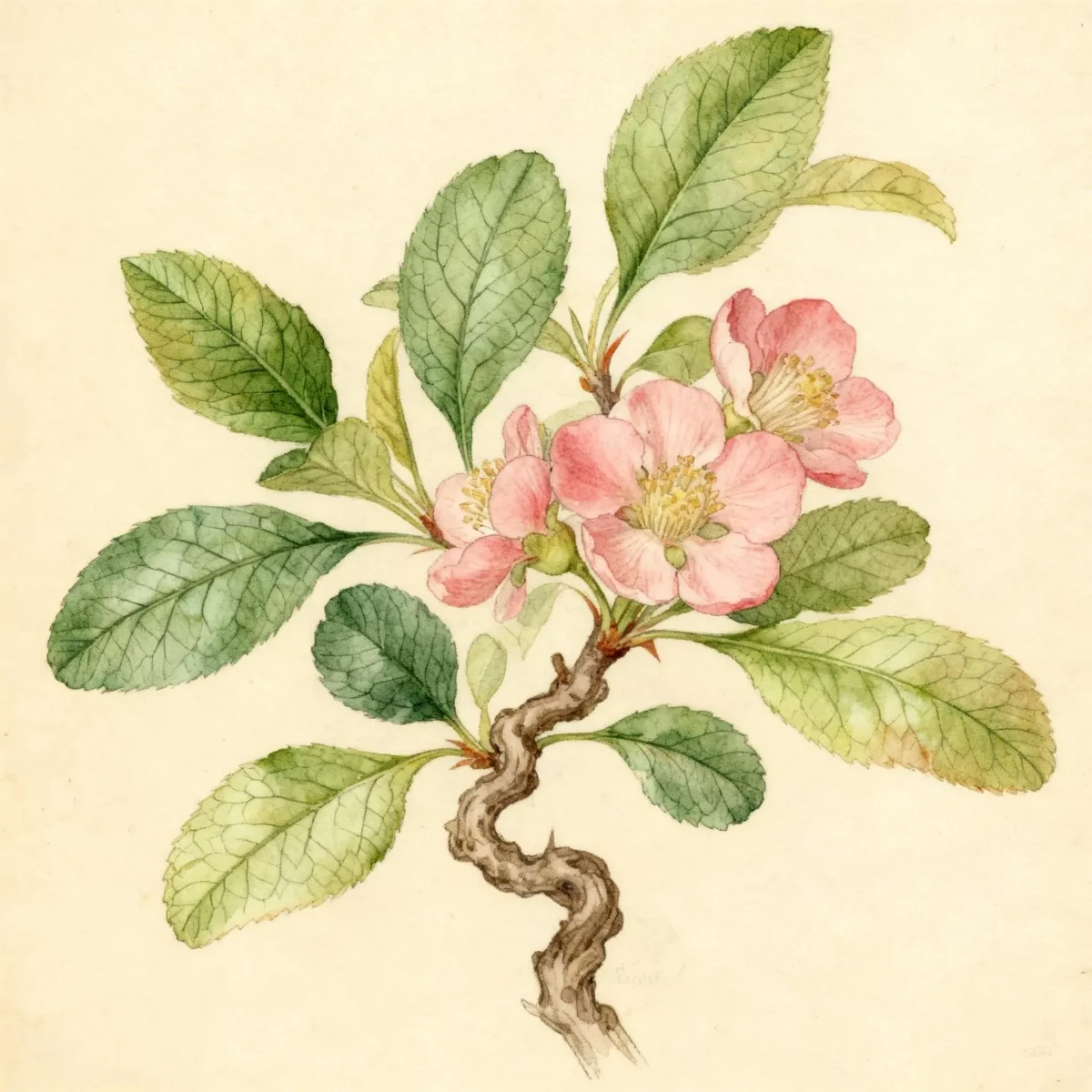
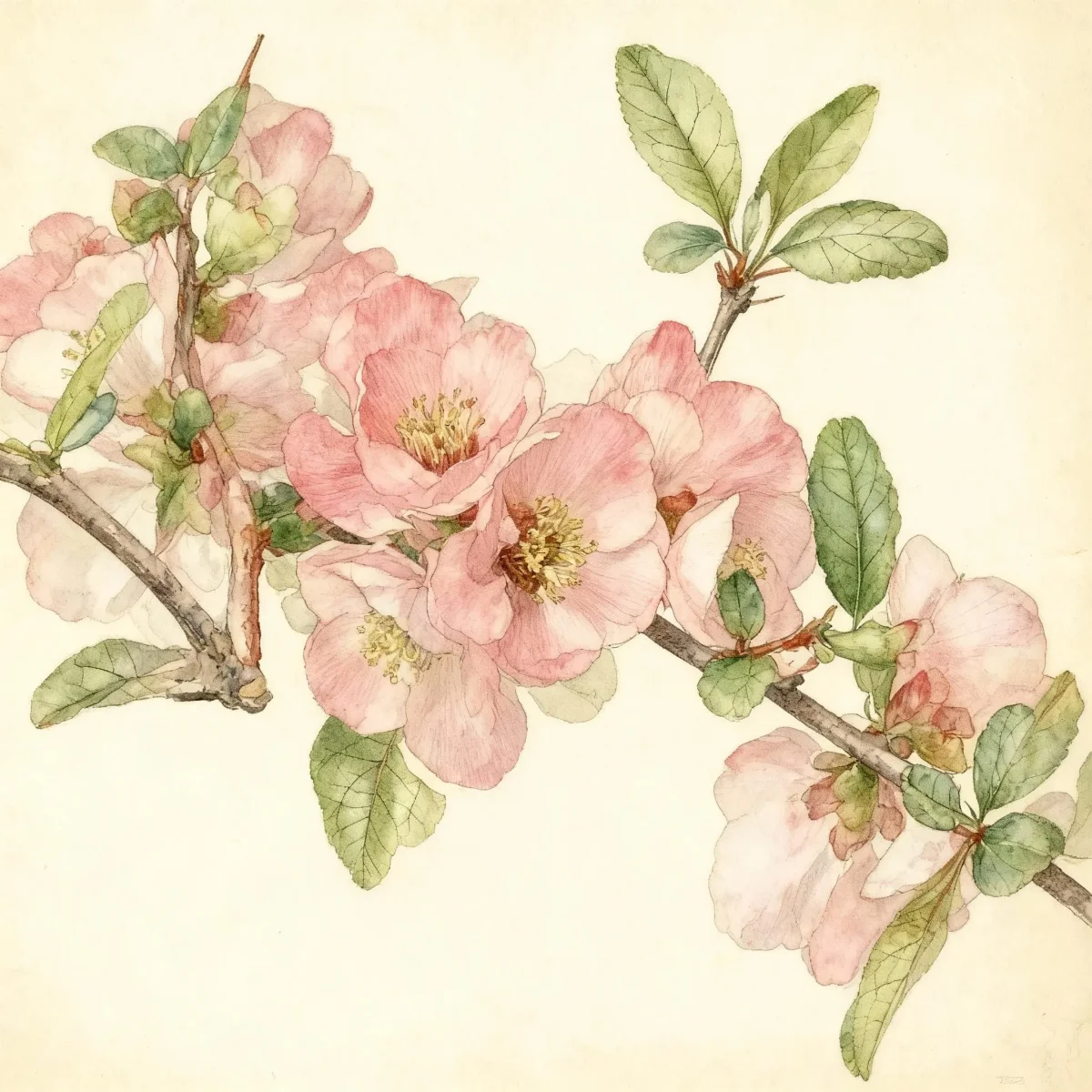
Prunus glandulosa, commonly called dwarf flowering almond, is a small, multi-stemmed shrub that typically grows to 4-5’ tall and spreads to 3-4’ wide. It has thin stems and an irregular form, potentially appearing cosmetically unkempt over time if not pruned. Pink to white, single or double, cherry-like flowers bloom in mid-spring (April) along the stems, followed by subglobose dark red fruits. The genus name derives from Latin meaning plum or cherry tree.
Tolerances
- Tolerates urban conditions
- Tolerates some droughty conditions
Potential Problems
The most serious issue facing Prunus glandulosa is its susceptibility to numerous insect and disease pests, often resulting in an abbreviated life span of less than 10 years. Fireblight can be a significant problem and requires prompt removal of infected parts to prevent spread. Additional potential diseases include leaf spot, die back, leaf curl, powdery mildew, root rot, and honey fungus.
Potential insect problems require vigilant scouting; watch for cankers, borers, Japanese beetles, aphids, scale, leafhoppers, caterpillars, and tent caterpillars. Spider mites may also prove troublesome, especially during hot, dry spells. Maintaining good air circulation through proper pruning helps mitigate fungal issues like powdery mildew.
Frequently Asked Questions
What hardiness zones is Chinese plum suitable for?
The Chinese plum is hardy and performs best when grown in USDA Hardiness Zones 4 through 8.
How large does Prunus glandulosa grow?
This deciduous shrub typically reaches a mature height of 4 to 5 feet, with a comparable spread of 3 to 4 feet wide.
When does Chinese plum bloom?
Prunus glandulosa typically blooms in April, producing masses of pink to white flowers along the previous year’s growth.
What sun exposure does Prunus glandulosa need?
This plant prefers full sun but will tolerate partial shade, though flowering production might be slightly reduced in deeper shade.
Conclusion
The Chinese plum offers a spectacular, albeit brief, early spring show that injects life into the landscape. Its low maintenance requirements and adaptability to urban settings make Prunus glandulosa a valuable ornamental shrub for zones 4 through 8. Verify your site offers excellent drainage before planting to ensure the longest possible lifespan for this beautiful bloomer.
Companion Planting
Selecting suitable companions for Prunus glandulosa involves focusing on plants that share similar cultural needs, particularly concerning soil moisture. Since the Chinese plum prefers consistently moist, well-drained soil, avoid extremely dry-loving drought plants immediately adjacent to it. Consider pairing it with other acid-loving, moisture-tolerant spring bloomers like Azaleas or Rhododendrons, provided the soil pH is suitable for all. Later-season grounding plants, such as Hostas or Astilbes in partial shade locations, can help visually mask the shrub once its flowers fade and potentially cover the base where suckers may emerge.
Propagation Tips
While nursery stock is the simplest way to acquire Prunus glandulosa, propagation is possible, though often requires patience. Softwood cuttings taken in late spring or early summer offer the best chance of success, provided they are treated with rooting hormone and kept in a humid environment. Due to the presence of root suckers, division (separating the young offsets from the main root ball, usually done when transplanting or dormant) is also a viable, common method for increasing the number of Chinese plum shrubs in your garden.