Ornamental cherry (Prunus serrula)
Discover Prunus serrula, the Ornamental cherry, prized for its stunning, exfoliating reddish-brown bark and low maintenance needs in Zones 5-6.
Scroll down to discover growing tips, care requirements, companion plants, and more
Complete Plant Information
Overview
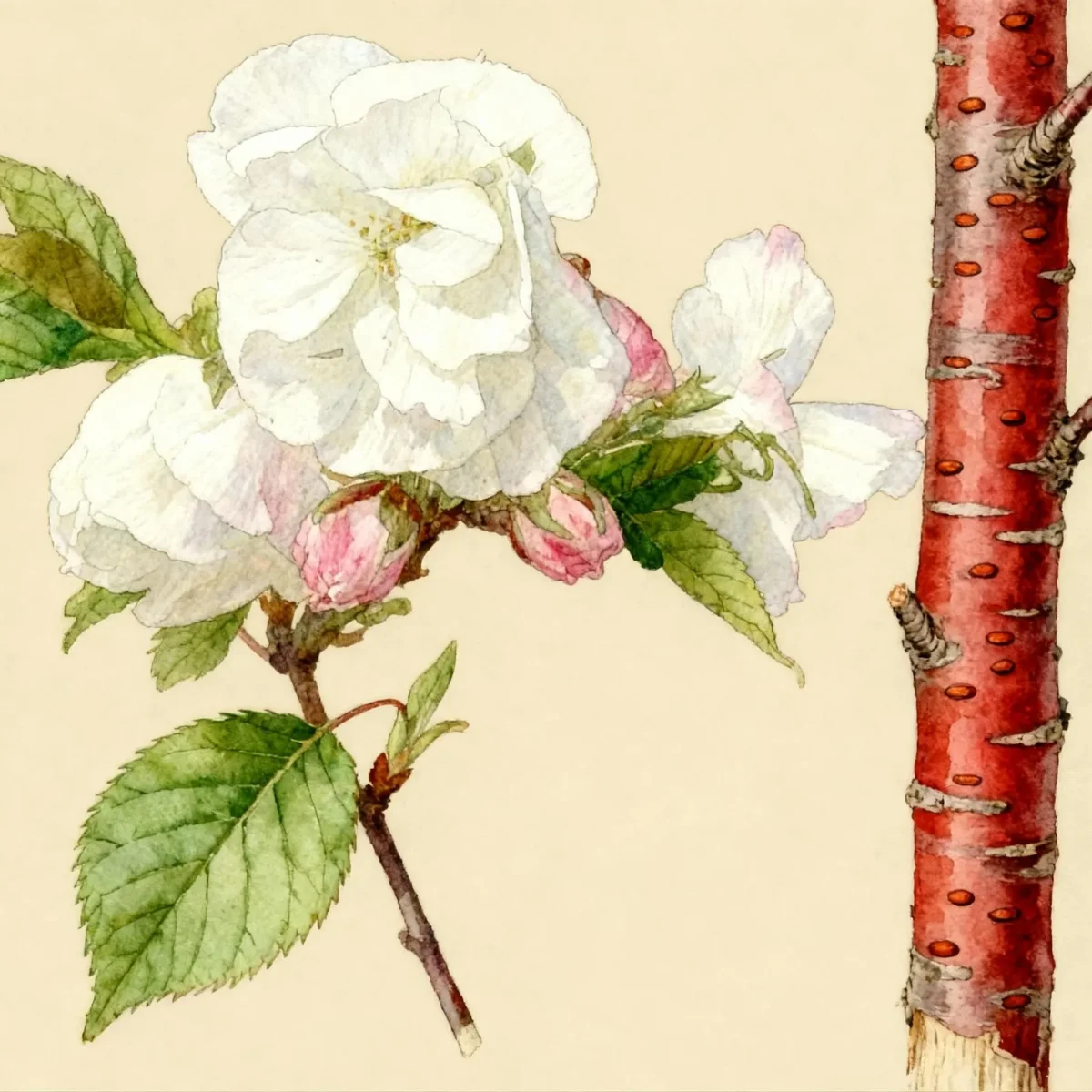
The true star attraction of Prunus serrula, often known as the Ornamental cherry or Tibetan cherry, is not its fleeting spring flowers but its remarkable bark. This tree boasts an outstanding, glossy, reddish-brown to mahogany bark that exfoliates subtly, revealing a polished sheen reminiscent of birch. This makes the Ornamental cherry an invaluable four-season specimen, particularly when its bare limbs stand out against a winter landscape.
Growing into a rounded deciduous tree reaching 20 to 30 feet tall and wide, Prunus serrula offers moderate screening combined with minimal seasonal fuss. It establishes best in well-drained conditions, rewarding attentive planting with low maintenance requirements once settled. Gardeners select the Ornamental cherry specifically to provide architectural interest long after the leaves have dropped.
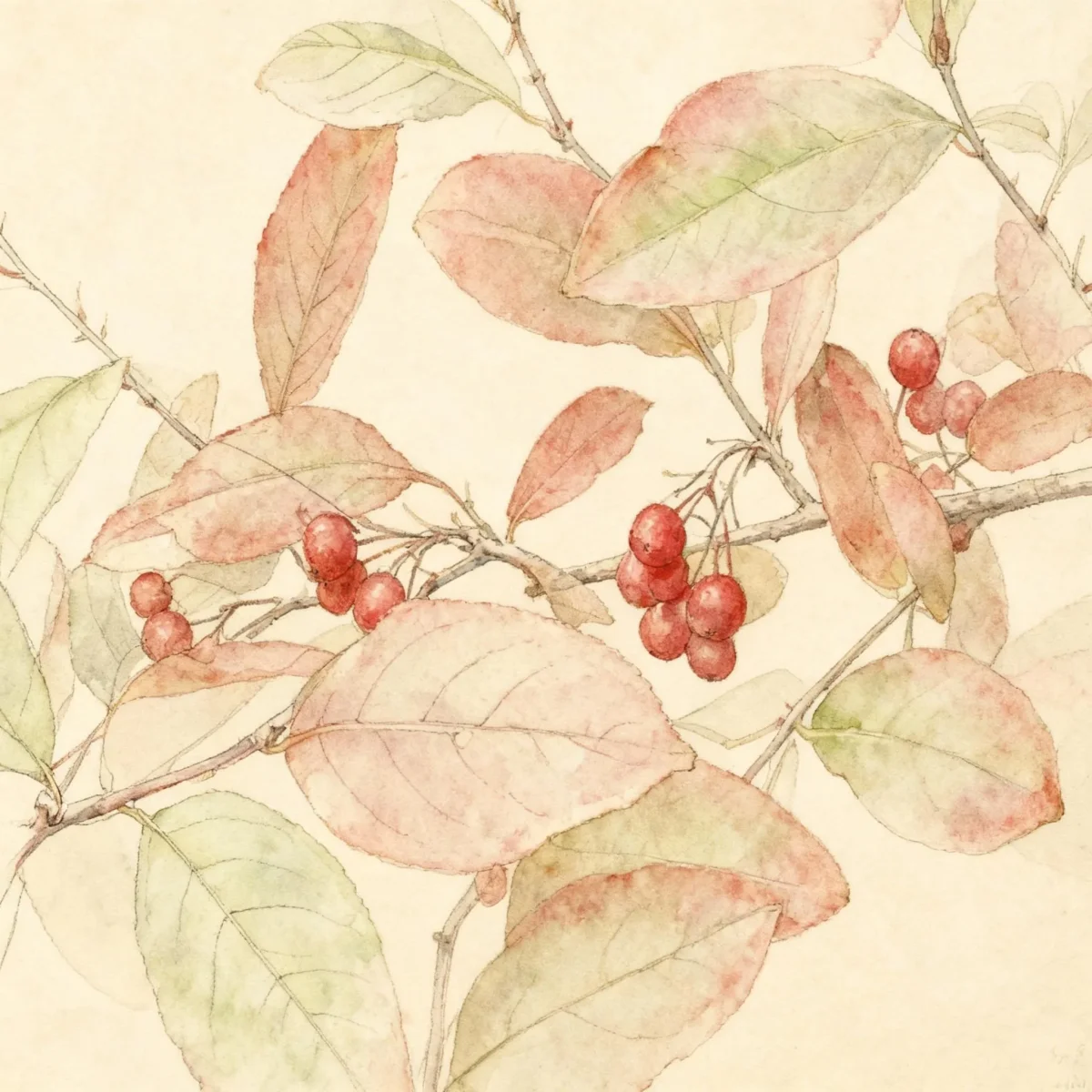
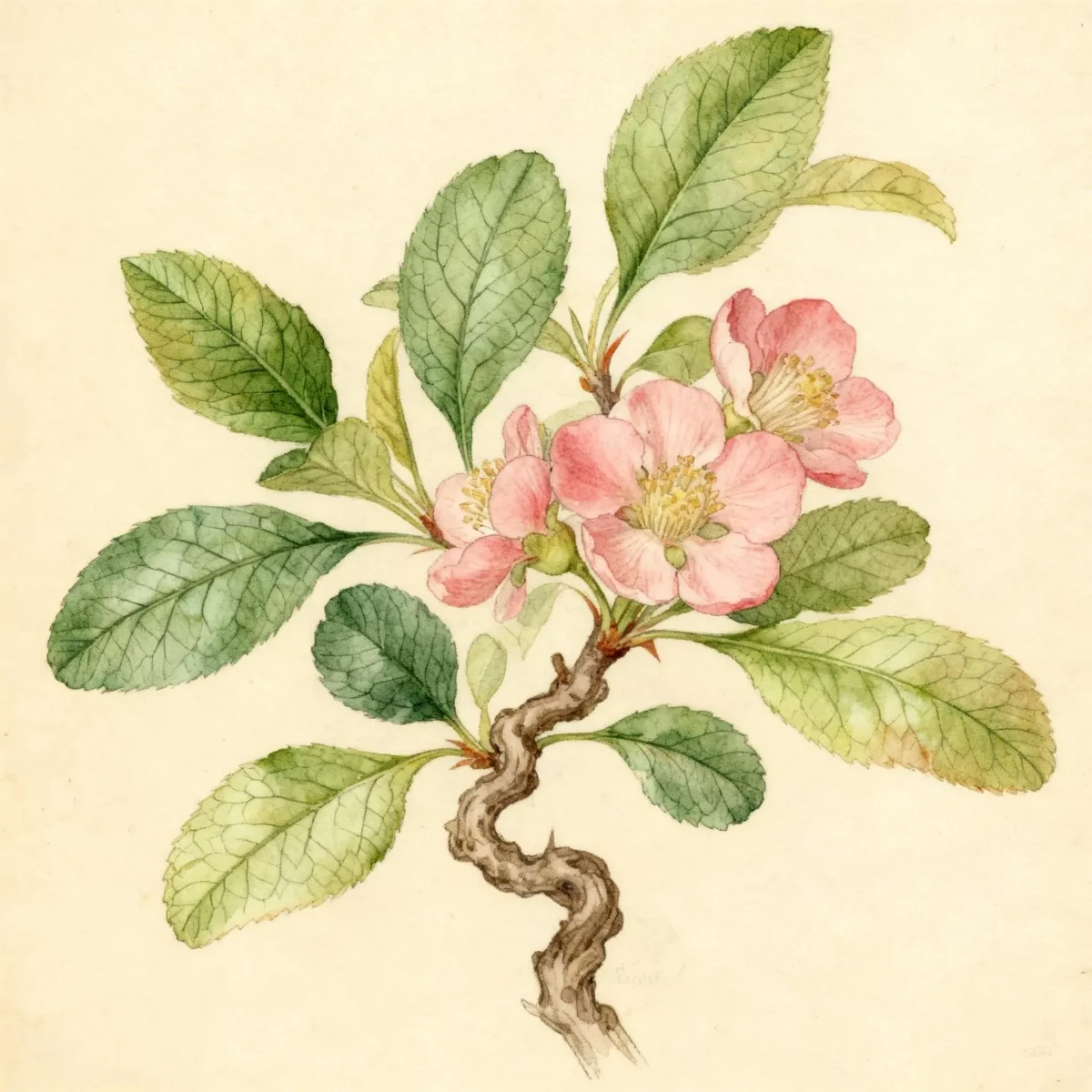
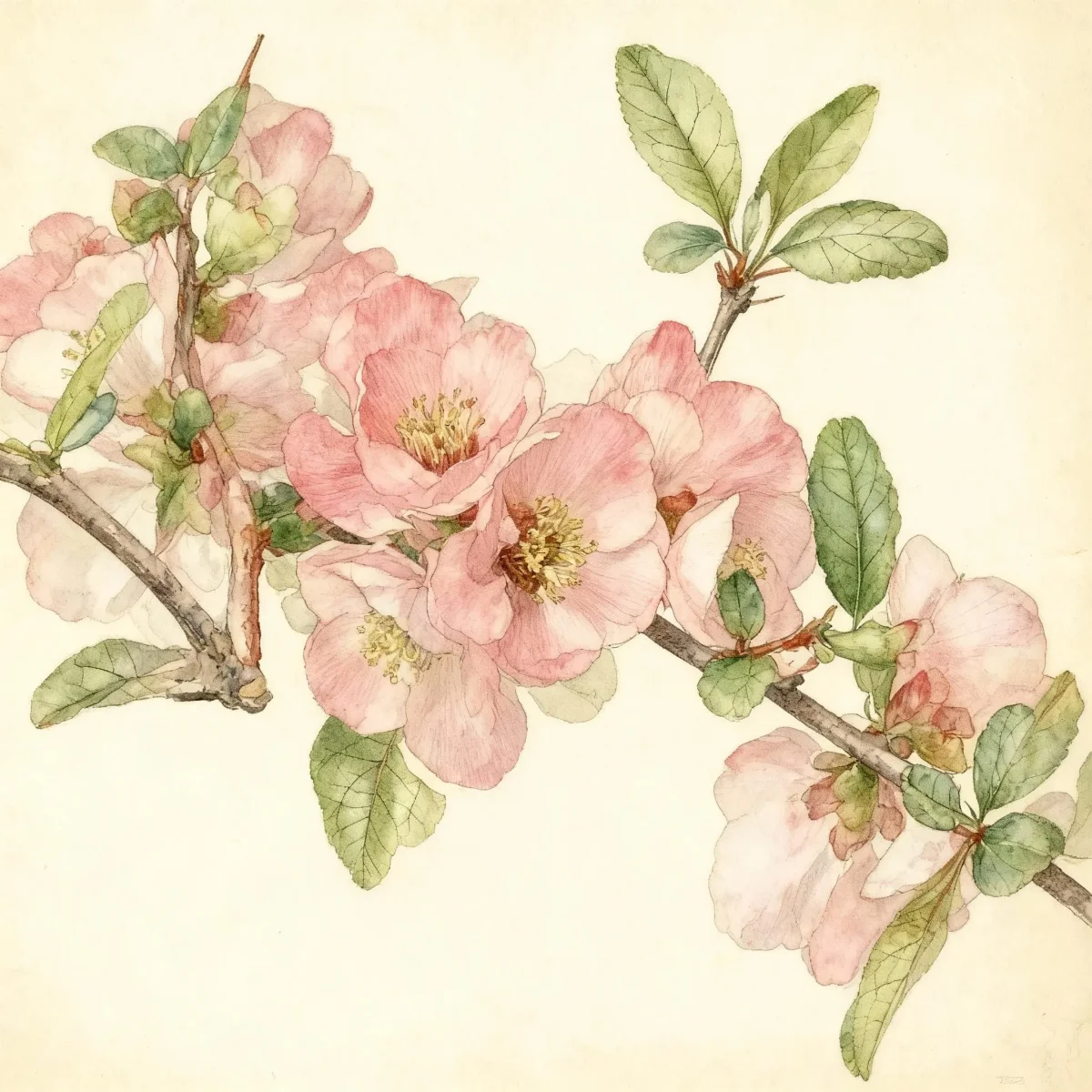
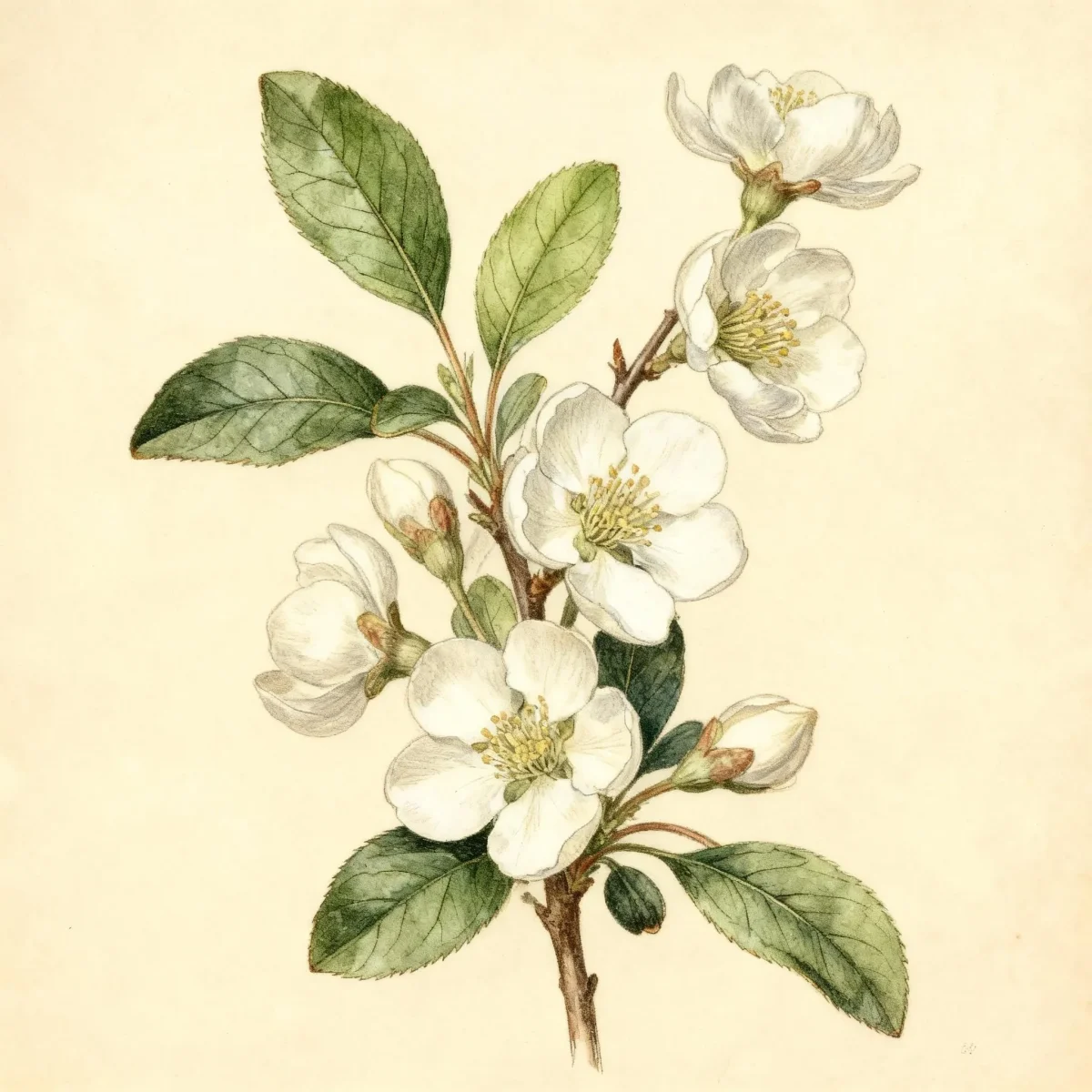
While it produces small white flowers in early spring followed by small red fruits, the bark remains the paramount feature of Prunus serrula. Proper siting is crucial to ensure this unique texture is visible year-round, maximizing the ornamental impact this Asian native provides.
Fast Facts
- Plant Family: Rosaceae
- Plant Type: Deciduous shrub
- Native Range: Western China
- Hardiness Zones: USDA Zones 5-6
- Size at Maturity:
- Height: 20-30 ft
- Spread: 20-30 ft
- Bloom Time: March to April
- Bloom Description: White
- Sun Exposure: Full sun to part shade
- Water Needs: Medium
- Maintenance Level: Low
How to Grow
To ensure robust health and brilliant bark development, plant your Prunus serrula when dormant, ideally in early spring or fall, allowing it to establish roots before summer heat. The critical site requirement is soil quality: it thrives in moist, organically rich soil, but absolute drainage is non-negotiable to prevent root issues common to cherries. Ensure the planting location allows for its mature spread of up to 30 feet wide for unrestricted growth.
Watering needs are medium; while young trees benefit from consistent moisture, established Ornamental cherry specimens should be watered deeply during prolonged dry spells. Fertilization is rarely necessary if the soil is organically rich. Pruning should be done judiciously and only as needed immediately after the spring flowering concludes, as pruning later in the season can encourage disease entry or stimulate new growth susceptible to winter injury.
As a low-maintenance specimen, specific winter preparations are usually unnecessary in its established zones 5-6, provided the tree is healthy. Focus energy on keeping the area around the base clear of competing weeds and mulch applied thinly to avoid direct contact with the trunk, which can invite pests.
Landscape Uses
The primary design purpose of the Ornamental cherry is to serve as a striking focal point or specimen tree where its spectacular bark can command attention. Since the trunk and lower limbs are the main ornamental feature, position this tree where it can be viewed from key vantage points, especially near windows or walkways where the rich mahogany color is visible during winter months. It performs excellently as a standalone feature against evergreen backdrops, which enhance the contrast of the peeling bark after fall leaf drop.
As a flowering tree, it fits well into traditional garden structures, though avoid placing it where its small blossoms compete with larger spring-blooming shrubs. Companion planting should focus on groundcovers or low-growing perennials that do not obscure the base of the tree, allowing the trunk texture of Prunus serrula to remain visible. Consider using dark, contrasting mulch or low, structural stones near the base to further highlight the reddish-brown hues of the mature wood.
Standout Features
Flower Qualities
- Showy
Fruit Qualities
- Showy
Noteworthy Characteristics
Prunus serrula, commonly called birchbark cherry, birchbark tree, paperbark cherry, cellophane bark cherry or redbark cherry, is, as the aforementioned common names suggest, most noted for its outstanding glossy reddish-brown bark. Old bark peels somewhat like a birch to reveal a polished sheen that is typically described as being reddish brown, copper brown or mahogany brown. Native to Western China and Tibet, this is a rounded deciduous tree that typically grows to 20-30’ tall; small white flowers bloom in March-April, followed by cherry-like red fruit.
Tolerances
(No data provided)
Potential Problems
The Ornamental cherry is susceptible to a large number of potential insect and disease pests common to the Prunus genus. Potential diseases include cankers, leaf spot, die back, leaf curl, powdery mildew, root rot, and fireblight. Gardeners must be diligent in monitoring for potential insect issues, which include aphids, scale insects, borers, leafhoppers, caterpillars, tent caterpillars, and Japanese beetles, with spider mites sometimes proving troublesome. Prevention is key; ensure excellent air circulation by providing full sun and maintaining excellent soil drainage to mitigate fungal and root issues. Immediately remove any heavily cankered or diseased wood and ensure prompt cleanup of fallen leaves in autumn.
Frequently Asked Questions
What hardiness zones is Ornamental cherry suitable for?
The Ornamental cherry (Prunus serrula) is reliably hardy in USDA Zones 5 through 6.
How large does Ornamental cherry grow?
This tree typically reaches a mature height between 20 and 30 feet, with a corresponding spread of 20 to 30 feet, forming a well-rounded canopy.
What sun exposure does Ornamental cherry need?
Prunus serrula prefers full sun to part shade conditions to achieve the best flowering and bark development.
When does Ornamental cherry bloom?
This Ornamental cherry produces small white flowers in the early spring landscape, typically blooming between March and April just as the new foliage emerges.
Conclusion
The Prunus serrula stands out as a superb choice for winter interest due to its unparalleled glossy, exfoliating bark, making it far more compelling than many standard flowering cherries. This Ornamental cherry offers low maintenance combined with significant four-season aesthetic appeal. Before planting, confirm your site offers the required excellent drainage, and plan its location to allow full appreciation of its unique trunk texture throughout the cold months.
Companion Planting
When integrating Prunus serrula into the landscape, select companions that complement its architectural focus rather than competing with its silhouette. Good choices include low, spreading evergreens, such as dwarf Mugo Pines or groundcover Junipers, which provide a dark green backdrop that dramatically sets off the reddish-brown bark in winter. Avoid planting moisture-loving plants too closely, as the Ornamental cherry requires well-drained consistency; instead, use gravel mulch or low-growing, drought-tolerant sedums if you wish to soften the soil line near the trunk.
Seasonal Care Calendar
Spring is the primary maintenance window for Prunus serrula. As soon as flowering concludes in late spring (usually late April or early May), perform any necessary pruning to remove crossing or damaged branches, ensuring cuts are clean to reduce disease entry points. Summer care focuses almost entirely on monitoring moisture—water deeply if the soil dries out significantly, especially in the first few years after planting. In autumn, rake up fallen leaves promptly to minimize overwintering fungal spores that could contribute to leaf spot or powdery mildew issues next season. Minimal or no intervention is typically required during winter, allowing the bark structure to shine.