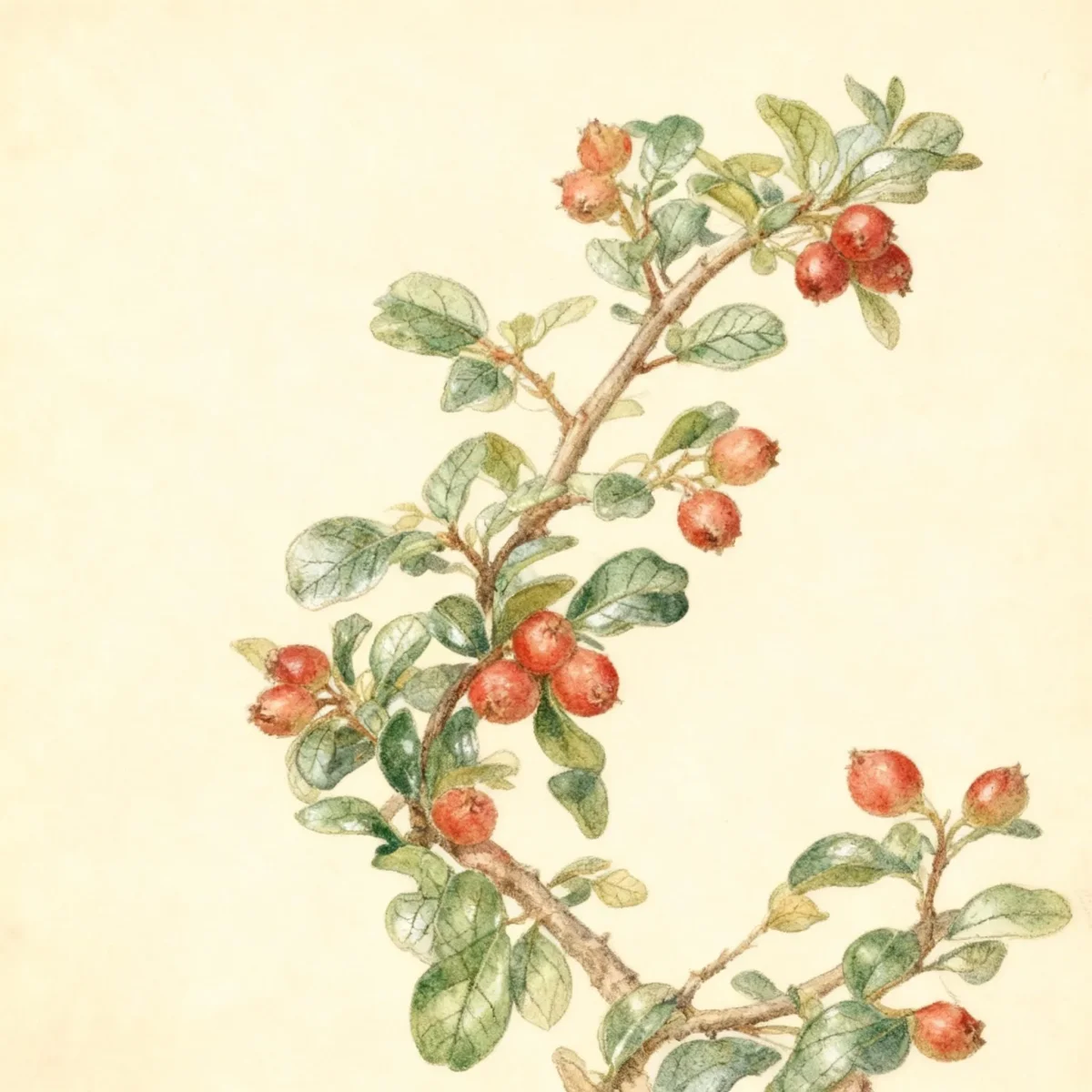
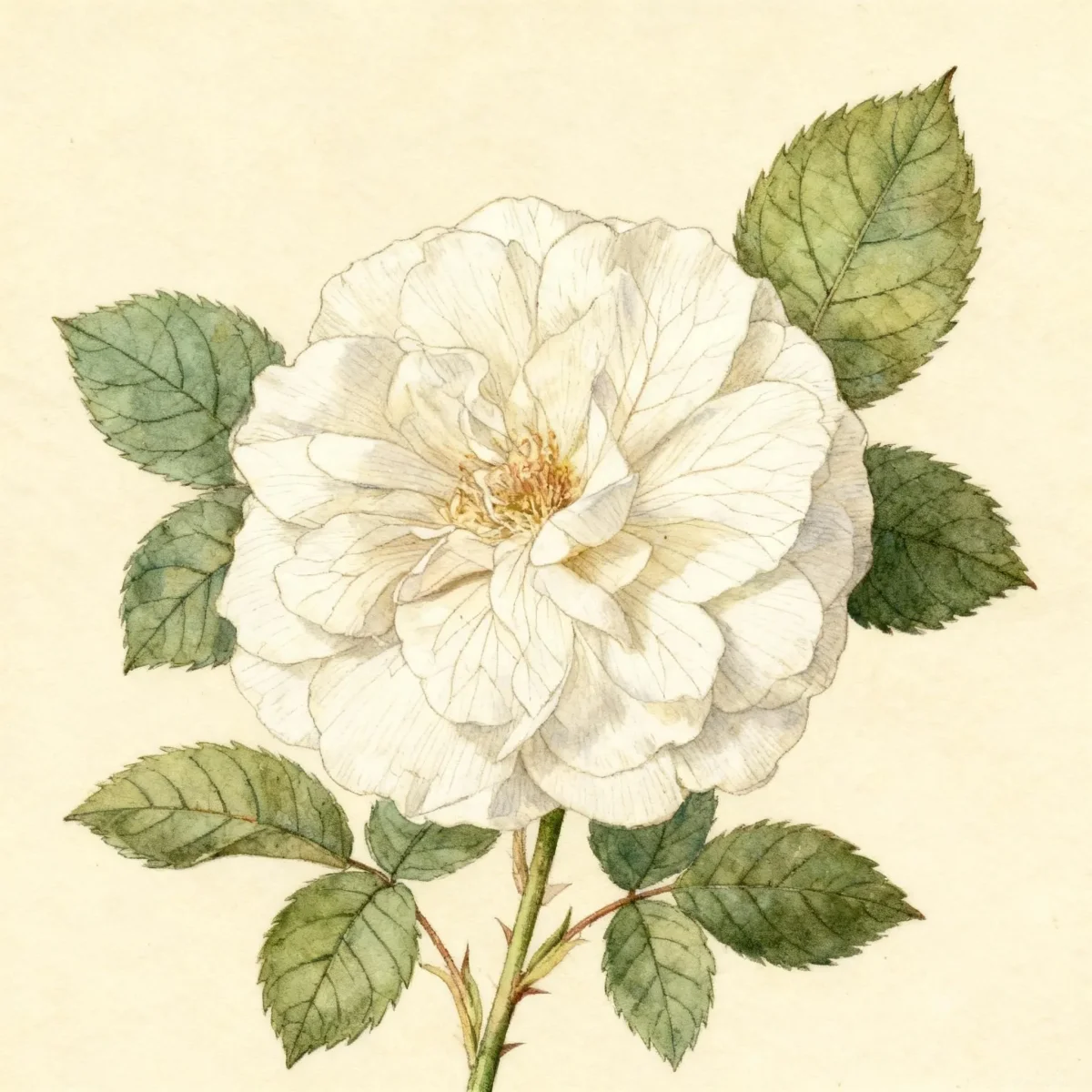
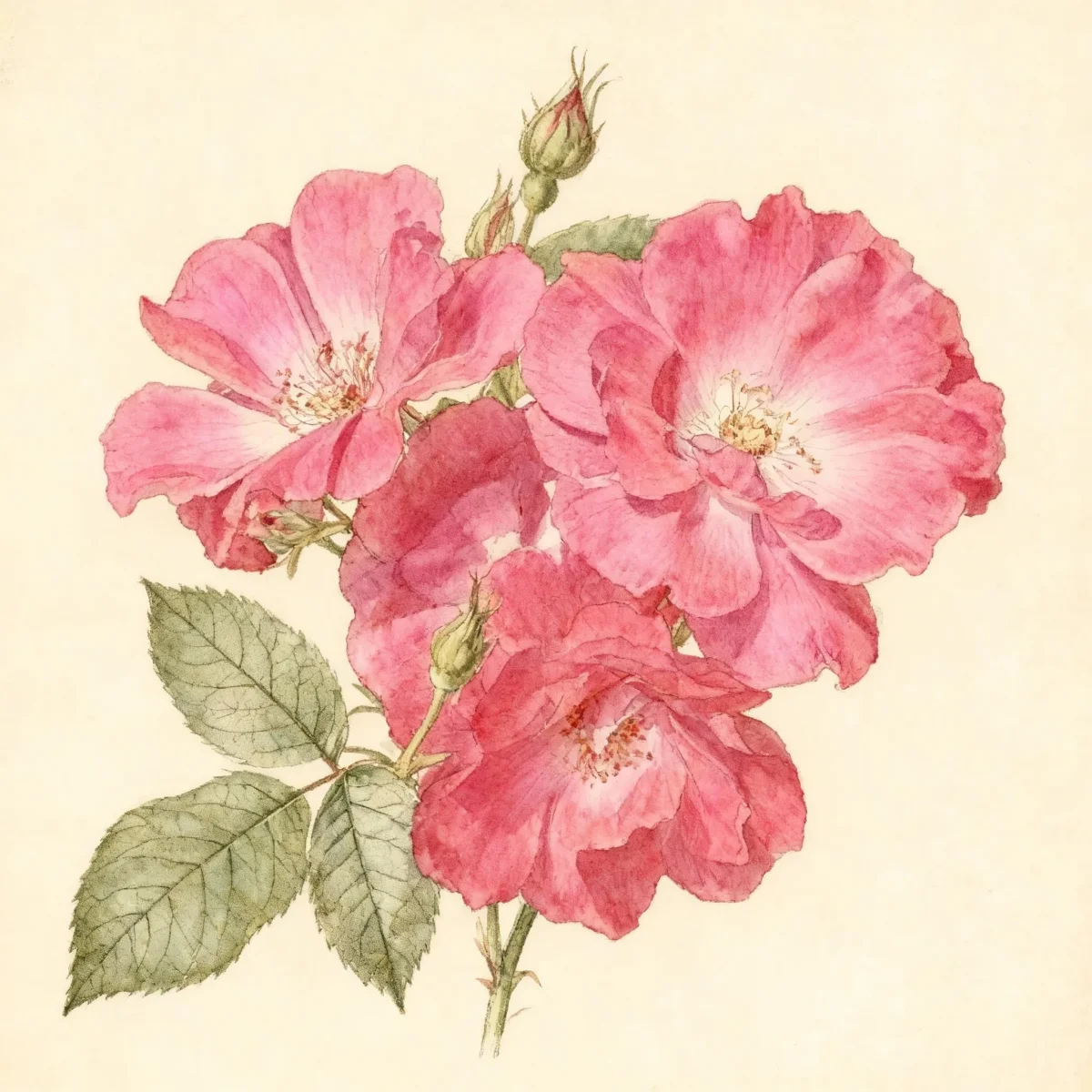
Christmas berry (Photinia villosa)
Photinia villosa, or Christmas berry, is a lovely deciduous shrub native to East Asia, valued for seasonal color and persistent red fruit.
Scroll down to discover growing tips, care requirements, companion plants, and more
Complete Plant Information
Overview
The Photinia villosa, commonly known throughout the trade as Christmas berry or Oriental photinia, offers seasonal interest that few deciduous shrubs can match. This multi-stemmed plant provides changing foliage colors, attractive white spring blooms, and persistent red fruit well into the winter months. It is a sturdy addition to the landscape, adapting well to various conditions once established.
As a key member of the Rosaceae family, Photinia villosa matures into an irregular oval crown, typically reaching 10 to 15 feet tall and wide in ideal settings. Its native range spans Japan, Korea, and China, where it thrives in forest margins and slopes. Gardeners appreciate the plant for its resilience and its ability to transition beautifully from spring blossoms to vibrant fall and winter color provided by the persistent fruit.
For optimal performance, site your Christmas berry where it receives ample sunlight but is protected from harsh afternoon intensity if situated in warmer zones. While it is relatively easy to establish, understanding its medium maintenance needs regarding air circulation and soil drainage will ensure this beautiful deciduous shrub rewards you season after season.
Fast Facts
- Plant Family: Rosaceae
- Plant Type: Deciduous shrub
- Native Range: Japan, Korea, China
- Hardiness Zones: USDA Zones 4-7
- Size at Maturity:
- Height: 10-15 ft
- Spread: 10-15 ft
- Bloom Time: April to May
- Bloom Description: White
- Sun Exposure: Full sun to part shade
- Water Needs: Medium
- Maintenance Level: Medium
How to Grow
Planting Photinia villosa is best achieved in spring or fall, allowing the root system time to establish before seasonal extremes. Aim for average, medium moisture, well-drained soil, ensuring a location that receives full sun to partial shade. Proper soil preparation to ensure drainage is vital; this shrub strongly dislikes sitting in wet soils, which can predispose it to root issues.
Water needs are medium, but once established, the Christmas berry shows reasonable drought tolerance. When watering, direct moisture toward the root zones and avoid splashing water onto the leaves, which helps minimize potential fungal issues. Maintenance primarily focuses on aesthetic shaping and health management. Pruning should occur during winter to selectively thin out congested areas, which crucially improves air circulation around the dense foliage.
Good air movement is essential for disease prevention. Site plants where air flows freely to manage humidity buildup, particularly during the hot, humid summers occasionally experienced even in its northern hardiness range. If conditions are prime for growth, remember that this shrub can spread moderately via self-seeding, leading to naturalized colonies over time.
Landscape Uses
The structure and seasonal display of Photinia villosa make it highly versatile in landscape design. It excels when utilized formally as a large hedge, providing a dense, attractive screen throughout the year, especially when its fruit persists into winter. Conversely, Christmas berry works beautifully in informal garden areas where its natural, somewhat irregular crown can be appreciated as a specimen or focal point.
For borders, consider pairing this shrub with evergreens that contrast its deciduous nature, allowing the winter fruit to stand out against a dark green backdrop. Because of its size potential (10-15 ft), ensure it has adequate space so it does not overcrowd smaller shrubs or foundation plantings. Its use in screening is particularly valued, offering better seasonal interest than many utilitarian evergreen barriers.
Standout Features
Flower Qualities
- Showy
Fruit Qualities
- Showy
Noteworthy Characteristics
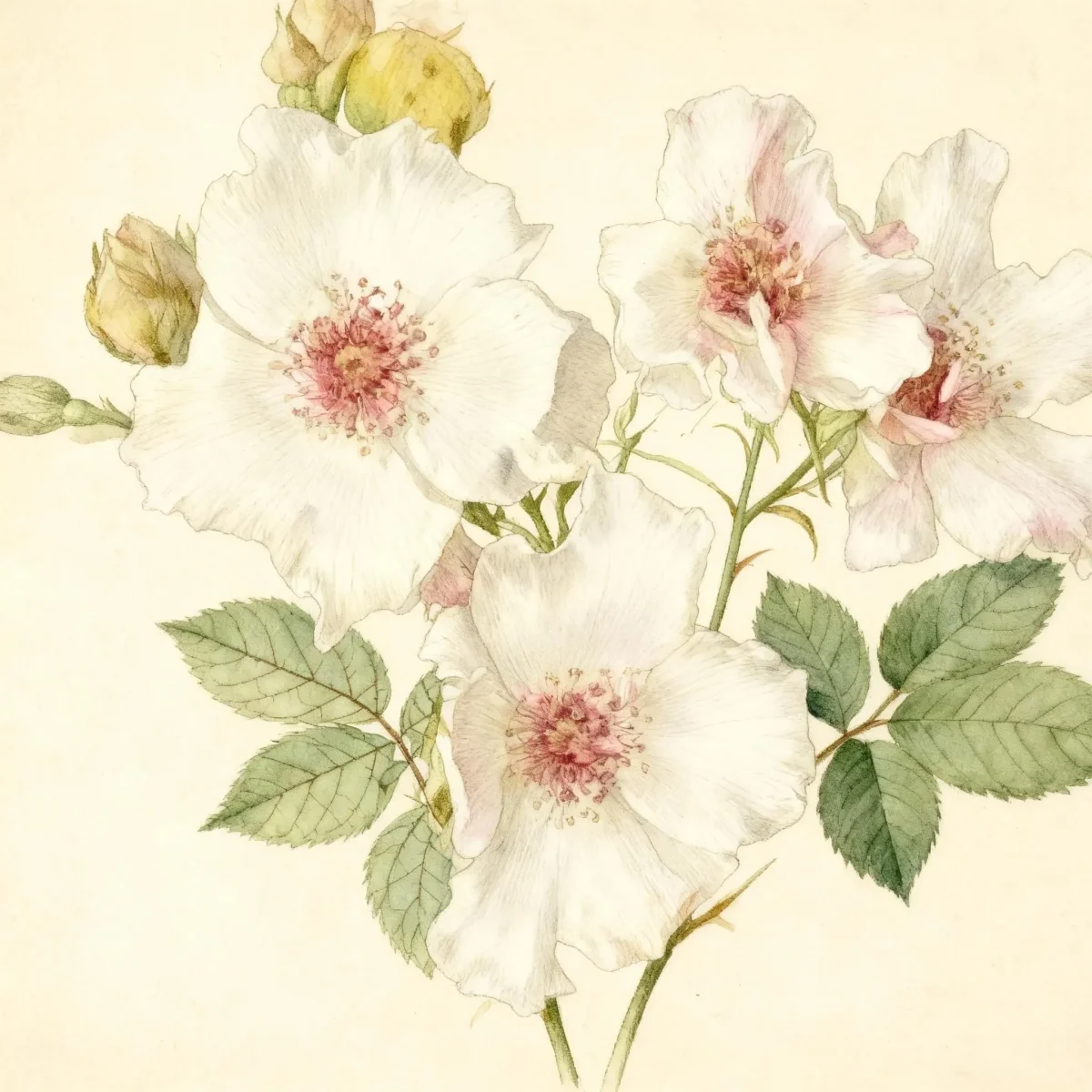
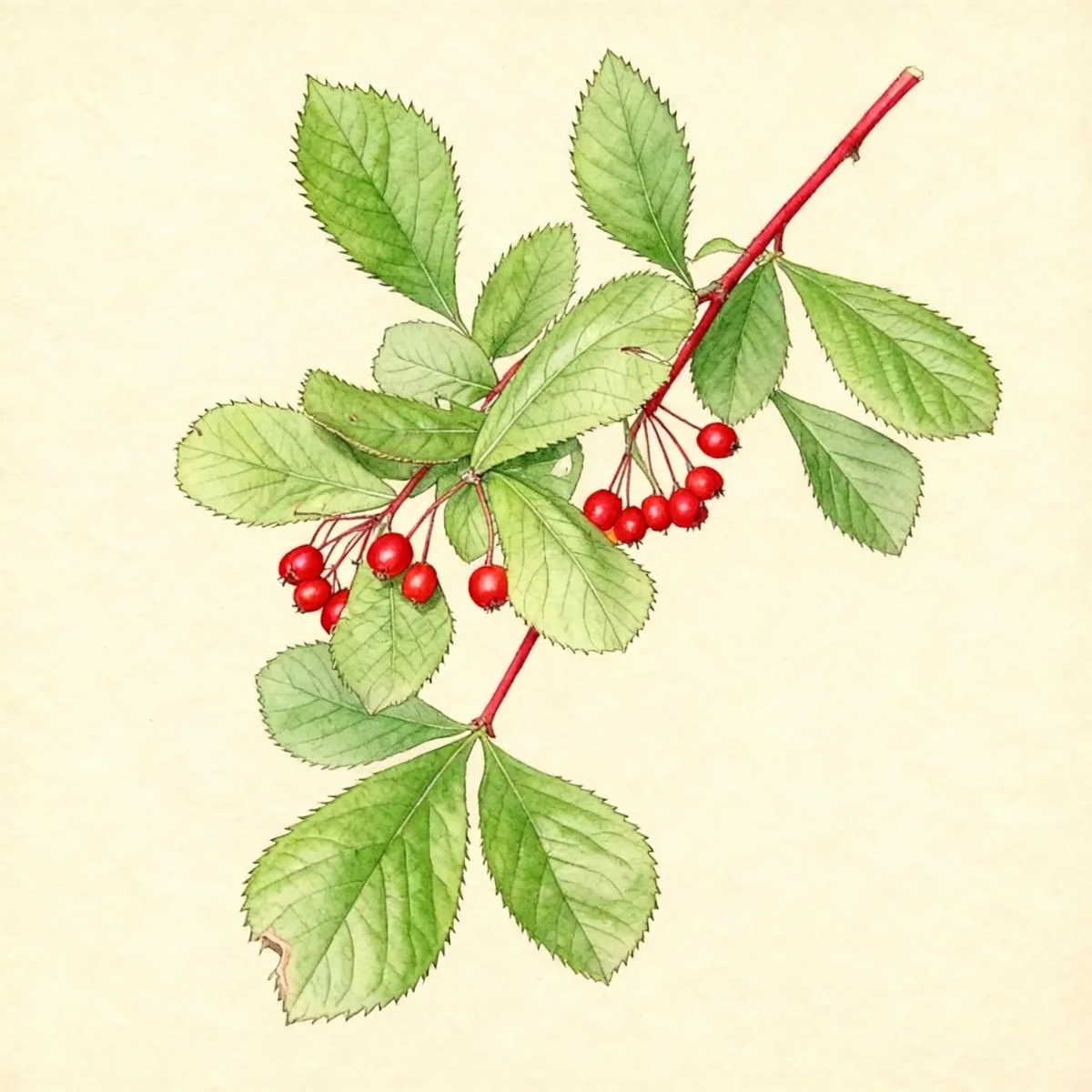
Photinia villosa, commonly called oriental photinia or Christmas berry, is a deciduous shrub or small tree of the rose family. Unless trained as a tree, it will typically mature to 10-15’ tall and as wide with an irregular oval crown. The creamy white, five-petaled flowers bloom in spring, followed by attractive red fruits (pomes) which ripen in fall but often persist on the tree well into the winter months, justifying the common name Christmas berry. Its elliptic leaves offer spring bronze tints, deep green summer color, and excellent fall transition tones before dropping.
Tolerances
- Drought
Potential Problems
The Photinia villosa is generally tough but is susceptible to several common fungal and pest issues that require vigilance. The most serious concerns involve fireblight, a bacterial disease that causes shoots to blacken and wilt rapidly, and Entomosporium maculatum, known as photinia leaf spot, which creates distinct spots on the foliage. Controlling leaf spot is often harder in humid southern climates.
To mitigate these risks, consistently practice good horticultural hygiene, focusing on pruning in the dormant season to open up the canopy for better air circulation. Additionally, watch for common sucking insects like aphids and scale, which can weaken the shrub. Always water the root zone to keep foliage dry, which reduces the environmental conditions favorable for fungal spore germination.
Frequently Asked Questions
What hardiness zones is Christmas berry suitable for?
The Christmas berry (Photinia villosa) is hardy and recommended for USDA Zones 4 through 7.
How large does Photinia villosa grow?
This shrub commonly reaches a mature height and spread between 10 and 15 feet, often resulting in a nearly equal, irregular oval shape.
When does Photinia villosa bloom?
The plant produces attractive white, five-petaled flowers in the spring, typically blooming between April and May.
What sun exposure does Christmas berry need?
For best flowering and fruiting, ensure your Photinia villosa is situated where it receives full sun to part shade conditions.
Conclusion
The Photinia villosa offers exceptional value to the four-season garden, combining attractive foliage with showy blooms and persistent winter fruit that earns it the name Christmas berry. Its medium maintenance requirements and ability to serve as both a specimen and a hedge make it a reliable choice for many gardeners. Before planting, always confirm that your climate falls within USDA Zones 4-7 and ensure excellent soil drainage for the long-term health of your plant.
Propagation Tips
Propagating Photinia villosa can be achieved through two main methods: cuttings or seed. For seed propagation, collect the red fruits in late fall or early winter, clean them, and sow them. These seeds often require a period of cold stratification to break dormancy before germination occurs, mimicking the natural winter cycle in their native habitat in Japan, Korea, and China.
For quicker results, use semi-hardwood cuttings taken usually in mid-summer. Dip the base of the cuttings in rooting hormone and place them in a well-drained, moist medium under humid conditions, such as a covered cold frame or greenhouse environment. Successful rooting establishes an independent plant that retains the exact characteristics of the parent Christmas berry shrub.
Companion Planting
Effective companion planting for Photinia villosa should focus on plants that share similar requirements for well-drained soil, medium moisture, and a preference for full sun to part shade. Consider pairing it with spring-flowering bulbs that will emerge before the shrub’s canopy fully leafs out, such as daffodils or early tulips.
To enhance the winter interest provided by the persistent red fruits of the Christmas berry, plant contrasting low-growing groundcovers near the base. Shade-tolerant evergreens or fine-textured grasses that retain color through winter months provide an excellent supporting texture that highlights the shrub’s vertical structure. Avoid boggy plants near Photinia villosa since it strongly dislikes overly wet feet.