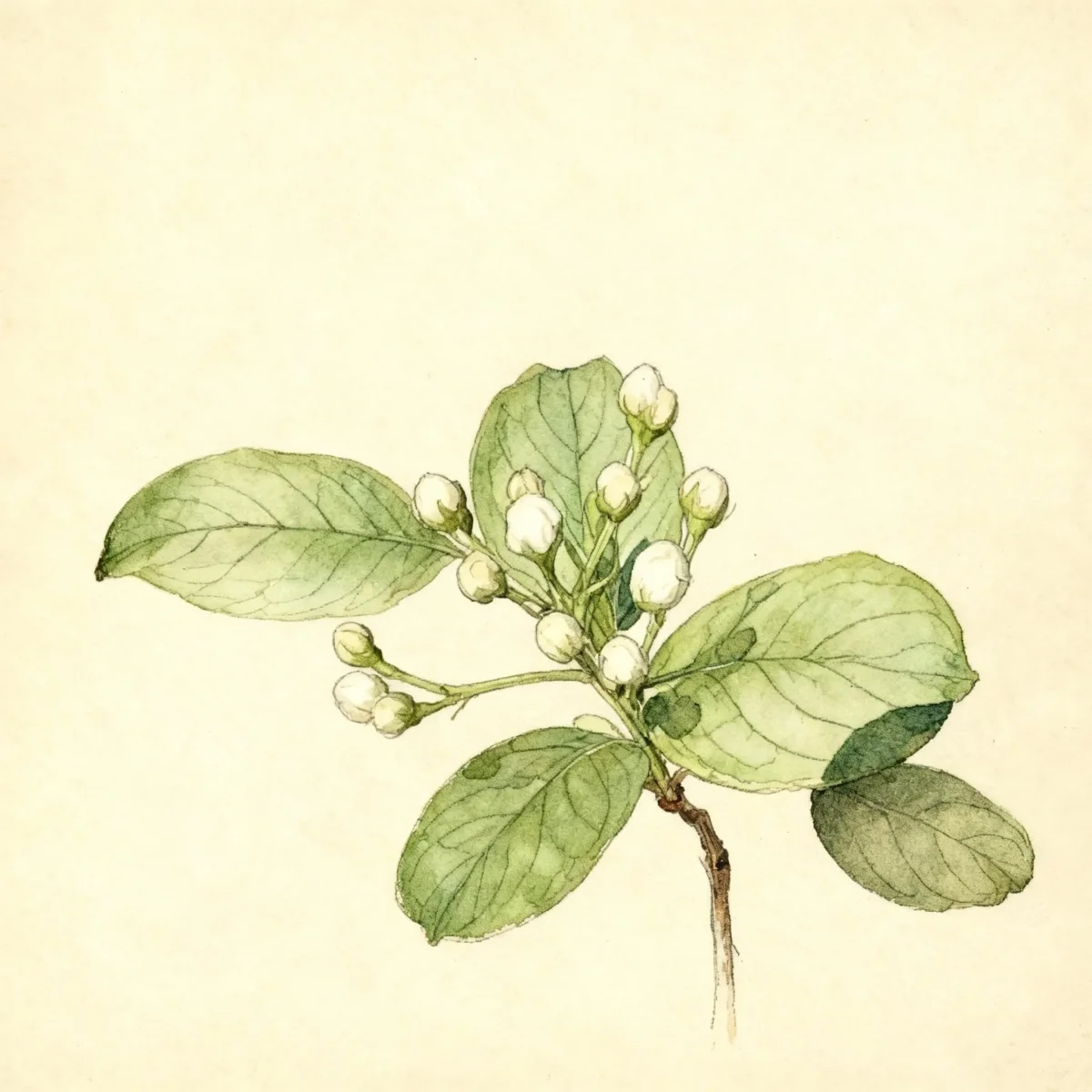
Rock cotoneaster (Cotoneaster horizontalis var. perpusillus)
Cotoneaster horizontalis var. perpusillus, Rock cotoneaster, offers dense, semi-prostrate ground cover with scarlet fruit and drought tolerance.
Scroll down to discover growing tips, care requirements, companion plants, and more
Complete Plant Information
Overview
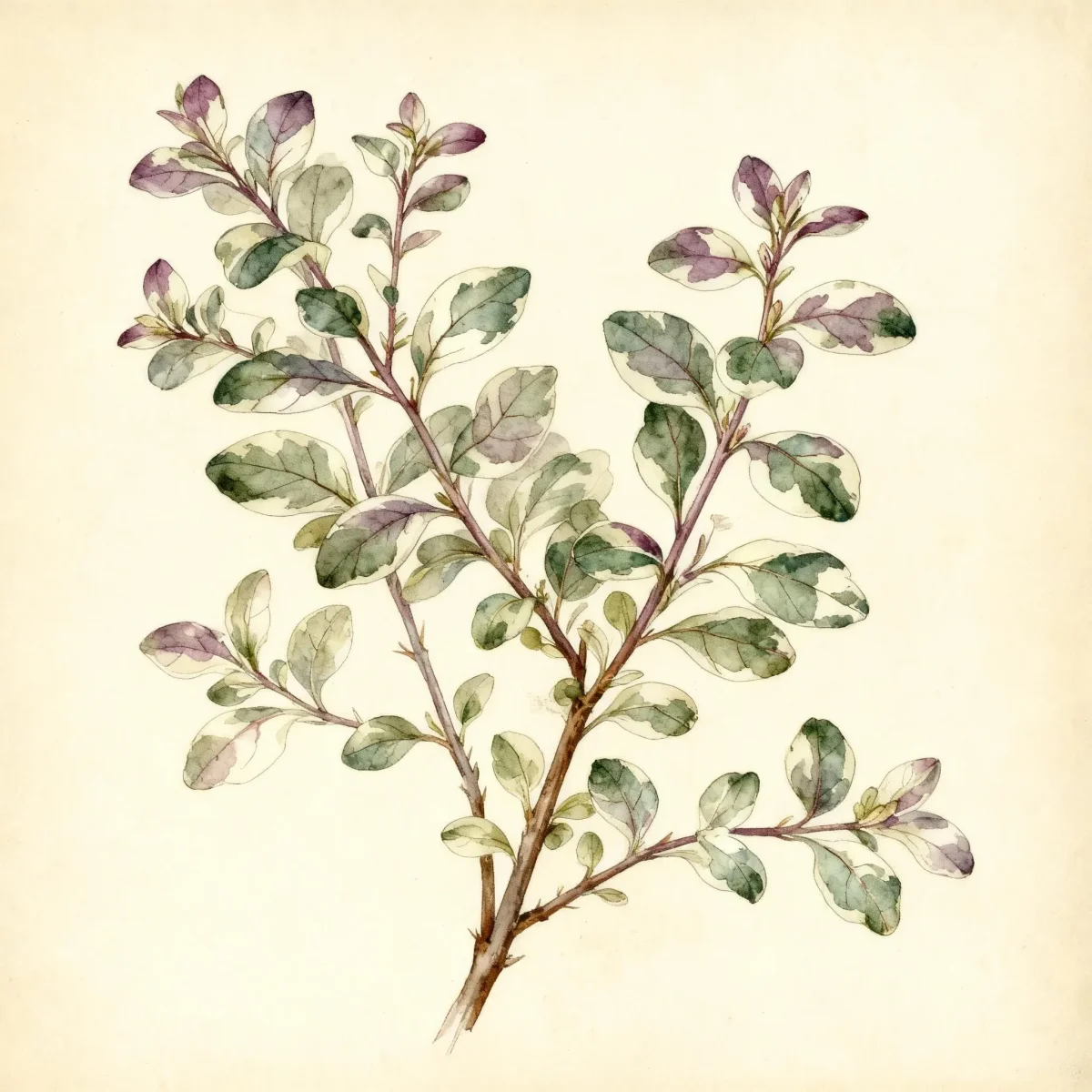
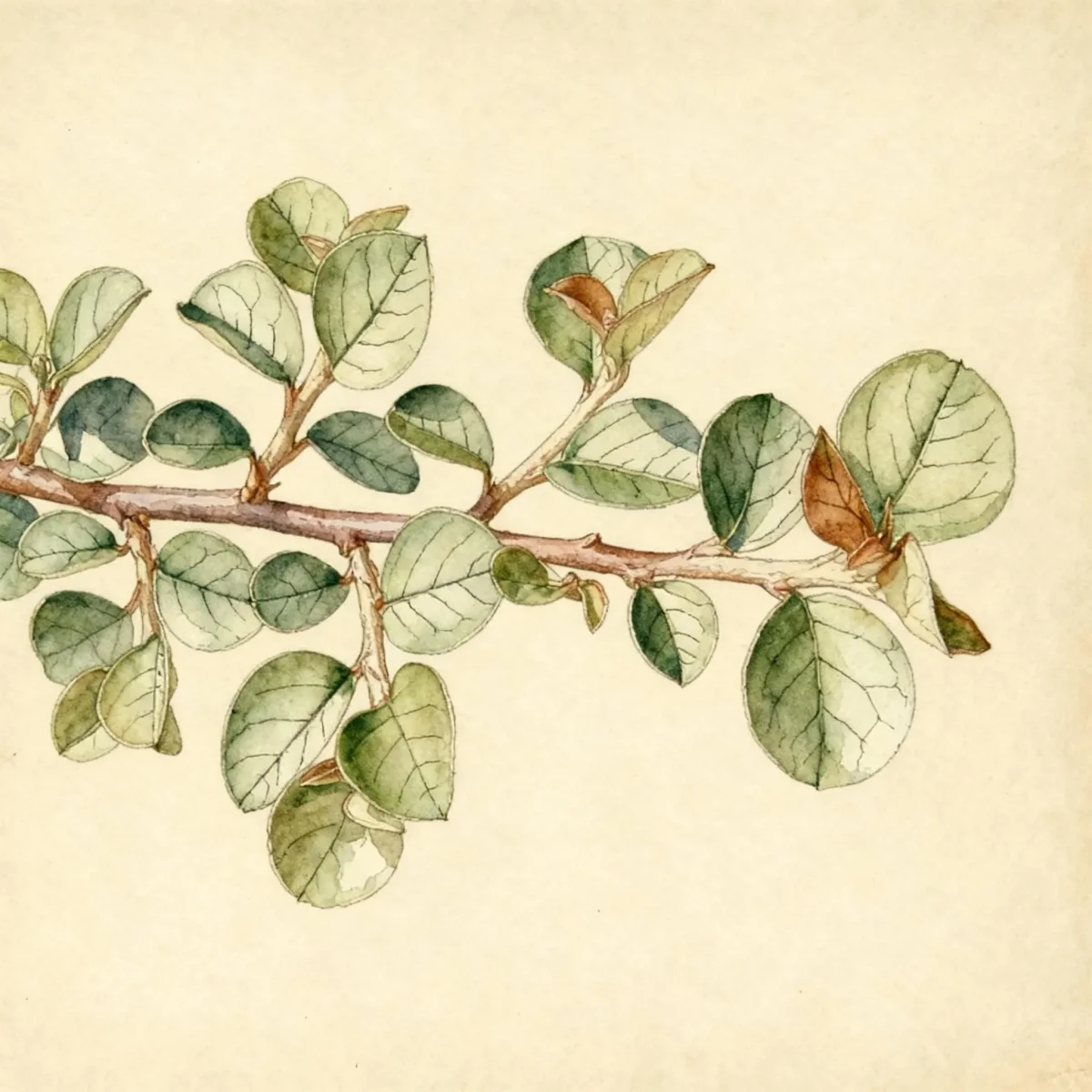
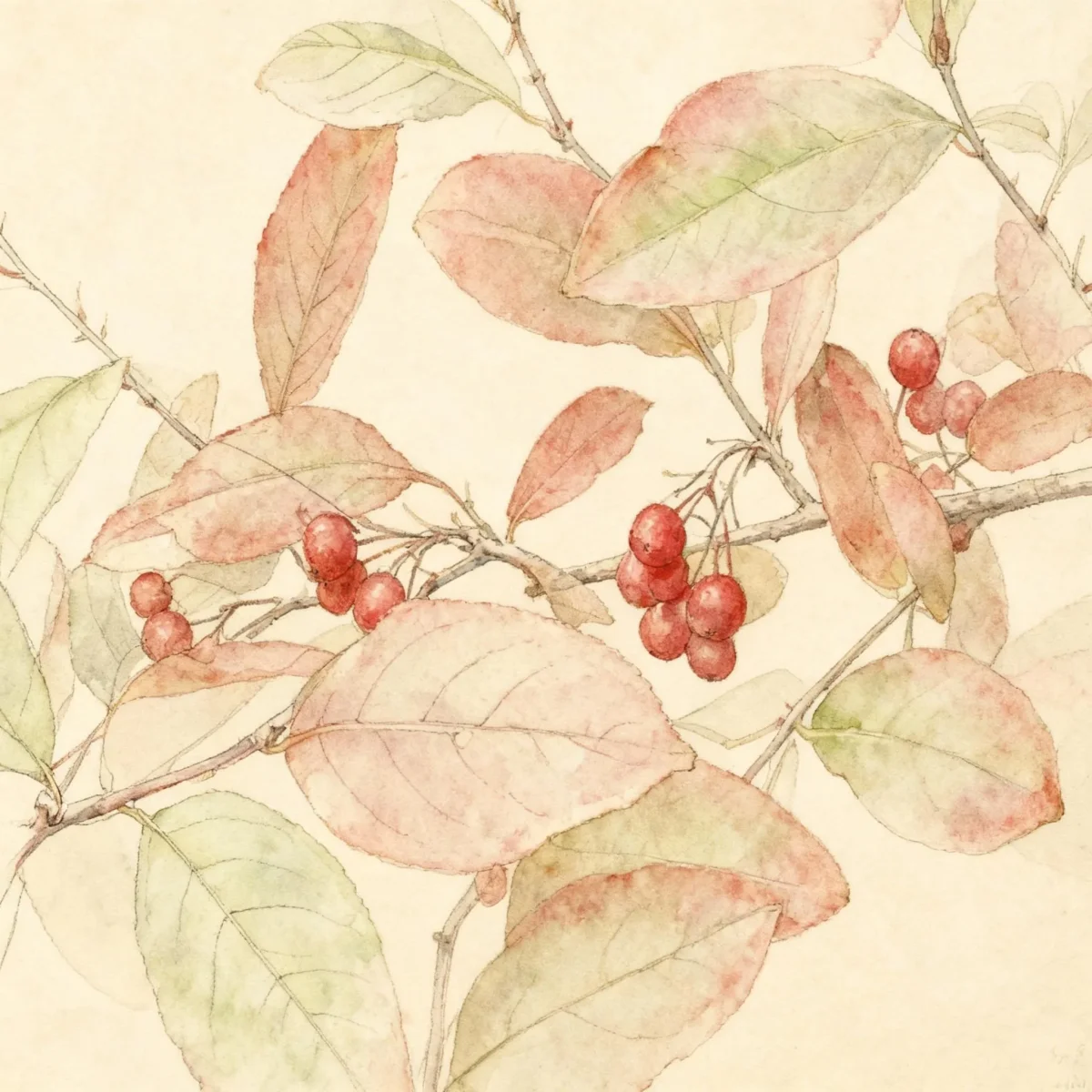
The Rock cotoneaster, specifically Cotoneaster horizontalis var. perpusillus, is highly valued in landscaping for its distinctive, dense, and very prostrate growth habit. Known for its formal, stiff, flattened branches arranged in a striking fishbone pattern, this shrub provides excellent year-round horizontal texture. While deciduous in colder climates, the glossy dark green leaves of Cotoneaster horizontalis var. Perpusillus offer seasonal appeal, turning reddish-purple in the fall for added interest.
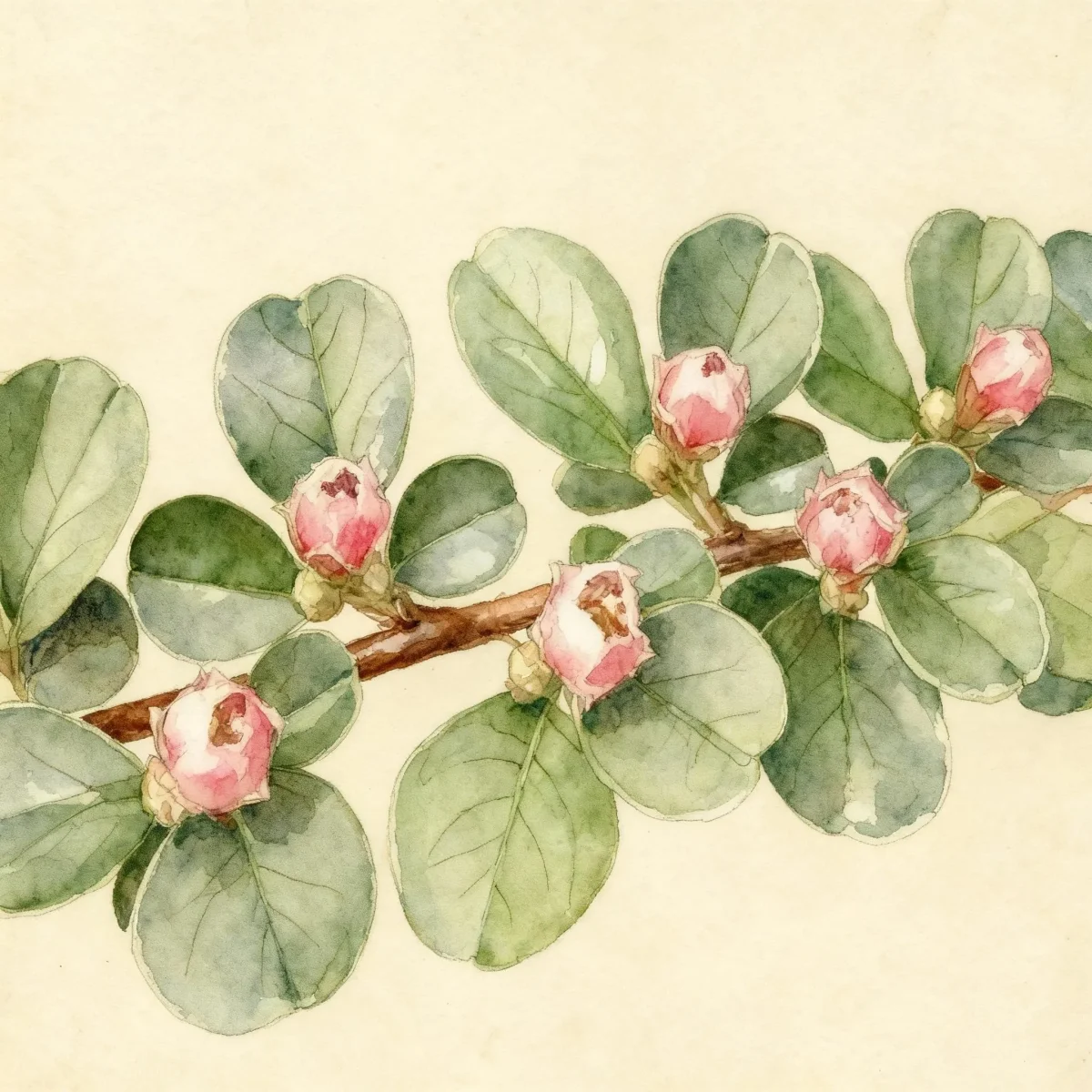
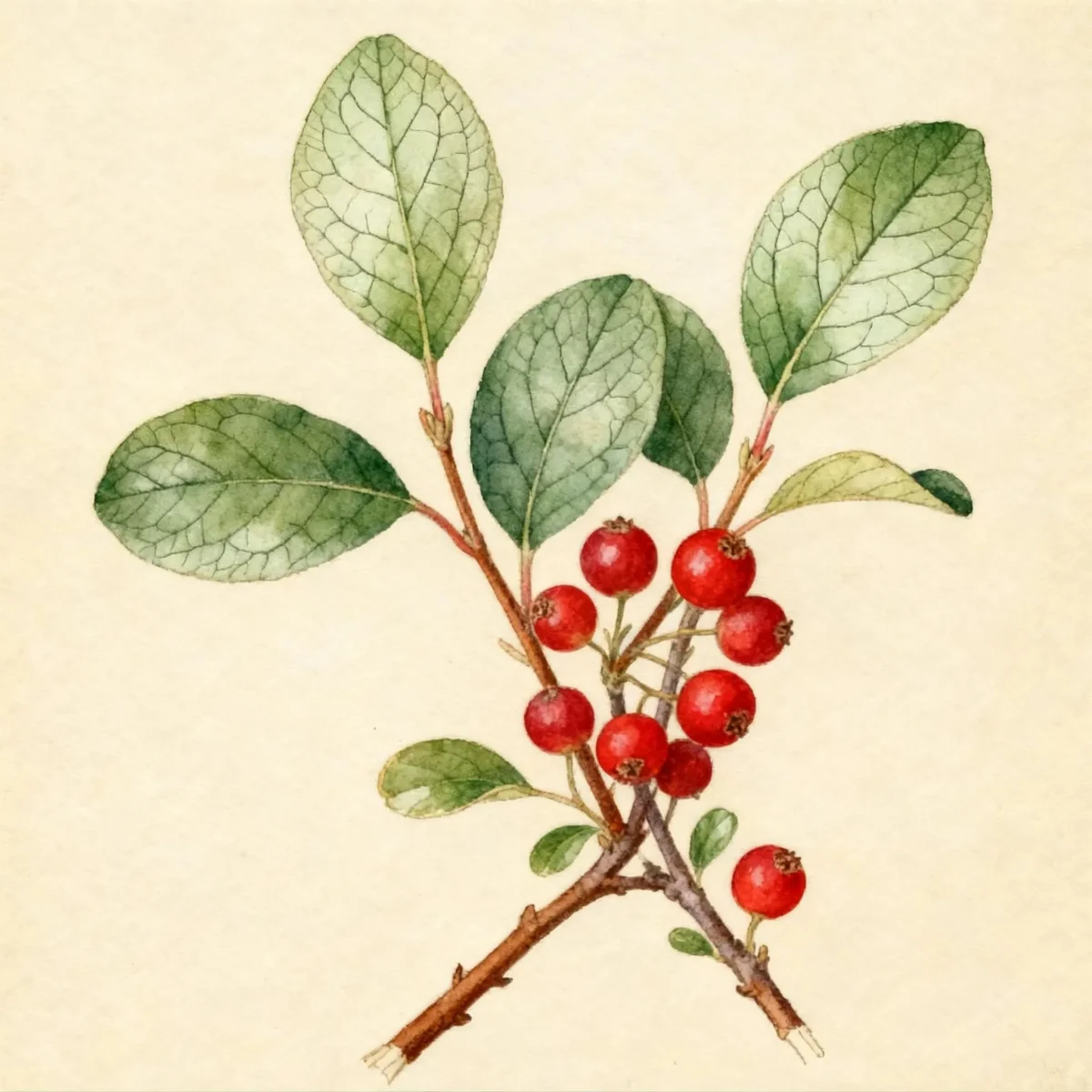
This tough and adaptable plant thrives as a low-maintenance ground cover, effectively stabilizing slopes and adding structure to rock gardens. Following tiny pink blooms in late spring, the plant is adorned with bright scarlet fruits that mature into the fall, providing vital late-season color. Gardeners appreciate the low maintenance required for established Cotoneaster horizontalis var. perpusillus, provided it receives proper site conditions.
Fast Facts
- Plant Family: Rosaceae
- Plant Type: Deciduous shrub
- Native Range: Western China
- Hardiness Zones: USDA Zones 4-7
- Size at Maturity:
- Height: 1-1.5 ft
- Spread: 5-8 ft
- Bloom Time: May to June
- Bloom Description: Pale pink
- Sun Exposure: Full sun to part shade
- Water Needs: Medium
- Maintenance Level: Low
How to Grow Cotoneaster horizontalis var. perpusillus
For best results with your Rock cotoneaster, plant it in the early spring or fall when soil temperatures are moderate. This shrub thrives best when situated in moist, loamy, well-drained soils. While it tolerates considerable poor soils, excellent drainage is crucial to prevent root issues. It adapts well to full sun exposure but can tolerate some part shade; however, avoid siting it where it receives excessive heat during the summer, as plants often struggle noticeably south of USDA Zone 7.
Watering needs are medium; maintain consistent moisture until the plant is established. Once established, established Rock cotoneaster plants show good drought tolerance, requiring minimal supplemental watering during dry spells. Little ongoing maintenance is needed if the site is chosen correctly; pruning should be minimal, mainly to remove dead or damaged wood. Propagation is easiest achieved through stem cuttings taken from healthy parent plants.
If mass planting container-grown specimens, aim for a spacing of 4 to 5 feet apart to allow the horizontal structure to fill in the designated area over time. Be mindful that the dense foliage of Cotoneaster horizontalis var. perpusillus can sometimes make cleaning trapped leaves or trash from the interior areas challenging, which is often the main maintenance hurdle.
Landscape Uses
The primary role of Rock cotoneaster in the garden is as a woody ground cover, perfect for sunny exposures that need consistent texture and structure. Due to its naturally spreading, low-growing habit, it is an excellent choice for mass plantings on banks and slopes, offering significant erosion control where turfgrass might struggle.
This variety is superb for softening hardscape edges. Allow it to naturally sprawl over large rocks in alpine or rock gardens, or train it gently along stone walls where its flat branching habit can be highlighted. While it functions well as a low hedge, its tendency to spread horizontally makes it better suited for applications where it can creep unimpeded. Cotoneaster horizontalis var. perpusillus combines well with low-growing perennials that appreciate similar sun and drainage conditions.
Flower Qualities
- Showy
Fruit Qualities
- Showy
Noteworthy Characteristics
The identifying feature of the species, Cotoneaster horizontalis, is its coarse, dense, slow-growing habit characterized by stiff, flattened horizontal branching displaying a distinct fishbone arrangement. Var. Perpusillus takes this trait and pushes it lower, growing only about 1 foot tall but spreading widely up to 8 feet or more. The plant provides seasonal color, transitioning from tiny pink flowers in late spring to attractive, bright scarlet fruits in the autumn.
Tolerances
- Rabbit
- Drought
- Erosion
- Air Pollution
Potential Problems
Cotoneaster horizontalis var. perpusillus is susceptible to several common shrub diseases and pests. Fireblight is a significant concern, and this specific variety is noted as being very prone to this bacterial disease, which causes blackened, scorched-looking branches. Other issues include various leaf spots and canker. In terms of pests, the cotoneaster webworm and lacebug can be troublesome, and mites may appear, especially when the plants are stressed by hot, dry periods.
Management often requires vigilance. Ensure excellent air circulation when siting plants to minimize fungal issues like leaf spot. Promptly prune out any infected material showing signs of fireblight, cutting well below the diseased area and sterilizing tools between cuts to prevent spreading the bacteria. Addressing pest infestations quickly, often using horticultural oil for mites, is key to maintaining the dense, attractive foliage of the Rock cotoneaster.
Frequently Asked Questions
What hardiness zones is Rock cotoneaster suitable for?
Cotoneaster horizontalis var. perpusillus is hardy and reliable in USDA Zones 4 through 7.
How large does Rock cotoneaster grow?
This variety is very prostrate, typically reaching only 1 to 1.5 feet in height, but it spreads widely, achieving a spread of 5 to 8 feet wide.
What sun exposure does Cotoneaster horizontalis var. perpusillus need?
This shrub performs best when planted in locations receiving full sun to partial shade; ample light helps encourage better flowering and fruiting.
When does Cotoneaster horizontalis var. perpusillus bloom?
Flowering generally occurs from May into June, producing small, five-petaled flowers described as pale pink.
Conclusion
The defining characteristic of Cotoneaster horizontalis var. perpusillus is its elegant, low-spreading architecture, making it an indispensable tool for erosion control and ground cover in sunny locales. Its tough nature, coupled with low maintenance needs, ensures that the Rock cotoneaster remains a staple for structure and late-season color. Before planting, confirm that your site falls within USDA Zones 4-7 and offers reliable drainage to maximize the health and visual impact of this beautiful shrub.
Companion Planting
When selecting companions for your Cotoneaster horizontalis var. perpusillus, focus on plants that share its preference for full sun to partial shade and, critically, excellent drainage. Low-growing Sedums and various creeping Thymes work wonderfully alongside the horizontal branches, creating textural contrast without obscuring the low profile of the Rock cotoneaster. For vertical accents that contrast with the spreading form, consider taller, upright ornamental grasses or small, slow-growing conifers that suit the Zone 4-7 climate.
Wildlife Benefits
While not a primary nectar source, the flowers of the Rock cotoneaster (when blooming pale pink in May/June) are attractive to foraging bees, contributing to local pollination activity. More significantly, the plant produces bright scarlet fruits in the fall that are highly desired by numerous bird species as winter approaches. Establishing this shrub on a slope not only controls soil loss but also provides a crucial food source for avian wildlife later in the season, enhancing the ecological value of your landscape design.