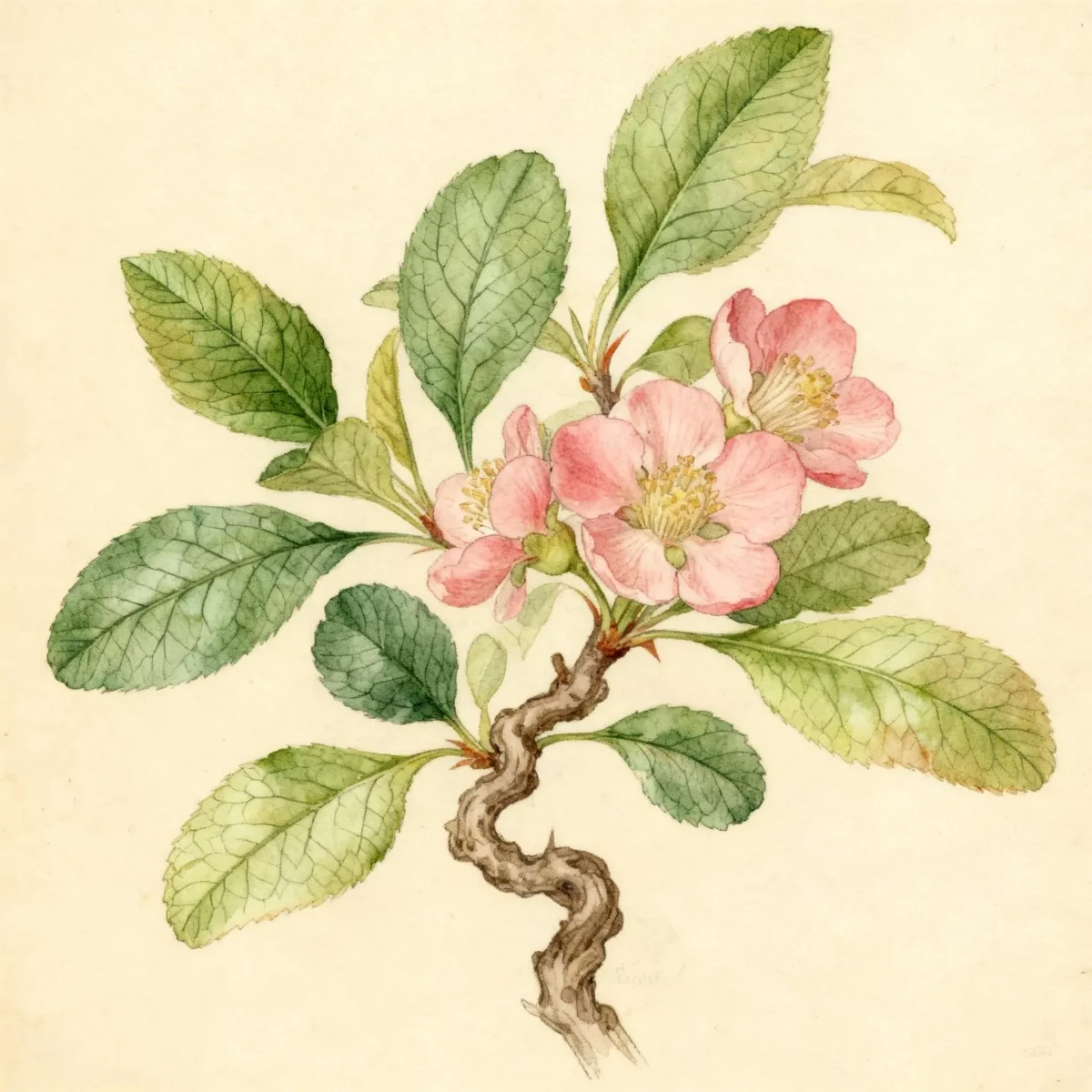
Cotoneaster (Cotoneaster divaricatus)
Discover Cotoneaster divaricatus, a tough, low-maintenance deciduous shrub prized for year-round interest, attractive flowers, and fall color.
Scroll down to discover growing tips, care requirements, companion plants, and more
Complete Plant Information
Overview
The Cotoneaster divaricatus, often called spreading cotoneaster, is a highly valued deciduous shrub known for its dense, attractive, and somewhat arching branching pattern throughout the year. This tough plant offers exceptional landscape value, moving from an abundance of small spring flowers to persistent, bright red fruits in autumn and winter. Gardeners appreciate the Cotoneaster for its adaptability and relatively low upkeep.
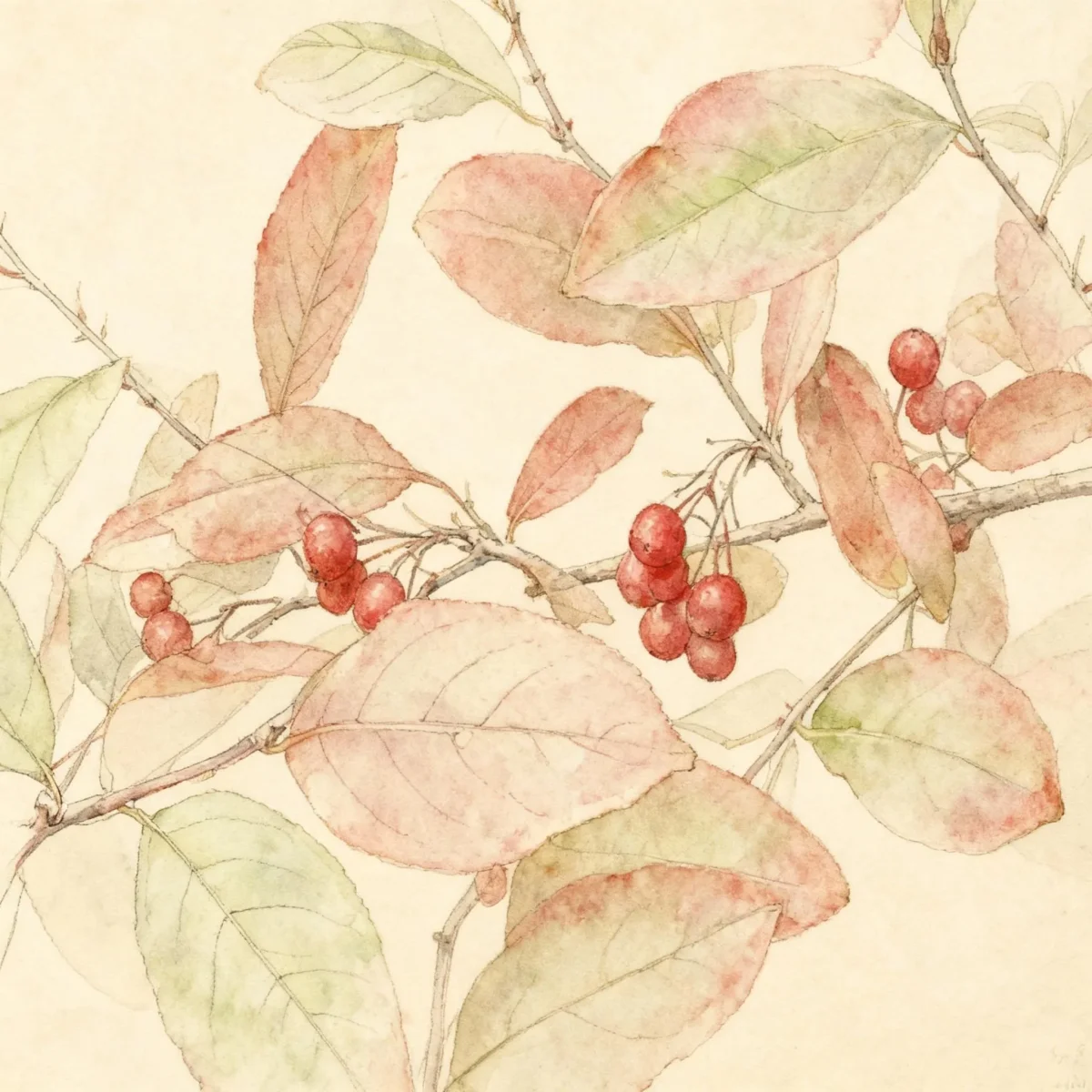
This species reliably reaches heights between 5 and 6 feet while spreading wider, creating an excellent screen or border element. The glossy green foliage turns vibrant shades of orange and red as cooler weather approaches, providing strong seasonal interest well beyond the main flowering period. Growing the Cotoneaster ensures reliable performance even when planted in less-than-ideal conditions.
Ultimately, Cotoneaster divaricatus is a robust choice, tolerating pollution and drought once established, making it a functional and beautiful component for mixed borders, hedges, or mass plantings needing structure and long-term color.
Fast Facts
- Plant Family: Rosaceae
- Plant Type: Deciduous shrub
- Native Range: China
- Hardiness Zones: USDA Zones 4-7
- Size at Maturity:
- Height: 5-6 ft
- Spread: 6-8 ft
- Bloom Time: May to June
- Bloom Description: White with pink tinge
- Sun Exposure: Full sun to part shade
- Water Needs: Medium
- Maintenance Level: Low
How to Grow
Planting Cotoneaster divaricatus is easiest in spring or fall. Select a location that receives full sun or part shade, ensuring the soil is moist, loamy, and, critically, well-drained. Good drainage is essential for the long-term health of this shrub; it dislikes sitting in soggy conditions. This plant is noted for its hardiness and adaptability, tolerating poorer soils effectively.
Water requirements are medium, particularly while establishing the root system. Once established, the Cotoneaster can withstand some drought, minimizing the need for supplemental watering during hot, dry spells. Fertilizing is generally unnecessary due to its tolerance for poor soils. Maintenance is low; only prune if you need to remove old wood or specifically wish to manage the natural arching structure of the branches.
To maintain a clean look, mulch the soil surrounding the base of the Cotoneaster to help suppress weed growth competing within its dense lower branches. Propagation can be achieved via stem cuttings or by planting seeds harvested from the persistent red fruits.
Landscape Uses
The Cotoneaster offers excellent utility in the landscape, performing admirably as a dense hedge, a natural screen, or a foundational planting near structures. Its dense branching habit, which extends to the ground, makes it particularly useful for softening harsh lines or providing a visual barrier. Consider grouping several Cotoneaster plants together on a slope or bank where their spreading nature can help stabilize the soil.
As a hedge plant, Cotoneaster divaricatus provides seasonal color contrasting sharply with deep green evergreens planted nearby. Because of its hardiness and tolerance for air pollution, it serves well in urban or suburban settings where other ornamental shrubs might decline. Use this shrub where foliage, spring flowers, and long-lasting fall fruit are desired sequentially.
Standout Features
Flower Qualities
- Showy
Fruit Qualities
- Showy
Noteworthy Characteristics
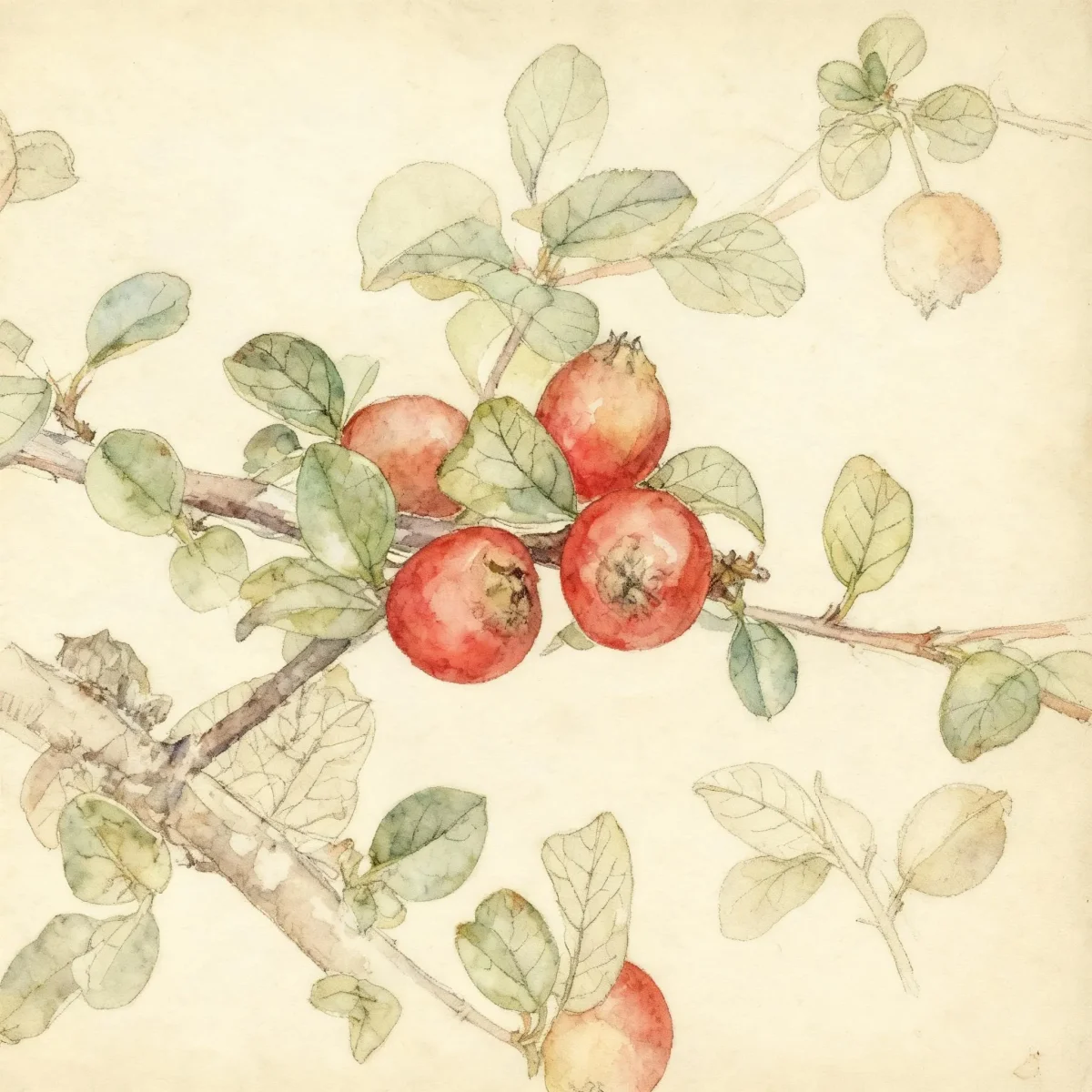
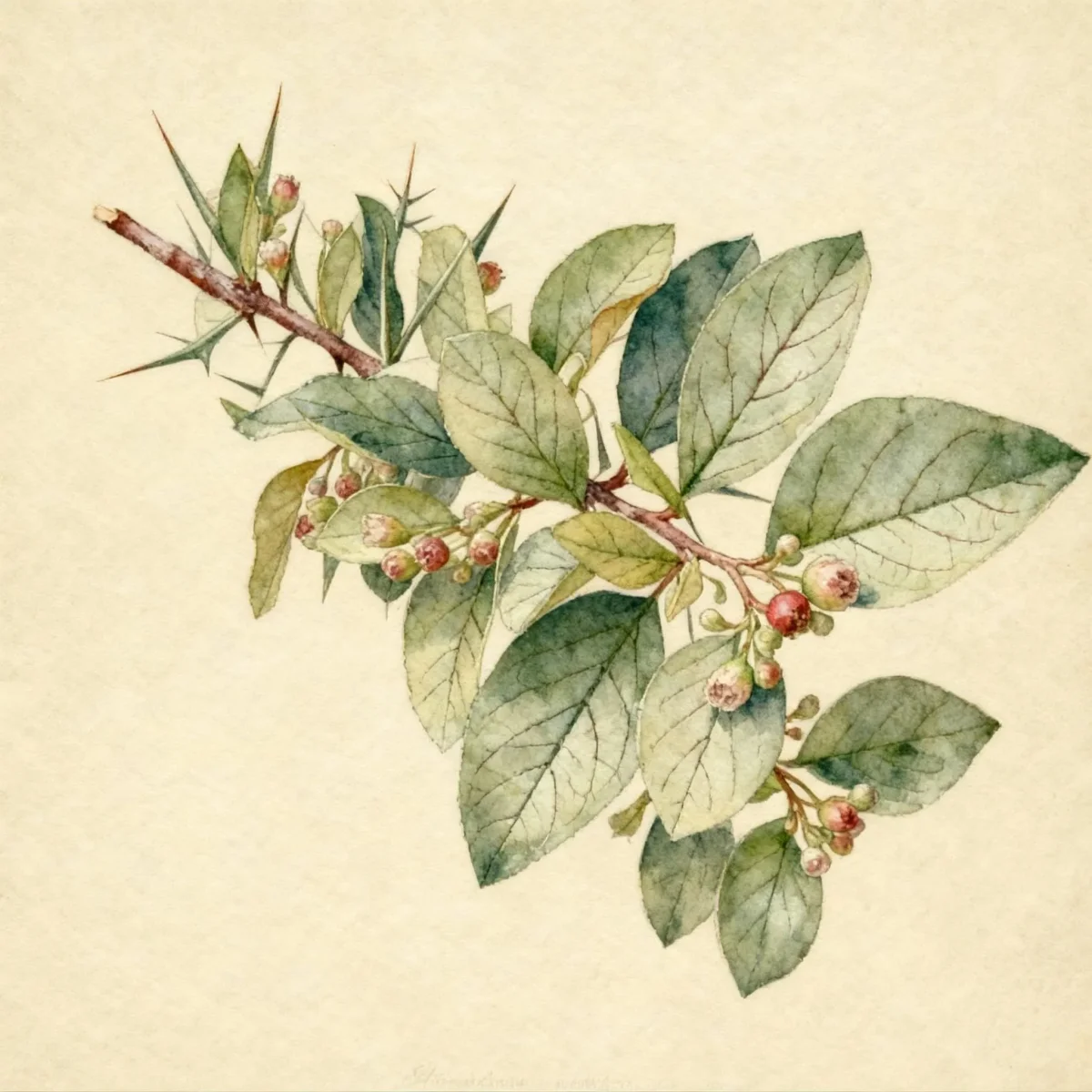
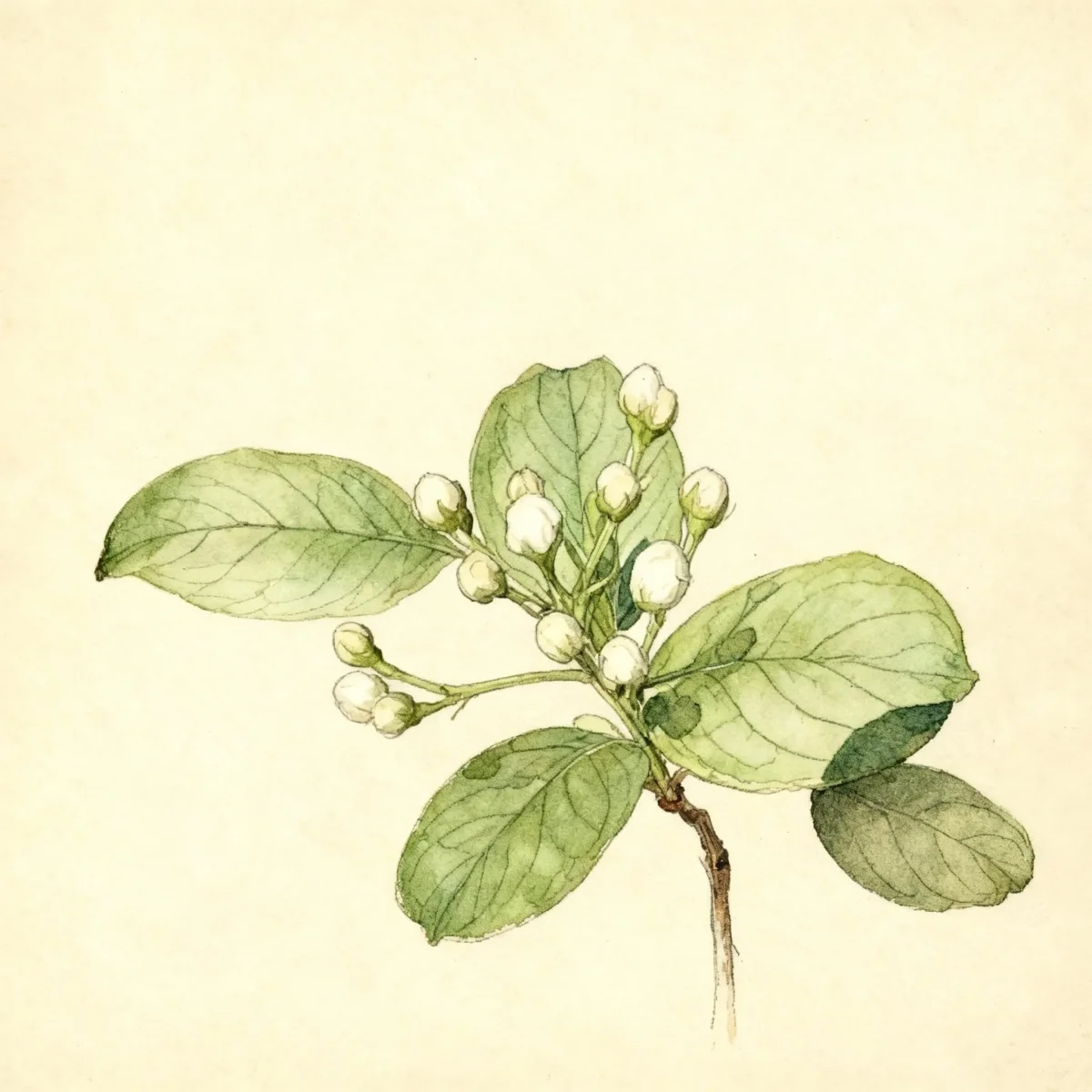
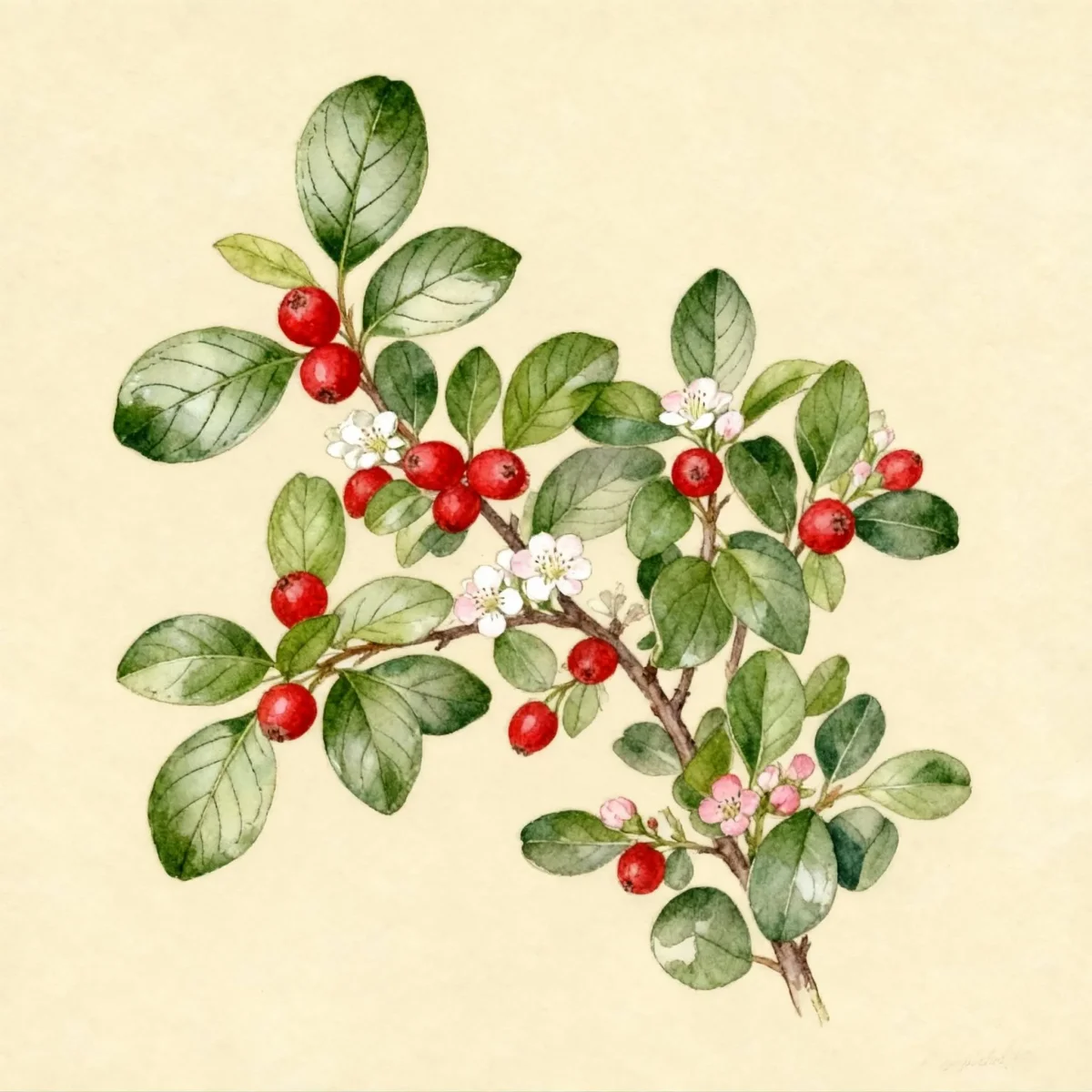
Cotoneaster divaricatus, commonly called spreading cotoneaster, is an upright, rounded, densely branched, deciduous shrub that matures to 5-6’ tall and spreads to 6-8’ wide. It is particularly noted for its attractive form, glossy green leaves, dark red autumn fruit and autumn foliage colors. Small, 5-petaled flowers with tinges of pink bloom in spring, followed by egg-shaped, bright red fruits that mature in fall and persist into winter, offering critical late-season interest.
Tolerances
- Rabbit
- Drought
- Air Pollution
Potential Problems
While generally low maintenance, this Cotoneaster can be susceptible to several specific issues, mainly fungal diseases. Be vigilant for fireblight, leaf spot, and canker, which thrive in humid or crowded conditions. Pests like the cotoneaster webworm and lace bug can also target the foliage. Furthermore, mites may appear, especially if the conditions are hot and dry. Management involves ensuring excellent air circulation via appropriate spacing and pruning out any infected wood immediately. Due to the dense foliage, cleaning out accumulated dead leaves or debris from the interior can become difficult maintenance chore over time.
Frequently Asked Questions
What hardiness zones is Cotoneaster divaricatus suitable for?
This deciduous shrub is reliably hardy in USDA zones 4 through 7.
How large does Cotoneaster grow?
Cotoneaster divaricatus typically matures to a height of 5 to 6 feet, spreading outward to become 6 to 8 feet wide.
When does Cotoneaster bloom?
Flowering occurs from May to June, producing abundant small, white flowers that carry a noticeable tinge of pink.
What sun exposure does Spreading Cotoneaster need?
This plant adapts well to full sun conditions but will also tolerate partial shade successfully.
Conclusion
The Spreading Cotoneaster remains an indispensable landscape plant, delivering robust structure, striking flowers, and persistent fall fruit color with minimal intervention. Integrating Cotoneaster divaricatus into your garden design offers guaranteed resilience and multi-season beauty. Before planting, confirm that your geographical region falls within USDA Zones 4-7 to ensure optimal long-term success.
Propagation Tips
Propagation of Cotoneaster divaricatus can be achieved through two primary methods favored by seasoned gardeners: stem cuttings or seed collection. Taking semi-hardwood cuttings in mid-summer often yields the best success rate, treating them with rooting hormone to encourage root development before winter. Alternatively, collecting the bright red fruits in fall and processing them for seed removal allows for propagation through stratification, mimicking natural winter conditions needed to break dormancy.
Companion Planting
Due to the somewhat dense, mounding habit and medium maintenance requirements of Cotoneaster, selecting appropriate companions that thrive in similar moisture and drainage conditions is key. Pair it with early-blooming perennials like Hostas (in shadier spots) or groundcovers such as creeping thyme or sedums around the base to help suppress weeds and enhance visual texture. Since Cotoneaster tolerates pollution, consider using it near structural plants where air quality might be a concern.