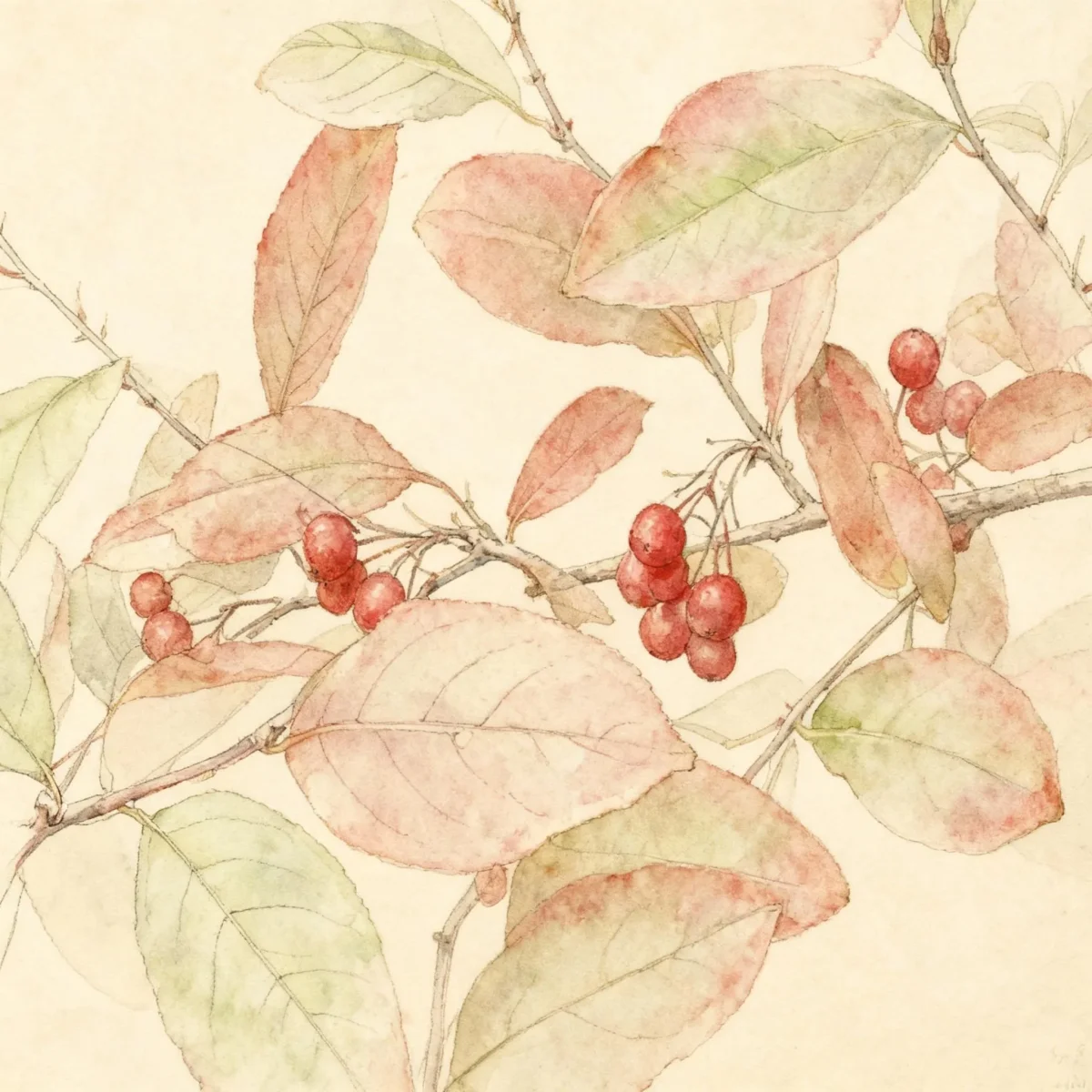
Pearlbush (Exochorda serratifolia)
Discover Exochorda serratifolia, the stunning Pearlbush, known for its showy white spring flowers and low maintenance needs.
Scroll down to discover growing tips, care requirements, companion plants, and more
Complete Plant Information
Overview
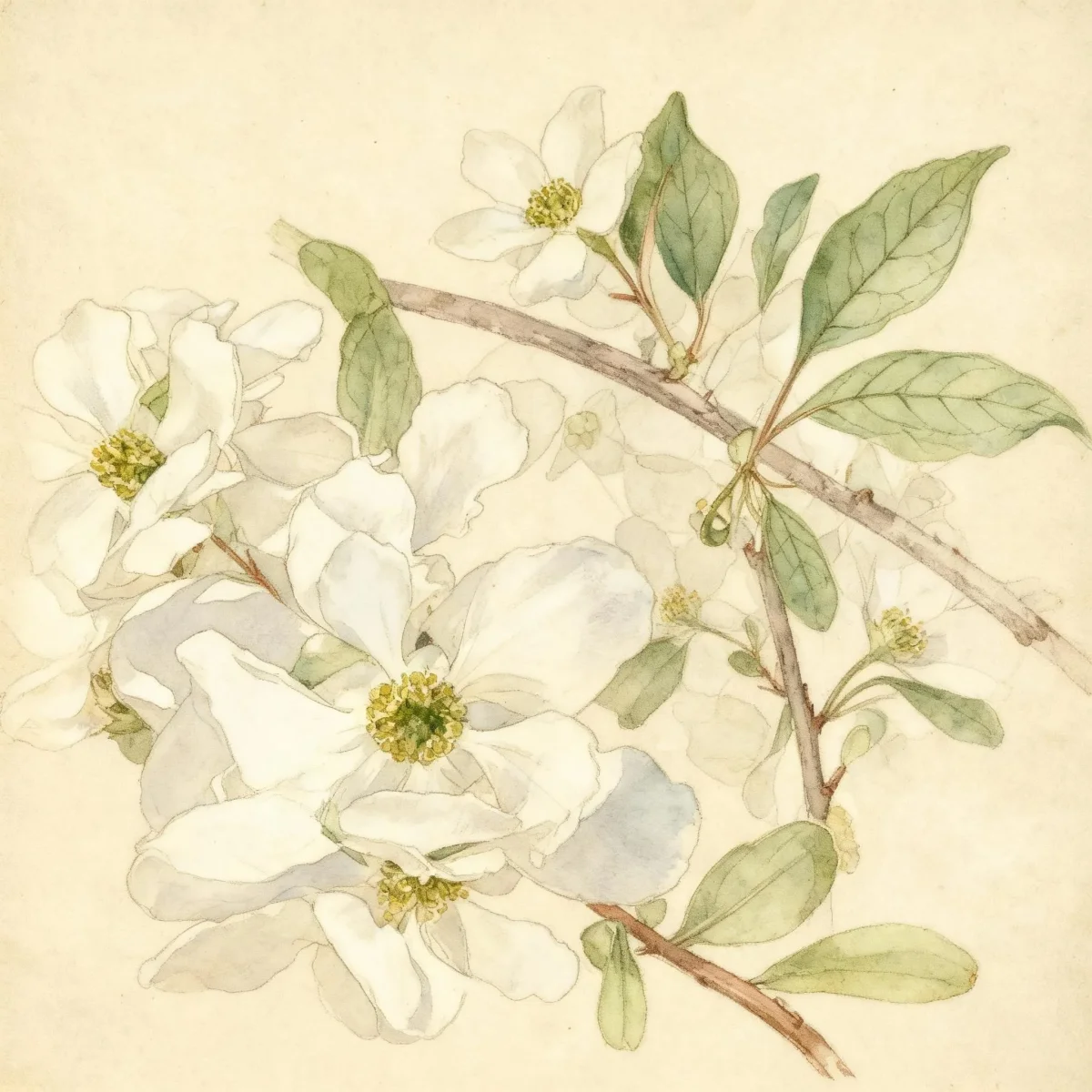
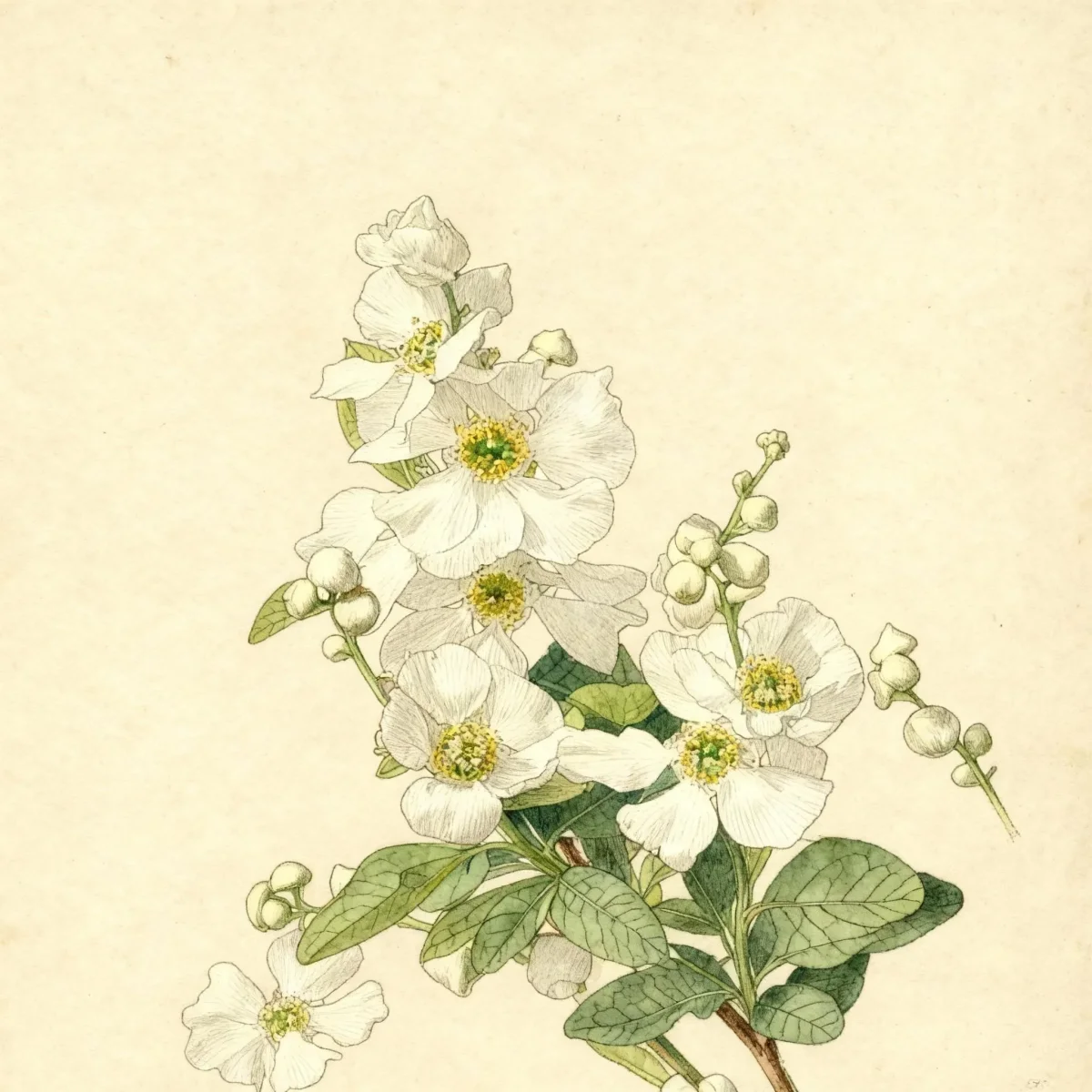
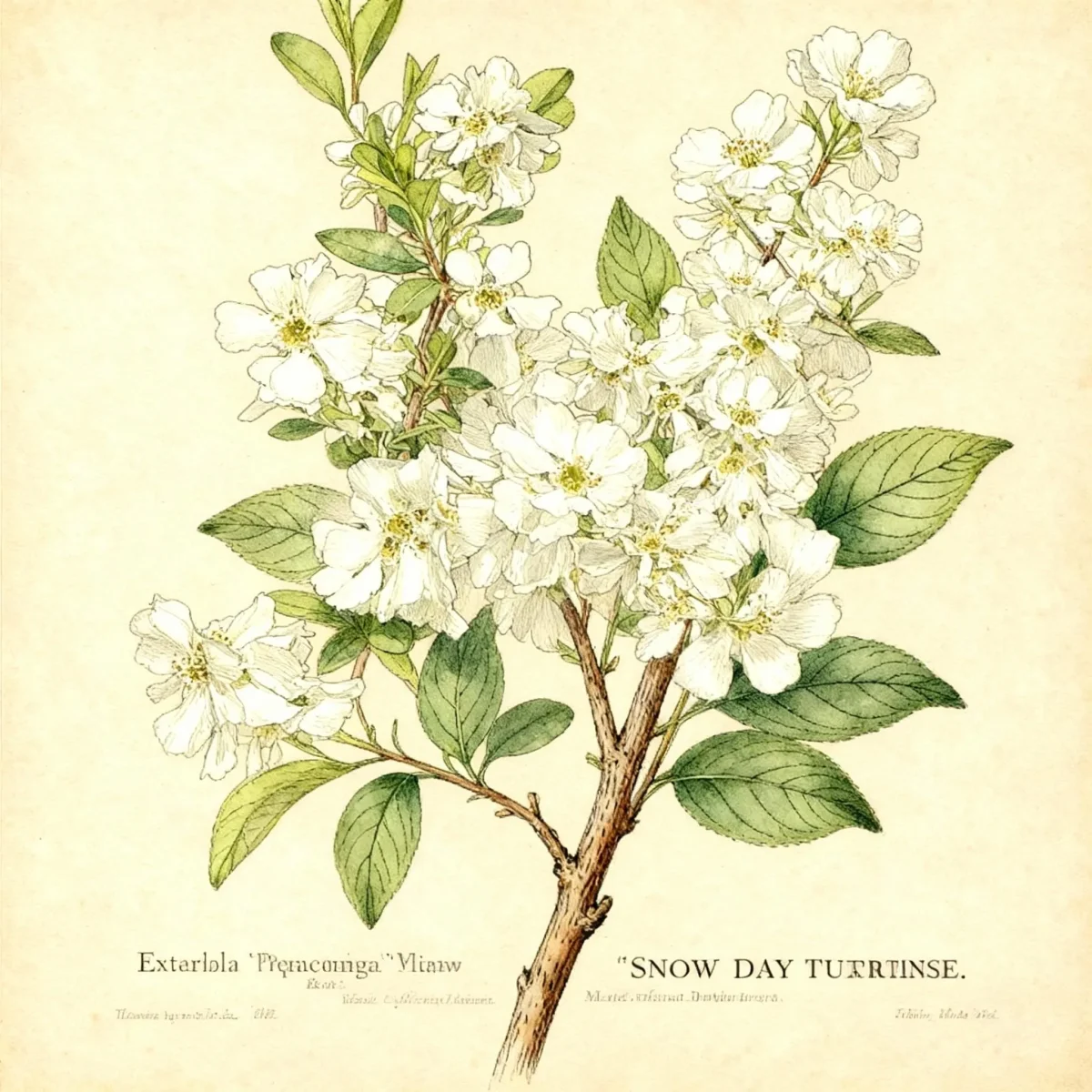
The Pearlbush (Exochorda serratifolia) is a highly valued deciduous shrub celebrated for its spectacular early spring display. Before the foliage fully emerges, this tough specimen covers itself in masses of pristine white, star-shaped flowers, often drawing comparisons to Spirea or flowering almonds. Its common name, Pearlbush, derives from the beautiful, pearl-like flower buds that precede the bloom.
Native to the slopes and stream banks of Korea and northeastern China, Exochorda serratifolia adapts well to cool temperate gardens. It forms an attractive, upright yet spreading structure, typically reaching 6 to 8 feet tall, making it an excellent choice for informal screens or specimen planting when its low maintenance requirements are considered.
Gardeners appreciate the resilience and relatively simple care routine of this shrub. By blooming on old wood, maintenance pruning is straightforward—performed immediately after flowering to maximize the next season’s show. For those needing dependable spring color, the Pearlbush remains a robust and rewarding option.
Fast Facts
- Plant Family: Rosaceae
- Plant Type: Deciduous shrub
- Native Range: Manchuria, Korea
- Hardiness Zones: USDA Zones 4-7
- Size at Maturity:
- Height: 6-8 ft
- Spread: 7-9 ft
- Bloom Time: April to May
- Bloom Description: White
- Sun Exposure: Full sun to part shade
- Water Needs: Medium
- Maintenance Level: Low
How to Grow
Plant Exochorda serratifolia during the dormant season, typically fall or early spring, ensuring it resides in a location receiving full sun to light shade. While it tolerates many soil types, this Pearlbush thrives best in moist, acidic, rich loams that are well-drained. Providing shelter from strong winds will best protect the flower buds during early spring weather fluctuations.
Water needs are categorized as medium; maintain consistent moisture, especially for young plants establishing their root systems. For established shrubs, supplemental watering is usually only necessary during extended dry periods. Feed the plant annually in the spring using a slow-release fertilizer formulated for acid-loving shrubs to support vigorous growth and bloom production.
Pruning is essential for maintaining shape and ensuring excellent flowering. Since the flowers of Exochorda serratifolia form on the previous year’s growth (old wood), always prune immediately after the blooming period concludes in late spring. Heavy summer or fall pruning will remove next year’s flower buds. Light shaping throughout the season is generally all that is needed for this low-maintenance shrub.
Landscape Uses
The versatility of the Pearlbush makes it a strong contender in several landscape roles. Its naturally spreading habit lends itself perfectly to forming established shrub borders, creating a significant visual impact when massed or used as a backdrop for lower perennial plantings. Furthermore, Exochorda serratifolia excels when employed as an informal hedge, providing structure and reliable annual spring interest where formal clipping is undesirable.
Consider integrating the bright white flowers of the Pearlbush into a cottage garden scheme, where its airy form complements the softer textures of roses or peonies. For an added layer of interest, consider pairing it with early spring bulbs, which complete their cycle just as the Pearlbush finishes blooming.
Standout Features
Flower Qualities
- Showy
Noteworthy Characteristics
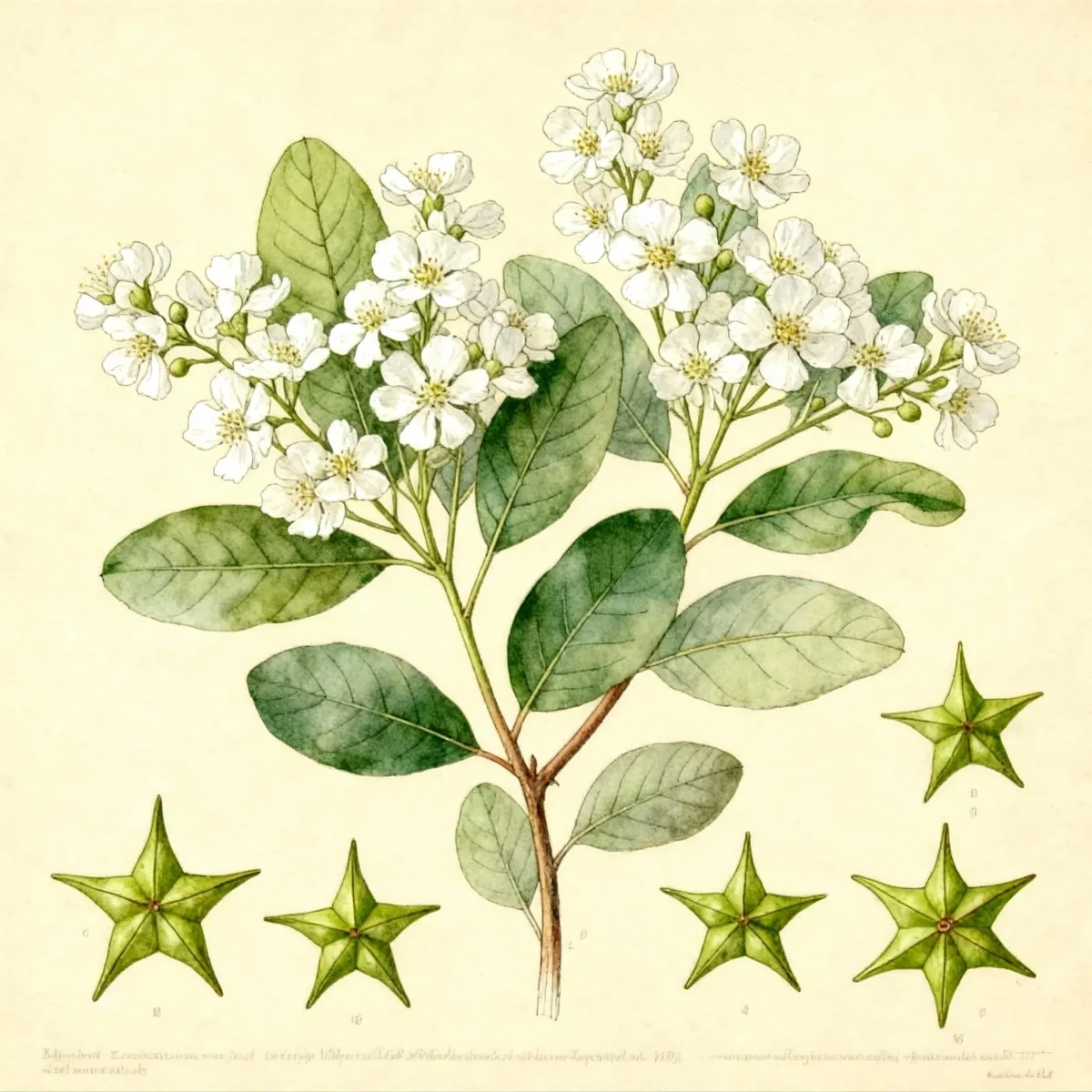
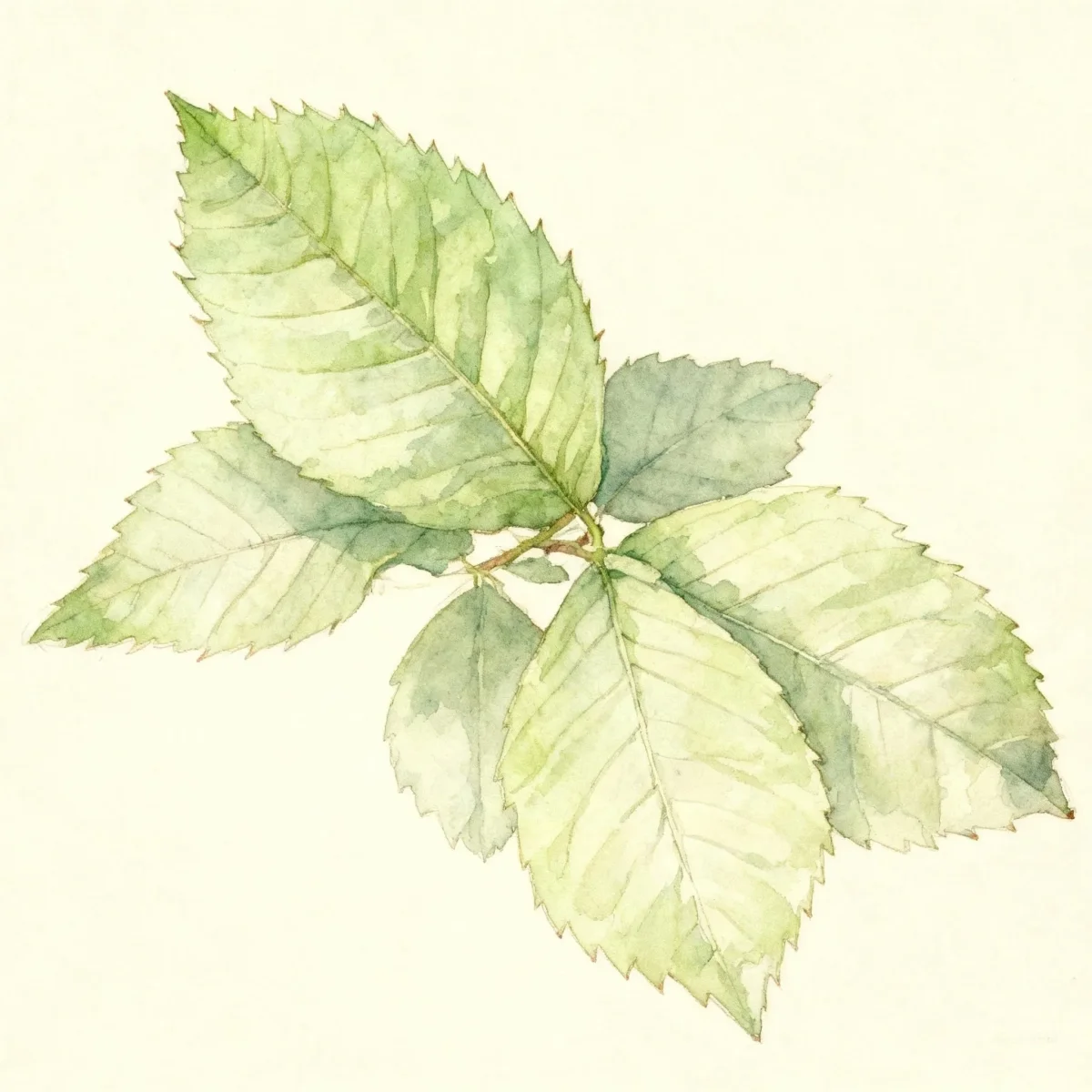
Exochorda serratifolia, commonly called pearlbush, is an upright, outward-spreading, thinly-branched, spirea-like deciduous shrub of the rose family that typically matures to 6-8’ tall with a slightly wider spread. It is native to open woodlands, slopes and stream banks in northeastern China and Korea. Pearl-like buds open in early spring (April-May) to an attractive bloom of star-shaped, 5-petaled, white flowers arranged in terminal racemes. The elliptic green leaves turn yellow in the fall, adding seasonal color.
Tolerances
- Drought
Potential Problems
Generally, the Pearlbush (Exochorda serratifolia) is a robust selection with very few persistent pest or disease issues. Gardeners rarely encounter serious insect infestations or systemic fungal problems that compromise the health of this robust shrub. Careful site selection, ensuring excellent drainage, helps prevent most cultural stresses that could attract opportunistic pests.
Since it prefers cool, well-drained conditions, the main potential issue is root stress from soggy soil in poorly drained beds, although it exhibits good drought tolerance once established. Monitor for overly enthusiastic spring growth that might benefit from light, immediate post-bloom shaping.
Frequently Asked Questions
What hardiness zones is Pearlbush suitable for?
The Pearlbush (Exochorda serratifolia) is reliably hardy in USDA Zones 4 through 7.
How large does Exochorda serratifolia grow?
This deciduous shrub typically matures to a height between 6 and 8 feet, with a slightly wider spread ranging from 7 to 9 feet across.
What sun exposure does Pearlbush need?
Exochorda serratifolia performs well in locations receiving full sun, though it can tolerate partial shade, performing best with at least some direct morning light.
When does Pearlbush bloom?
The showy white flowers of the Pearlbush typically appear in early spring, blooming consistently from April into May.
Conclusion
The Exochorda serratifolia, or Pearlbush, offers incredible aesthetic value through its profuse, unforgettable white spring flowers and its reliably low maintenance profile. This sturdy Rosaceae member is ideal for gardeners seeking structure and reliable seasonal impact without demanding constant attention. Before planting, confirm that your garden falls within USDA Zones 4 through 7 and that you can provide it with well-drained, slightly acidic soil across the growing season.
Companion Planting
When designing a spring-flowering border, consider the planting requirements of Exochorda serratifolia—moist, well-drained, slightly acidic soil and sun exposure. Companion plants that share these preferences will thrive alongside the Pearlbush. Early bulbs like Daffodils (Narcissus) and Tulips provide complementary color beneath the developing canopy.
For structural pairing in shrub borders, contrast the bright white flowers of the Pearlbush with plants that offer deep foliage color, such as certain cultivars of Japanese Maple or dark-leaved Weigela, creating dynamic texture and color opposition throughout the spring and summer months.
Seasonal Care Calendar
Spring is the most critical time for Exochorda serratifolia. Immediately after flowering concludes in late spring (usually May), perform any necessary structural pruning to shape the shrub and encourage new lateral growth for next year’s flowers. Early spring is also the optimal time to apply a slow-release fertilizer to support the blooming cycle.
Summer care centers on monitoring moisture levels; while the established Pearlbush has drought tolerance, deep, infrequent watering during peak heat will keep foliage healthy and prevent stress. As summer transitions to fall, allow the shrub to mature naturally; the yellow fall foliage color offers a final ornamental display before winter dormancy.