Neillia (Neillia affinis)
Neillia affinis, a low-maintenance deciduous shrub from China, offers pink blooms and attractive foliage in USDA Zones 5-7.
Scroll down to discover growing tips, care requirements, companion plants, and more
Complete Plant Information
Overview
Neillia affinis is a fantastic choice for gardeners seeking a tough yet ornamental shrub closely resembling the popular Spiraea. This suckering, low-maintenance deciduous shrub brings delicate texture and seasonal interest to layered landscapes. Native to western China, Neillia thrives across moderate climates, offering gardeners reliable flowering interest from late spring into early summer.
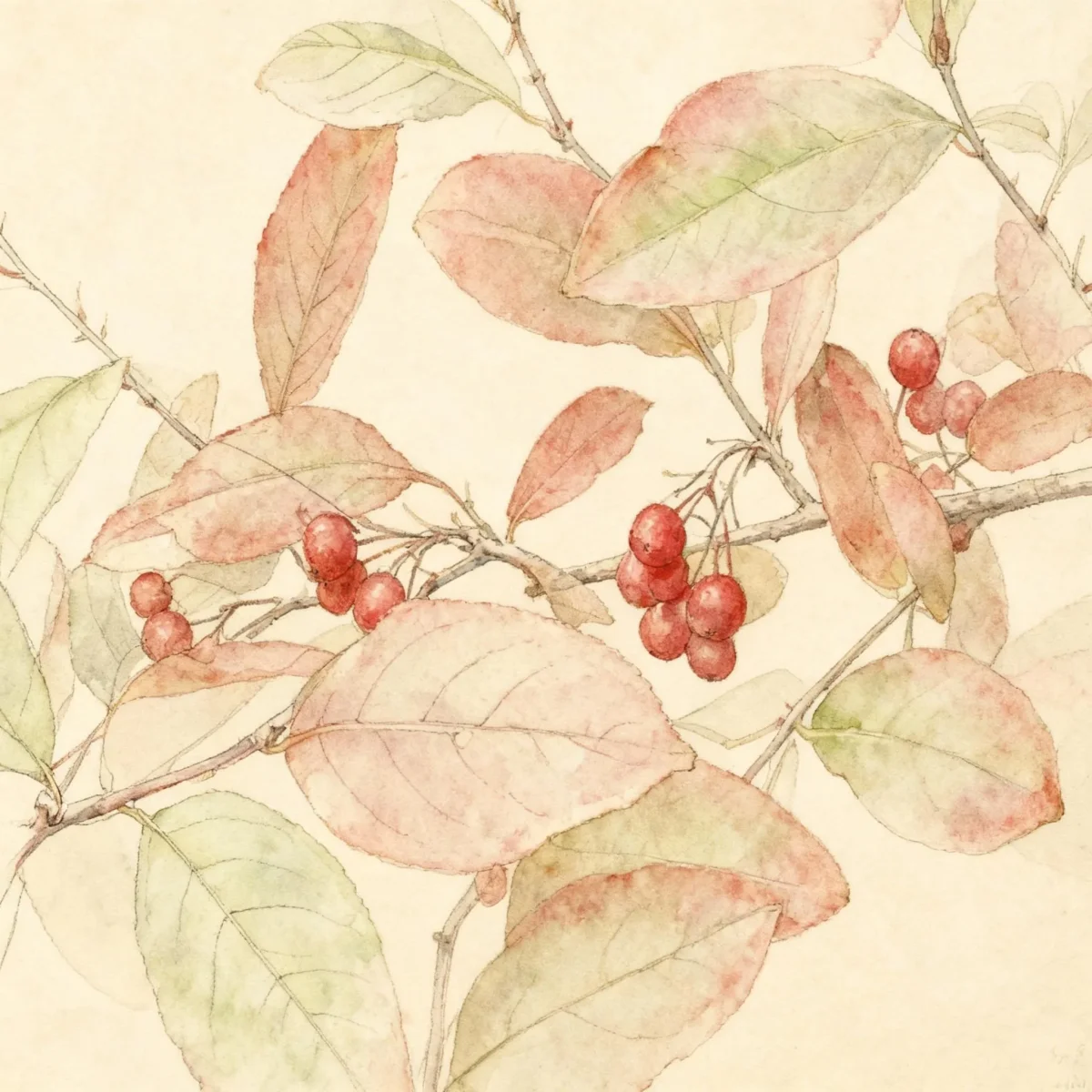
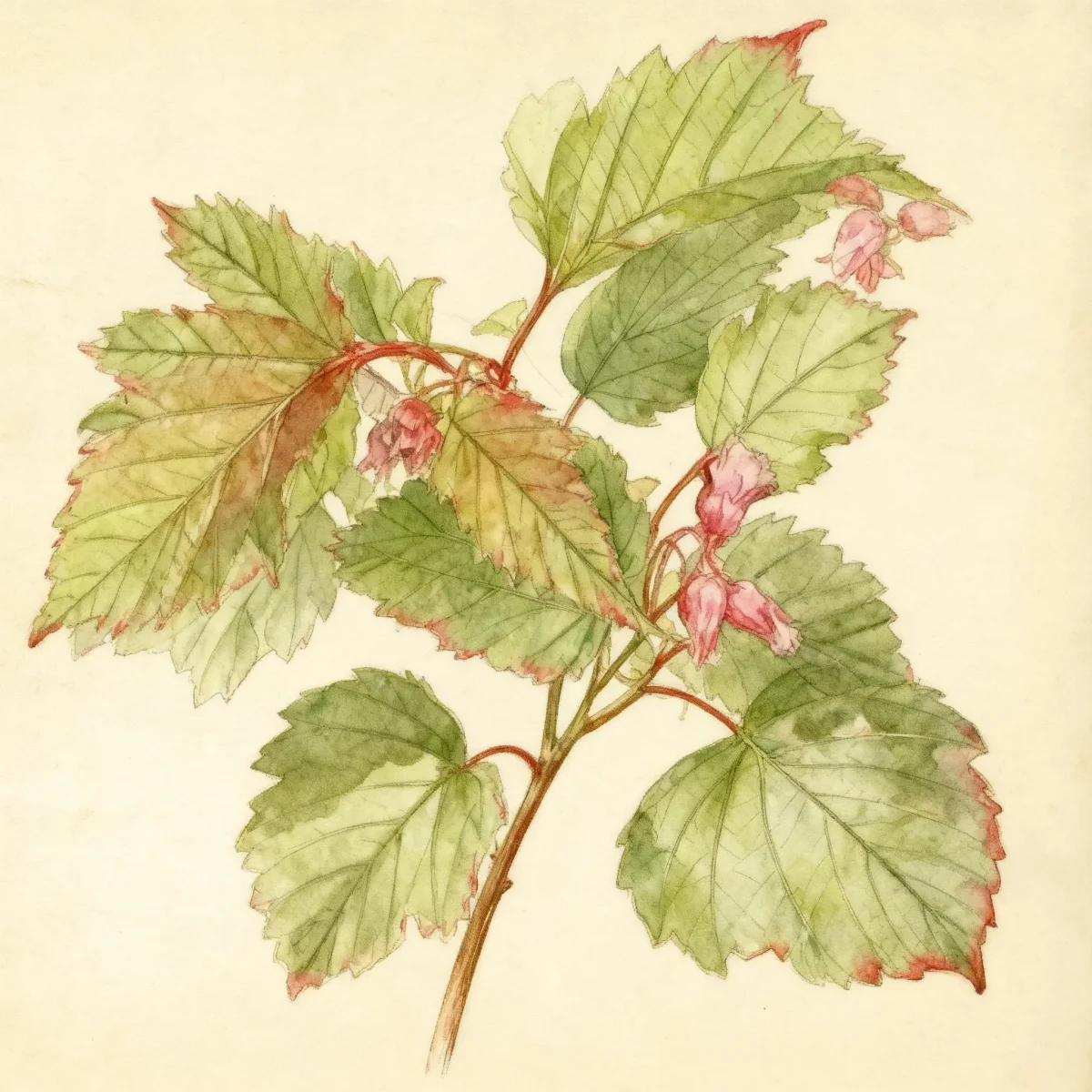
This species forms graceful, rounded clumps, typically reaching 3 to 6 feet tall and wide. Its key ornamental features include attractive, lobed foliage that can develop rich dark red tones in the fall, complementing the soft pink, bell-shaped flowers. Overall, Neillia affinis provides excellent year-round structure and seasonal color with minimal effort required from the caretaker.
Fast Facts
- Plant Family: Rosaceae
- Plant Type: Deciduous shrub
- Native Range: Southwestern China
- Hardiness Zones: USDA Zones 5-7
- Size at Maturity:
- Height: 3-6 ft
- Spread: 3-6 ft
- Bloom Time: May to July
- Bloom Description: Pink
- Sun Exposure: Full sun to part shade
- Water Needs: Medium
- Maintenance Level: Low
How to Grow
Planting Neillia affinis is best completed in spring or fall once the threat of hard frost has passed. This shrub adapts well to average soils but performs optimally when planted in locations with medium moisture retention and excellent drainage. Ensure the site receives at least partial sun exposure to encourage good flowering and dense habit, though it tolerates full sun.
Maintenance for this Neillia is generally low. Water regularly during the first growing season to establish a strong root system; thereafter, established plants require only medium watering. Fertilizing is rarely necessary if the soil conditions are adequate. Immediate pruning after the flowering period (late spring/early summer) is crucial to shape the plant and ensure maximum bloom production the following year.
Pruning should focus on removing old, congested stems as needed to open up the center of the shrub for better air circulation. Be vigilant about removing suckers that emerge from the base if you wish to maintain a singular specimen shape, as this Neillia has a tendency to spread colonially via these suckers. Gardeners in the colder end of its range (Zone 5) should monitor winter performance, as hardiness may occasionally be inconsistent.
Landscape Uses
The versatility of Neillia affinis makes it valuable across various garden settings. It excels when used formally as hedging, providing a soft, fine-textured alternative to boxwood or privet. Likewise, it serves beautifully as informal shrub borders, adding depth and successive seasonal interest along walkways or property lines.
For a more naturalistic design, this Neillia is perfectly suited for woodland margins or open woodland areas where it can mingle with understory plantings. Its medium size allows it to function as an excellent middle layer specimen. Consider pairing it with later-blooming perennials or plants that offer structural contrast in fall and winter, as its own leaf color fades.
Standout Features
Flower Qualities
- Showy
Noteworthy Characteristics
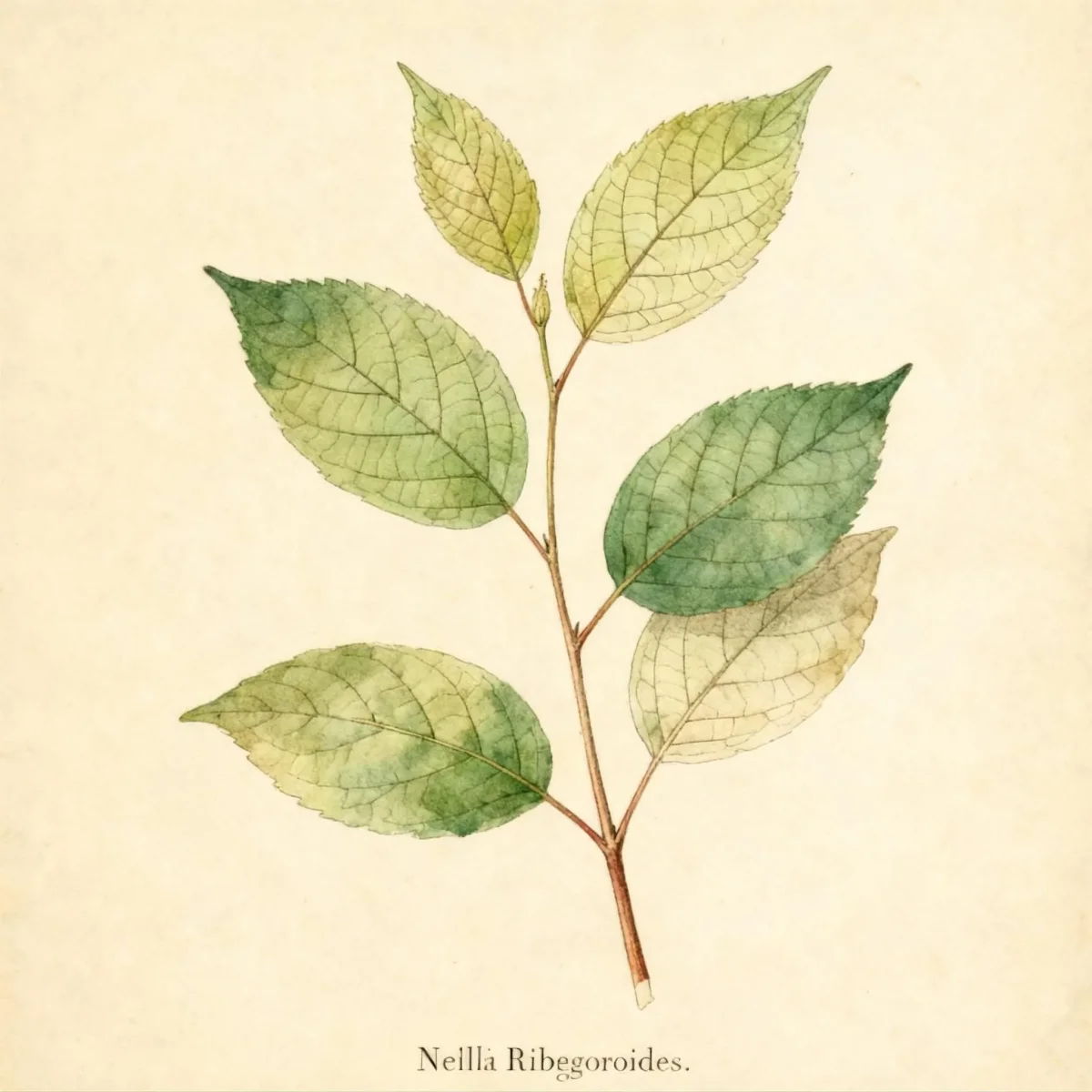
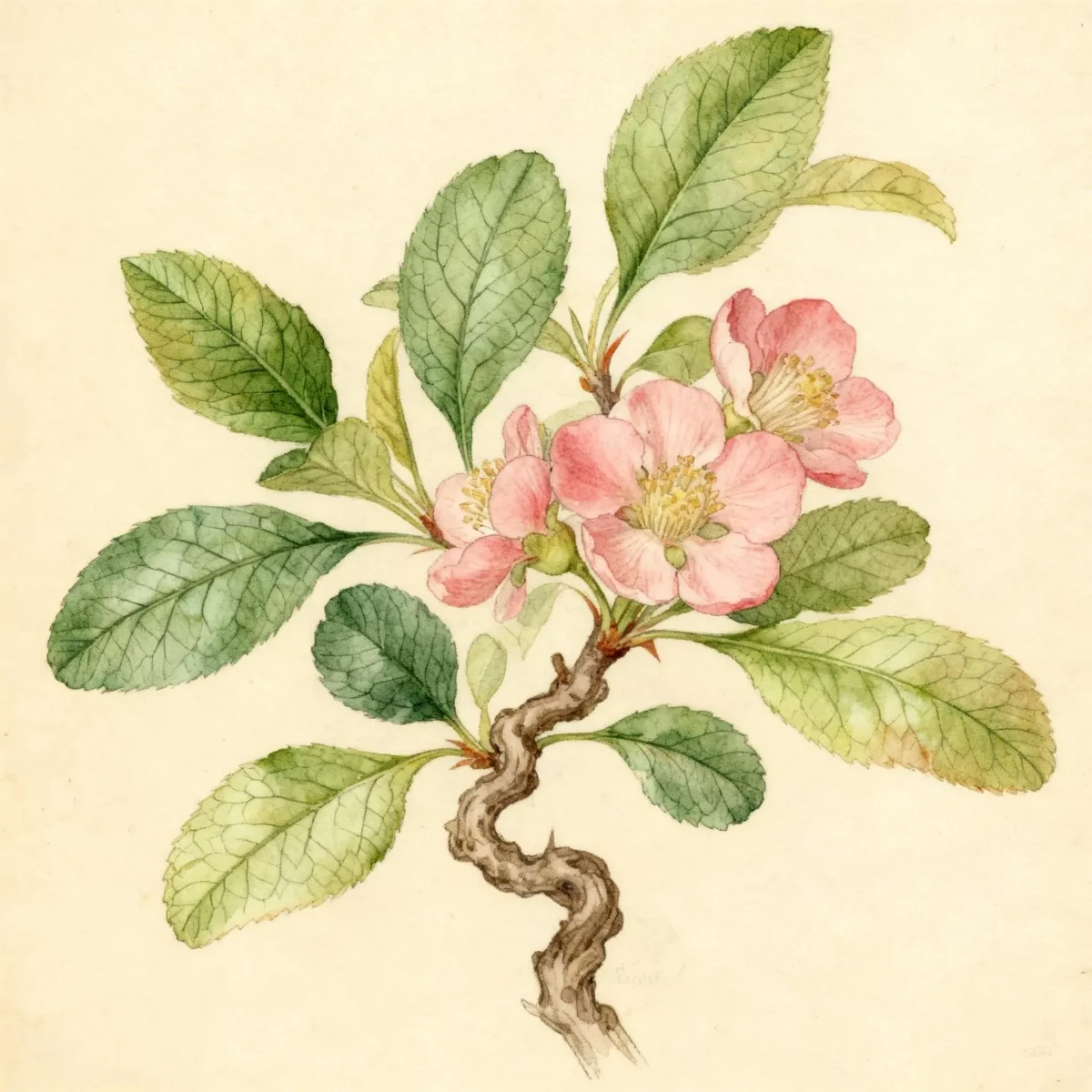
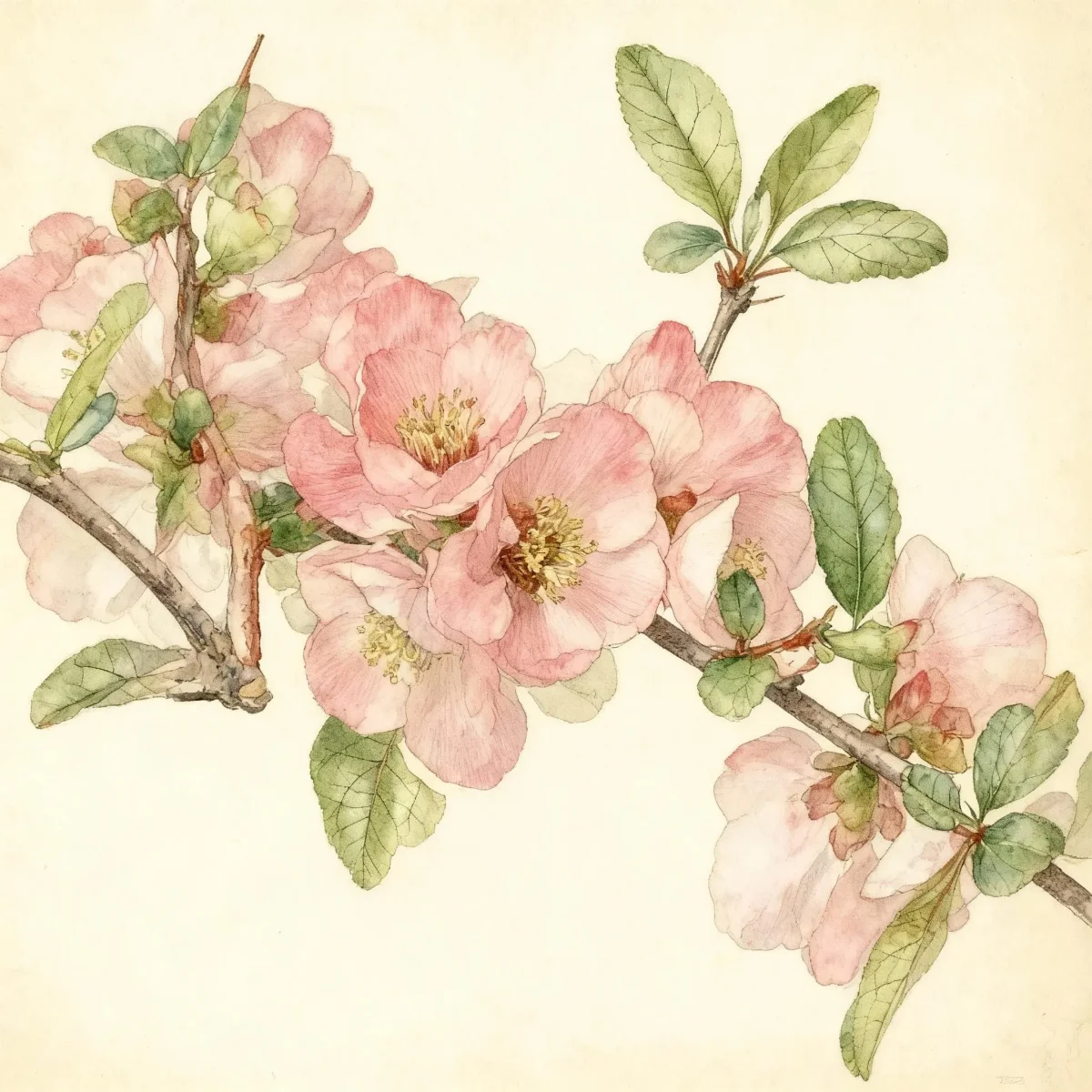
Neillia affinis is native to western China, It is a rounded, suckering, deciduous shrub that typically grows 3-6’ tall and as wide. It is a member of the rose family, closely resembling Spiraea. Alternate, lobed, ovate to ovate-oblong leaves (2-4” long) have heart-shaped bases. Foliage may turn attractive shades of dark red in autumn. Pink campanulate flowers in 1-3” long racemes bloom in late spring to early summer.Genus name honors Patrick Neill (1776-1851), printer and Scottish horticulturist and naturalist, of Edinburgh, Secretary of the Caledonian Horticultural Society.Specific epithet means resembling or similar to, in this case to Spiraea.
Tolerances
Potential Problems
Generally, Neillia affinis is praised for having no serious insect or disease problems, making it an easy-care shrub for most environments. Its resistance to common pests and pathogens reduces the need for routine chemical intervention. Ensure proper air circulation through timely pruning, especially in humid climates, to minimize the slight risk of fungal issues common to the Rosaceae family.
The main management concern is not pest-related but rather controlling its natural suckering habit. Proactively removing unwanted basal growth will keep the plant tidy and prevent it from colonizing a desired planting area too aggressively.
Frequently Asked Questions
What hardiness zones is Neillia suitable for?
Neillia (Neillia affinis) is ideally suited for USDA Hardiness Zones 5 through 7.
How large does Neillia affinis grow?
This deciduous shrub typically matures to a height between 3 and 6 feet, with a similar spread of 3 to 6 feet wide.
When does Neillia bloom?
The blooming period for this plant is typically from May through July, showcasing lovely pink flowers.
What sun exposure does Neillia need?
Neillia establishes well in sites receiving full sun to partial shade conditions.
Conclusion
The reliable growth habit, coupled with its attractive pink late-spring flowers and low maintenance needs, firmly establishes Neillia affinis as an excellent choice for structural interest. If you are looking to replace overgrown Spiraea or seek a dependable screening shrub, this Neillia deserves consideration. Before planting, always confirm that your local USDA zone falls within the established 5 to 7 range for best results.
Companion Planting
When selecting companions for Neillia affinis, focus on deciduous plants that offer contrasting foliage texture or bloom later in the season. Since Neillia prefers medium moisture and good drainage, pair it with other woodland edge species like Astilbe or various Hosta varieties, ensuring the soil profile meets these requirements. Later-blooming shrubs, such as certain types of Hydrangea (especially those preferring partial shade), can extend the landscape’s interest once the Neillia flowering period concludes.
Design Ideas
For a soft, informal edge planting, utilize Neillia affinis in drifts rather than single specimens. Its bright spring flowers are beautifully highlighted when situated near dark-leafed plants, such as Japanese Maples (Acer palmatum cultivars) or deep purple Loropetalum (where zones overlap). In an open woodland setting, allow low-growing groundcovers like woodland phlox or ferns to weave around its base, softening the transition to the lawn or pathway.