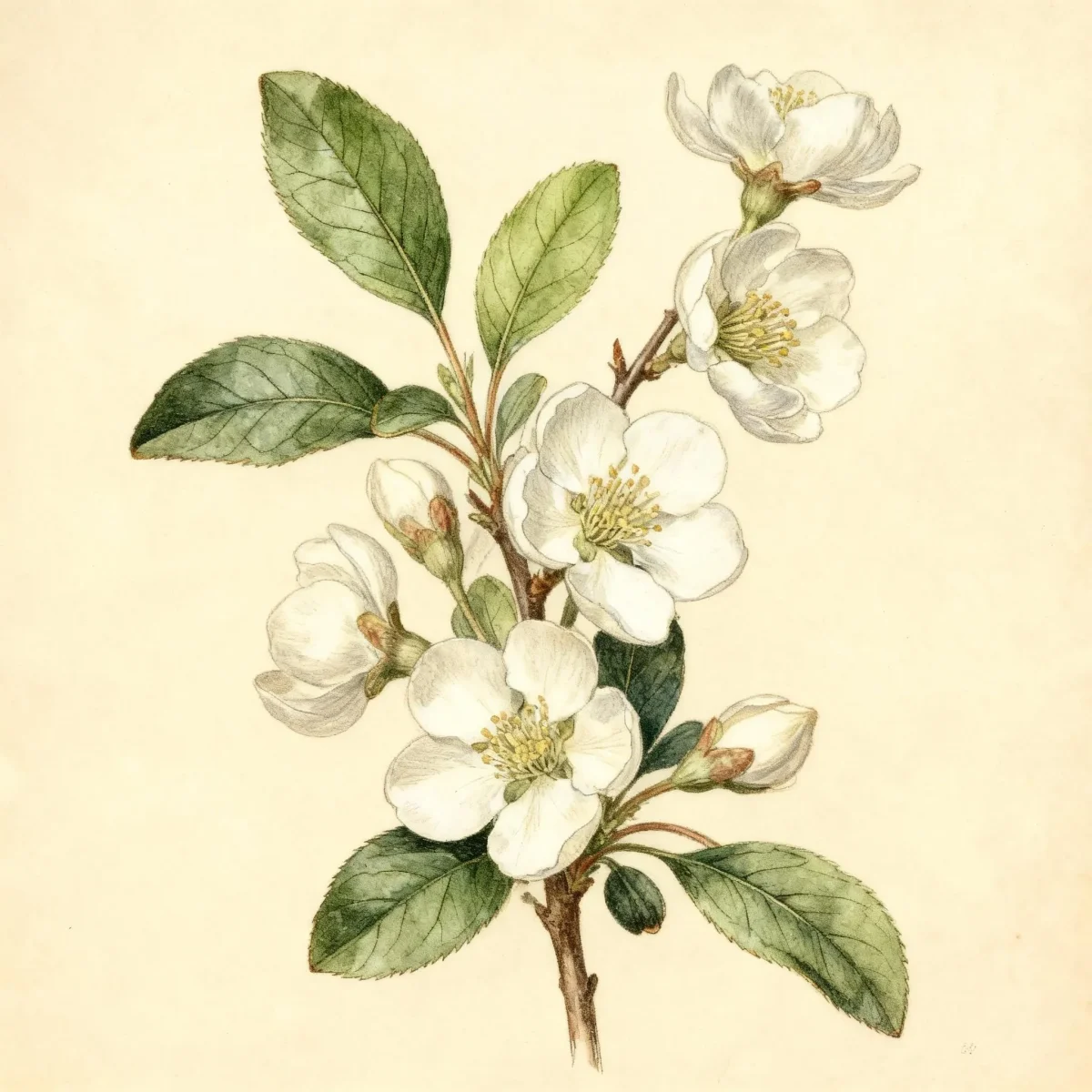
Chinese neillia (Neillia sinensis)
The Chinese neillia (Neillia sinensis) is a tough, low-maintenance deciduous shrub offering delicate spring blooms and attractive foliage.
Scroll down to discover growing tips, care requirements, companion plants, and more
Complete Plant Information
Overview
The Neillia sinensis, commonly known as Chinese neillia, is an excellent choice for gardeners seeking an attractive, reliably hardy deciduous shrub with minimal fuss. This plant forms a rounded, arching habit, easily reaching five to six feet tall and wide, making it substantial enough for backdrop plantings yet refined enough for specimen use. Its appeal lies in its multi-seasonal interest, beginning with bronze emerging foliage, moving through airy white to pale pink flowers in early summer, and finishing with good fall color.
Native to the slopes and mixed forests of central China, the Chinese neillia belongs to the Rose family and shares a resemblance to Spiraea. It is valued for its extremely low maintenance requirements once established, thriving in average soils provided they have decent drainage. For gardeners looking to introduce texture and reliable seasonal transition without high input, Neillia sinensis proves to be a versatile and resilient landscape element.
This shrub is particularly effective when allowed to naturalize slightly, thanks to its tendency to sucker, creating soft masses along woodland edges or in informal shrub borders. Its vigorous nature and relative freedom from pests make the Chinese neillia a trustworthy backbone plant for mixed perennial and shrub plantings across its recommended zones.
Fast Facts
- Plant Family: Rosaceae
- Plant Type: Deciduous shrub
- Native Range: Central China
- Hardiness Zones: USDA Zones 5-7
- Size at Maturity:
- Height: 5-6 ft
- Spread: 5-6 ft
- Bloom Time: May to July
- Bloom Description: White to pale pink
- Sun Exposure: Full sun to part shade
- Water Needs: Medium
- Maintenance Level: Low
How to Grow
New plantings of Neillia sinensis establish best when planted in spring or fall. Select a location offering full sun for the best bloom display, although it tolerates partial shade well, particularly in hotter climates. The Chinese neillia adapts easily to average, medium-moisture soils, but success is assured when the soil is well-drained, preventing waterlogging which can stress most Rosaceae members.
Once established, this shrub requires medium, consistent moisture, especially during dry spells, to maintain vigorous growth. Fertilization is rarely necessary; improving the soil with organic matter at planting time is usually sufficient. Pruning should be intentional: cut back immediately after the current flowering cycle finishes to encourage next year’s bud set.
For long-term health and shape, thin out the oldest, thickest stems yearly to refresh the shrub’s interior structure. Be mindful that Neillia sinensis can spread via suckers; actively remove unwanted suckers if you wish to maintain a compact, solitary specimen rather than allowing it to form a colony. Propagation can be achieved using seed, cuttings, or root suckers, offering flexibility for garden expansion.
Landscape Uses
The graceful structure of the Chinese neillia lends itself well to several landscape applications. Use it massed or in small groups to define woodland margins where its arching branches can soften hard lines, or utilize it as an excellent informal hedge that requires minimal shearing. Its ability to naturalize makes it perfect for banking slopes or creating less formal, restorative garden areas.
In shrub borders, pair the Neillia sinensis with later-blooming perennials or evergreens to extend visual interest. Consider its spring foliage, which emerges tinged with purplish bronze, contrasting beautifully against deep green conifers or the gray foliage of certain artemisias. It functions admirably as a specimen plant where its exfoliating bark on older stems can mature attractively through winter.
For those aiming for a naturalistic habitat design, this tough shrub supports woodland aesthetics. It is ideally suited for open woodland areas where dappled sunlight mimics its native habitat. Its relatively low maintenance level means that once sited correctly, the Chinese neillia settles in quickly, offering reliable performance year after year.
Standout Features
Flower Qualities
- Showy
Noteworthy Characteristics
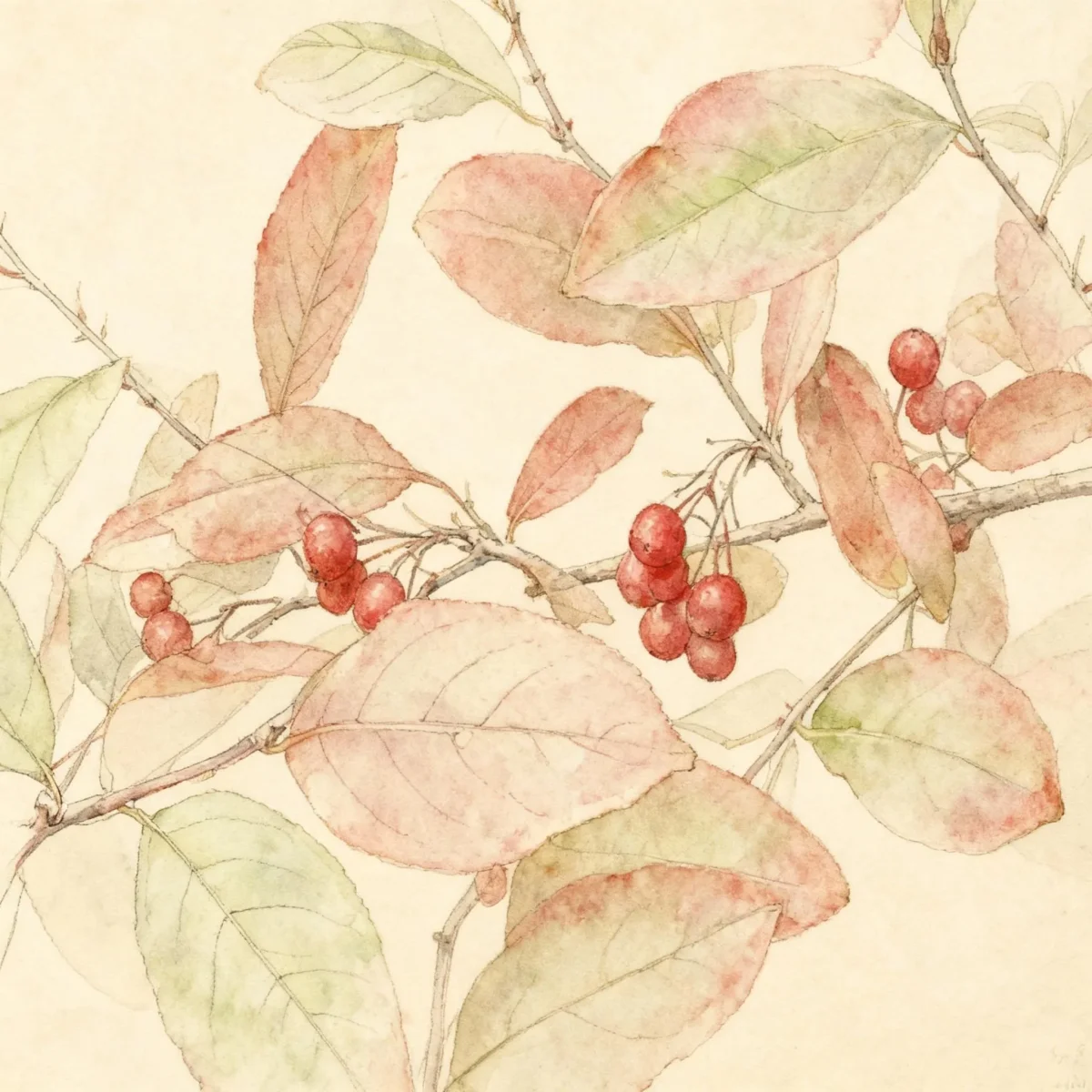
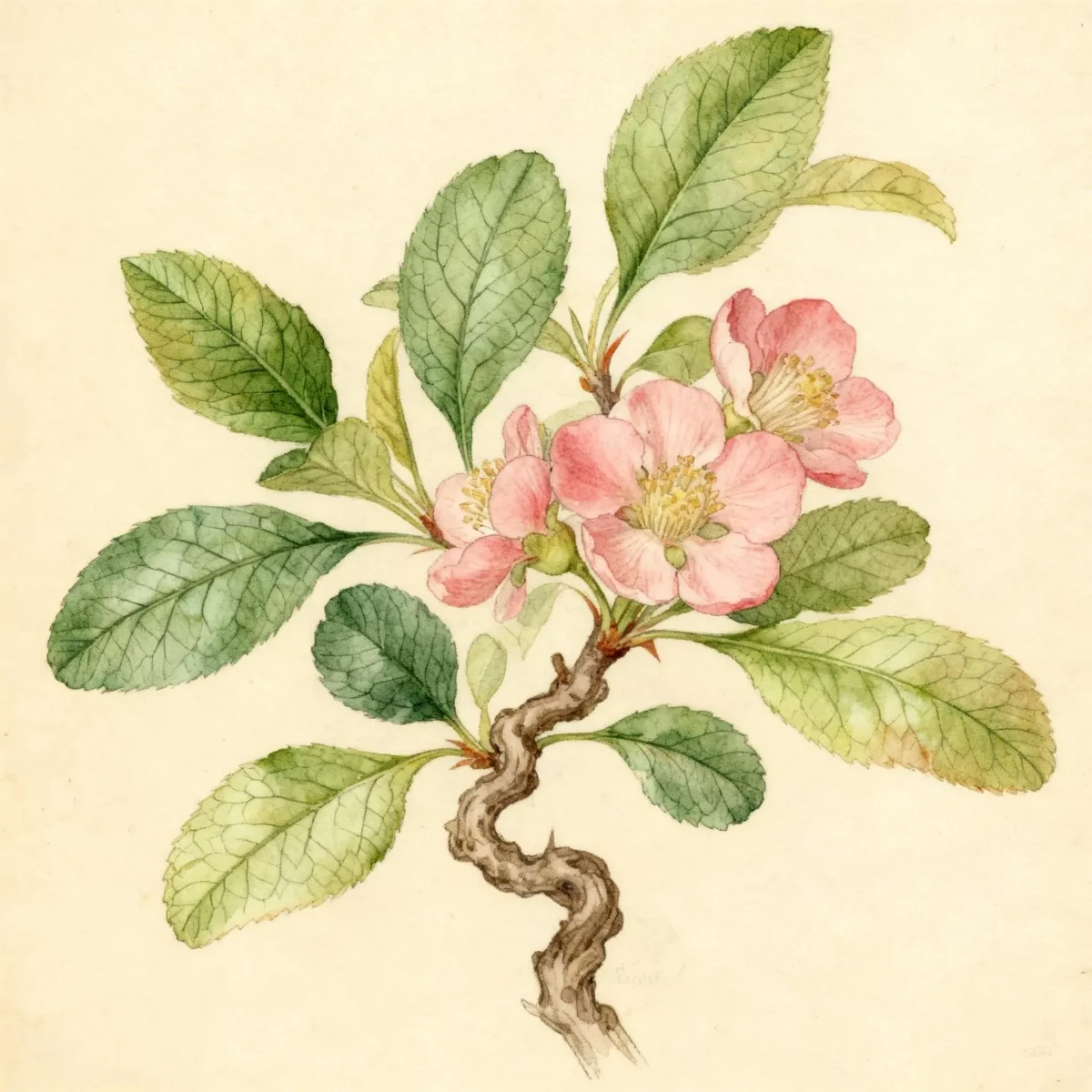
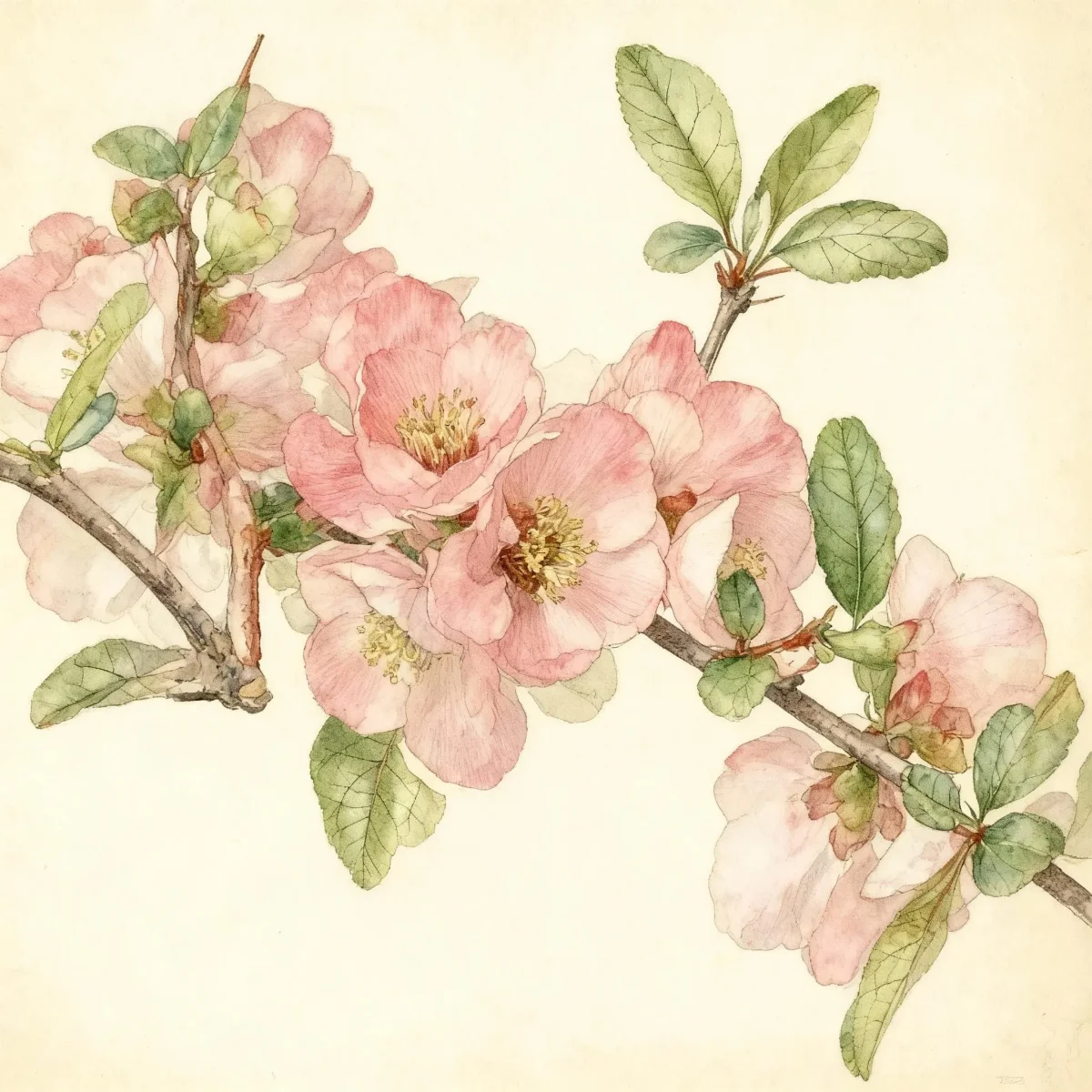
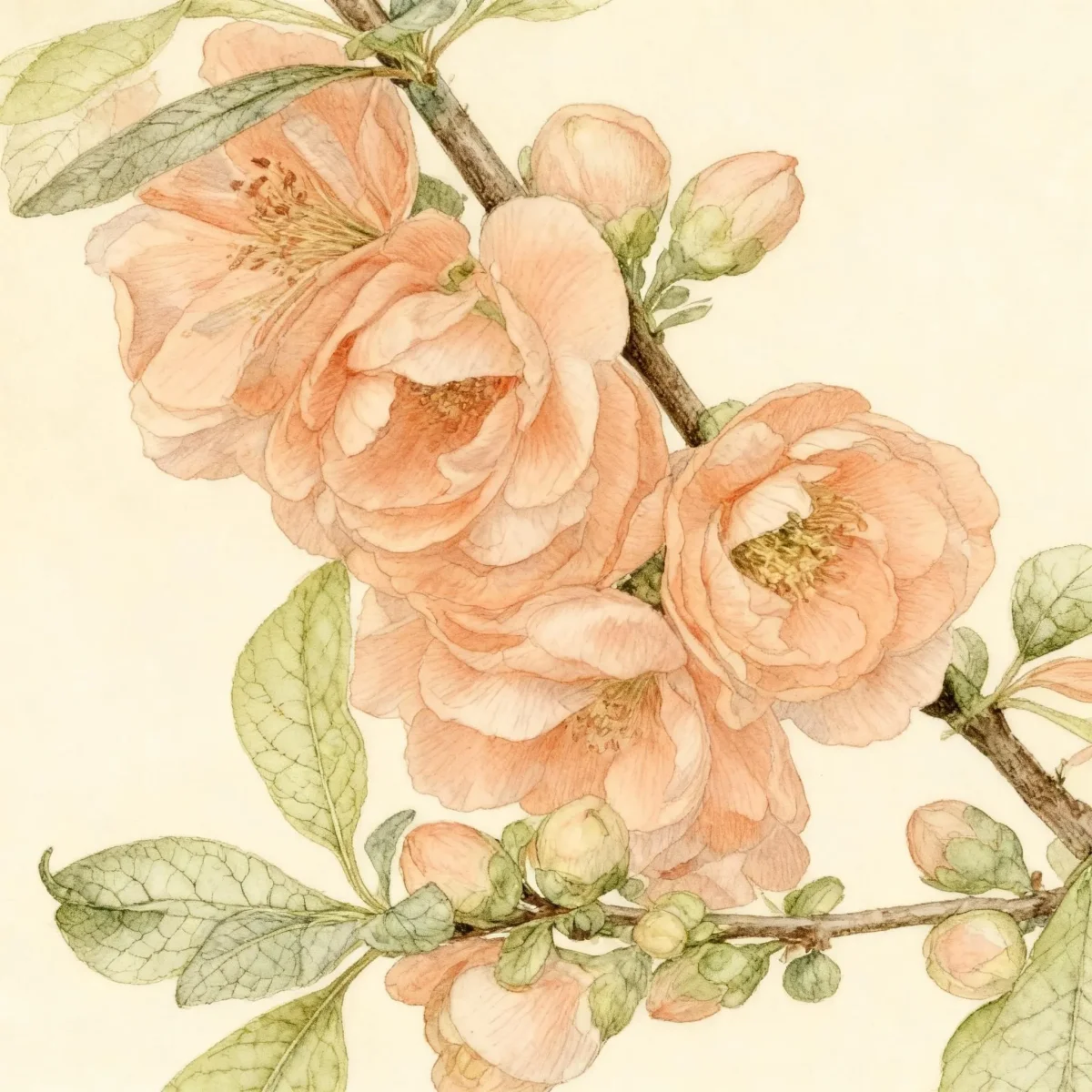
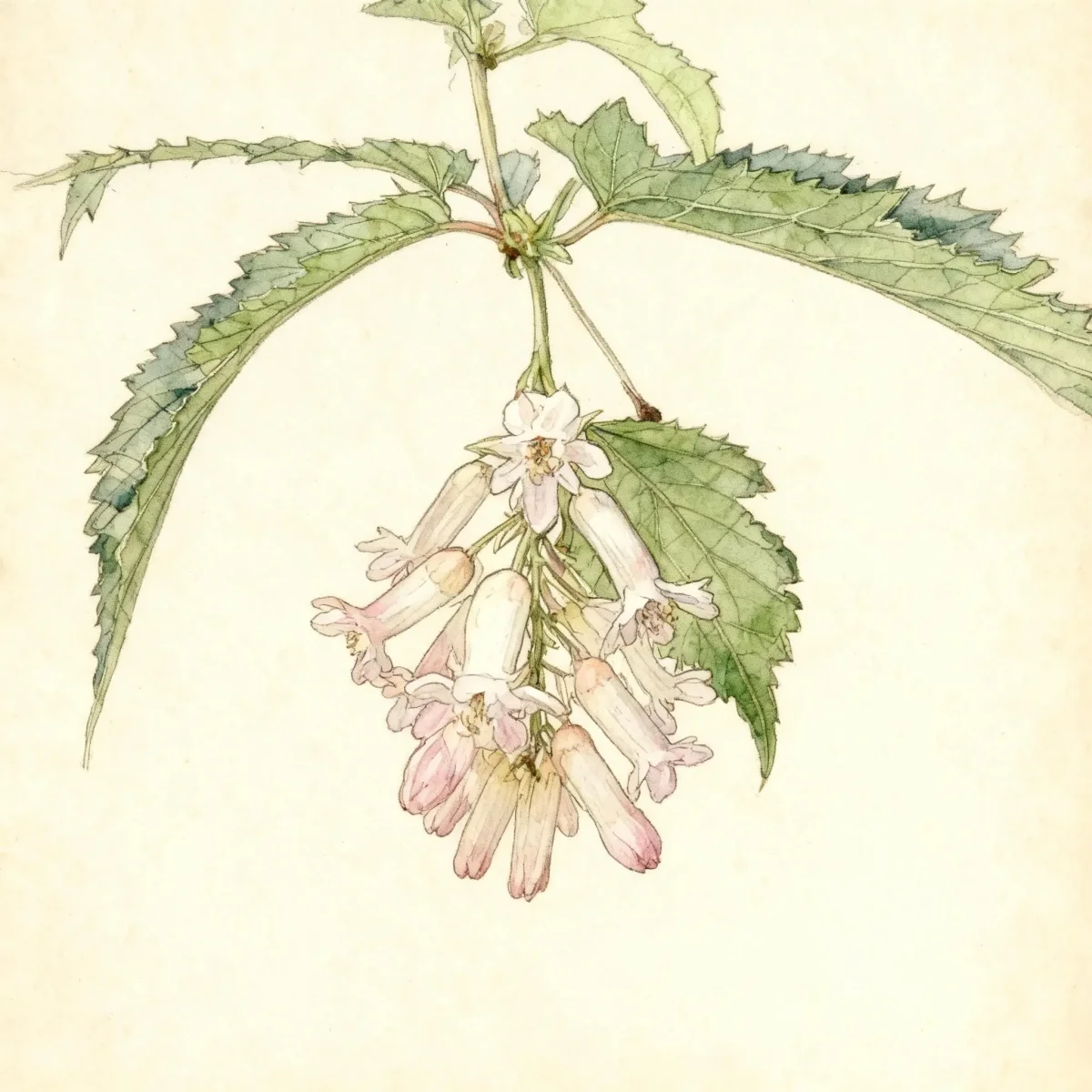
Neillia sinensis, commonly called Chinese neillia, is an arching, rounded, suckering, deciduous shrub that typically grows 5-6’ (infrequently to 10’) tall and as wide. It is native to valley slopes and mixed forests in central, southwestern and southern China. Smooth reddish-brown branchlets are clad with alternate, sometimes lobed, ovate to ovate-elliptic leaves with doubly serrate margins, emerging purplish bronze and turning yellow in fall. Tiny, tubular, white to pale pink flowers appear in nodding terminal racemes blooming from late spring to early summer.
Tolerances
- No documented tolerances listed.
Potential Problems
The Neillia sinensis is highly regarded by growers because it rarely suffers from serious insect infestations or significant disease issues. This natural resistance contributes significantly to its low maintenance profile. Gardeners should primarily focus on cultural management, such as ensuring the soil remains well-drained to prevent root issues, rather than proactive pest control.
Preventing unwanted colonial spread via suckering remains the main management challenge, rather than dealing with pathogens. If suckers appear outside the desired planting zone, address them immediately by tracing the shoot back to the main root and severing it cleanly near the parent plant.
Frequently Asked Questions
What hardiness zones is Chinese neillia suitable for?
The Chinese neillia (Neillia sinensis) performs best when grown in USDA Hardiness Zones 5 through 7.
How large does Neillia sinensis grow?
This deciduous shrub typically reaches a mature height between 5 and 6 feet, with a comparable spread of 5 to 6 feet, though occasionally it can reach ten feet.
What sun exposure does Chinese neillia need?
Neillia sinensis thrives in full sun but is entirely adaptable to partial shade conditions, making it versatile for various garden sites.
When does Neillia sinensis bloom?
The blooming period for the Chinese neillia typically occurs from May through July, featuring clusters of flowers described as white to pale pink.
Conclusion
For gardeners seeking a dependable, easy-to-manage shrub offering delicate blooms and appealing foliage transitions throughout the season, the Neillia sinensis is a superior choice. Its low maintenance needs and adaptability regarding sun exposure make the Chinese neillia a valuable inclusion in diverse garden designs. Before planting, confirm your location falls within USDA Zones 5-7 to ensure the long-term success of this beautiful shrub.
Companion Planting
Selecting companions for Neillia sinensis should prioritize plants that share similar needs for medium moisture and well-drained soil, thriving under full sun to light shade. Consider pairing the upright, arching form of the Chinese neillia with broadleaf evergreens such as dwarf Rhododendrons or Azaleas, provided the soil pH remains neutral to slightly acidic, which both groups generally appreciate.
In sunny borders, utilize shorter, ground-covering perennials that can appreciate the light dappled shade cast by the shrub in the heat of the afternoon summer sun. Plants like Siberian Iris or hardy Geraniums offer textural contrast near the base of the Neillia sinensis, while avoiding competition for the moisture the shrub requires.
For a more informal, naturalized look consistent with its native habitat, incorporate native ferns or woodland groundcovers in shadier spots bordering the shrub. The yellow fall color of the Neillia sinensis contrasts nicely with blue or purple flowering companions in late summer, adding depth to the composition as the season changes.
Propagation Tips
Propagating Neillia sinensis can be accomplished through three main horticultural methods, offering flexibility for gardeners looking to increase their stock of this lovely shrub. Softwood cuttings taken during the active growing season are often successful, requiring rooting hormone and protection from harsh conditions until established.
Alternatively, gardeners can propagate from seed, though this method may be slower and results can be variable depending on collection time and stratification requirements. Remember that genus names like Neillia often benefit from cold stratification to break dormancy naturally.
The most straightforward method might be utilizing the shrub’s natural tendency to sucker. Gently sever younger rooted offshoots from the parent plant using a sharp spade, taking care to retain a good portion of root system on the sucker. Transplant these rooted sections immediately to their new location for the quickest establishment.