Neillia (Neillia ribesioides)
Explore Neillia ribesioides, a low-maintenance deciduous shrub from China with charming white to pink blooms in late spring.
Scroll down to discover growing tips, care requirements, companion plants, and more
Complete Plant Information
Overview
The gracefully arching Neillia ribesioides is a valued addition to gardens seeking structure and low upkeep. This deciduous shrub, native to open woodlands in Central China, provides continuous interest from its spring flowers through to its yellow fall foliage. It is often compared favorably to Spiraea due to its structure and flower form.
As a member of the Rosaceae family, Neillia offers reliable performance across a range of conditions, thriving in average, well-drained soils. Its rounded shape and moderate size make it exceptionally versatile for various garden applications, requiring minimal specialized attention once established.
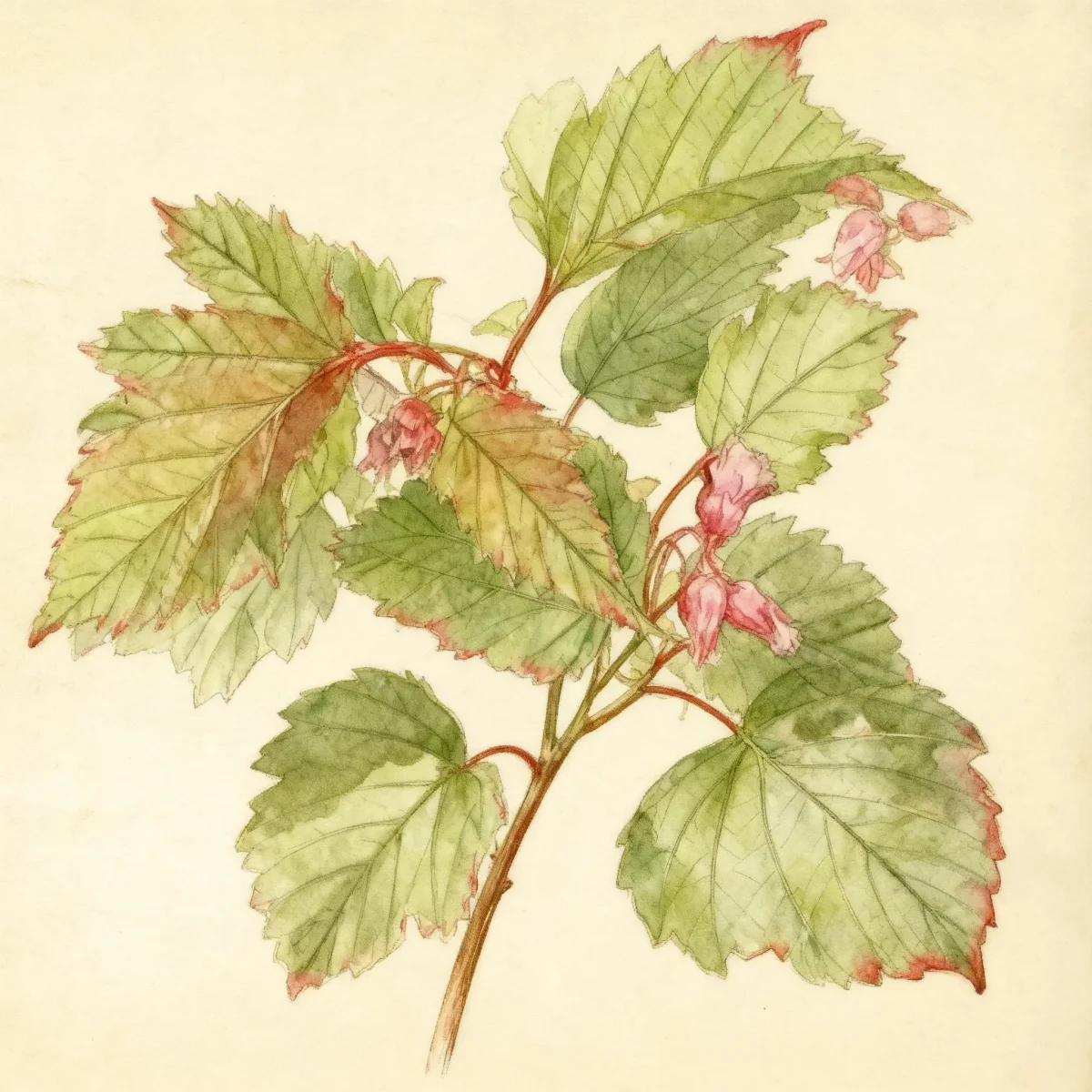
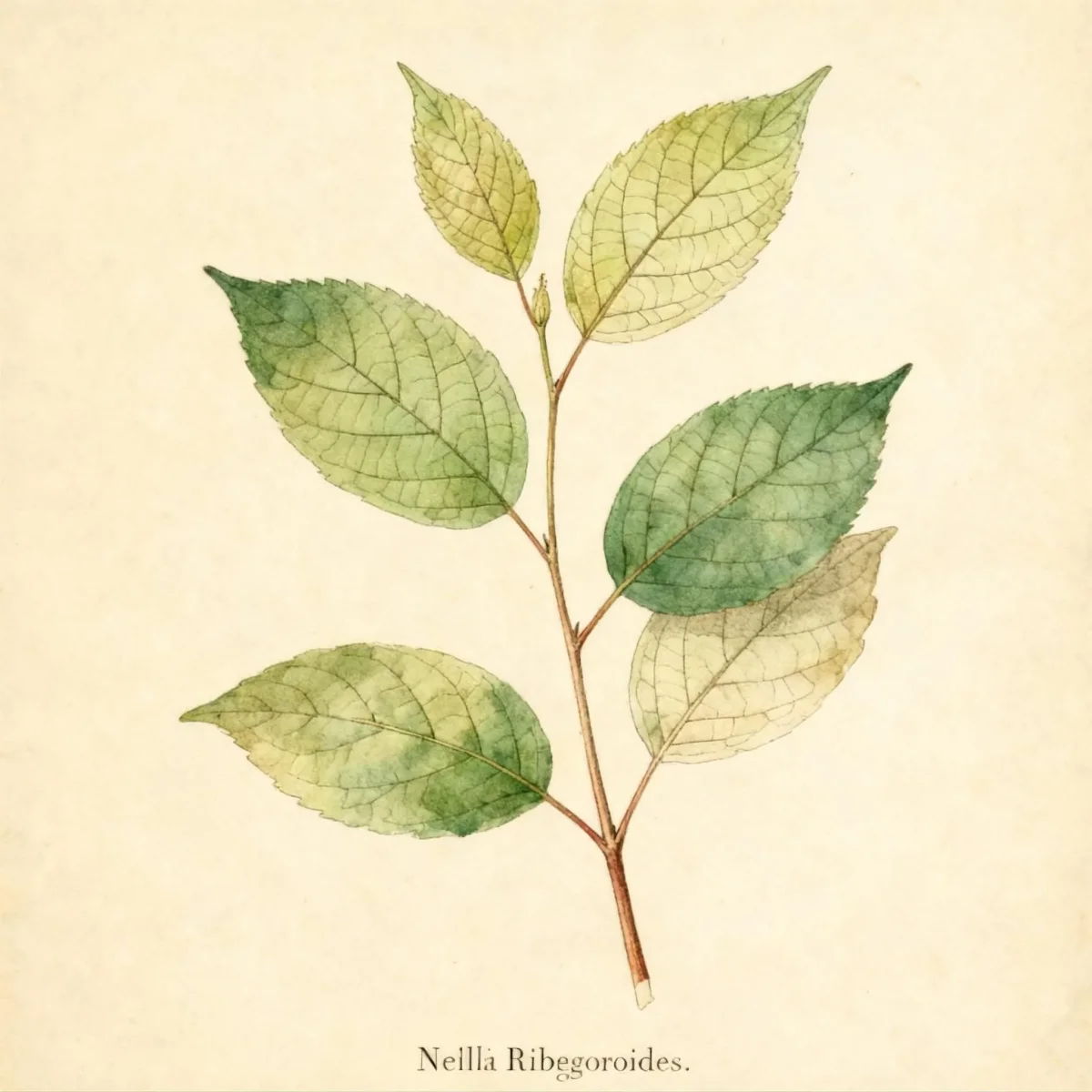
Gardeners appreciate the fine texture provided by the lobed, dark green leaves of the Neillia ribesioides. Producing tiny, white to pink flowers in delicate racemes during late spring, this shrub is a superb choice for softening woodland margins or creating informal hedges without demanding constant pruning intervention.
Fast Facts
- Plant Family: Rosaceae
- Plant Type: Deciduous shrub
- Native Range: China
- Hardiness Zones: USDA Zones 6-9
- Size at Maturity:
- Height: 3-6 ft
- Spread: 3-6 ft
- Bloom Time: May to June
- Bloom Description: White to pink
- Sun Exposure: Full sun to part shade
- Water Needs: Medium
- Maintenance Level: Low
How to Grow
Planting Neillia ribesioides is best achieved in spring or fall when temperatures are mild, allowing the establishment of its root system before extreme heat or cold arrives. Select a location that receives full sun or light afternoon shade. The soil should be average in texture, offering medium moisture retention but needing excellent drainage to prevent root issues, which is key for this shrub.
Routine care for this Neillia variety is refreshingly simple. Maintain medium moisture levels, particularly during dry spells in the first year. Fertilization is usually unnecessary if the soil is reasonably fertile; over-fertilizing can encourage weak, floppy growth. The most critical cultural step involves pruning: always prune immediately after the flowering period concludes in early summer, as flowers bloom on old wood.
Thin out older, less productive stems annually to maintain vigor and an appealing, open structure. If you want to control unwanted spreading, remember to actively remove any basal suckers that emerge from the base, as this Neillia can colonize small areas if left unattended. Gardeners in the northern reaches of Zone 6 should site the plant in a slightly sheltered location to ensure reliable winter hardiness.
Landscape Uses
The moderate size and attractive habit of Neillia ribesioides lend themselves well to defined garden structures. It functions excellently as a component in informal shrub borders, providing excellent transition planting between lawn areas and woodland spaces. Due to its natural tendency to spread mildly via suckers, it is ideal for naturalizing on woodland margins where a loose, informal drift of foliage and flowers is desired.
Consider utilizing this shrub in mass plantings to create a soft, flowing natural hedge that requires very little shearing. Its texture pairs beautifully with broader-leaved, shade-tolerant perennials like Hostas or Astilbes that thrive in similar woodland edge conditions. When planted near open woodland areas, the Neillia integrates seamlessly, echoing the native environments where this species naturally thrives.
Standout Features
Flower Qualities
- Showy
Noteworthy Characteristics
Neillia ribesioides is an arching, rounded, deciduous shrub that typically grows 3-6’ tall and as wide. It is native to open wooded areas in central China. It is a member of the rose family, resembling Spiraea. Alternate, lobed, sharply-toothed, ovate to ovate-oblong, dark green leaves (2-4” long) turn yellow in fall. Tiny, tubular, white to pink flowers (calyx tube to 1/3”) in 2” cernous racemes (10-15 flowers per raceme) bloom in late spring to early summer. Synonymous with and formerly known as Neillia sinensis var. Ribesioides.Genus name honors Patrick Neill (1776-1851), printer and Scottish horticulturist and naturalist, of Edinburgh, Secretary of the Caledonian Horticultural Society.
Tolerances
Potential Problems
This species is noted by botanists for having no serious insect or disease problems, which significantly contributes to its low maintenance appeal. General garden care, such as ensuring proper soil drainage and moisture levels, will prevent most common fungal issues that affect deciduous shrubs. Avoid heavy pruning late in the growing season to allow the wood to harden off sufficiently for winter survival.
Frequently Asked Questions
What hardiness zones is Neillia suitable for?
The Neillia ribesioides is reliably hardy in USDA Zones 6 through 9.
How large does Neillia ribesioides grow?
This deciduous shrub generally matures to a height and spread between 3 and 6 feet.
What sun exposure does Neillia need?
It performs well in a range of light conditions, from full sun through to partial shade.
When does Neillia bloom?
Expect the shrubs to display their white to pink flowers between May and June.
Conclusion
The Neillia ribesioides offers an excellent combination of resilient growth, manageable dimensions, and delicate spring blooms, making it a dependable choice for structured yet natural garden designs. If you seek a low-maintenance shrub that softens woodland edges, this Neillia variety is highly recommended. Confirm your local USDA zone compatibility and plan your pruning schedule immediately after flowering to ensure the healthiest display next season.
Companion Planting
When designing borders for Neillia ribesioides, consider pairing it with plants that share its medium water and sun requirements. Dry shade or dappled light conditions are often shared by many woodland margin species. Good companions include Japanese Forest Grass (Hakonechloa macra), whose mounding, fine texture complements the arching habit of the Neillia.
For color contrast in early summer, consider planting medium-sized ferns or low-growing woodland phlox (Phlox divaricata). These companions thrive in similar soil profiles and help create a lush, layered look beneath the canopy provided by taller specimens. The foliage contrast—fine Neillia leaves beside broader fern fronds—adds significant visual depth to the landscape bed.
Design Ideas
Because Neillia ribesioides responds well to being lightly thinned, it can be used effectively in transitional plantings where hard lines are undesirable. Use it near paths or property lines where a soft boundary is needed, rather than a formal hedge requiring constant shearing. Allow some space for its natural, rounded form to develop; overly crowded settings reduce air circulation and may encourage disease, though this species is generally resistant.
For larger properties, massing three to five specimens of Neillia together creates a more impactful seasonal display than using single, isolated plants. This allows the mass of tiny flowers in May and June to read clearly from a distance. Placing them where the morning sun illuminates the structure helps showcase the light, arching branches throughout the year.