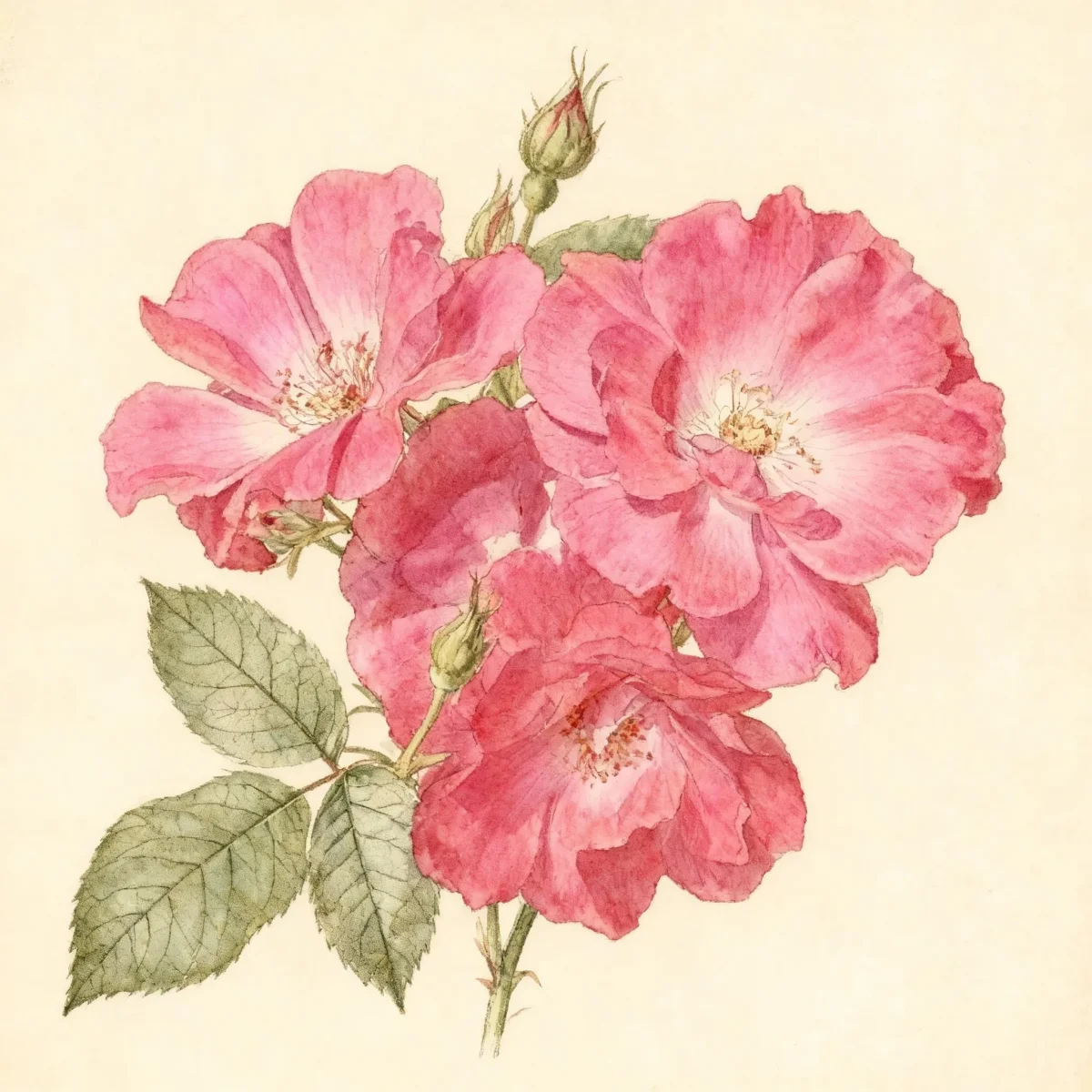
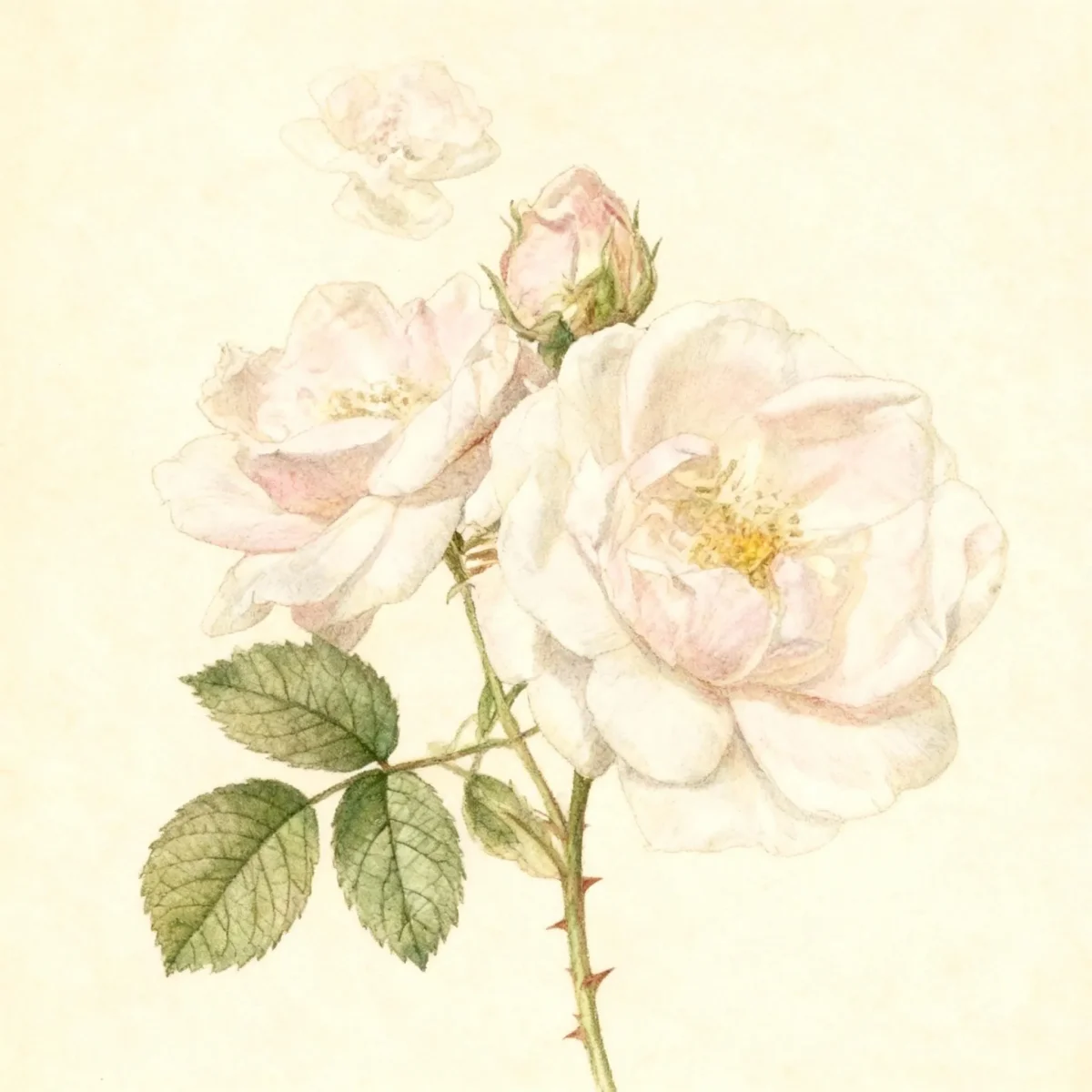
Rubus (Rubus henryi var. bambusarum)
Rubus henryi var. bambusarum is a high-maintenance, rambling bramble prized for glossy, distinctive trifoliate foliage. Zones 6-9.
Scroll down to discover growing tips, care requirements, companion plants, and more
Complete Plant Information
Overview
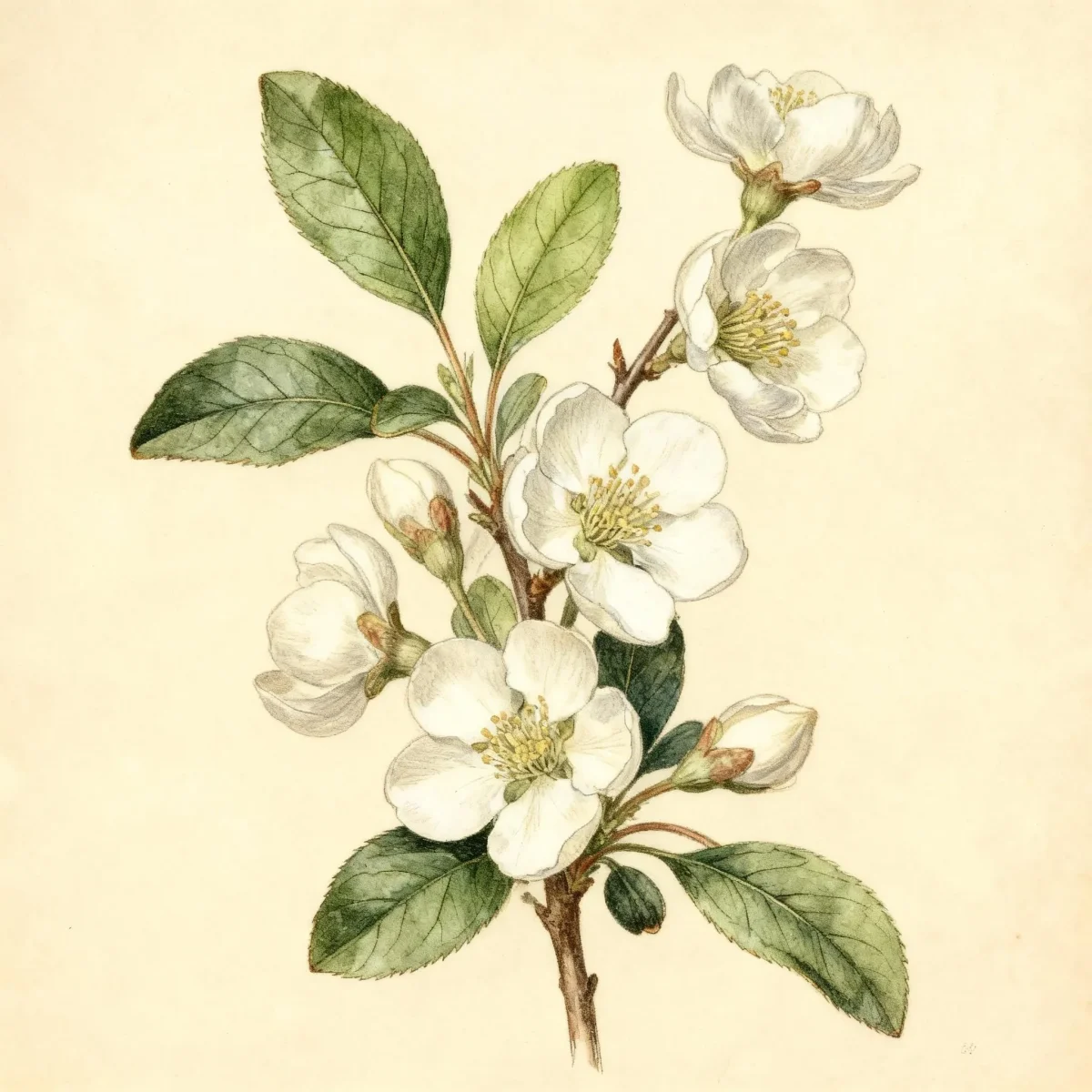
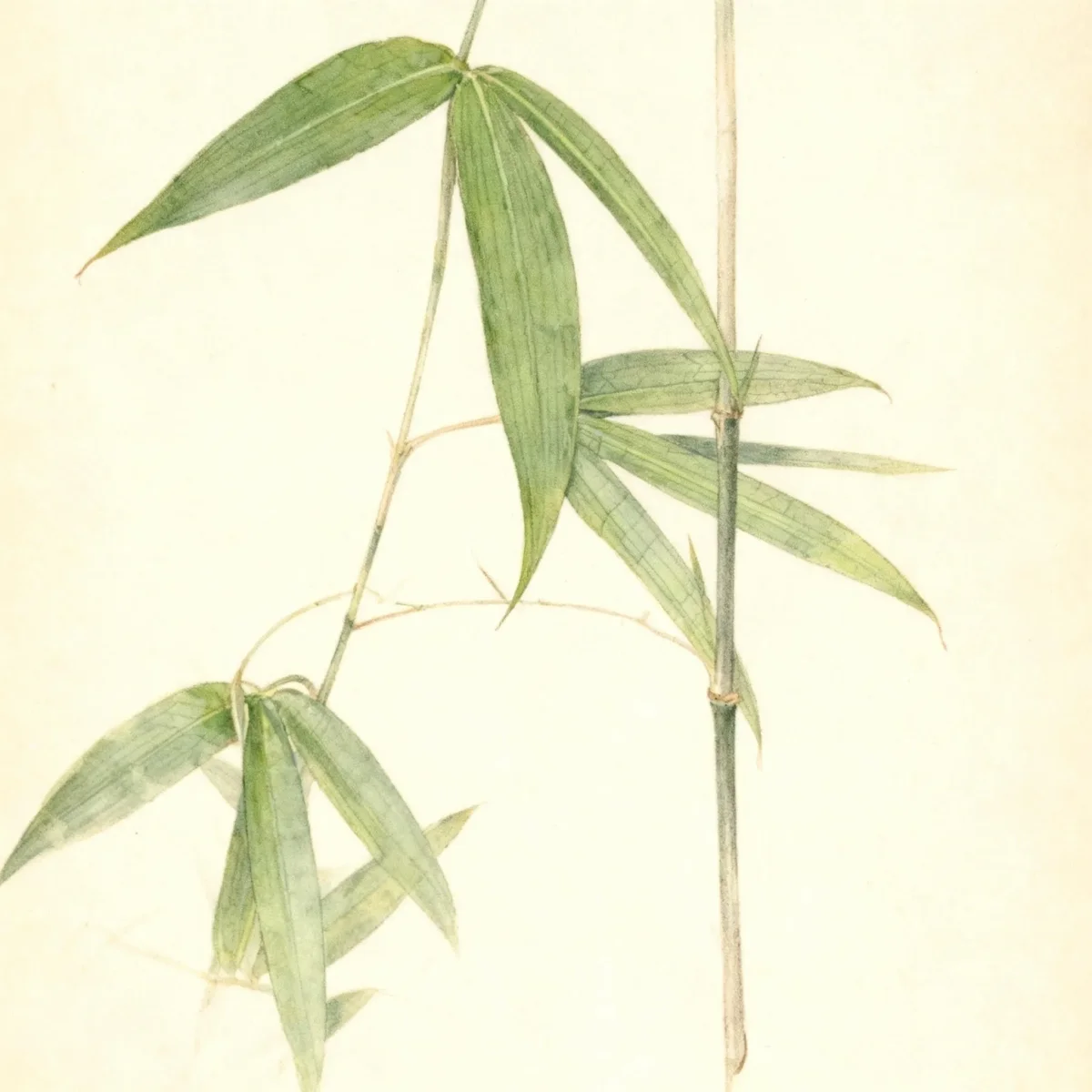
Rubus henryi var. bambusarum, often called just Rubus, is a vigorous, rambling bramble offering significant vertical interest in the landscape. This deciduous shrub is highly valued for its handsome, trifoliate foliage, displaying a striking contrast between deep glossy green on top and white undersides. Gardeners seeking screening or dramatic texture should consider incorporating Rubus henryi var. Bambusarum.
This plant is characterized by its fast growth rate and long, prickled canes that necessitate robust support to reach heights up to 20 feet. While it produces light red to pink flowers in early summer followed by blackish fruit, its primary ornamental value rests securely in its year-round foliage display. Successfully growing this particular Rubus species requires acknowledging its high maintenance needs and structural demands.
For those prepared to provide the necessary structure and consistent care, Rubus henryi var. bambusarum provides an almost tropical feel combined with the toughness of a hardy shrub. Ensure your growing area falls within USDA Zones 6 through 9 to maximize its chances of success, although Zone 5 gardeners may attempt cultivation with significant winter protection.
Fast Facts
- Plant Family: Rosaceae
- Plant Type: Deciduous shrub
- Native Range: Central China
- Hardiness Zones: USDA Zones 6-9
- Size at Maturity:
- Height: 15-18 ft
- Spread: 15-18 ft
- Bloom Time: June
- Bloom Description: Light red to pink
- Sun Exposure: Full sun to part shade
- Water Needs: Medium
- Maintenance Level: High
How to Grow
Plant Rubus henryi var. bambusarum during the spring or fall in a location that captures its need for structural support, such as near a sturdy arbor, pergola, or strong wires set against a wall. This Rubus thrives in average, medium-moisture, well-drained soil. While it performs best in full sun, it does exhibit good shade tolerance, which can be a great advantage in mixed garden settings.
Water needs are medium; maintain consistent moisture, especially when establishing the plant, ensuring the soil avoids becoming soggy, which can lead to root issues. Because this is a high-maintenance plant, judicious pruning is essential. Prune Rubus immediately after it finishes fruiting to control size and remove older wood, shaping the growth to maximize its sprawling, climbing habit.
Gardeners in cooler margins, particularly those bordering USDA Zone 5, must take extra precautions. Winter hardiness can be inconsistent in borderline areas like St. Louis; these plants should be sited in a protected location, perhaps against a south-facing wall, and provided with ample winter mulch protection. Proper siting and pruning are key to managing the rambunctious nature of Rubus henryi var. Bambusarum.
Landscape Uses
The vigorous, rambling nature of this Rubus variety makes it perfectly suited for areas where strong vertical coverage or aggressive screening is desired. It is best grown with support, functioning much like a rambling rose trained onto a large structure. Consider using Rubus henryi var. bambusarum to intentionally soften industrial fencing or cover large, unattractive utility boxes where its dense foliage can conceal features.
Due to its substantial adult size—up to 18 feet spread and height—this plant is not suitable for small borders or containers unless severely restricted. Use it architecturally against load-bearing walls or train it across substantial overhead supports where its weight can be managed. Its dramatic foliage provides excellent texture when placed near plants with finer leaves or solid, bold colors.
The dark fruit produced after flowering offers a fleeting visual interest and potential wildlife value, making the Rubus a dynamic backdrop element. When planning your garden, reserve significant space for this specimen; it quickly fills an allotted area and requires room to ramble appropriately for best effect.
Standout Features
Flower Qualities
- Showy
Noteworthy Characteristics
Rubus henryi var. Bambusarum is a fast-growing, rambling, evergreen, climbing bramble that produces long, prickled stems (canes) which, if supported, can grow up to 20’ tall. It is usually grown for its handsome foliage: trifoliate leaves (each lance-shaped leaflet being 4-6” long) which are glossy, deep green above and white below. The genus name Rubus refers to the Latin name for brambles (blackberry and raspberry), while the specific epithet honors Augustine Henry, an important plant collector in China.
Tolerances
- No specific tolerances listed in data provided.
Potential Problems
Rubus generally enjoys a reputation for being free from serious insect or disease problems, which is a considerable advantage given its maintenance level. However, the most significant management issue involves providing adequate physical support for the long, heavy canes. If left unsupported, the plant becomes a large, tangled mess on the ground rather than an attractive climber.
Winter hardiness is a documented concern, particularly for gardeners operating near the minimum zone rating. In areas prone to severe or prolonged cold snaps, such as the St. Louis region mentioned in cultural notes, winter protection is mandatory. Plan on wrapping or heavily mulching the base of this Rubus specimen if temperatures dip routinely below zero Fahrenheit.
Frequently Asked Questions
What hardiness zones is Rubus henryi var. bambusarum suitable for?
This vigorous Rubus variety is officially rated for USDA Hardiness Zones 6 through 9.
How large does Rubus henryi var. bambusarum grow?
When fully mature, this deciduous shrub typically reaches a height and spread between 15 and 18 feet, though its trailing habit can allow canes to reach 20 feet if supported.
When does Rubus henryi var. bambusarum bloom?
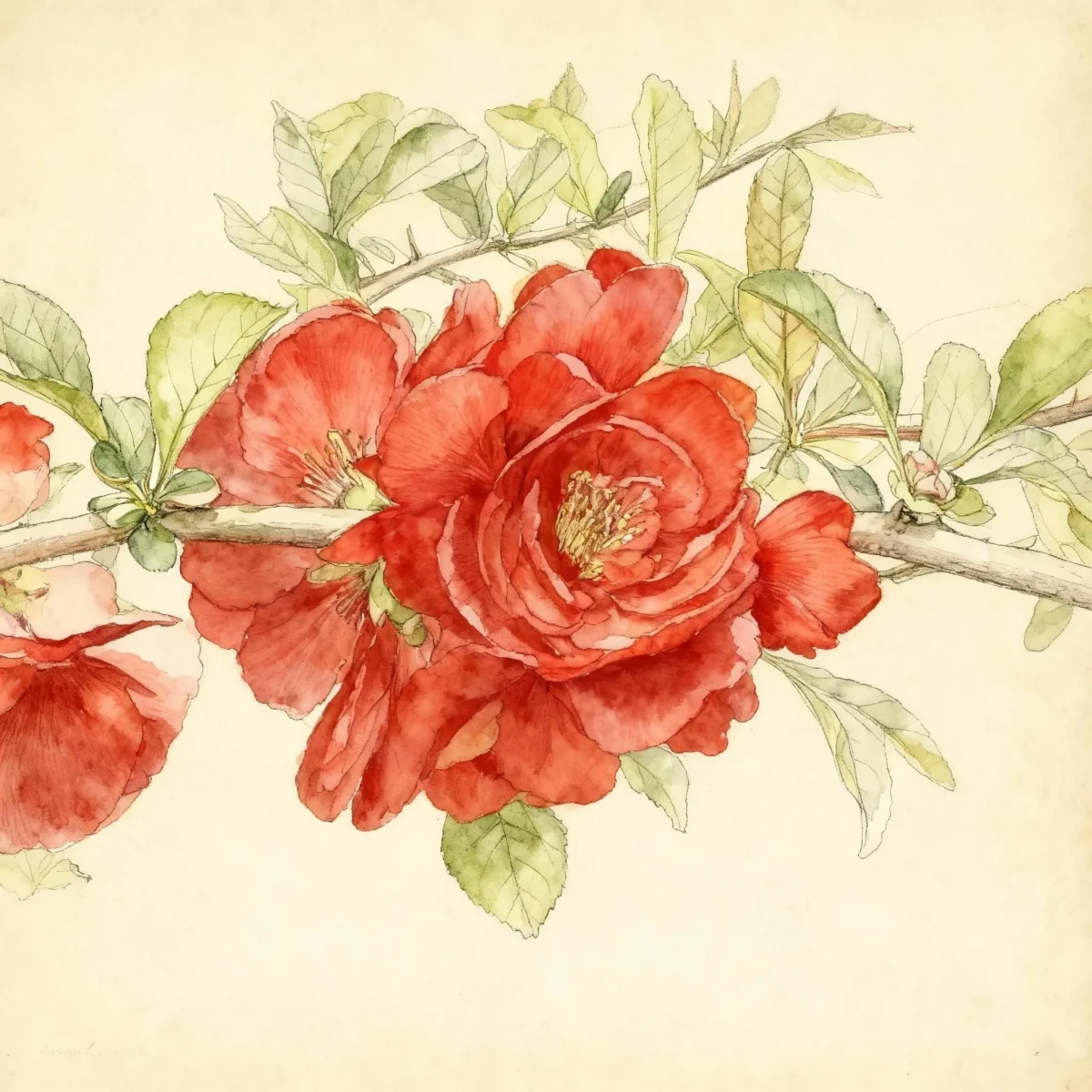
The plant produces its light red to pink flowers, which are occasionally noted as showy, during the month of June.
What sun exposure does Rubus henryi var. bambusarum need?
Rubus henryi var. bambusarum prefers to be situated where it receives full sun to part shade exposure for optimal health and flowering.
Conclusion
The Rubus known as Rubus henryi var. bambusarum offers gardeners a dramatic, fast-growing, year-round screen defined by its beautifully bicolored foliage. While it commands high maintenance due to its need for robust support and pruning after fruiting, the result is a lush, nearly 20-foot climber unrivalled by many other brambles. Before planting, confirm your local hardiness zone compatibility (6-9) and ensure you have a substantial structure ready to guide this magnificent Rubus.
Companion Planting
Selecting suitable companions for Rubus henryi var. bambusarum is vital, primarily because this plant requires significant structural support and dislikes perpetually wet feet. Pair it with robust, woody upright elements like mature cedar or pine trees for natural support, or use strong metal/stone trellises near buildings. Companion plants should generally prefer full sun to part shade and medium moisture, mirroring the needs of the Rubus.
Consider groundcovers that thrive in dappled light to fill the wide footprint this rambling shrub creates. Plants like certain hardy Geraniums or Solomon’s Seal can offer complementary textures without competing aggressively for surface moisture. Avoid planting shallow-rooted perennials directly at the base, as the high water needs of the established Rubus will limit resources for smaller neighbors.
Seasonal Care Calendar
Managing this high-maintenance plant requires attention across the growing season rather than concentrating effort into one period. In early spring, inspect all support structures and cut back any canes damaged during the winter dormancy period, removing dead or overly weak growth. As summer peaks in June, enjoy the light red to pink blooms, ensuring medium watering remains consistent during dry spells.
The most critical maintenance window occurs immediately following the summer fruiting period. Prune Rubus henryi var. Bambusarum thoroughly after fruiting to shape its sprawling habit and encourage new, strong cane development for the following year; this timing is crucial for managing its size. In late fall, if gardening in marginal zones (like Zone 5), prepare the base with a thick layer of insulating mulch before the ground freezes hard.