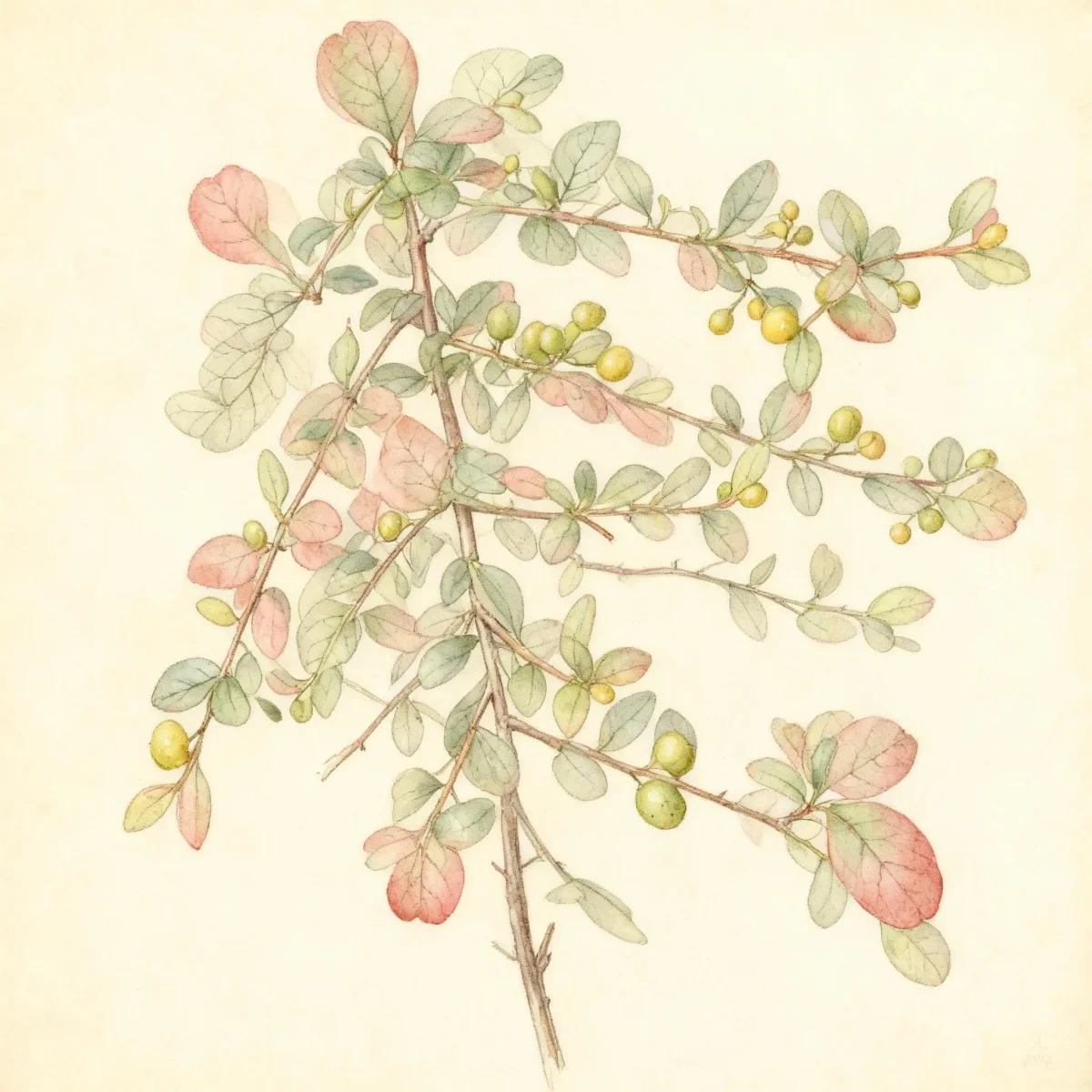
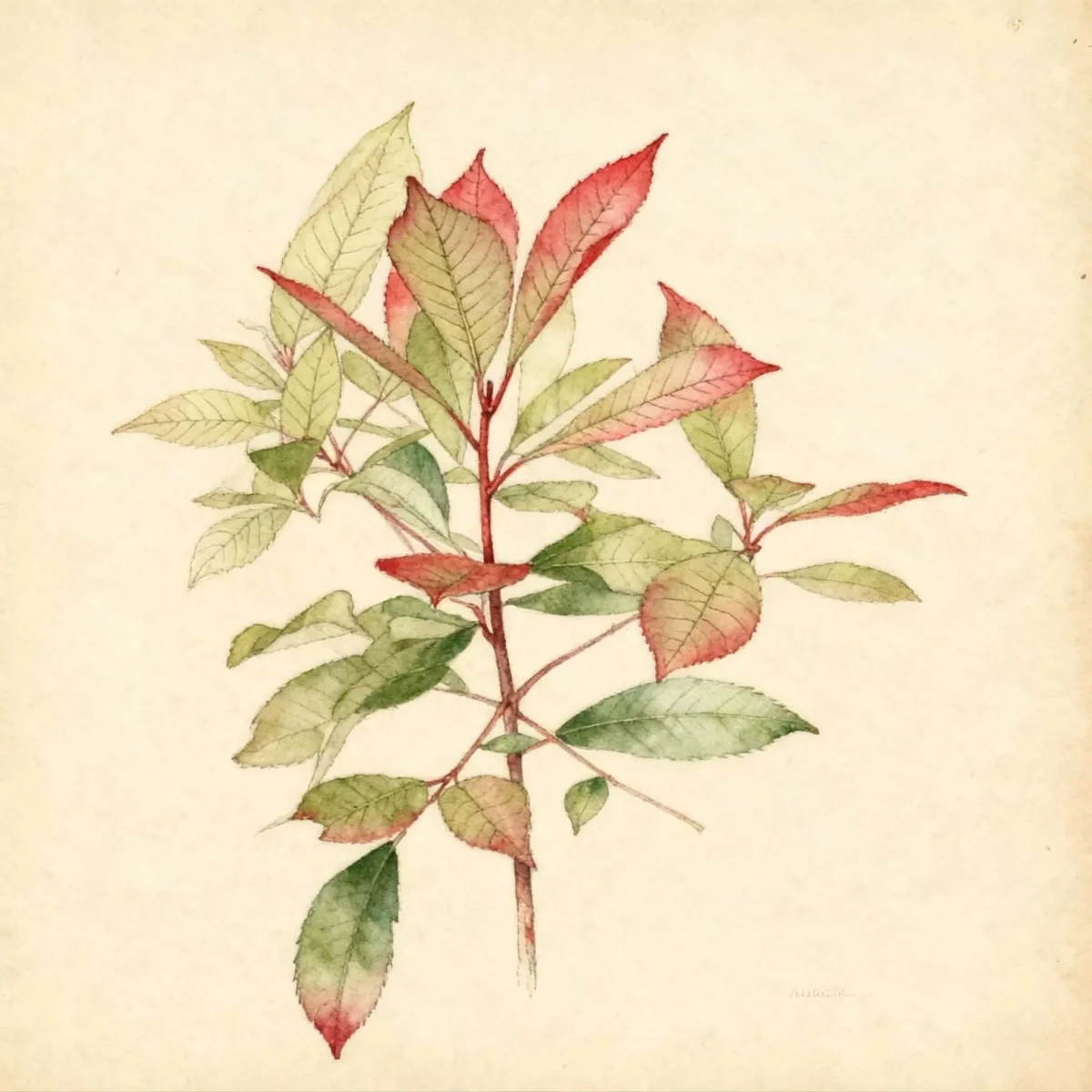
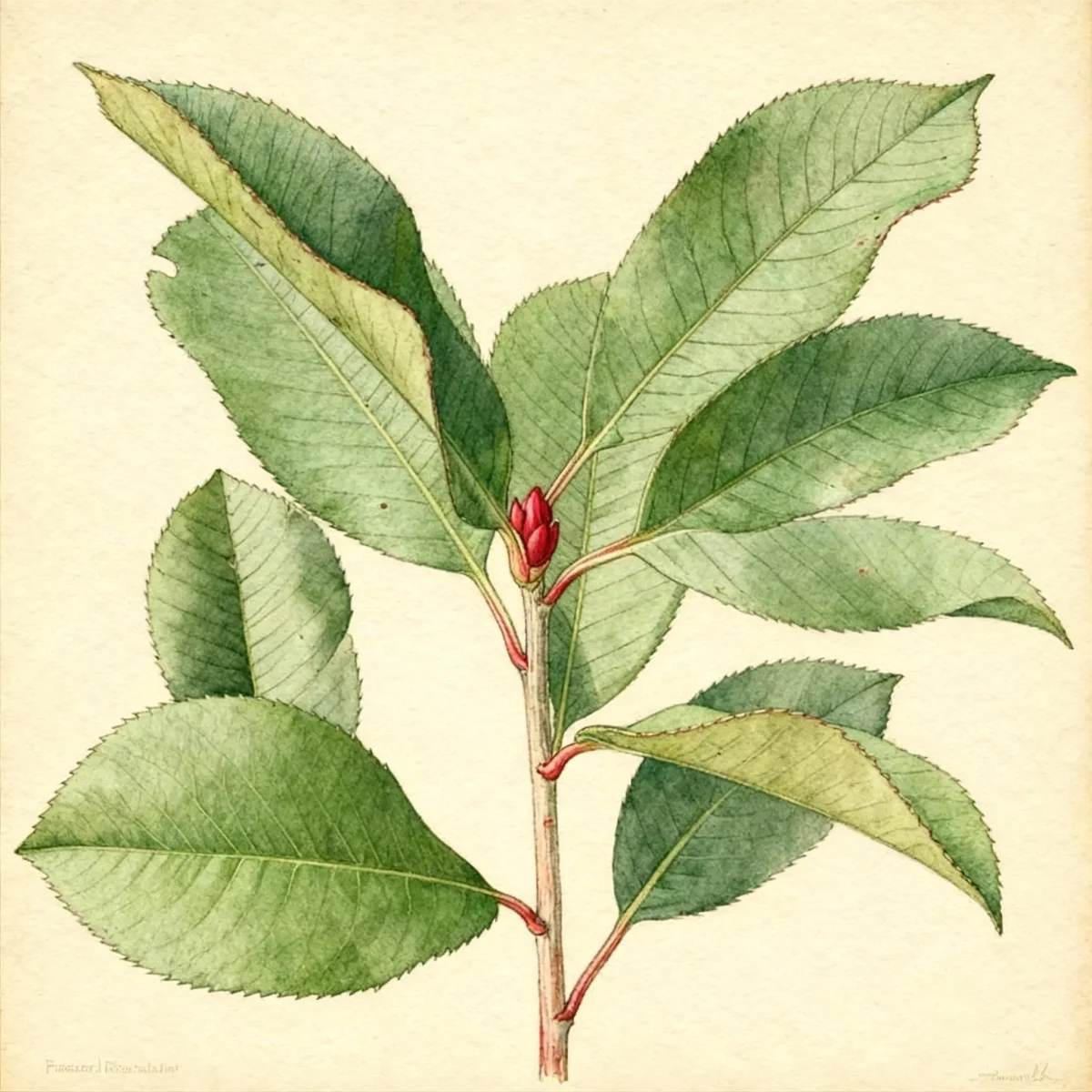
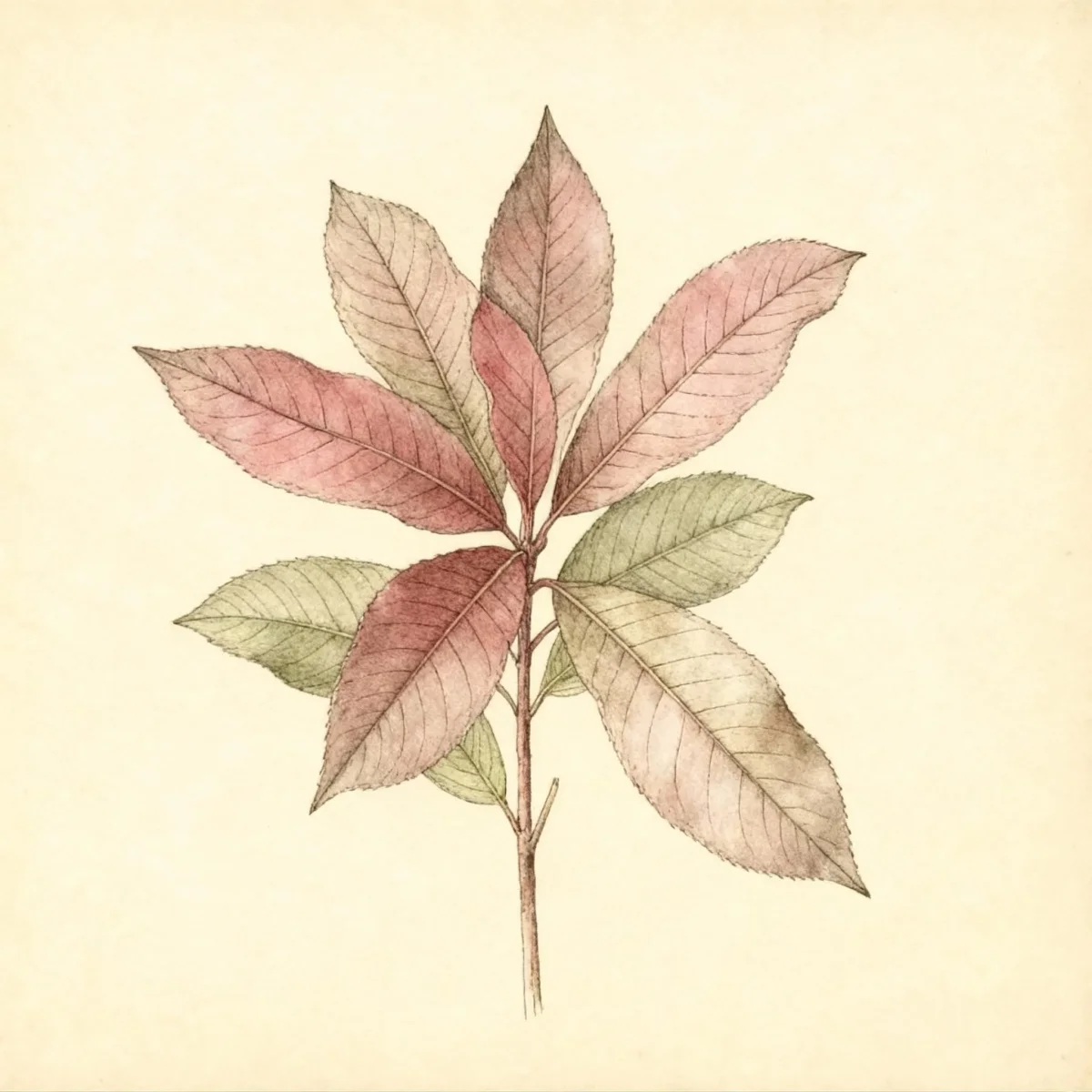
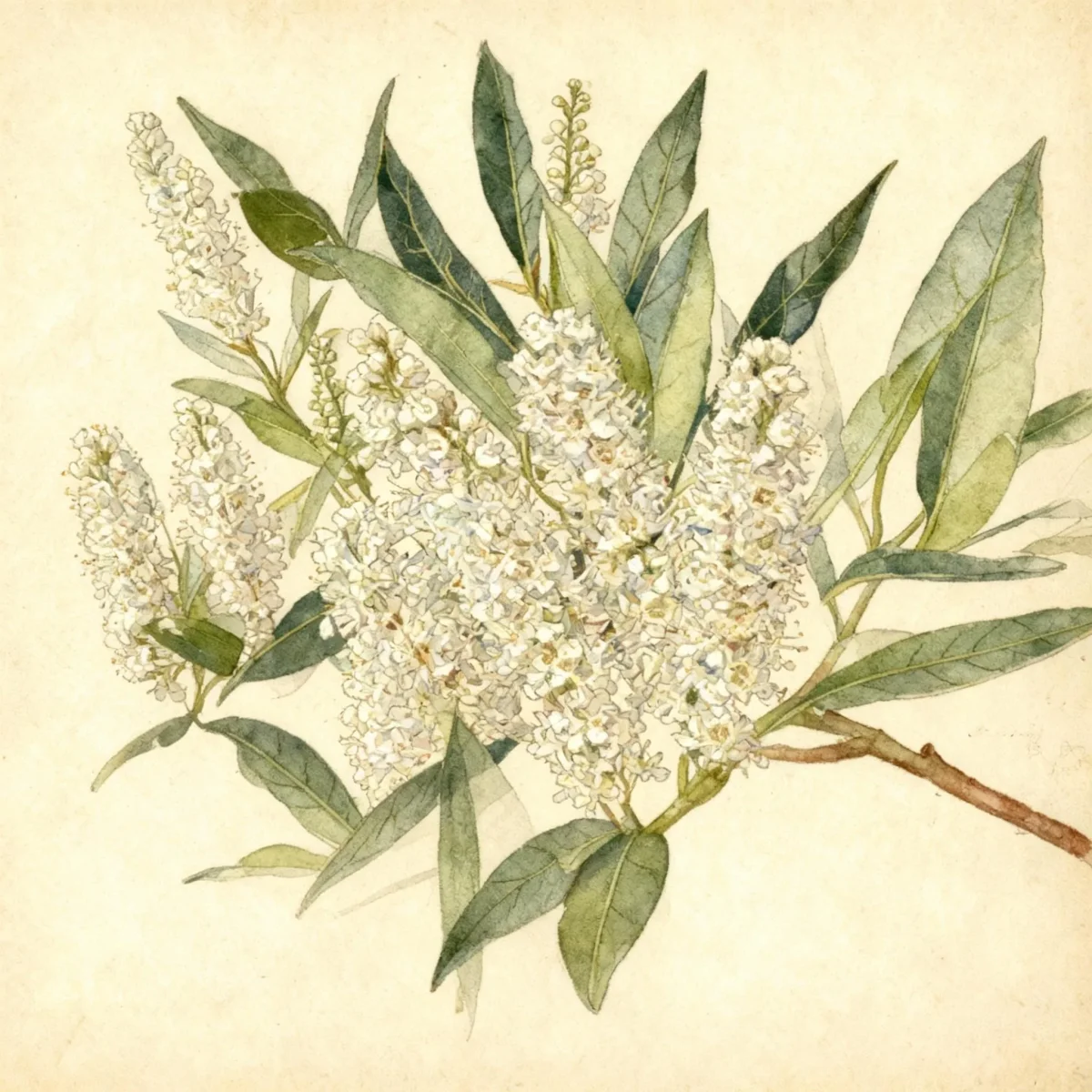
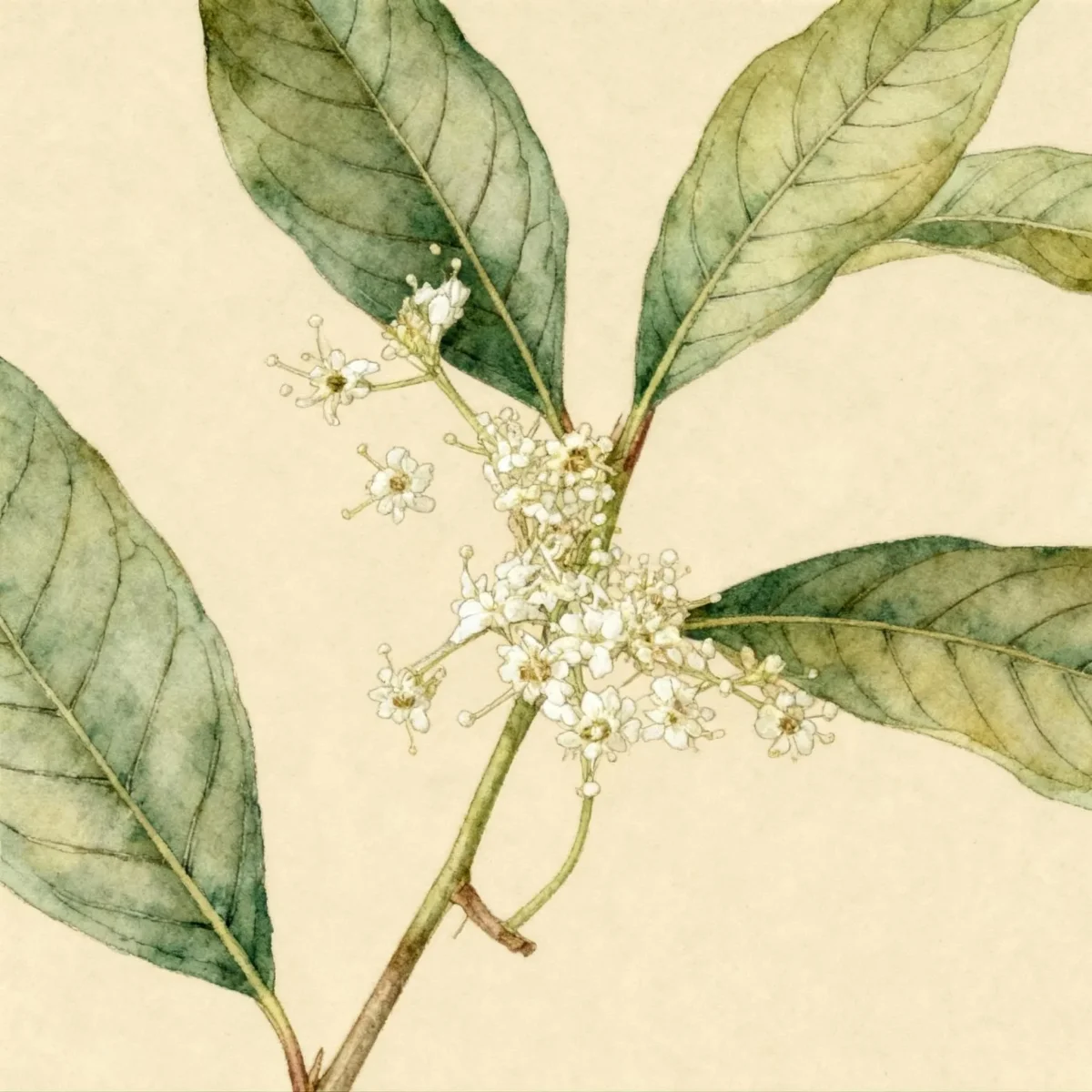
Chinese hawthorn (Photinia serratifolia)
Photinia serratifolia, or Chinese hawthorn, is a robust broadleaf evergreen perfect for screens, offering glossy leaves and spring white flowers.
Scroll down to discover growing tips, care requirements, companion plants, and more
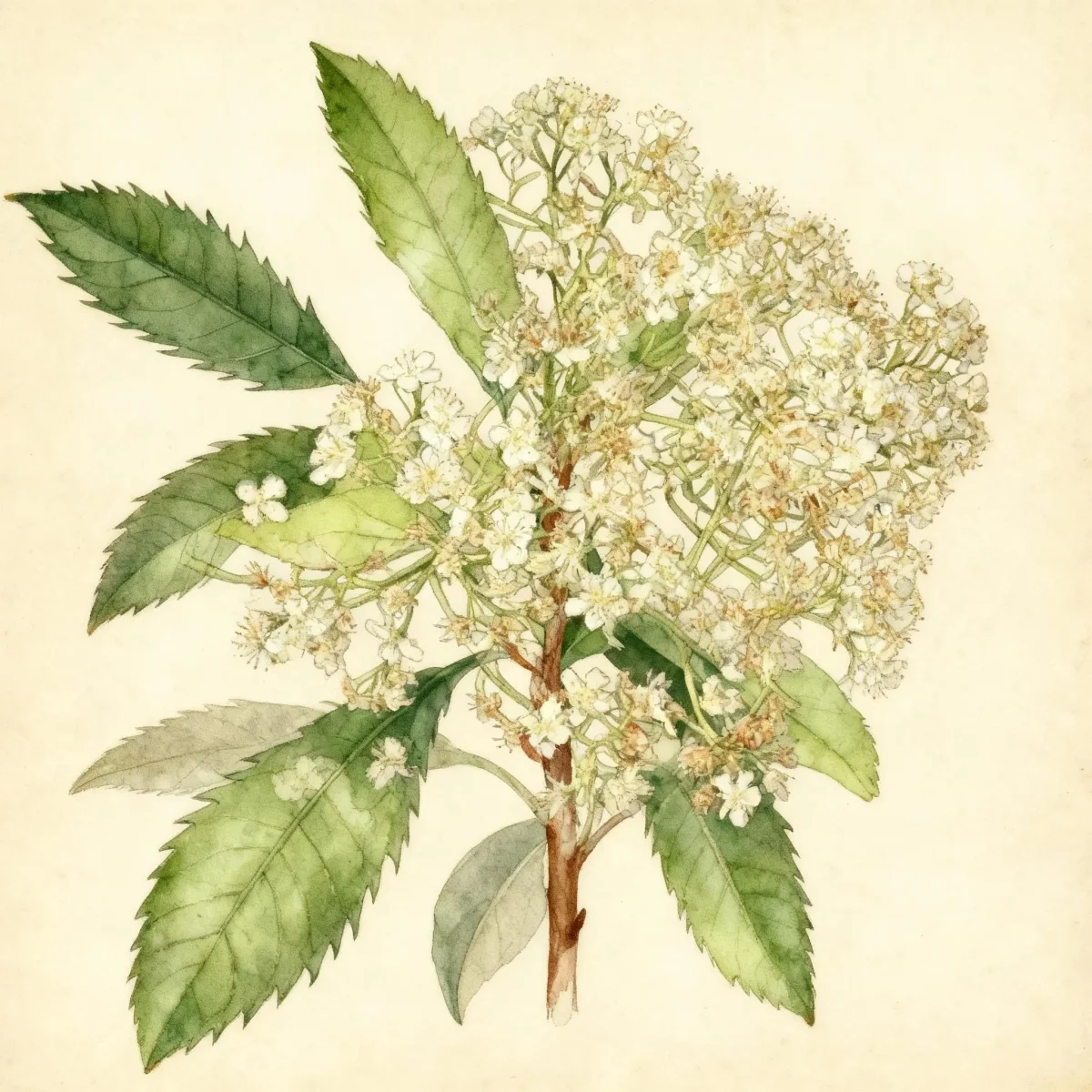
Complete Plant Information
Overview
The Photinia serratifolia, commonly known as Chinese hawthorn, is a valuable broadleaf evergreen appreciated for its dense, lustrous foliage and structural presence in the landscape. Maturing into a substantial shrub or small tree, this species provides year-round visual interest, making it an excellent choice for foundational plantings or screening. Its relatively manageable size, typically reaching 12 to 20 feet tall, allows it to integrate well into various garden settings where permanent greenery is desired.
This evergreen shrub is native across several Asian regions, including China and India, and has adapted well to suitable North American climates. It offers charming, five-petaled white flowers that appear in April, followed by decorative fruit that matures from red to brownish-purple, persisting into the winter months. Its resilience, particularly its tolerance for drought once established, contributes to its low-maintenance appeal.
Gardeners value the Photinia serratifolia for its robust nature and its suitability as a large, informal screen or hedge. While the flowers are ornamentally attractive, note that they carry an unpleasant aroma. The deep green, leathery leaves contrast nicely with new spring growth that often emerges with attractive rose-bronze tones, providing seasonal variation on this otherwise evergreen plant.
Fast Facts
- Plant Family: Rosaceae
- Plant Type: Broadleaf evergreen
- Native Range: China, India, Japan, Philippines
- Hardiness Zones: USDA Zones 6-9
- Size at Maturity:
- Height: 12-20 ft
- Spread: 9-16 ft
- Bloom Time: April
- Bloom Description: White
- Sun Exposure: Full sun to part shade
- Water Needs: Medium
- Maintenance Level: Medium
How to Grow
Planting Chinese hawthorn is best achieved in spring or fall when temperatures are moderate. Select a location that receives full sun to light afternoon shade, ensuring the soil is average, medium moisture, and critically, well-drained. Avoid areas prone to sitting water, as this species strongly dislikes overly wet conditions.
Once established, the Photinia serratifolia exhibits moderate drought tolerance, requiring consistent, medium watering, especially during the first few growing seasons. When watering, focus applications directly on the root zones, taking care to keep water off the foliage to minimize potential fungal issues like powdery mildew. This shrub is winter hardy down to USDA Zone 6, though specimens in the cooler end of their range benefit from being sited near protected structures, like southern or western building walls.
Maintenance for this handsome evergreen is relatively straightforward. Pruning should be performed in winter when the plant is dormant; this is primarily done to thin the canopy, which is essential for improving air circulation throughout the shrub. Good air circulation is key to keeping potential diseases in check. Propagate new plants via cuttings.
Landscape Uses
The primary application for Photinia serratifolia lies in its use as a substantial, living boundary. Its height range of 12 to 20 feet makes it an excellent candidate for creating natural screens, offering year-round privacy due to its evergreen nature. It performs beautifully when utilized as a large hedge, provided it receives proper winter pruning to maintain shape and airflow.
Beyond screening, the upright habit of the Chinese hawthorn allows it to function effectively as a specimen planting where its glossy foliage can be prominently displayed. For larger properties, a row of these plants can define long borders or transition between different areas of the garden design. Its substantial structure complements smaller flowering shrubs or perennials planted in the foreground.
Standout Features
Flower Qualities
- Showy
- Fragrant
Fruit Qualities
- Showy
Noteworthy Characteristics
Photinia serratifolia, commonly called Chinese photinia or Chinese hawthorn, is an evergreen shrub or small tree of the rose family. As a shrub, it typically matures to 12-20’ tall, featuring leathery, lustrous, deep green leaves with serrated margins that emerge with rose-bronze new growth. The plant produces attractive white flowers in spring, leading to colorful berries that persist into winter, earning it the common name Chinese hawthorn.
Tolerances
- Drought
Potential Problems
While Photinia serratifolia is notably resistant to the highly problematic Entomosporium maculatum leaf spot that plagues many other photinia species, gardeners should still remain vigilant. In warmer, humid regions (Zones 8-9), cultural practices that increase airflow are crucial to deterring potential issues.
Keep an eye out for common issues such as fire blight and powdery mildew, both of which can appear on stressed plants or in high-humidity environments. Pest infestations, though usually minor, may include aphids and scale insects. Proactive monitoring and good air circulation management, achieved through strategic winter pruning, will significantly reduce the likelihood of these problems.
Frequently Asked Questions
What hardiness zones is Chinese hawthorn suitable for?
The Chinese hawthorn, or Photinia serratifolia, is reliably grown in USDA Hardiness Zones 6 through 9.
How large does Photinia serratifolia grow?
This species typically achieves a height between 12 and 20 feet, with a spread ranging from 9 to 16 feet when mature.
What sun exposure does Chinese hawthorn need?
Photinia serratifolia thrives in locations providing full sun to light partial shade, which helps support dense leaf coverage.
When does Chinese hawthorn bloom?
Bloom time for the Chinese hawthorn is generally in April, producing clusters of white flowers.
Companion Planting
Selecting appropriate neighbors for Photinia serratifolia ensures a cohesive planting scheme that shares similar cultural needs, primarily medium water and well-drained soil. Consider pairing the evergreen screen with deciduous shrubs that offer contrasting fall color, such as certain Japanese maples adapted to Zone 6-9, provided they receive similar sun exposure. For year-round structure, interplanting with hardy broadleaf evergreens like boxwood or hollies works well beneath the canopy of a mature shrub.
Since the Chinese hawthorn tolerates drought once established, pairing it with other water-wise plants is practical, especially in drier climates within Zones 7-9. Groundcovers that enjoy sun and tolerate moderate dryness, such as creeping thyme or sedums, can help suppress weeds near the base while maintaining excellent soil drainage around the root zone of the shrub.
Seasonal Care Calendar
Spring is the time for new growth emergence on Photinia serratifolia; check for any signs of pests like aphids as the new, bronze-toned leaves expand. Water regularly during dry spring spells until the plant is fully established in its location. Summer care should focus on deep, infrequent watering, ensuring water is delivered directly to the root zone and avoiding overhead sprinkling, which can promote disease.
In late fall or early winter, before new growth begins or after the plant has gone fully dormant, perform your annual structural pruning. This winter pruning session is essential for thinning the branches of the Chinese hawthorn to improve interior light penetration and air movement, which guards against issues like powdery mildew developing the following season.
Conclusion
The Photinia serratifolia, or Chinese hawthorn, is an indispensable evergreen for creating robust screens and providing consistent year-round texture in the landscape. Its drought tolerance once mature, combined with glossy foliage and attractive spring blooms, makes this a high-value, medium-maintenance selection for nearly any garden within Zones 6 to 9. Ensure your site offers excellent drainage and proper air circulation, and you will benefit from this handsome shrub for years to come.