Hop tree (Ptelea trifoliata)
Discover the hardy Ptelea trifoliata, or Hop tree, valued for its low maintenance, shade tolerance, and unique winged fruit.
Scroll down to discover growing tips, care requirements, companion plants, and more
Complete Plant Information
Overview
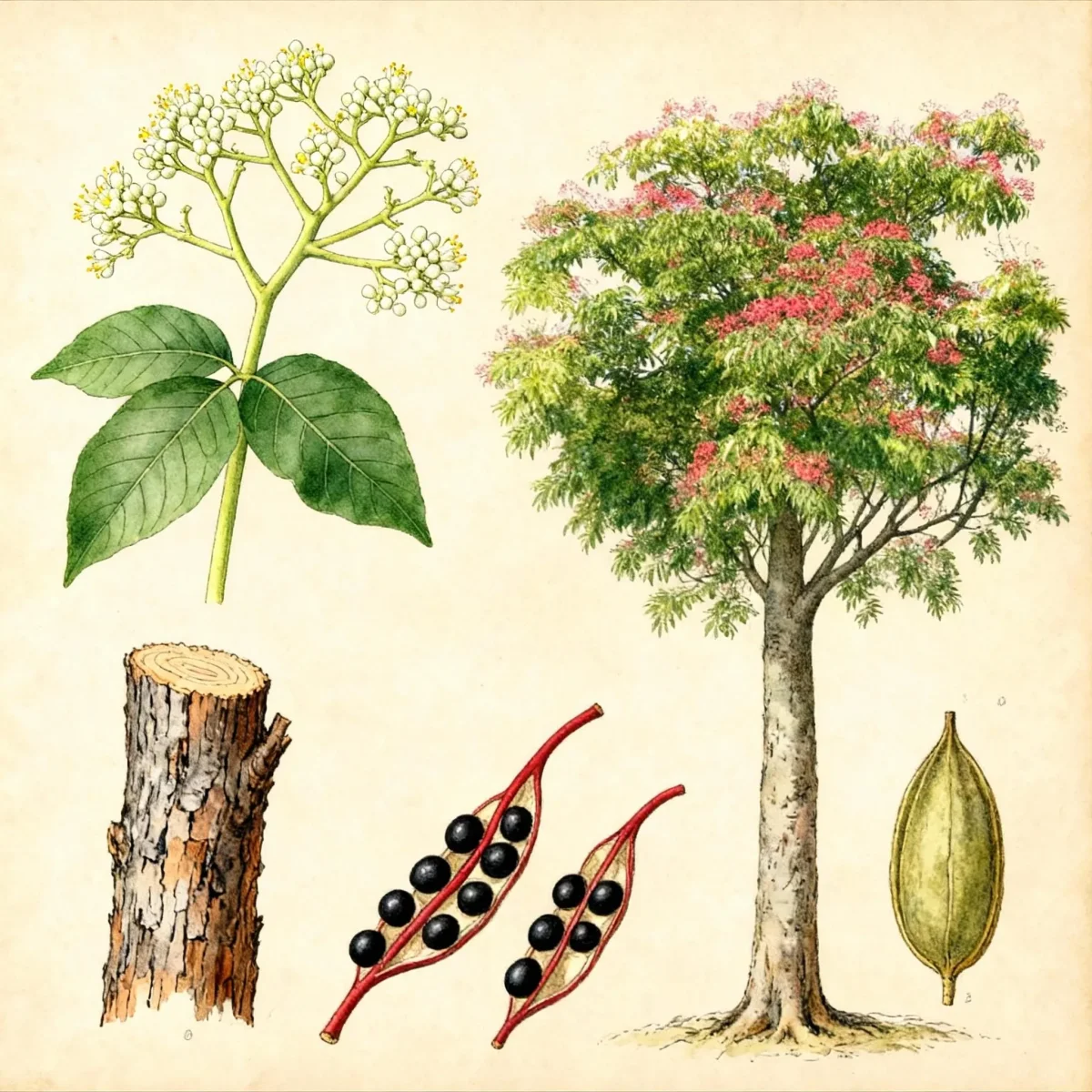
The Hop tree, Ptelea trifoliata, offers gardeners an adaptable, deciduous choice for areas challenged by shade or poor, dry soils. This native species transitions effectively from a dense shrub to a small, rounded tree, providing consistent structure throughout the year in the landscape. While its flowers are modest, the resulting fruit clusters offer visual appeal.
Ptelea trifoliata is highly valued for its resilience and low maintenance requirements once established. It thrives across a wide range of conditions, making it a reliable performer where other ornamental trees might struggle. Gardeners appreciate its ability to handle significant shade while still providing year-round visual interest.
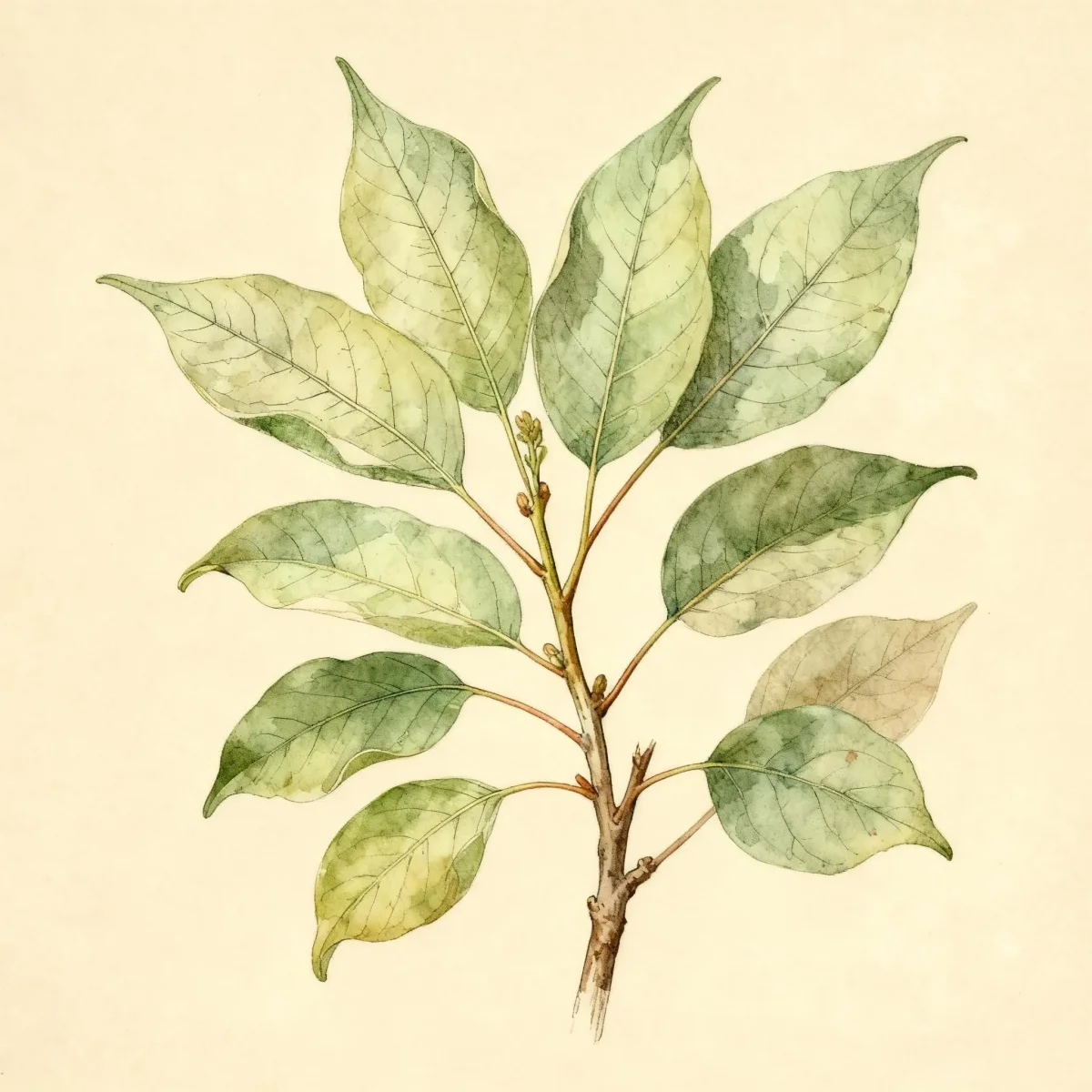
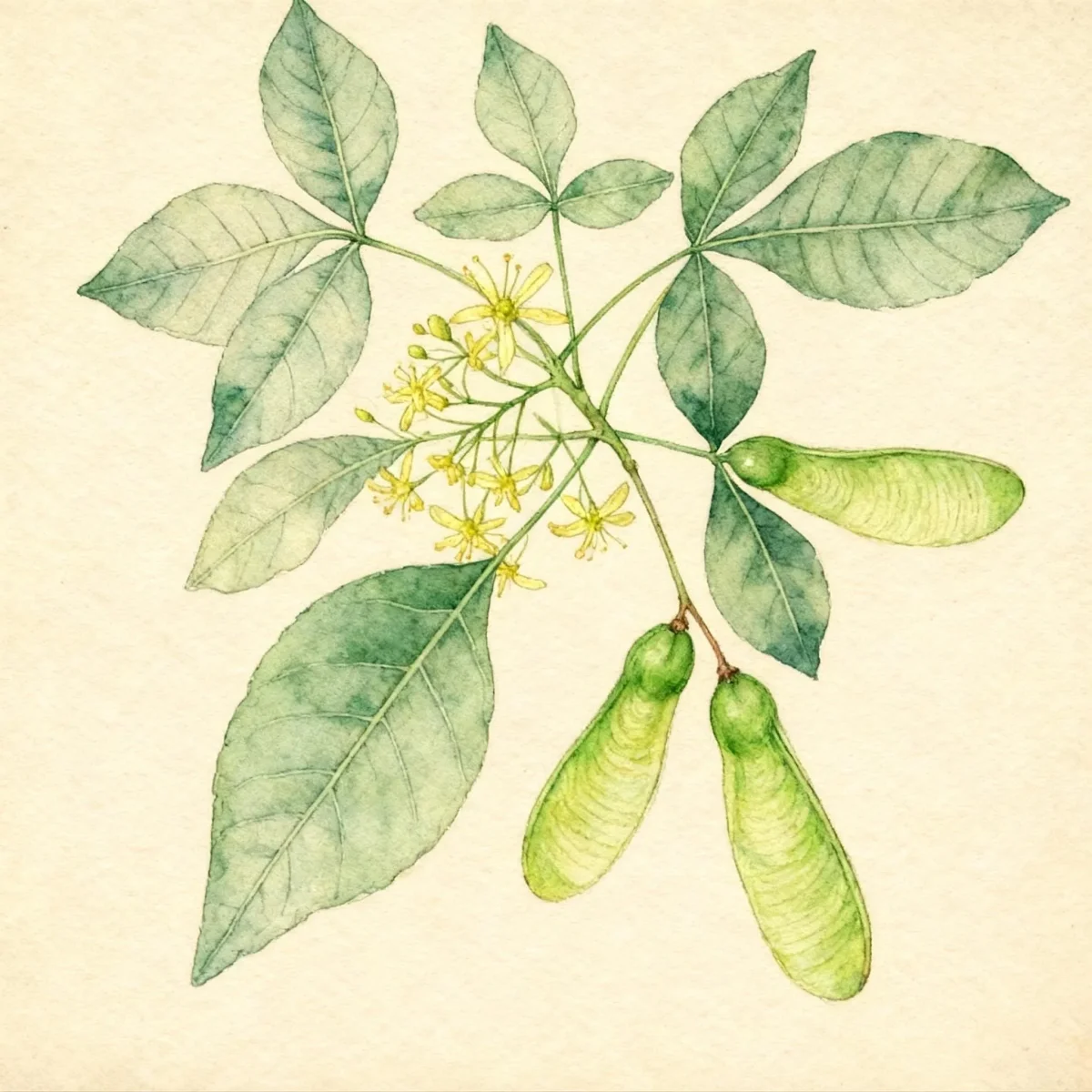
Distinctive features include its shiny, trifoliate leaves and the light, wafer-like samaras that persist into winter. The common name Hop tree stems from the historical use of its seeds as a hops substitute, cementing Ptelea trifoliata as a historically relevant and versatile plant.
Fast Facts
- Plant Family: Rutaceae
- Plant Type: Tree
- Native Range: Eastern and central United States
- Hardiness Zones: USDA Zones 4-9
- Size at Maturity:
- Height: 15-20 ft
- Spread: 15-20 ft
- Bloom Time: June
- Bloom Description: Greenish white
- Sun Exposure: Part shade to full shade
- Water Needs: Dry to medium
- Maintenance Level: Low
How to Grow
Ptelea trifoliata is exceptionally easy to establish. Plant during the dormant season (spring or fall) to minimize transplant shock. It requires average, dry to medium, well-drained soils. While it naturally favors part shade to full shade environments found in woodlands, the Hop tree is adaptable and tolerates full sun equally well, so consider your site conditions carefully.
Maintenance for this small tree is decidedly low. Water consistently until the plant is established, perhaps during the first year or two of establishment, especially if grown in full sun. Once mature, Ptelea trifoliata demonstrates excellent drought tolerance, requiring supplemental watering only during prolonged dry spells. Fertilization is rarely necessary in all but the poorest soils.
Pruning needs are minimal; focus only on removing crossing or damaged branches, typically done in late winter before new growth begins. Because the tree often develops a dense, rounded habit naturally, heavy shaping is generally avoided to maintain its informal beauty.
Landscape Uses
The versatility of the Hop tree allows it to serve multiple functions in the garden design. It performs beautifully when used as a specimen tree where its shape can be appreciated, or planted in groups to form naturalized thickets. For screening purposes, Ptelea trifoliata is effective as a large, informal hedge due to its dense foliage and wide spread.
When selecting companions, choose plants that share its preference for well-drained conditions and tolerance for shade and dryness. Native grasses or shade-tolerant perennials that do not demand consistently moist soil are ideal border partners for this hardy native shrub or small tree.
Aim to site the Hop tree where its structure can contrast with finer-textured neighboring plants, or use several specimens to define the edge of a woodland planting area. Its tolerance for difficult, dry, or shallow-rocky soil means it can be utilized on slopes or in naturalized areas where topsoil is minimal.
Standout Features
Flower Qualities
- Fragrant
- Insignificant
Fruit Qualities
- Showy
Noteworthy Characteristics
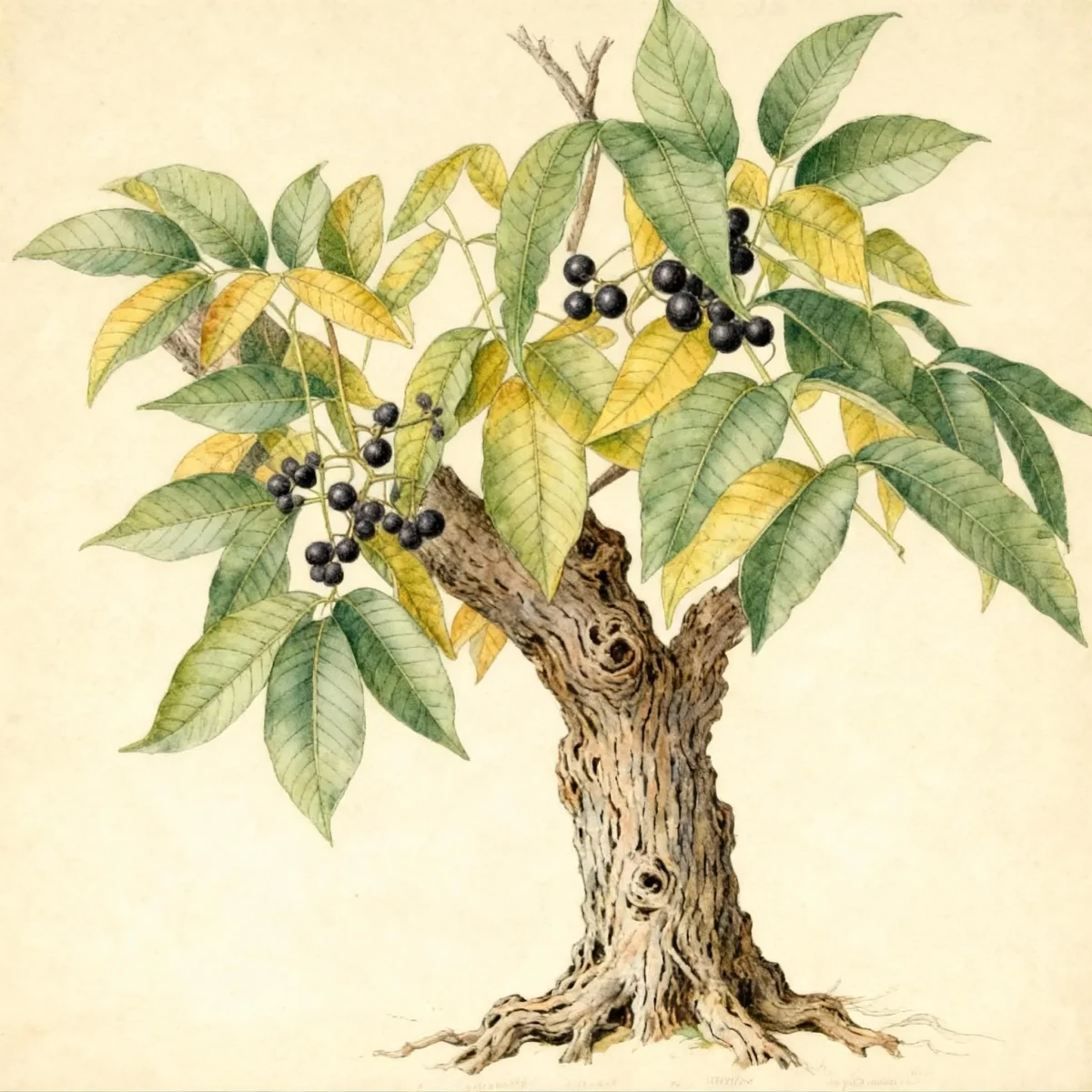
Ptelea trifoliata, commonly called hop tree, is a dense, rounded, Missouri native, deciduous shrub or small tree which occurs in open woods, glades, ravines, thickets and prairies. Features compound, trifoliate, shiny, dark green leaves which turn a pleasant greenish yellow in autumn, followed by pendulous clusters of thin, circular, winged samaras (fruit) that mature to brown. The genus name Ptelea references the appearance of its winged fruit, which resembles that of an elm tree, while it earned the common name “stinking ash” due to the faint unpleasant odor of its bruised foliage.
Tolerances
- Drought
- Dry Soil
- Shallow-Rocky Soil
Potential Problems
The Hop tree boasts excellent pest and disease resistance, making it a favorite for low-intervention landscapes. Generally, the species suffers from no serious insect or disease problems under normal growing conditions. Gardeners should be aware of some potential susceptibility to minor leaf spots, especially in areas with consistently high humidity or poor air circulation. Preventative measures involve ensuring good air movement around the tree and avoiding overhead watering late in the day.
Frequently Asked Questions
What hardiness zones is Hop tree suitable for?
Ptelea trifoliata is well-suited for USDA Hardiness Zones 4 through 9, offering flexibility across much of the eastern and central United States.
How large does Hop tree grow?
This adaptable tree typically reaches a mature height between 15 and 20 feet tall, with an equal spread of 15 to 20 feet, forming a dense, rounded shape.
What sun exposure does Hop tree need?
The ideal sun exposure for the Hop tree is part shade to full shade, though it is noted to tolerate full sun very well, provided soil drainage is adequate.
When does Hop tree bloom?
The blooming period for Ptelea trifoliata is typically in June, noted for its greenish white, fragrant, though otherwise insignificant, flowers.
Conclusion
The Hop tree (Ptelea trifoliata) provides exceptional value in a landscape setting due to its resilience, shade tolerance, and unique fruit display. Its low maintenance profile ensures homeowners can enjoy this adaptable native without significant intervention. Check your local hardiness zone compatibility, and plan to install your Ptelea trifoliata during the optimal planting season for the easiest transition to its preferred dry-to-medium soil site.
Wildlife Benefits
The flowers of the Hop tree, though small, are pollinated primarily by carrion flies, playing an important role in supporting specific local insect populations. More significantly, the persistent, winged seed discs that mature to brown in late summer remain attractive throughout much of the winter. This lingering food source and cover are beneficial for overwintering birds and small wildlife navigating the dormant landscape.
Companion Planting
Due to the Ptelea trifoliata’s tolerance for dry soil and shade, it pairs well with robust, native understory plants. Consider pairing it with plants like Shade loving ferns, Coral bells (Heuchera), or evergreen groundcovers that thrive in dappled light. These companions will complement the medium-textured foliage of the Hop tree without competing aggressively for scarce moisture resources often associated with its preferred dry sites.