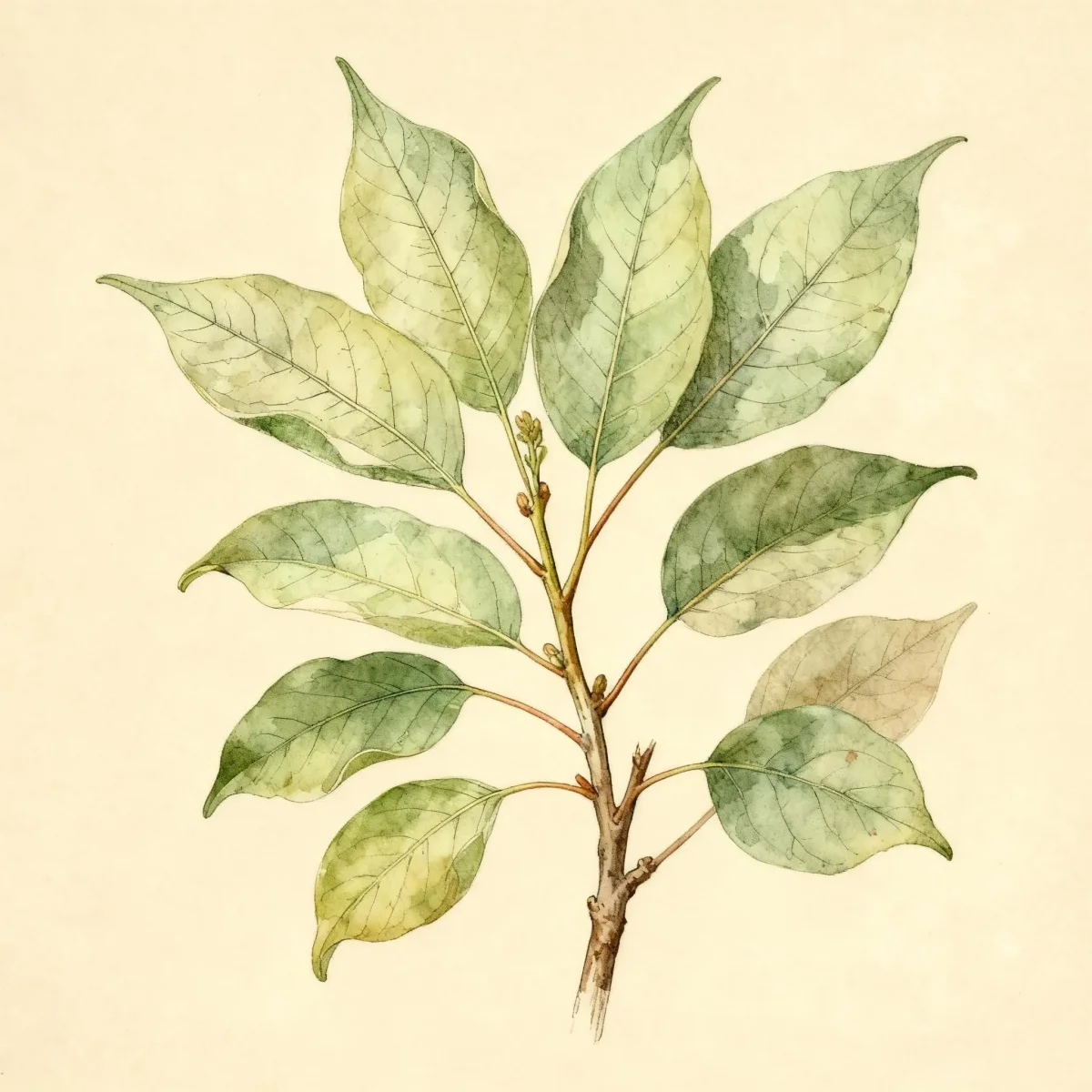
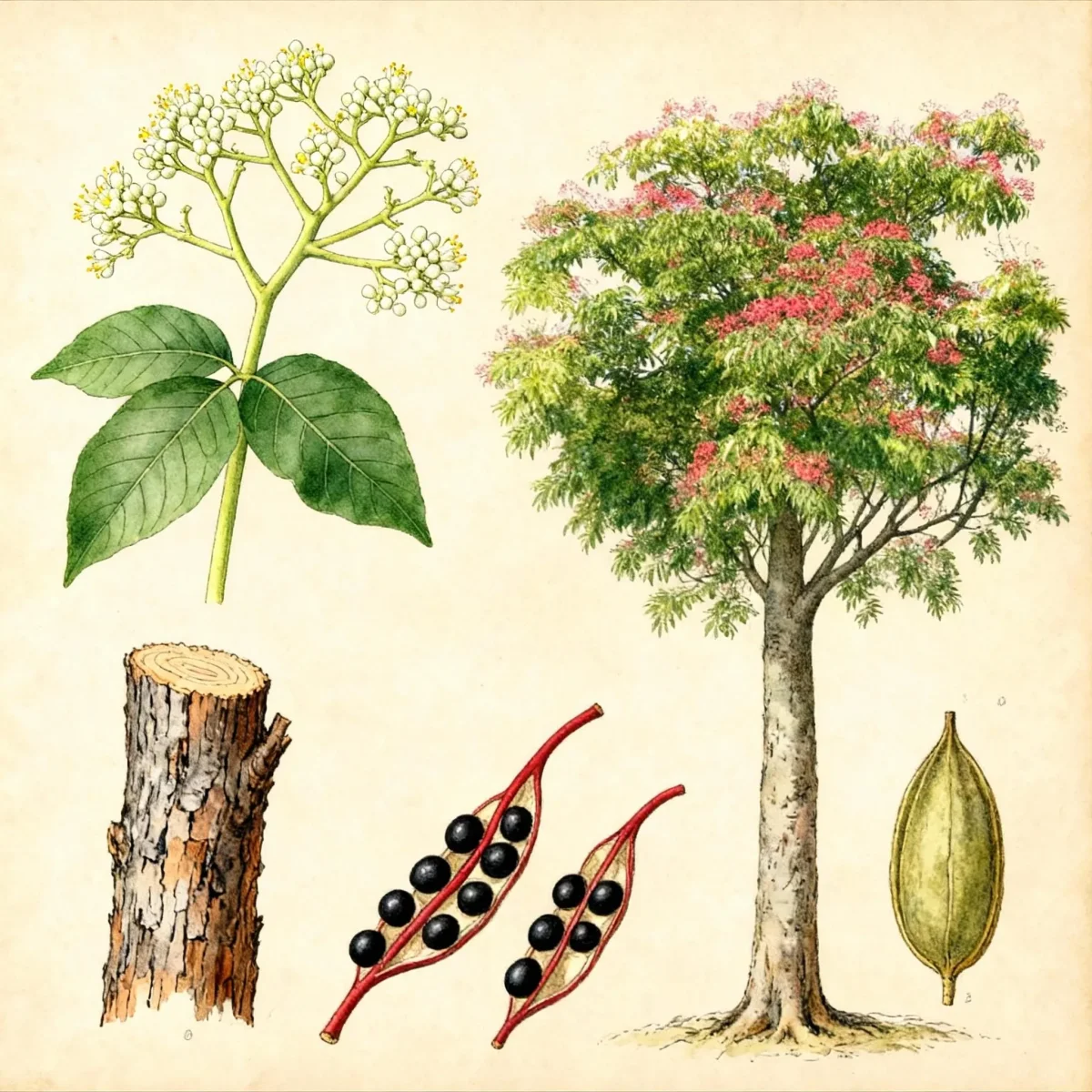
Amur cork tree (Phellodendron amurense)
The low-maintenance Amur cork tree (Phellodendron amurense) offers distinctive corky bark and full sun tolerance for large landscapes.
Scroll down to discover growing tips, care requirements, companion plants, and more
Complete Plant Information
Overview
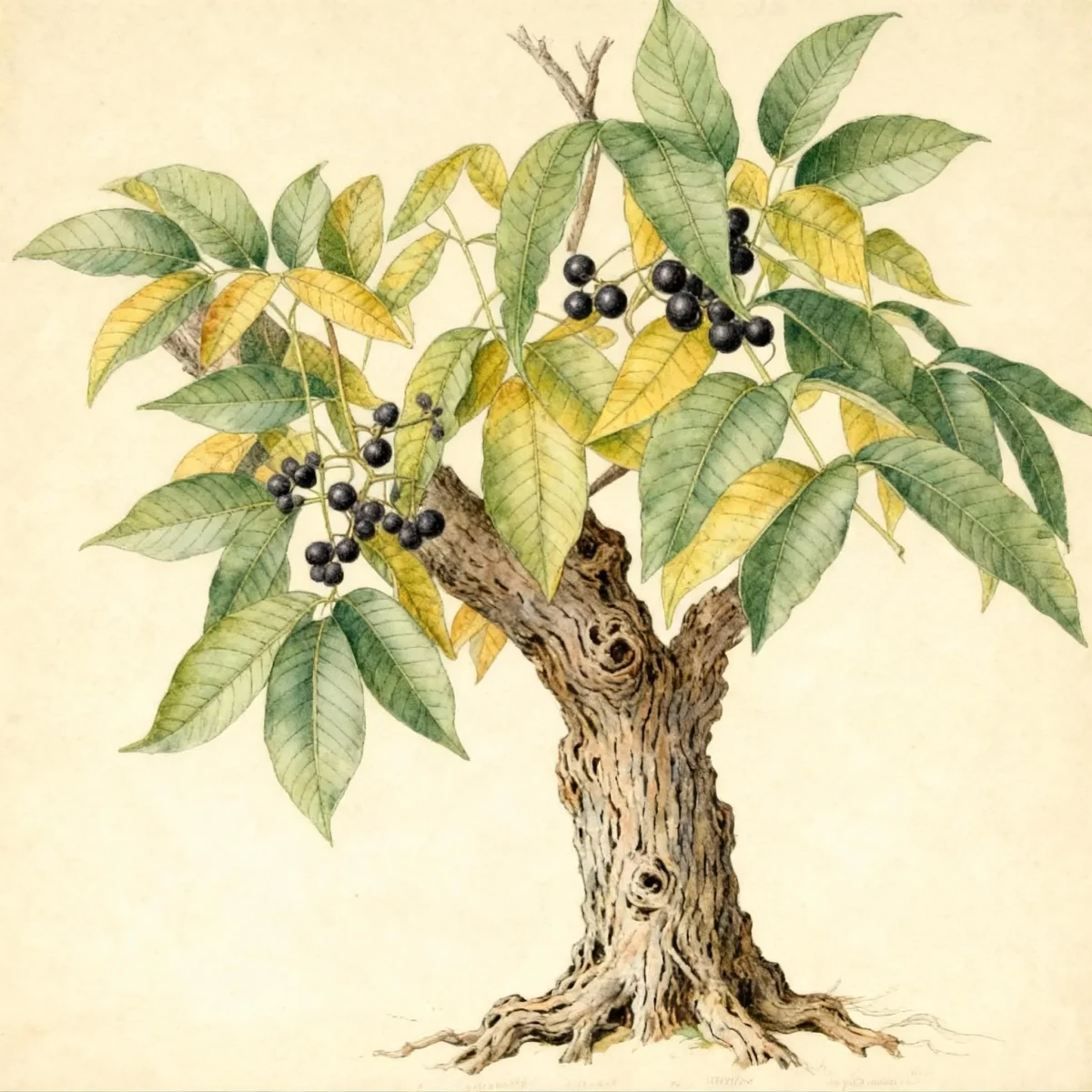
The Phellodendron amurense, widely recognized as the Amur cork tree, is a striking deciduous specimen valued in large landscapes for its rugged texture and resilience. This tree is chiefly noted for its thick, ridged, and deeply corky grayish-brown bark, which provides excellent winter interest long after the foliage has dropped. Phellodendron amurense establishes itself as a broad-spreading shade provider, suitable for challenging urban environments due to its high tolerance for air pollutants.
Originating in parts of Northern China, Korea, and Japan, the Amur cork tree thrives in full sun and develops a distinctive, somewhat rounded crown as it matures. While it prefers consistently moist soil, once established, it displays reliability, managing periods of dryness gracefully. Gardeners should select a proper open site, as this species demands space to achieve its mature stature of up to 45 feet tall and 60 feet wide.
Though not noted for spectacular blooms, the yellowish-green flowers give way to persistent black fruits on female specimens, offering some seasonal variation. Its overall low maintenance profile and ability to withstand stress make the Phellodendron amurense a practical, robust choice for expansive parks and estates seeking long-term structural presence.
Fast Facts
- Plant Family: Rutaceae
- Plant Type: Tree
- Native Range: Northern China, Korea, Japan
- Hardiness Zones: USDA Zones 3-7
- Size at Maturity:
- Height: 30-45 ft
- Spread: 30-60 ft
- Bloom Time: May to June
- Bloom Description: Yellowish green
- Sun Exposure: Full sun
- Water Needs: Medium
- Maintenance Level: Low
How to Grow
For optimal establishment, plant the Amur cork tree during the dormant season—early spring or late fall—in a location that guarantees full sun exposure throughout the day. The Phellodendron amurense performs best when situated in fertile, humusy loams that provide medium moisture and excellent drainage. Avoid overly compacted soils, as root health is critical for this large specimen.
Watering requirements are considered medium; ensure young trees receive consistent moisture to establish a healthy root system quickly. Established Phellodendron amurense exhibits good drought tolerance, though supplemental watering during prolonged dry spells aids overall vigor. Fertilization is rarely necessary if the native soil conditions are reasonably fertile.
Pruning should be minimal, focusing primarily on removing dead, damaged, or crossing limbs. Due to its low-branching habit, this tree is generally considered unsuitable for street planting but excellent where high canopy clearance isn’t required. Be aware that female trees necessitate a nearby male pollinator tree to achieve the characteristic persistent black fruit display.
Landscape Uses
The primary recommendation for the Amur cork tree is as a dedicated landscape tree for large lots or open park settings where its impressive spread can be fully appreciated. Its distinctive, broad-spreading crown creates substantial shade, fulfilling the classic role of a shade tree without demanding intensive care. The interesting, ridged bark ensures that the tree offers visual appeal even during winter dormancy.
While it may be too aggressive in habit for narrow suburban placements, in spacious naturalistic plantings, the Phellodendron amurense blends well with other robust, large deciduous species. Consider pairing it with understory shrubs or groundcovers that can handle the deep shade cast by its mature canopy, though the base of the tree should remain clear due to its naturally low branching structure.
Gardeners should note that while it is an attractive specimen, its tendency to reseed freely means it should be sited carefully where aggressive spreading into native woodlands is undesirable, particularly noted in the northeastern US. Plan accordingly to manage its natural colonizing tendencies around the perimeter of the property.
Standout Features
Flower Qualities
- Insignificant
Noteworthy Characteristics
Phellodendron amurense, commonly called Amur cork tree, is a deciduous tree with a rounded, broad-spreading crown. It is noted for its attractive shape, bark and foliage. It is indigenous to moist soils in the valley of the Amur River which serves as the boundary between Siberia and China. The nearly corky bark is its signature feature, resembling that of the unrelated true cork oak, and the foliage provides simple green coverage that turns an undistinguished yellow in the fall.
Tolerances
- Drought
Potential Problems
Grown in its appropriate hardiness range (USDA Zones 3-7) and given well-drained soil, the Phellodendron amurense is remarkably resilient. Serious insect or disease problems are infrequent, contributing significantly to its low maintenance rating. This resistance makes it a reliable choice when planting near structures or in areas where pest management is difficult.
The main cultural consideration is managing its reproductive habits. If you only desire the visual appeal of the bark and form without the persistent black fruit, planting only male specimens will prevent seed set, though viability is uncertain without a known pollinator. Conversely, be mindful of its potential to self-seed aggressively in favorable, moist environments.
Frequently Asked Questions
What hardiness zones is Amur cork tree suitable for?
The Amur cork tree is adaptable and suitable for USDA Zones 3 through 7, offering reliable performance across a wide range of colder climates.
How large does Phellodendron amurense grow?
This tree is a large specimen, typically reaching mature heights between 30 and 45 feet, with a spread that often matches or exceeds its height, spreading 30 to 60 feet wide.
What sun exposure does Amur cork tree need?
The Phellodendron amurense requires full sun exposure to maintain the best structure and dense foliage mass, though it can tolerate very light shade.
When does Amur cork tree bloom?
Flowering occurs between May and June, characterized by inconspicuous, yellowish green flowers that are important for setting the small black fruits later in the autumn.
Conclusion
Offering excellent structural definition and minimal cultural demands, the Amur cork tree stands out due to its unparalleled corky bark and resilience to urban stress. Utilizing Phellodendron amurense in large open areas allows gardeners to capitalize on its broad shade canopy and low ongoing commitment. Before planting, ensure your site offers full sun exposure and confirm that its potential spread fits your long-term landscape vision.
Companion Planting
When designing a space around your Amur cork tree, focus on companion plants that thrive under full sun but can tolerate or benefit from the medium watering needs of the established specimen. Plants that appreciate well-drained loams but don’t mind seasonal dryness once established are ideal partners. Consider pairing lower-growing, textural plants beneath the canopy’s high branch line where the tree’s spreading habit allows for some light penetration.
For winter interest, which is a strong suit of Phellodendron amurense, combine it with evergreen shrubs that offer contrast to the exfoliating gray bark. Conifers or broadleaf evergreens that tolerate high pH soils typical of mature park settings work well spatially and visually alongside this large deciduous giant.
Wildlife Benefits
Although the foliage and fruits of the Amur cork tree are unpleasantly aromatic when bruised, the persistent black fruits of the female trees can provide a late-season food source for certain bird species that forage late into the fall and early winter. While not a primary pollinator attractor due to its non-showy flowers, the dense, broad canopy of the Phellodendron amurense does offer significant protective nesting and roosting cover as the tree matures. Planning for an even seed set requires ensuring both male and female trees are present in proximity within your landscape.