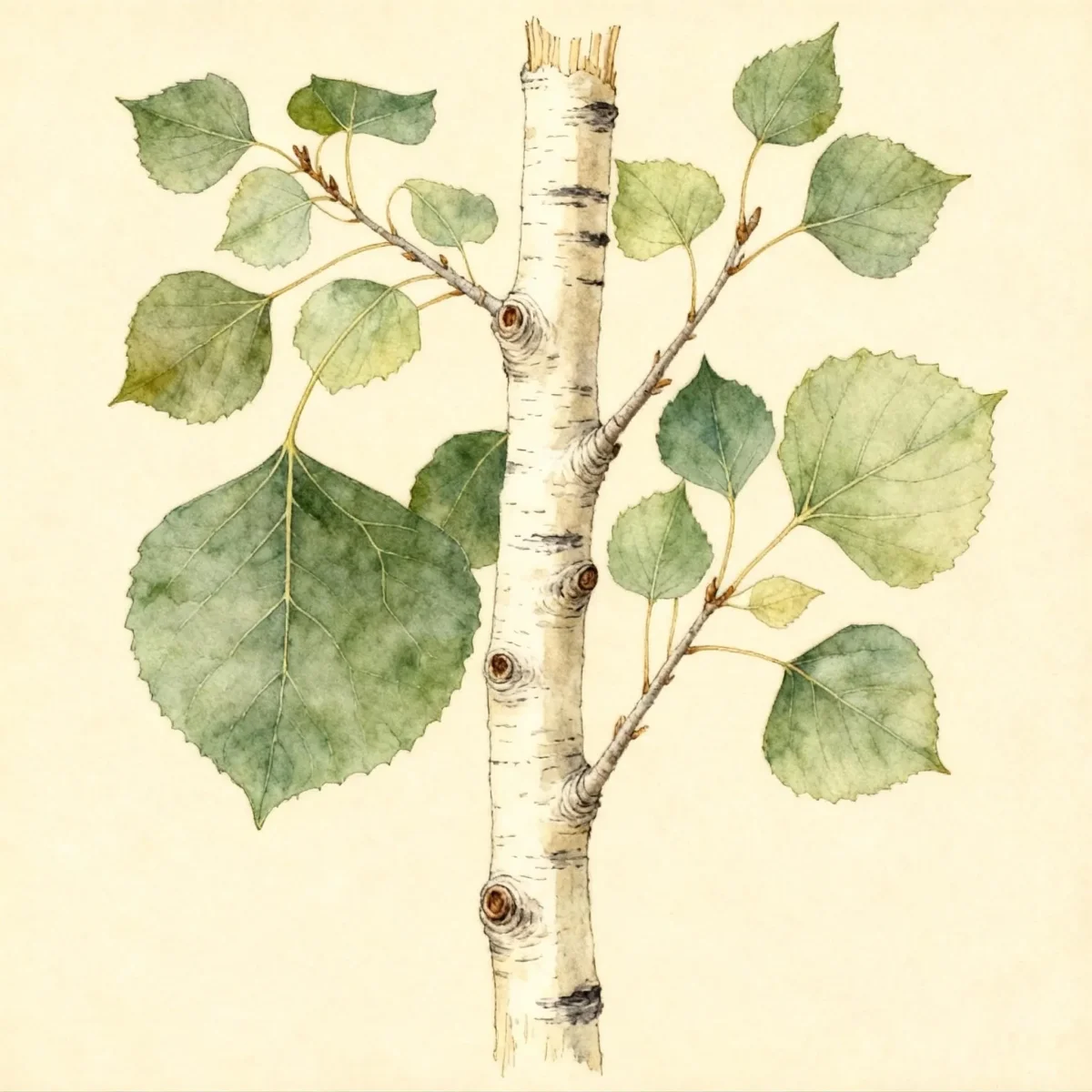
White poplar (Populus alba)
The White poplar (Populus alba) offers silvery foliage and fast growth, thriving in zones 3-8 in full sun.
Scroll down to discover growing tips, care requirements, companion plants, and more
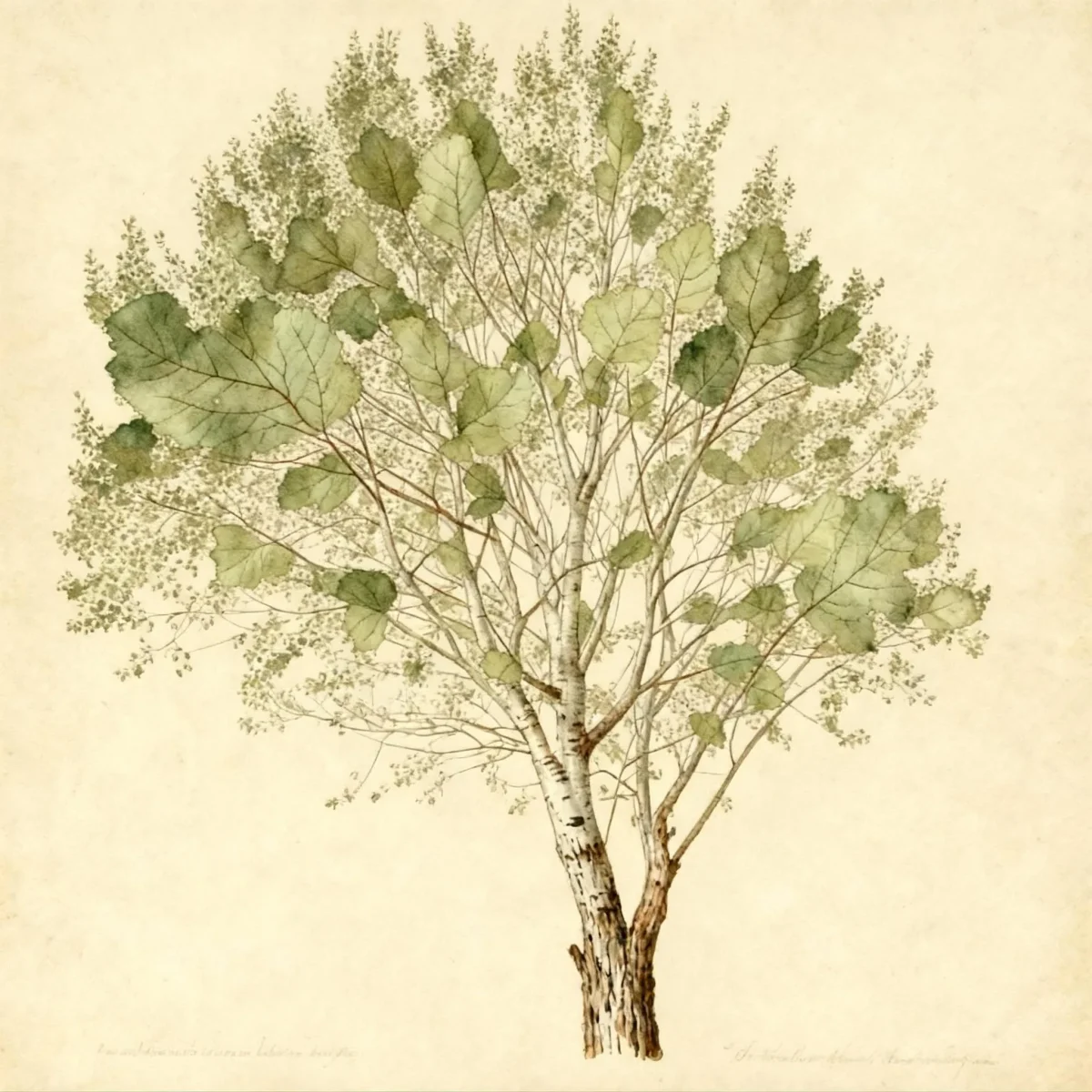
Complete Plant Information
Overview
The White poplar, scientifically known as Populus alba, is a striking deciduous tree valued primarily for the dramatic silvery-green coloration of its new growth, buds, twigs, and the underside of its leaves. This species provides excellent seasonal contrast and rapid vertical screening where space permits. Native to Europe and central Asia, it was established on the North American continent centuries ago and has spread widely.
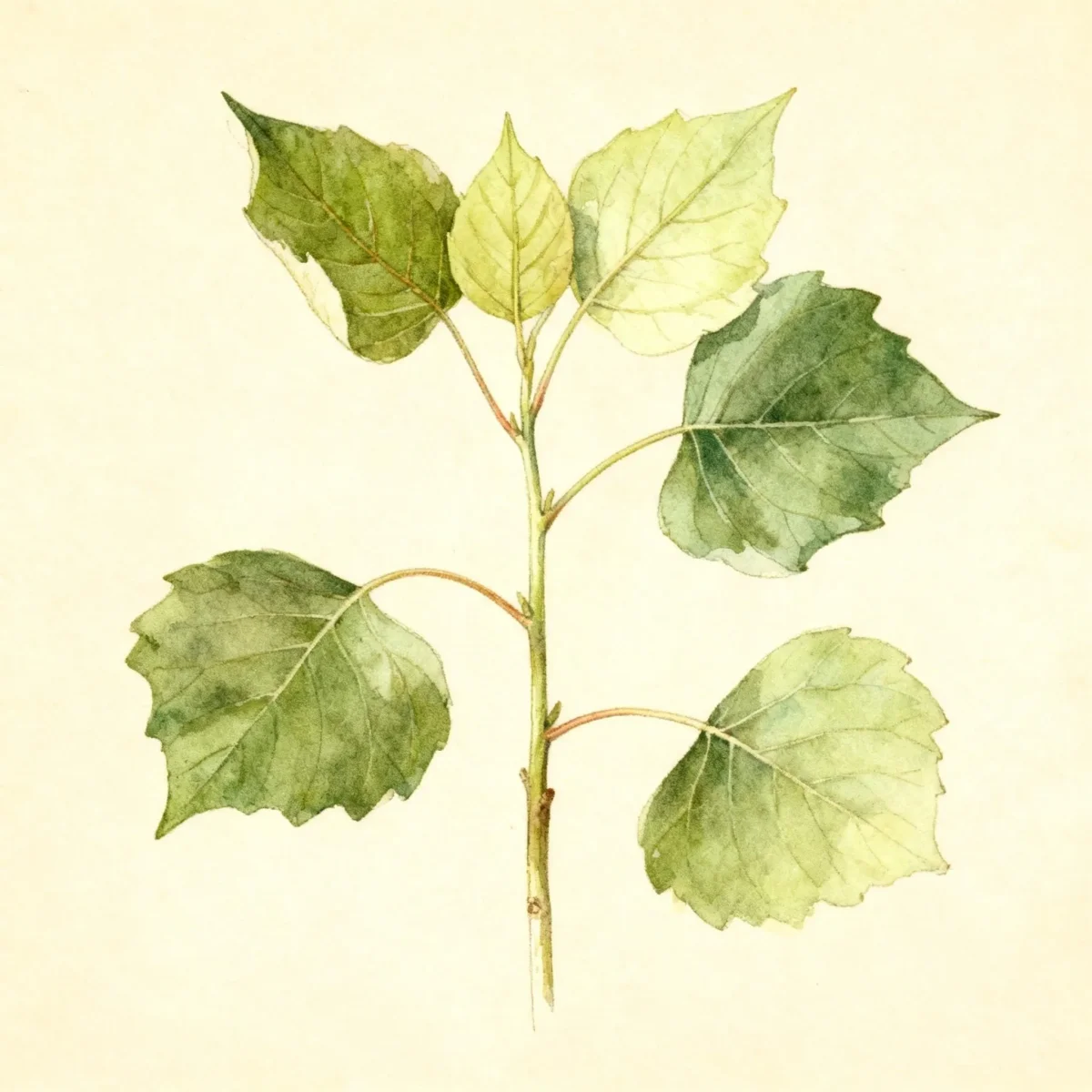
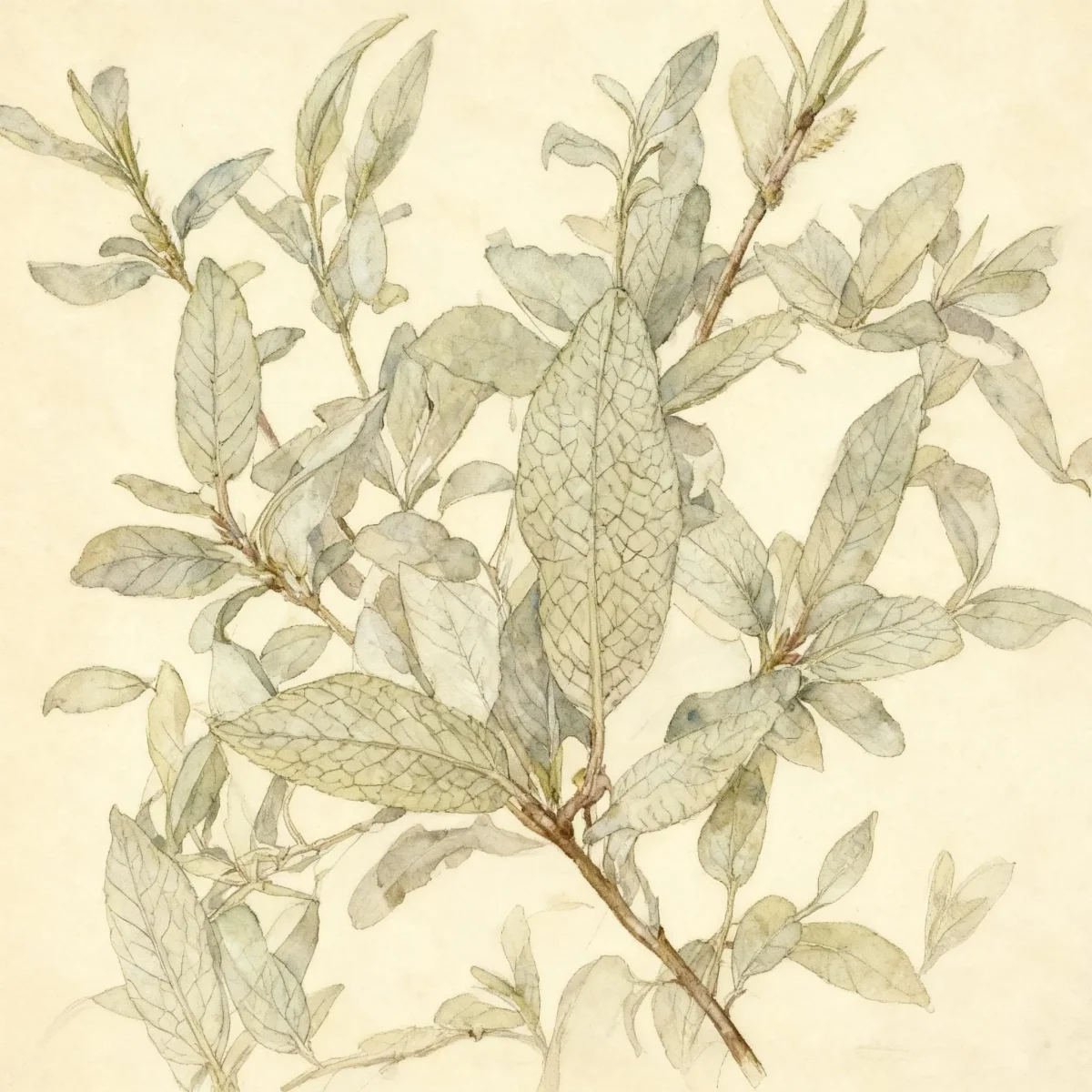
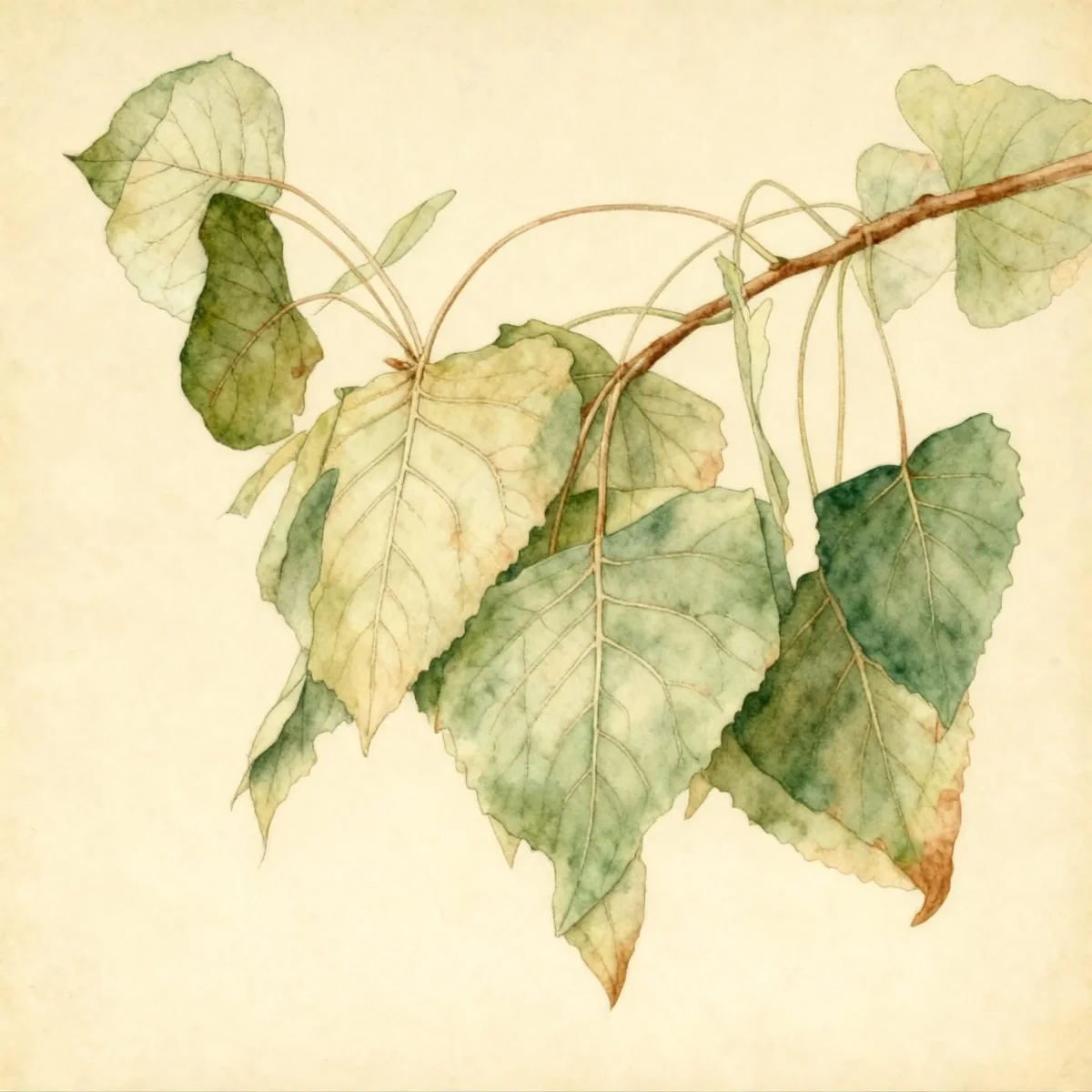
A distinguishing feature of this fast-growing tree is its unique foliage; the 3-to-5 lobed leaves are blue-green above and distinctly woolly white underneath, creating a shimmering effect as they tremble in the slightest breeze. The Populus alba typically achieves significant stature, often reaching 50 to 75 feet tall, developing an irregular to broad-rounded crown over time.
While valued for its ornamental foliage, gardeners must account for the white poplar’s vigorous spreading behavior, as it readily suckers to form dense colonies. It excels in large, sunny woodland areas where its rapid growth can create quick texture and screening. Cultivars, including all-male (seedless) and columnar forms, are available for situations where the messy seed production is undesirable.
Fast Facts
- Plant Family: Salicaceae
- Plant Type: Tree
- Native Range: Europe, central Asia
- Hardiness Zones: USDA Zones 3-8
- Size at Maturity:
- Height: 50-75 ft
- Spread: 50-75 ft
- Bloom Time: April
- Bloom Description: Red (male) and green (female)
- Sun Exposure: Full sun
- Water Needs: Medium
- Maintenance Level: Medium
How to Grow
The Populus alba is highly adaptable, thriving when planted during the dormant season (early spring or late fall) in locations receiving full sun exposure. This tree prefers average, medium, well-drained soils but shows remarkable tolerance for various soil types, including those that may be poor or polluted. While it prefers consistently moist ground, it manages brief periods of drought once established.
Care for the white poplar focuses on managing its vigorous growth habit. Due to its shallow root system, avoid planting near sidewalks, driveways, or underground pipes, as the roots can cause structural damage. Regular monitoring for pests and diseases is recommended, although the tree is generally tolerant of urban environments and pollutants.
Pruning is generally minimal, focusing mainly on removing crossing branches or water sprouts to maintain a desirable structure, especially if grown as a specimen tree rather than a naturalized screen. Because this species readily suckers, aggressive root pruning or removal of unwanted suckers at the periphery of the colony is standard maintenance practice for property lines where spread must be controlled.
Landscape Uses
The primary landscape role for Populus alba is in settings where its fast growth rate and striking foliage can be utilized without interference. It has excellent ornamental interest purely for its silvery leaves, making it a strong candidate for naturalized areas or large, informal woodlands where it can spread via suckering to form colonies. This aggressive tendency makes it a superb choice for creating a quick, dense windbreak or visual screen along distant property lines.
Due to its shallow, potentially aggressive root structure and the messy, cottony seeds produced by female trees, the white poplar is strongly discouraged near structures, paved areas, or manicured lawns. Gardeners looking to harness its aesthetic appeal without the invasive suckering often seek out available columnar or all-male cultivars. A mature specimen can serve as a striking, massive focal point against an evergreen background in large estates.
Standout Features
Flower Qualities
- Insignificant
Noteworthy Characteristics
The Populus alba, commonly called white popular, is primarily grown for the silvery-green hues of its foliage, buds, young twigs and young bark. It is distinguished from other poplars by its 3-5 lobed silvery leaves that are reminiscent of some maples, with the undersides being woolly white. As with aspens, the leaves of white poplars tremble in the slightest breeze, showcasing the attractive foliage, though fall color is undistinguished.
Tolerances
- Tolerates a wide range of soils
- Tolerant of many urban pollutants
Potential Problems
The white poplar is susceptible to a wide spectrum of fungal and bacterial issues, so gardeners should scout for dieback, cankers, leaf spots, rusts, and powdery mildew. Insect pressure can also be significant, with borers, aphids, caterpillars, and scale insects frequently noted visitors on Populus alba. Management involves attentive care to promote vigor and promptly removing infected limbs to prevent spread.
Control over the plant’s spread is critical, as it is often noted for being an invasive alien in some regions. Its rapid growth and abundant self-seeding allow it to naturalize quickly, potentially overwhelming slower-growing native species. If suckering is observed outside the desired boundary, mechanical removal or specialized herbicides directed at the suckers may be necessary to contain the colony.
Frequently Asked Questions
What hardiness zones is White poplar suitable for?
The White poplar is suitable for USDA Hardiness Zones 3 through 8.
How large does Populus alba grow?
This large deciduous tree typically reaches heights between 50 and 75 feet, with a spread matching that range.
When does White poplar bloom?
Populus alba produces its non-showy flowers in April, with male trees bearing reddish catkins and female trees bearing green catkins before the leaves emerge.
What sun exposure does Populus alba need?
The White poplar performs best when grown in full sun conditions.
Conclusion
The Populus alba, or white poplar, remains a valuable choice for gardeners needing rapid screening or the unique ornamental effect of silvery foliage in large, open spaces. Recognizing its aggressive suckering habit and potential disease susceptibility is key to successful long-term management of this fast-growing tree. Before planting, evaluate your site to ensure ample room for its maturity and check local regulations regarding invasive species before introducing Populus alba.
Companion Planting
When selecting companions for the white poplar, prioritize plants that share similar cultural requirements concerning sun and moisture, but avoid species that are weak competitors. Because the poplar’s root system tends to be wide and shallow, groundcovers that tolerate some root competition, such as hardy junipers (Juniperus) or certain spreading sedges (Carex), work well beneath the canopy in sunny areas. For taller screens adjacent to the poplar, consider fast-growing, deep-rooted deciduous trees that balance its upright form without aggressive surface-rooting behavior.
Seasonal Care Calendar
Spring care centers on surveying the tree for damage accumulated over winter and addressing any suckers that emerge early near desired pathways. As foliage expands in late spring, monitor closely for the first signs of fungal leaf spots or insect activity, applying targeted treatments if necessary to maintain the foliage’s silvery quality. Summer watering is crucial during dry spells to support the medium water needs of this fast-growing species, ensuring the soil remains relatively moist.
Fall is the ideal time to assess the overall canopy structure and perform any necessary corrective pruning, as the tree will soon enter dormancy, minimizing stress. While the fall color of the white poplar is generally undistinguished, cleanup may include removing the abundant cottony fluff from female trees after the seeds disperse in late May or early June, which may extend into early fall cleanup efforts.