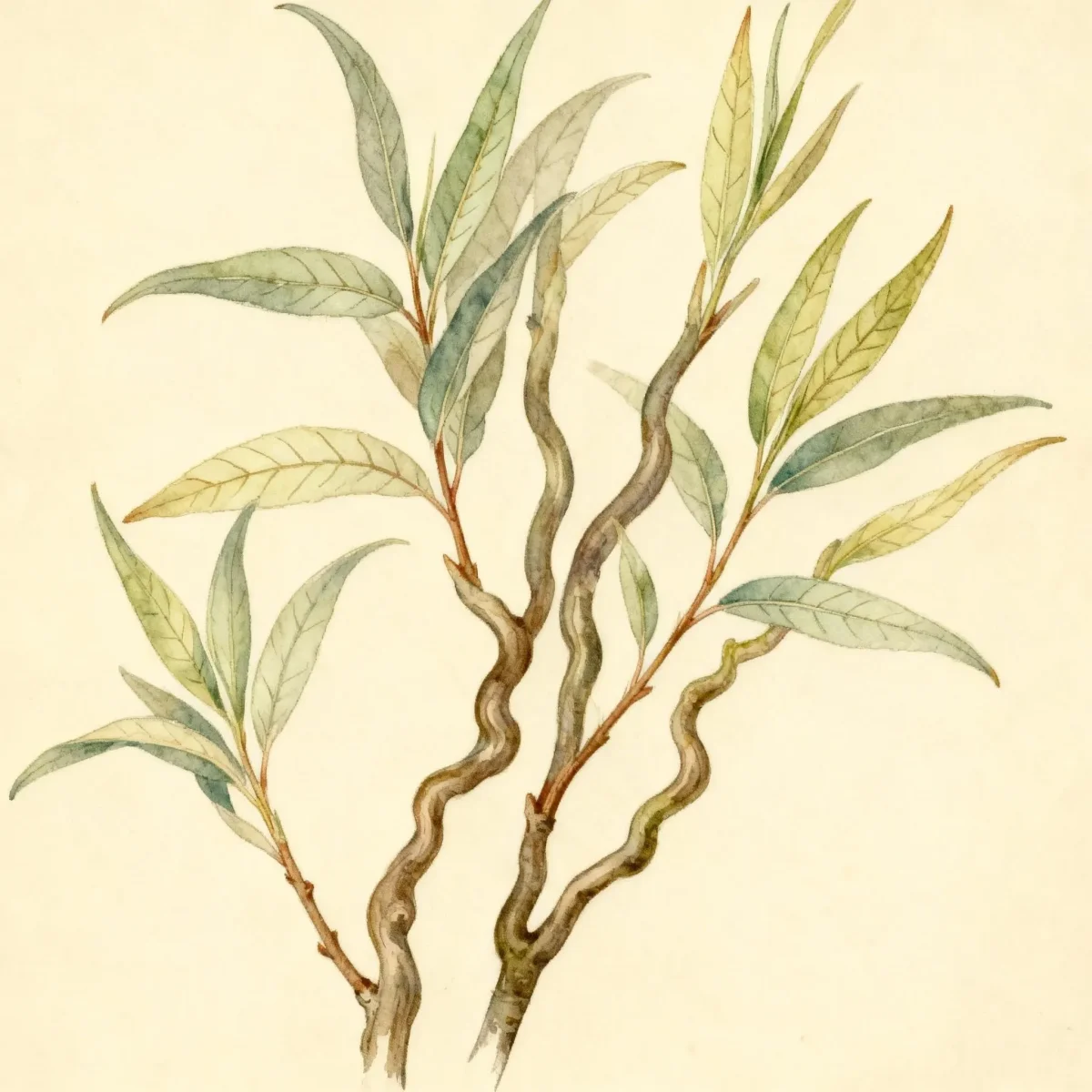
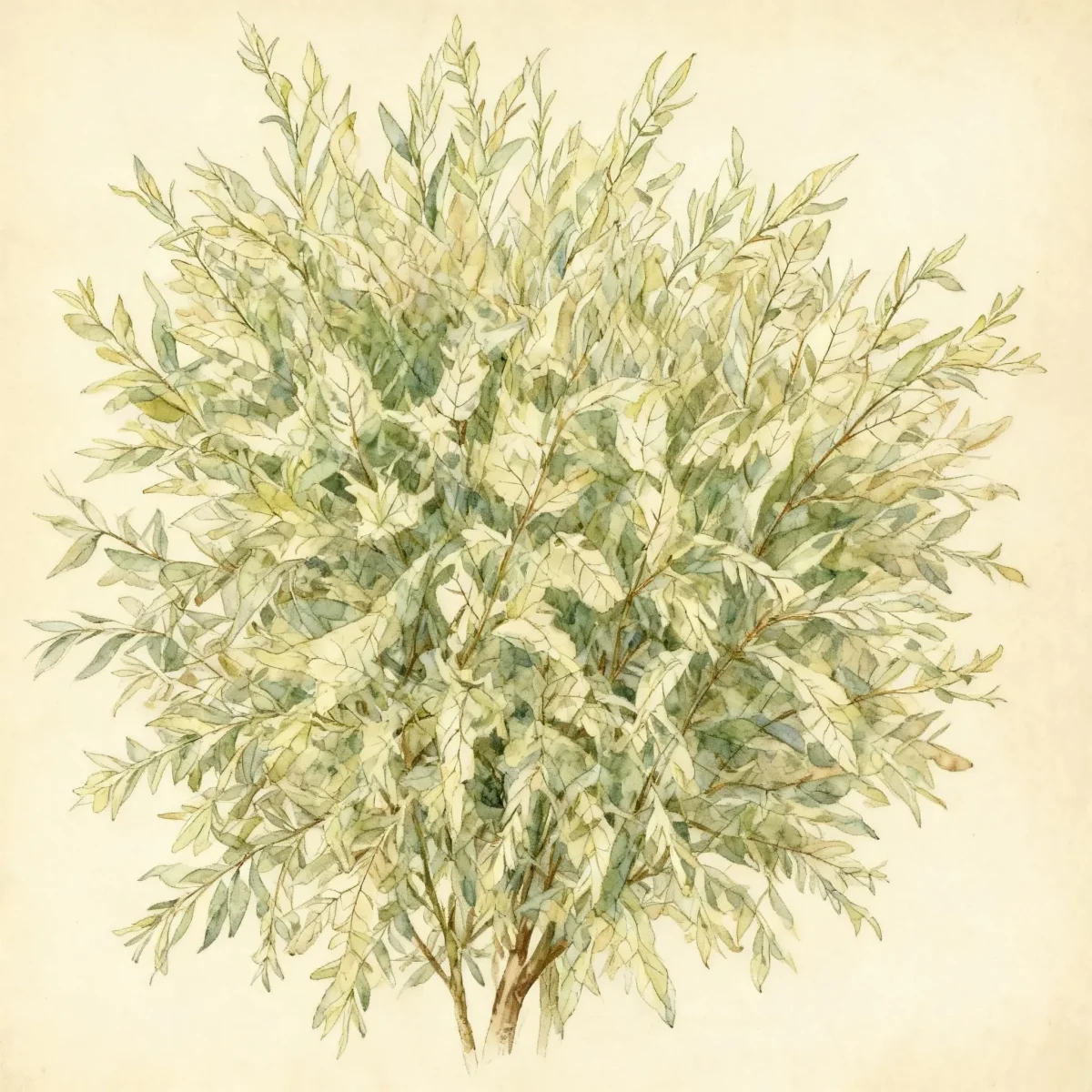
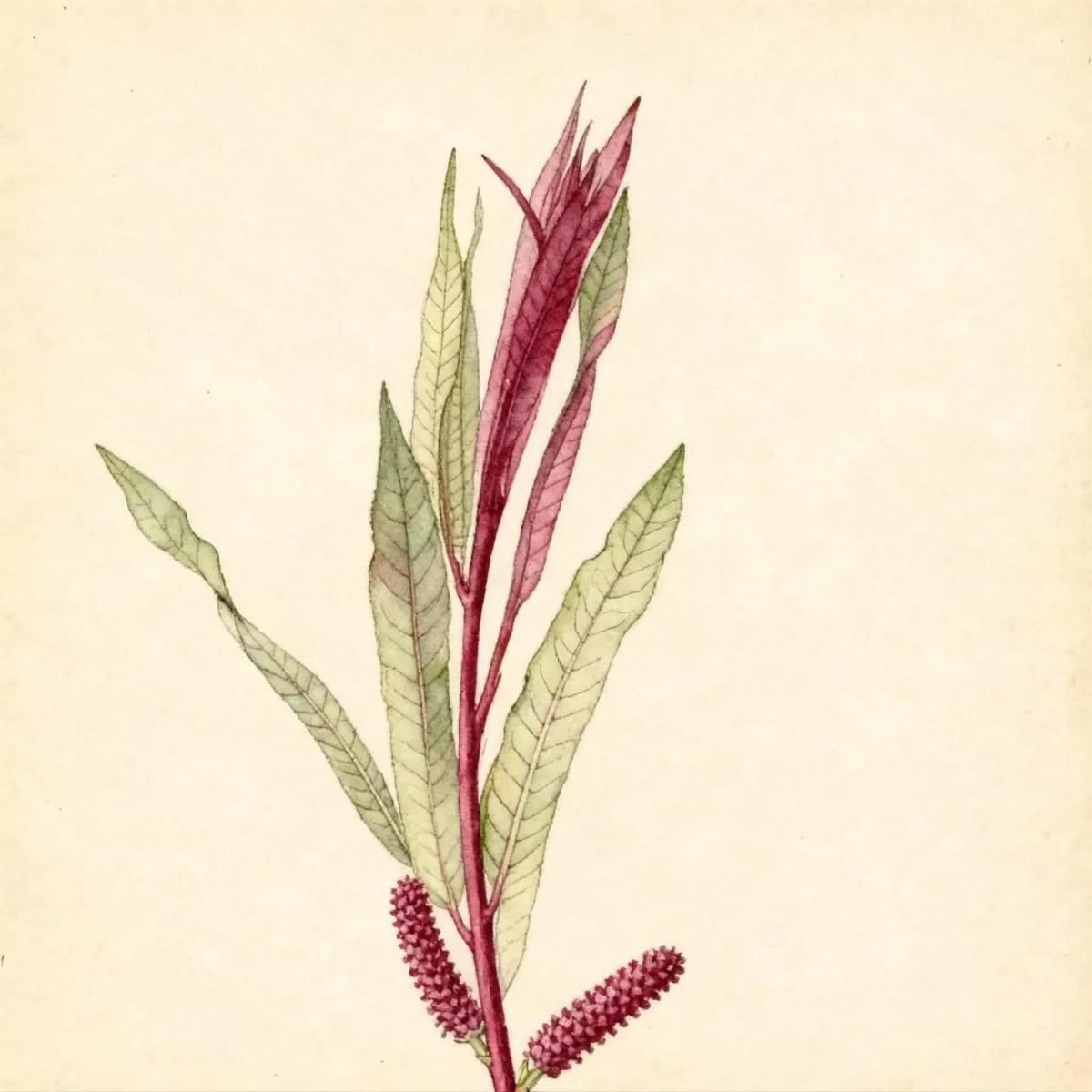
Weeping willow (Salix babylonica)
Discover gardening requirements for the iconic Weeping willow (Salix babylonica), noting its majestic form and need for moist soils.
Scroll down to discover growing tips, care requirements, companion plants, and more
Complete Plant Information
Overview
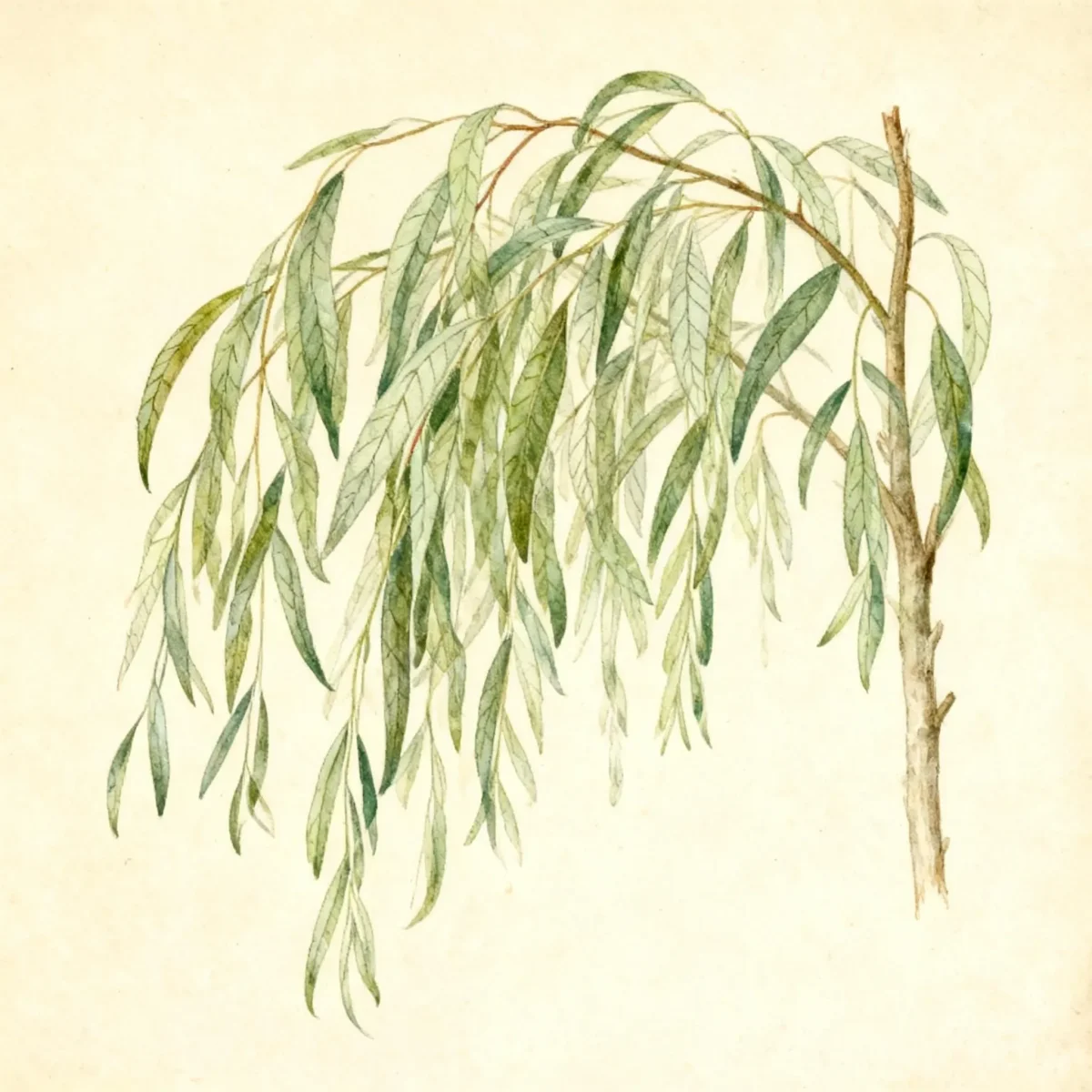
The Weeping willow ($Salix\ babylonica$) is instantly recognizable for its dramatic, pendulous branches that sweep gracefully toward the ground, creating a truly spectacular silhouette in the landscape. Originating in Northern China, this medium to large deciduous tree thrives where moisture is abundant, making it a natural choice for riparian settings or large landscape features. While its aesthetic appeal is undeniable, successful cultivation of $Salix\ babylonica$ requires careful consideration of its significant space and water demands.
This majestic species develops stout trunks and a broad, rounded crown emphasizing its weeping habit, which can mature between 30 and 50 feet tall and equally wide. Gardeners often seek out the iconic look of the Weeping willow, noting that its dense foliage provides excellent shade during the warm months. However, due to its size and potential structural weaknesses, placing the Babylon weeping willow thoughtfully is crucial for long-term success.
It is important to note historical context: many specimens sold today may be hybrids, but the characteristic weeping form remains highly valued along streams and ponds where its branches can drape near the water surface. Proper site selection dictates whether this magnificent tree enhances or frustrates your landscape plan.
Fast Facts
- Plant Family: Salicaceae
- Plant Type: Tree
- Native Range: Northern China
- Hardiness Zones: USDA Zones 6-8
- Size at Maturity:
- Height: 30-50 ft
- Spread: 30-50 ft
- Bloom Time: April to May
- Bloom Description: Silver green
- Sun Exposure: Full sun to part shade
- Water Needs: Medium to wet
- Maintenance Level: Medium
How to Grow
The $Salix\ babylonica$ prefers to be planted in average, well-drained soils, though it critically requires medium to wet conditions to thrive; absolutely avoid dry soils. Full sun exposure is preferred, although it can tolerate partial shade. Site selection should allow for its eventual large spread, keeping it well away from structures and septic systems due to its thirsty, shallow root system.
Ongoing care focuses on moisture management. Ensure planting locations near streams or ponds receive consistent moisture, especially during establishment. Pruning $Salix\ babylonica$ is best performed in late winter or early spring while the tree is dormant to manage shape and remove any weak or damaged wood. Be aware that this species may not exhibit reliable winter hardiness across all its zones and performs best in the southern extensions of its range.
Due to the weak nature of its wood, branches are susceptible to damage from heavy ice or snow accumulation. Regular inspection and timely structural pruning are necessary maintenance tasks for this Weeping willow. While generally planted for its drama, gardeners must anticipate considerable leaf and twig litter throughout the year.
Landscape Uses
The weeping form of $Salix\ babylonica$ is most effective and beautiful when situated near water bodies, such as ponds, slow-moving streams, or constructed rain gardens. Its suggested use as a rain garden plant highlights its ability to tolerate seasonally saturated soils, helping to manage runoff. When placed appropriately, the effect of its long, flowing branches touching the water is unmatched.
Conversely, planting a Weeping willow specimen in a typical residential yard is often discouraged. Its rapid growth, potential insect and disease susceptibility, large mature size, and invasive roots that aggressively seek out water sources (clogging sewers and drains) present major complications. Therefore, confine this majestic tree to large acreage or expansive naturalized plantings where its dramatic reach can be fully appreciated without encroaching on infrastructure.
Standout Features
Flower Qualities
- Insignificant
Noteworthy Characteristics
$Salix\ babylonica$, commonly called weeping willow or Babylon weeping willow, is a medium to large deciduous tree with a stout trunk topped by a graceful broad-rounded crown of branches that sweep downward to the ground. It grows to 30-50’ (sometimes to 60’) tall and as wide, native to China, and is often celebrated for having the best form among available weeping willows. Although flowering catkins appear in April-May, they are silvery green and not considered showy.
Tolerances
- Deer
- Black Walnut
Potential Problems
The Weeping willow is vulnerable to numerous diseases, including various blights, powdery mildew, leaf spots, and cankers, often accompanied by insect pests like aphids, scale, borers, lacebugs, and caterpillars. Cultivators should manage expectations regarding the wood structure, as it tends to be weak, leading to breakage from ice and snow loads. Furthermore, the shallow, extensive root system poses a risk to underground pipes and limits understory planting beneath the tree canopy.
Pruning out dead or diseased wood promptly helps manage disease spread. For pest outbreaks, monitor late spring activity and treat according to local horticultural recommendations, focusing on integrated pest management. Given the litter potential (leaves, twigs, and branches), ensure placement is far from patios or areas requiring constant cleaning.
Frequently Asked Questions
What hardiness zones is Weeping willow suitable for?
The $Salix\ babylonica$ is suitable for USDA Zones 6 through 8.
How large does Weeping willow grow?
This tree typically reaches a mature height between 30 and 50 feet, with a similar spread of 30 to 50 feet wide.
What sun exposure does Weeping willow need?
The Weeping willow requires full sun for optimal growth but can tolerate areas receiving part shade.
When does Weeping willow bloom?
Flowering occurs from April to May, producing silver green catkins which are not considered showy.
Conclusion
The $Salix\ babylonica$, or Weeping willow, remains a stunning focal point in large landscapes, particularly favored near water features because of its unique, graceful architecture. Successful gardening with this species hinges on providing consistently moist soil and ample space to accommodate its mature size and root spread. Before planting your Weeping willow, confirm the site’s hydrological profile and verify that your zone falls within the 6 to 8 range.
Companion Planting
When selecting plants to grow near your $Salix\ babylonica$, prioritize moisture-loving species that can tolerate the shade cast by the large canopy while resisting competition from the willow’s roots. Groundcovers that thrive in damp, shady conditions, such as certain varieties of ferns or hostas known for humidity tolerance, work well near the drip line. Avoid thirsty turfgrasses directly beneath the canopy, as the willow will quickly outcompete them.
Focus complementary planting on the edges of the saturated area where the willow roots transition to drier ground. Plants suitable for rain garden borders that enjoy consistent moisture, such as Iris species, astilbe, or cardinal flower, can provide vibrant color against the muted tones of the willow’s foliage, provided they are planted far enough away from the primary root zone.
Seasonal Care Calendar
Spring is the most critical time for structural maintenance of the Weeping willow. Perform any necessary pruning to correct breakage from winter storms or to thin the crown before the leaf-out begins. As temperatures rise, monitor soil moisture closely; if rainfall is insufficient, supplement watering heavily to satisfy the “medium to wet” needs of $Salix\ babylonica$.
Summer care revolves around pest scouting. Inspect leaves for signs of aphids or scale, and address infestations early before they weaken the tree. Because the wood is weak, avoid heavy fertilizing, which encourages overly vigorous, weak new growth. Instead, focus on deep, infrequent watering during any dry spells to encourage deeper root development, though understand these roots will remain relatively shallow.
Fall cleanup is essential. The Babylon weeping willow sheds leaves, twigs, and small branches continuously, so rake this debris promptly, especially if you are planting near desirable ornamentals that could suffer under heavy leaf litter over winter. In colder fringe zones (Zone 6), ensure the tree is well-hydrated entering winter dormancy to help prevent winter desiccation damage.