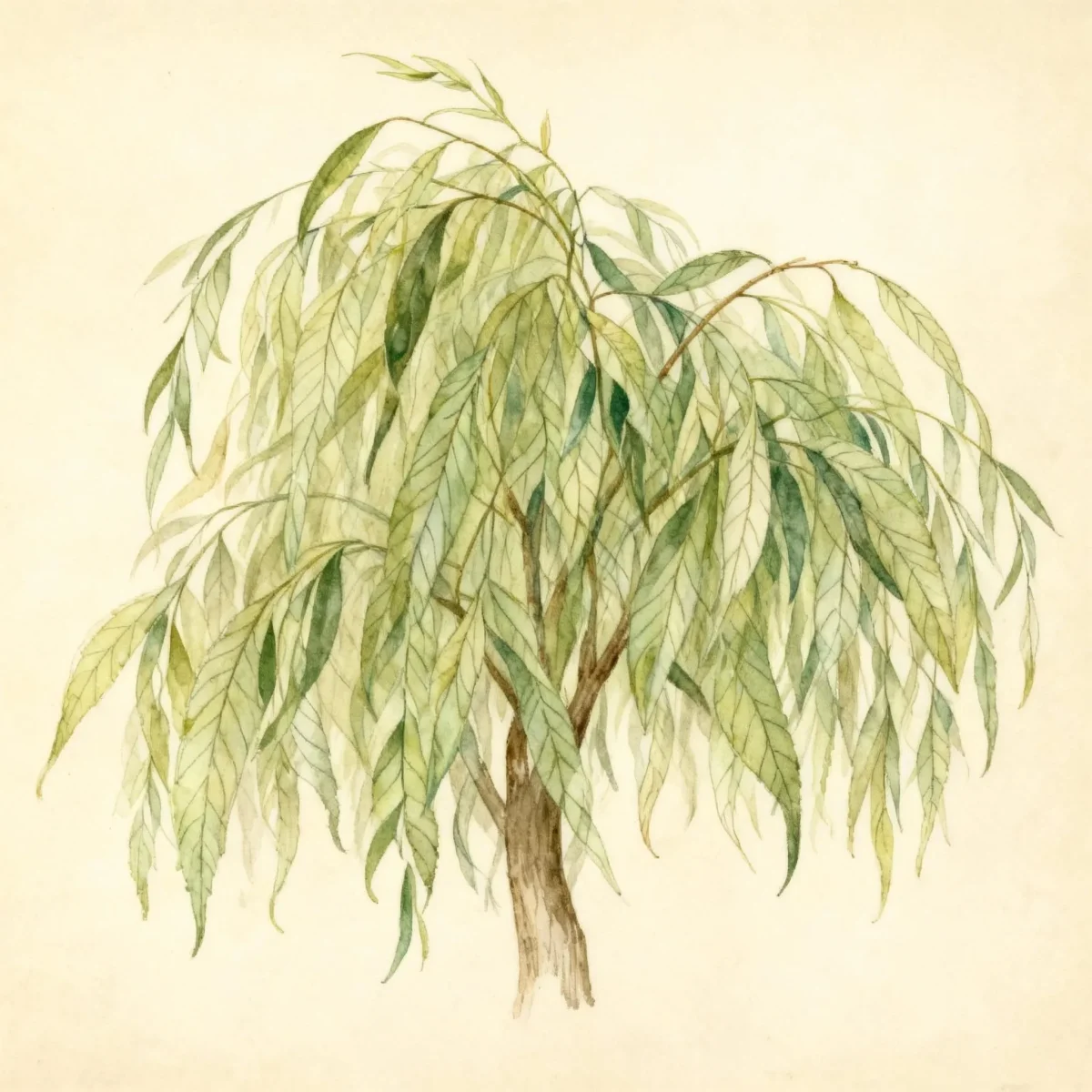
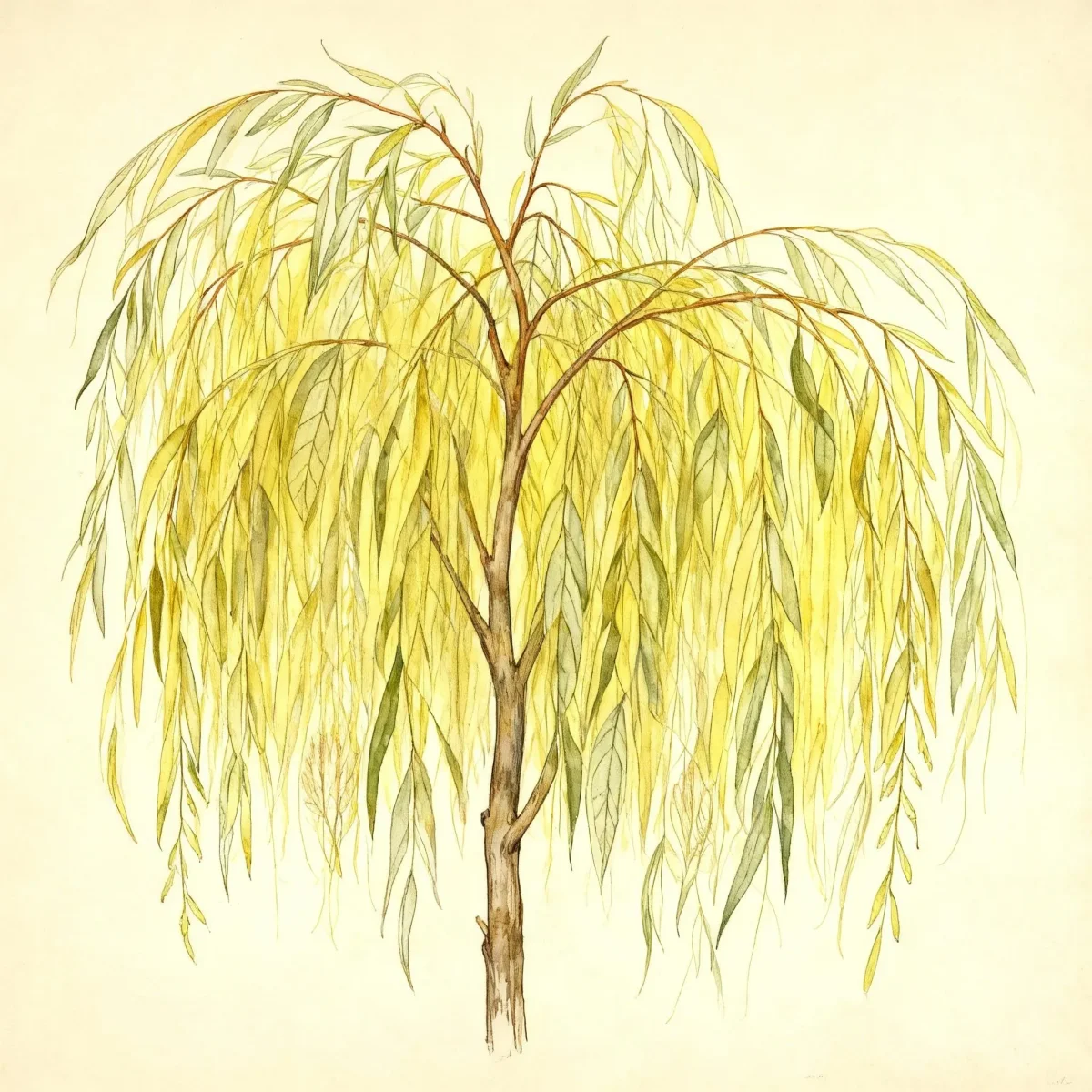
White willow (Salix alba)
Fast-growing, deciduous Salix alba (White willow) reaching 80' tall, thriving in wet soils. Exceptional for erosion control but requires high maintenance.
Scroll down to discover growing tips, care requirements, companion plants, and more
Complete Plant Information
Overview
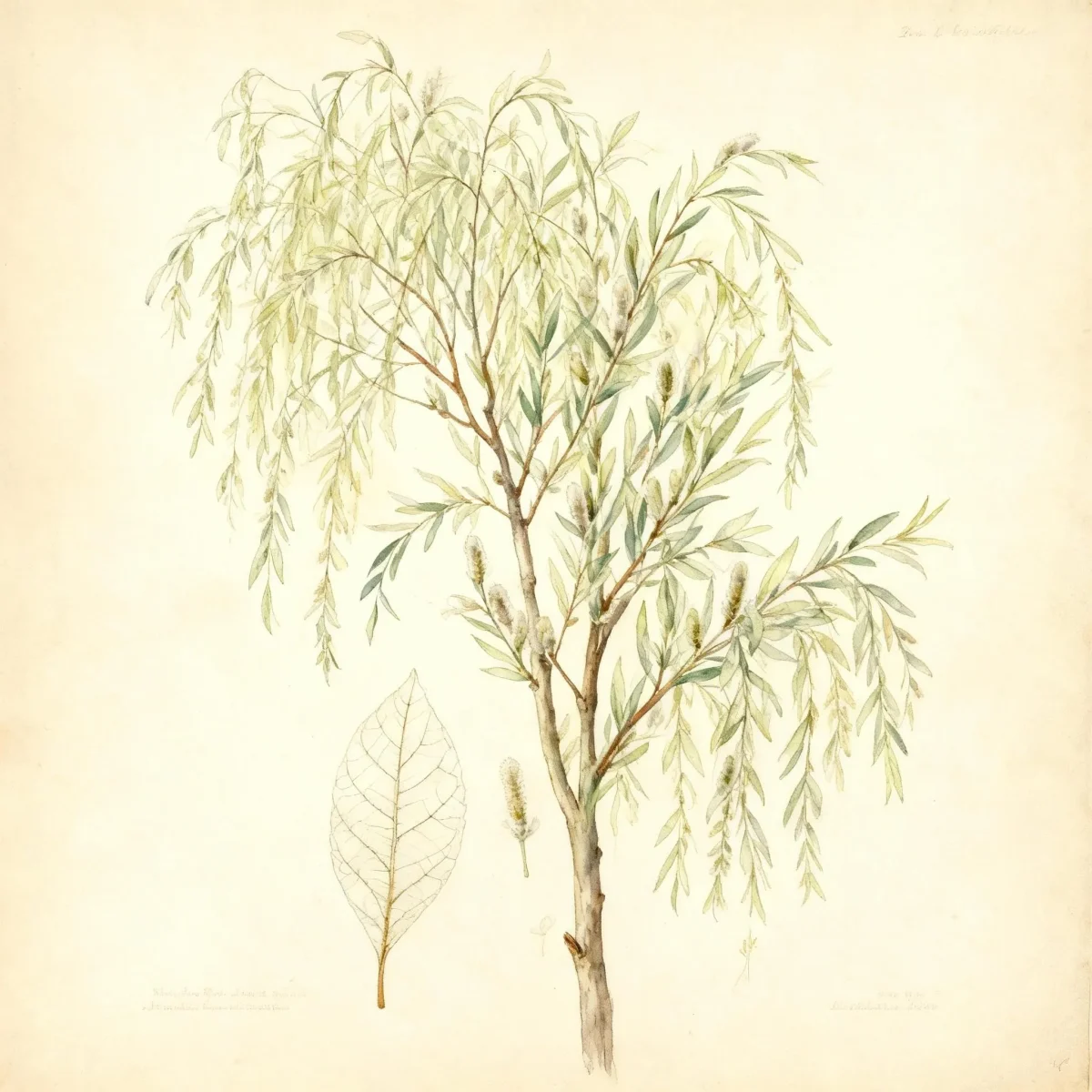
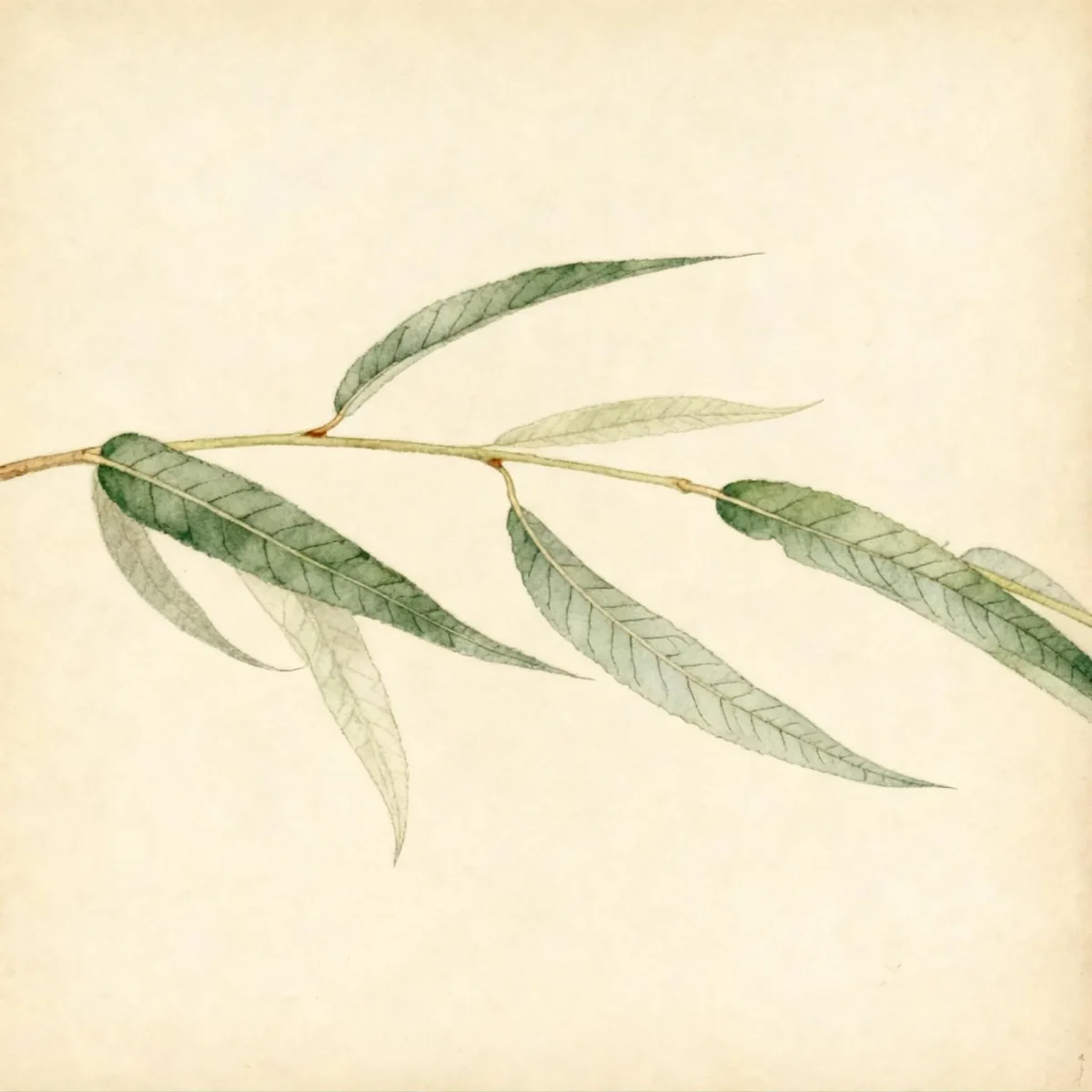
The White willow (Salix alba) is a majestic, fast-growing deciduous tree known for its towering stature and impressive canopy, often reaching heights between 50 and 80 feet. While its native range spans Europe and Central Asia, this species was successfully introduced to North America centuries ago where it has naturalized widely. A key feature is its leaves, which possess a distinctive white, silky undersurface, enhancing its visual appeal in the landscape.
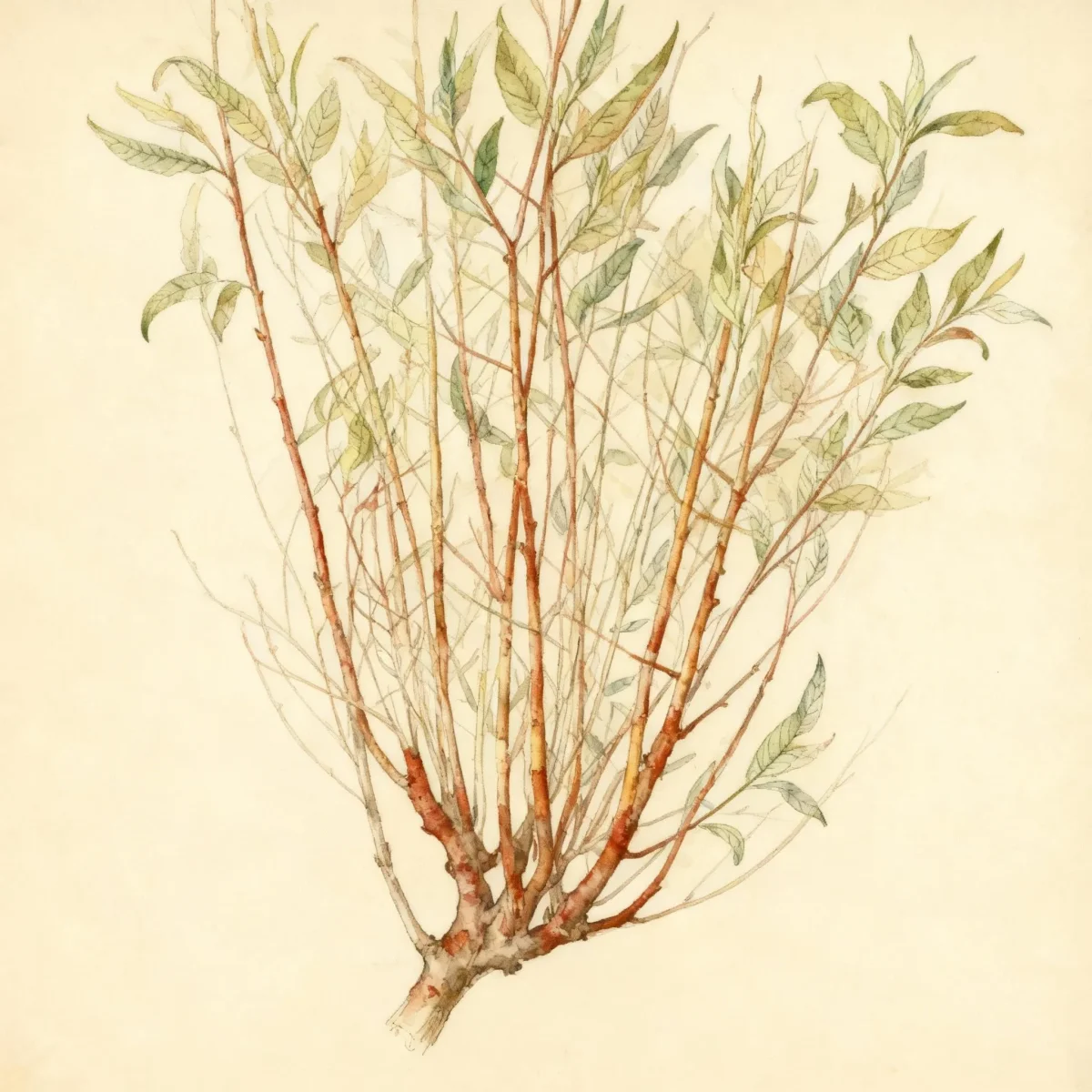
Although the species itself is rarely offered commercially today, cultivars boasting weeping forms or vibrant winter twig color remain popular selections. Functionally, Salix alba is an excellent choice for managing very moist sites, streamsides, or low-lying areas due to its consistent need for medium to wet soil conditions. Gardeners must be aware that this high-maintenance tree necessitates careful placement due to its vigorous, moisture-seeking roots and somewhat weak wood structure.
The early spring interest is provided by its catkins; male trees display somewhat showy blooms with yellow anthers, followed by variable pale yellow fall foliage. For the right site—one where its need for moisture and potential litter are not inconvenient—the White willow offers significant stature and ecological anchoring.
Fast Facts
- Plant Family: Salicaceae
- Plant Type: Tree
- Native Range: Europe, northern Africa to central Asia
- Hardiness Zones: USDA Zones 2-8
- Size at Maturity:
- Height: 50-80 ft
- Spread: 40-70 ft
- Bloom Time: April to May
- Bloom Description: Yellow anthers (male); Green (female)
- Sun Exposure: Full sun to part shade
- Water Needs: Medium to wet
- Maintenance Level: High
How to Grow
The ideal time to establish a young Salix alba is during the dormant season—late fall or early spring—especially if planting bare-root specimens. This magnificent tree demands a location offering full sun, though it can tolerate part shade in hot climates. Crucially, it must be planted in average soils that consistently remain medium to wet; strictly avoid dry soil conditions, as the White willow thrives only where moisture is abundant.
Ongoing care centers heavily on soil moisture management. Ensure deep, frequent watering, particularly during establishment and dry spells, recognizing its inherent preference for perpetually moist ground. Fertilization is usually unnecessary unless soil tests indicate severe deficiencies. Given that this tree has weak wood, pruning is a critical, high-maintenance task. Prune as needed in late winter to early spring to remove crossing, damaged, or dead limbs before new growth begins.
The White willow is somewhat self-cleaning, dropping leaves, twigs, and branches regularly, which contributes to its litter potential. For structural integrity, inspect the tree after storms, as ice and heavy snow can easily damage limbs. Planting location selection is paramount; site Salix alba far from structures, septic systems, or underground pipes, as its roots aggressively seek out moisture sources.
Landscape Uses
While the Salix alba is generally discouraged for residential settings due to manageable concerns like weak wood and high litter production, its strong preference for wet environments carves out essential, specific landscape roles. Its primary acceptable use is as a stabilizer in ecological restoration; it excels in Rain Garden designs or along naturalized stream banks and pond edges where constant moisture is guaranteed.
When considering partners for the White willow, select other water-loving, sturdy species that can tolerate high soil moisture, such as certain maples, river birches, or moisture-loving shrubs. Avoid planting it near patios, walkways, or drainage fields, as its aggressive, shallow roots are highly moisture-seeking and can interfere with infrastructure over time. Its significant size also means it should be reserved for large properties where it can be allowed to mature into an open-crowned specimen without infringing on built environments.
Standout Features
Flower Qualities
- Showy
Noteworthy Characteristics
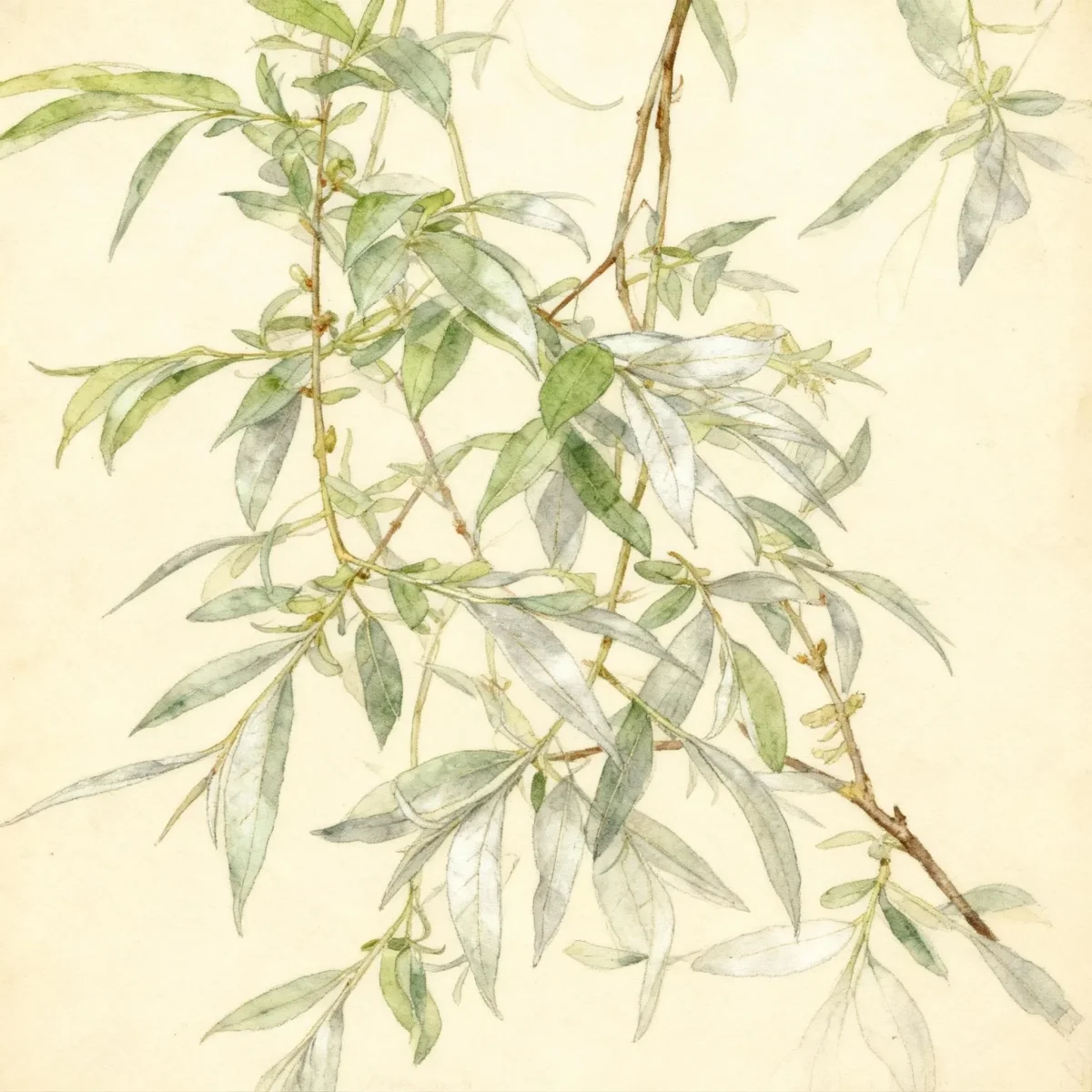
Salix alba, commonly called white willow, is native to Europe, central Asia and northern Africa. This is an upright, fast-growing, deciduous tree that grows to 50-80’ tall with erect branching forming a broad, loose, open crown. The species is dioecious, featuring male catkins with yellowish anthers in May, and has lanceolate leaves that are gray-green above and white-silky beneath.
Tolerances
- Deer
- Erosion
- Clay Soil
- Black Walnut
Potential Problems
The White willow is unfortunately susceptible to numerous disease problems, including various blights, powdery mildew, leaf spots, and cankers, requiring vigilant monitoring. Furthermore, an array of insect pests find this tree appealing, such as aphids, scale, borers, lacebugs, and caterpillars, often necessitating targeted chemical or biological controls. Beyond pest and pathogen issues, structural weaknesses are common; the wood is weak and prone to cracking, and branches frequently suffer damage from ice and snow loads. Management must focus on preventative pruning in late winter to maintain structural integrity and choosing a site where litter drop is not a major inconvenience.
Frequently Asked Questions
What hardiness zones is White willow suitable for?
Salix alba is reliably hardy in USDA Zones 2 through 8.
How large does White willow grow?
This tree typically reaches mature heights between 50 and 80 feet tall, with a comparative spread of 40 to 70 feet.
What sun exposure does Salix alba need?
For optimal growth, Salix alba requires full sun, although it can tolerate part shade.
When does White willow bloom?
Flowering occurs from April to May, marked by yellow anthers on male trees and green flowers on female trees.
Conclusion
The Salix alba, or White willow, offers unparalleled vigor and rapid growth ideal for establishing structure quickly in large, wet landscapes, particularly where erosion control is needed along waterways. While its high maintenance and weak wood limit its residential appeal, its tolerance for moisture makes it indispensable in specific ecological settings. Before planting this species, carefully assess your site conditions to ensure it offers the wet requirements needed by the White willow while providing ample space for its massive mature spread.
Companion Planting
When situating the Salix alba in large, moist landscapes, focus on companion plants that share its love for wet feet, helping to create a cohesive, water-loving border. Consider planting other moisture-tolerant natives such as river birch (Betula nigra) or various large ornamental grasses that can handle sporadic inundation. For groundcover near the periphery—avoiding the dense root zone—look toward moisture-tolerant ferns or hardy sedges that soften the transition to drier areas.
Propagation Tips
One of the most straightforward ways to propagate the White willow is via hardwood cuttings, capitalizing on its aggressive rooting ability. During the dormant season (late fall through early spring), collect straight, healthy branches (pencil thickness or slightly larger). Cut sections about 6 to 10 inches long, ensuring each cutting has several nodes. Plant the base of the cutting—the bottom cut end should be placed 4-6 inches deep into moist, well-drained soil, ideally in a nursery bed or container. Keep the soil consistently moist; roots will often form rapidly, making Salix alba an excellent subject for fast vegetative reproduction.